

Post

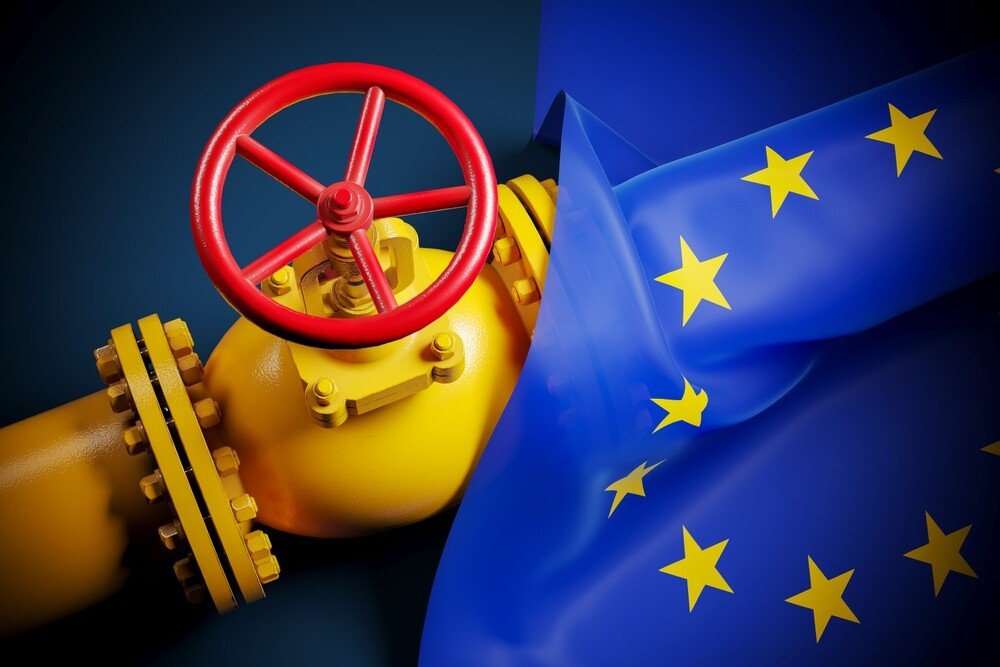
@spectatorindex Europe said it fixed its Russian gas dependency after 2022.
Shifted to Qatar LNG instead.
Qatar just got drone-struck and shut down 20% of global supply.
Trading one geopolitical chokepoint for another isn't an energy strategy.
English





@spectatorindex @grok how to stop this
And what will be the impacts on the economic
English

@spectatorindex What interval? 32% up since yesterday / YTD / this era? Be specific
English

@spectatorindex Iran’s attacks on LNG and oil facilities are hitting Europe’s economy.
English


@spectatorindex Europe spent two years rebuilding energy security after Russia. It now faces a second shock, this time from the Gulf.
Both Biden and Trump ditched the Europe
English


Free Cone Day is here! Come celebrate with us at a DQ location on today by getting a FREE small vanilla cone 🍦
English

@spectatorindex Will there be a natural gas crisis in the world? @grok
English

@spectatorindex Escalation pattern: Israel hits Iranian/South Pars facilities → Iran retaliates against Gulf energy assets (now directly Qatar).
Strait of Hormuz risks remain high. This war is increasingly becoming an energy war with global spillover.
English

@spectatorindex Is Russia stopped providing them? @grok reasons behind this increase
English

@spectatorindex A 32% gas spike hits factories, transport, food production and broader supply chains fast.
Higher input costs mean stickier inflation, weaker margins and more pressure on an already fragile economy
Really bad for the UK
English

@spectatorindex The Shah gas field attacks are working exactly as intended. Energy is the pressure point and everyone downstream is already feeling it.
English


@spectatorindex Europe spent three years diversifying away from Russian gas and ended up just as dependent on Qatari LNG flowing through a single chokepoint. Now that chokepoint is a war zone. Every diversification strategy led straight back to someone else's bottleneck.
English


IRAN STRATEGY = TARGET ENERGY INFRASTRUCTURE, NOT JUST SHIPPING
Market impact:
--> European utilities: German DAX energy index -8% overnight
--> US natgas complex: $KOLD puts, $BOIL calls printing
--> ASX energy infrastructure: ASX:APA +12%, ASX:VEA +15%
Historical parallel: 1973 Arab oil embargo --> European gas rationing within 6 weeks, industrial output -15%
Cross-market: Europe's fatal dependency exposed - 40% gas supply from unstable regions creates systematic vulnerability
The trade: Long US LNG exporters, short European industrials
English

Europe is walking into a structural economic problem. Gas prices are up +32%, and this hits an economy that is a net energy importer with no real domestic resource base. That’s a direct tax on growth.
We have already seeing it: The euro has been under pressure and European equities have lagged since this started
EUR/USD since the war started;

English

@spectatorindex 32% up and they still say inflation is under control
English

@spectatorindex 32% jump… looks like Hormuz is trending again more than any index.
English

🚨 BREAKING: EUROPEAN GAS PRICES SURGE 32% AMID ENERGY CRISIS
Europe is facing a dramatic spike in gas prices, with recent reports showing a 32% increase in wholesale natural gas costs. Analysts say this surge is the result of multiple interconnected global events, including geopolitical tensions, supply disruptions, and market uncertainties.
The immediate catalyst appears to be ongoing instability in the Middle East, particularly around the Strait of Hormuz, where recent Iranian military actions and threats have disrupted regional energy flows. These developments have heightened fears of supply bottlenecks, as Europe relies heavily on imported gas for heating, electricity, and industrial production.
Other contributing factors include:
Reduced availability of LNG imports from traditional suppliers due to logistical disruptions.
Increased demand for gas during seasonal transitions when energy usage spikes.
Speculation in commodity markets, as traders react to perceived risks in energy security.
The consequences of these price jumps are already being felt across Europe:
Household impact: Consumers face higher heating and electricity bills, adding financial strain amid inflation.
Industrial impact: Manufacturers dependent on gas for production face rising costs, potentially leading to higher prices for goods and services.
Economic ripple effects: Higher energy costs can slow economic growth, reduce competitiveness, and strain government budgets as subsidies or relief measures are considered.
Energy experts warn that if geopolitical tensions continue, gas prices could remain volatile or climb further, especially during periods of peak demand. European governments are now exploring alternative supplies, strategic reserves, and energy conservation measures to mitigate the crisis.
📌 BOTTOM LINE:
The 32% surge in European gas prices highlights how regional conflicts and energy supply vulnerabilities have immediate global economic effects. The situation underscores the interconnectedness of energy markets, geopolitics, and everyday life for consumers and industries alike.

English


@spectatorindex European gas prices have jumped 32%, reflecting heightened supply fears after recent disruptions to LNG infrastructure and ongoing geopolitical tensions in the Middle East. This spike puts additional pressure on energy costs across industries and households in Europe.
English

@spectatorindex @grok what percentage of Europe's gas supply still comes from Russia in 2026 vs 2021
English

@spectatorindex This increase could impact household energy bills and industrial costs across the region.
Could this accelerate the push toward renewable energy sources?
@grok
English

@spectatorindex I'm telling you, even if gas prices go down again, they won't for EU citizens. It's just a great way to raise taxes without saying it.
English


English

It’s time to dance! Get it on tournament action with Bonus Bets from FanDuel.
English