Post



@NASA I'm not believing any shit until we have real human on Mars
English

@NASA There used to be a Video on Youtube with those stunning images of the Mars orbiter but I can't find it anymore. Does anybody know what I mean? Help find it? Those alien shapes are extraordinary.
English



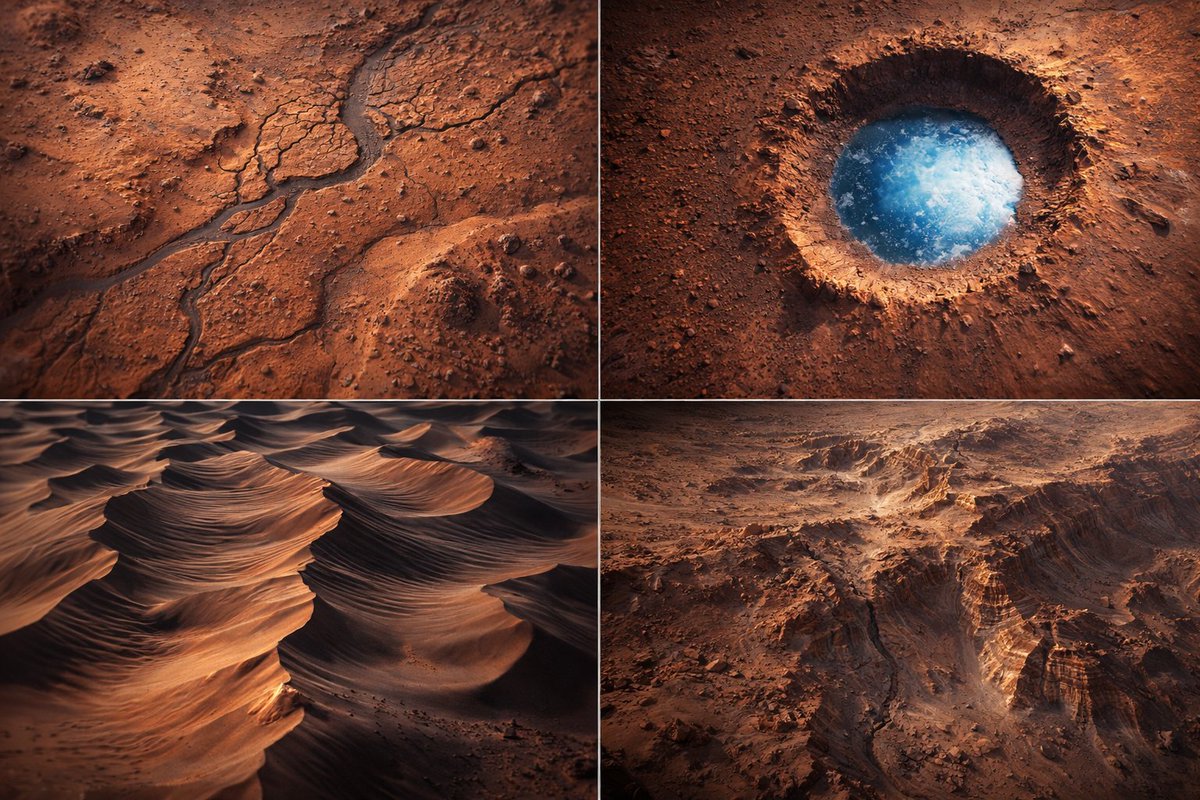
@NASA My favorite image would be the ancient riverbeds and valleys on Mars, as they provide evidence of water in the past, helping us understand the potential for life on Mars.
English


@NASA I am going to print these out and hang them in my house!
English


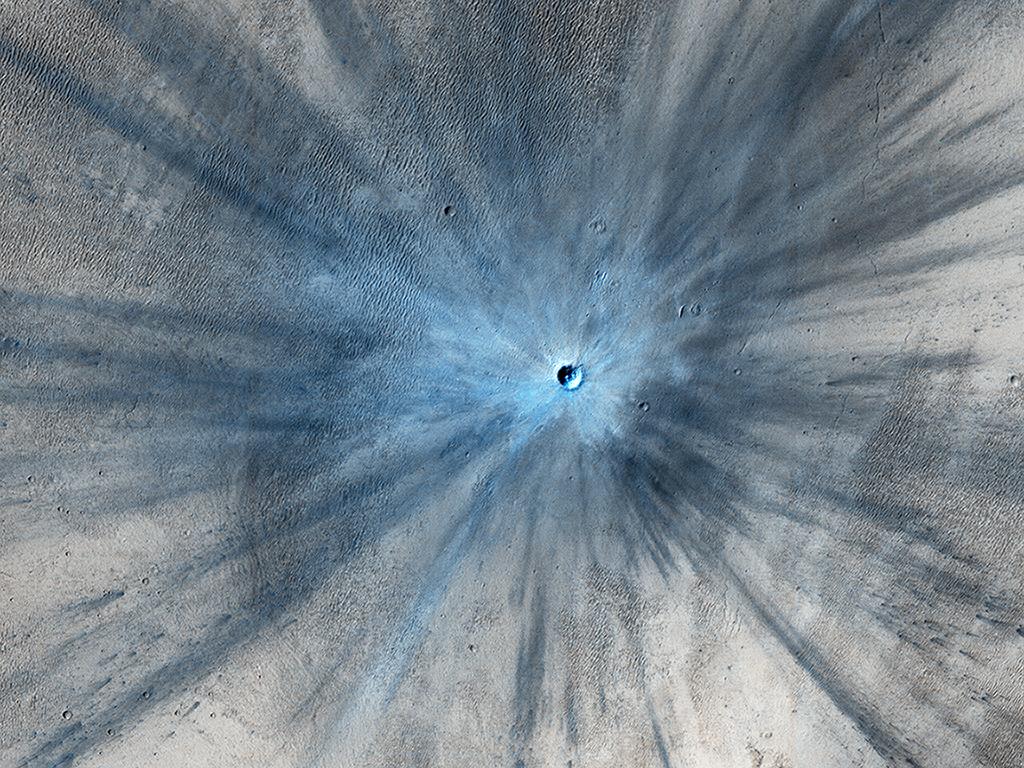
🔴 The bottom right image is the most significant one scientifically a fresh meteorite impact crater exposing blue grey subsurface material.
That blue color is water ice. When MRO photographed this crater shortly after impact, the excavated material hadn't been exposed to Mars' thin atmosphere long enough to sublimate. The ice was still there.
Mars isn't dry all the way down. Beneath the rust red surface there is ice, and potentially liquid water under sufficient pressure and heat. Every fresh crater MRO photographs is an accidental drill sample showing us what lies underneath.
20 years of orbital imaging has produced something more valuable than beautiful pictures. It has produced a geological map detailed enough to tell future astronauts exactly where to land, where water ice is accessible within meters of the surface, and where ancient riverbeds once carried liquid water for millions of years.
The spacecraft that helps humans survive on Mars was already there. It arrived 20 years early.
📌 Source: NASA MRO mission documentation, HiRISE camera science team, Mars water ice distribution mapping research
English


20 years and still sending back masterpieces. 👏
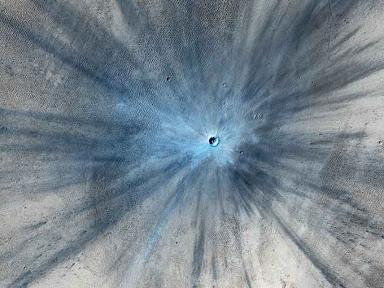
This one is definitely a favorite. ☄️ It's a 30 meter wide crater that didn't even exist until some years ago. The impact was so strong it blasted dark dust out in "rays" for over 15 kilometers.
It's a perfect reminder that the solar system is still a very active, moving place. 🌌
English



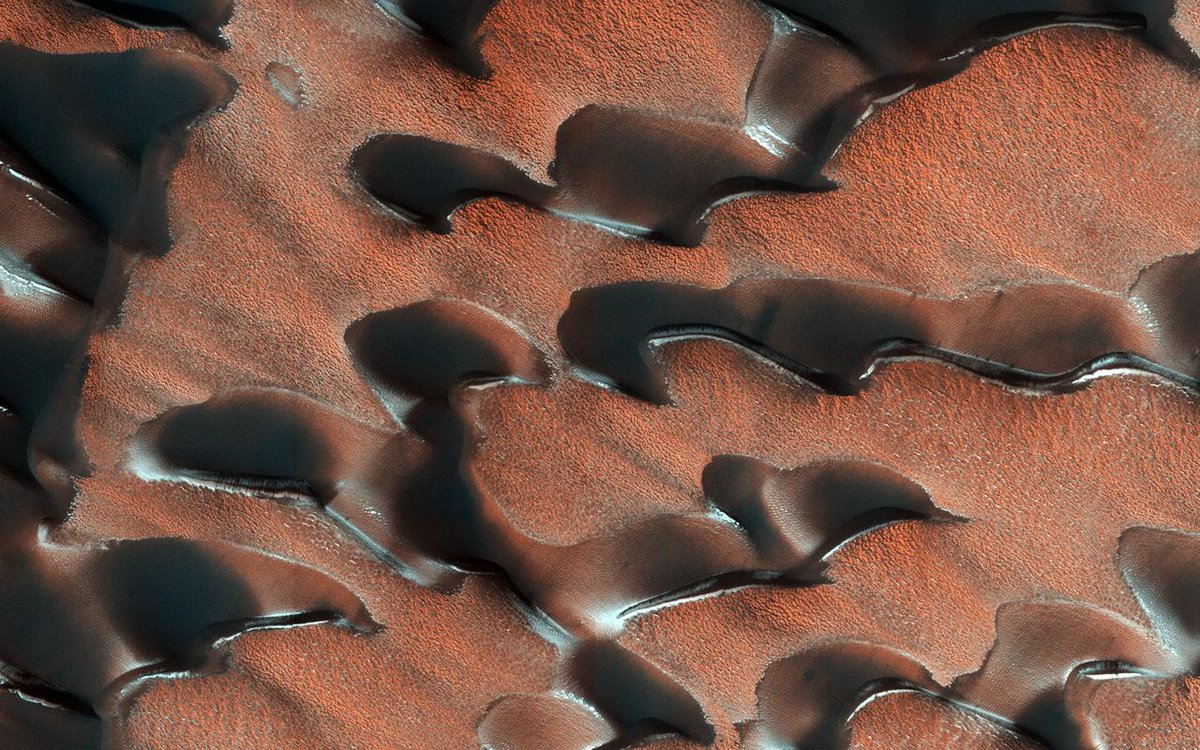
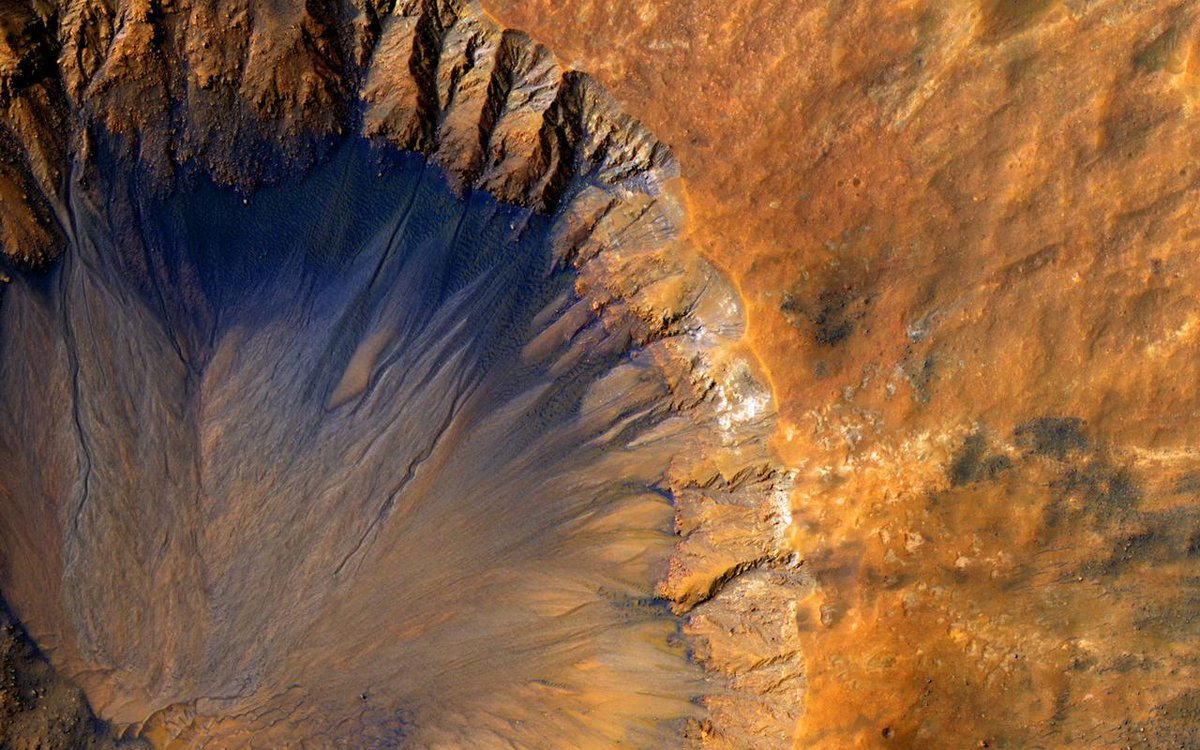
@NASA I love them all. The top two are my favorites. It will be wonderful to learn the geological process that created that topography and what mineral content it has.
Harlingen, TX 🇺🇸 English

@NASA People say Mars exploration is pointless.
Yet every mission expands our understanding
of how planets including Earth evolve.

English


English


20 years of MRO is insane — HiRISE has given us the sharpest views of Mars ever, spotting ancient river channels, dune avalanches, recurring slope lineae, and water-ice clues that no other orbiter could match.
These images aren't just beautiful; they're literally mapping safe landing zones and science targets for Artemis-era human missions.
My favorite from the classics: those spider-like araneiforms in the south pole — seasonal CO2 jets carving the surface! What about you — which MRO/HiRISE shot blows your mind most? 🌍→🔴📸 #Mars #MRO #NASA #SpaceExploration
English


🏛️ Top Candidates for the Best of MRO
1. The "Mars Heart" (Terra Sirenum)
Just released for Valentine's Day 2026, this heart-shaped feature is actually a frost-covered dune field in an unnamed crater. It’s a perfect example of how the Martian seasons create fleeting, beautiful art.
2. Recurrent Slope Lineae (Newton Crater)
These dark, narrow streaks that appear to "flow" down steep slopes during warm seasons are among the MRO's most famous discoveries. They provided the first compelling evidence that liquid, briny water might still exist on the surface of Mars today.
3. The Fresh Crater (Sirenum Fossae)
Captured in 2015, this 1-kilometer-wide crater looks like a blue splash against the red landscape. It shows the incredible power of MRO to track active changes on the planet, helping us understand the current rate of meteorite impacts—crucial for future astronaut safety.
4. Martian "Spiders" (South Pole)
These bizarre, spidery troughs are formed by carbon dioxide gas trapped under seasonal ice. They look like something out of a sci-fi film and highlight the dynamic, active nature of the Martian polar caps.

English



@NASA Hard to choose, but the crater in the bottom-left is stunning.
English