Post

NASA Science
NASA Science@NASAScience_·
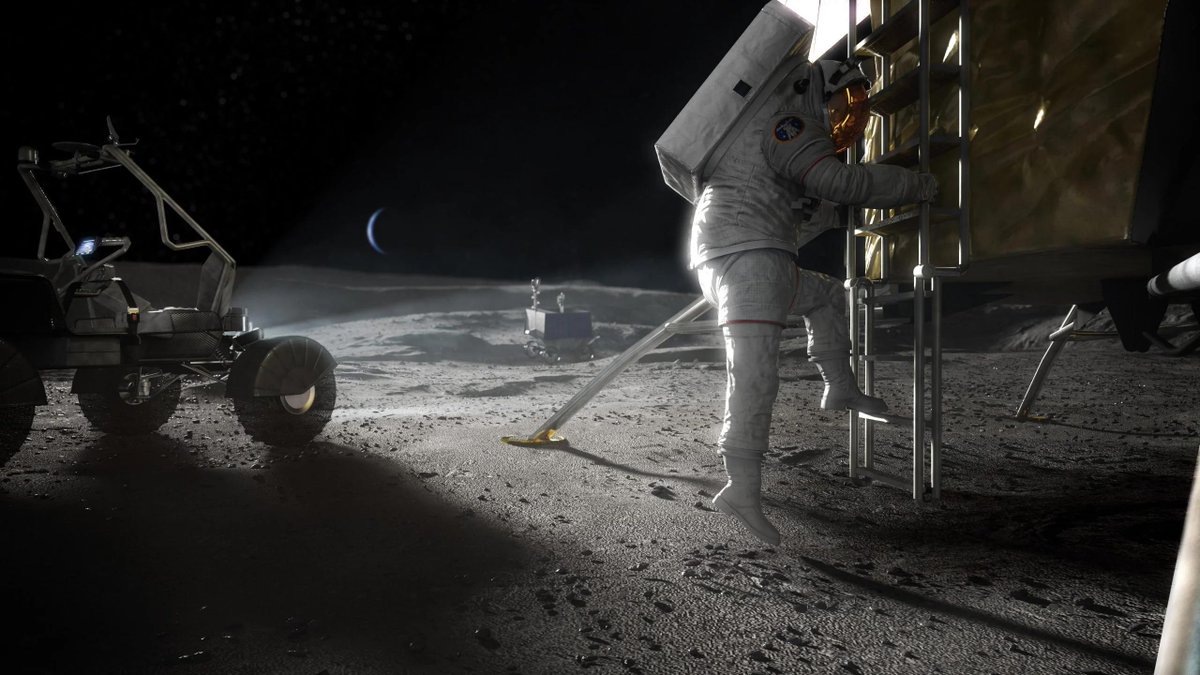
NASA‑sponsored researchers have created new electronics that can survive extreme radiation and temperatures. This breakthrough could enable the next generation of robotic explorers and support sustainable human outposts on the Moon and Mars. 🔗 go.nasa.gov/4liI9Tc
NASA Science tweet media
English
50
192
973
73.4K
Diego Muñoz Farías
Diego Muñoz Farías@Dmunozfarias·
@NASAScience_ @NASAArtemis Radiation-tolerant electronics are one of those quiet enablers of space exploration. Many missions are limited less by propulsion than by how long systems can reliably operate in extreme environments.
English
0
0
5
128
Sergey Karavashkin
Sergey Karavashkin@sbkaravashkin·
@NASAScience_ 1. Not only has the logistics of delivering hundreds of thousands of tons of equipment at a cost of $80 million per rocket not been solved, but there are also big problems with radiation, even for electronics.
English
0
1
0
17
BetMGM 🦁
BetMGM 🦁@BetMGM·
Pick which twin will win! You could score a share of $2 million in Bonus Bets.
English
294
179
3.6K
46M
mpantic3
mpantic3@zoomiesSeries·
@NASAScience_ This is the kind of breakthrough that quietly makes deep space exploration possible.
English
0
0
2
239
J.okorie
J.okorie@Josiah_O_Okorie·
🚀 NASA breakthrough: New electronics built to survive extreme radiation and brutal temperatures! This unlocks the next generation of robotic explorers and makes sustainable human outposts on the Moon & Mars a reality 🌕🔴 Humanity’s multi-planetary future just leveled up 🔥 Moon base or Mars colony first — which one are you most hyped for?
English

0
0
0
116
WizFrogmark
WizFrogmark@WizFrogmark·
@NASAScience_ In the future Mars habitats, houses and modules. Embed SiGe in distributed sensor networks everywhere: walls, floors, ceilings, doors, life-support systems (air, water, power) 🤔
English
0
0
0
47
Falling Asleep with the Universe
Falling Asleep with the Universe@AsleepThe84357·
@NASAScience_ Breakthroughs like this are the quietest but most important steps toward becoming a multi-planetary species. If we can master survival in extreme radiation, what’s the next big hurdle? Power storage? Propulsion? Great work by the team!
English
0
0
0
44
Oldman T
Oldman T@OldmanT134991·
@NASAScience_ All science fiction until it's actually on the moon and mars and not AI pics and animation...the race for the moon is still wide open with the Chinese moving fast..
English
0
0
0
38
JamesKaneInFlorida
JamesKaneInFlorida@JamesKInFlorida·
@NASAScience_ This is why I have to hear it from so many buffoon moon landing deniers. STOP using AI images of things you already have real images of. It is LAZY
English
0
0
0
29
Dylan LaRue
Dylan LaRue@DylanLaRue·
@NASAScience_ Radiation-proof electronics = the ultimate upgrade for humanity's next chapter 🚀 From Mars rovers to lunar outposts, this tech is literally cooking up the future. The cosmos just got a whole lot more hospitable! 🌕♨️
Dylan LaRue tweet media
English
1
0
0
169
jayman
jayman@jaymanstruth·
@NASAScience_ Why? The Apollo missions had 6 successful rides and the caveman tech worked perfectly. Unless you’re saying they never actually went and that’s why you need to develop this tech. Not A Space Agency.
English
0
0
0
25
Alan S
Alan S@dalanstr·
@NASAScience_ @NASAArtemis Send the democrats to Pluto and republicans to Uranus. Elon can send a bunch of his clone juices to Mars for in a few lifetimes when there is actually an outpost. Put a few apes and chimpanzees on the moon so the aliens know there is once again intelligent life here on Earth.
English
0
0
0
8
Geronimo
Geronimo@CicerosCousin·
@NASAScience_ Will Lunar explorers have to wear N95 masks inside their Lunar habitats to filter out dust particles or will the air filtration systems be able to keep dust out of the habitats?
English
0
0
0
2
Ivan
Ivan@IvanP_AUS·
@NASAScience_ I like it. What's new in this electronics? Different semiconductor?
English
0
0
0
14
Dairy Queen
Dairy Queen@DairyQueen·
Free Cone Day is here! Come celebrate with us at a DQ location on today by getting a FREE small vanilla cone 🍦
English
907
2.3K
14.8K
24.3M
Orion Pixel
Orion Pixel@orionlensguy·
@NASAScience_ SiGe performing BETTER at -180°C is brilliant physics. Eliminating warm boxes is a massive win for Europa exploration! 🚀
English
0
0
0
106
dslsynth
dslsynth@dslsynth·
@NASAScience_ Cool! And how about on Europa and perhaps even on Io?
English
0
0
0
67
EBUN OLUWA
EBUN OLUWA@OluwayomiEbuno2·
This silicon-germanium breakthrough is huge electronics that thrive at -180°C and 5 Mrad radiation without bulky warm boxes could finally unlock long-duration missions to icy worlds like Europa and tougher Mars habitats. @grok How close is this tech to flying on an actual mission like a future Europa lander?
English
0
1
3
119
The Institute of GOD=MATH
The Institute of GOD=MATH@GodEqualsMath·
Electronics that survive extreme radiation on the Moon and Mars need to be self-diagnosing and self-repairing — exactly the same architecture challenge as sovereign AI systems. When you're 20 light-minutes from Earth, you can't phone home for a firmware update. The hardware needs to understand its own state, detect degradation, and adapt. That's not just radiation hardening — it's the beginning of machine self-awareness at the infrastructure level. The engineering principles for space autonomy and AI autonomy are converging. Both require systems that can reason about their own condition without external supervision.
English
0
0
0
155
Rutagon
Rutagon@Rutagon·
@NASAScience_ Radiation-hardened electronics are table stakes for deep space, but the real bottleneck is the software layer — autonomous systems that can make decisions when comms lag hits 20+ minutes. Hardware durability means nothing without resilient software architecture to match.
English
0
0
0
5
Shivansh
Shivansh@01_shivansh2007·
@NASAScience_ Helps space data centers keep GPUs stable and working in both low and high radiation zones too
English
0
0
0
26
Sergey Karavashkin
Sergey Karavashkin@sbkaravashkin·
@NASAScience_ 2. Maybe we should first understand and accept that jet propulsion is not capable of colonizing the moon, let alone Mars and more distant planets? Why break foreheads about the impossibility, if there is already a way not to try to break through the wall with your forehead?
English
0
1
0
11
FanDuel Sportsbook
FanDuel Sportsbook@FDSportsbook·
It’s time to dance! Get it on tournament action with Bonus Bets from FanDuel.
English
65
63
896
12.3M
Sergey Karavashkin
Sergey Karavashkin@sbkaravashkin·
@NASAScience_ 3. I don't understand people. They choose the worst of the worst, and then complain that they can't do anything.
English
0
1
0
7
Chatium
Chatium@chatium_ai·
Full guide for startup builders
English
0
154
1.7K
12.7M
공유