Osman

7.4K posts

Osman banner
Osman

Osman

@AvMuhammadOsman

Uluslararası Avukat ⚖️ Cross-Jurisdictional Counsel ⚖️ Precise solutions where jurisdictions collide between boardrooms, embassies & courtrooms.

가입일 Mayıs 2025
3.5K 팔로잉250 팔로워
고정된 트윗
Osman
Osman@AvMuhammadOsman·
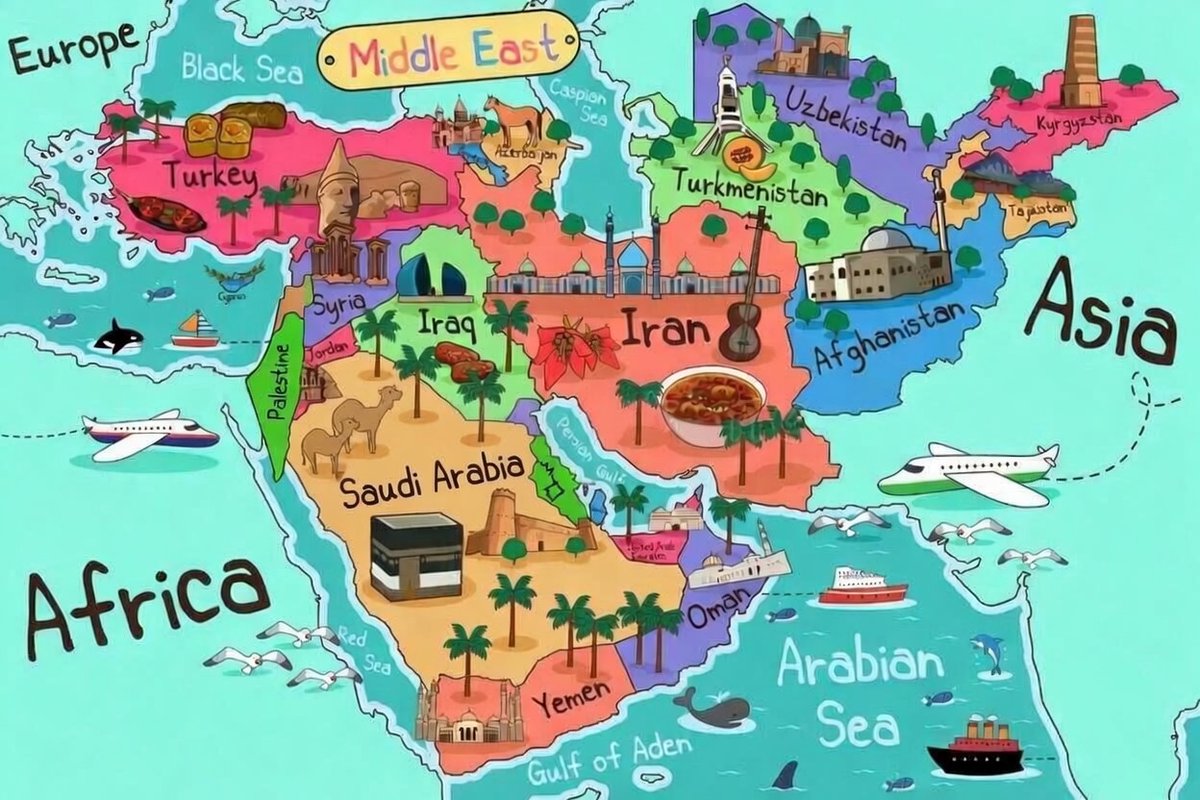
** Türkiye-Iran-Pakistan-Saudi Arabia (TIPS) Persian Gulf and Red Sea (GULFRED Alliance) **A Proposal for a Sovereign Regional Security Architecture to Stop the Exploitation of Sectarianism and External Interventions in the Middle East** (The TIPS Security Pact and Transition the GULFRED Alliance) ** Preamble ** · Recalling the ongoing armed conflict initiated on 28 February 2026 by joint United States and Israeli military operations against the Islamic Republic of Iran, including targeted strikes resulting in the death of Supreme Leader Ali Khamenei and widespread destruction of Iranian military infrastructure, which has escalated into a broader regional confrontation involving retaliatory missile and drone strikes by Iran and its allies against U.S. bases, Israel, and allied states in the Gulf and beyond; · Deeply concerned that external actors, notably the United States and Israel, continue to exploit and exacerbate sectarian divisions between Sunni and Shia Muslim communities as a strategic instrument to justify prolonged military engagement, perpetuate foreign military presence, and advance hegemonic interests at the expense of regional sovereignty and civilian lives; · Noting the Strategic Mutual Defence Agreement (SMDA) concluded between the Islamic Republic of Pakistan and the Kingdom of Saudi Arabia on 17 September 2025, which establishes reciprocal commitments to treat aggression against one as aggression against both, thereby formalizing long-standing defense cooperation amid rising regional volatility; · Observing recent diplomatic engagements, including discussions among the Republic of Türkiye, the Kingdom of Saudi Arabia, and the Islamic Republic of Pakistan toward a potential trilateral defense framework (as reported in early 2026), and concurrent high level contacts between Pakistani and Saudi leadership with Iranian counterparts amid the current crisis; · Affirming that genuine and lasting peace requires the inclusive integration of major Muslim majority powers across sectarian lines, thereby depriving external powers of pretexts for intervention under the guise of sectarian protection or balance of power maintenance; · Reaffirming the principles of sovereign equality, territorial integrity, non interference in internal affairs, mutual respect, and peaceful dispute resolution as enshrined in the Charter of the United Nations and customary international law; The High Contracting Parties – the Republic of Türkiye, the Islamic Republic of Iran, the Islamic Republic of Pakistan, and the Kingdom of Saudi Arabia – hereby propose the urgent negotiation, adoption, and ratification of the Türkiye-İran-Pakistan-Saudi Arabia (TİPS) Security Pact, as the foundational instrument for a unified indigenous security architecture, to be progressively institutionalized as the Guardianship United for Littoral Freedom in the Persian Gulf and Red Sea (GULFRED Alliance). Article 1: Core Objectives 1. To neutralize attempts by external powers to foment intra Muslim conflict through sectarian narratives (Sunni-Shia) by institutionalizing cross sectarian solidarity and collective self defense. 2. To establish an autonomous regional security mechanism capable of safeguarding Member States' sovereignty and maritime domains, thereby eliminating any legitimate basis for the continued stationing of foreign (particularly United States) military forces and bases in the region. 3. To ensure freedom of navigation, counter external threats to vital littorals,protect civilian populations, and prevent escalation of the current conflict into a wider intra regional war. 4. To facilitate the orderly, phased withdrawal of extraneous foreign military installations as a reciprocal confidence building measure upon operationalization of this framework. Article 2: Mutual Defense and Deterrence Commitments 1.Consistent with Article 51 of the United Nations Charter, an armed attack against one Member State shall be deemed an attack against all, obligating immediate consultations and collective measures, including proportionate defensive responses. 2.Member States possessing advanced deterrent capabilities (including Pakistan's nuclear arsenal) shall extend mutual assurances as mutually agreed, without prejudice to national doctrines, to reinforce regional deterrence against external aggression. Article 3: Joint Maritime and Littoral Security Framework 1.The TİPS Pact shall establish integrated naval and security task forces for the Persian Gulf and Red Sea, with operational divisions reflecting geographic proximity, historical ties, and military strengths: *Red Sea: The Republic of Türkiye shall lead security efforts along the western (African) littoral in coordination with coastal states; the Islamic Republic of Pakistan shall provide primary support to the eastern (Arabian Peninsula) littoral, including close collaboration with the Kingdom of Saudi Arabia. *Persian Gulf: The Republic of Türkiye shall coordinate security for the Arabian littoral, building on established relations with Gulf states; the Islamic Republic of Iran and the Islamic Republic of Pakistan shall jointly oversee security along the Iranian, Iraqi, and related littorals through shared patrols, intelligence fusion, and de-confliction mechanisms. *In Yemen and adjacent areas, collaborative mechanisms shall be established between Iranian-supported and Pakistani/Saudi-aligned forces to enforce de-escalation and humanitarian access. 2.These dispositions draw inspiration from centuries of peaceful multi-sectarian coexistence under historical frameworks such as the Ottoman era, while fully respecting modern principles of sovereign equality and non-domination. Article 4: Institutional Evolution to GULFRED Alliance 1.Following entry into force of the TİPS Pact, Member States shall convene to formalize the GULFRED Alliance (Guardianship United for Littoral Freedom: (Persian Gulf + Red Sea), with provisions for accession by other regional states on consensus. 2.The Alliance's permanent mandate shall encompass exclusive regional guardianship of littorals, countering external interference, and collective defense, rendering foreign bases obsolete and unnecessary. Article 5: Foreign Military Presence and Withdrawal Mechanism 1.Member States declare that the establishment and effective functioning of this indigenous architecture nullifies prior rationales for foreign military deployments, previously asserted as protective measures against perceived threats. 2.Upon ratification and initial operationalization, the Parties shall issue a joint declaration demanding phased closure and evacuation of extraneous bases (including those in Qatar, Bahrain, Kuwait, UAE, and elsewhere), with negotiated timelines and verification protocols. Article 6: Confidence Building, Dispute Resolution, and Implementation 1.Disputes shall be resolved exclusively through negotiation, good offices, mediation, or arbitration, prohibiting recourse to force. 2.Annual summits at the level of Heads of State/Government, joint military exercises, and permanent liaison mechanisms shall build trust and interoperability. 3.The Pact shall enter into force upon signature by all Parties and ratification per domestic constitutional requirements. Concluding Declaration: This initiative constitutes a sovereign assertion by Muslim majority states to reclaim control over their security environment, bridge sectarian divides exploited by outsiders, and secure a future of self reliant peace. It presents a credible pathway to de-escalate the ongoing crisis, offering external actors including the United States a dignified strategic exit from an increasingly untenable and costly engagement. The proposed High Contracting Parties are urged to convene forthwith in a mutually agreed neutral venue to finalize and adopt this framework, thereby converting the present peril into an enduring foundation for regional harmony, stability, and independence from foreign dominations,external wars and occupations. The proposed framework would deliver a balanced, reciprocal benefit to all principal parties, thereby creating a genuine win-win outcome in the current strategic environment. *For the United States and the administration under President Trump, it would provide a credible, face saving, and geopolitically responsible pathway for a phased disengagement from certain forward military deployments in the Middle East. Such an arrangement would align directly with declared U.S. policy goals of reducing open ended overseas military footprints, lowering strategic overextension risks, conserving fiscal resources, and executing an orderly, conditions based withdrawal that preserves core deterrence credibility while avoiding perceptions of strategic retreat or capitulation. *For the Islamic Republic of Iran, the arrangement would satisfy its highest-order, non-negotiable national-security red line: the elimination or substantial reduction of foreign particularly American military bases and troop presences across the Persian Gulf and broader Middle East region. Meeting this longstanding, repeatedly articulated precondition would constitute a major, tangible concession on sovereignty, regional power balance, and threat perception, thereby opening credible space for meaningful de-escalation, confidence building measures, and potential future diplomatic engagement. *Simultaneously, the Arab Gulf states currently hosting U.S. military facilities would achieve substantial and immediate economic relief by terminating the considerable financial obligations associated with these installations. These burdens include direct host-nation support payments, infrastructure maintenance and upgrade costs, security provision expenses, and opportunity costs tied to land and resource allocation. Removing or significantly downsizing such bases would liberate fiscal resources for domestic development priorities, enhance sovereign decision making autonomy, reduce domestic political sensitivities surrounding foreign troop presence, and decrease entanglement in extra regional conflicts. In aggregate, this mutually reinforcing set of concessions would facilitate a structured recalibration of the regional security architecture, reduce the risk of inadvertent escalation, lower the aggregate military expenditure burden across multiple capitals, and create conditions more conducive to long term stability through negotiated adjustments rather than continued confrontation or unilateral imposition. Md Osman @RTErdogan @tcbestepe @HakanFidan @MFATurkiye @CMShehbaz @MIshaqDar50 @GovtofPakistan @PresOfPakistan @ForeignOfficePk @khamenei_ir @MKhamenei_ir @drpezeshkian @araghchi @mb_ghalibaf @FaisalbinFarhan @kbsalsaud @ksamoaf @AH_AlSharaa @AsaadHShaibani @SyPresidency @anwaribrahim @prabowo @badralbusaidi @president_uz @azpresident @presidentaz @TokayevKZ @MFA_KZ @TamimBinHamad @hamadjjalthani @MofaQatar_AR @ShuraQatar @AmiriDiwan @mofaqatar_EN @MBA_AlThani_
Osman tweet media
English
13
17
44
223.6K
Osman
Osman@AvMuhammadOsman·
Osman@AvMuhammadOsman

** Türkiye-Iran-Pakistan-Saudi Arabia (TIPS) Persian Gulf and Red Sea (GULFRED Alliance) **A Proposal for a Sovereign Regional Security Architecture to Stop the Exploitation of Sectarianism and External Interventions in the Middle East** (The TIPS Security Pact and Transition the GULFRED Alliance) ** Preamble ** · Recalling the ongoing armed conflict initiated on 28 February 2026 by joint United States and Israeli military operations against the Islamic Republic of Iran, including targeted strikes resulting in the death of Supreme Leader Ali Khamenei and widespread destruction of Iranian military infrastructure, which has escalated into a broader regional confrontation involving retaliatory missile and drone strikes by Iran and its allies against U.S. bases, Israel, and allied states in the Gulf and beyond; · Deeply concerned that external actors, notably the United States and Israel, continue to exploit and exacerbate sectarian divisions between Sunni and Shia Muslim communities as a strategic instrument to justify prolonged military engagement, perpetuate foreign military presence, and advance hegemonic interests at the expense of regional sovereignty and civilian lives; · Noting the Strategic Mutual Defence Agreement (SMDA) concluded between the Islamic Republic of Pakistan and the Kingdom of Saudi Arabia on 17 September 2025, which establishes reciprocal commitments to treat aggression against one as aggression against both, thereby formalizing long-standing defense cooperation amid rising regional volatility; · Observing recent diplomatic engagements, including discussions among the Republic of Türkiye, the Kingdom of Saudi Arabia, and the Islamic Republic of Pakistan toward a potential trilateral defense framework (as reported in early 2026), and concurrent high level contacts between Pakistani and Saudi leadership with Iranian counterparts amid the current crisis; · Affirming that genuine and lasting peace requires the inclusive integration of major Muslim majority powers across sectarian lines, thereby depriving external powers of pretexts for intervention under the guise of sectarian protection or balance of power maintenance; · Reaffirming the principles of sovereign equality, territorial integrity, non interference in internal affairs, mutual respect, and peaceful dispute resolution as enshrined in the Charter of the United Nations and customary international law; The High Contracting Parties – the Republic of Türkiye, the Islamic Republic of Iran, the Islamic Republic of Pakistan, and the Kingdom of Saudi Arabia – hereby propose the urgent negotiation, adoption, and ratification of the Türkiye-İran-Pakistan-Saudi Arabia (TİPS) Security Pact, as the foundational instrument for a unified indigenous security architecture, to be progressively institutionalized as the Guardianship United for Littoral Freedom in the Persian Gulf and Red Sea (GULFRED Alliance). Article 1: Core Objectives 1. To neutralize attempts by external powers to foment intra Muslim conflict through sectarian narratives (Sunni-Shia) by institutionalizing cross sectarian solidarity and collective self defense. 2. To establish an autonomous regional security mechanism capable of safeguarding Member States' sovereignty and maritime domains, thereby eliminating any legitimate basis for the continued stationing of foreign (particularly United States) military forces and bases in the region. 3. To ensure freedom of navigation, counter external threats to vital littorals,protect civilian populations, and prevent escalation of the current conflict into a wider intra regional war. 4. To facilitate the orderly, phased withdrawal of extraneous foreign military installations as a reciprocal confidence building measure upon operationalization of this framework. Article 2: Mutual Defense and Deterrence Commitments 1.Consistent with Article 51 of the United Nations Charter, an armed attack against one Member State shall be deemed an attack against all, obligating immediate consultations and collective measures, including proportionate defensive responses. 2.Member States possessing advanced deterrent capabilities (including Pakistan's nuclear arsenal) shall extend mutual assurances as mutually agreed, without prejudice to national doctrines, to reinforce regional deterrence against external aggression. Article 3: Joint Maritime and Littoral Security Framework 1.The TİPS Pact shall establish integrated naval and security task forces for the Persian Gulf and Red Sea, with operational divisions reflecting geographic proximity, historical ties, and military strengths: *Red Sea: The Republic of Türkiye shall lead security efforts along the western (African) littoral in coordination with coastal states; the Islamic Republic of Pakistan shall provide primary support to the eastern (Arabian Peninsula) littoral, including close collaboration with the Kingdom of Saudi Arabia. *Persian Gulf: The Republic of Türkiye shall coordinate security for the Arabian littoral, building on established relations with Gulf states; the Islamic Republic of Iran and the Islamic Republic of Pakistan shall jointly oversee security along the Iranian, Iraqi, and related littorals through shared patrols, intelligence fusion, and de-confliction mechanisms. *In Yemen and adjacent areas, collaborative mechanisms shall be established between Iranian-supported and Pakistani/Saudi-aligned forces to enforce de-escalation and humanitarian access. 2.These dispositions draw inspiration from centuries of peaceful multi-sectarian coexistence under historical frameworks such as the Ottoman era, while fully respecting modern principles of sovereign equality and non-domination. Article 4: Institutional Evolution to GULFRED Alliance 1.Following entry into force of the TİPS Pact, Member States shall convene to formalize the GULFRED Alliance (Guardianship United for Littoral Freedom: (Persian Gulf + Red Sea), with provisions for accession by other regional states on consensus. 2.The Alliance's permanent mandate shall encompass exclusive regional guardianship of littorals, countering external interference, and collective defense, rendering foreign bases obsolete and unnecessary. Article 5: Foreign Military Presence and Withdrawal Mechanism 1.Member States declare that the establishment and effective functioning of this indigenous architecture nullifies prior rationales for foreign military deployments, previously asserted as protective measures against perceived threats. 2.Upon ratification and initial operationalization, the Parties shall issue a joint declaration demanding phased closure and evacuation of extraneous bases (including those in Qatar, Bahrain, Kuwait, UAE, and elsewhere), with negotiated timelines and verification protocols. Article 6: Confidence Building, Dispute Resolution, and Implementation 1.Disputes shall be resolved exclusively through negotiation, good offices, mediation, or arbitration, prohibiting recourse to force. 2.Annual summits at the level of Heads of State/Government, joint military exercises, and permanent liaison mechanisms shall build trust and interoperability. 3.The Pact shall enter into force upon signature by all Parties and ratification per domestic constitutional requirements. Concluding Declaration: This initiative constitutes a sovereign assertion by Muslim majority states to reclaim control over their security environment, bridge sectarian divides exploited by outsiders, and secure a future of self reliant peace. It presents a credible pathway to de-escalate the ongoing crisis, offering external actors including the United States a dignified strategic exit from an increasingly untenable and costly engagement. The proposed High Contracting Parties are urged to convene forthwith in a mutually agreed neutral venue to finalize and adopt this framework, thereby converting the present peril into an enduring foundation for regional harmony, stability, and independence from foreign dominations,external wars and occupations. The proposed framework would deliver a balanced, reciprocal benefit to all principal parties, thereby creating a genuine win-win outcome in the current strategic environment. *For the United States and the administration under President Trump, it would provide a credible, face saving, and geopolitically responsible pathway for a phased disengagement from certain forward military deployments in the Middle East. Such an arrangement would align directly with declared U.S. policy goals of reducing open ended overseas military footprints, lowering strategic overextension risks, conserving fiscal resources, and executing an orderly, conditions based withdrawal that preserves core deterrence credibility while avoiding perceptions of strategic retreat or capitulation. *For the Islamic Republic of Iran, the arrangement would satisfy its highest-order, non-negotiable national-security red line: the elimination or substantial reduction of foreign particularly American military bases and troop presences across the Persian Gulf and broader Middle East region. Meeting this longstanding, repeatedly articulated precondition would constitute a major, tangible concession on sovereignty, regional power balance, and threat perception, thereby opening credible space for meaningful de-escalation, confidence building measures, and potential future diplomatic engagement. *Simultaneously, the Arab Gulf states currently hosting U.S. military facilities would achieve substantial and immediate economic relief by terminating the considerable financial obligations associated with these installations. These burdens include direct host-nation support payments, infrastructure maintenance and upgrade costs, security provision expenses, and opportunity costs tied to land and resource allocation. Removing or significantly downsizing such bases would liberate fiscal resources for domestic development priorities, enhance sovereign decision making autonomy, reduce domestic political sensitivities surrounding foreign troop presence, and decrease entanglement in extra regional conflicts. In aggregate, this mutually reinforcing set of concessions would facilitate a structured recalibration of the regional security architecture, reduce the risk of inadvertent escalation, lower the aggregate military expenditure burden across multiple capitals, and create conditions more conducive to long term stability through negotiated adjustments rather than continued confrontation or unilateral imposition. Md Osman @RTErdogan @tcbestepe @HakanFidan @MFATurkiye @CMShehbaz @MIshaqDar50 @GovtofPakistan @PresOfPakistan @ForeignOfficePk @khamenei_ir @MKhamenei_ir @drpezeshkian @araghchi @mb_ghalibaf @FaisalbinFarhan @kbsalsaud @ksamoaf @AH_AlSharaa @AsaadHShaibani @SyPresidency @anwaribrahim @prabowo @badralbusaidi @president_uz @azpresident @presidentaz @TokayevKZ @MFA_KZ @TamimBinHamad @hamadjjalthani @MofaQatar_AR @ShuraQatar @AmiriDiwan @mofaqatar_EN @MBA_AlThani_

QME
0
0
0
0
Dr.Asif Kurban 🇦🇿🇹🇷
#Azerbaycan’da 30 ‘dan fazla #pilov çeşidi mevcuttur. Yörelere, kullanılan garnitüre (gara), et türüne, tavuk eti, kış eti, sebzeye, meyveye ve pişirme yöntemine göre çok sayıda varyasyonu vardır. Bu durum yabancıların da dikkatinden kaçmamış. En bilinen ana gruplar: -Etli pilovlar -Tavuklu pilovlar -Balıklı pilovlar -Tatlı/kuru meyveli pilovlar -Yeşillikli pilovlar -Katlı Lavaşta (gazmaklı) pişen Şah Pilov türleri…. #Azərbaycan #Azerbaijan
Türkçe
5
7
42
2K
Osman
Osman@AvMuhammadOsman·
Osman@AvMuhammadOsman

** Türkiye-Iran-Pakistan-Saudi Arabia (TIPS) Persian Gulf and Red Sea (GULFRED Alliance) **A Proposal for a Sovereign Regional Security Architecture to Stop the Exploitation of Sectarianism and External Interventions in the Middle East** (The TIPS Security Pact and Transition the GULFRED Alliance) ** Preamble ** · Recalling the ongoing armed conflict initiated on 28 February 2026 by joint United States and Israeli military operations against the Islamic Republic of Iran, including targeted strikes resulting in the death of Supreme Leader Ali Khamenei and widespread destruction of Iranian military infrastructure, which has escalated into a broader regional confrontation involving retaliatory missile and drone strikes by Iran and its allies against U.S. bases, Israel, and allied states in the Gulf and beyond; · Deeply concerned that external actors, notably the United States and Israel, continue to exploit and exacerbate sectarian divisions between Sunni and Shia Muslim communities as a strategic instrument to justify prolonged military engagement, perpetuate foreign military presence, and advance hegemonic interests at the expense of regional sovereignty and civilian lives; · Noting the Strategic Mutual Defence Agreement (SMDA) concluded between the Islamic Republic of Pakistan and the Kingdom of Saudi Arabia on 17 September 2025, which establishes reciprocal commitments to treat aggression against one as aggression against both, thereby formalizing long-standing defense cooperation amid rising regional volatility; · Observing recent diplomatic engagements, including discussions among the Republic of Türkiye, the Kingdom of Saudi Arabia, and the Islamic Republic of Pakistan toward a potential trilateral defense framework (as reported in early 2026), and concurrent high level contacts between Pakistani and Saudi leadership with Iranian counterparts amid the current crisis; · Affirming that genuine and lasting peace requires the inclusive integration of major Muslim majority powers across sectarian lines, thereby depriving external powers of pretexts for intervention under the guise of sectarian protection or balance of power maintenance; · Reaffirming the principles of sovereign equality, territorial integrity, non interference in internal affairs, mutual respect, and peaceful dispute resolution as enshrined in the Charter of the United Nations and customary international law; The High Contracting Parties – the Republic of Türkiye, the Islamic Republic of Iran, the Islamic Republic of Pakistan, and the Kingdom of Saudi Arabia – hereby propose the urgent negotiation, adoption, and ratification of the Türkiye-İran-Pakistan-Saudi Arabia (TİPS) Security Pact, as the foundational instrument for a unified indigenous security architecture, to be progressively institutionalized as the Guardianship United for Littoral Freedom in the Persian Gulf and Red Sea (GULFRED Alliance). Article 1: Core Objectives 1. To neutralize attempts by external powers to foment intra Muslim conflict through sectarian narratives (Sunni-Shia) by institutionalizing cross sectarian solidarity and collective self defense. 2. To establish an autonomous regional security mechanism capable of safeguarding Member States' sovereignty and maritime domains, thereby eliminating any legitimate basis for the continued stationing of foreign (particularly United States) military forces and bases in the region. 3. To ensure freedom of navigation, counter external threats to vital littorals,protect civilian populations, and prevent escalation of the current conflict into a wider intra regional war. 4. To facilitate the orderly, phased withdrawal of extraneous foreign military installations as a reciprocal confidence building measure upon operationalization of this framework. Article 2: Mutual Defense and Deterrence Commitments 1.Consistent with Article 51 of the United Nations Charter, an armed attack against one Member State shall be deemed an attack against all, obligating immediate consultations and collective measures, including proportionate defensive responses. 2.Member States possessing advanced deterrent capabilities (including Pakistan's nuclear arsenal) shall extend mutual assurances as mutually agreed, without prejudice to national doctrines, to reinforce regional deterrence against external aggression. Article 3: Joint Maritime and Littoral Security Framework 1.The TİPS Pact shall establish integrated naval and security task forces for the Persian Gulf and Red Sea, with operational divisions reflecting geographic proximity, historical ties, and military strengths: *Red Sea: The Republic of Türkiye shall lead security efforts along the western (African) littoral in coordination with coastal states; the Islamic Republic of Pakistan shall provide primary support to the eastern (Arabian Peninsula) littoral, including close collaboration with the Kingdom of Saudi Arabia. *Persian Gulf: The Republic of Türkiye shall coordinate security for the Arabian littoral, building on established relations with Gulf states; the Islamic Republic of Iran and the Islamic Republic of Pakistan shall jointly oversee security along the Iranian, Iraqi, and related littorals through shared patrols, intelligence fusion, and de-confliction mechanisms. *In Yemen and adjacent areas, collaborative mechanisms shall be established between Iranian-supported and Pakistani/Saudi-aligned forces to enforce de-escalation and humanitarian access. 2.These dispositions draw inspiration from centuries of peaceful multi-sectarian coexistence under historical frameworks such as the Ottoman era, while fully respecting modern principles of sovereign equality and non-domination. Article 4: Institutional Evolution to GULFRED Alliance 1.Following entry into force of the TİPS Pact, Member States shall convene to formalize the GULFRED Alliance (Guardianship United for Littoral Freedom: (Persian Gulf + Red Sea), with provisions for accession by other regional states on consensus. 2.The Alliance's permanent mandate shall encompass exclusive regional guardianship of littorals, countering external interference, and collective defense, rendering foreign bases obsolete and unnecessary. Article 5: Foreign Military Presence and Withdrawal Mechanism 1.Member States declare that the establishment and effective functioning of this indigenous architecture nullifies prior rationales for foreign military deployments, previously asserted as protective measures against perceived threats. 2.Upon ratification and initial operationalization, the Parties shall issue a joint declaration demanding phased closure and evacuation of extraneous bases (including those in Qatar, Bahrain, Kuwait, UAE, and elsewhere), with negotiated timelines and verification protocols. Article 6: Confidence Building, Dispute Resolution, and Implementation 1.Disputes shall be resolved exclusively through negotiation, good offices, mediation, or arbitration, prohibiting recourse to force. 2.Annual summits at the level of Heads of State/Government, joint military exercises, and permanent liaison mechanisms shall build trust and interoperability. 3.The Pact shall enter into force upon signature by all Parties and ratification per domestic constitutional requirements. Concluding Declaration: This initiative constitutes a sovereign assertion by Muslim majority states to reclaim control over their security environment, bridge sectarian divides exploited by outsiders, and secure a future of self reliant peace. It presents a credible pathway to de-escalate the ongoing crisis, offering external actors including the United States a dignified strategic exit from an increasingly untenable and costly engagement. The proposed High Contracting Parties are urged to convene forthwith in a mutually agreed neutral venue to finalize and adopt this framework, thereby converting the present peril into an enduring foundation for regional harmony, stability, and independence from foreign dominations,external wars and occupations. The proposed framework would deliver a balanced, reciprocal benefit to all principal parties, thereby creating a genuine win-win outcome in the current strategic environment. *For the United States and the administration under President Trump, it would provide a credible, face saving, and geopolitically responsible pathway for a phased disengagement from certain forward military deployments in the Middle East. Such an arrangement would align directly with declared U.S. policy goals of reducing open ended overseas military footprints, lowering strategic overextension risks, conserving fiscal resources, and executing an orderly, conditions based withdrawal that preserves core deterrence credibility while avoiding perceptions of strategic retreat or capitulation. *For the Islamic Republic of Iran, the arrangement would satisfy its highest-order, non-negotiable national-security red line: the elimination or substantial reduction of foreign particularly American military bases and troop presences across the Persian Gulf and broader Middle East region. Meeting this longstanding, repeatedly articulated precondition would constitute a major, tangible concession on sovereignty, regional power balance, and threat perception, thereby opening credible space for meaningful de-escalation, confidence building measures, and potential future diplomatic engagement. *Simultaneously, the Arab Gulf states currently hosting U.S. military facilities would achieve substantial and immediate economic relief by terminating the considerable financial obligations associated with these installations. These burdens include direct host-nation support payments, infrastructure maintenance and upgrade costs, security provision expenses, and opportunity costs tied to land and resource allocation. Removing or significantly downsizing such bases would liberate fiscal resources for domestic development priorities, enhance sovereign decision making autonomy, reduce domestic political sensitivities surrounding foreign troop presence, and decrease entanglement in extra regional conflicts. In aggregate, this mutually reinforcing set of concessions would facilitate a structured recalibration of the regional security architecture, reduce the risk of inadvertent escalation, lower the aggregate military expenditure burden across multiple capitals, and create conditions more conducive to long term stability through negotiated adjustments rather than continued confrontation or unilateral imposition. Md Osman @RTErdogan @tcbestepe @HakanFidan @MFATurkiye @CMShehbaz @MIshaqDar50 @GovtofPakistan @PresOfPakistan @ForeignOfficePk @khamenei_ir @MKhamenei_ir @drpezeshkian @araghchi @mb_ghalibaf @FaisalbinFarhan @kbsalsaud @ksamoaf @AH_AlSharaa @AsaadHShaibani @SyPresidency @anwaribrahim @prabowo @badralbusaidi @president_uz @azpresident @presidentaz @TokayevKZ @MFA_KZ @TamimBinHamad @hamadjjalthani @MofaQatar_AR @ShuraQatar @AmiriDiwan @mofaqatar_EN @MBA_AlThani_

QME
0
0
0
1
Dr.Asif Kurban 🇦🇿🇹🇷
Dışişleri Bakanı Hakan Fidan: Azerbaycan ve Ermenistan arasındaki son aşamadaki barış görüşmeleri olumlu neticelenirse biz bölgenin çok daha istikrarlı bir bölge olacağına inanıyoruz Türkiye her zaman olduğu gibi Azerbaycan’ın tutumunu destekliyor.
Türkçe
3
10
233
194.4K
Osman
Osman@AvMuhammadOsman·
Osman@AvMuhammadOsman

** Türkiye-Iran-Pakistan-Saudi Arabia (TIPS) Persian Gulf and Red Sea (GULFRED Alliance) **A Proposal for a Sovereign Regional Security Architecture to Stop the Exploitation of Sectarianism and External Interventions in the Middle East** (The TIPS Security Pact and Transition the GULFRED Alliance) ** Preamble ** · Recalling the ongoing armed conflict initiated on 28 February 2026 by joint United States and Israeli military operations against the Islamic Republic of Iran, including targeted strikes resulting in the death of Supreme Leader Ali Khamenei and widespread destruction of Iranian military infrastructure, which has escalated into a broader regional confrontation involving retaliatory missile and drone strikes by Iran and its allies against U.S. bases, Israel, and allied states in the Gulf and beyond; · Deeply concerned that external actors, notably the United States and Israel, continue to exploit and exacerbate sectarian divisions between Sunni and Shia Muslim communities as a strategic instrument to justify prolonged military engagement, perpetuate foreign military presence, and advance hegemonic interests at the expense of regional sovereignty and civilian lives; · Noting the Strategic Mutual Defence Agreement (SMDA) concluded between the Islamic Republic of Pakistan and the Kingdom of Saudi Arabia on 17 September 2025, which establishes reciprocal commitments to treat aggression against one as aggression against both, thereby formalizing long-standing defense cooperation amid rising regional volatility; · Observing recent diplomatic engagements, including discussions among the Republic of Türkiye, the Kingdom of Saudi Arabia, and the Islamic Republic of Pakistan toward a potential trilateral defense framework (as reported in early 2026), and concurrent high level contacts between Pakistani and Saudi leadership with Iranian counterparts amid the current crisis; · Affirming that genuine and lasting peace requires the inclusive integration of major Muslim majority powers across sectarian lines, thereby depriving external powers of pretexts for intervention under the guise of sectarian protection or balance of power maintenance; · Reaffirming the principles of sovereign equality, territorial integrity, non interference in internal affairs, mutual respect, and peaceful dispute resolution as enshrined in the Charter of the United Nations and customary international law; The High Contracting Parties – the Republic of Türkiye, the Islamic Republic of Iran, the Islamic Republic of Pakistan, and the Kingdom of Saudi Arabia – hereby propose the urgent negotiation, adoption, and ratification of the Türkiye-İran-Pakistan-Saudi Arabia (TİPS) Security Pact, as the foundational instrument for a unified indigenous security architecture, to be progressively institutionalized as the Guardianship United for Littoral Freedom in the Persian Gulf and Red Sea (GULFRED Alliance). Article 1: Core Objectives 1. To neutralize attempts by external powers to foment intra Muslim conflict through sectarian narratives (Sunni-Shia) by institutionalizing cross sectarian solidarity and collective self defense. 2. To establish an autonomous regional security mechanism capable of safeguarding Member States' sovereignty and maritime domains, thereby eliminating any legitimate basis for the continued stationing of foreign (particularly United States) military forces and bases in the region. 3. To ensure freedom of navigation, counter external threats to vital littorals,protect civilian populations, and prevent escalation of the current conflict into a wider intra regional war. 4. To facilitate the orderly, phased withdrawal of extraneous foreign military installations as a reciprocal confidence building measure upon operationalization of this framework. Article 2: Mutual Defense and Deterrence Commitments 1.Consistent with Article 51 of the United Nations Charter, an armed attack against one Member State shall be deemed an attack against all, obligating immediate consultations and collective measures, including proportionate defensive responses. 2.Member States possessing advanced deterrent capabilities (including Pakistan's nuclear arsenal) shall extend mutual assurances as mutually agreed, without prejudice to national doctrines, to reinforce regional deterrence against external aggression. Article 3: Joint Maritime and Littoral Security Framework 1.The TİPS Pact shall establish integrated naval and security task forces for the Persian Gulf and Red Sea, with operational divisions reflecting geographic proximity, historical ties, and military strengths: *Red Sea: The Republic of Türkiye shall lead security efforts along the western (African) littoral in coordination with coastal states; the Islamic Republic of Pakistan shall provide primary support to the eastern (Arabian Peninsula) littoral, including close collaboration with the Kingdom of Saudi Arabia. *Persian Gulf: The Republic of Türkiye shall coordinate security for the Arabian littoral, building on established relations with Gulf states; the Islamic Republic of Iran and the Islamic Republic of Pakistan shall jointly oversee security along the Iranian, Iraqi, and related littorals through shared patrols, intelligence fusion, and de-confliction mechanisms. *In Yemen and adjacent areas, collaborative mechanisms shall be established between Iranian-supported and Pakistani/Saudi-aligned forces to enforce de-escalation and humanitarian access. 2.These dispositions draw inspiration from centuries of peaceful multi-sectarian coexistence under historical frameworks such as the Ottoman era, while fully respecting modern principles of sovereign equality and non-domination. Article 4: Institutional Evolution to GULFRED Alliance 1.Following entry into force of the TİPS Pact, Member States shall convene to formalize the GULFRED Alliance (Guardianship United for Littoral Freedom: (Persian Gulf + Red Sea), with provisions for accession by other regional states on consensus. 2.The Alliance's permanent mandate shall encompass exclusive regional guardianship of littorals, countering external interference, and collective defense, rendering foreign bases obsolete and unnecessary. Article 5: Foreign Military Presence and Withdrawal Mechanism 1.Member States declare that the establishment and effective functioning of this indigenous architecture nullifies prior rationales for foreign military deployments, previously asserted as protective measures against perceived threats. 2.Upon ratification and initial operationalization, the Parties shall issue a joint declaration demanding phased closure and evacuation of extraneous bases (including those in Qatar, Bahrain, Kuwait, UAE, and elsewhere), with negotiated timelines and verification protocols. Article 6: Confidence Building, Dispute Resolution, and Implementation 1.Disputes shall be resolved exclusively through negotiation, good offices, mediation, or arbitration, prohibiting recourse to force. 2.Annual summits at the level of Heads of State/Government, joint military exercises, and permanent liaison mechanisms shall build trust and interoperability. 3.The Pact shall enter into force upon signature by all Parties and ratification per domestic constitutional requirements. Concluding Declaration: This initiative constitutes a sovereign assertion by Muslim majority states to reclaim control over their security environment, bridge sectarian divides exploited by outsiders, and secure a future of self reliant peace. It presents a credible pathway to de-escalate the ongoing crisis, offering external actors including the United States a dignified strategic exit from an increasingly untenable and costly engagement. The proposed High Contracting Parties are urged to convene forthwith in a mutually agreed neutral venue to finalize and adopt this framework, thereby converting the present peril into an enduring foundation for regional harmony, stability, and independence from foreign dominations,external wars and occupations. The proposed framework would deliver a balanced, reciprocal benefit to all principal parties, thereby creating a genuine win-win outcome in the current strategic environment. *For the United States and the administration under President Trump, it would provide a credible, face saving, and geopolitically responsible pathway for a phased disengagement from certain forward military deployments in the Middle East. Such an arrangement would align directly with declared U.S. policy goals of reducing open ended overseas military footprints, lowering strategic overextension risks, conserving fiscal resources, and executing an orderly, conditions based withdrawal that preserves core deterrence credibility while avoiding perceptions of strategic retreat or capitulation. *For the Islamic Republic of Iran, the arrangement would satisfy its highest-order, non-negotiable national-security red line: the elimination or substantial reduction of foreign particularly American military bases and troop presences across the Persian Gulf and broader Middle East region. Meeting this longstanding, repeatedly articulated precondition would constitute a major, tangible concession on sovereignty, regional power balance, and threat perception, thereby opening credible space for meaningful de-escalation, confidence building measures, and potential future diplomatic engagement. *Simultaneously, the Arab Gulf states currently hosting U.S. military facilities would achieve substantial and immediate economic relief by terminating the considerable financial obligations associated with these installations. These burdens include direct host-nation support payments, infrastructure maintenance and upgrade costs, security provision expenses, and opportunity costs tied to land and resource allocation. Removing or significantly downsizing such bases would liberate fiscal resources for domestic development priorities, enhance sovereign decision making autonomy, reduce domestic political sensitivities surrounding foreign troop presence, and decrease entanglement in extra regional conflicts. In aggregate, this mutually reinforcing set of concessions would facilitate a structured recalibration of the regional security architecture, reduce the risk of inadvertent escalation, lower the aggregate military expenditure burden across multiple capitals, and create conditions more conducive to long term stability through negotiated adjustments rather than continued confrontation or unilateral imposition. Md Osman @RTErdogan @tcbestepe @HakanFidan @MFATurkiye @CMShehbaz @MIshaqDar50 @GovtofPakistan @PresOfPakistan @ForeignOfficePk @khamenei_ir @MKhamenei_ir @drpezeshkian @araghchi @mb_ghalibaf @FaisalbinFarhan @kbsalsaud @ksamoaf @AH_AlSharaa @AsaadHShaibani @SyPresidency @anwaribrahim @prabowo @badralbusaidi @president_uz @azpresident @presidentaz @TokayevKZ @MFA_KZ @TamimBinHamad @hamadjjalthani @MofaQatar_AR @ShuraQatar @AmiriDiwan @mofaqatar_EN @MBA_AlThani_

QME
0
0
0
0
فاطمه مهاجرانی
Israel is THE most constant & imminent threat to global peace as well as to human civilization. It is abusing Judaism for justifying its rogue behaviour while attacking those Jews that disfavour its criminal policies.The world must stand up before it’s absolutely late.
English
16
19
70
3.3K
Osman
Osman@AvMuhammadOsman·
Osman@AvMuhammadOsman

** Türkiye-Iran-Pakistan-Saudi Arabia (TIPS) Persian Gulf and Red Sea (GULFRED Alliance) **A Proposal for a Sovereign Regional Security Architecture to Stop the Exploitation of Sectarianism and External Interventions in the Middle East** (The TIPS Security Pact and Transition the GULFRED Alliance) ** Preamble ** · Recalling the ongoing armed conflict initiated on 28 February 2026 by joint United States and Israeli military operations against the Islamic Republic of Iran, including targeted strikes resulting in the death of Supreme Leader Ali Khamenei and widespread destruction of Iranian military infrastructure, which has escalated into a broader regional confrontation involving retaliatory missile and drone strikes by Iran and its allies against U.S. bases, Israel, and allied states in the Gulf and beyond; · Deeply concerned that external actors, notably the United States and Israel, continue to exploit and exacerbate sectarian divisions between Sunni and Shia Muslim communities as a strategic instrument to justify prolonged military engagement, perpetuate foreign military presence, and advance hegemonic interests at the expense of regional sovereignty and civilian lives; · Noting the Strategic Mutual Defence Agreement (SMDA) concluded between the Islamic Republic of Pakistan and the Kingdom of Saudi Arabia on 17 September 2025, which establishes reciprocal commitments to treat aggression against one as aggression against both, thereby formalizing long-standing defense cooperation amid rising regional volatility; · Observing recent diplomatic engagements, including discussions among the Republic of Türkiye, the Kingdom of Saudi Arabia, and the Islamic Republic of Pakistan toward a potential trilateral defense framework (as reported in early 2026), and concurrent high level contacts between Pakistani and Saudi leadership with Iranian counterparts amid the current crisis; · Affirming that genuine and lasting peace requires the inclusive integration of major Muslim majority powers across sectarian lines, thereby depriving external powers of pretexts for intervention under the guise of sectarian protection or balance of power maintenance; · Reaffirming the principles of sovereign equality, territorial integrity, non interference in internal affairs, mutual respect, and peaceful dispute resolution as enshrined in the Charter of the United Nations and customary international law; The High Contracting Parties – the Republic of Türkiye, the Islamic Republic of Iran, the Islamic Republic of Pakistan, and the Kingdom of Saudi Arabia – hereby propose the urgent negotiation, adoption, and ratification of the Türkiye-İran-Pakistan-Saudi Arabia (TİPS) Security Pact, as the foundational instrument for a unified indigenous security architecture, to be progressively institutionalized as the Guardianship United for Littoral Freedom in the Persian Gulf and Red Sea (GULFRED Alliance). Article 1: Core Objectives 1. To neutralize attempts by external powers to foment intra Muslim conflict through sectarian narratives (Sunni-Shia) by institutionalizing cross sectarian solidarity and collective self defense. 2. To establish an autonomous regional security mechanism capable of safeguarding Member States' sovereignty and maritime domains, thereby eliminating any legitimate basis for the continued stationing of foreign (particularly United States) military forces and bases in the region. 3. To ensure freedom of navigation, counter external threats to vital littorals,protect civilian populations, and prevent escalation of the current conflict into a wider intra regional war. 4. To facilitate the orderly, phased withdrawal of extraneous foreign military installations as a reciprocal confidence building measure upon operationalization of this framework. Article 2: Mutual Defense and Deterrence Commitments 1.Consistent with Article 51 of the United Nations Charter, an armed attack against one Member State shall be deemed an attack against all, obligating immediate consultations and collective measures, including proportionate defensive responses. 2.Member States possessing advanced deterrent capabilities (including Pakistan's nuclear arsenal) shall extend mutual assurances as mutually agreed, without prejudice to national doctrines, to reinforce regional deterrence against external aggression. Article 3: Joint Maritime and Littoral Security Framework 1.The TİPS Pact shall establish integrated naval and security task forces for the Persian Gulf and Red Sea, with operational divisions reflecting geographic proximity, historical ties, and military strengths: *Red Sea: The Republic of Türkiye shall lead security efforts along the western (African) littoral in coordination with coastal states; the Islamic Republic of Pakistan shall provide primary support to the eastern (Arabian Peninsula) littoral, including close collaboration with the Kingdom of Saudi Arabia. *Persian Gulf: The Republic of Türkiye shall coordinate security for the Arabian littoral, building on established relations with Gulf states; the Islamic Republic of Iran and the Islamic Republic of Pakistan shall jointly oversee security along the Iranian, Iraqi, and related littorals through shared patrols, intelligence fusion, and de-confliction mechanisms. *In Yemen and adjacent areas, collaborative mechanisms shall be established between Iranian-supported and Pakistani/Saudi-aligned forces to enforce de-escalation and humanitarian access. 2.These dispositions draw inspiration from centuries of peaceful multi-sectarian coexistence under historical frameworks such as the Ottoman era, while fully respecting modern principles of sovereign equality and non-domination. Article 4: Institutional Evolution to GULFRED Alliance 1.Following entry into force of the TİPS Pact, Member States shall convene to formalize the GULFRED Alliance (Guardianship United for Littoral Freedom: (Persian Gulf + Red Sea), with provisions for accession by other regional states on consensus. 2.The Alliance's permanent mandate shall encompass exclusive regional guardianship of littorals, countering external interference, and collective defense, rendering foreign bases obsolete and unnecessary. Article 5: Foreign Military Presence and Withdrawal Mechanism 1.Member States declare that the establishment and effective functioning of this indigenous architecture nullifies prior rationales for foreign military deployments, previously asserted as protective measures against perceived threats. 2.Upon ratification and initial operationalization, the Parties shall issue a joint declaration demanding phased closure and evacuation of extraneous bases (including those in Qatar, Bahrain, Kuwait, UAE, and elsewhere), with negotiated timelines and verification protocols. Article 6: Confidence Building, Dispute Resolution, and Implementation 1.Disputes shall be resolved exclusively through negotiation, good offices, mediation, or arbitration, prohibiting recourse to force. 2.Annual summits at the level of Heads of State/Government, joint military exercises, and permanent liaison mechanisms shall build trust and interoperability. 3.The Pact shall enter into force upon signature by all Parties and ratification per domestic constitutional requirements. Concluding Declaration: This initiative constitutes a sovereign assertion by Muslim majority states to reclaim control over their security environment, bridge sectarian divides exploited by outsiders, and secure a future of self reliant peace. It presents a credible pathway to de-escalate the ongoing crisis, offering external actors including the United States a dignified strategic exit from an increasingly untenable and costly engagement. The proposed High Contracting Parties are urged to convene forthwith in a mutually agreed neutral venue to finalize and adopt this framework, thereby converting the present peril into an enduring foundation for regional harmony, stability, and independence from foreign dominations,external wars and occupations. The proposed framework would deliver a balanced, reciprocal benefit to all principal parties, thereby creating a genuine win-win outcome in the current strategic environment. *For the United States and the administration under President Trump, it would provide a credible, face saving, and geopolitically responsible pathway for a phased disengagement from certain forward military deployments in the Middle East. Such an arrangement would align directly with declared U.S. policy goals of reducing open ended overseas military footprints, lowering strategic overextension risks, conserving fiscal resources, and executing an orderly, conditions based withdrawal that preserves core deterrence credibility while avoiding perceptions of strategic retreat or capitulation. *For the Islamic Republic of Iran, the arrangement would satisfy its highest-order, non-negotiable national-security red line: the elimination or substantial reduction of foreign particularly American military bases and troop presences across the Persian Gulf and broader Middle East region. Meeting this longstanding, repeatedly articulated precondition would constitute a major, tangible concession on sovereignty, regional power balance, and threat perception, thereby opening credible space for meaningful de-escalation, confidence building measures, and potential future diplomatic engagement. *Simultaneously, the Arab Gulf states currently hosting U.S. military facilities would achieve substantial and immediate economic relief by terminating the considerable financial obligations associated with these installations. These burdens include direct host-nation support payments, infrastructure maintenance and upgrade costs, security provision expenses, and opportunity costs tied to land and resource allocation. Removing or significantly downsizing such bases would liberate fiscal resources for domestic development priorities, enhance sovereign decision making autonomy, reduce domestic political sensitivities surrounding foreign troop presence, and decrease entanglement in extra regional conflicts. In aggregate, this mutually reinforcing set of concessions would facilitate a structured recalibration of the regional security architecture, reduce the risk of inadvertent escalation, lower the aggregate military expenditure burden across multiple capitals, and create conditions more conducive to long term stability through negotiated adjustments rather than continued confrontation or unilateral imposition. Md Osman @RTErdogan @tcbestepe @HakanFidan @MFATurkiye @CMShehbaz @MIshaqDar50 @GovtofPakistan @PresOfPakistan @ForeignOfficePk @khamenei_ir @MKhamenei_ir @drpezeshkian @araghchi @mb_ghalibaf @FaisalbinFarhan @kbsalsaud @ksamoaf @AH_AlSharaa @AsaadHShaibani @SyPresidency @anwaribrahim @prabowo @badralbusaidi @president_uz @azpresident @presidentaz @TokayevKZ @MFA_KZ @TamimBinHamad @hamadjjalthani @MofaQatar_AR @ShuraQatar @AmiriDiwan @mofaqatar_EN @MBA_AlThani_

QME
0
0
0
9
Government of the Islamic Republic of Iran
1/2 South Korea’s FM Special Envoy Chang Byung-ha met Iran’s FM Abbas Araghchi in Tehran. Araghchi detailed U.S. and Israeli regime crimes during the 40-day aggression against Iran and urged countries to take a clear and firm stance in condemning these attacks.
Government of the Islamic Republic of Iran tweet media
English
3
3
12
446
Osman
Osman@AvMuhammadOsman·
Osman@AvMuhammadOsman

** Türkiye-Iran-Pakistan-Saudi Arabia (TIPS) Persian Gulf and Red Sea (GULFRED Alliance) **A Proposal for a Sovereign Regional Security Architecture to Stop the Exploitation of Sectarianism and External Interventions in the Middle East** (The TIPS Security Pact and Transition the GULFRED Alliance) ** Preamble ** · Recalling the ongoing armed conflict initiated on 28 February 2026 by joint United States and Israeli military operations against the Islamic Republic of Iran, including targeted strikes resulting in the death of Supreme Leader Ali Khamenei and widespread destruction of Iranian military infrastructure, which has escalated into a broader regional confrontation involving retaliatory missile and drone strikes by Iran and its allies against U.S. bases, Israel, and allied states in the Gulf and beyond; · Deeply concerned that external actors, notably the United States and Israel, continue to exploit and exacerbate sectarian divisions between Sunni and Shia Muslim communities as a strategic instrument to justify prolonged military engagement, perpetuate foreign military presence, and advance hegemonic interests at the expense of regional sovereignty and civilian lives; · Noting the Strategic Mutual Defence Agreement (SMDA) concluded between the Islamic Republic of Pakistan and the Kingdom of Saudi Arabia on 17 September 2025, which establishes reciprocal commitments to treat aggression against one as aggression against both, thereby formalizing long-standing defense cooperation amid rising regional volatility; · Observing recent diplomatic engagements, including discussions among the Republic of Türkiye, the Kingdom of Saudi Arabia, and the Islamic Republic of Pakistan toward a potential trilateral defense framework (as reported in early 2026), and concurrent high level contacts between Pakistani and Saudi leadership with Iranian counterparts amid the current crisis; · Affirming that genuine and lasting peace requires the inclusive integration of major Muslim majority powers across sectarian lines, thereby depriving external powers of pretexts for intervention under the guise of sectarian protection or balance of power maintenance; · Reaffirming the principles of sovereign equality, territorial integrity, non interference in internal affairs, mutual respect, and peaceful dispute resolution as enshrined in the Charter of the United Nations and customary international law; The High Contracting Parties – the Republic of Türkiye, the Islamic Republic of Iran, the Islamic Republic of Pakistan, and the Kingdom of Saudi Arabia – hereby propose the urgent negotiation, adoption, and ratification of the Türkiye-İran-Pakistan-Saudi Arabia (TİPS) Security Pact, as the foundational instrument for a unified indigenous security architecture, to be progressively institutionalized as the Guardianship United for Littoral Freedom in the Persian Gulf and Red Sea (GULFRED Alliance). Article 1: Core Objectives 1. To neutralize attempts by external powers to foment intra Muslim conflict through sectarian narratives (Sunni-Shia) by institutionalizing cross sectarian solidarity and collective self defense. 2. To establish an autonomous regional security mechanism capable of safeguarding Member States' sovereignty and maritime domains, thereby eliminating any legitimate basis for the continued stationing of foreign (particularly United States) military forces and bases in the region. 3. To ensure freedom of navigation, counter external threats to vital littorals,protect civilian populations, and prevent escalation of the current conflict into a wider intra regional war. 4. To facilitate the orderly, phased withdrawal of extraneous foreign military installations as a reciprocal confidence building measure upon operationalization of this framework. Article 2: Mutual Defense and Deterrence Commitments 1.Consistent with Article 51 of the United Nations Charter, an armed attack against one Member State shall be deemed an attack against all, obligating immediate consultations and collective measures, including proportionate defensive responses. 2.Member States possessing advanced deterrent capabilities (including Pakistan's nuclear arsenal) shall extend mutual assurances as mutually agreed, without prejudice to national doctrines, to reinforce regional deterrence against external aggression. Article 3: Joint Maritime and Littoral Security Framework 1.The TİPS Pact shall establish integrated naval and security task forces for the Persian Gulf and Red Sea, with operational divisions reflecting geographic proximity, historical ties, and military strengths: *Red Sea: The Republic of Türkiye shall lead security efforts along the western (African) littoral in coordination with coastal states; the Islamic Republic of Pakistan shall provide primary support to the eastern (Arabian Peninsula) littoral, including close collaboration with the Kingdom of Saudi Arabia. *Persian Gulf: The Republic of Türkiye shall coordinate security for the Arabian littoral, building on established relations with Gulf states; the Islamic Republic of Iran and the Islamic Republic of Pakistan shall jointly oversee security along the Iranian, Iraqi, and related littorals through shared patrols, intelligence fusion, and de-confliction mechanisms. *In Yemen and adjacent areas, collaborative mechanisms shall be established between Iranian-supported and Pakistani/Saudi-aligned forces to enforce de-escalation and humanitarian access. 2.These dispositions draw inspiration from centuries of peaceful multi-sectarian coexistence under historical frameworks such as the Ottoman era, while fully respecting modern principles of sovereign equality and non-domination. Article 4: Institutional Evolution to GULFRED Alliance 1.Following entry into force of the TİPS Pact, Member States shall convene to formalize the GULFRED Alliance (Guardianship United for Littoral Freedom: (Persian Gulf + Red Sea), with provisions for accession by other regional states on consensus. 2.The Alliance's permanent mandate shall encompass exclusive regional guardianship of littorals, countering external interference, and collective defense, rendering foreign bases obsolete and unnecessary. Article 5: Foreign Military Presence and Withdrawal Mechanism 1.Member States declare that the establishment and effective functioning of this indigenous architecture nullifies prior rationales for foreign military deployments, previously asserted as protective measures against perceived threats. 2.Upon ratification and initial operationalization, the Parties shall issue a joint declaration demanding phased closure and evacuation of extraneous bases (including those in Qatar, Bahrain, Kuwait, UAE, and elsewhere), with negotiated timelines and verification protocols. Article 6: Confidence Building, Dispute Resolution, and Implementation 1.Disputes shall be resolved exclusively through negotiation, good offices, mediation, or arbitration, prohibiting recourse to force. 2.Annual summits at the level of Heads of State/Government, joint military exercises, and permanent liaison mechanisms shall build trust and interoperability. 3.The Pact shall enter into force upon signature by all Parties and ratification per domestic constitutional requirements. Concluding Declaration: This initiative constitutes a sovereign assertion by Muslim majority states to reclaim control over their security environment, bridge sectarian divides exploited by outsiders, and secure a future of self reliant peace. It presents a credible pathway to de-escalate the ongoing crisis, offering external actors including the United States a dignified strategic exit from an increasingly untenable and costly engagement. The proposed High Contracting Parties are urged to convene forthwith in a mutually agreed neutral venue to finalize and adopt this framework, thereby converting the present peril into an enduring foundation for regional harmony, stability, and independence from foreign dominations,external wars and occupations. The proposed framework would deliver a balanced, reciprocal benefit to all principal parties, thereby creating a genuine win-win outcome in the current strategic environment. *For the United States and the administration under President Trump, it would provide a credible, face saving, and geopolitically responsible pathway for a phased disengagement from certain forward military deployments in the Middle East. Such an arrangement would align directly with declared U.S. policy goals of reducing open ended overseas military footprints, lowering strategic overextension risks, conserving fiscal resources, and executing an orderly, conditions based withdrawal that preserves core deterrence credibility while avoiding perceptions of strategic retreat or capitulation. *For the Islamic Republic of Iran, the arrangement would satisfy its highest-order, non-negotiable national-security red line: the elimination or substantial reduction of foreign particularly American military bases and troop presences across the Persian Gulf and broader Middle East region. Meeting this longstanding, repeatedly articulated precondition would constitute a major, tangible concession on sovereignty, regional power balance, and threat perception, thereby opening credible space for meaningful de-escalation, confidence building measures, and potential future diplomatic engagement. *Simultaneously, the Arab Gulf states currently hosting U.S. military facilities would achieve substantial and immediate economic relief by terminating the considerable financial obligations associated with these installations. These burdens include direct host-nation support payments, infrastructure maintenance and upgrade costs, security provision expenses, and opportunity costs tied to land and resource allocation. Removing or significantly downsizing such bases would liberate fiscal resources for domestic development priorities, enhance sovereign decision making autonomy, reduce domestic political sensitivities surrounding foreign troop presence, and decrease entanglement in extra regional conflicts. In aggregate, this mutually reinforcing set of concessions would facilitate a structured recalibration of the regional security architecture, reduce the risk of inadvertent escalation, lower the aggregate military expenditure burden across multiple capitals, and create conditions more conducive to long term stability through negotiated adjustments rather than continued confrontation or unilateral imposition. Md Osman @RTErdogan @tcbestepe @HakanFidan @MFATurkiye @CMShehbaz @MIshaqDar50 @GovtofPakistan @PresOfPakistan @ForeignOfficePk @khamenei_ir @MKhamenei_ir @drpezeshkian @araghchi @mb_ghalibaf @FaisalbinFarhan @kbsalsaud @ksamoaf @AH_AlSharaa @AsaadHShaibani @SyPresidency @anwaribrahim @prabowo @badralbusaidi @president_uz @azpresident @presidentaz @TokayevKZ @MFA_KZ @TamimBinHamad @hamadjjalthani @MofaQatar_AR @ShuraQatar @AmiriDiwan @mofaqatar_EN @MBA_AlThani_

QME
0
0
0
5
Government of the Islamic Republic of Iran
2/2 FM Araghchi said U.S. and Israei aggression is the root of insecurity in the Persian Gulf and Strait of Hormuz. Iran, as a coastal state, has taken measures under international law to defend its security and interests; responsibility for consequences lies with the aggressors.
Government of the Islamic Republic of Iran tweet media
English
1
1
9
294
Osman
Osman@AvMuhammadOsman·
Osman@AvMuhammadOsman

** Türkiye-Iran-Pakistan-Saudi Arabia (TIPS) Persian Gulf and Red Sea (GULFRED Alliance) **A Proposal for a Sovereign Regional Security Architecture to Stop the Exploitation of Sectarianism and External Interventions in the Middle East** (The TIPS Security Pact and Transition the GULFRED Alliance) ** Preamble ** · Recalling the ongoing armed conflict initiated on 28 February 2026 by joint United States and Israeli military operations against the Islamic Republic of Iran, including targeted strikes resulting in the death of Supreme Leader Ali Khamenei and widespread destruction of Iranian military infrastructure, which has escalated into a broader regional confrontation involving retaliatory missile and drone strikes by Iran and its allies against U.S. bases, Israel, and allied states in the Gulf and beyond; · Deeply concerned that external actors, notably the United States and Israel, continue to exploit and exacerbate sectarian divisions between Sunni and Shia Muslim communities as a strategic instrument to justify prolonged military engagement, perpetuate foreign military presence, and advance hegemonic interests at the expense of regional sovereignty and civilian lives; · Noting the Strategic Mutual Defence Agreement (SMDA) concluded between the Islamic Republic of Pakistan and the Kingdom of Saudi Arabia on 17 September 2025, which establishes reciprocal commitments to treat aggression against one as aggression against both, thereby formalizing long-standing defense cooperation amid rising regional volatility; · Observing recent diplomatic engagements, including discussions among the Republic of Türkiye, the Kingdom of Saudi Arabia, and the Islamic Republic of Pakistan toward a potential trilateral defense framework (as reported in early 2026), and concurrent high level contacts between Pakistani and Saudi leadership with Iranian counterparts amid the current crisis; · Affirming that genuine and lasting peace requires the inclusive integration of major Muslim majority powers across sectarian lines, thereby depriving external powers of pretexts for intervention under the guise of sectarian protection or balance of power maintenance; · Reaffirming the principles of sovereign equality, territorial integrity, non interference in internal affairs, mutual respect, and peaceful dispute resolution as enshrined in the Charter of the United Nations and customary international law; The High Contracting Parties – the Republic of Türkiye, the Islamic Republic of Iran, the Islamic Republic of Pakistan, and the Kingdom of Saudi Arabia – hereby propose the urgent negotiation, adoption, and ratification of the Türkiye-İran-Pakistan-Saudi Arabia (TİPS) Security Pact, as the foundational instrument for a unified indigenous security architecture, to be progressively institutionalized as the Guardianship United for Littoral Freedom in the Persian Gulf and Red Sea (GULFRED Alliance). Article 1: Core Objectives 1. To neutralize attempts by external powers to foment intra Muslim conflict through sectarian narratives (Sunni-Shia) by institutionalizing cross sectarian solidarity and collective self defense. 2. To establish an autonomous regional security mechanism capable of safeguarding Member States' sovereignty and maritime domains, thereby eliminating any legitimate basis for the continued stationing of foreign (particularly United States) military forces and bases in the region. 3. To ensure freedom of navigation, counter external threats to vital littorals,protect civilian populations, and prevent escalation of the current conflict into a wider intra regional war. 4. To facilitate the orderly, phased withdrawal of extraneous foreign military installations as a reciprocal confidence building measure upon operationalization of this framework. Article 2: Mutual Defense and Deterrence Commitments 1.Consistent with Article 51 of the United Nations Charter, an armed attack against one Member State shall be deemed an attack against all, obligating immediate consultations and collective measures, including proportionate defensive responses. 2.Member States possessing advanced deterrent capabilities (including Pakistan's nuclear arsenal) shall extend mutual assurances as mutually agreed, without prejudice to national doctrines, to reinforce regional deterrence against external aggression. Article 3: Joint Maritime and Littoral Security Framework 1.The TİPS Pact shall establish integrated naval and security task forces for the Persian Gulf and Red Sea, with operational divisions reflecting geographic proximity, historical ties, and military strengths: *Red Sea: The Republic of Türkiye shall lead security efforts along the western (African) littoral in coordination with coastal states; the Islamic Republic of Pakistan shall provide primary support to the eastern (Arabian Peninsula) littoral, including close collaboration with the Kingdom of Saudi Arabia. *Persian Gulf: The Republic of Türkiye shall coordinate security for the Arabian littoral, building on established relations with Gulf states; the Islamic Republic of Iran and the Islamic Republic of Pakistan shall jointly oversee security along the Iranian, Iraqi, and related littorals through shared patrols, intelligence fusion, and de-confliction mechanisms. *In Yemen and adjacent areas, collaborative mechanisms shall be established between Iranian-supported and Pakistani/Saudi-aligned forces to enforce de-escalation and humanitarian access. 2.These dispositions draw inspiration from centuries of peaceful multi-sectarian coexistence under historical frameworks such as the Ottoman era, while fully respecting modern principles of sovereign equality and non-domination. Article 4: Institutional Evolution to GULFRED Alliance 1.Following entry into force of the TİPS Pact, Member States shall convene to formalize the GULFRED Alliance (Guardianship United for Littoral Freedom: (Persian Gulf + Red Sea), with provisions for accession by other regional states on consensus. 2.The Alliance's permanent mandate shall encompass exclusive regional guardianship of littorals, countering external interference, and collective defense, rendering foreign bases obsolete and unnecessary. Article 5: Foreign Military Presence and Withdrawal Mechanism 1.Member States declare that the establishment and effective functioning of this indigenous architecture nullifies prior rationales for foreign military deployments, previously asserted as protective measures against perceived threats. 2.Upon ratification and initial operationalization, the Parties shall issue a joint declaration demanding phased closure and evacuation of extraneous bases (including those in Qatar, Bahrain, Kuwait, UAE, and elsewhere), with negotiated timelines and verification protocols. Article 6: Confidence Building, Dispute Resolution, and Implementation 1.Disputes shall be resolved exclusively through negotiation, good offices, mediation, or arbitration, prohibiting recourse to force. 2.Annual summits at the level of Heads of State/Government, joint military exercises, and permanent liaison mechanisms shall build trust and interoperability. 3.The Pact shall enter into force upon signature by all Parties and ratification per domestic constitutional requirements. Concluding Declaration: This initiative constitutes a sovereign assertion by Muslim majority states to reclaim control over their security environment, bridge sectarian divides exploited by outsiders, and secure a future of self reliant peace. It presents a credible pathway to de-escalate the ongoing crisis, offering external actors including the United States a dignified strategic exit from an increasingly untenable and costly engagement. The proposed High Contracting Parties are urged to convene forthwith in a mutually agreed neutral venue to finalize and adopt this framework, thereby converting the present peril into an enduring foundation for regional harmony, stability, and independence from foreign dominations,external wars and occupations. The proposed framework would deliver a balanced, reciprocal benefit to all principal parties, thereby creating a genuine win-win outcome in the current strategic environment. *For the United States and the administration under President Trump, it would provide a credible, face saving, and geopolitically responsible pathway for a phased disengagement from certain forward military deployments in the Middle East. Such an arrangement would align directly with declared U.S. policy goals of reducing open ended overseas military footprints, lowering strategic overextension risks, conserving fiscal resources, and executing an orderly, conditions based withdrawal that preserves core deterrence credibility while avoiding perceptions of strategic retreat or capitulation. *For the Islamic Republic of Iran, the arrangement would satisfy its highest-order, non-negotiable national-security red line: the elimination or substantial reduction of foreign particularly American military bases and troop presences across the Persian Gulf and broader Middle East region. Meeting this longstanding, repeatedly articulated precondition would constitute a major, tangible concession on sovereignty, regional power balance, and threat perception, thereby opening credible space for meaningful de-escalation, confidence building measures, and potential future diplomatic engagement. *Simultaneously, the Arab Gulf states currently hosting U.S. military facilities would achieve substantial and immediate economic relief by terminating the considerable financial obligations associated with these installations. These burdens include direct host-nation support payments, infrastructure maintenance and upgrade costs, security provision expenses, and opportunity costs tied to land and resource allocation. Removing or significantly downsizing such bases would liberate fiscal resources for domestic development priorities, enhance sovereign decision making autonomy, reduce domestic political sensitivities surrounding foreign troop presence, and decrease entanglement in extra regional conflicts. In aggregate, this mutually reinforcing set of concessions would facilitate a structured recalibration of the regional security architecture, reduce the risk of inadvertent escalation, lower the aggregate military expenditure burden across multiple capitals, and create conditions more conducive to long term stability through negotiated adjustments rather than continued confrontation or unilateral imposition. Md Osman @RTErdogan @tcbestepe @HakanFidan @MFATurkiye @CMShehbaz @MIshaqDar50 @GovtofPakistan @PresOfPakistan @ForeignOfficePk @khamenei_ir @MKhamenei_ir @drpezeshkian @araghchi @mb_ghalibaf @FaisalbinFarhan @kbsalsaud @ksamoaf @AH_AlSharaa @AsaadHShaibani @SyPresidency @anwaribrahim @prabowo @badralbusaidi @president_uz @azpresident @presidentaz @TokayevKZ @MFA_KZ @TamimBinHamad @hamadjjalthani @MofaQatar_AR @ShuraQatar @AmiriDiwan @mofaqatar_EN @MBA_AlThani_

QME
0
0
0
1
Sky News
Sky News@SkyNews·
BREAKING: 'Operation Economic Fury' will continue whilst a military ceasefire with Iran remains in place, says Donald Trump's press secretary. The U.S. will continue to blockade Iran's ports, "strangling their economy", Karoline Leavitt says. trib.al/UnzUjVn 📺 Sky 501
English
62
32
87
63.8K
Osman
Osman@AvMuhammadOsman·
Osman@AvMuhammadOsman

** Türkiye-Iran-Pakistan-Saudi Arabia (TIPS) Persian Gulf and Red Sea (GULFRED Alliance) **A Proposal for a Sovereign Regional Security Architecture to Stop the Exploitation of Sectarianism and External Interventions in the Middle East** (The TIPS Security Pact and Transition the GULFRED Alliance) ** Preamble ** · Recalling the ongoing armed conflict initiated on 28 February 2026 by joint United States and Israeli military operations against the Islamic Republic of Iran, including targeted strikes resulting in the death of Supreme Leader Ali Khamenei and widespread destruction of Iranian military infrastructure, which has escalated into a broader regional confrontation involving retaliatory missile and drone strikes by Iran and its allies against U.S. bases, Israel, and allied states in the Gulf and beyond; · Deeply concerned that external actors, notably the United States and Israel, continue to exploit and exacerbate sectarian divisions between Sunni and Shia Muslim communities as a strategic instrument to justify prolonged military engagement, perpetuate foreign military presence, and advance hegemonic interests at the expense of regional sovereignty and civilian lives; · Noting the Strategic Mutual Defence Agreement (SMDA) concluded between the Islamic Republic of Pakistan and the Kingdom of Saudi Arabia on 17 September 2025, which establishes reciprocal commitments to treat aggression against one as aggression against both, thereby formalizing long-standing defense cooperation amid rising regional volatility; · Observing recent diplomatic engagements, including discussions among the Republic of Türkiye, the Kingdom of Saudi Arabia, and the Islamic Republic of Pakistan toward a potential trilateral defense framework (as reported in early 2026), and concurrent high level contacts between Pakistani and Saudi leadership with Iranian counterparts amid the current crisis; · Affirming that genuine and lasting peace requires the inclusive integration of major Muslim majority powers across sectarian lines, thereby depriving external powers of pretexts for intervention under the guise of sectarian protection or balance of power maintenance; · Reaffirming the principles of sovereign equality, territorial integrity, non interference in internal affairs, mutual respect, and peaceful dispute resolution as enshrined in the Charter of the United Nations and customary international law; The High Contracting Parties – the Republic of Türkiye, the Islamic Republic of Iran, the Islamic Republic of Pakistan, and the Kingdom of Saudi Arabia – hereby propose the urgent negotiation, adoption, and ratification of the Türkiye-İran-Pakistan-Saudi Arabia (TİPS) Security Pact, as the foundational instrument for a unified indigenous security architecture, to be progressively institutionalized as the Guardianship United for Littoral Freedom in the Persian Gulf and Red Sea (GULFRED Alliance). Article 1: Core Objectives 1. To neutralize attempts by external powers to foment intra Muslim conflict through sectarian narratives (Sunni-Shia) by institutionalizing cross sectarian solidarity and collective self defense. 2. To establish an autonomous regional security mechanism capable of safeguarding Member States' sovereignty and maritime domains, thereby eliminating any legitimate basis for the continued stationing of foreign (particularly United States) military forces and bases in the region. 3. To ensure freedom of navigation, counter external threats to vital littorals,protect civilian populations, and prevent escalation of the current conflict into a wider intra regional war. 4. To facilitate the orderly, phased withdrawal of extraneous foreign military installations as a reciprocal confidence building measure upon operationalization of this framework. Article 2: Mutual Defense and Deterrence Commitments 1.Consistent with Article 51 of the United Nations Charter, an armed attack against one Member State shall be deemed an attack against all, obligating immediate consultations and collective measures, including proportionate defensive responses. 2.Member States possessing advanced deterrent capabilities (including Pakistan's nuclear arsenal) shall extend mutual assurances as mutually agreed, without prejudice to national doctrines, to reinforce regional deterrence against external aggression. Article 3: Joint Maritime and Littoral Security Framework 1.The TİPS Pact shall establish integrated naval and security task forces for the Persian Gulf and Red Sea, with operational divisions reflecting geographic proximity, historical ties, and military strengths: *Red Sea: The Republic of Türkiye shall lead security efforts along the western (African) littoral in coordination with coastal states; the Islamic Republic of Pakistan shall provide primary support to the eastern (Arabian Peninsula) littoral, including close collaboration with the Kingdom of Saudi Arabia. *Persian Gulf: The Republic of Türkiye shall coordinate security for the Arabian littoral, building on established relations with Gulf states; the Islamic Republic of Iran and the Islamic Republic of Pakistan shall jointly oversee security along the Iranian, Iraqi, and related littorals through shared patrols, intelligence fusion, and de-confliction mechanisms. *In Yemen and adjacent areas, collaborative mechanisms shall be established between Iranian-supported and Pakistani/Saudi-aligned forces to enforce de-escalation and humanitarian access. 2.These dispositions draw inspiration from centuries of peaceful multi-sectarian coexistence under historical frameworks such as the Ottoman era, while fully respecting modern principles of sovereign equality and non-domination. Article 4: Institutional Evolution to GULFRED Alliance 1.Following entry into force of the TİPS Pact, Member States shall convene to formalize the GULFRED Alliance (Guardianship United for Littoral Freedom: (Persian Gulf + Red Sea), with provisions for accession by other regional states on consensus. 2.The Alliance's permanent mandate shall encompass exclusive regional guardianship of littorals, countering external interference, and collective defense, rendering foreign bases obsolete and unnecessary. Article 5: Foreign Military Presence and Withdrawal Mechanism 1.Member States declare that the establishment and effective functioning of this indigenous architecture nullifies prior rationales for foreign military deployments, previously asserted as protective measures against perceived threats. 2.Upon ratification and initial operationalization, the Parties shall issue a joint declaration demanding phased closure and evacuation of extraneous bases (including those in Qatar, Bahrain, Kuwait, UAE, and elsewhere), with negotiated timelines and verification protocols. Article 6: Confidence Building, Dispute Resolution, and Implementation 1.Disputes shall be resolved exclusively through negotiation, good offices, mediation, or arbitration, prohibiting recourse to force. 2.Annual summits at the level of Heads of State/Government, joint military exercises, and permanent liaison mechanisms shall build trust and interoperability. 3.The Pact shall enter into force upon signature by all Parties and ratification per domestic constitutional requirements. Concluding Declaration: This initiative constitutes a sovereign assertion by Muslim majority states to reclaim control over their security environment, bridge sectarian divides exploited by outsiders, and secure a future of self reliant peace. It presents a credible pathway to de-escalate the ongoing crisis, offering external actors including the United States a dignified strategic exit from an increasingly untenable and costly engagement. The proposed High Contracting Parties are urged to convene forthwith in a mutually agreed neutral venue to finalize and adopt this framework, thereby converting the present peril into an enduring foundation for regional harmony, stability, and independence from foreign dominations,external wars and occupations. The proposed framework would deliver a balanced, reciprocal benefit to all principal parties, thereby creating a genuine win-win outcome in the current strategic environment. *For the United States and the administration under President Trump, it would provide a credible, face saving, and geopolitically responsible pathway for a phased disengagement from certain forward military deployments in the Middle East. Such an arrangement would align directly with declared U.S. policy goals of reducing open ended overseas military footprints, lowering strategic overextension risks, conserving fiscal resources, and executing an orderly, conditions based withdrawal that preserves core deterrence credibility while avoiding perceptions of strategic retreat or capitulation. *For the Islamic Republic of Iran, the arrangement would satisfy its highest-order, non-negotiable national-security red line: the elimination or substantial reduction of foreign particularly American military bases and troop presences across the Persian Gulf and broader Middle East region. Meeting this longstanding, repeatedly articulated precondition would constitute a major, tangible concession on sovereignty, regional power balance, and threat perception, thereby opening credible space for meaningful de-escalation, confidence building measures, and potential future diplomatic engagement. *Simultaneously, the Arab Gulf states currently hosting U.S. military facilities would achieve substantial and immediate economic relief by terminating the considerable financial obligations associated with these installations. These burdens include direct host-nation support payments, infrastructure maintenance and upgrade costs, security provision expenses, and opportunity costs tied to land and resource allocation. Removing or significantly downsizing such bases would liberate fiscal resources for domestic development priorities, enhance sovereign decision making autonomy, reduce domestic political sensitivities surrounding foreign troop presence, and decrease entanglement in extra regional conflicts. In aggregate, this mutually reinforcing set of concessions would facilitate a structured recalibration of the regional security architecture, reduce the risk of inadvertent escalation, lower the aggregate military expenditure burden across multiple capitals, and create conditions more conducive to long term stability through negotiated adjustments rather than continued confrontation or unilateral imposition. Md Osman @RTErdogan @tcbestepe @HakanFidan @MFATurkiye @CMShehbaz @MIshaqDar50 @GovtofPakistan @PresOfPakistan @ForeignOfficePk @khamenei_ir @MKhamenei_ir @drpezeshkian @araghchi @mb_ghalibaf @FaisalbinFarhan @kbsalsaud @ksamoaf @AH_AlSharaa @AsaadHShaibani @SyPresidency @anwaribrahim @prabowo @badralbusaidi @president_uz @azpresident @presidentaz @TokayevKZ @MFA_KZ @TamimBinHamad @hamadjjalthani @MofaQatar_AR @ShuraQatar @AmiriDiwan @mofaqatar_EN @MBA_AlThani_

QME
0
0
0
0
Sky News
Sky News@SkyNews·
How much are fans spending to get to the World Cup? Scotland fan Rachael Vaughan tells @LeahBoleto what she's spent on travel - and says the amount has made her family and friends "think I'm crazy". trib.al/Rx0iR33 📺 Sky 501
English
16
6
14
22.6K
Osman
Osman@AvMuhammadOsman·
Osman@AvMuhammadOsman

** Türkiye-Iran-Pakistan-Saudi Arabia (TIPS) Persian Gulf and Red Sea (GULFRED Alliance) **A Proposal for a Sovereign Regional Security Architecture to Stop the Exploitation of Sectarianism and External Interventions in the Middle East** (The TIPS Security Pact and Transition the GULFRED Alliance) ** Preamble ** · Recalling the ongoing armed conflict initiated on 28 February 2026 by joint United States and Israeli military operations against the Islamic Republic of Iran, including targeted strikes resulting in the death of Supreme Leader Ali Khamenei and widespread destruction of Iranian military infrastructure, which has escalated into a broader regional confrontation involving retaliatory missile and drone strikes by Iran and its allies against U.S. bases, Israel, and allied states in the Gulf and beyond; · Deeply concerned that external actors, notably the United States and Israel, continue to exploit and exacerbate sectarian divisions between Sunni and Shia Muslim communities as a strategic instrument to justify prolonged military engagement, perpetuate foreign military presence, and advance hegemonic interests at the expense of regional sovereignty and civilian lives; · Noting the Strategic Mutual Defence Agreement (SMDA) concluded between the Islamic Republic of Pakistan and the Kingdom of Saudi Arabia on 17 September 2025, which establishes reciprocal commitments to treat aggression against one as aggression against both, thereby formalizing long-standing defense cooperation amid rising regional volatility; · Observing recent diplomatic engagements, including discussions among the Republic of Türkiye, the Kingdom of Saudi Arabia, and the Islamic Republic of Pakistan toward a potential trilateral defense framework (as reported in early 2026), and concurrent high level contacts between Pakistani and Saudi leadership with Iranian counterparts amid the current crisis; · Affirming that genuine and lasting peace requires the inclusive integration of major Muslim majority powers across sectarian lines, thereby depriving external powers of pretexts for intervention under the guise of sectarian protection or balance of power maintenance; · Reaffirming the principles of sovereign equality, territorial integrity, non interference in internal affairs, mutual respect, and peaceful dispute resolution as enshrined in the Charter of the United Nations and customary international law; The High Contracting Parties – the Republic of Türkiye, the Islamic Republic of Iran, the Islamic Republic of Pakistan, and the Kingdom of Saudi Arabia – hereby propose the urgent negotiation, adoption, and ratification of the Türkiye-İran-Pakistan-Saudi Arabia (TİPS) Security Pact, as the foundational instrument for a unified indigenous security architecture, to be progressively institutionalized as the Guardianship United for Littoral Freedom in the Persian Gulf and Red Sea (GULFRED Alliance). Article 1: Core Objectives 1. To neutralize attempts by external powers to foment intra Muslim conflict through sectarian narratives (Sunni-Shia) by institutionalizing cross sectarian solidarity and collective self defense. 2. To establish an autonomous regional security mechanism capable of safeguarding Member States' sovereignty and maritime domains, thereby eliminating any legitimate basis for the continued stationing of foreign (particularly United States) military forces and bases in the region. 3. To ensure freedom of navigation, counter external threats to vital littorals,protect civilian populations, and prevent escalation of the current conflict into a wider intra regional war. 4. To facilitate the orderly, phased withdrawal of extraneous foreign military installations as a reciprocal confidence building measure upon operationalization of this framework. Article 2: Mutual Defense and Deterrence Commitments 1.Consistent with Article 51 of the United Nations Charter, an armed attack against one Member State shall be deemed an attack against all, obligating immediate consultations and collective measures, including proportionate defensive responses. 2.Member States possessing advanced deterrent capabilities (including Pakistan's nuclear arsenal) shall extend mutual assurances as mutually agreed, without prejudice to national doctrines, to reinforce regional deterrence against external aggression. Article 3: Joint Maritime and Littoral Security Framework 1.The TİPS Pact shall establish integrated naval and security task forces for the Persian Gulf and Red Sea, with operational divisions reflecting geographic proximity, historical ties, and military strengths: *Red Sea: The Republic of Türkiye shall lead security efforts along the western (African) littoral in coordination with coastal states; the Islamic Republic of Pakistan shall provide primary support to the eastern (Arabian Peninsula) littoral, including close collaboration with the Kingdom of Saudi Arabia. *Persian Gulf: The Republic of Türkiye shall coordinate security for the Arabian littoral, building on established relations with Gulf states; the Islamic Republic of Iran and the Islamic Republic of Pakistan shall jointly oversee security along the Iranian, Iraqi, and related littorals through shared patrols, intelligence fusion, and de-confliction mechanisms. *In Yemen and adjacent areas, collaborative mechanisms shall be established between Iranian-supported and Pakistani/Saudi-aligned forces to enforce de-escalation and humanitarian access. 2.These dispositions draw inspiration from centuries of peaceful multi-sectarian coexistence under historical frameworks such as the Ottoman era, while fully respecting modern principles of sovereign equality and non-domination. Article 4: Institutional Evolution to GULFRED Alliance 1.Following entry into force of the TİPS Pact, Member States shall convene to formalize the GULFRED Alliance (Guardianship United for Littoral Freedom: (Persian Gulf + Red Sea), with provisions for accession by other regional states on consensus. 2.The Alliance's permanent mandate shall encompass exclusive regional guardianship of littorals, countering external interference, and collective defense, rendering foreign bases obsolete and unnecessary. Article 5: Foreign Military Presence and Withdrawal Mechanism 1.Member States declare that the establishment and effective functioning of this indigenous architecture nullifies prior rationales for foreign military deployments, previously asserted as protective measures against perceived threats. 2.Upon ratification and initial operationalization, the Parties shall issue a joint declaration demanding phased closure and evacuation of extraneous bases (including those in Qatar, Bahrain, Kuwait, UAE, and elsewhere), with negotiated timelines and verification protocols. Article 6: Confidence Building, Dispute Resolution, and Implementation 1.Disputes shall be resolved exclusively through negotiation, good offices, mediation, or arbitration, prohibiting recourse to force. 2.Annual summits at the level of Heads of State/Government, joint military exercises, and permanent liaison mechanisms shall build trust and interoperability. 3.The Pact shall enter into force upon signature by all Parties and ratification per domestic constitutional requirements. Concluding Declaration: This initiative constitutes a sovereign assertion by Muslim majority states to reclaim control over their security environment, bridge sectarian divides exploited by outsiders, and secure a future of self reliant peace. It presents a credible pathway to de-escalate the ongoing crisis, offering external actors including the United States a dignified strategic exit from an increasingly untenable and costly engagement. The proposed High Contracting Parties are urged to convene forthwith in a mutually agreed neutral venue to finalize and adopt this framework, thereby converting the present peril into an enduring foundation for regional harmony, stability, and independence from foreign dominations,external wars and occupations. The proposed framework would deliver a balanced, reciprocal benefit to all principal parties, thereby creating a genuine win-win outcome in the current strategic environment. *For the United States and the administration under President Trump, it would provide a credible, face saving, and geopolitically responsible pathway for a phased disengagement from certain forward military deployments in the Middle East. Such an arrangement would align directly with declared U.S. policy goals of reducing open ended overseas military footprints, lowering strategic overextension risks, conserving fiscal resources, and executing an orderly, conditions based withdrawal that preserves core deterrence credibility while avoiding perceptions of strategic retreat or capitulation. *For the Islamic Republic of Iran, the arrangement would satisfy its highest-order, non-negotiable national-security red line: the elimination or substantial reduction of foreign particularly American military bases and troop presences across the Persian Gulf and broader Middle East region. Meeting this longstanding, repeatedly articulated precondition would constitute a major, tangible concession on sovereignty, regional power balance, and threat perception, thereby opening credible space for meaningful de-escalation, confidence building measures, and potential future diplomatic engagement. *Simultaneously, the Arab Gulf states currently hosting U.S. military facilities would achieve substantial and immediate economic relief by terminating the considerable financial obligations associated with these installations. These burdens include direct host-nation support payments, infrastructure maintenance and upgrade costs, security provision expenses, and opportunity costs tied to land and resource allocation. Removing or significantly downsizing such bases would liberate fiscal resources for domestic development priorities, enhance sovereign decision making autonomy, reduce domestic political sensitivities surrounding foreign troop presence, and decrease entanglement in extra regional conflicts. In aggregate, this mutually reinforcing set of concessions would facilitate a structured recalibration of the regional security architecture, reduce the risk of inadvertent escalation, lower the aggregate military expenditure burden across multiple capitals, and create conditions more conducive to long term stability through negotiated adjustments rather than continued confrontation or unilateral imposition. Md Osman @RTErdogan @tcbestepe @HakanFidan @MFATurkiye @CMShehbaz @MIshaqDar50 @GovtofPakistan @PresOfPakistan @ForeignOfficePk @khamenei_ir @MKhamenei_ir @drpezeshkian @araghchi @mb_ghalibaf @FaisalbinFarhan @kbsalsaud @ksamoaf @AH_AlSharaa @AsaadHShaibani @SyPresidency @anwaribrahim @prabowo @badralbusaidi @president_uz @azpresident @presidentaz @TokayevKZ @MFA_KZ @TamimBinHamad @hamadjjalthani @MofaQatar_AR @ShuraQatar @AmiriDiwan @mofaqatar_EN @MBA_AlThani_

QME
0
0
0
0
Sky News
Sky News@SkyNews·
"We saw several hundred missiles going over our head." Captain Raman Kapoor tells @SkyYaldaHakim about his experiences serving on a crude oil tanker stranded near the Strait of Hormuz for 54 days. 🌍 trib.al/zff6Z7W
English
8
12
34
19.3K
Osman
Osman@AvMuhammadOsman·
Osman@AvMuhammadOsman

** Türkiye-Iran-Pakistan-Saudi Arabia (TIPS) Persian Gulf and Red Sea (GULFRED Alliance) **A Proposal for a Sovereign Regional Security Architecture to Stop the Exploitation of Sectarianism and External Interventions in the Middle East** (The TIPS Security Pact and Transition the GULFRED Alliance) ** Preamble ** · Recalling the ongoing armed conflict initiated on 28 February 2026 by joint United States and Israeli military operations against the Islamic Republic of Iran, including targeted strikes resulting in the death of Supreme Leader Ali Khamenei and widespread destruction of Iranian military infrastructure, which has escalated into a broader regional confrontation involving retaliatory missile and drone strikes by Iran and its allies against U.S. bases, Israel, and allied states in the Gulf and beyond; · Deeply concerned that external actors, notably the United States and Israel, continue to exploit and exacerbate sectarian divisions between Sunni and Shia Muslim communities as a strategic instrument to justify prolonged military engagement, perpetuate foreign military presence, and advance hegemonic interests at the expense of regional sovereignty and civilian lives; · Noting the Strategic Mutual Defence Agreement (SMDA) concluded between the Islamic Republic of Pakistan and the Kingdom of Saudi Arabia on 17 September 2025, which establishes reciprocal commitments to treat aggression against one as aggression against both, thereby formalizing long-standing defense cooperation amid rising regional volatility; · Observing recent diplomatic engagements, including discussions among the Republic of Türkiye, the Kingdom of Saudi Arabia, and the Islamic Republic of Pakistan toward a potential trilateral defense framework (as reported in early 2026), and concurrent high level contacts between Pakistani and Saudi leadership with Iranian counterparts amid the current crisis; · Affirming that genuine and lasting peace requires the inclusive integration of major Muslim majority powers across sectarian lines, thereby depriving external powers of pretexts for intervention under the guise of sectarian protection or balance of power maintenance; · Reaffirming the principles of sovereign equality, territorial integrity, non interference in internal affairs, mutual respect, and peaceful dispute resolution as enshrined in the Charter of the United Nations and customary international law; The High Contracting Parties – the Republic of Türkiye, the Islamic Republic of Iran, the Islamic Republic of Pakistan, and the Kingdom of Saudi Arabia – hereby propose the urgent negotiation, adoption, and ratification of the Türkiye-İran-Pakistan-Saudi Arabia (TİPS) Security Pact, as the foundational instrument for a unified indigenous security architecture, to be progressively institutionalized as the Guardianship United for Littoral Freedom in the Persian Gulf and Red Sea (GULFRED Alliance). Article 1: Core Objectives 1. To neutralize attempts by external powers to foment intra Muslim conflict through sectarian narratives (Sunni-Shia) by institutionalizing cross sectarian solidarity and collective self defense. 2. To establish an autonomous regional security mechanism capable of safeguarding Member States' sovereignty and maritime domains, thereby eliminating any legitimate basis for the continued stationing of foreign (particularly United States) military forces and bases in the region. 3. To ensure freedom of navigation, counter external threats to vital littorals,protect civilian populations, and prevent escalation of the current conflict into a wider intra regional war. 4. To facilitate the orderly, phased withdrawal of extraneous foreign military installations as a reciprocal confidence building measure upon operationalization of this framework. Article 2: Mutual Defense and Deterrence Commitments 1.Consistent with Article 51 of the United Nations Charter, an armed attack against one Member State shall be deemed an attack against all, obligating immediate consultations and collective measures, including proportionate defensive responses. 2.Member States possessing advanced deterrent capabilities (including Pakistan's nuclear arsenal) shall extend mutual assurances as mutually agreed, without prejudice to national doctrines, to reinforce regional deterrence against external aggression. Article 3: Joint Maritime and Littoral Security Framework 1.The TİPS Pact shall establish integrated naval and security task forces for the Persian Gulf and Red Sea, with operational divisions reflecting geographic proximity, historical ties, and military strengths: *Red Sea: The Republic of Türkiye shall lead security efforts along the western (African) littoral in coordination with coastal states; the Islamic Republic of Pakistan shall provide primary support to the eastern (Arabian Peninsula) littoral, including close collaboration with the Kingdom of Saudi Arabia. *Persian Gulf: The Republic of Türkiye shall coordinate security for the Arabian littoral, building on established relations with Gulf states; the Islamic Republic of Iran and the Islamic Republic of Pakistan shall jointly oversee security along the Iranian, Iraqi, and related littorals through shared patrols, intelligence fusion, and de-confliction mechanisms. *In Yemen and adjacent areas, collaborative mechanisms shall be established between Iranian-supported and Pakistani/Saudi-aligned forces to enforce de-escalation and humanitarian access. 2.These dispositions draw inspiration from centuries of peaceful multi-sectarian coexistence under historical frameworks such as the Ottoman era, while fully respecting modern principles of sovereign equality and non-domination. Article 4: Institutional Evolution to GULFRED Alliance 1.Following entry into force of the TİPS Pact, Member States shall convene to formalize the GULFRED Alliance (Guardianship United for Littoral Freedom: (Persian Gulf + Red Sea), with provisions for accession by other regional states on consensus. 2.The Alliance's permanent mandate shall encompass exclusive regional guardianship of littorals, countering external interference, and collective defense, rendering foreign bases obsolete and unnecessary. Article 5: Foreign Military Presence and Withdrawal Mechanism 1.Member States declare that the establishment and effective functioning of this indigenous architecture nullifies prior rationales for foreign military deployments, previously asserted as protective measures against perceived threats. 2.Upon ratification and initial operationalization, the Parties shall issue a joint declaration demanding phased closure and evacuation of extraneous bases (including those in Qatar, Bahrain, Kuwait, UAE, and elsewhere), with negotiated timelines and verification protocols. Article 6: Confidence Building, Dispute Resolution, and Implementation 1.Disputes shall be resolved exclusively through negotiation, good offices, mediation, or arbitration, prohibiting recourse to force. 2.Annual summits at the level of Heads of State/Government, joint military exercises, and permanent liaison mechanisms shall build trust and interoperability. 3.The Pact shall enter into force upon signature by all Parties and ratification per domestic constitutional requirements. Concluding Declaration: This initiative constitutes a sovereign assertion by Muslim majority states to reclaim control over their security environment, bridge sectarian divides exploited by outsiders, and secure a future of self reliant peace. It presents a credible pathway to de-escalate the ongoing crisis, offering external actors including the United States a dignified strategic exit from an increasingly untenable and costly engagement. The proposed High Contracting Parties are urged to convene forthwith in a mutually agreed neutral venue to finalize and adopt this framework, thereby converting the present peril into an enduring foundation for regional harmony, stability, and independence from foreign dominations,external wars and occupations. The proposed framework would deliver a balanced, reciprocal benefit to all principal parties, thereby creating a genuine win-win outcome in the current strategic environment. *For the United States and the administration under President Trump, it would provide a credible, face saving, and geopolitically responsible pathway for a phased disengagement from certain forward military deployments in the Middle East. Such an arrangement would align directly with declared U.S. policy goals of reducing open ended overseas military footprints, lowering strategic overextension risks, conserving fiscal resources, and executing an orderly, conditions based withdrawal that preserves core deterrence credibility while avoiding perceptions of strategic retreat or capitulation. *For the Islamic Republic of Iran, the arrangement would satisfy its highest-order, non-negotiable national-security red line: the elimination or substantial reduction of foreign particularly American military bases and troop presences across the Persian Gulf and broader Middle East region. Meeting this longstanding, repeatedly articulated precondition would constitute a major, tangible concession on sovereignty, regional power balance, and threat perception, thereby opening credible space for meaningful de-escalation, confidence building measures, and potential future diplomatic engagement. *Simultaneously, the Arab Gulf states currently hosting U.S. military facilities would achieve substantial and immediate economic relief by terminating the considerable financial obligations associated with these installations. These burdens include direct host-nation support payments, infrastructure maintenance and upgrade costs, security provision expenses, and opportunity costs tied to land and resource allocation. Removing or significantly downsizing such bases would liberate fiscal resources for domestic development priorities, enhance sovereign decision making autonomy, reduce domestic political sensitivities surrounding foreign troop presence, and decrease entanglement in extra regional conflicts. In aggregate, this mutually reinforcing set of concessions would facilitate a structured recalibration of the regional security architecture, reduce the risk of inadvertent escalation, lower the aggregate military expenditure burden across multiple capitals, and create conditions more conducive to long term stability through negotiated adjustments rather than continued confrontation or unilateral imposition. Md Osman @RTErdogan @tcbestepe @HakanFidan @MFATurkiye @CMShehbaz @MIshaqDar50 @GovtofPakistan @PresOfPakistan @ForeignOfficePk @khamenei_ir @MKhamenei_ir @drpezeshkian @araghchi @mb_ghalibaf @FaisalbinFarhan @kbsalsaud @ksamoaf @AH_AlSharaa @AsaadHShaibani @SyPresidency @anwaribrahim @prabowo @badralbusaidi @president_uz @azpresident @presidentaz @TokayevKZ @MFA_KZ @TamimBinHamad @hamadjjalthani @MofaQatar_AR @ShuraQatar @AmiriDiwan @mofaqatar_EN @MBA_AlThani_

QME
0
0
0
3
Sky News
Sky News@SkyNews·
Widow died in Ghana crash after losing up to £1m in romance frauds, inquest hears trib.al/11ZY2U2
English
48
148
378
175.2K
Osman
Osman@AvMuhammadOsman·
Osman@AvMuhammadOsman

** Türkiye-Iran-Pakistan-Saudi Arabia (TIPS) Persian Gulf and Red Sea (GULFRED Alliance) **A Proposal for a Sovereign Regional Security Architecture to Stop the Exploitation of Sectarianism and External Interventions in the Middle East** (The TIPS Security Pact and Transition the GULFRED Alliance) ** Preamble ** · Recalling the ongoing armed conflict initiated on 28 February 2026 by joint United States and Israeli military operations against the Islamic Republic of Iran, including targeted strikes resulting in the death of Supreme Leader Ali Khamenei and widespread destruction of Iranian military infrastructure, which has escalated into a broader regional confrontation involving retaliatory missile and drone strikes by Iran and its allies against U.S. bases, Israel, and allied states in the Gulf and beyond; · Deeply concerned that external actors, notably the United States and Israel, continue to exploit and exacerbate sectarian divisions between Sunni and Shia Muslim communities as a strategic instrument to justify prolonged military engagement, perpetuate foreign military presence, and advance hegemonic interests at the expense of regional sovereignty and civilian lives; · Noting the Strategic Mutual Defence Agreement (SMDA) concluded between the Islamic Republic of Pakistan and the Kingdom of Saudi Arabia on 17 September 2025, which establishes reciprocal commitments to treat aggression against one as aggression against both, thereby formalizing long-standing defense cooperation amid rising regional volatility; · Observing recent diplomatic engagements, including discussions among the Republic of Türkiye, the Kingdom of Saudi Arabia, and the Islamic Republic of Pakistan toward a potential trilateral defense framework (as reported in early 2026), and concurrent high level contacts between Pakistani and Saudi leadership with Iranian counterparts amid the current crisis; · Affirming that genuine and lasting peace requires the inclusive integration of major Muslim majority powers across sectarian lines, thereby depriving external powers of pretexts for intervention under the guise of sectarian protection or balance of power maintenance; · Reaffirming the principles of sovereign equality, territorial integrity, non interference in internal affairs, mutual respect, and peaceful dispute resolution as enshrined in the Charter of the United Nations and customary international law; The High Contracting Parties – the Republic of Türkiye, the Islamic Republic of Iran, the Islamic Republic of Pakistan, and the Kingdom of Saudi Arabia – hereby propose the urgent negotiation, adoption, and ratification of the Türkiye-İran-Pakistan-Saudi Arabia (TİPS) Security Pact, as the foundational instrument for a unified indigenous security architecture, to be progressively institutionalized as the Guardianship United for Littoral Freedom in the Persian Gulf and Red Sea (GULFRED Alliance). Article 1: Core Objectives 1. To neutralize attempts by external powers to foment intra Muslim conflict through sectarian narratives (Sunni-Shia) by institutionalizing cross sectarian solidarity and collective self defense. 2. To establish an autonomous regional security mechanism capable of safeguarding Member States' sovereignty and maritime domains, thereby eliminating any legitimate basis for the continued stationing of foreign (particularly United States) military forces and bases in the region. 3. To ensure freedom of navigation, counter external threats to vital littorals,protect civilian populations, and prevent escalation of the current conflict into a wider intra regional war. 4. To facilitate the orderly, phased withdrawal of extraneous foreign military installations as a reciprocal confidence building measure upon operationalization of this framework. Article 2: Mutual Defense and Deterrence Commitments 1.Consistent with Article 51 of the United Nations Charter, an armed attack against one Member State shall be deemed an attack against all, obligating immediate consultations and collective measures, including proportionate defensive responses. 2.Member States possessing advanced deterrent capabilities (including Pakistan's nuclear arsenal) shall extend mutual assurances as mutually agreed, without prejudice to national doctrines, to reinforce regional deterrence against external aggression. Article 3: Joint Maritime and Littoral Security Framework 1.The TİPS Pact shall establish integrated naval and security task forces for the Persian Gulf and Red Sea, with operational divisions reflecting geographic proximity, historical ties, and military strengths: *Red Sea: The Republic of Türkiye shall lead security efforts along the western (African) littoral in coordination with coastal states; the Islamic Republic of Pakistan shall provide primary support to the eastern (Arabian Peninsula) littoral, including close collaboration with the Kingdom of Saudi Arabia. *Persian Gulf: The Republic of Türkiye shall coordinate security for the Arabian littoral, building on established relations with Gulf states; the Islamic Republic of Iran and the Islamic Republic of Pakistan shall jointly oversee security along the Iranian, Iraqi, and related littorals through shared patrols, intelligence fusion, and de-confliction mechanisms. *In Yemen and adjacent areas, collaborative mechanisms shall be established between Iranian-supported and Pakistani/Saudi-aligned forces to enforce de-escalation and humanitarian access. 2.These dispositions draw inspiration from centuries of peaceful multi-sectarian coexistence under historical frameworks such as the Ottoman era, while fully respecting modern principles of sovereign equality and non-domination. Article 4: Institutional Evolution to GULFRED Alliance 1.Following entry into force of the TİPS Pact, Member States shall convene to formalize the GULFRED Alliance (Guardianship United for Littoral Freedom: (Persian Gulf + Red Sea), with provisions for accession by other regional states on consensus. 2.The Alliance's permanent mandate shall encompass exclusive regional guardianship of littorals, countering external interference, and collective defense, rendering foreign bases obsolete and unnecessary. Article 5: Foreign Military Presence and Withdrawal Mechanism 1.Member States declare that the establishment and effective functioning of this indigenous architecture nullifies prior rationales for foreign military deployments, previously asserted as protective measures against perceived threats. 2.Upon ratification and initial operationalization, the Parties shall issue a joint declaration demanding phased closure and evacuation of extraneous bases (including those in Qatar, Bahrain, Kuwait, UAE, and elsewhere), with negotiated timelines and verification protocols. Article 6: Confidence Building, Dispute Resolution, and Implementation 1.Disputes shall be resolved exclusively through negotiation, good offices, mediation, or arbitration, prohibiting recourse to force. 2.Annual summits at the level of Heads of State/Government, joint military exercises, and permanent liaison mechanisms shall build trust and interoperability. 3.The Pact shall enter into force upon signature by all Parties and ratification per domestic constitutional requirements. Concluding Declaration: This initiative constitutes a sovereign assertion by Muslim majority states to reclaim control over their security environment, bridge sectarian divides exploited by outsiders, and secure a future of self reliant peace. It presents a credible pathway to de-escalate the ongoing crisis, offering external actors including the United States a dignified strategic exit from an increasingly untenable and costly engagement. The proposed High Contracting Parties are urged to convene forthwith in a mutually agreed neutral venue to finalize and adopt this framework, thereby converting the present peril into an enduring foundation for regional harmony, stability, and independence from foreign dominations,external wars and occupations. The proposed framework would deliver a balanced, reciprocal benefit to all principal parties, thereby creating a genuine win-win outcome in the current strategic environment. *For the United States and the administration under President Trump, it would provide a credible, face saving, and geopolitically responsible pathway for a phased disengagement from certain forward military deployments in the Middle East. Such an arrangement would align directly with declared U.S. policy goals of reducing open ended overseas military footprints, lowering strategic overextension risks, conserving fiscal resources, and executing an orderly, conditions based withdrawal that preserves core deterrence credibility while avoiding perceptions of strategic retreat or capitulation. *For the Islamic Republic of Iran, the arrangement would satisfy its highest-order, non-negotiable national-security red line: the elimination or substantial reduction of foreign particularly American military bases and troop presences across the Persian Gulf and broader Middle East region. Meeting this longstanding, repeatedly articulated precondition would constitute a major, tangible concession on sovereignty, regional power balance, and threat perception, thereby opening credible space for meaningful de-escalation, confidence building measures, and potential future diplomatic engagement. *Simultaneously, the Arab Gulf states currently hosting U.S. military facilities would achieve substantial and immediate economic relief by terminating the considerable financial obligations associated with these installations. These burdens include direct host-nation support payments, infrastructure maintenance and upgrade costs, security provision expenses, and opportunity costs tied to land and resource allocation. Removing or significantly downsizing such bases would liberate fiscal resources for domestic development priorities, enhance sovereign decision making autonomy, reduce domestic political sensitivities surrounding foreign troop presence, and decrease entanglement in extra regional conflicts. In aggregate, this mutually reinforcing set of concessions would facilitate a structured recalibration of the regional security architecture, reduce the risk of inadvertent escalation, lower the aggregate military expenditure burden across multiple capitals, and create conditions more conducive to long term stability through negotiated adjustments rather than continued confrontation or unilateral imposition. Md Osman @RTErdogan @tcbestepe @HakanFidan @MFATurkiye @CMShehbaz @MIshaqDar50 @GovtofPakistan @PresOfPakistan @ForeignOfficePk @khamenei_ir @MKhamenei_ir @drpezeshkian @araghchi @mb_ghalibaf @FaisalbinFarhan @kbsalsaud @ksamoaf @AH_AlSharaa @AsaadHShaibani @SyPresidency @anwaribrahim @prabowo @badralbusaidi @president_uz @azpresident @presidentaz @TokayevKZ @MFA_KZ @TamimBinHamad @hamadjjalthani @MofaQatar_AR @ShuraQatar @AmiriDiwan @mofaqatar_EN @MBA_AlThani_

QME
0
0
0
2
Osman
Osman@AvMuhammadOsman·
Osman@AvMuhammadOsman

** Türkiye-Iran-Pakistan-Saudi Arabia (TIPS) Persian Gulf and Red Sea (GULFRED Alliance) **A Proposal for a Sovereign Regional Security Architecture to Stop the Exploitation of Sectarianism and External Interventions in the Middle East** (The TIPS Security Pact and Transition the GULFRED Alliance) ** Preamble ** · Recalling the ongoing armed conflict initiated on 28 February 2026 by joint United States and Israeli military operations against the Islamic Republic of Iran, including targeted strikes resulting in the death of Supreme Leader Ali Khamenei and widespread destruction of Iranian military infrastructure, which has escalated into a broader regional confrontation involving retaliatory missile and drone strikes by Iran and its allies against U.S. bases, Israel, and allied states in the Gulf and beyond; · Deeply concerned that external actors, notably the United States and Israel, continue to exploit and exacerbate sectarian divisions between Sunni and Shia Muslim communities as a strategic instrument to justify prolonged military engagement, perpetuate foreign military presence, and advance hegemonic interests at the expense of regional sovereignty and civilian lives; · Noting the Strategic Mutual Defence Agreement (SMDA) concluded between the Islamic Republic of Pakistan and the Kingdom of Saudi Arabia on 17 September 2025, which establishes reciprocal commitments to treat aggression against one as aggression against both, thereby formalizing long-standing defense cooperation amid rising regional volatility; · Observing recent diplomatic engagements, including discussions among the Republic of Türkiye, the Kingdom of Saudi Arabia, and the Islamic Republic of Pakistan toward a potential trilateral defense framework (as reported in early 2026), and concurrent high level contacts between Pakistani and Saudi leadership with Iranian counterparts amid the current crisis; · Affirming that genuine and lasting peace requires the inclusive integration of major Muslim majority powers across sectarian lines, thereby depriving external powers of pretexts for intervention under the guise of sectarian protection or balance of power maintenance; · Reaffirming the principles of sovereign equality, territorial integrity, non interference in internal affairs, mutual respect, and peaceful dispute resolution as enshrined in the Charter of the United Nations and customary international law; The High Contracting Parties – the Republic of Türkiye, the Islamic Republic of Iran, the Islamic Republic of Pakistan, and the Kingdom of Saudi Arabia – hereby propose the urgent negotiation, adoption, and ratification of the Türkiye-İran-Pakistan-Saudi Arabia (TİPS) Security Pact, as the foundational instrument for a unified indigenous security architecture, to be progressively institutionalized as the Guardianship United for Littoral Freedom in the Persian Gulf and Red Sea (GULFRED Alliance). Article 1: Core Objectives 1. To neutralize attempts by external powers to foment intra Muslim conflict through sectarian narratives (Sunni-Shia) by institutionalizing cross sectarian solidarity and collective self defense. 2. To establish an autonomous regional security mechanism capable of safeguarding Member States' sovereignty and maritime domains, thereby eliminating any legitimate basis for the continued stationing of foreign (particularly United States) military forces and bases in the region. 3. To ensure freedom of navigation, counter external threats to vital littorals,protect civilian populations, and prevent escalation of the current conflict into a wider intra regional war. 4. To facilitate the orderly, phased withdrawal of extraneous foreign military installations as a reciprocal confidence building measure upon operationalization of this framework. Article 2: Mutual Defense and Deterrence Commitments 1.Consistent with Article 51 of the United Nations Charter, an armed attack against one Member State shall be deemed an attack against all, obligating immediate consultations and collective measures, including proportionate defensive responses. 2.Member States possessing advanced deterrent capabilities (including Pakistan's nuclear arsenal) shall extend mutual assurances as mutually agreed, without prejudice to national doctrines, to reinforce regional deterrence against external aggression. Article 3: Joint Maritime and Littoral Security Framework 1.The TİPS Pact shall establish integrated naval and security task forces for the Persian Gulf and Red Sea, with operational divisions reflecting geographic proximity, historical ties, and military strengths: *Red Sea: The Republic of Türkiye shall lead security efforts along the western (African) littoral in coordination with coastal states; the Islamic Republic of Pakistan shall provide primary support to the eastern (Arabian Peninsula) littoral, including close collaboration with the Kingdom of Saudi Arabia. *Persian Gulf: The Republic of Türkiye shall coordinate security for the Arabian littoral, building on established relations with Gulf states; the Islamic Republic of Iran and the Islamic Republic of Pakistan shall jointly oversee security along the Iranian, Iraqi, and related littorals through shared patrols, intelligence fusion, and de-confliction mechanisms. *In Yemen and adjacent areas, collaborative mechanisms shall be established between Iranian-supported and Pakistani/Saudi-aligned forces to enforce de-escalation and humanitarian access. 2.These dispositions draw inspiration from centuries of peaceful multi-sectarian coexistence under historical frameworks such as the Ottoman era, while fully respecting modern principles of sovereign equality and non-domination. Article 4: Institutional Evolution to GULFRED Alliance 1.Following entry into force of the TİPS Pact, Member States shall convene to formalize the GULFRED Alliance (Guardianship United for Littoral Freedom: (Persian Gulf + Red Sea), with provisions for accession by other regional states on consensus. 2.The Alliance's permanent mandate shall encompass exclusive regional guardianship of littorals, countering external interference, and collective defense, rendering foreign bases obsolete and unnecessary. Article 5: Foreign Military Presence and Withdrawal Mechanism 1.Member States declare that the establishment and effective functioning of this indigenous architecture nullifies prior rationales for foreign military deployments, previously asserted as protective measures against perceived threats. 2.Upon ratification and initial operationalization, the Parties shall issue a joint declaration demanding phased closure and evacuation of extraneous bases (including those in Qatar, Bahrain, Kuwait, UAE, and elsewhere), with negotiated timelines and verification protocols. Article 6: Confidence Building, Dispute Resolution, and Implementation 1.Disputes shall be resolved exclusively through negotiation, good offices, mediation, or arbitration, prohibiting recourse to force. 2.Annual summits at the level of Heads of State/Government, joint military exercises, and permanent liaison mechanisms shall build trust and interoperability. 3.The Pact shall enter into force upon signature by all Parties and ratification per domestic constitutional requirements. Concluding Declaration: This initiative constitutes a sovereign assertion by Muslim majority states to reclaim control over their security environment, bridge sectarian divides exploited by outsiders, and secure a future of self reliant peace. It presents a credible pathway to de-escalate the ongoing crisis, offering external actors including the United States a dignified strategic exit from an increasingly untenable and costly engagement. The proposed High Contracting Parties are urged to convene forthwith in a mutually agreed neutral venue to finalize and adopt this framework, thereby converting the present peril into an enduring foundation for regional harmony, stability, and independence from foreign dominations,external wars and occupations. The proposed framework would deliver a balanced, reciprocal benefit to all principal parties, thereby creating a genuine win-win outcome in the current strategic environment. *For the United States and the administration under President Trump, it would provide a credible, face saving, and geopolitically responsible pathway for a phased disengagement from certain forward military deployments in the Middle East. Such an arrangement would align directly with declared U.S. policy goals of reducing open ended overseas military footprints, lowering strategic overextension risks, conserving fiscal resources, and executing an orderly, conditions based withdrawal that preserves core deterrence credibility while avoiding perceptions of strategic retreat or capitulation. *For the Islamic Republic of Iran, the arrangement would satisfy its highest-order, non-negotiable national-security red line: the elimination or substantial reduction of foreign particularly American military bases and troop presences across the Persian Gulf and broader Middle East region. Meeting this longstanding, repeatedly articulated precondition would constitute a major, tangible concession on sovereignty, regional power balance, and threat perception, thereby opening credible space for meaningful de-escalation, confidence building measures, and potential future diplomatic engagement. *Simultaneously, the Arab Gulf states currently hosting U.S. military facilities would achieve substantial and immediate economic relief by terminating the considerable financial obligations associated with these installations. These burdens include direct host-nation support payments, infrastructure maintenance and upgrade costs, security provision expenses, and opportunity costs tied to land and resource allocation. Removing or significantly downsizing such bases would liberate fiscal resources for domestic development priorities, enhance sovereign decision making autonomy, reduce domestic political sensitivities surrounding foreign troop presence, and decrease entanglement in extra regional conflicts. In aggregate, this mutually reinforcing set of concessions would facilitate a structured recalibration of the regional security architecture, reduce the risk of inadvertent escalation, lower the aggregate military expenditure burden across multiple capitals, and create conditions more conducive to long term stability through negotiated adjustments rather than continued confrontation or unilateral imposition. Md Osman @RTErdogan @tcbestepe @HakanFidan @MFATurkiye @CMShehbaz @MIshaqDar50 @GovtofPakistan @PresOfPakistan @ForeignOfficePk @khamenei_ir @MKhamenei_ir @drpezeshkian @araghchi @mb_ghalibaf @FaisalbinFarhan @kbsalsaud @ksamoaf @AH_AlSharaa @AsaadHShaibani @SyPresidency @anwaribrahim @prabowo @badralbusaidi @president_uz @azpresident @presidentaz @TokayevKZ @MFA_KZ @TamimBinHamad @hamadjjalthani @MofaQatar_AR @ShuraQatar @AmiriDiwan @mofaqatar_EN @MBA_AlThani_

QME
0
0
0
1
Sky News
Sky News@SkyNews·
Six-year-old girl has sight restored by first-of-a-kind gene therapy trib.al/CanEiUO
English
7
13
58
26.5K
Osman
Osman@AvMuhammadOsman·
Osman@AvMuhammadOsman

** Türkiye-Iran-Pakistan-Saudi Arabia (TIPS) Persian Gulf and Red Sea (GULFRED Alliance) **A Proposal for a Sovereign Regional Security Architecture to Stop the Exploitation of Sectarianism and External Interventions in the Middle East** (The TIPS Security Pact and Transition the GULFRED Alliance) ** Preamble ** · Recalling the ongoing armed conflict initiated on 28 February 2026 by joint United States and Israeli military operations against the Islamic Republic of Iran, including targeted strikes resulting in the death of Supreme Leader Ali Khamenei and widespread destruction of Iranian military infrastructure, which has escalated into a broader regional confrontation involving retaliatory missile and drone strikes by Iran and its allies against U.S. bases, Israel, and allied states in the Gulf and beyond; · Deeply concerned that external actors, notably the United States and Israel, continue to exploit and exacerbate sectarian divisions between Sunni and Shia Muslim communities as a strategic instrument to justify prolonged military engagement, perpetuate foreign military presence, and advance hegemonic interests at the expense of regional sovereignty and civilian lives; · Noting the Strategic Mutual Defence Agreement (SMDA) concluded between the Islamic Republic of Pakistan and the Kingdom of Saudi Arabia on 17 September 2025, which establishes reciprocal commitments to treat aggression against one as aggression against both, thereby formalizing long-standing defense cooperation amid rising regional volatility; · Observing recent diplomatic engagements, including discussions among the Republic of Türkiye, the Kingdom of Saudi Arabia, and the Islamic Republic of Pakistan toward a potential trilateral defense framework (as reported in early 2026), and concurrent high level contacts between Pakistani and Saudi leadership with Iranian counterparts amid the current crisis; · Affirming that genuine and lasting peace requires the inclusive integration of major Muslim majority powers across sectarian lines, thereby depriving external powers of pretexts for intervention under the guise of sectarian protection or balance of power maintenance; · Reaffirming the principles of sovereign equality, territorial integrity, non interference in internal affairs, mutual respect, and peaceful dispute resolution as enshrined in the Charter of the United Nations and customary international law; The High Contracting Parties – the Republic of Türkiye, the Islamic Republic of Iran, the Islamic Republic of Pakistan, and the Kingdom of Saudi Arabia – hereby propose the urgent negotiation, adoption, and ratification of the Türkiye-İran-Pakistan-Saudi Arabia (TİPS) Security Pact, as the foundational instrument for a unified indigenous security architecture, to be progressively institutionalized as the Guardianship United for Littoral Freedom in the Persian Gulf and Red Sea (GULFRED Alliance). Article 1: Core Objectives 1. To neutralize attempts by external powers to foment intra Muslim conflict through sectarian narratives (Sunni-Shia) by institutionalizing cross sectarian solidarity and collective self defense. 2. To establish an autonomous regional security mechanism capable of safeguarding Member States' sovereignty and maritime domains, thereby eliminating any legitimate basis for the continued stationing of foreign (particularly United States) military forces and bases in the region. 3. To ensure freedom of navigation, counter external threats to vital littorals,protect civilian populations, and prevent escalation of the current conflict into a wider intra regional war. 4. To facilitate the orderly, phased withdrawal of extraneous foreign military installations as a reciprocal confidence building measure upon operationalization of this framework. Article 2: Mutual Defense and Deterrence Commitments 1.Consistent with Article 51 of the United Nations Charter, an armed attack against one Member State shall be deemed an attack against all, obligating immediate consultations and collective measures, including proportionate defensive responses. 2.Member States possessing advanced deterrent capabilities (including Pakistan's nuclear arsenal) shall extend mutual assurances as mutually agreed, without prejudice to national doctrines, to reinforce regional deterrence against external aggression. Article 3: Joint Maritime and Littoral Security Framework 1.The TİPS Pact shall establish integrated naval and security task forces for the Persian Gulf and Red Sea, with operational divisions reflecting geographic proximity, historical ties, and military strengths: *Red Sea: The Republic of Türkiye shall lead security efforts along the western (African) littoral in coordination with coastal states; the Islamic Republic of Pakistan shall provide primary support to the eastern (Arabian Peninsula) littoral, including close collaboration with the Kingdom of Saudi Arabia. *Persian Gulf: The Republic of Türkiye shall coordinate security for the Arabian littoral, building on established relations with Gulf states; the Islamic Republic of Iran and the Islamic Republic of Pakistan shall jointly oversee security along the Iranian, Iraqi, and related littorals through shared patrols, intelligence fusion, and de-confliction mechanisms. *In Yemen and adjacent areas, collaborative mechanisms shall be established between Iranian-supported and Pakistani/Saudi-aligned forces to enforce de-escalation and humanitarian access. 2.These dispositions draw inspiration from centuries of peaceful multi-sectarian coexistence under historical frameworks such as the Ottoman era, while fully respecting modern principles of sovereign equality and non-domination. Article 4: Institutional Evolution to GULFRED Alliance 1.Following entry into force of the TİPS Pact, Member States shall convene to formalize the GULFRED Alliance (Guardianship United for Littoral Freedom: (Persian Gulf + Red Sea), with provisions for accession by other regional states on consensus. 2.The Alliance's permanent mandate shall encompass exclusive regional guardianship of littorals, countering external interference, and collective defense, rendering foreign bases obsolete and unnecessary. Article 5: Foreign Military Presence and Withdrawal Mechanism 1.Member States declare that the establishment and effective functioning of this indigenous architecture nullifies prior rationales for foreign military deployments, previously asserted as protective measures against perceived threats. 2.Upon ratification and initial operationalization, the Parties shall issue a joint declaration demanding phased closure and evacuation of extraneous bases (including those in Qatar, Bahrain, Kuwait, UAE, and elsewhere), with negotiated timelines and verification protocols. Article 6: Confidence Building, Dispute Resolution, and Implementation 1.Disputes shall be resolved exclusively through negotiation, good offices, mediation, or arbitration, prohibiting recourse to force. 2.Annual summits at the level of Heads of State/Government, joint military exercises, and permanent liaison mechanisms shall build trust and interoperability. 3.The Pact shall enter into force upon signature by all Parties and ratification per domestic constitutional requirements. Concluding Declaration: This initiative constitutes a sovereign assertion by Muslim majority states to reclaim control over their security environment, bridge sectarian divides exploited by outsiders, and secure a future of self reliant peace. It presents a credible pathway to de-escalate the ongoing crisis, offering external actors including the United States a dignified strategic exit from an increasingly untenable and costly engagement. The proposed High Contracting Parties are urged to convene forthwith in a mutually agreed neutral venue to finalize and adopt this framework, thereby converting the present peril into an enduring foundation for regional harmony, stability, and independence from foreign dominations,external wars and occupations. The proposed framework would deliver a balanced, reciprocal benefit to all principal parties, thereby creating a genuine win-win outcome in the current strategic environment. *For the United States and the administration under President Trump, it would provide a credible, face saving, and geopolitically responsible pathway for a phased disengagement from certain forward military deployments in the Middle East. Such an arrangement would align directly with declared U.S. policy goals of reducing open ended overseas military footprints, lowering strategic overextension risks, conserving fiscal resources, and executing an orderly, conditions based withdrawal that preserves core deterrence credibility while avoiding perceptions of strategic retreat or capitulation. *For the Islamic Republic of Iran, the arrangement would satisfy its highest-order, non-negotiable national-security red line: the elimination or substantial reduction of foreign particularly American military bases and troop presences across the Persian Gulf and broader Middle East region. Meeting this longstanding, repeatedly articulated precondition would constitute a major, tangible concession on sovereignty, regional power balance, and threat perception, thereby opening credible space for meaningful de-escalation, confidence building measures, and potential future diplomatic engagement. *Simultaneously, the Arab Gulf states currently hosting U.S. military facilities would achieve substantial and immediate economic relief by terminating the considerable financial obligations associated with these installations. These burdens include direct host-nation support payments, infrastructure maintenance and upgrade costs, security provision expenses, and opportunity costs tied to land and resource allocation. Removing or significantly downsizing such bases would liberate fiscal resources for domestic development priorities, enhance sovereign decision making autonomy, reduce domestic political sensitivities surrounding foreign troop presence, and decrease entanglement in extra regional conflicts. In aggregate, this mutually reinforcing set of concessions would facilitate a structured recalibration of the regional security architecture, reduce the risk of inadvertent escalation, lower the aggregate military expenditure burden across multiple capitals, and create conditions more conducive to long term stability through negotiated adjustments rather than continued confrontation or unilateral imposition. Md Osman @RTErdogan @tcbestepe @HakanFidan @MFATurkiye @CMShehbaz @MIshaqDar50 @GovtofPakistan @PresOfPakistan @ForeignOfficePk @khamenei_ir @MKhamenei_ir @drpezeshkian @araghchi @mb_ghalibaf @FaisalbinFarhan @kbsalsaud @ksamoaf @AH_AlSharaa @AsaadHShaibani @SyPresidency @anwaribrahim @prabowo @badralbusaidi @president_uz @azpresident @presidentaz @TokayevKZ @MFA_KZ @TamimBinHamad @hamadjjalthani @MofaQatar_AR @ShuraQatar @AmiriDiwan @mofaqatar_EN @MBA_AlThani_

QME
0
0
0
0
Sky News
Sky News@SkyNews·
What is ibogaine? The psychedelic drug that Trump may make available trib.al/I2FN7SB
English
11
11
28
31K
Osman
Osman@AvMuhammadOsman·
Osman@AvMuhammadOsman

** Türkiye-Iran-Pakistan-Saudi Arabia (TIPS) Persian Gulf and Red Sea (GULFRED Alliance) **A Proposal for a Sovereign Regional Security Architecture to Stop the Exploitation of Sectarianism and External Interventions in the Middle East** (The TIPS Security Pact and Transition the GULFRED Alliance) ** Preamble ** · Recalling the ongoing armed conflict initiated on 28 February 2026 by joint United States and Israeli military operations against the Islamic Republic of Iran, including targeted strikes resulting in the death of Supreme Leader Ali Khamenei and widespread destruction of Iranian military infrastructure, which has escalated into a broader regional confrontation involving retaliatory missile and drone strikes by Iran and its allies against U.S. bases, Israel, and allied states in the Gulf and beyond; · Deeply concerned that external actors, notably the United States and Israel, continue to exploit and exacerbate sectarian divisions between Sunni and Shia Muslim communities as a strategic instrument to justify prolonged military engagement, perpetuate foreign military presence, and advance hegemonic interests at the expense of regional sovereignty and civilian lives; · Noting the Strategic Mutual Defence Agreement (SMDA) concluded between the Islamic Republic of Pakistan and the Kingdom of Saudi Arabia on 17 September 2025, which establishes reciprocal commitments to treat aggression against one as aggression against both, thereby formalizing long-standing defense cooperation amid rising regional volatility; · Observing recent diplomatic engagements, including discussions among the Republic of Türkiye, the Kingdom of Saudi Arabia, and the Islamic Republic of Pakistan toward a potential trilateral defense framework (as reported in early 2026), and concurrent high level contacts between Pakistani and Saudi leadership with Iranian counterparts amid the current crisis; · Affirming that genuine and lasting peace requires the inclusive integration of major Muslim majority powers across sectarian lines, thereby depriving external powers of pretexts for intervention under the guise of sectarian protection or balance of power maintenance; · Reaffirming the principles of sovereign equality, territorial integrity, non interference in internal affairs, mutual respect, and peaceful dispute resolution as enshrined in the Charter of the United Nations and customary international law; The High Contracting Parties – the Republic of Türkiye, the Islamic Republic of Iran, the Islamic Republic of Pakistan, and the Kingdom of Saudi Arabia – hereby propose the urgent negotiation, adoption, and ratification of the Türkiye-İran-Pakistan-Saudi Arabia (TİPS) Security Pact, as the foundational instrument for a unified indigenous security architecture, to be progressively institutionalized as the Guardianship United for Littoral Freedom in the Persian Gulf and Red Sea (GULFRED Alliance). Article 1: Core Objectives 1. To neutralize attempts by external powers to foment intra Muslim conflict through sectarian narratives (Sunni-Shia) by institutionalizing cross sectarian solidarity and collective self defense. 2. To establish an autonomous regional security mechanism capable of safeguarding Member States' sovereignty and maritime domains, thereby eliminating any legitimate basis for the continued stationing of foreign (particularly United States) military forces and bases in the region. 3. To ensure freedom of navigation, counter external threats to vital littorals,protect civilian populations, and prevent escalation of the current conflict into a wider intra regional war. 4. To facilitate the orderly, phased withdrawal of extraneous foreign military installations as a reciprocal confidence building measure upon operationalization of this framework. Article 2: Mutual Defense and Deterrence Commitments 1.Consistent with Article 51 of the United Nations Charter, an armed attack against one Member State shall be deemed an attack against all, obligating immediate consultations and collective measures, including proportionate defensive responses. 2.Member States possessing advanced deterrent capabilities (including Pakistan's nuclear arsenal) shall extend mutual assurances as mutually agreed, without prejudice to national doctrines, to reinforce regional deterrence against external aggression. Article 3: Joint Maritime and Littoral Security Framework 1.The TİPS Pact shall establish integrated naval and security task forces for the Persian Gulf and Red Sea, with operational divisions reflecting geographic proximity, historical ties, and military strengths: *Red Sea: The Republic of Türkiye shall lead security efforts along the western (African) littoral in coordination with coastal states; the Islamic Republic of Pakistan shall provide primary support to the eastern (Arabian Peninsula) littoral, including close collaboration with the Kingdom of Saudi Arabia. *Persian Gulf: The Republic of Türkiye shall coordinate security for the Arabian littoral, building on established relations with Gulf states; the Islamic Republic of Iran and the Islamic Republic of Pakistan shall jointly oversee security along the Iranian, Iraqi, and related littorals through shared patrols, intelligence fusion, and de-confliction mechanisms. *In Yemen and adjacent areas, collaborative mechanisms shall be established between Iranian-supported and Pakistani/Saudi-aligned forces to enforce de-escalation and humanitarian access. 2.These dispositions draw inspiration from centuries of peaceful multi-sectarian coexistence under historical frameworks such as the Ottoman era, while fully respecting modern principles of sovereign equality and non-domination. Article 4: Institutional Evolution to GULFRED Alliance 1.Following entry into force of the TİPS Pact, Member States shall convene to formalize the GULFRED Alliance (Guardianship United for Littoral Freedom: (Persian Gulf + Red Sea), with provisions for accession by other regional states on consensus. 2.The Alliance's permanent mandate shall encompass exclusive regional guardianship of littorals, countering external interference, and collective defense, rendering foreign bases obsolete and unnecessary. Article 5: Foreign Military Presence and Withdrawal Mechanism 1.Member States declare that the establishment and effective functioning of this indigenous architecture nullifies prior rationales for foreign military deployments, previously asserted as protective measures against perceived threats. 2.Upon ratification and initial operationalization, the Parties shall issue a joint declaration demanding phased closure and evacuation of extraneous bases (including those in Qatar, Bahrain, Kuwait, UAE, and elsewhere), with negotiated timelines and verification protocols. Article 6: Confidence Building, Dispute Resolution, and Implementation 1.Disputes shall be resolved exclusively through negotiation, good offices, mediation, or arbitration, prohibiting recourse to force. 2.Annual summits at the level of Heads of State/Government, joint military exercises, and permanent liaison mechanisms shall build trust and interoperability. 3.The Pact shall enter into force upon signature by all Parties and ratification per domestic constitutional requirements. Concluding Declaration: This initiative constitutes a sovereign assertion by Muslim majority states to reclaim control over their security environment, bridge sectarian divides exploited by outsiders, and secure a future of self reliant peace. It presents a credible pathway to de-escalate the ongoing crisis, offering external actors including the United States a dignified strategic exit from an increasingly untenable and costly engagement. The proposed High Contracting Parties are urged to convene forthwith in a mutually agreed neutral venue to finalize and adopt this framework, thereby converting the present peril into an enduring foundation for regional harmony, stability, and independence from foreign dominations,external wars and occupations. The proposed framework would deliver a balanced, reciprocal benefit to all principal parties, thereby creating a genuine win-win outcome in the current strategic environment. *For the United States and the administration under President Trump, it would provide a credible, face saving, and geopolitically responsible pathway for a phased disengagement from certain forward military deployments in the Middle East. Such an arrangement would align directly with declared U.S. policy goals of reducing open ended overseas military footprints, lowering strategic overextension risks, conserving fiscal resources, and executing an orderly, conditions based withdrawal that preserves core deterrence credibility while avoiding perceptions of strategic retreat or capitulation. *For the Islamic Republic of Iran, the arrangement would satisfy its highest-order, non-negotiable national-security red line: the elimination or substantial reduction of foreign particularly American military bases and troop presences across the Persian Gulf and broader Middle East region. Meeting this longstanding, repeatedly articulated precondition would constitute a major, tangible concession on sovereignty, regional power balance, and threat perception, thereby opening credible space for meaningful de-escalation, confidence building measures, and potential future diplomatic engagement. *Simultaneously, the Arab Gulf states currently hosting U.S. military facilities would achieve substantial and immediate economic relief by terminating the considerable financial obligations associated with these installations. These burdens include direct host-nation support payments, infrastructure maintenance and upgrade costs, security provision expenses, and opportunity costs tied to land and resource allocation. Removing or significantly downsizing such bases would liberate fiscal resources for domestic development priorities, enhance sovereign decision making autonomy, reduce domestic political sensitivities surrounding foreign troop presence, and decrease entanglement in extra regional conflicts. In aggregate, this mutually reinforcing set of concessions would facilitate a structured recalibration of the regional security architecture, reduce the risk of inadvertent escalation, lower the aggregate military expenditure burden across multiple capitals, and create conditions more conducive to long term stability through negotiated adjustments rather than continued confrontation or unilateral imposition. Md Osman @RTErdogan @tcbestepe @HakanFidan @MFATurkiye @CMShehbaz @MIshaqDar50 @GovtofPakistan @PresOfPakistan @ForeignOfficePk @khamenei_ir @MKhamenei_ir @drpezeshkian @araghchi @mb_ghalibaf @FaisalbinFarhan @kbsalsaud @ksamoaf @AH_AlSharaa @AsaadHShaibani @SyPresidency @anwaribrahim @prabowo @badralbusaidi @president_uz @azpresident @presidentaz @TokayevKZ @MFA_KZ @TamimBinHamad @hamadjjalthani @MofaQatar_AR @ShuraQatar @AmiriDiwan @mofaqatar_EN @MBA_AlThani_

QME
0
0
0
0
Sky News
Sky News@SkyNews·
"We need Washington to understand that negotiations aimed at Iranian capitulation didn't work in the past and won't work in the future." Former Iranian diplomat Seyed Hossein Mousavian says a deal is needed that is "face-saving" for both the U.S. and Iran. @SkyYaldaHakim | trib.al/zff6Z7W
English
14
7
23
13.9K
Osman
Osman@AvMuhammadOsman·
Osman@AvMuhammadOsman

** Türkiye-Iran-Pakistan-Saudi Arabia (TIPS) Persian Gulf and Red Sea (GULFRED Alliance) **A Proposal for a Sovereign Regional Security Architecture to Stop the Exploitation of Sectarianism and External Interventions in the Middle East** (The TIPS Security Pact and Transition the GULFRED Alliance) ** Preamble ** · Recalling the ongoing armed conflict initiated on 28 February 2026 by joint United States and Israeli military operations against the Islamic Republic of Iran, including targeted strikes resulting in the death of Supreme Leader Ali Khamenei and widespread destruction of Iranian military infrastructure, which has escalated into a broader regional confrontation involving retaliatory missile and drone strikes by Iran and its allies against U.S. bases, Israel, and allied states in the Gulf and beyond; · Deeply concerned that external actors, notably the United States and Israel, continue to exploit and exacerbate sectarian divisions between Sunni and Shia Muslim communities as a strategic instrument to justify prolonged military engagement, perpetuate foreign military presence, and advance hegemonic interests at the expense of regional sovereignty and civilian lives; · Noting the Strategic Mutual Defence Agreement (SMDA) concluded between the Islamic Republic of Pakistan and the Kingdom of Saudi Arabia on 17 September 2025, which establishes reciprocal commitments to treat aggression against one as aggression against both, thereby formalizing long-standing defense cooperation amid rising regional volatility; · Observing recent diplomatic engagements, including discussions among the Republic of Türkiye, the Kingdom of Saudi Arabia, and the Islamic Republic of Pakistan toward a potential trilateral defense framework (as reported in early 2026), and concurrent high level contacts between Pakistani and Saudi leadership with Iranian counterparts amid the current crisis; · Affirming that genuine and lasting peace requires the inclusive integration of major Muslim majority powers across sectarian lines, thereby depriving external powers of pretexts for intervention under the guise of sectarian protection or balance of power maintenance; · Reaffirming the principles of sovereign equality, territorial integrity, non interference in internal affairs, mutual respect, and peaceful dispute resolution as enshrined in the Charter of the United Nations and customary international law; The High Contracting Parties – the Republic of Türkiye, the Islamic Republic of Iran, the Islamic Republic of Pakistan, and the Kingdom of Saudi Arabia – hereby propose the urgent negotiation, adoption, and ratification of the Türkiye-İran-Pakistan-Saudi Arabia (TİPS) Security Pact, as the foundational instrument for a unified indigenous security architecture, to be progressively institutionalized as the Guardianship United for Littoral Freedom in the Persian Gulf and Red Sea (GULFRED Alliance). Article 1: Core Objectives 1. To neutralize attempts by external powers to foment intra Muslim conflict through sectarian narratives (Sunni-Shia) by institutionalizing cross sectarian solidarity and collective self defense. 2. To establish an autonomous regional security mechanism capable of safeguarding Member States' sovereignty and maritime domains, thereby eliminating any legitimate basis for the continued stationing of foreign (particularly United States) military forces and bases in the region. 3. To ensure freedom of navigation, counter external threats to vital littorals,protect civilian populations, and prevent escalation of the current conflict into a wider intra regional war. 4. To facilitate the orderly, phased withdrawal of extraneous foreign military installations as a reciprocal confidence building measure upon operationalization of this framework. Article 2: Mutual Defense and Deterrence Commitments 1.Consistent with Article 51 of the United Nations Charter, an armed attack against one Member State shall be deemed an attack against all, obligating immediate consultations and collective measures, including proportionate defensive responses. 2.Member States possessing advanced deterrent capabilities (including Pakistan's nuclear arsenal) shall extend mutual assurances as mutually agreed, without prejudice to national doctrines, to reinforce regional deterrence against external aggression. Article 3: Joint Maritime and Littoral Security Framework 1.The TİPS Pact shall establish integrated naval and security task forces for the Persian Gulf and Red Sea, with operational divisions reflecting geographic proximity, historical ties, and military strengths: *Red Sea: The Republic of Türkiye shall lead security efforts along the western (African) littoral in coordination with coastal states; the Islamic Republic of Pakistan shall provide primary support to the eastern (Arabian Peninsula) littoral, including close collaboration with the Kingdom of Saudi Arabia. *Persian Gulf: The Republic of Türkiye shall coordinate security for the Arabian littoral, building on established relations with Gulf states; the Islamic Republic of Iran and the Islamic Republic of Pakistan shall jointly oversee security along the Iranian, Iraqi, and related littorals through shared patrols, intelligence fusion, and de-confliction mechanisms. *In Yemen and adjacent areas, collaborative mechanisms shall be established between Iranian-supported and Pakistani/Saudi-aligned forces to enforce de-escalation and humanitarian access. 2.These dispositions draw inspiration from centuries of peaceful multi-sectarian coexistence under historical frameworks such as the Ottoman era, while fully respecting modern principles of sovereign equality and non-domination. Article 4: Institutional Evolution to GULFRED Alliance 1.Following entry into force of the TİPS Pact, Member States shall convene to formalize the GULFRED Alliance (Guardianship United for Littoral Freedom: (Persian Gulf + Red Sea), with provisions for accession by other regional states on consensus. 2.The Alliance's permanent mandate shall encompass exclusive regional guardianship of littorals, countering external interference, and collective defense, rendering foreign bases obsolete and unnecessary. Article 5: Foreign Military Presence and Withdrawal Mechanism 1.Member States declare that the establishment and effective functioning of this indigenous architecture nullifies prior rationales for foreign military deployments, previously asserted as protective measures against perceived threats. 2.Upon ratification and initial operationalization, the Parties shall issue a joint declaration demanding phased closure and evacuation of extraneous bases (including those in Qatar, Bahrain, Kuwait, UAE, and elsewhere), with negotiated timelines and verification protocols. Article 6: Confidence Building, Dispute Resolution, and Implementation 1.Disputes shall be resolved exclusively through negotiation, good offices, mediation, or arbitration, prohibiting recourse to force. 2.Annual summits at the level of Heads of State/Government, joint military exercises, and permanent liaison mechanisms shall build trust and interoperability. 3.The Pact shall enter into force upon signature by all Parties and ratification per domestic constitutional requirements. Concluding Declaration: This initiative constitutes a sovereign assertion by Muslim majority states to reclaim control over their security environment, bridge sectarian divides exploited by outsiders, and secure a future of self reliant peace. It presents a credible pathway to de-escalate the ongoing crisis, offering external actors including the United States a dignified strategic exit from an increasingly untenable and costly engagement. The proposed High Contracting Parties are urged to convene forthwith in a mutually agreed neutral venue to finalize and adopt this framework, thereby converting the present peril into an enduring foundation for regional harmony, stability, and independence from foreign dominations,external wars and occupations. The proposed framework would deliver a balanced, reciprocal benefit to all principal parties, thereby creating a genuine win-win outcome in the current strategic environment. *For the United States and the administration under President Trump, it would provide a credible, face saving, and geopolitically responsible pathway for a phased disengagement from certain forward military deployments in the Middle East. Such an arrangement would align directly with declared U.S. policy goals of reducing open ended overseas military footprints, lowering strategic overextension risks, conserving fiscal resources, and executing an orderly, conditions based withdrawal that preserves core deterrence credibility while avoiding perceptions of strategic retreat or capitulation. *For the Islamic Republic of Iran, the arrangement would satisfy its highest-order, non-negotiable national-security red line: the elimination or substantial reduction of foreign particularly American military bases and troop presences across the Persian Gulf and broader Middle East region. Meeting this longstanding, repeatedly articulated precondition would constitute a major, tangible concession on sovereignty, regional power balance, and threat perception, thereby opening credible space for meaningful de-escalation, confidence building measures, and potential future diplomatic engagement. *Simultaneously, the Arab Gulf states currently hosting U.S. military facilities would achieve substantial and immediate economic relief by terminating the considerable financial obligations associated with these installations. These burdens include direct host-nation support payments, infrastructure maintenance and upgrade costs, security provision expenses, and opportunity costs tied to land and resource allocation. Removing or significantly downsizing such bases would liberate fiscal resources for domestic development priorities, enhance sovereign decision making autonomy, reduce domestic political sensitivities surrounding foreign troop presence, and decrease entanglement in extra regional conflicts. In aggregate, this mutually reinforcing set of concessions would facilitate a structured recalibration of the regional security architecture, reduce the risk of inadvertent escalation, lower the aggregate military expenditure burden across multiple capitals, and create conditions more conducive to long term stability through negotiated adjustments rather than continued confrontation or unilateral imposition. Md Osman @RTErdogan @tcbestepe @HakanFidan @MFATurkiye @CMShehbaz @MIshaqDar50 @GovtofPakistan @PresOfPakistan @ForeignOfficePk @khamenei_ir @MKhamenei_ir @drpezeshkian @araghchi @mb_ghalibaf @FaisalbinFarhan @kbsalsaud @ksamoaf @AH_AlSharaa @AsaadHShaibani @SyPresidency @anwaribrahim @prabowo @badralbusaidi @president_uz @azpresident @presidentaz @TokayevKZ @MFA_KZ @TamimBinHamad @hamadjjalthani @MofaQatar_AR @ShuraQatar @AmiriDiwan @mofaqatar_EN @MBA_AlThani_

QME
0
0
0
0
Sky News
Sky News@SkyNews·
FIFA has released last-minute tickets to the World Cup in the U.S., Canada and Mexico, but dynamic pricing means only some fans will be able to afford the trip. Sky's @RobHarris breaks down the price of a last-minute trip to the World Cup. 🔗 trib.al/Trt16BS
English
17
23
99
22.6K
Osman
Osman@AvMuhammadOsman·
Osman@AvMuhammadOsman

** Türkiye-Iran-Pakistan-Saudi Arabia (TIPS) Persian Gulf and Red Sea (GULFRED Alliance) **A Proposal for a Sovereign Regional Security Architecture to Stop the Exploitation of Sectarianism and External Interventions in the Middle East** (The TIPS Security Pact and Transition the GULFRED Alliance) ** Preamble ** · Recalling the ongoing armed conflict initiated on 28 February 2026 by joint United States and Israeli military operations against the Islamic Republic of Iran, including targeted strikes resulting in the death of Supreme Leader Ali Khamenei and widespread destruction of Iranian military infrastructure, which has escalated into a broader regional confrontation involving retaliatory missile and drone strikes by Iran and its allies against U.S. bases, Israel, and allied states in the Gulf and beyond; · Deeply concerned that external actors, notably the United States and Israel, continue to exploit and exacerbate sectarian divisions between Sunni and Shia Muslim communities as a strategic instrument to justify prolonged military engagement, perpetuate foreign military presence, and advance hegemonic interests at the expense of regional sovereignty and civilian lives; · Noting the Strategic Mutual Defence Agreement (SMDA) concluded between the Islamic Republic of Pakistan and the Kingdom of Saudi Arabia on 17 September 2025, which establishes reciprocal commitments to treat aggression against one as aggression against both, thereby formalizing long-standing defense cooperation amid rising regional volatility; · Observing recent diplomatic engagements, including discussions among the Republic of Türkiye, the Kingdom of Saudi Arabia, and the Islamic Republic of Pakistan toward a potential trilateral defense framework (as reported in early 2026), and concurrent high level contacts between Pakistani and Saudi leadership with Iranian counterparts amid the current crisis; · Affirming that genuine and lasting peace requires the inclusive integration of major Muslim majority powers across sectarian lines, thereby depriving external powers of pretexts for intervention under the guise of sectarian protection or balance of power maintenance; · Reaffirming the principles of sovereign equality, territorial integrity, non interference in internal affairs, mutual respect, and peaceful dispute resolution as enshrined in the Charter of the United Nations and customary international law; The High Contracting Parties – the Republic of Türkiye, the Islamic Republic of Iran, the Islamic Republic of Pakistan, and the Kingdom of Saudi Arabia – hereby propose the urgent negotiation, adoption, and ratification of the Türkiye-İran-Pakistan-Saudi Arabia (TİPS) Security Pact, as the foundational instrument for a unified indigenous security architecture, to be progressively institutionalized as the Guardianship United for Littoral Freedom in the Persian Gulf and Red Sea (GULFRED Alliance). Article 1: Core Objectives 1. To neutralize attempts by external powers to foment intra Muslim conflict through sectarian narratives (Sunni-Shia) by institutionalizing cross sectarian solidarity and collective self defense. 2. To establish an autonomous regional security mechanism capable of safeguarding Member States' sovereignty and maritime domains, thereby eliminating any legitimate basis for the continued stationing of foreign (particularly United States) military forces and bases in the region. 3. To ensure freedom of navigation, counter external threats to vital littorals,protect civilian populations, and prevent escalation of the current conflict into a wider intra regional war. 4. To facilitate the orderly, phased withdrawal of extraneous foreign military installations as a reciprocal confidence building measure upon operationalization of this framework. Article 2: Mutual Defense and Deterrence Commitments 1.Consistent with Article 51 of the United Nations Charter, an armed attack against one Member State shall be deemed an attack against all, obligating immediate consultations and collective measures, including proportionate defensive responses. 2.Member States possessing advanced deterrent capabilities (including Pakistan's nuclear arsenal) shall extend mutual assurances as mutually agreed, without prejudice to national doctrines, to reinforce regional deterrence against external aggression. Article 3: Joint Maritime and Littoral Security Framework 1.The TİPS Pact shall establish integrated naval and security task forces for the Persian Gulf and Red Sea, with operational divisions reflecting geographic proximity, historical ties, and military strengths: *Red Sea: The Republic of Türkiye shall lead security efforts along the western (African) littoral in coordination with coastal states; the Islamic Republic of Pakistan shall provide primary support to the eastern (Arabian Peninsula) littoral, including close collaboration with the Kingdom of Saudi Arabia. *Persian Gulf: The Republic of Türkiye shall coordinate security for the Arabian littoral, building on established relations with Gulf states; the Islamic Republic of Iran and the Islamic Republic of Pakistan shall jointly oversee security along the Iranian, Iraqi, and related littorals through shared patrols, intelligence fusion, and de-confliction mechanisms. *In Yemen and adjacent areas, collaborative mechanisms shall be established between Iranian-supported and Pakistani/Saudi-aligned forces to enforce de-escalation and humanitarian access. 2.These dispositions draw inspiration from centuries of peaceful multi-sectarian coexistence under historical frameworks such as the Ottoman era, while fully respecting modern principles of sovereign equality and non-domination. Article 4: Institutional Evolution to GULFRED Alliance 1.Following entry into force of the TİPS Pact, Member States shall convene to formalize the GULFRED Alliance (Guardianship United for Littoral Freedom: (Persian Gulf + Red Sea), with provisions for accession by other regional states on consensus. 2.The Alliance's permanent mandate shall encompass exclusive regional guardianship of littorals, countering external interference, and collective defense, rendering foreign bases obsolete and unnecessary. Article 5: Foreign Military Presence and Withdrawal Mechanism 1.Member States declare that the establishment and effective functioning of this indigenous architecture nullifies prior rationales for foreign military deployments, previously asserted as protective measures against perceived threats. 2.Upon ratification and initial operationalization, the Parties shall issue a joint declaration demanding phased closure and evacuation of extraneous bases (including those in Qatar, Bahrain, Kuwait, UAE, and elsewhere), with negotiated timelines and verification protocols. Article 6: Confidence Building, Dispute Resolution, and Implementation 1.Disputes shall be resolved exclusively through negotiation, good offices, mediation, or arbitration, prohibiting recourse to force. 2.Annual summits at the level of Heads of State/Government, joint military exercises, and permanent liaison mechanisms shall build trust and interoperability. 3.The Pact shall enter into force upon signature by all Parties and ratification per domestic constitutional requirements. Concluding Declaration: This initiative constitutes a sovereign assertion by Muslim majority states to reclaim control over their security environment, bridge sectarian divides exploited by outsiders, and secure a future of self reliant peace. It presents a credible pathway to de-escalate the ongoing crisis, offering external actors including the United States a dignified strategic exit from an increasingly untenable and costly engagement. The proposed High Contracting Parties are urged to convene forthwith in a mutually agreed neutral venue to finalize and adopt this framework, thereby converting the present peril into an enduring foundation for regional harmony, stability, and independence from foreign dominations,external wars and occupations. The proposed framework would deliver a balanced, reciprocal benefit to all principal parties, thereby creating a genuine win-win outcome in the current strategic environment. *For the United States and the administration under President Trump, it would provide a credible, face saving, and geopolitically responsible pathway for a phased disengagement from certain forward military deployments in the Middle East. Such an arrangement would align directly with declared U.S. policy goals of reducing open ended overseas military footprints, lowering strategic overextension risks, conserving fiscal resources, and executing an orderly, conditions based withdrawal that preserves core deterrence credibility while avoiding perceptions of strategic retreat or capitulation. *For the Islamic Republic of Iran, the arrangement would satisfy its highest-order, non-negotiable national-security red line: the elimination or substantial reduction of foreign particularly American military bases and troop presences across the Persian Gulf and broader Middle East region. Meeting this longstanding, repeatedly articulated precondition would constitute a major, tangible concession on sovereignty, regional power balance, and threat perception, thereby opening credible space for meaningful de-escalation, confidence building measures, and potential future diplomatic engagement. *Simultaneously, the Arab Gulf states currently hosting U.S. military facilities would achieve substantial and immediate economic relief by terminating the considerable financial obligations associated with these installations. These burdens include direct host-nation support payments, infrastructure maintenance and upgrade costs, security provision expenses, and opportunity costs tied to land and resource allocation. Removing or significantly downsizing such bases would liberate fiscal resources for domestic development priorities, enhance sovereign decision making autonomy, reduce domestic political sensitivities surrounding foreign troop presence, and decrease entanglement in extra regional conflicts. In aggregate, this mutually reinforcing set of concessions would facilitate a structured recalibration of the regional security architecture, reduce the risk of inadvertent escalation, lower the aggregate military expenditure burden across multiple capitals, and create conditions more conducive to long term stability through negotiated adjustments rather than continued confrontation or unilateral imposition. Md Osman @RTErdogan @tcbestepe @HakanFidan @MFATurkiye @CMShehbaz @MIshaqDar50 @GovtofPakistan @PresOfPakistan @ForeignOfficePk @khamenei_ir @MKhamenei_ir @drpezeshkian @araghchi @mb_ghalibaf @FaisalbinFarhan @kbsalsaud @ksamoaf @AH_AlSharaa @AsaadHShaibani @SyPresidency @anwaribrahim @prabowo @badralbusaidi @president_uz @azpresident @presidentaz @TokayevKZ @MFA_KZ @TamimBinHamad @hamadjjalthani @MofaQatar_AR @ShuraQatar @AmiriDiwan @mofaqatar_EN @MBA_AlThani_

QME
0
0
0
0
Osman
Osman@AvMuhammadOsman·
Osman@AvMuhammadOsman

** Türkiye-Iran-Pakistan-Saudi Arabia (TIPS) Persian Gulf and Red Sea (GULFRED Alliance) **A Proposal for a Sovereign Regional Security Architecture to Stop the Exploitation of Sectarianism and External Interventions in the Middle East** (The TIPS Security Pact and Transition the GULFRED Alliance) ** Preamble ** · Recalling the ongoing armed conflict initiated on 28 February 2026 by joint United States and Israeli military operations against the Islamic Republic of Iran, including targeted strikes resulting in the death of Supreme Leader Ali Khamenei and widespread destruction of Iranian military infrastructure, which has escalated into a broader regional confrontation involving retaliatory missile and drone strikes by Iran and its allies against U.S. bases, Israel, and allied states in the Gulf and beyond; · Deeply concerned that external actors, notably the United States and Israel, continue to exploit and exacerbate sectarian divisions between Sunni and Shia Muslim communities as a strategic instrument to justify prolonged military engagement, perpetuate foreign military presence, and advance hegemonic interests at the expense of regional sovereignty and civilian lives; · Noting the Strategic Mutual Defence Agreement (SMDA) concluded between the Islamic Republic of Pakistan and the Kingdom of Saudi Arabia on 17 September 2025, which establishes reciprocal commitments to treat aggression against one as aggression against both, thereby formalizing long-standing defense cooperation amid rising regional volatility; · Observing recent diplomatic engagements, including discussions among the Republic of Türkiye, the Kingdom of Saudi Arabia, and the Islamic Republic of Pakistan toward a potential trilateral defense framework (as reported in early 2026), and concurrent high level contacts between Pakistani and Saudi leadership with Iranian counterparts amid the current crisis; · Affirming that genuine and lasting peace requires the inclusive integration of major Muslim majority powers across sectarian lines, thereby depriving external powers of pretexts for intervention under the guise of sectarian protection or balance of power maintenance; · Reaffirming the principles of sovereign equality, territorial integrity, non interference in internal affairs, mutual respect, and peaceful dispute resolution as enshrined in the Charter of the United Nations and customary international law; The High Contracting Parties – the Republic of Türkiye, the Islamic Republic of Iran, the Islamic Republic of Pakistan, and the Kingdom of Saudi Arabia – hereby propose the urgent negotiation, adoption, and ratification of the Türkiye-İran-Pakistan-Saudi Arabia (TİPS) Security Pact, as the foundational instrument for a unified indigenous security architecture, to be progressively institutionalized as the Guardianship United for Littoral Freedom in the Persian Gulf and Red Sea (GULFRED Alliance). Article 1: Core Objectives 1. To neutralize attempts by external powers to foment intra Muslim conflict through sectarian narratives (Sunni-Shia) by institutionalizing cross sectarian solidarity and collective self defense. 2. To establish an autonomous regional security mechanism capable of safeguarding Member States' sovereignty and maritime domains, thereby eliminating any legitimate basis for the continued stationing of foreign (particularly United States) military forces and bases in the region. 3. To ensure freedom of navigation, counter external threats to vital littorals,protect civilian populations, and prevent escalation of the current conflict into a wider intra regional war. 4. To facilitate the orderly, phased withdrawal of extraneous foreign military installations as a reciprocal confidence building measure upon operationalization of this framework. Article 2: Mutual Defense and Deterrence Commitments 1.Consistent with Article 51 of the United Nations Charter, an armed attack against one Member State shall be deemed an attack against all, obligating immediate consultations and collective measures, including proportionate defensive responses. 2.Member States possessing advanced deterrent capabilities (including Pakistan's nuclear arsenal) shall extend mutual assurances as mutually agreed, without prejudice to national doctrines, to reinforce regional deterrence against external aggression. Article 3: Joint Maritime and Littoral Security Framework 1.The TİPS Pact shall establish integrated naval and security task forces for the Persian Gulf and Red Sea, with operational divisions reflecting geographic proximity, historical ties, and military strengths: *Red Sea: The Republic of Türkiye shall lead security efforts along the western (African) littoral in coordination with coastal states; the Islamic Republic of Pakistan shall provide primary support to the eastern (Arabian Peninsula) littoral, including close collaboration with the Kingdom of Saudi Arabia. *Persian Gulf: The Republic of Türkiye shall coordinate security for the Arabian littoral, building on established relations with Gulf states; the Islamic Republic of Iran and the Islamic Republic of Pakistan shall jointly oversee security along the Iranian, Iraqi, and related littorals through shared patrols, intelligence fusion, and de-confliction mechanisms. *In Yemen and adjacent areas, collaborative mechanisms shall be established between Iranian-supported and Pakistani/Saudi-aligned forces to enforce de-escalation and humanitarian access. 2.These dispositions draw inspiration from centuries of peaceful multi-sectarian coexistence under historical frameworks such as the Ottoman era, while fully respecting modern principles of sovereign equality and non-domination. Article 4: Institutional Evolution to GULFRED Alliance 1.Following entry into force of the TİPS Pact, Member States shall convene to formalize the GULFRED Alliance (Guardianship United for Littoral Freedom: (Persian Gulf + Red Sea), with provisions for accession by other regional states on consensus. 2.The Alliance's permanent mandate shall encompass exclusive regional guardianship of littorals, countering external interference, and collective defense, rendering foreign bases obsolete and unnecessary. Article 5: Foreign Military Presence and Withdrawal Mechanism 1.Member States declare that the establishment and effective functioning of this indigenous architecture nullifies prior rationales for foreign military deployments, previously asserted as protective measures against perceived threats. 2.Upon ratification and initial operationalization, the Parties shall issue a joint declaration demanding phased closure and evacuation of extraneous bases (including those in Qatar, Bahrain, Kuwait, UAE, and elsewhere), with negotiated timelines and verification protocols. Article 6: Confidence Building, Dispute Resolution, and Implementation 1.Disputes shall be resolved exclusively through negotiation, good offices, mediation, or arbitration, prohibiting recourse to force. 2.Annual summits at the level of Heads of State/Government, joint military exercises, and permanent liaison mechanisms shall build trust and interoperability. 3.The Pact shall enter into force upon signature by all Parties and ratification per domestic constitutional requirements. Concluding Declaration: This initiative constitutes a sovereign assertion by Muslim majority states to reclaim control over their security environment, bridge sectarian divides exploited by outsiders, and secure a future of self reliant peace. It presents a credible pathway to de-escalate the ongoing crisis, offering external actors including the United States a dignified strategic exit from an increasingly untenable and costly engagement. The proposed High Contracting Parties are urged to convene forthwith in a mutually agreed neutral venue to finalize and adopt this framework, thereby converting the present peril into an enduring foundation for regional harmony, stability, and independence from foreign dominations,external wars and occupations. The proposed framework would deliver a balanced, reciprocal benefit to all principal parties, thereby creating a genuine win-win outcome in the current strategic environment. *For the United States and the administration under President Trump, it would provide a credible, face saving, and geopolitically responsible pathway for a phased disengagement from certain forward military deployments in the Middle East. Such an arrangement would align directly with declared U.S. policy goals of reducing open ended overseas military footprints, lowering strategic overextension risks, conserving fiscal resources, and executing an orderly, conditions based withdrawal that preserves core deterrence credibility while avoiding perceptions of strategic retreat or capitulation. *For the Islamic Republic of Iran, the arrangement would satisfy its highest-order, non-negotiable national-security red line: the elimination or substantial reduction of foreign particularly American military bases and troop presences across the Persian Gulf and broader Middle East region. Meeting this longstanding, repeatedly articulated precondition would constitute a major, tangible concession on sovereignty, regional power balance, and threat perception, thereby opening credible space for meaningful de-escalation, confidence building measures, and potential future diplomatic engagement. *Simultaneously, the Arab Gulf states currently hosting U.S. military facilities would achieve substantial and immediate economic relief by terminating the considerable financial obligations associated with these installations. These burdens include direct host-nation support payments, infrastructure maintenance and upgrade costs, security provision expenses, and opportunity costs tied to land and resource allocation. Removing or significantly downsizing such bases would liberate fiscal resources for domestic development priorities, enhance sovereign decision making autonomy, reduce domestic political sensitivities surrounding foreign troop presence, and decrease entanglement in extra regional conflicts. In aggregate, this mutually reinforcing set of concessions would facilitate a structured recalibration of the regional security architecture, reduce the risk of inadvertent escalation, lower the aggregate military expenditure burden across multiple capitals, and create conditions more conducive to long term stability through negotiated adjustments rather than continued confrontation or unilateral imposition. Md Osman @RTErdogan @tcbestepe @HakanFidan @MFATurkiye @CMShehbaz @MIshaqDar50 @GovtofPakistan @PresOfPakistan @ForeignOfficePk @khamenei_ir @MKhamenei_ir @drpezeshkian @araghchi @mb_ghalibaf @FaisalbinFarhan @kbsalsaud @ksamoaf @AH_AlSharaa @AsaadHShaibani @SyPresidency @anwaribrahim @prabowo @badralbusaidi @president_uz @azpresident @presidentaz @TokayevKZ @MFA_KZ @TamimBinHamad @hamadjjalthani @MofaQatar_AR @ShuraQatar @AmiriDiwan @mofaqatar_EN @MBA_AlThani_

QME
0
0
0
0
Osman
Osman@AvMuhammadOsman·
Osman@AvMuhammadOsman

** Türkiye-Iran-Pakistan-Saudi Arabia (TIPS) Persian Gulf and Red Sea (GULFRED Alliance) **A Proposal for a Sovereign Regional Security Architecture to Stop the Exploitation of Sectarianism and External Interventions in the Middle East** (The TIPS Security Pact and Transition the GULFRED Alliance) ** Preamble ** · Recalling the ongoing armed conflict initiated on 28 February 2026 by joint United States and Israeli military operations against the Islamic Republic of Iran, including targeted strikes resulting in the death of Supreme Leader Ali Khamenei and widespread destruction of Iranian military infrastructure, which has escalated into a broader regional confrontation involving retaliatory missile and drone strikes by Iran and its allies against U.S. bases, Israel, and allied states in the Gulf and beyond; · Deeply concerned that external actors, notably the United States and Israel, continue to exploit and exacerbate sectarian divisions between Sunni and Shia Muslim communities as a strategic instrument to justify prolonged military engagement, perpetuate foreign military presence, and advance hegemonic interests at the expense of regional sovereignty and civilian lives; · Noting the Strategic Mutual Defence Agreement (SMDA) concluded between the Islamic Republic of Pakistan and the Kingdom of Saudi Arabia on 17 September 2025, which establishes reciprocal commitments to treat aggression against one as aggression against both, thereby formalizing long-standing defense cooperation amid rising regional volatility; · Observing recent diplomatic engagements, including discussions among the Republic of Türkiye, the Kingdom of Saudi Arabia, and the Islamic Republic of Pakistan toward a potential trilateral defense framework (as reported in early 2026), and concurrent high level contacts between Pakistani and Saudi leadership with Iranian counterparts amid the current crisis; · Affirming that genuine and lasting peace requires the inclusive integration of major Muslim majority powers across sectarian lines, thereby depriving external powers of pretexts for intervention under the guise of sectarian protection or balance of power maintenance; · Reaffirming the principles of sovereign equality, territorial integrity, non interference in internal affairs, mutual respect, and peaceful dispute resolution as enshrined in the Charter of the United Nations and customary international law; The High Contracting Parties – the Republic of Türkiye, the Islamic Republic of Iran, the Islamic Republic of Pakistan, and the Kingdom of Saudi Arabia – hereby propose the urgent negotiation, adoption, and ratification of the Türkiye-İran-Pakistan-Saudi Arabia (TİPS) Security Pact, as the foundational instrument for a unified indigenous security architecture, to be progressively institutionalized as the Guardianship United for Littoral Freedom in the Persian Gulf and Red Sea (GULFRED Alliance). Article 1: Core Objectives 1. To neutralize attempts by external powers to foment intra Muslim conflict through sectarian narratives (Sunni-Shia) by institutionalizing cross sectarian solidarity and collective self defense. 2. To establish an autonomous regional security mechanism capable of safeguarding Member States' sovereignty and maritime domains, thereby eliminating any legitimate basis for the continued stationing of foreign (particularly United States) military forces and bases in the region. 3. To ensure freedom of navigation, counter external threats to vital littorals,protect civilian populations, and prevent escalation of the current conflict into a wider intra regional war. 4. To facilitate the orderly, phased withdrawal of extraneous foreign military installations as a reciprocal confidence building measure upon operationalization of this framework. Article 2: Mutual Defense and Deterrence Commitments 1.Consistent with Article 51 of the United Nations Charter, an armed attack against one Member State shall be deemed an attack against all, obligating immediate consultations and collective measures, including proportionate defensive responses. 2.Member States possessing advanced deterrent capabilities (including Pakistan's nuclear arsenal) shall extend mutual assurances as mutually agreed, without prejudice to national doctrines, to reinforce regional deterrence against external aggression. Article 3: Joint Maritime and Littoral Security Framework 1.The TİPS Pact shall establish integrated naval and security task forces for the Persian Gulf and Red Sea, with operational divisions reflecting geographic proximity, historical ties, and military strengths: *Red Sea: The Republic of Türkiye shall lead security efforts along the western (African) littoral in coordination with coastal states; the Islamic Republic of Pakistan shall provide primary support to the eastern (Arabian Peninsula) littoral, including close collaboration with the Kingdom of Saudi Arabia. *Persian Gulf: The Republic of Türkiye shall coordinate security for the Arabian littoral, building on established relations with Gulf states; the Islamic Republic of Iran and the Islamic Republic of Pakistan shall jointly oversee security along the Iranian, Iraqi, and related littorals through shared patrols, intelligence fusion, and de-confliction mechanisms. *In Yemen and adjacent areas, collaborative mechanisms shall be established between Iranian-supported and Pakistani/Saudi-aligned forces to enforce de-escalation and humanitarian access. 2.These dispositions draw inspiration from centuries of peaceful multi-sectarian coexistence under historical frameworks such as the Ottoman era, while fully respecting modern principles of sovereign equality and non-domination. Article 4: Institutional Evolution to GULFRED Alliance 1.Following entry into force of the TİPS Pact, Member States shall convene to formalize the GULFRED Alliance (Guardianship United for Littoral Freedom: (Persian Gulf + Red Sea), with provisions for accession by other regional states on consensus. 2.The Alliance's permanent mandate shall encompass exclusive regional guardianship of littorals, countering external interference, and collective defense, rendering foreign bases obsolete and unnecessary. Article 5: Foreign Military Presence and Withdrawal Mechanism 1.Member States declare that the establishment and effective functioning of this indigenous architecture nullifies prior rationales for foreign military deployments, previously asserted as protective measures against perceived threats. 2.Upon ratification and initial operationalization, the Parties shall issue a joint declaration demanding phased closure and evacuation of extraneous bases (including those in Qatar, Bahrain, Kuwait, UAE, and elsewhere), with negotiated timelines and verification protocols. Article 6: Confidence Building, Dispute Resolution, and Implementation 1.Disputes shall be resolved exclusively through negotiation, good offices, mediation, or arbitration, prohibiting recourse to force. 2.Annual summits at the level of Heads of State/Government, joint military exercises, and permanent liaison mechanisms shall build trust and interoperability. 3.The Pact shall enter into force upon signature by all Parties and ratification per domestic constitutional requirements. Concluding Declaration: This initiative constitutes a sovereign assertion by Muslim majority states to reclaim control over their security environment, bridge sectarian divides exploited by outsiders, and secure a future of self reliant peace. It presents a credible pathway to de-escalate the ongoing crisis, offering external actors including the United States a dignified strategic exit from an increasingly untenable and costly engagement. The proposed High Contracting Parties are urged to convene forthwith in a mutually agreed neutral venue to finalize and adopt this framework, thereby converting the present peril into an enduring foundation for regional harmony, stability, and independence from foreign dominations,external wars and occupations. The proposed framework would deliver a balanced, reciprocal benefit to all principal parties, thereby creating a genuine win-win outcome in the current strategic environment. *For the United States and the administration under President Trump, it would provide a credible, face saving, and geopolitically responsible pathway for a phased disengagement from certain forward military deployments in the Middle East. Such an arrangement would align directly with declared U.S. policy goals of reducing open ended overseas military footprints, lowering strategic overextension risks, conserving fiscal resources, and executing an orderly, conditions based withdrawal that preserves core deterrence credibility while avoiding perceptions of strategic retreat or capitulation. *For the Islamic Republic of Iran, the arrangement would satisfy its highest-order, non-negotiable national-security red line: the elimination or substantial reduction of foreign particularly American military bases and troop presences across the Persian Gulf and broader Middle East region. Meeting this longstanding, repeatedly articulated precondition would constitute a major, tangible concession on sovereignty, regional power balance, and threat perception, thereby opening credible space for meaningful de-escalation, confidence building measures, and potential future diplomatic engagement. *Simultaneously, the Arab Gulf states currently hosting U.S. military facilities would achieve substantial and immediate economic relief by terminating the considerable financial obligations associated with these installations. These burdens include direct host-nation support payments, infrastructure maintenance and upgrade costs, security provision expenses, and opportunity costs tied to land and resource allocation. Removing or significantly downsizing such bases would liberate fiscal resources for domestic development priorities, enhance sovereign decision making autonomy, reduce domestic political sensitivities surrounding foreign troop presence, and decrease entanglement in extra regional conflicts. In aggregate, this mutually reinforcing set of concessions would facilitate a structured recalibration of the regional security architecture, reduce the risk of inadvertent escalation, lower the aggregate military expenditure burden across multiple capitals, and create conditions more conducive to long term stability through negotiated adjustments rather than continued confrontation or unilateral imposition. Md Osman @RTErdogan @tcbestepe @HakanFidan @MFATurkiye @CMShehbaz @MIshaqDar50 @GovtofPakistan @PresOfPakistan @ForeignOfficePk @khamenei_ir @MKhamenei_ir @drpezeshkian @araghchi @mb_ghalibaf @FaisalbinFarhan @kbsalsaud @ksamoaf @AH_AlSharaa @AsaadHShaibani @SyPresidency @anwaribrahim @prabowo @badralbusaidi @president_uz @azpresident @presidentaz @TokayevKZ @MFA_KZ @TamimBinHamad @hamadjjalthani @MofaQatar_AR @ShuraQatar @AmiriDiwan @mofaqatar_EN @MBA_AlThani_

QME
0
0
0
0
Sky News
Sky News@SkyNews·
Cause of death released for singer D4vd's alleged murder victim trib.al/q371y4I
English
5
2
15
22K
Osman
Osman@AvMuhammadOsman·
Osman@AvMuhammadOsman

** Türkiye-Iran-Pakistan-Saudi Arabia (TIPS) Persian Gulf and Red Sea (GULFRED Alliance) **A Proposal for a Sovereign Regional Security Architecture to Stop the Exploitation of Sectarianism and External Interventions in the Middle East** (The TIPS Security Pact and Transition the GULFRED Alliance) ** Preamble ** · Recalling the ongoing armed conflict initiated on 28 February 2026 by joint United States and Israeli military operations against the Islamic Republic of Iran, including targeted strikes resulting in the death of Supreme Leader Ali Khamenei and widespread destruction of Iranian military infrastructure, which has escalated into a broader regional confrontation involving retaliatory missile and drone strikes by Iran and its allies against U.S. bases, Israel, and allied states in the Gulf and beyond; · Deeply concerned that external actors, notably the United States and Israel, continue to exploit and exacerbate sectarian divisions between Sunni and Shia Muslim communities as a strategic instrument to justify prolonged military engagement, perpetuate foreign military presence, and advance hegemonic interests at the expense of regional sovereignty and civilian lives; · Noting the Strategic Mutual Defence Agreement (SMDA) concluded between the Islamic Republic of Pakistan and the Kingdom of Saudi Arabia on 17 September 2025, which establishes reciprocal commitments to treat aggression against one as aggression against both, thereby formalizing long-standing defense cooperation amid rising regional volatility; · Observing recent diplomatic engagements, including discussions among the Republic of Türkiye, the Kingdom of Saudi Arabia, and the Islamic Republic of Pakistan toward a potential trilateral defense framework (as reported in early 2026), and concurrent high level contacts between Pakistani and Saudi leadership with Iranian counterparts amid the current crisis; · Affirming that genuine and lasting peace requires the inclusive integration of major Muslim majority powers across sectarian lines, thereby depriving external powers of pretexts for intervention under the guise of sectarian protection or balance of power maintenance; · Reaffirming the principles of sovereign equality, territorial integrity, non interference in internal affairs, mutual respect, and peaceful dispute resolution as enshrined in the Charter of the United Nations and customary international law; The High Contracting Parties – the Republic of Türkiye, the Islamic Republic of Iran, the Islamic Republic of Pakistan, and the Kingdom of Saudi Arabia – hereby propose the urgent negotiation, adoption, and ratification of the Türkiye-İran-Pakistan-Saudi Arabia (TİPS) Security Pact, as the foundational instrument for a unified indigenous security architecture, to be progressively institutionalized as the Guardianship United for Littoral Freedom in the Persian Gulf and Red Sea (GULFRED Alliance). Article 1: Core Objectives 1. To neutralize attempts by external powers to foment intra Muslim conflict through sectarian narratives (Sunni-Shia) by institutionalizing cross sectarian solidarity and collective self defense. 2. To establish an autonomous regional security mechanism capable of safeguarding Member States' sovereignty and maritime domains, thereby eliminating any legitimate basis for the continued stationing of foreign (particularly United States) military forces and bases in the region. 3. To ensure freedom of navigation, counter external threats to vital littorals,protect civilian populations, and prevent escalation of the current conflict into a wider intra regional war. 4. To facilitate the orderly, phased withdrawal of extraneous foreign military installations as a reciprocal confidence building measure upon operationalization of this framework. Article 2: Mutual Defense and Deterrence Commitments 1.Consistent with Article 51 of the United Nations Charter, an armed attack against one Member State shall be deemed an attack against all, obligating immediate consultations and collective measures, including proportionate defensive responses. 2.Member States possessing advanced deterrent capabilities (including Pakistan's nuclear arsenal) shall extend mutual assurances as mutually agreed, without prejudice to national doctrines, to reinforce regional deterrence against external aggression. Article 3: Joint Maritime and Littoral Security Framework 1.The TİPS Pact shall establish integrated naval and security task forces for the Persian Gulf and Red Sea, with operational divisions reflecting geographic proximity, historical ties, and military strengths: *Red Sea: The Republic of Türkiye shall lead security efforts along the western (African) littoral in coordination with coastal states; the Islamic Republic of Pakistan shall provide primary support to the eastern (Arabian Peninsula) littoral, including close collaboration with the Kingdom of Saudi Arabia. *Persian Gulf: The Republic of Türkiye shall coordinate security for the Arabian littoral, building on established relations with Gulf states; the Islamic Republic of Iran and the Islamic Republic of Pakistan shall jointly oversee security along the Iranian, Iraqi, and related littorals through shared patrols, intelligence fusion, and de-confliction mechanisms. *In Yemen and adjacent areas, collaborative mechanisms shall be established between Iranian-supported and Pakistani/Saudi-aligned forces to enforce de-escalation and humanitarian access. 2.These dispositions draw inspiration from centuries of peaceful multi-sectarian coexistence under historical frameworks such as the Ottoman era, while fully respecting modern principles of sovereign equality and non-domination. Article 4: Institutional Evolution to GULFRED Alliance 1.Following entry into force of the TİPS Pact, Member States shall convene to formalize the GULFRED Alliance (Guardianship United for Littoral Freedom: (Persian Gulf + Red Sea), with provisions for accession by other regional states on consensus. 2.The Alliance's permanent mandate shall encompass exclusive regional guardianship of littorals, countering external interference, and collective defense, rendering foreign bases obsolete and unnecessary. Article 5: Foreign Military Presence and Withdrawal Mechanism 1.Member States declare that the establishment and effective functioning of this indigenous architecture nullifies prior rationales for foreign military deployments, previously asserted as protective measures against perceived threats. 2.Upon ratification and initial operationalization, the Parties shall issue a joint declaration demanding phased closure and evacuation of extraneous bases (including those in Qatar, Bahrain, Kuwait, UAE, and elsewhere), with negotiated timelines and verification protocols. Article 6: Confidence Building, Dispute Resolution, and Implementation 1.Disputes shall be resolved exclusively through negotiation, good offices, mediation, or arbitration, prohibiting recourse to force. 2.Annual summits at the level of Heads of State/Government, joint military exercises, and permanent liaison mechanisms shall build trust and interoperability. 3.The Pact shall enter into force upon signature by all Parties and ratification per domestic constitutional requirements. Concluding Declaration: This initiative constitutes a sovereign assertion by Muslim majority states to reclaim control over their security environment, bridge sectarian divides exploited by outsiders, and secure a future of self reliant peace. It presents a credible pathway to de-escalate the ongoing crisis, offering external actors including the United States a dignified strategic exit from an increasingly untenable and costly engagement. The proposed High Contracting Parties are urged to convene forthwith in a mutually agreed neutral venue to finalize and adopt this framework, thereby converting the present peril into an enduring foundation for regional harmony, stability, and independence from foreign dominations,external wars and occupations. The proposed framework would deliver a balanced, reciprocal benefit to all principal parties, thereby creating a genuine win-win outcome in the current strategic environment. *For the United States and the administration under President Trump, it would provide a credible, face saving, and geopolitically responsible pathway for a phased disengagement from certain forward military deployments in the Middle East. Such an arrangement would align directly with declared U.S. policy goals of reducing open ended overseas military footprints, lowering strategic overextension risks, conserving fiscal resources, and executing an orderly, conditions based withdrawal that preserves core deterrence credibility while avoiding perceptions of strategic retreat or capitulation. *For the Islamic Republic of Iran, the arrangement would satisfy its highest-order, non-negotiable national-security red line: the elimination or substantial reduction of foreign particularly American military bases and troop presences across the Persian Gulf and broader Middle East region. Meeting this longstanding, repeatedly articulated precondition would constitute a major, tangible concession on sovereignty, regional power balance, and threat perception, thereby opening credible space for meaningful de-escalation, confidence building measures, and potential future diplomatic engagement. *Simultaneously, the Arab Gulf states currently hosting U.S. military facilities would achieve substantial and immediate economic relief by terminating the considerable financial obligations associated with these installations. These burdens include direct host-nation support payments, infrastructure maintenance and upgrade costs, security provision expenses, and opportunity costs tied to land and resource allocation. Removing or significantly downsizing such bases would liberate fiscal resources for domestic development priorities, enhance sovereign decision making autonomy, reduce domestic political sensitivities surrounding foreign troop presence, and decrease entanglement in extra regional conflicts. In aggregate, this mutually reinforcing set of concessions would facilitate a structured recalibration of the regional security architecture, reduce the risk of inadvertent escalation, lower the aggregate military expenditure burden across multiple capitals, and create conditions more conducive to long term stability through negotiated adjustments rather than continued confrontation or unilateral imposition. Md Osman @RTErdogan @tcbestepe @HakanFidan @MFATurkiye @CMShehbaz @MIshaqDar50 @GovtofPakistan @PresOfPakistan @ForeignOfficePk @khamenei_ir @MKhamenei_ir @drpezeshkian @araghchi @mb_ghalibaf @FaisalbinFarhan @kbsalsaud @ksamoaf @AH_AlSharaa @AsaadHShaibani @SyPresidency @anwaribrahim @prabowo @badralbusaidi @president_uz @azpresident @presidentaz @TokayevKZ @MFA_KZ @TamimBinHamad @hamadjjalthani @MofaQatar_AR @ShuraQatar @AmiriDiwan @mofaqatar_EN @MBA_AlThani_

QME
0
0
0
4
Osman
Osman@AvMuhammadOsman·
Osman@AvMuhammadOsman

** Türkiye-Iran-Pakistan-Saudi Arabia (TIPS) Persian Gulf and Red Sea (GULFRED Alliance) **A Proposal for a Sovereign Regional Security Architecture to Stop the Exploitation of Sectarianism and External Interventions in the Middle East** (The TIPS Security Pact and Transition the GULFRED Alliance) ** Preamble ** · Recalling the ongoing armed conflict initiated on 28 February 2026 by joint United States and Israeli military operations against the Islamic Republic of Iran, including targeted strikes resulting in the death of Supreme Leader Ali Khamenei and widespread destruction of Iranian military infrastructure, which has escalated into a broader regional confrontation involving retaliatory missile and drone strikes by Iran and its allies against U.S. bases, Israel, and allied states in the Gulf and beyond; · Deeply concerned that external actors, notably the United States and Israel, continue to exploit and exacerbate sectarian divisions between Sunni and Shia Muslim communities as a strategic instrument to justify prolonged military engagement, perpetuate foreign military presence, and advance hegemonic interests at the expense of regional sovereignty and civilian lives; · Noting the Strategic Mutual Defence Agreement (SMDA) concluded between the Islamic Republic of Pakistan and the Kingdom of Saudi Arabia on 17 September 2025, which establishes reciprocal commitments to treat aggression against one as aggression against both, thereby formalizing long-standing defense cooperation amid rising regional volatility; · Observing recent diplomatic engagements, including discussions among the Republic of Türkiye, the Kingdom of Saudi Arabia, and the Islamic Republic of Pakistan toward a potential trilateral defense framework (as reported in early 2026), and concurrent high level contacts between Pakistani and Saudi leadership with Iranian counterparts amid the current crisis; · Affirming that genuine and lasting peace requires the inclusive integration of major Muslim majority powers across sectarian lines, thereby depriving external powers of pretexts for intervention under the guise of sectarian protection or balance of power maintenance; · Reaffirming the principles of sovereign equality, territorial integrity, non interference in internal affairs, mutual respect, and peaceful dispute resolution as enshrined in the Charter of the United Nations and customary international law; The High Contracting Parties – the Republic of Türkiye, the Islamic Republic of Iran, the Islamic Republic of Pakistan, and the Kingdom of Saudi Arabia – hereby propose the urgent negotiation, adoption, and ratification of the Türkiye-İran-Pakistan-Saudi Arabia (TİPS) Security Pact, as the foundational instrument for a unified indigenous security architecture, to be progressively institutionalized as the Guardianship United for Littoral Freedom in the Persian Gulf and Red Sea (GULFRED Alliance). Article 1: Core Objectives 1. To neutralize attempts by external powers to foment intra Muslim conflict through sectarian narratives (Sunni-Shia) by institutionalizing cross sectarian solidarity and collective self defense. 2. To establish an autonomous regional security mechanism capable of safeguarding Member States' sovereignty and maritime domains, thereby eliminating any legitimate basis for the continued stationing of foreign (particularly United States) military forces and bases in the region. 3. To ensure freedom of navigation, counter external threats to vital littorals,protect civilian populations, and prevent escalation of the current conflict into a wider intra regional war. 4. To facilitate the orderly, phased withdrawal of extraneous foreign military installations as a reciprocal confidence building measure upon operationalization of this framework. Article 2: Mutual Defense and Deterrence Commitments 1.Consistent with Article 51 of the United Nations Charter, an armed attack against one Member State shall be deemed an attack against all, obligating immediate consultations and collective measures, including proportionate defensive responses. 2.Member States possessing advanced deterrent capabilities (including Pakistan's nuclear arsenal) shall extend mutual assurances as mutually agreed, without prejudice to national doctrines, to reinforce regional deterrence against external aggression. Article 3: Joint Maritime and Littoral Security Framework 1.The TİPS Pact shall establish integrated naval and security task forces for the Persian Gulf and Red Sea, with operational divisions reflecting geographic proximity, historical ties, and military strengths: *Red Sea: The Republic of Türkiye shall lead security efforts along the western (African) littoral in coordination with coastal states; the Islamic Republic of Pakistan shall provide primary support to the eastern (Arabian Peninsula) littoral, including close collaboration with the Kingdom of Saudi Arabia. *Persian Gulf: The Republic of Türkiye shall coordinate security for the Arabian littoral, building on established relations with Gulf states; the Islamic Republic of Iran and the Islamic Republic of Pakistan shall jointly oversee security along the Iranian, Iraqi, and related littorals through shared patrols, intelligence fusion, and de-confliction mechanisms. *In Yemen and adjacent areas, collaborative mechanisms shall be established between Iranian-supported and Pakistani/Saudi-aligned forces to enforce de-escalation and humanitarian access. 2.These dispositions draw inspiration from centuries of peaceful multi-sectarian coexistence under historical frameworks such as the Ottoman era, while fully respecting modern principles of sovereign equality and non-domination. Article 4: Institutional Evolution to GULFRED Alliance 1.Following entry into force of the TİPS Pact, Member States shall convene to formalize the GULFRED Alliance (Guardianship United for Littoral Freedom: (Persian Gulf + Red Sea), with provisions for accession by other regional states on consensus. 2.The Alliance's permanent mandate shall encompass exclusive regional guardianship of littorals, countering external interference, and collective defense, rendering foreign bases obsolete and unnecessary. Article 5: Foreign Military Presence and Withdrawal Mechanism 1.Member States declare that the establishment and effective functioning of this indigenous architecture nullifies prior rationales for foreign military deployments, previously asserted as protective measures against perceived threats. 2.Upon ratification and initial operationalization, the Parties shall issue a joint declaration demanding phased closure and evacuation of extraneous bases (including those in Qatar, Bahrain, Kuwait, UAE, and elsewhere), with negotiated timelines and verification protocols. Article 6: Confidence Building, Dispute Resolution, and Implementation 1.Disputes shall be resolved exclusively through negotiation, good offices, mediation, or arbitration, prohibiting recourse to force. 2.Annual summits at the level of Heads of State/Government, joint military exercises, and permanent liaison mechanisms shall build trust and interoperability. 3.The Pact shall enter into force upon signature by all Parties and ratification per domestic constitutional requirements. Concluding Declaration: This initiative constitutes a sovereign assertion by Muslim majority states to reclaim control over their security environment, bridge sectarian divides exploited by outsiders, and secure a future of self reliant peace. It presents a credible pathway to de-escalate the ongoing crisis, offering external actors including the United States a dignified strategic exit from an increasingly untenable and costly engagement. The proposed High Contracting Parties are urged to convene forthwith in a mutually agreed neutral venue to finalize and adopt this framework, thereby converting the present peril into an enduring foundation for regional harmony, stability, and independence from foreign dominations,external wars and occupations. The proposed framework would deliver a balanced, reciprocal benefit to all principal parties, thereby creating a genuine win-win outcome in the current strategic environment. *For the United States and the administration under President Trump, it would provide a credible, face saving, and geopolitically responsible pathway for a phased disengagement from certain forward military deployments in the Middle East. Such an arrangement would align directly with declared U.S. policy goals of reducing open ended overseas military footprints, lowering strategic overextension risks, conserving fiscal resources, and executing an orderly, conditions based withdrawal that preserves core deterrence credibility while avoiding perceptions of strategic retreat or capitulation. *For the Islamic Republic of Iran, the arrangement would satisfy its highest-order, non-negotiable national-security red line: the elimination or substantial reduction of foreign particularly American military bases and troop presences across the Persian Gulf and broader Middle East region. Meeting this longstanding, repeatedly articulated precondition would constitute a major, tangible concession on sovereignty, regional power balance, and threat perception, thereby opening credible space for meaningful de-escalation, confidence building measures, and potential future diplomatic engagement. *Simultaneously, the Arab Gulf states currently hosting U.S. military facilities would achieve substantial and immediate economic relief by terminating the considerable financial obligations associated with these installations. These burdens include direct host-nation support payments, infrastructure maintenance and upgrade costs, security provision expenses, and opportunity costs tied to land and resource allocation. Removing or significantly downsizing such bases would liberate fiscal resources for domestic development priorities, enhance sovereign decision making autonomy, reduce domestic political sensitivities surrounding foreign troop presence, and decrease entanglement in extra regional conflicts. In aggregate, this mutually reinforcing set of concessions would facilitate a structured recalibration of the regional security architecture, reduce the risk of inadvertent escalation, lower the aggregate military expenditure burden across multiple capitals, and create conditions more conducive to long term stability through negotiated adjustments rather than continued confrontation or unilateral imposition. Md Osman @RTErdogan @tcbestepe @HakanFidan @MFATurkiye @CMShehbaz @MIshaqDar50 @GovtofPakistan @PresOfPakistan @ForeignOfficePk @khamenei_ir @MKhamenei_ir @drpezeshkian @araghchi @mb_ghalibaf @FaisalbinFarhan @kbsalsaud @ksamoaf @AH_AlSharaa @AsaadHShaibani @SyPresidency @anwaribrahim @prabowo @badralbusaidi @president_uz @azpresident @presidentaz @TokayevKZ @MFA_KZ @TamimBinHamad @hamadjjalthani @MofaQatar_AR @ShuraQatar @AmiriDiwan @mofaqatar_EN @MBA_AlThani_

QME
0
0
0
2
Sky News
Sky News@SkyNews·
Less than an hour before last week's ceasefire was announced, a series of Israeli airstrikes destroyed a residential block in Tyre, southern Lebanon, flattening six buildings and killing 25 people. @DiMagnaySky reports from southern Lebanon. 🔗 trib.al/jls2Cd3
English
23
43
69
9.3K
Osman
Osman@AvMuhammadOsman·
Osman@AvMuhammadOsman

** Türkiye-Iran-Pakistan-Saudi Arabia (TIPS) Persian Gulf and Red Sea (GULFRED Alliance) **A Proposal for a Sovereign Regional Security Architecture to Stop the Exploitation of Sectarianism and External Interventions in the Middle East** (The TIPS Security Pact and Transition the GULFRED Alliance) ** Preamble ** · Recalling the ongoing armed conflict initiated on 28 February 2026 by joint United States and Israeli military operations against the Islamic Republic of Iran, including targeted strikes resulting in the death of Supreme Leader Ali Khamenei and widespread destruction of Iranian military infrastructure, which has escalated into a broader regional confrontation involving retaliatory missile and drone strikes by Iran and its allies against U.S. bases, Israel, and allied states in the Gulf and beyond; · Deeply concerned that external actors, notably the United States and Israel, continue to exploit and exacerbate sectarian divisions between Sunni and Shia Muslim communities as a strategic instrument to justify prolonged military engagement, perpetuate foreign military presence, and advance hegemonic interests at the expense of regional sovereignty and civilian lives; · Noting the Strategic Mutual Defence Agreement (SMDA) concluded between the Islamic Republic of Pakistan and the Kingdom of Saudi Arabia on 17 September 2025, which establishes reciprocal commitments to treat aggression against one as aggression against both, thereby formalizing long-standing defense cooperation amid rising regional volatility; · Observing recent diplomatic engagements, including discussions among the Republic of Türkiye, the Kingdom of Saudi Arabia, and the Islamic Republic of Pakistan toward a potential trilateral defense framework (as reported in early 2026), and concurrent high level contacts between Pakistani and Saudi leadership with Iranian counterparts amid the current crisis; · Affirming that genuine and lasting peace requires the inclusive integration of major Muslim majority powers across sectarian lines, thereby depriving external powers of pretexts for intervention under the guise of sectarian protection or balance of power maintenance; · Reaffirming the principles of sovereign equality, territorial integrity, non interference in internal affairs, mutual respect, and peaceful dispute resolution as enshrined in the Charter of the United Nations and customary international law; The High Contracting Parties – the Republic of Türkiye, the Islamic Republic of Iran, the Islamic Republic of Pakistan, and the Kingdom of Saudi Arabia – hereby propose the urgent negotiation, adoption, and ratification of the Türkiye-İran-Pakistan-Saudi Arabia (TİPS) Security Pact, as the foundational instrument for a unified indigenous security architecture, to be progressively institutionalized as the Guardianship United for Littoral Freedom in the Persian Gulf and Red Sea (GULFRED Alliance). Article 1: Core Objectives 1. To neutralize attempts by external powers to foment intra Muslim conflict through sectarian narratives (Sunni-Shia) by institutionalizing cross sectarian solidarity and collective self defense. 2. To establish an autonomous regional security mechanism capable of safeguarding Member States' sovereignty and maritime domains, thereby eliminating any legitimate basis for the continued stationing of foreign (particularly United States) military forces and bases in the region. 3. To ensure freedom of navigation, counter external threats to vital littorals,protect civilian populations, and prevent escalation of the current conflict into a wider intra regional war. 4. To facilitate the orderly, phased withdrawal of extraneous foreign military installations as a reciprocal confidence building measure upon operationalization of this framework. Article 2: Mutual Defense and Deterrence Commitments 1.Consistent with Article 51 of the United Nations Charter, an armed attack against one Member State shall be deemed an attack against all, obligating immediate consultations and collective measures, including proportionate defensive responses. 2.Member States possessing advanced deterrent capabilities (including Pakistan's nuclear arsenal) shall extend mutual assurances as mutually agreed, without prejudice to national doctrines, to reinforce regional deterrence against external aggression. Article 3: Joint Maritime and Littoral Security Framework 1.The TİPS Pact shall establish integrated naval and security task forces for the Persian Gulf and Red Sea, with operational divisions reflecting geographic proximity, historical ties, and military strengths: *Red Sea: The Republic of Türkiye shall lead security efforts along the western (African) littoral in coordination with coastal states; the Islamic Republic of Pakistan shall provide primary support to the eastern (Arabian Peninsula) littoral, including close collaboration with the Kingdom of Saudi Arabia. *Persian Gulf: The Republic of Türkiye shall coordinate security for the Arabian littoral, building on established relations with Gulf states; the Islamic Republic of Iran and the Islamic Republic of Pakistan shall jointly oversee security along the Iranian, Iraqi, and related littorals through shared patrols, intelligence fusion, and de-confliction mechanisms. *In Yemen and adjacent areas, collaborative mechanisms shall be established between Iranian-supported and Pakistani/Saudi-aligned forces to enforce de-escalation and humanitarian access. 2.These dispositions draw inspiration from centuries of peaceful multi-sectarian coexistence under historical frameworks such as the Ottoman era, while fully respecting modern principles of sovereign equality and non-domination. Article 4: Institutional Evolution to GULFRED Alliance 1.Following entry into force of the TİPS Pact, Member States shall convene to formalize the GULFRED Alliance (Guardianship United for Littoral Freedom: (Persian Gulf + Red Sea), with provisions for accession by other regional states on consensus. 2.The Alliance's permanent mandate shall encompass exclusive regional guardianship of littorals, countering external interference, and collective defense, rendering foreign bases obsolete and unnecessary. Article 5: Foreign Military Presence and Withdrawal Mechanism 1.Member States declare that the establishment and effective functioning of this indigenous architecture nullifies prior rationales for foreign military deployments, previously asserted as protective measures against perceived threats. 2.Upon ratification and initial operationalization, the Parties shall issue a joint declaration demanding phased closure and evacuation of extraneous bases (including those in Qatar, Bahrain, Kuwait, UAE, and elsewhere), with negotiated timelines and verification protocols. Article 6: Confidence Building, Dispute Resolution, and Implementation 1.Disputes shall be resolved exclusively through negotiation, good offices, mediation, or arbitration, prohibiting recourse to force. 2.Annual summits at the level of Heads of State/Government, joint military exercises, and permanent liaison mechanisms shall build trust and interoperability. 3.The Pact shall enter into force upon signature by all Parties and ratification per domestic constitutional requirements. Concluding Declaration: This initiative constitutes a sovereign assertion by Muslim majority states to reclaim control over their security environment, bridge sectarian divides exploited by outsiders, and secure a future of self reliant peace. It presents a credible pathway to de-escalate the ongoing crisis, offering external actors including the United States a dignified strategic exit from an increasingly untenable and costly engagement. The proposed High Contracting Parties are urged to convene forthwith in a mutually agreed neutral venue to finalize and adopt this framework, thereby converting the present peril into an enduring foundation for regional harmony, stability, and independence from foreign dominations,external wars and occupations. The proposed framework would deliver a balanced, reciprocal benefit to all principal parties, thereby creating a genuine win-win outcome in the current strategic environment. *For the United States and the administration under President Trump, it would provide a credible, face saving, and geopolitically responsible pathway for a phased disengagement from certain forward military deployments in the Middle East. Such an arrangement would align directly with declared U.S. policy goals of reducing open ended overseas military footprints, lowering strategic overextension risks, conserving fiscal resources, and executing an orderly, conditions based withdrawal that preserves core deterrence credibility while avoiding perceptions of strategic retreat or capitulation. *For the Islamic Republic of Iran, the arrangement would satisfy its highest-order, non-negotiable national-security red line: the elimination or substantial reduction of foreign particularly American military bases and troop presences across the Persian Gulf and broader Middle East region. Meeting this longstanding, repeatedly articulated precondition would constitute a major, tangible concession on sovereignty, regional power balance, and threat perception, thereby opening credible space for meaningful de-escalation, confidence building measures, and potential future diplomatic engagement. *Simultaneously, the Arab Gulf states currently hosting U.S. military facilities would achieve substantial and immediate economic relief by terminating the considerable financial obligations associated with these installations. These burdens include direct host-nation support payments, infrastructure maintenance and upgrade costs, security provision expenses, and opportunity costs tied to land and resource allocation. Removing or significantly downsizing such bases would liberate fiscal resources for domestic development priorities, enhance sovereign decision making autonomy, reduce domestic political sensitivities surrounding foreign troop presence, and decrease entanglement in extra regional conflicts. In aggregate, this mutually reinforcing set of concessions would facilitate a structured recalibration of the regional security architecture, reduce the risk of inadvertent escalation, lower the aggregate military expenditure burden across multiple capitals, and create conditions more conducive to long term stability through negotiated adjustments rather than continued confrontation or unilateral imposition. Md Osman @RTErdogan @tcbestepe @HakanFidan @MFATurkiye @CMShehbaz @MIshaqDar50 @GovtofPakistan @PresOfPakistan @ForeignOfficePk @khamenei_ir @MKhamenei_ir @drpezeshkian @araghchi @mb_ghalibaf @FaisalbinFarhan @kbsalsaud @ksamoaf @AH_AlSharaa @AsaadHShaibani @SyPresidency @anwaribrahim @prabowo @badralbusaidi @president_uz @azpresident @presidentaz @TokayevKZ @MFA_KZ @TamimBinHamad @hamadjjalthani @MofaQatar_AR @ShuraQatar @AmiriDiwan @mofaqatar_EN @MBA_AlThani_

QME
0
0
0
0
Sky News
Sky News@SkyNews·
Tesla surprises Wall Street and says demand for vehicles has returned trib.al/Dn9OWMk
English
11
5
13
12.1K