

Bahar Davis_Afshar
1K posts

Bahar Davis_Afshar
@BaharDavis
Joined X to get quick and raw news and info.
Planet Earth 가입일 Eylül 2024
144 팔로잉34 팔로워

My Journey to Kurdistan
In the first days of the war, while missiles were falling across the region, I left Jerusalem with nothing but a scarf, and a toothbrush.
I traveled under IRGC fire from Jerusalem to Eilat, crossed into Egypt, flew out of Sharm el-Sheikh to Istanbul, the only airport still open, then drove two thousand kilometers through Turkey to the Iraqi border.
Every checkpoint and every border was extremely dangerous for me. I was traveling under a different name with a disguised appearance. One mistake, one person recognizing me, and it would have been over.
I crossed the freezing Khabur River on foot and stood alone through the night in the Zagros Mountains, just kilometers from the Iranian border, ready to fight alongside the Peshmerga.
But the green light never came. The decision makers failed to seize that historic moment, and now the entire region is stuck with the same deadly status quo.
How about you? Where were you during the first two weeks of the war?

English
“…minimal demands and red line”
No traces of the past and present dictatorship … that’s a fair demand & red line?
That includes SAVAK and MOIS.
Reza Pahlavi the puppet can’t be trusted and unfit to be part of a democratic coalition.
Nazanin Afshin-Jam MacKay@NazaninAJ
This question posed by @LantosSwettK at the @OsloFF below arises frequently about Prince Reza Pahlavi and his ability to be a figure that could bring unity and lead an organized body for change like a government in exile. I believe it is an important one to answer, despite the fact that it is sensitive and likely to evoke strong emotions on all sides. I will do my best to present as balanced a perspective as possible. After 23 years in Iranian opposition circles, I am convinced beyond a shadow of a doubt that, at this critical juncture in history, we need pluralism in our transition to democracy if that transition is to be not only peaceful but also durable. It is fantastic that Prince Reza Pahlavi has inspired a large number of Iranians to rise up. However, to succeed in this struggle against the regime, we need even more and broader participation and support. Over the course of my adult life, I have come to better understand the vast ethnic, cultural and political diversity that exists throughout Iran, as well as the experiences and sensitivities of its many communities. I learned that their reality was not always the same as the positive and often idealized memories my family shared with me about life under the Shah’s monarchy. Many communities experienced hardship both before and after the revolution. This reality needs to be acknowledged. Past wrongs should be recognized, including done by SAVAAK, apologies offered where appropriate, and reconciliation pursued if a traumatized society is to move forward. That process should begin now. Ethnic leaders must be respected and consulted. Equally important, grassroots civil society leaders with the ability to mobilize people inside Iran must have a seat at the table. Students, labour unions, teachers’ associations, human rights advocates, lawyers, women’s rights activists, and other civic leaders should all be included in dialogue and decision-making. A democratic transition will only succeed if it is inclusive, representative, and capable of earning the trust of all segments of Iranian society. Ideally, the end goal would be the formation of either a government in exile or a pluralistic, representative transitional council. Such an approach could help address the expectations of many Iranians while also aligning with the preferences of international partners, including in the United States and Europe, who have encouraged the development of a broader coalition. One step before that would be to bring representative leaders with real mobilization power together so they can communicate, listen to each other’s minimal demands and red lines, and begin to contemplate a co-created roadmap for transition, or at the very least cooperate and coordinate under an umbrella. This would help ensure the most peaceful and durable transition to democracy.
English
Bahar Davis_Afshar 리트윗함

Marjane Satrapi has died.
Her passing marks the loss of a leading figure of French culture and an artist deeply committed to freedom, as shown by her support for the Woman, Life, Freedom movement.
Her work Persepolis transformed an Iranian childhood into a universal tale that won over a global audience. Our thoughts are with her family, her loved ones and all those who have been inspired by her work.
Credits: Persepolis, Marjane Satrapi, 2007.

English
@nikahang @AlirezaNader He is better off stay with his English speaking children , party life and photography.
People in Iran don’t need him.
English
Bahar Davis_Afshar 리트윗함

Does Pahlavi really want to return? I have my doubts:
"Pahlavi has previously been quoted as saying he has no desire to return to Iran, telling one interviewer that all his friends and family were now in the US. #Kowsar said the former prince – a keen and talented photographer – once told him that his only wish was to take pictures if he was ever allowed back."
theguardian.com/world/2026/jun…
English
Bahar Davis_Afshar 리트윗함

Bahar Davis_Afshar 리트윗함
Iran has never won a war, but has never lost a negotiation.
The United States military stands ready to finish the job if Tehran doesn’t quickly come to their senses.
English
Bahar Davis_Afshar 리트윗함

⚡️نیک آهنگ کوثر در برنامه تفسیر خبر: محیط زیست ما به محیط نیست تبدیل شده است
فارسی
Bahar Davis_Afshar 리트윗함

میگویند #مرجان_ساتراپی تصویری «سیاه» و «ضد ایران» از دهه شصت ارائه کرد. دو هفته دیگر ۴۳ومین سالگرد اعدام ۱۰ زن بهائی در شیراز است، به تصاویر آنها نگاه کنید، به چشم آنها، و بگویید دهه ۶۰ زیبا بود.
از مستند «پیش از سپیده دم»
کارگردان: شهریار صیامی
تهیهکننده: پویان مکاری
فارسی

🇮🇱🇺🇸 Israel had a plan to topple the Iranian regime using Kurdish ground forces, backed by Israeli air cover and weapons re-tasked from Hamas and Hezbollah captures.
Mossad chief Barnea believed 8 million Kurds, Sunnis and Baluchis could have triggered an avalanche of internal collapse.
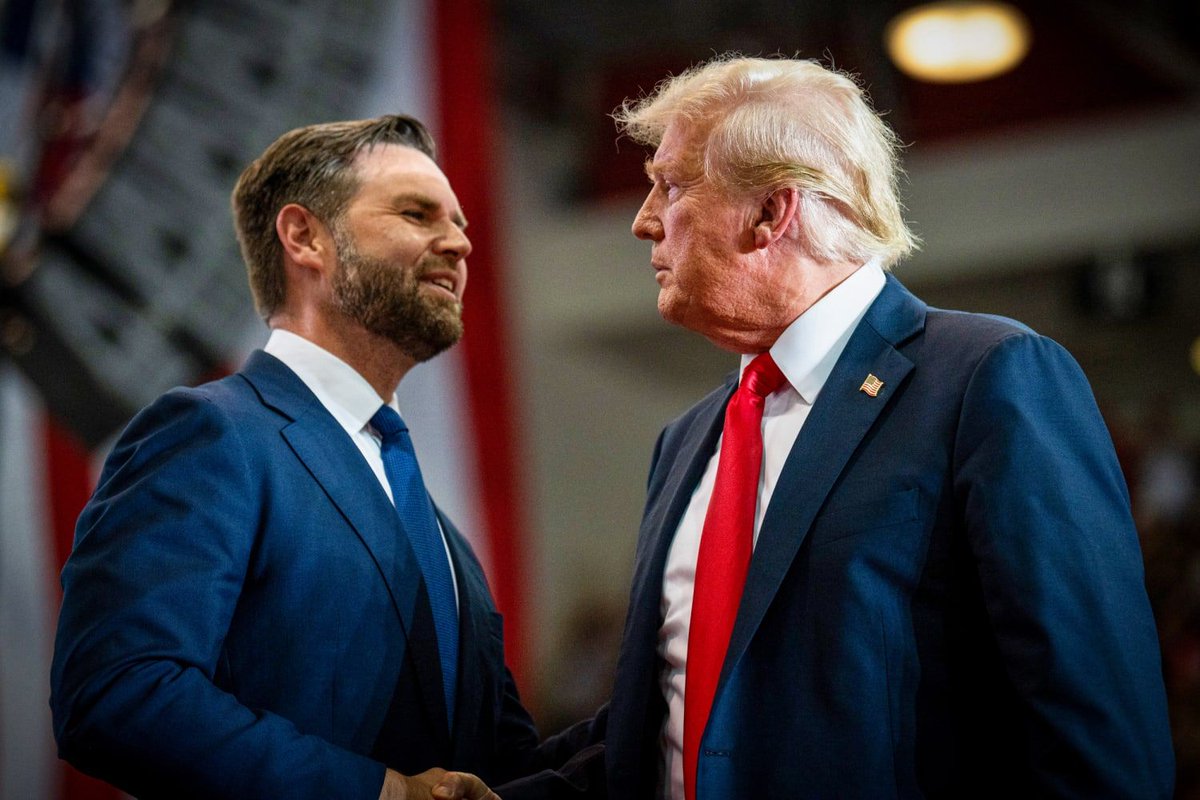
Trump vetoed it... allegedly after someone leaked the plan to Erdogan. Israeli sources say JD Vance. Vance's office denies it.
Mossad's view now: hold the blockade and the regime falls. Lift it for a deal and you've saved the thing you were trying to bring down.
Source: Jerusalem Post

Mario Nawfal@MarioNawfal
🇮🇷 Rezaee, Senior Advisor to Iran's Supreme Leader: "Trump must make decisions independently of Israel. Release our frozen assets. Stop the blockade. If Trump has the courage, many issues will be resolved." The question isn't whether Iran wants a deal, but whether Washington can accept the terms attached to it.
English

Why does your father's written transition plan take over all three branches of government and the military and media indefinitely? Is that freedom?
Noor Pahlavi@NoorPahlavi
During my visit to Oslo I met with @dagiulstein, MP, leader of the Christian Democrats and party leadership at the Parliament. They were clear and direct in their support for the people of Iran. We will continue to work together to ensure Iranians' demand for freedom are heard.
English
Bahar Davis_Afshar 리트윗함

Day 3,692 of injustice for Ahmadreza Djalali & his family. He has been wrongfully detained since April 2016 & sentenced to death on bogus charges following a forced confession. His detention continues in violation of international law #SaveAhmadreza @SwedishPM @MariaStenergard

English
Bahar Davis_Afshar 리트윗함
سارا، معروف به دریا ابراهیمی، مادری با یک فرزند که در اعتراضات دیماه به قتل رسید.
تصاویر دوربین مداربسته نشان داد سارا لحظهای به زمین میافتد، سپس نیروهای لباس شخصی با لگد به صورت و با قمه به سرش میکوبند. سارا پس از انتقال به بیمارستان بر اثر خونریزی و ضربه مغزی جان باخت.
فارسی
Bahar Davis_Afshar 리트윗함
این سر کار رفتن همایونی مربوط به زمان قطع اینترنت در ایران است. حیف است از دستش بدهید!
فارسی
Bahar Davis_Afshar 리트윗함

از دی ماه ۹۶ تا دی ماه ۴۰۴، از کوی دانشگاه تا «زن زندگی آزادی»، از کشتار ۹۸ تا کشتار میناب…
زخمِ ایران زخمِ همهی ماست، ایران خود ما هستیم.
چه سرکوبگرِ رژیم بزند چه حکومت خارجی، این کبودی به روح تمام وطندوستها مینشیند.
#جاوید_ایران
فارسی
Bahar Davis_Afshar 리트윗함

The Iranian people deserve to determine their own destiny - and we should do everything we can to give them the space to reclaim their country.
foxnews.com/politics/trump…
English
@NaderSoltanpour «با آویزان شدن از نیروهای راست و تند در آمريکا و اسراییل عملا آلت دست آنها شدهاید چون برای جلب نظرشان مدام دارید به چپ و لیبرالیسم حمله میکنید. شما با تزریق نفرت در تنها جناح سیاسی که به طور تاریخی به نقض حقوق بشر در جهان اهمیت داده به جنبش آزادیخواهی ایرانیان آسیب میزنید.»
فارسی

خانم علینژاد، سوال ایناست که هدف اکثر ما ایرانیان که از کشوری عمدتا مسلمان میآییم چه باید باشد؟
تغییر بسیلری از قوانین انعطافناپذیر اسلام یا جلوگیری از ورود این قوانین به سیاستگذاری کشورمان؟
به دریا انداختن مسلمانان یا همزیستی مسالمتآمیز در سایه نظامی مبتنی بر حقوق جهانی بشر؟
اگر اولی است که هیچ. اما، اگر دومی است، راه شما راهش نیست.
برخلاف ۵۷، امروز بیشتر ایرانیان مسلمان پذیرفتهاند که قوانین شرع جایی در سیاست ندارد. پس چه نیازی هست که دین و مذهبشان را سکه یک پول کنیم و خودشان را بیآبرو؟ چه نتیجهای میگیریم از منزوی کردن آنها جز اینکه انگیزه عبور از جمهوری اسلامی را ازشان بگیریم؟
حداقل ببینید دنیای غرب چهکار کرده. دنیای غرب با اعتماد به نفسی که از قوانین سکولار مستقر در جوامع خود دارد نگران هیچ دین و مذهبی نیست و نفرتپراکنی علیه همه از جمله مسلمانان و اسلامهراسی را ممنوع کرده.
اینگونه است که جامعه به تعادل و ثبات میرسد.
بههمین دلیل سیاستمدارش احساس امنیت و راحتی میکند تا در مراسم آنها روسری بر سر کند. سیاستمدارانی که اولویتشان تامین منافع حوزه انتخاباتی و در سطح کلان ایالت و کشورشان است نه کشور ما یا دادگاه بررسی پرونده ترور شما.
ما ایرانیان مرکزثقل جهان نیستیم، غربیها هیچ چیز به ما بدهکار نیستند، آنقدر اولویتهای دیگر و منافع اغلب درتضاد با ما دارند که نباید هیچ انتظاری ازشان داشته باشیم. وقتی هم فکر میکنیم انتظار ما را برآورده کردهاند نتیجهاش میشود جنگی که دست حکومت تهران را بازتر کرده هم برای سرکوب و هم اعدام.
همین سخنرانی این هفته شما در اجلاس کمبته یهودیان آمریکا. میتوانید بگویید دستاوردهایتان از سخنرانیهایی از ایندست چه بوده؟ نهادهایی که اولویت اول و آخرشان اسراییل است و بود و نبود ایران هیچ اهمیتی ندارد چگونه در پیشبرد اهداف دموکراتيک مردم ایران کمک کردهاند؟
شما با آویزان شدن از نیروهای راست و راست تند در آمريکا و اسراییل عملا آلت دست آنها شدهاید چون برای جلب نظرشان مدام دارید به چپ و لیبرالیسم حمله میکنید. شما دارید با تزریق نفرت در تنها جناح سیاسی که به طور تاریخی به نقض حقوق بشر در جهان اهمیت داده به جنبش آزادیخواهی ایرانیان آسیب میزنید.
شما هنوز متوجه نشدهاید که ما و جناح راست آمریکا و اسراییل تضاد منافع داریم؟
اولویت ما عبور از جمهوری اسلامی است، برای آنها نوع حکومت اصلا مهم نیست، فقط ایرانی میخواهند آنقدر ضعیف که هیچگاه تهدیدی برای اسراییل نباشد.
اسراییل میتواند روزی دوست ما باشد اما نه امروز که دولتش قتلعام کرده و متهم به نسلکشی است.
نزدیکی شما و آقای پهلوی به آنها مجبورتان کرد نه فقط بر همان قتلعام چشم ببندید بلکه مقابل کشته شدن مردم خودتان در جنگ هم سکوت اختیار کنید.
میبینید هر دو چه دامی برای خودتان گستردهاید؟
دشمن دشمن من دوست من است، استراتژی نیست، تاکتیکی است که طرفی که قدرت و کنترل را در دست دارد نتیجهاش را تعیین میکند و شما فقط بازیچهاید. بازیچه دست مردانی نارسیست که از دست بر قضا برای ماندن در قدرت از افراطگرهای مذاهب خودشان آویزان شدهاند و کمترین ارزشی برای زن قائل نیستند.
میبینید به چه مضحکهای قدم گذاشتهاید؟
شما و آقای پهلوی مردم خودمان، نهادهای مدنی خودمان و اپوزیسیون واقعی خودمان در درون کشور را کنارگذاشتهاید و به عنوان سلبریتیهای سیاسی کارتان شده حضور در سخنرانیهایی که استقبال و تشویق حاضران تضمین شده.
حاضرانی که تا وقتی برایشان شیرینکاری میکنید حلواحلوایتان میکند، خسته که شوید، خواهید دید کالایی بیارزش بیش نیستید.
دوباره از خود بپرسید هدف اکثر ما ایرانیان که از کشوری عمدتا مسلمان میآییم چه باید باشد؟
آب به آسیاب راست ریختن برای زدن چپ با اسلامهراسی و نفرتپراکنی یا استفاده مماسب از هر دو برای جایگزین کردن جمهوری اسلامی با نظامی سکولار و دموکراتیک؟
اگر اولی است، که هیچ اما اگر دومی است هم شما و هم آقای پهلوی به شدت به خاکی زدهاید.
اگر میخواهید بچرخید، الان وقتش است.
امیدوارم به جای دشنام هواداران و توجیه خاکساران خودتان شفافسلزی کنید.
Masih Alinejad 🏳️@AlinejadMasih
جهان نگران اسلامهراسی است یا نگران اعدام بیش از ۱۶۰۰ نفر فقط در یک سال زیر سایه حکومت اسلامی؟ من ایرانیام، در ایران زندگی کردم، از گشت ارشاد اسلامی کتک خوردم، زندانی شدم، قوانین عقب ماندهی ازدواج و طلاق را زیر شرع اسلام زندگی کردم و برعکس خیلیها که فعلا نگران ترویج اسلامهراسی هستند، نگران ایرانم و عادیسازی اسلامگرایی. حکومت اسلامی باید به زباله دان برود و تروریستها باید از بین بروند نه آنکه اصلاح شوند… سخنرانی کاملم در اجلاس جهانی AJC Global Forum
فارسی
@NaderSoltanpour «سخنرانی این هفته شما در اجلاس کمبته یهودیان آمریکا. میتوانید بگویید دستاوردهایتان از سخنرانیهایی از ایندست چه بوده؟ نهادهایی که اولویت اول و آخرشان اسراییل است و بود و نبود ایران هیچ اهمیتی ندارد چگونه در پیشبرد اهداف دموکراتيک مردم ایران کمک کردهاند؟»
@AlinejadMasih
فارسی
@FNCGlobalNews Lisa Daftari is NOT an Iran expert!
She is a biased,monarchy dictatorship supporter that sees the puppet son of deposed Shah as opposition force, with no support inside Iran. Your piece invalidated for many people for this reason.
English

What do ordinary Iranians think about the possibility of a Trump-brokered deal with Tehran? Fox News Digital spoke with people inside and outside Iran about hopes, fears and what could come next.
"Inside Iran, the mood has shifted from early-war optimism to a kind of exhausted resignation, but there is still some hope that this is the moment President Trump will use his leverage to do the right thing," says Iran expert Lisa Daftari.


English
@AtenaDaemi Kudos!
«اموال من جوانی و سلامتیام بود که شما سالها پیش، آنها را از من گرفتید و هیچ وقت هم به من باز نخواهند گشت. با این حال با ارزشترین داراییام عشق به ایران و مردمانش و باور و عقیدهام به حقوق بشر است که هرگز نمیتوانید آن را از من بگیرید، حتی با مرگ!»
فارسی
از اردیبهشت ۱۴۰۲، سه سال است که به اجبار، خارج از ایران زندگی میکنم.
مرداد سال ۱۳۹۳، از برگزارکنندگان تجمعی در مقابل دفتر سازمان ملل در تهران، در اعتراض به جنگ و کشتار در کوبانی، غزه و سوریه بودم (عکس زیر)، چند ماه بعد مقیسه در دادگاه به من گفت: «گوه خوردی که مخالف جنگی؛ کوبانی و غزه و سوریه به تو چه ربطی داره؟» همان تجمع اعتراضی به یکی از اتهامات پروندهام تبدیل شد و سالها برای آن پرونده، در زندان ماندم.
طی این سالها و همچنین پیش از جنگ ۱۲ روزه و در طول جنگ اخیر نیز بر اساسِ اصول و باورهایم، بار دیگر با صراحت در نوشتهها و مصاحبههایم مخالفتم با ج.ا و جنگ را بیان کردم؛ چرا که جنگ را چیزی جز ویرانی، کشتار و سرکوب نمیدانم.
معتقدم و پیشتر گفتهام که جنگ با هیچ بهانهای قابل توجیه نیست، کمکی به مردم ایران نمیکند و شرایط را وخیمتر میکند که کرد، خصوصا وقتی هر سه طرفِ درگیر در این جنگ، فقط به دنبال منافع و تثبیت قدرت خود هستند و به همین دلیل، بارها با بیتوجهی به قوانین بینالمللی، مرتکب جنایت علیه بشریت و جنایت جنگی شدهاند و باید پاسخگو باشند؛ از ج.ا تا اسرائیل و آمریکا!
از حکومت جمهوری اسلامی تا عمق وجودم بیزارم که یکی از دلایل این بیزاری، جنگ طلب بودن سران این حکومت و دمیدن بر آتش جنگ در خاورمیانه است.
هرگز برای حمایت ج.ا از گروههای شبه نظامی در منطقه و حملات موشکی آن کف نزدهام و هورا نکشیدهام و هرگز برای حملات نظامی آمریکا و اسرائیل به ایران هم خوشرقصی نکردهام. با این حال هر بار، نه فقط موافقان ج.ا که افراد دیگری که اتفاقا خود را از مخالفترین مخالفانِ جمهوری اسلامی معرفی میکنند هم، همان ادبیات مقیسه و همان پیام را به اشکال مختلف به من رساندند، با توهین، تهمت، حمله و تهدید!
دو هفته پیش، باز هم برای سرکوب و آزار من، به اعمال فشار بر خانوادهام روی آوردند و پدرم را به وزارت اطلاعات احضار کردند؛ چند روز پیش هم ابلاغیهای از سوی قوه قضاییه برایم صادر شد که در آن اتهام «تبلیغ علیه نظام جمهوری اسلامی و تقویت رژیم صهیونیستی از طریق مساعدت مستقیم» به من نسبت داده شده است.
راستش را بخواهید، تصور اتهامی احمقانهتر و مضحکتر از این برایم دشوار است، مضحکتر از تمام اتهاماتی که در طول حبس و پس از آن، از هر سو به من نسبت داده شد!
اما اهمیت این پرونده و این برگه در چیز دیگری است.
این سند نشان میدهد که وقتی برای کسی که در زندان و محروم از حق دفاع نیست و سه سال است که خارج از ایران زندگی میکند و بارها و بارها، بدون واهمه از حملات و تهدیدها، مواضع روشن و علنی خود را علیه جنگ و نقض حقوق بشر، چه از سوی ج.ا و چه از سوی اسرائیل، بیان کرده است؛ چنین پروندهسازی مضحک و سخیفی میکنند، روشن است که برای فعالان داخل ایران نیز به همین شیوه پروندهسازی میکنند؛ امری که سالها درباره آن گفتهایم، اما هنوز عدهای حاضر نیستند آن را بپذیرند.
اگر با وجود تمام نوشتهها و مصاحبههایم چنین دروغ آشکاری میگویند، روشن است که تا چه اندازه در پروندههای زندانیان، فعالان داخل ایران و همچنین شهروندان بهایی، حقیقت را وارونه کرده و هزینههای جبرانناپذیری بر افراد و خانوادههایشان تحمیل میکنند.
این برگه رسمی، سندی است که بیپایه و اساس بودن بسیاری از این اتهامات و بیاعتباریِ بسیاری از این پروندهها؛ از جمله پرونده تمام کسانی که از طریق اعدام به قتل رسیده و یا در خطر این قتل عمد حکومتی هستند را فریاد میزند.
در پایان، بار دیگر خطاب به ج.ا تاکید میکنم که تا وقتی هستید و حتی پس از آن هم، به تبلیغ علیه نظام استبدادیتان و دادخواهی ادامه میدهم و نه «تقویتکننده اسرائیل از طریق مساعدت مستقیم»، بلکه از همه شما جنایتکاران و ناقضان حقوق بشر بیزارم و آرزوی محاکمه تک تک شما را دارم که با هر نام و به هر بهانهای دستانتان به خون آغشته است.
راستی اگر با این پروندهسازی قصد مصادره اموال دارید، اعلام میکنم که من هیچ اموالی در ایران یا خارج از آن ندارم، اموال من جوانی و سلامتیام بود که شما سالها پیش، آنها را از من گرفتید و هیچ وقت هم به من باز نخواهند گشت. با این حال با ارزشترین داراییام عشق به ایران و مردمانش و باور و عقیدهام به حقوق بشر است که هرگز نمیتوانید آن را از من بگیرید، حتی با مرگ!
عدم حضور جلب است؟!
منتظرم :)
#نه_به_جنگ
#دادخواهی


فارسی