고정된 트윗
Bonnke🌎
1.2K posts



🚨 The news of the century! Leo Messi, new owner of #UECornellà 🙌
All the info: bit.ly/4sG1xM5

English

@BossBK_HIM @TrollFootball Why? And why olise he didn't get and card..? What has cl to do With WC?
English




English

On behalf of Victor Osimhen 🙏🏽

Sir Dickson@Wizarab10
Having conferred with @the_beardedsina, it is time for @_belikebaddy to undergo surgery on his second leg after the successful operation on the right leg. Thank you all for your support in the first instance. We will be needing N19m for the second surgery. Please find the account number below. Raise am 👏🏽👏🏽👏🏽 0249219856 Wema bank Obadiah David Adedolapo Crypto: TDuMZ8gQGatymLEkkMCXgSqkuFoduXyBxd USDT TRC20
English
@kingofsmileD @_AsiwajuLerry Thank God, God is not man... 🤲❤️
English
@nikitabier Not surprised.
Same thought process he uses on the x algo
English

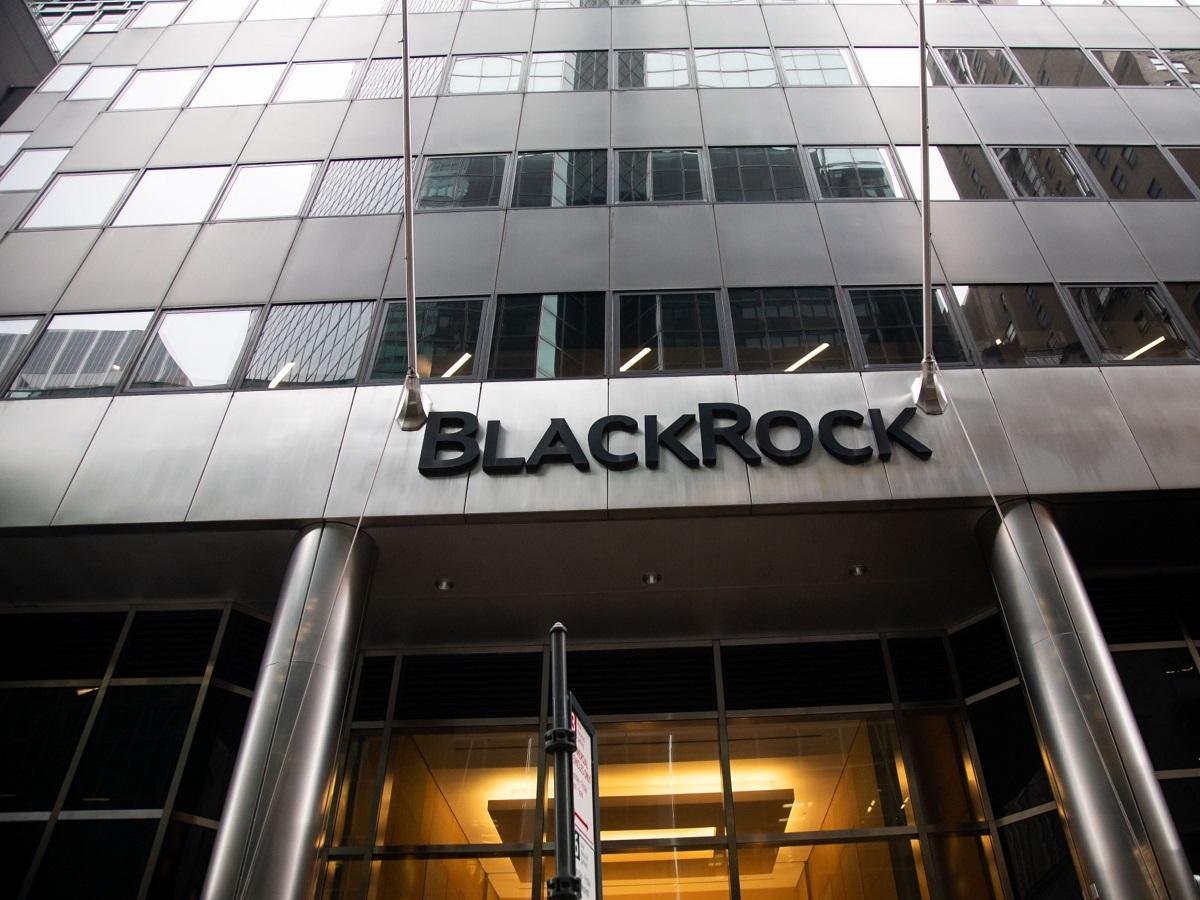
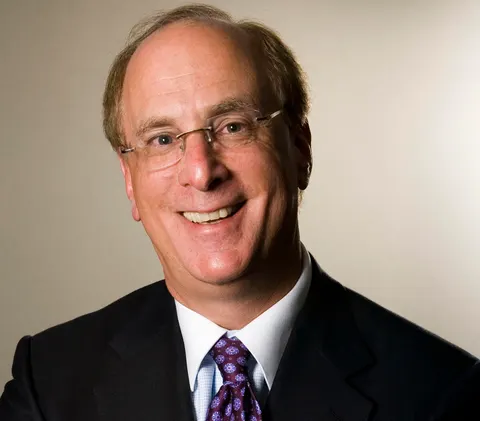
🔥 BULLISH: 10 Trillion BlackRock CEO Larry Fink says tokenization could transform finance the same way the internet did in 1996.
The biggest asset managers are all in on RWAs. 🚀
English




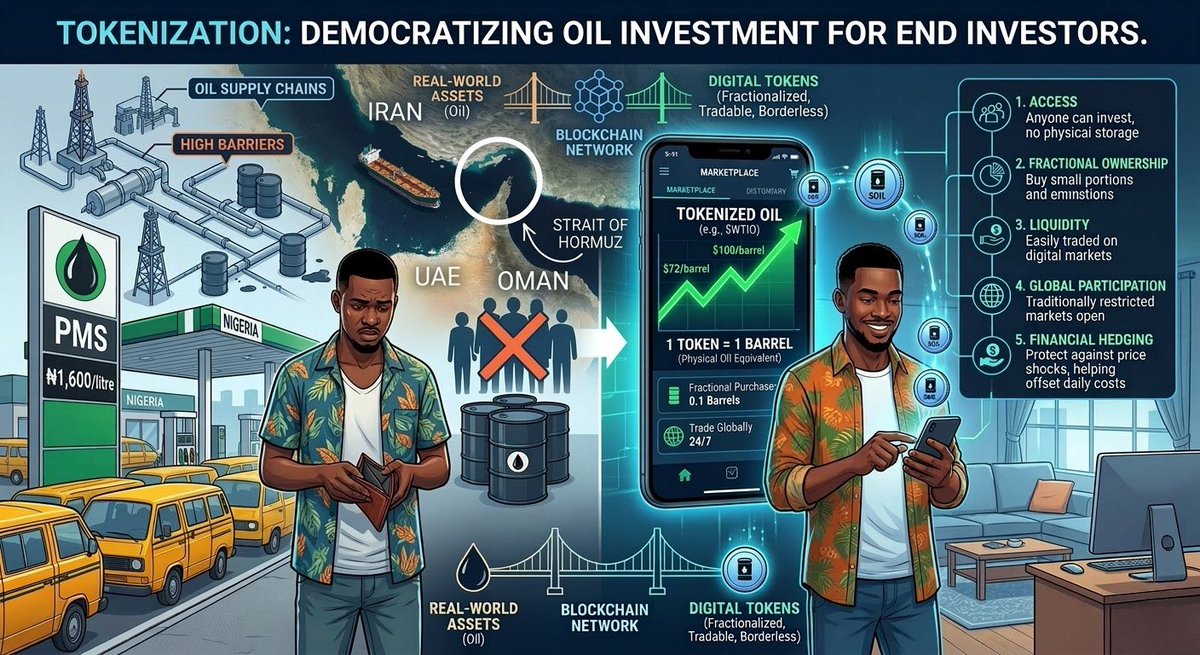
What is Tokenization & How Does It Benefit End Investors?
Let me explain this with a real-world scenario.
When tensions began escalating in the Middle East a few days ago, my immediate thought as a Nigerian was about the Strait of Hormuz, the passage through which roughly 20% of the world’s oil supply flows. If that route becomes disrupted, the most obvious consequence is a spike in oil prices.
I mentioned to a group of friends that oil prices might surge, and that it might be wise to somehow “stock up” on oil before prices rise. But the question quickly became: how exactly do ordinary people do that?
Do we go to the market and physically buy oil?
Do we store petrol somewhere and hope to sell later?
Obviously, that's unrealistic for most people. And that’s where tokenization becomes powerful.
Tokenization means representing real-world assets like barrels of oil, real estate, or commodities as digital tokens on a blockchain. Each token represents ownership or exposure to the underlying asset.
For example:
1 token = 1 barrel of oil
Investors could buy fractions of that token, meaning you don't even need to afford a full barrel.
So instead of shipping physical oil from the Middle East to Nigeria, the ownership exposure is digitized and tradable globally.
Back to reality:
When tensions started, oil was around $72 per barrel. Suppose you had the ability to buy tokenized exposure to a few barrels of oil at that price.
As tensions increased, oil prices climbed toward $100 per barrel. You could simply sell those tokens for profit.
This isn't about celebrating geopolitical conflict. Rather, it's about protecting yourself from the economic impact that follows such events.
In Nigeria,this crises caused escalation of petrol from ₦850 per litre to over ₦1,600 per litre.
That means the ₦200,000 monthly petrol budget you planned for suddenly becomes insufficient.
But if you had gained exposure to oil earlier through tokenized barrels, the profits from selling those tokens could help offset the increased fuel costs.
So in essence, tokenization benefits end investors by:
→Access – Anyone can gain exposure to assets like oil without needing to physically own or store them.
Fractional Ownership – You don’t need to buy a full barrel; you can buy small portions.
→ Liquidity – Tokens can be traded easily on digital markets.
→ Global Participation – Investors anywhere in the world can participate in markets traditionally restricted to large institutions.
→ Financial Hedging – Investors can protect themselves against price shocks that affect their daily lives.
English

RWA Explainer Contest 🤩
Top 3 win 5,000 $ZIG each
Deadline: 7 days
What does RWA tokenization actually mean for investors? Explain it simply and highlight the benefits for the end investor.
Follow @CryptosBatman and @ZIGChain and drop your answer in the comments 👇
PS: Visuals, infographics, videos, or creative breakdowns get extra points! 👀

English

What is Tokenization & How Does It Benefit End Investors?
Let me explain this with a real-world scenario.
When tensions began escalating in the Middle East a few days ago, my immediate thought as a Nigerian was about the Strait of Hormuz, the passage through which roughly 20% of the world’s oil supply flows. If that route becomes disrupted, the most obvious consequence is a spike in oil prices.
I mentioned to a group of friends that oil prices might surge, and that it might be wise to somehow “stock up” on oil before prices rise. But the question quickly became: how exactly do ordinary people do that?
Do we go to the market and physically buy oil?
Do we store petrol somewhere and hope to sell later?
Obviously, that's unrealistic for most people. And that’s where tokenization becomes powerful.
Tokenization means representing real-world assets like barrels of oil, real estate, or commodities as digital tokens on a blockchain. Each token represents ownership or exposure to the underlying asset.
For example:
1 token = 1 barrel of oil
Investors could buy fractions of that token, meaning you don't even need to afford a full barrel.
So instead of shipping physical oil from the Middle East to Nigeria, the ownership exposure is digitized and tradable globally.
Back to reality:
When tensions started, oil was around $72 per barrel. Suppose you had the ability to buy tokenized exposure to a few barrels of oil at that price.
As tensions increased, oil prices climbed toward $100 per barrel. You could simply sell those tokens for profit.
This isn't about celebrating geopolitical conflict. Rather, it's about protecting yourself from the economic impact that follows such events.
In Nigeria,this crises caused escalation of petrol from ₦850 per litre to over ₦1,600 per litre.
That means the ₦200,000 monthly petrol budget you planned for suddenly becomes insufficient.
But if you had gained exposure to oil earlier through tokenized barrels, the profits from selling those tokens could help offset the increased fuel costs.
So in essence, tokenization benefits end investors by:
→Access – Anyone can gain exposure to assets like oil without needing to physically own or store them.
Fractional Ownership – You don’t need to buy a full barrel; you can buy small portions.
→ Liquidity – Tokens can be traded easily on digital markets.
→ Global Participation – Investors anywhere in the world can participate in markets traditionally restricted to large institutions.
→ Financial Hedging – Investors can protect themselves against price shocks that affect their daily lives.

English

Everyone talks about tokenization, how good it is, how it will change the world blah blah blah... but no one explains "what is tokenization & how would it benefit the end investors?"
So here is the deal, throw in your best answers in comments, best 3 answers get 5000 $ZIG each - you have 48 hours!
PS - infographics, videos, creatives get brownie points 😎
GIF
English
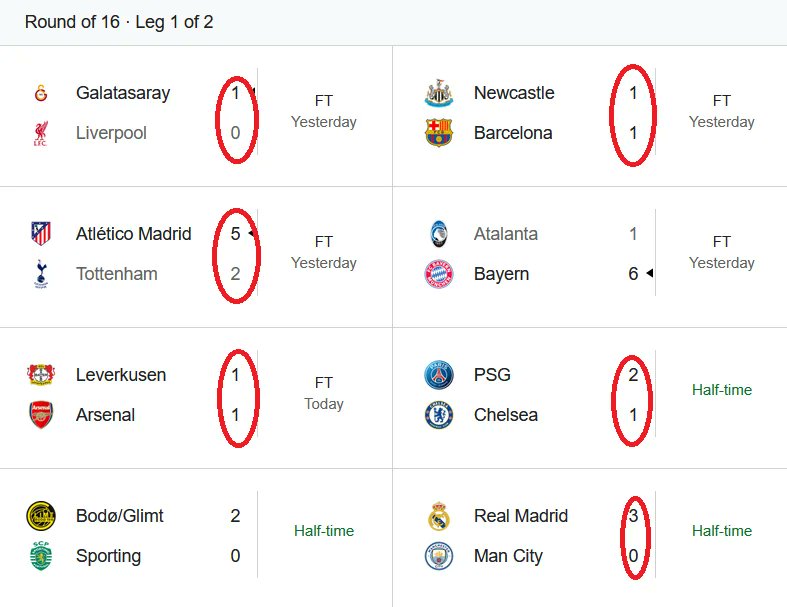
@nathanielblow We're still barca
A few shippings and we're good again.
Araujo to NPFL
English

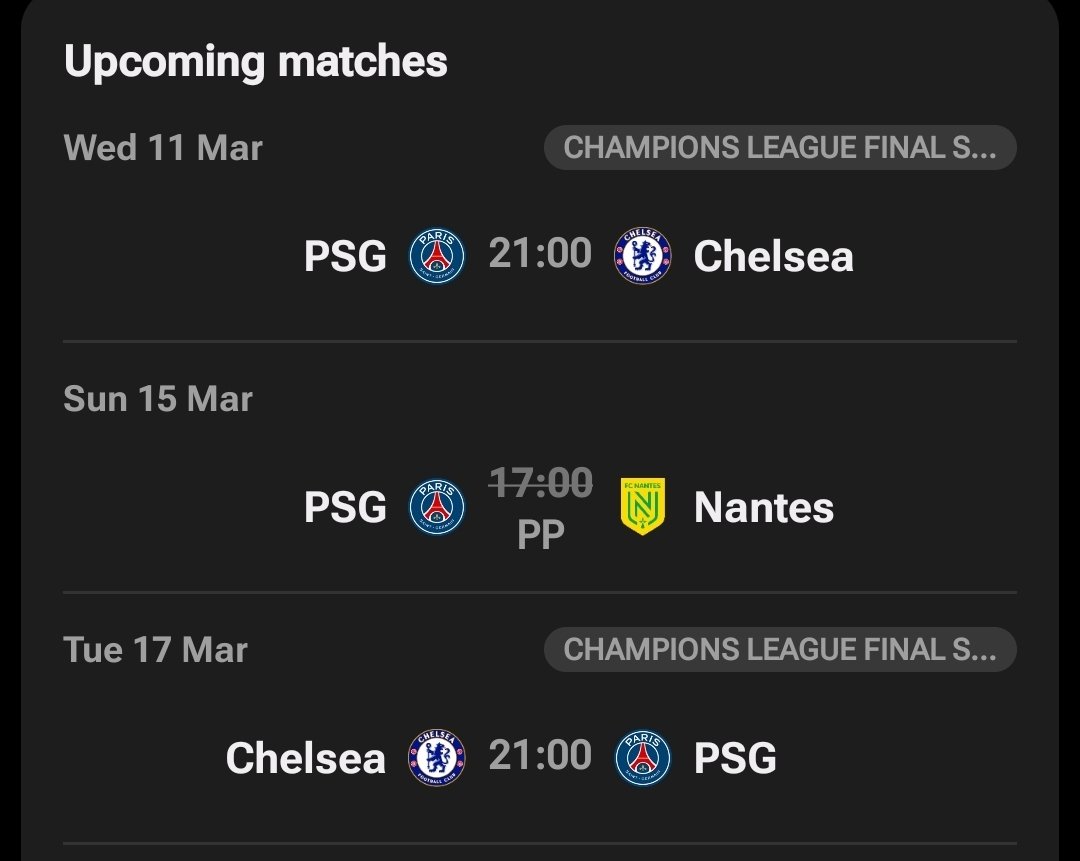
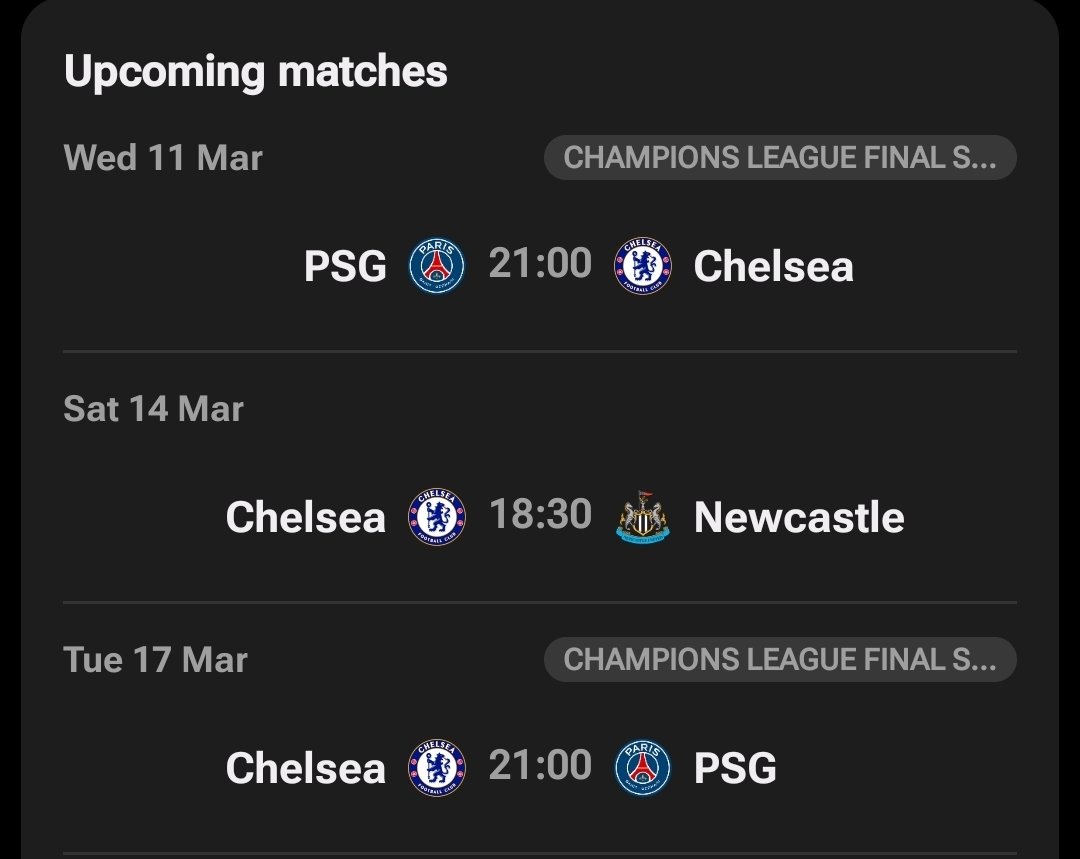
Why should UEFA allow this?
PSG cancelled their weekend Match in ligue one enabling them to stay fresh for the 2nd leg against Chelsea
Meanwhile Chelsea cannot do the same they will play Newcastle over the weekend before the 2nd Leg
This should no be allowed
English

Honestly, this article just cracked the code on why old DeFi never really felt like real finance.
If you are anything like us, the whole universe feels against you when crypto starts dumping, even your DeFi plays...
For years, we were told DeFi was “new money,” but in reality, most of it was just crypto circulating among crypto people. No real businesses. No real economy underneath.
Think about it:
Once the crypto market sneezes, the whole system catches cold.
• Token prices drop
• Value of your LP drops
• Rewards drop
• Trading volume drops
• APYs crash
• People panic and withdraw liquidity
At that point, even though the DeFi product is “working,” everything is bleeding because nothing exists outside crypto. No customers buying real goods. No businesses generating cashflow. Just vibes and market sentiment.
Now compare that to tokenized private credit...
A real bakery needs money to buy flour while waiting for customers to pay invoices. You lend them money via blockchain. They bake bread, sell it, get paid, and repay you with interest.
That’s it. Crypto price up or down? The bakery is still selling bread.
Market sentiment bad? People still need food.
This is real economy plugged into DeFi, not DeFi trapped inside crypto.
And that’s why I’m enormously bullish on what is being built on @ZIGChain
Abdul Rafay Gadit@ARafayGadit
English