고정된 트윗
Community Science Institute
129 posts

Community Science Institute
@CSIwater
Partnering with communities to protect water in the Finger Lakes region since 2000 💦501(c)3 nonprofit💦NYSDOH-ELAP certified lab
Ithaca, NY 가입일 Ocak 2016
38 팔로잉30 팔로워

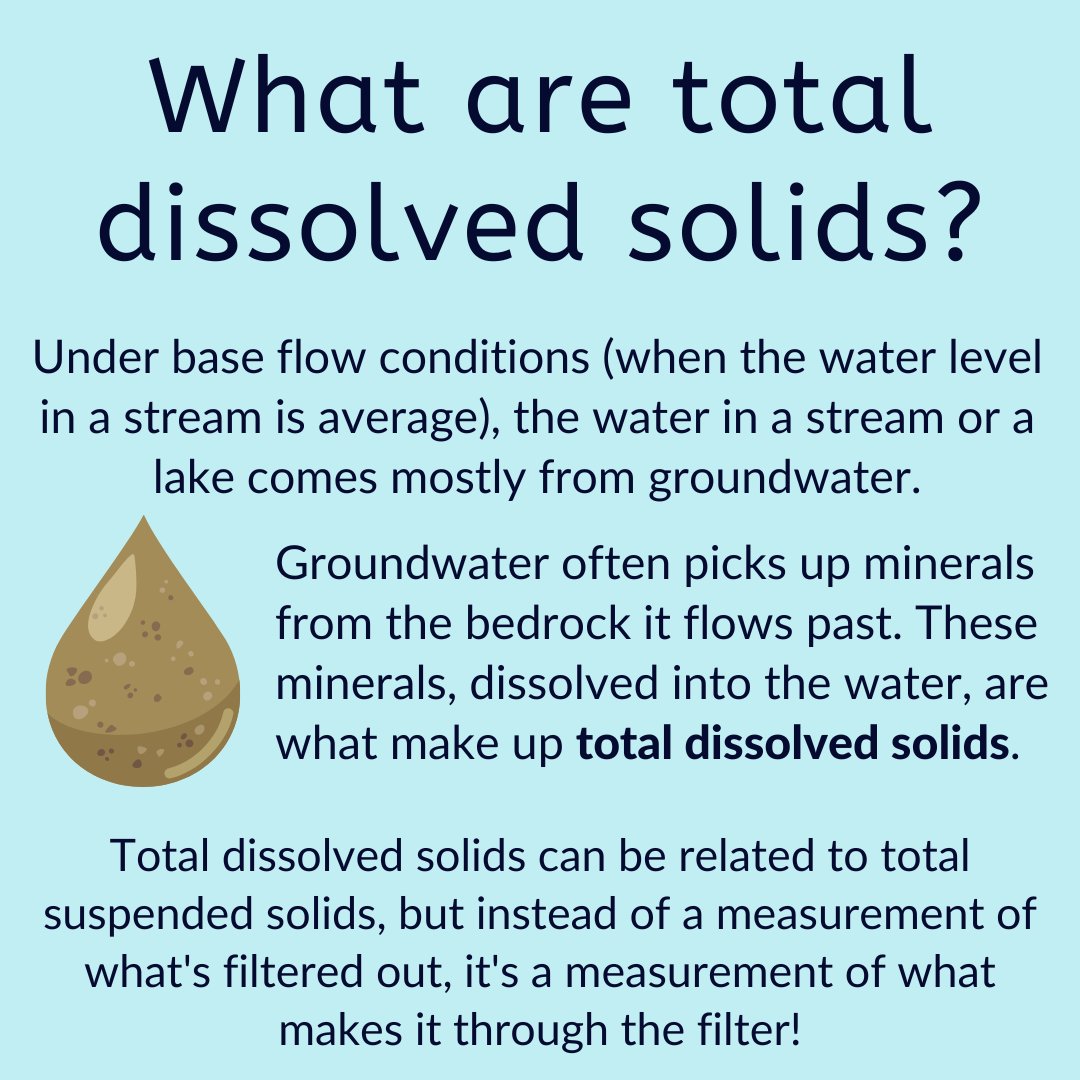
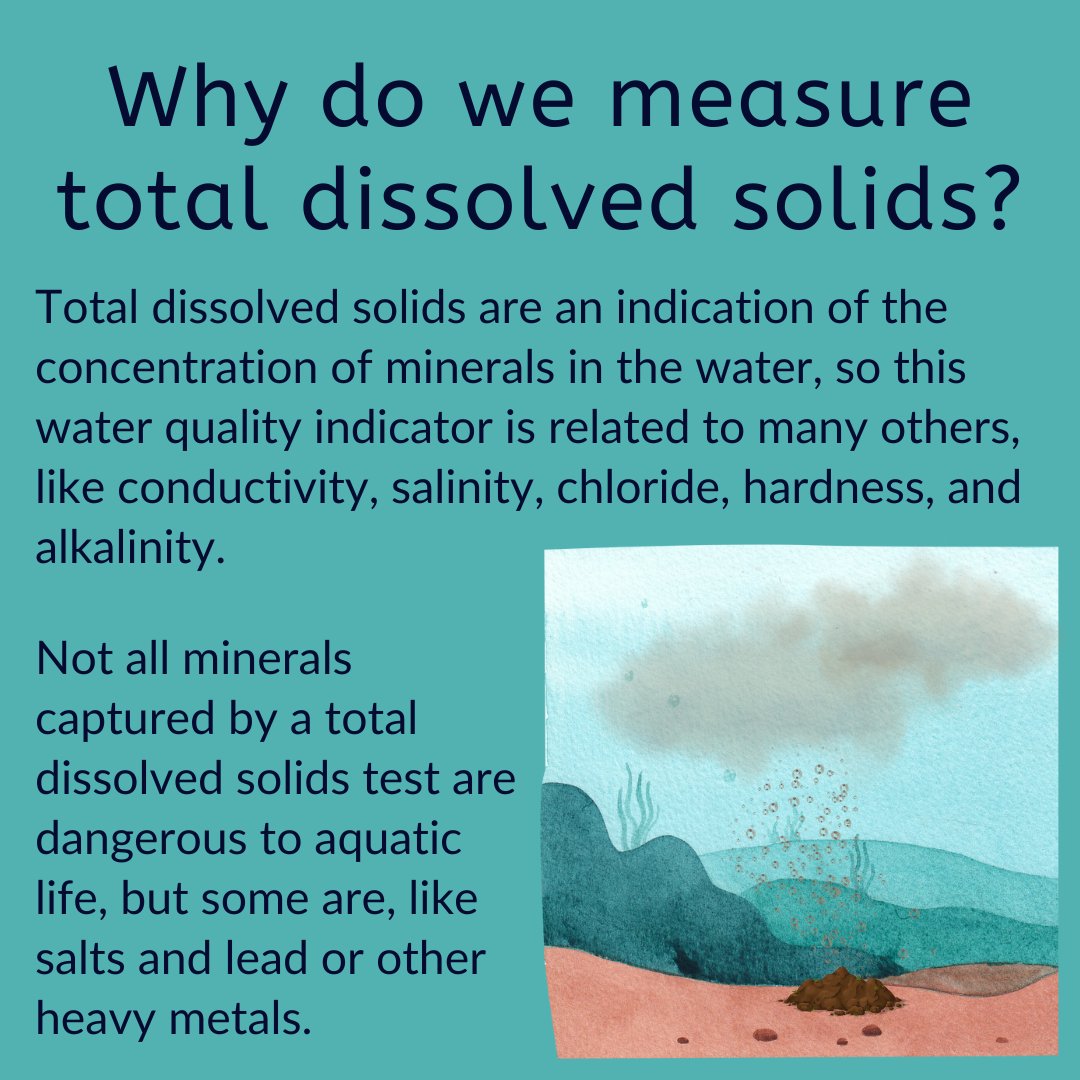
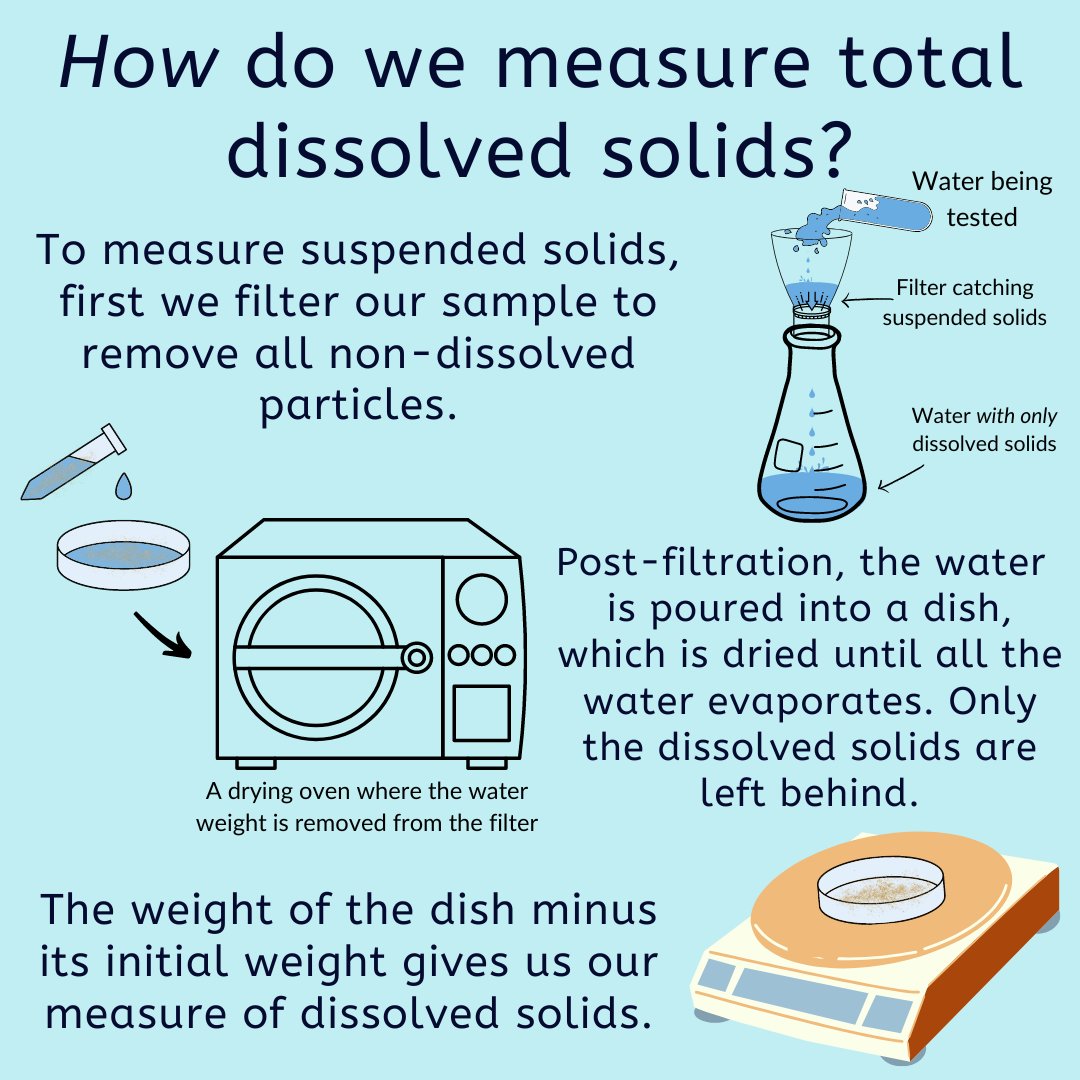
You've learned about total suspended solids, but what happens to the water after it's filtered? That would be total dissolved solids. Learn about what that means and why we measure it here!
#waterchemistry #CayugaLake #fingerlakes #communityscience #waterquality


English
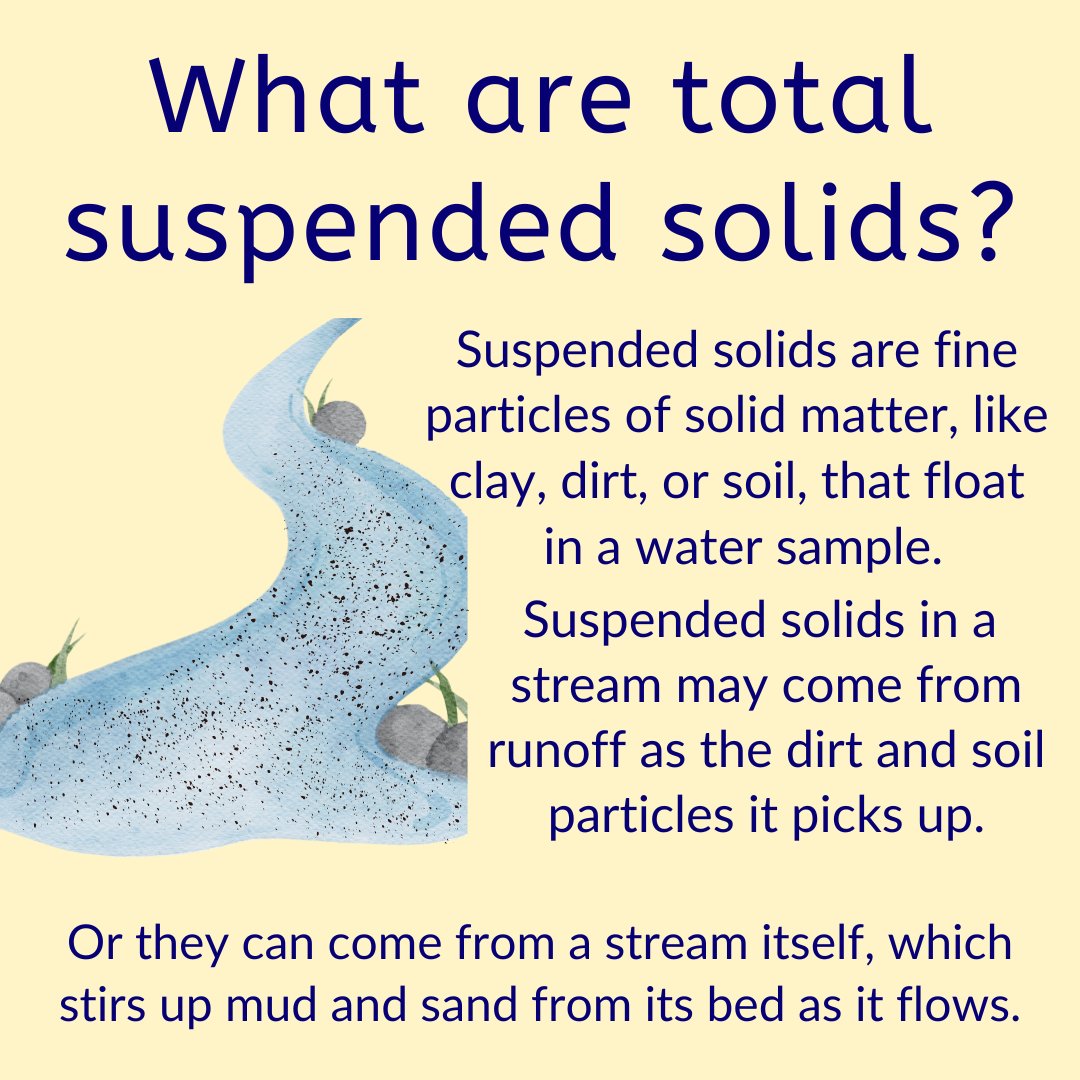
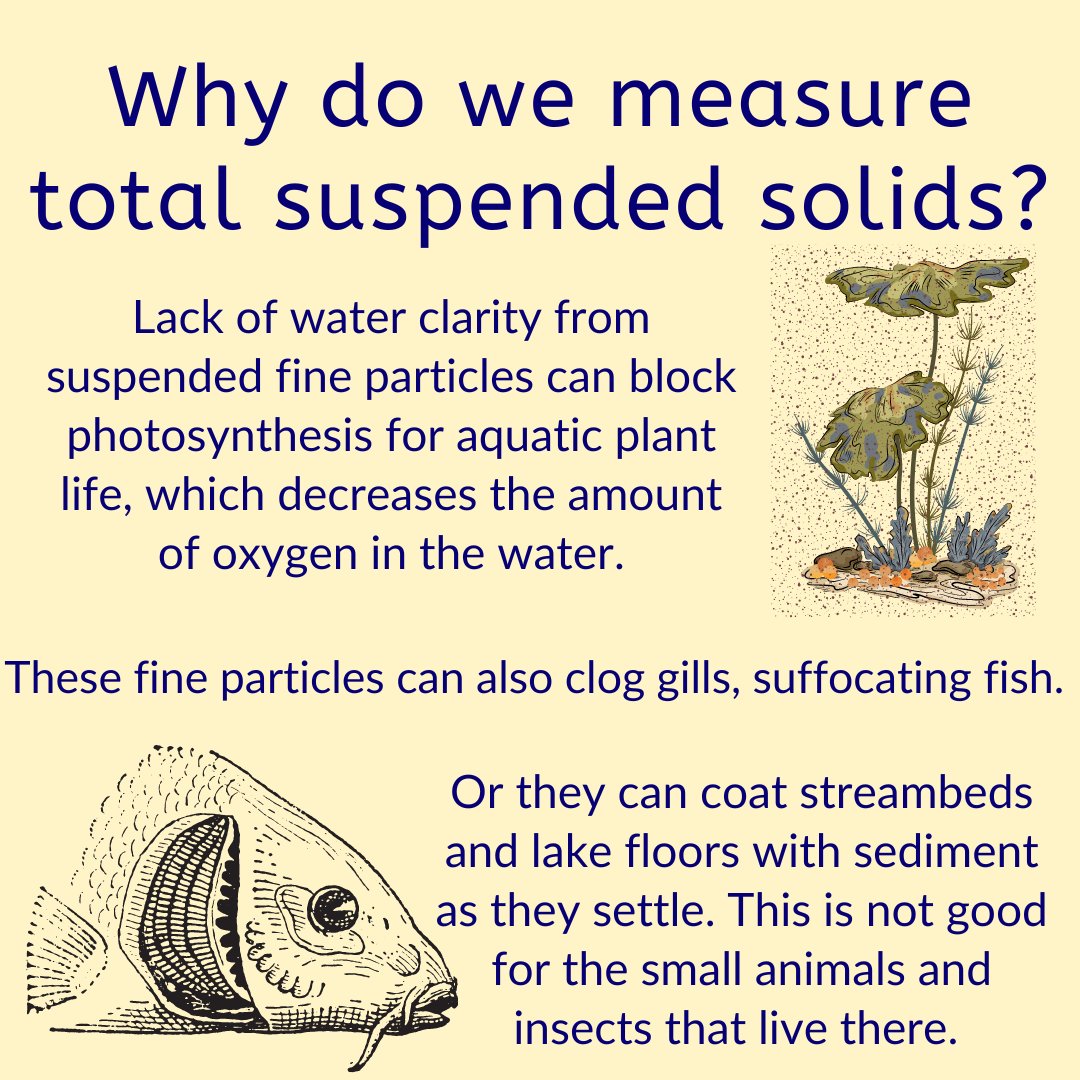
It's easy to mix up total suspended solids and turbidity. Though they are related, they are not identical! Turbidity is an optical measure of how light interacts with water, while total suspended solids directly measures floating particles
#totalsuspendedsolids #WATERSCIENCE


English
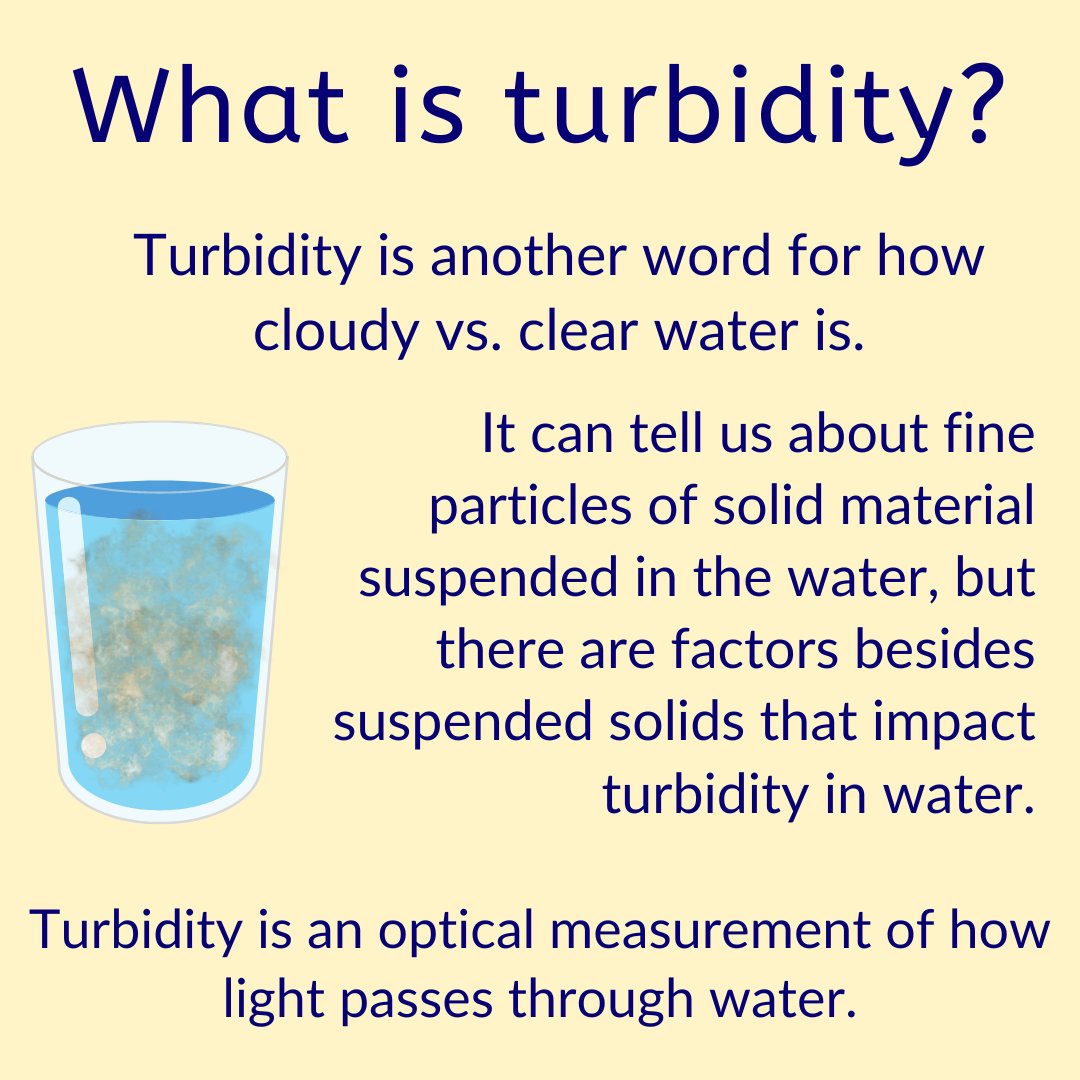
Turbidity and total suspended solids are often mixed up. Though solids can make water more turbid, they are not the only factor contributing to its turbidity. Here's what exactly turbidity measures and why we measure it.
#waterqualitywednesday #turbidity #sciencecommunication


English
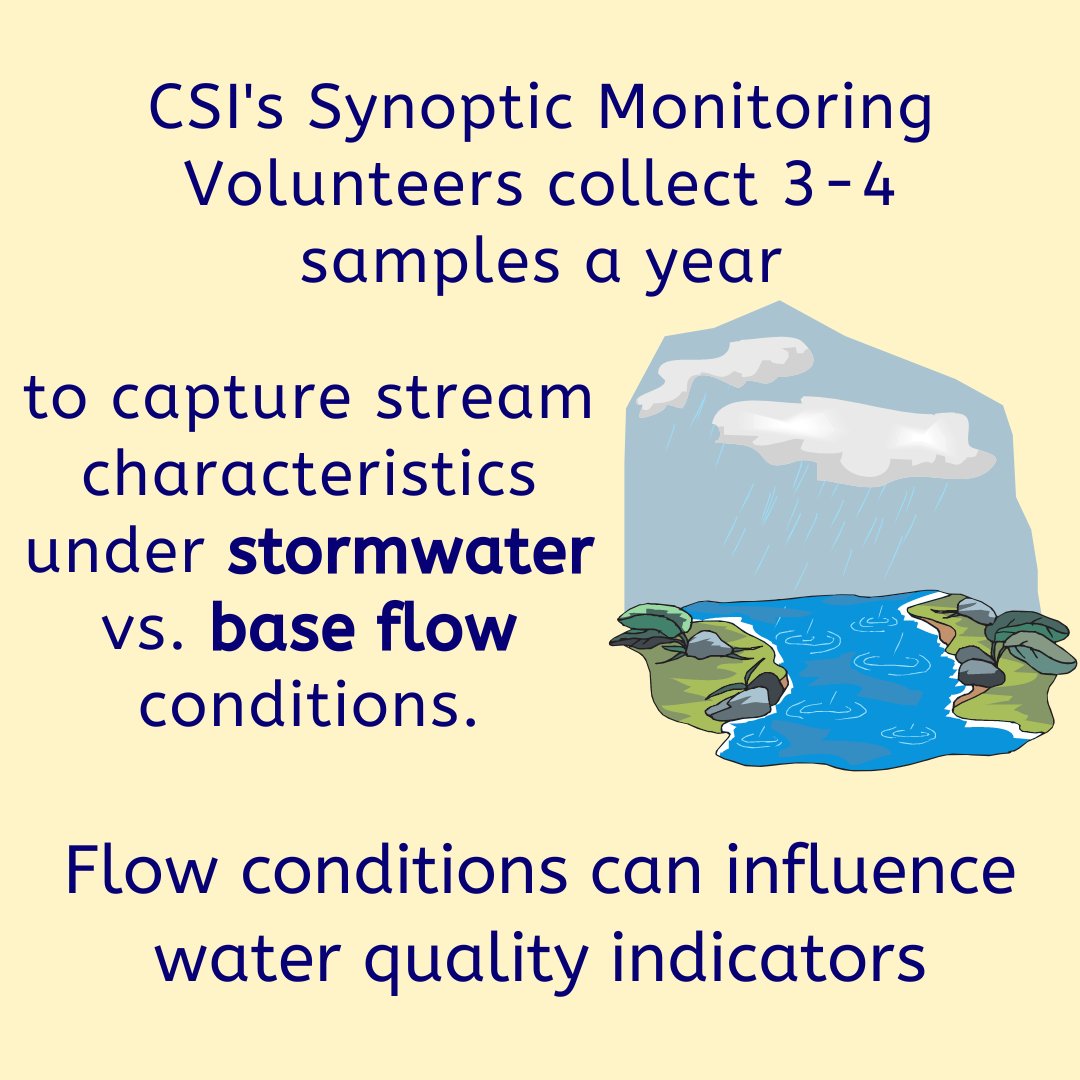
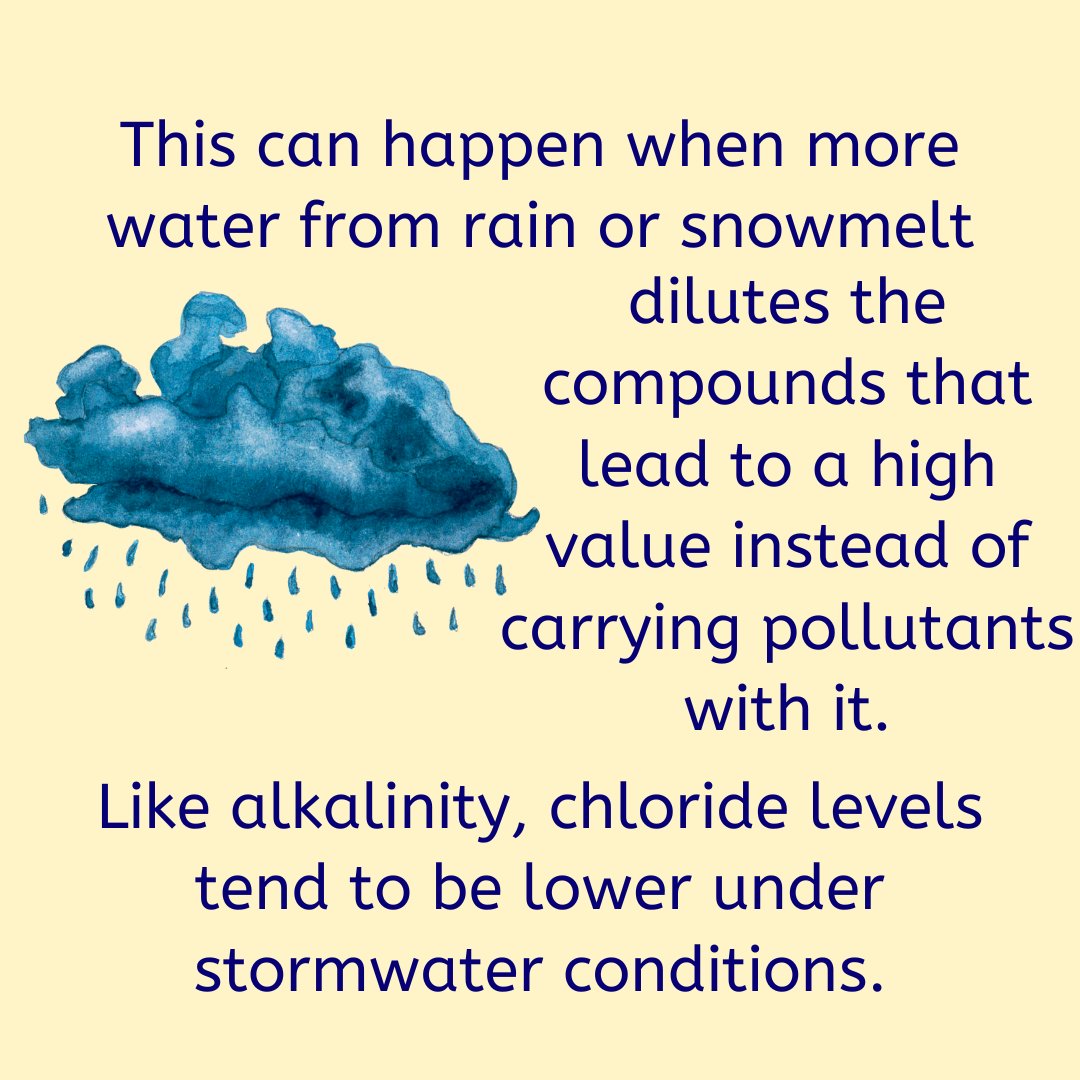
Stormwater conditions (deeper and faster-flowing stream conditions) dilute alkalinity levels, but they increase some water quality indicator values instead because of compounds or sediment carried with rain water or snow melt.
#Waterquality #communityscience #water #fingerlakes


English
The word "alkalinity" might make you think of pH, but the two are different water quality indicators! Alkalinity tells us how well a solution can resist a drop in pH - that is, how resistant a solution is to acidification!
#alkalinity #water #pH #cayugalake #fingerlakes


English

It's still winter, but CSI is already beginning
our annual refresher trainings for 2023! Training dates are already set for the creeks listed below. Come join us this year! Email us at info@communityscience.org or visit us at communityscience.org for more info

English
CSI houses about a dozen stream monitoring groups in the Cayuga Lake Watershed. We especially need volunteers for Canoga, Burroughs, Yawger, Great Gully, and Salmon Creeks, and for our Direct Streams monitoring group. Email us at info@communityscience.org for more information!

English

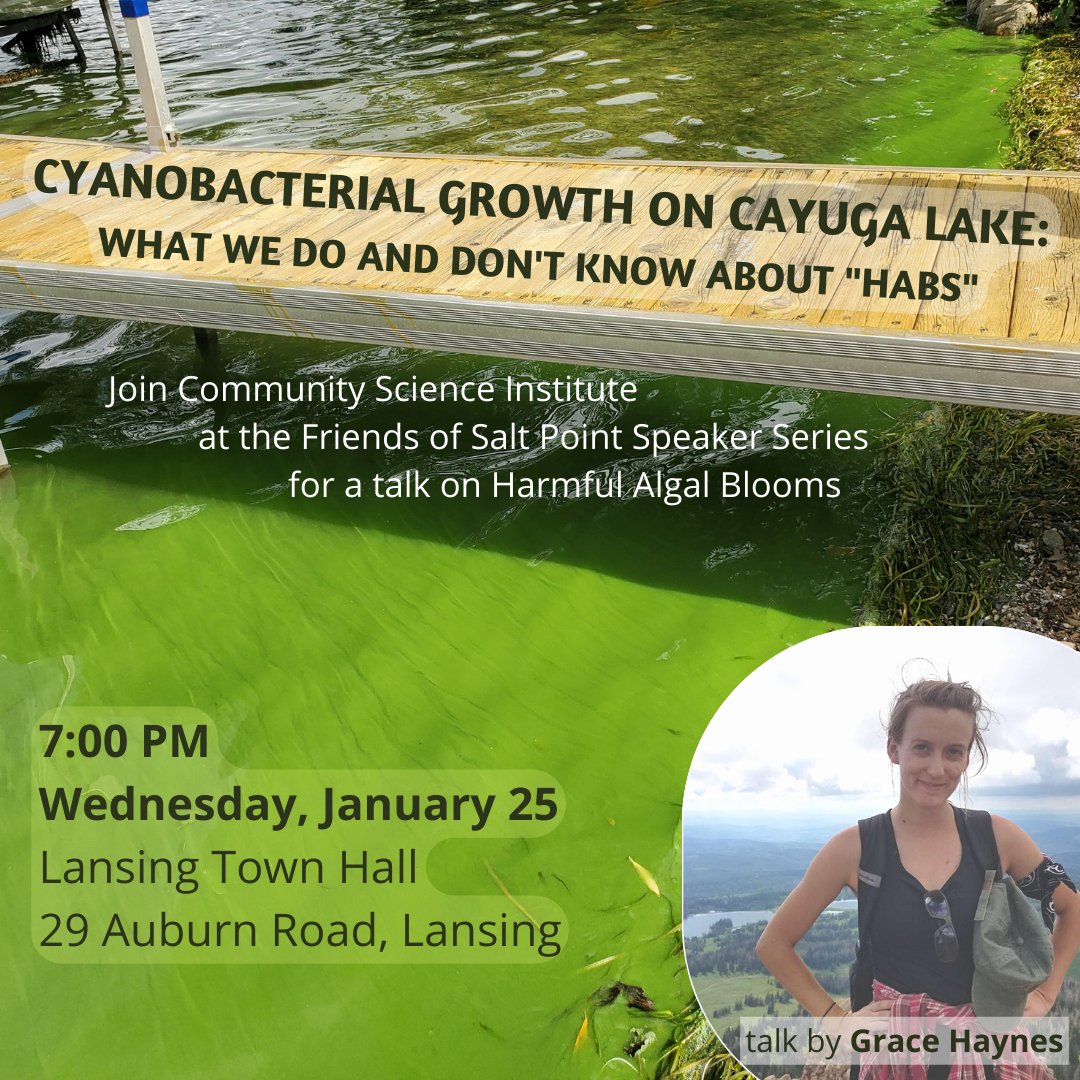
Join us next Wednesday, January 25, at 7pm, at 29 Auburn Rd, Lansing, for a talk on Harmful Algal Blooms (HABs). Thank you to Friends of Salt Point for the invitation to their speaker series!
For more information, contact:
Robert Rieger
RobertHRieger@gmail.com
607-283-3032

English

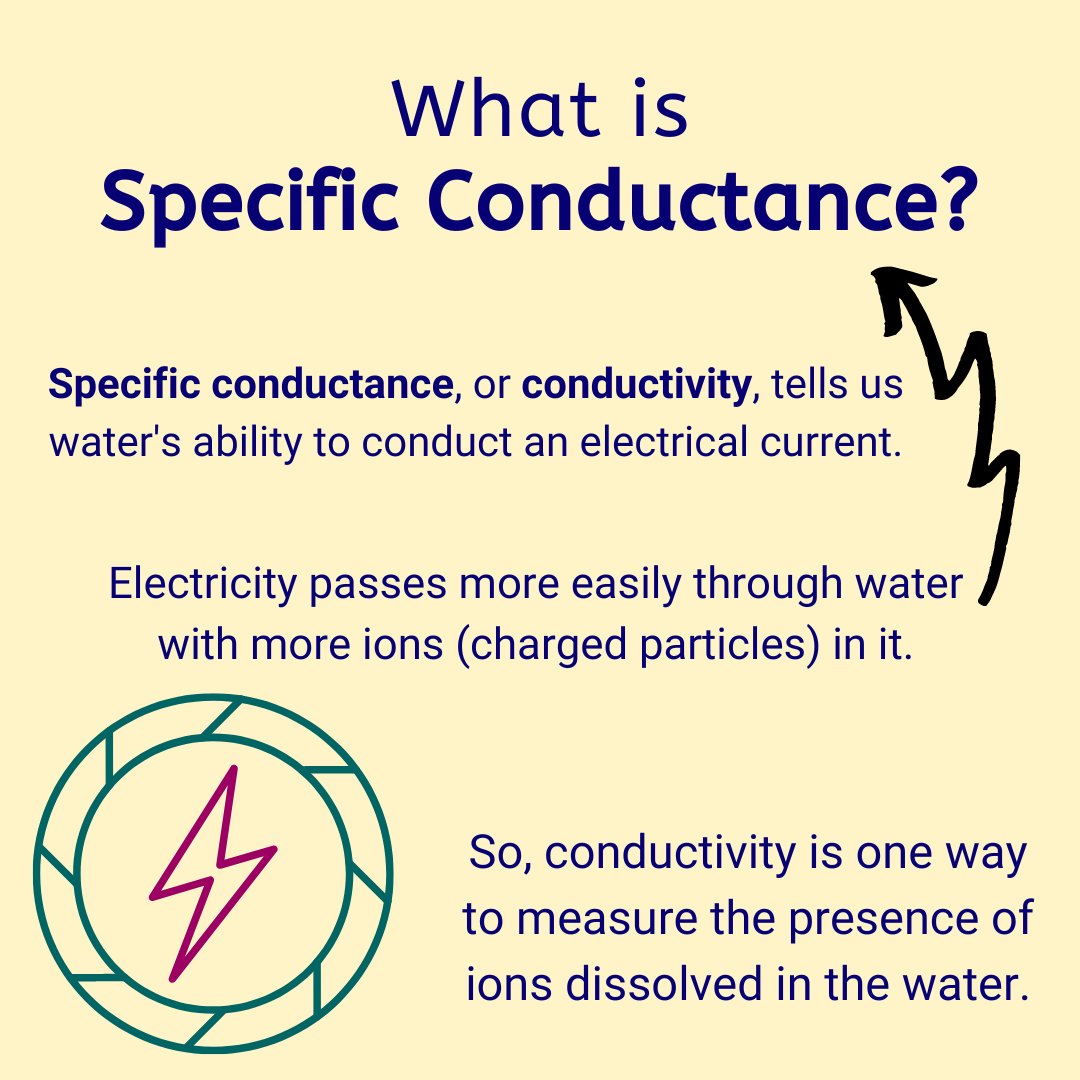
This #WaterQualityWednesday, we're introducing conductivity, aka specific conductance. Read through for what it is, why we measure it, and how we measure it. And stay tuned--we'll release our longer fact sheet on conductivity soon, where you can read more details and specifics!


English

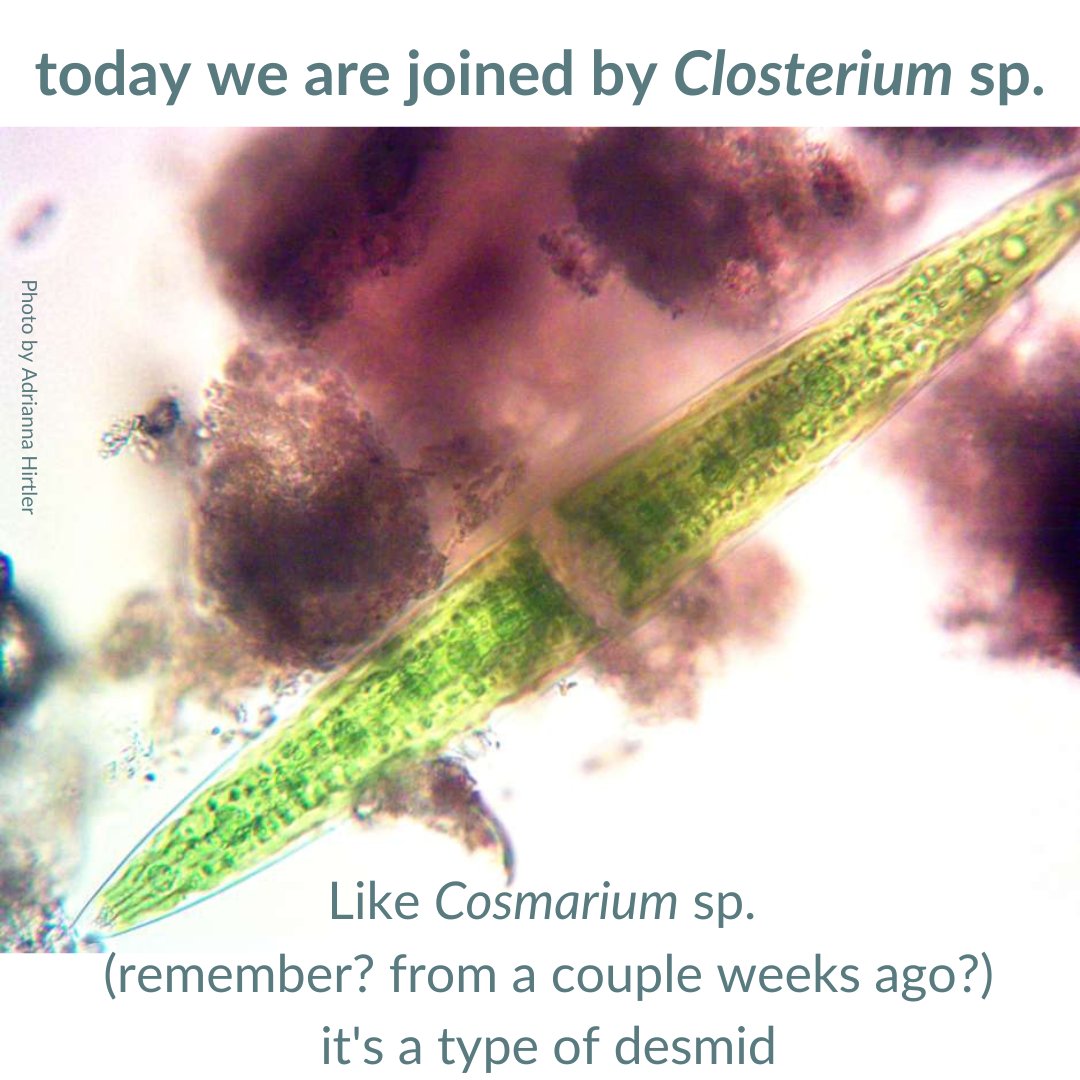
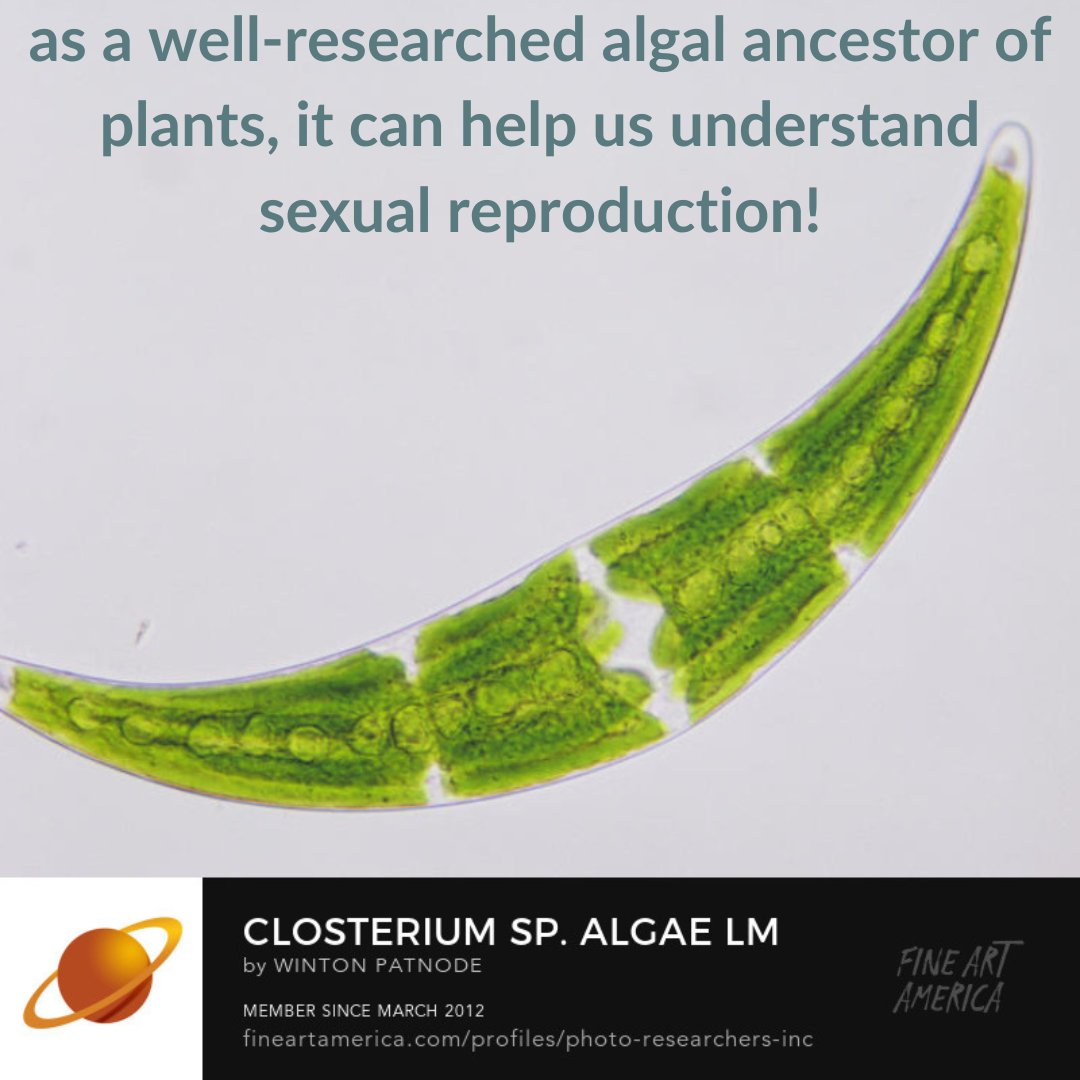
This desmid (single-celled algae that preceded plants) is being studied as a model for understanding how sexual reproduction works in streptophytes (a taxonomic clade of plants). You can read more here: nph.onlinelibrary.wiley.com/.../10.1111/np…


English

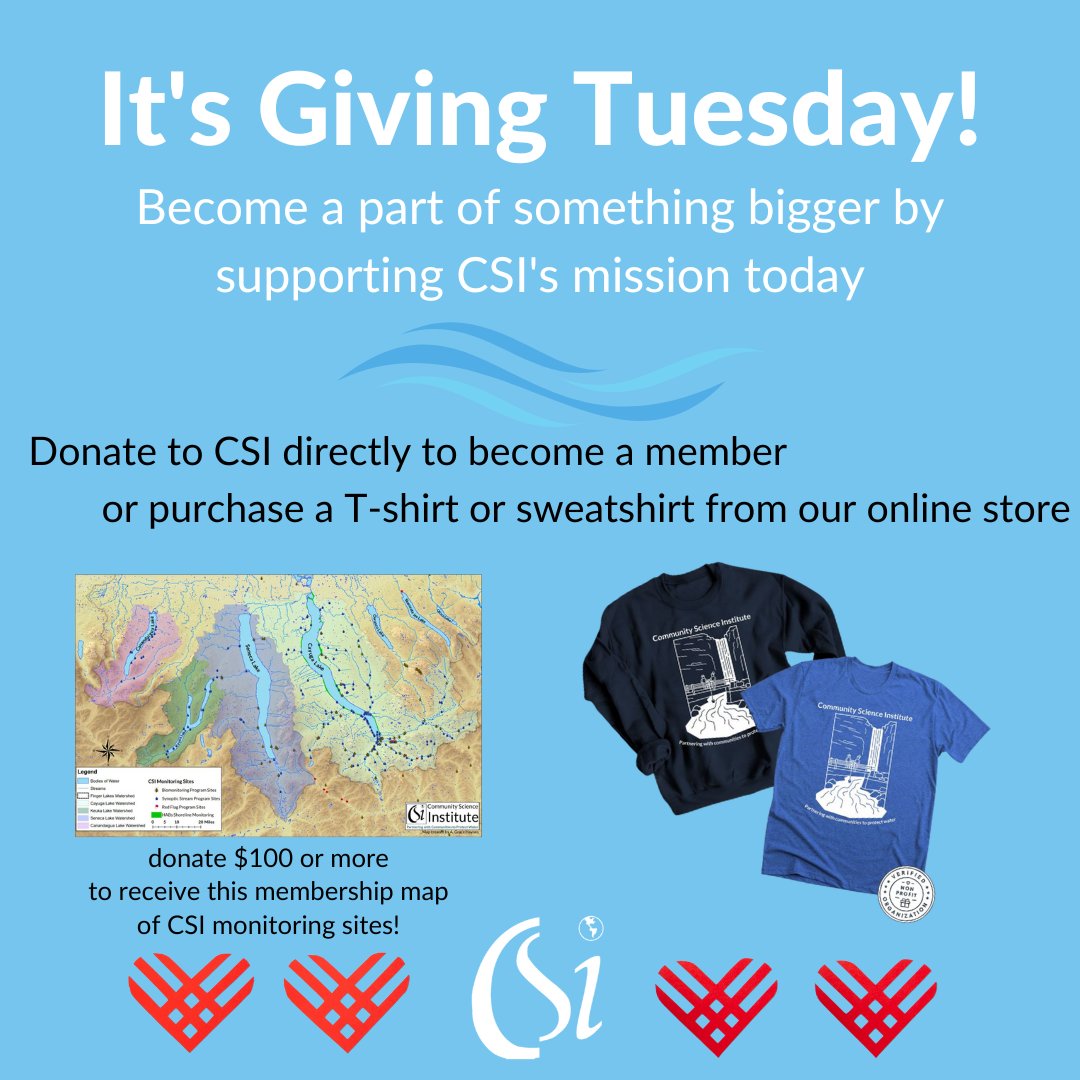
We appreciate all our social media followers and subscribers! If you'd like to take your support to the next level, #GivingTuesday is an amazing opportunity to do so. Visit communityscience.org/donate/ to become a member today!

English

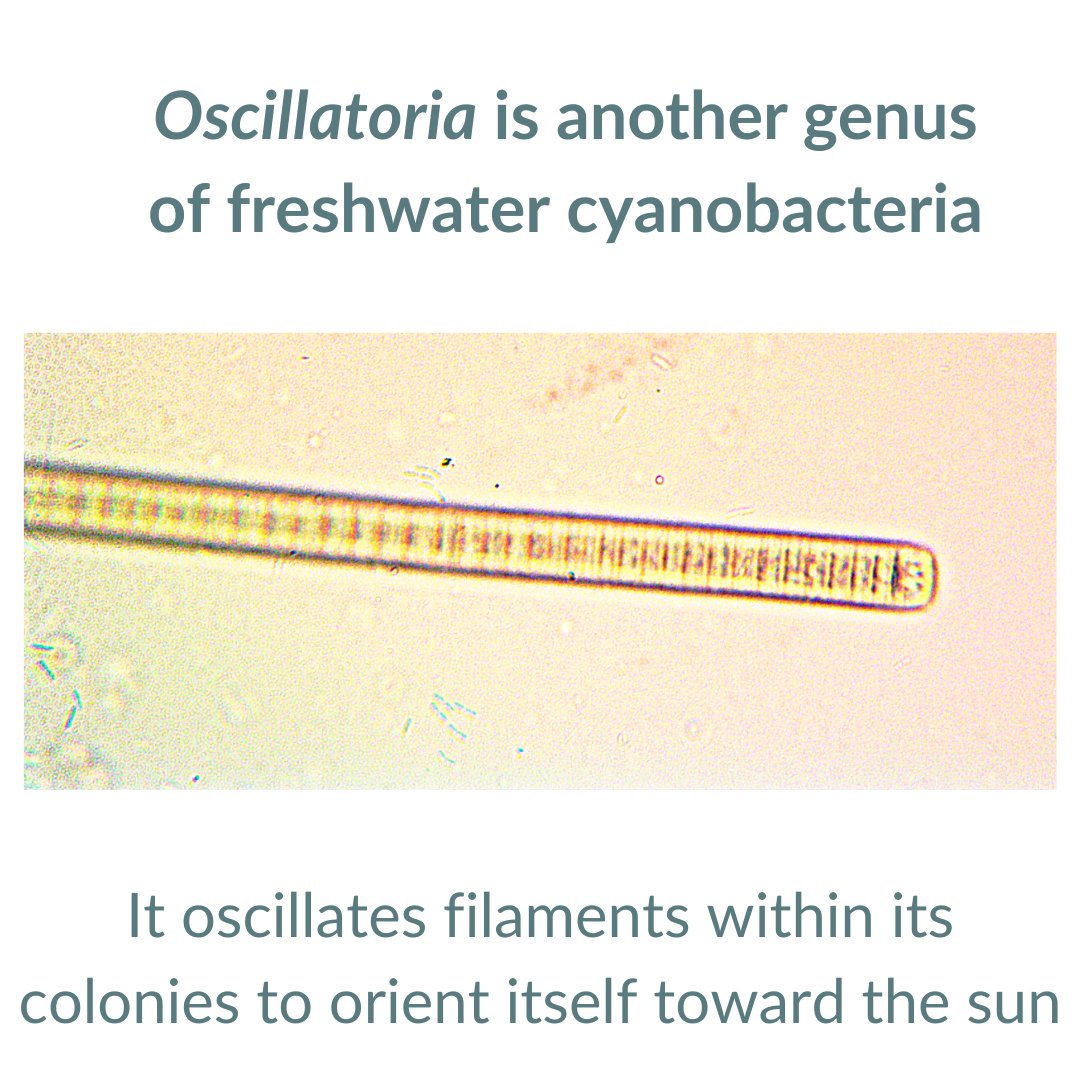
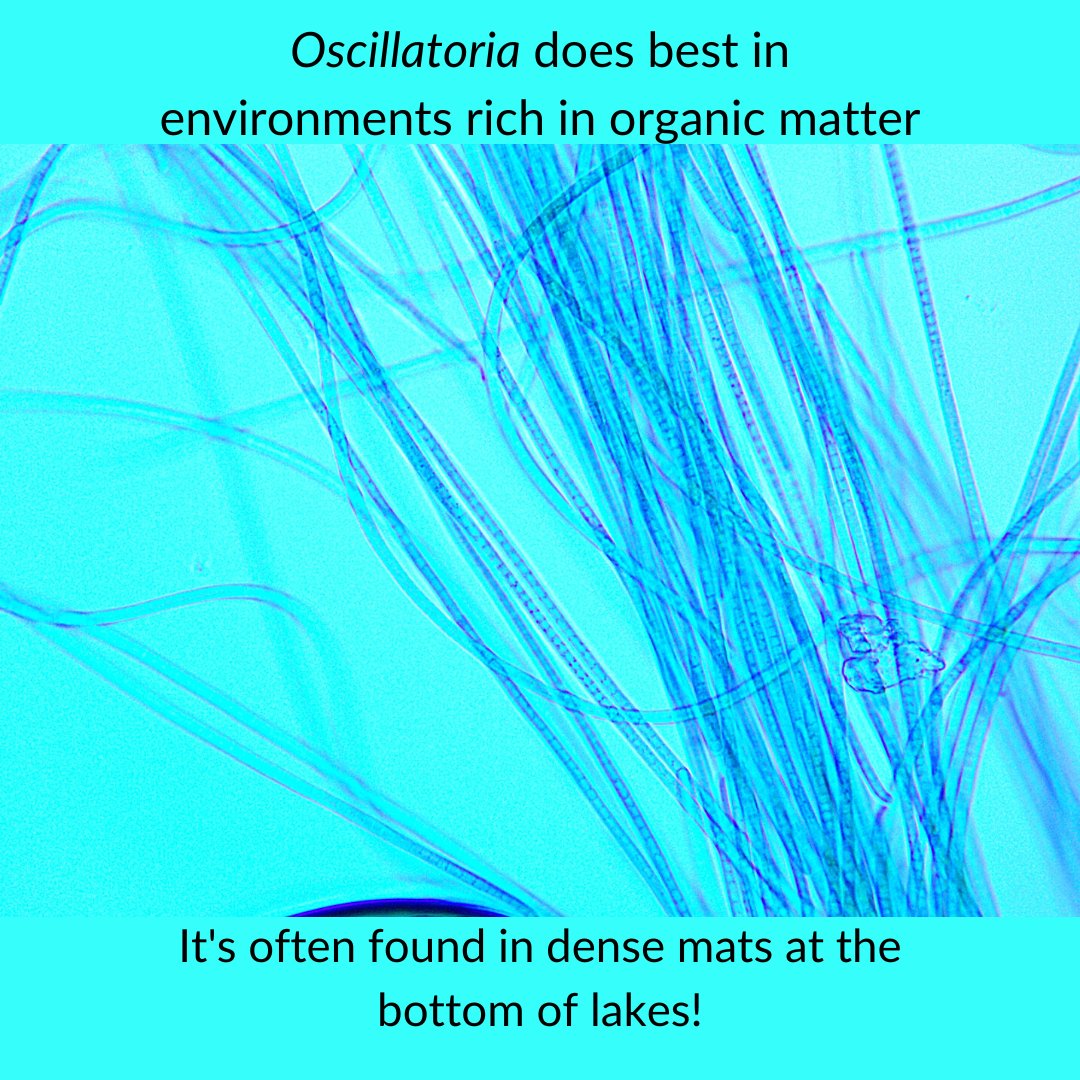
Oscillatoria is not the most common cyanobacteria we see in harmful algal blooms in Cayuga Lake, but we do see it sometimes! Happy Microorganism Monday!
#microorganism #microorganisms #cyanobacteria #MicroorganismMonday


English

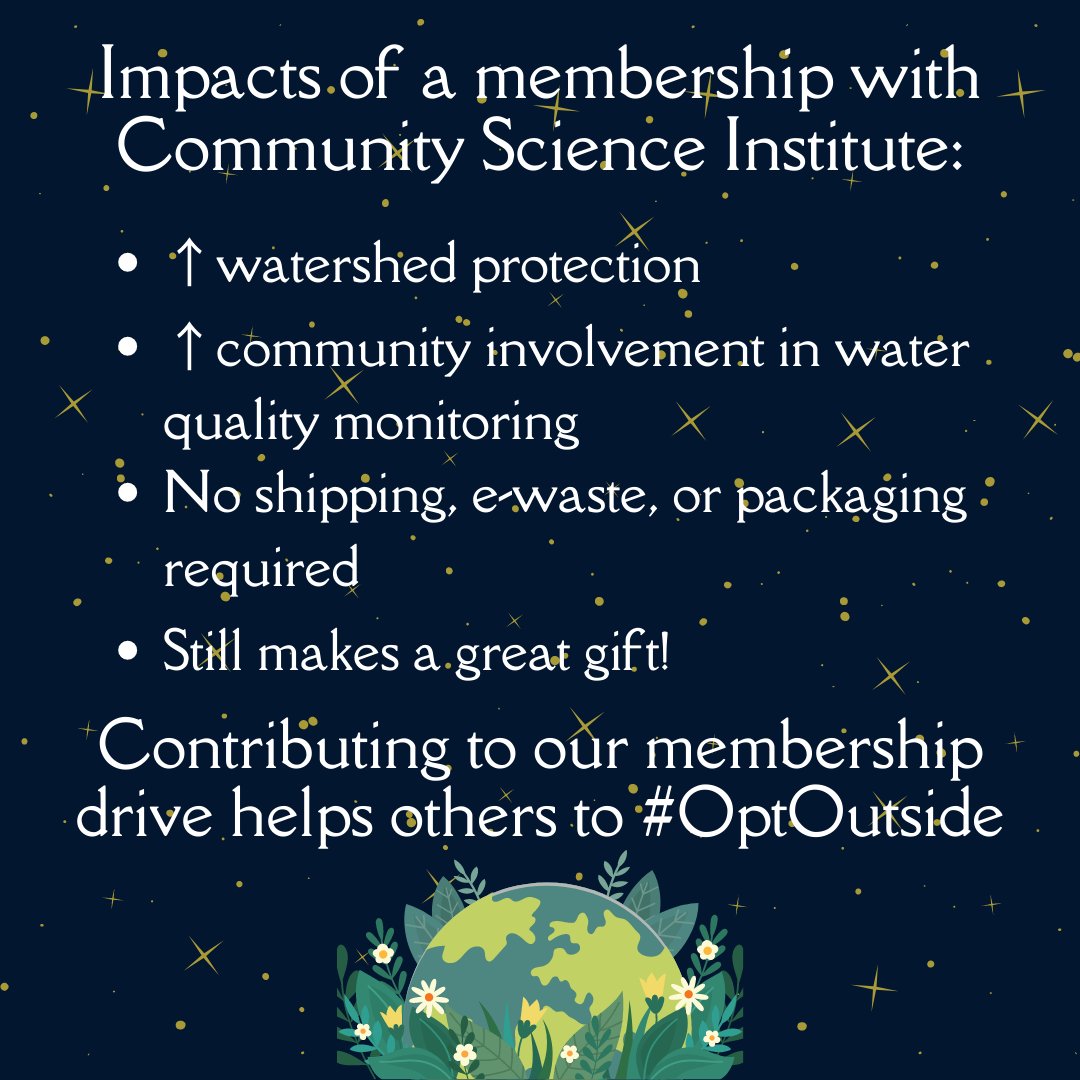
Black Friday deals are tempting, but they come at a price! Shipping and shopping increase carbon emissions and waste. That's why we came up with an alternative: why not gift someone a CSI membership instead? You can make a donation here: communityscience.org/donate/


English

Giving Tuesday 2022 is coming up on November 29! Giving Tuesday is a great day to express your support for causes that are meaningful to you. Here's how you can support CSI's mission of partnering with communities to protect water this #GivingTuesday2022:

English