@SenTuberville The elections are secure you racist piece of shit
English
Michael Richman MD, MMM, FACS
5.6K posts

@Doc4Heart
Cardiothoracic /General Surgeon, Founder/CCO PaladinMDs, Clinical Prof. Univ of Houston Tilman Fertitta Family College of Medicine https://t.co/5zJOjWKV9S



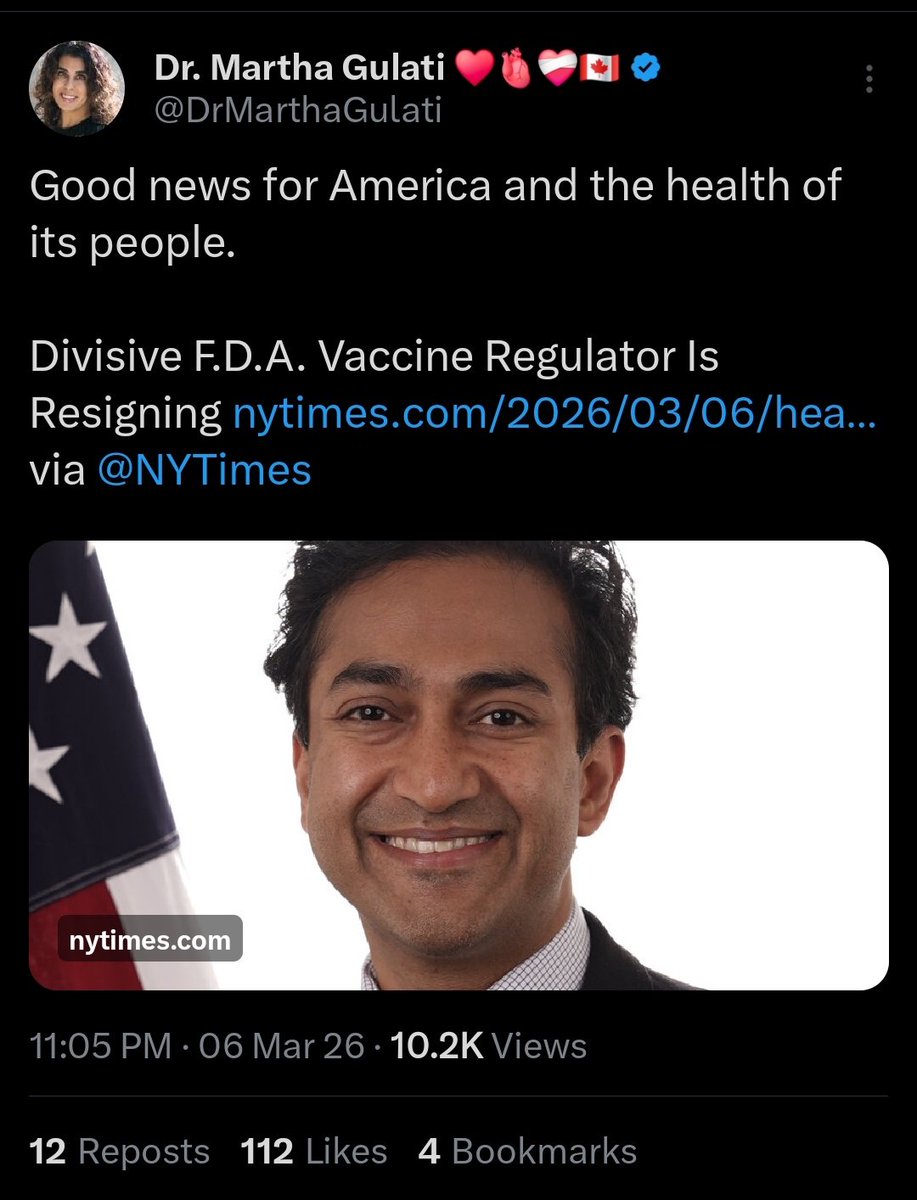
Good news for America and the health of its people. Divisive F.D.A. Vaccine Regulator Is Resigning nytimes.com/2026/03/06/hea… via @NYTimes





DJ Moore says goodbye to Chicago on Instagram 🥹 Ends it with “& it’s always F…”🧡💙

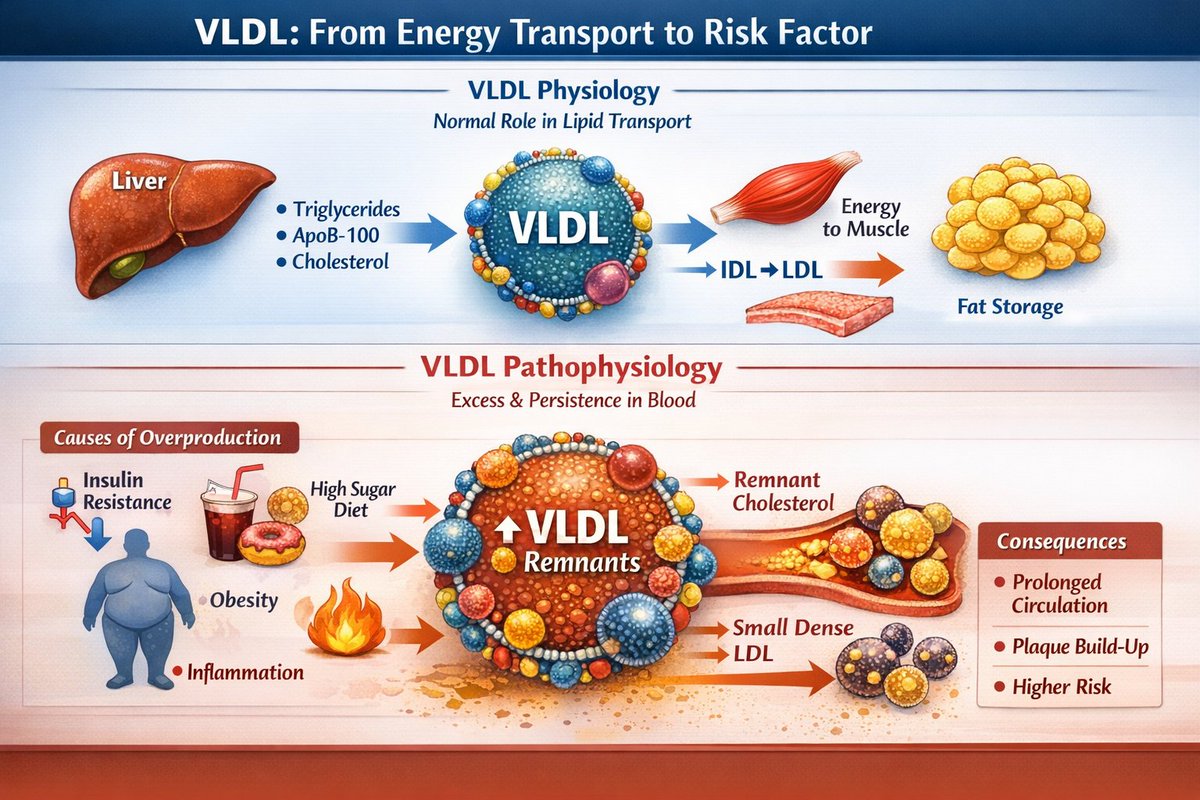
🧬 Apolipoproteins — From Physiological Balance to Metabolic Imbalance Apolipoproteins regulate how lipids are delivered, utilised and cleared. In a healthy state, these pathways remain coordinated — maintaining balance between lipid entry into tissues and lipid removal from them. Pathophysiology begins not with failure, but with disturbance in harmony. 🌿 The Normal State — Coordinated Lipid Flow Under physiological conditions: • ApoA-I supports cholesterol removal through reverse transport • ApoB particles deliver lipids in regulated amounts • ApoC proteins control triglyceride utilisation5 • ApoE enables timely clearance of remnants Delivery, utilisation and removal remain proportionate. ⚠️ When the Shift Begins Metabolic and hormonal signals alter communication between liver, adipose tissue and muscle. Removal efficiency may decline while particle production and persistence increase — marking the beginning of imbalance. 🌿 Factors That Can Shift Apolipoprotein Balance Insulin resistance: Increases hepatic VLDL (ApoB) production, alters triglyceride handling and influences ApoC-III activity. Oxidative stress: Can modify lipoprotein structure, alter HDL/ApoA-I function and influence clearance pathways. Chronic inflammation: Changes ApoA-I behaviour, increases ApoC-III expression and affects hepatic lipoprotein production. Circadian rhythm disruption: Impacts liver metabolism and hormonal signalling, influencing ApoB particle output. Sedentary lifestyle: Reduces lipoprotein lipase activity, slowing triglyceride utilisation and prolonging TG-rich particle circulation. Dietary patterns & energy excess: Increase hepatic lipid flux, promoting ApoB particle production and remnant formation. Hormonal changes: Thyroid function, menopause and stress hormones can modify lipid transport pathways. Genetic variability: Differences in ApoE, ApoB or ApoC genes influence particle behaviour and clearance efficiency. Many other biological and lifestyle factors can also contribute to this disturbance in lipid harmony. 🟢 ApoA-I Pathway — Reduced Removal Efficiency Even when HDL levels appear stable: • Cholesterol efflux may decline • HDL remodelling changes • Reverse transport slows Removal becomes less effective. 🔴 ApoB Pathway — Increased Particle Delivery The liver produces more VLDL, increasing ApoB particle number. This leads to: • Greater circulating particle burden • Longer vascular exposure • Possible mismatch between LDL cholesterol and particle number Delivery begins to exceed removal. 🟡 ApoC Pathway — Slower Triglyceride Utilisation Higher ApoC-III activity slows lipoprotein lipase. This results in: • Persistent TG-rich particles • Remnant formation • Extended circulation time Utilisation becomes delayed. 🔵 ApoE Pathway — Clearance Under Pressure With increased remnant formation: • Hepatic clearance faces greater demand • Remnant persistence increases • Lipid recycling slows Clearance becomes less efficient. 🌱 What This Disturbance Leads To When harmony shifts: • Lipoproteins circulate longer • Particle interactions with tissues increase • Small dense LDL formation becomes more likely • TG–HDL patterns emerge • Remnant cholesterol gains importance The system moves from turnover to persistence. ✨ The Takeaway Apolipoprotein pathophysiology reflects imbalance rather than a single abnormal marker. Reduced removal, increased delivery, delayed utilisation and pressured clearance together reshape lipid behaviour. Understanding this transition helps interpret lipid patterns beyond numbers.



There are over 1,000 emails between @PeterAttiaMD and Epstein. Attia was recently hired by CBS as a news contributor. There are also emails between Epstein and the wife of Bari Weiss, who now runs CBS.