Feather Fund

5.6K posts

Feather Fund banner
Feather Fund

Feather Fund

@FeatherFund

Compounding knowledge @ https://t.co/yZ9v7H5Vvv Not financial advice.

가입일 Aralık 2017
301 팔로잉1.3K 팔로워
고정된 트윗
Feather Fund
Feather Fund@FeatherFund·
Don't let stock price movements influence your perception of a company's business fundamentals.
English
0
0
2
870
Feather Fund
Feather Fund@FeatherFund·
I've just started working on my yearly letter for Feather Fund subscribers. If things don't change a lot by the EoM (of which I'm sceptical), the letter will reflect a terrible underperformance, but it might be fun to read. #Investing #SP500
Feather Fund tweet media
English
0
0
0
98
Feather Fund 리트윗함
Matthew Harbaugh
Matthew Harbaugh@themattharbaugh·
The 5 principles of focus investing
Matthew Harbaugh tweet media
English
1
3
25
1.6K
Feather Fund
Feather Fund@FeatherFund·
In my country, tax breaks are offered for cashless payments. Are there similar incentives for cashless payments in your jurisdiction? $MA $V
English
0
0
1
140
Feather Fund
Feather Fund@FeatherFund·
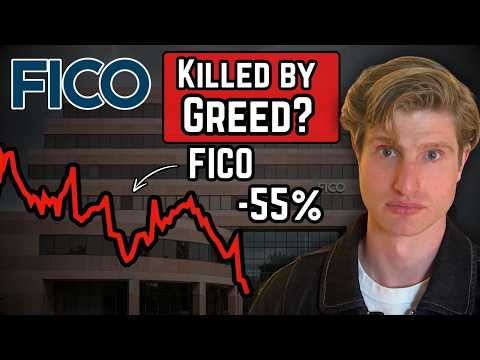
It's almost surreal that we have access to such high-quality research and content, provided for absolutely free. 🙏 $FICO Broken Monopoly or Rare Discount? FICO Stock Explained youtu.be/nHLrKyjHuGo?si… via @YouTube
YouTube video
YouTube
English
0
0
5
340
Feather Fund 리트윗함
Rose Celine Investments 🌹
Rose Celine Investments 🌹@realroseceline·
I keep coming back to how good this whole “financial tollbooth space” is. Businesses companies like $SPGI, $MCO, $MSCI, and $FICO all embedded in the system and take a small cut every time money moves or decisions get made. Since they are asset light and don’t require much capital, a lot of the revenue turns into cash and it is a great economic model. $SPGI and $MCO are great because they’re tied to credit markets. If companies want to issue debt or investors want to understand risk, they’re part of that process. It’s hard to replace them once they’re embedded. $FICO is similar in terms of quality. It has a very strong position and great economics, but it’s closer to the consumer so when it pushes pricing too hard, attract unwanted attention. It’s still a great business, just a bit more exposed. $CME is a different kind of tollbooth. It doesn’t charge for data or ratings, it charges for activity. Every time someone trades futures or hedges risk, $CME takes a cut. The beautiful part is that volatility actually helps them. When markets get messy, volumes go up, and so does revenue. So instead of being hurt by uncertainty, they benefit from it. There are more businesses in this category like $ICE, $LESG, $NDAQ, etc. But $MSCI is the one that stands out to me. On paper, the numbers might look similar, but the type of pricing power is different. $MSCI doesn’t charge individuals or even single institutions in a meaningful way. Its fees are spread across trillions of dollars tied to benchmarks, so almost no one feels the increase directly. That makes its pricing power less noticeable, and because of that it’s better and more durable. What’s interesting is the meaningful insider buying stock in the open market at prices not far from where it trades today. That’s not something you see often in already well understood, high quality businesses. So I really do think this financial tollbooth space is a great place to invest. $SPGI, $MCO, $CME, and $FICO are all excellent. But even with all that, I still come back to $MSCI as my favorite. The pricing power is just more elite. Fees are spread across trillions tied to benchmarks, so no one really feels them, and flows come automatically through passive investing and asset allocation. It’s simple, embedded, and very extremely hard to disrupt. 🌹
English
24
20
249
28.9K
Feather Fund 리트윗함
Rose Celine Investments 🌹
Rose Celine Investments 🌹@realroseceline·
Thoughts on $FICO Most people writing about $FICO spend their time breaking down the business, the moat, and the incredible economics. It’s all true, and there are already plenty of great deep dives, podcast, etc that explain it better than I could. What matters to me is much simpler, the business and investing lesson. $FICO is not just a product, it’s a toll bridge model business. Every time credit gets issued, underwritten, priced, or evaluated, they participate in the process. That’s not software in the traditional sense, that’s like infrastructure, and when you are infrastructure your pricing stops being pricing and starts being like a tax on the system. That’s exactly what made this such an incredible business. For a long time they could raise prices with very little resistance and it flowed almost directly into profits because the model is asset light and possesses elite economics. The move to ~$2000 per share and greater than 60x earnings didn’t happen by accident, it was the result of just how far growth and pricing power could be pushed. But there’s a level where pricing power stops being a strength and starts becoming a problem. The paradox is that the stronger your pricing power is, the more disciplined you actually need to be with it, because if you’re not something else will step in and impose that discipline for you. $FICO didn’t lose pricing power, they exercised it too aggressively. Large increases that were easy to track and hard to ignore changed the dynamic. It’s not just how much you charge, it’s how obvious you make it, and once that line gets crossed certain eyes and ears begin to notice. And political risk is a completely different game. It moves slowly and it unusually doesn’t resolve cleanly in favor of the so called “greedy company” and its shareholders. You’re no longer just asking how much they can charge, you’re asking how much they’re allowed to charge, and when something becomes as embedded and essential as $FICO things probably change. You can exist, you can be profitable, but you can’t behave like an unconstrained monopolist on something this critical. That’s why the shift is subtle but important. $FICO is moving from being a pure free market compounder into something closer to probably a “meli regulated” business. The business itself hasn’t broken. The moat is still there, the demand isn’t going anywhere, but the environment around it is no longer forgiving, and that changes the way the whole thing compounds. For a long time the formula was simple, raise prices, expand margins, let the asset light economic model do the work, and it felt almost effortless. And again, that’s why it was priced at a nosebleed valuation. Now even if pricing power is still strong, it’s under a microscope, and when that happens the compounding doesn’t disappear, it just slows down and becomes less predictable. This isn’t about collapse, it’s probably the end of easy compounding, the kind where everything works in your favor and nobody pushes back. Situations like this usually take time because nothing forces a quick resolution. It becomes a patience game, a gradual change in expectations, in behavior, in what’s acceptable. The irony is the biggest risk to $FICO was never competition, it was success taken too far. 🌹
English
25
14
205
35.1K
Feather Fund 리트윗함
Feather Fund
Feather Fund@FeatherFund·
$FICO Will Lansing:
Feather Fund tweet media
English
0
1
7
364
Feather Fund 리트윗함
Drew Cohen
Drew Cohen@DrewCohenMoney·
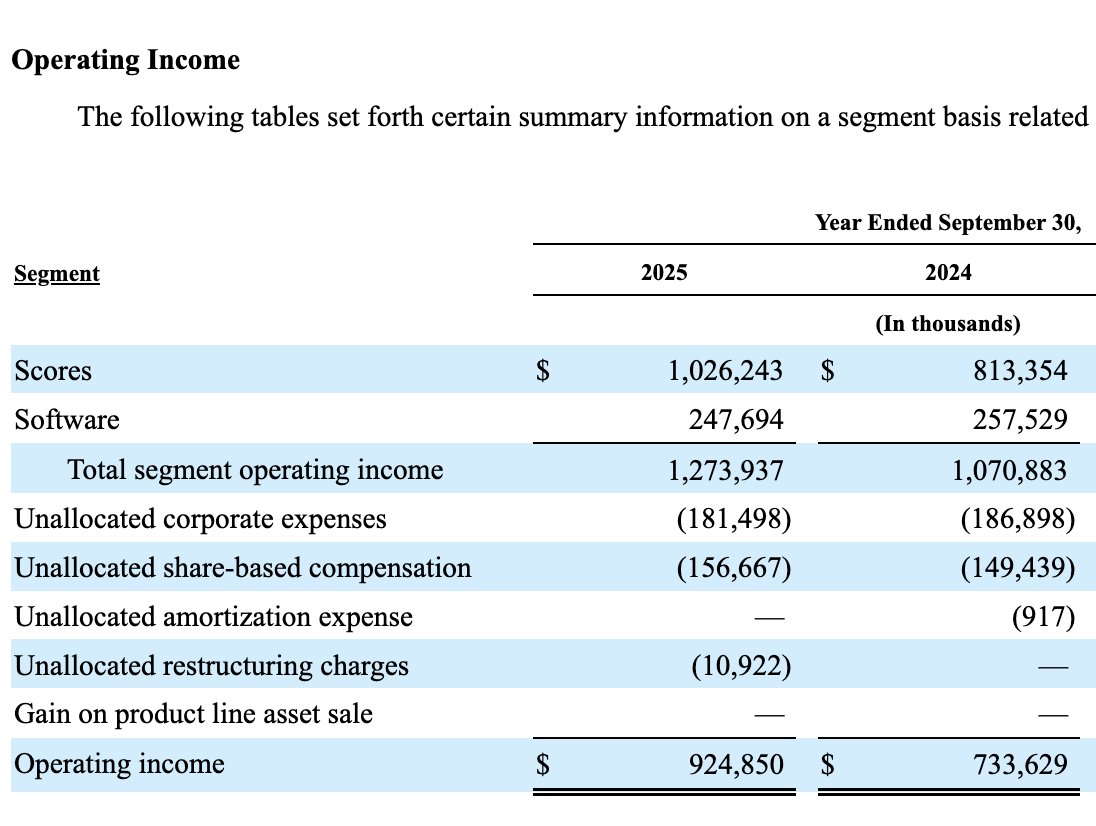
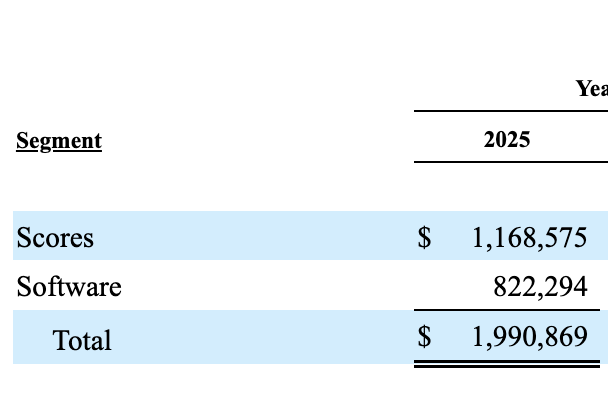
$FICO's Scores segment brings in $1,026mn in operating income against $1,168 million in revenues. That is an operating margin of 88%... Not gross margin. Operating Margin. I think that is offically the highest segment operating margin I've ever seen.
Drew Cohen tweet mediaDrew Cohen tweet media
English
10
9
121
11.6K
Feather Fund
Feather Fund@FeatherFund·
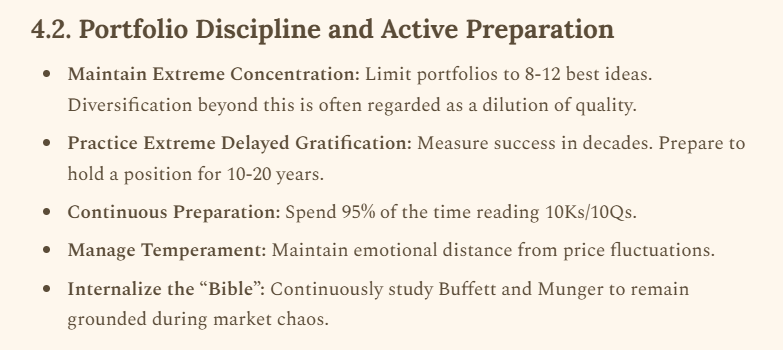
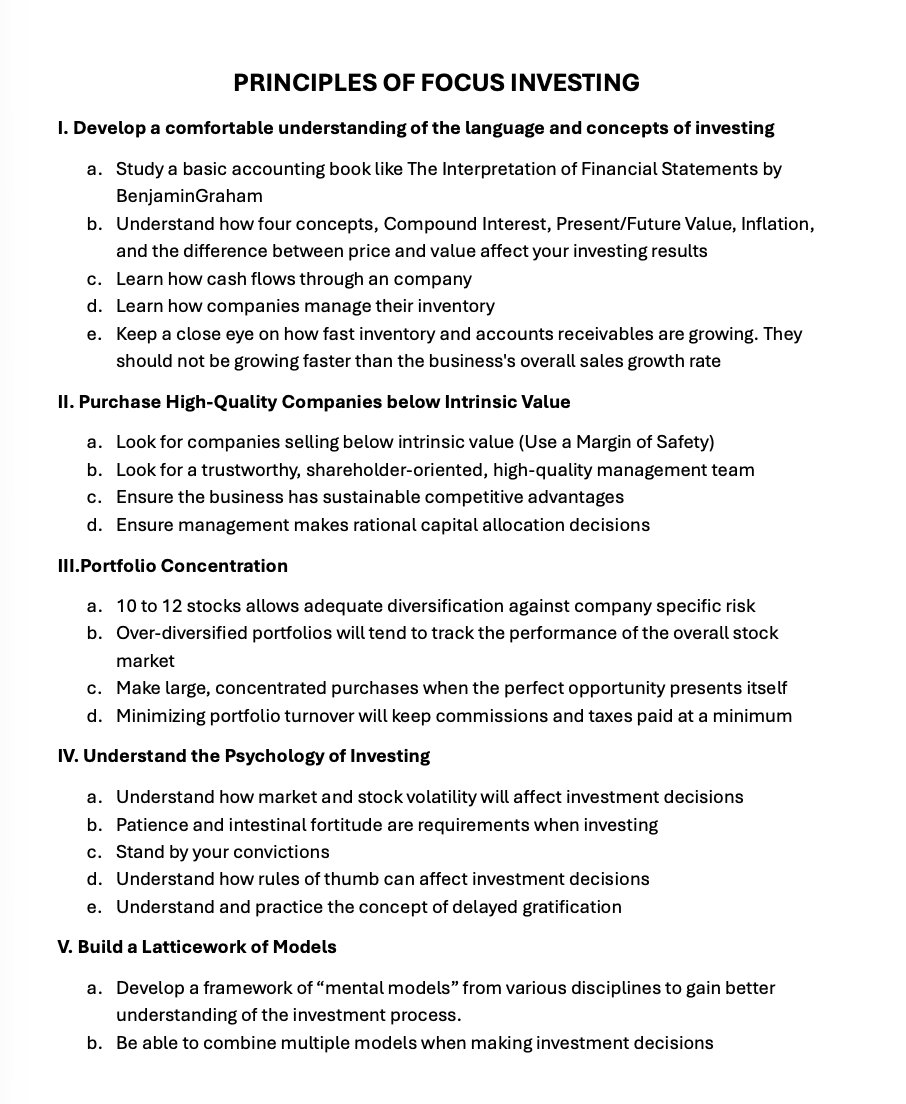
If you master this, you'll be better than 85% of retail investors.
Feather Fund tweet media
English
1
0
0
72
Feather Fund
Feather Fund@FeatherFund·
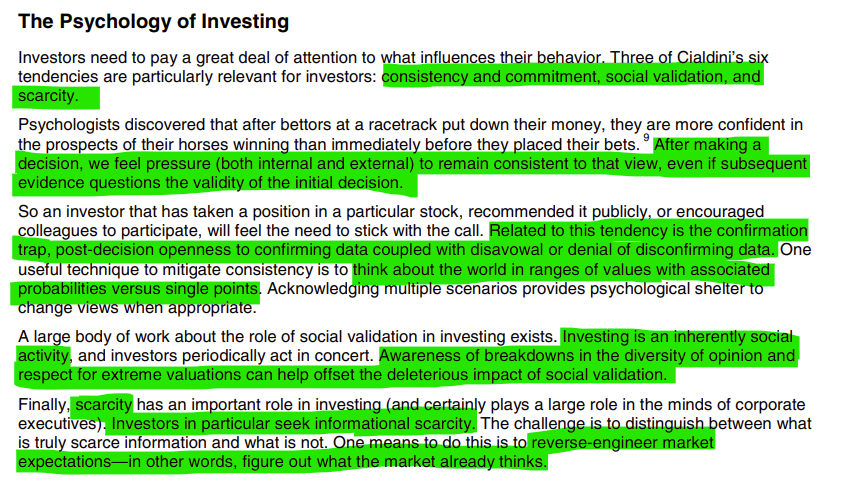
Michael Mauboussin on the psychology of investing:
Feather Fund tweet media
English
0
0
1
127
Feather Fund
Feather Fund@FeatherFund·
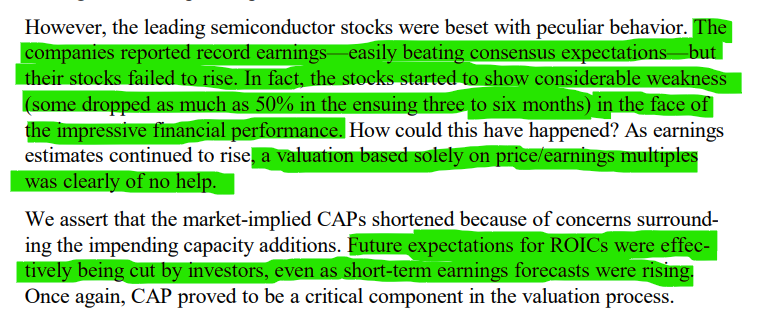
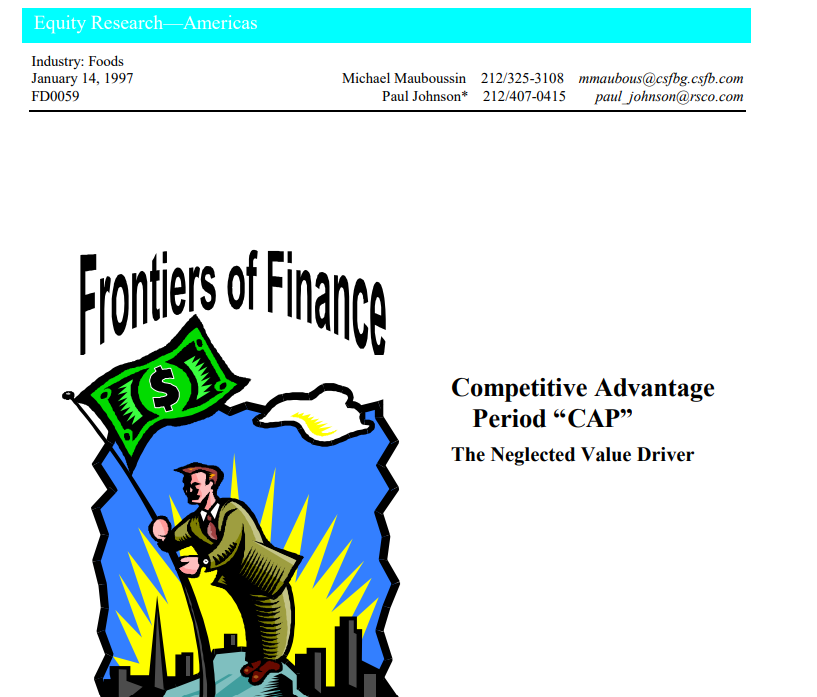
CAP explains why a stock price may fall despite strong earnings.
Feather Fund tweet mediaFeather Fund tweet media
English
1
0
1
186
Feather Fund
Feather Fund@FeatherFund·
"we believe that MBS investors will demand a discount for loan pools scored with VantageScore" IMO, it'll be the same business logic as with $MCO & $SPGI ratings - you'll be getting a better deal using $FICO.
George Hadjia@GHadjia

Heterogenous loan pools – that is, those that use both $FICO and VantageScore – are harder to price and we believe that MBS investors will demand a discount for loan pools scored with VantageScore. This supports the notion of the FICO Score being deeply entrenched.

English
0
0
4
404