고정된 트윗

George Monaghan
680 posts
@GMonaghan1998
Junior commissioning editor at the New Statesman. Peaceable Land out every Sunday morning.

ZACK POLANSKI IS STILL LEARNING by @PronouncedAlva Zack Polanski has transformed the Green Party. Membership has grown from 60,000 when he took over, to 226,000. The Greens have surged in the polls, and in February, won their first Westminster by-election. Will the Green moment end as quickly as it began, or is the party now a permanent force to be reckoned with? Polanski is determined to make sure it lasts. The Polanski recipe is simple enough: “hope”, with a heavy dash of populism. Corbynism has found its heir. When Labour had its populist left moment, Polanski was heckling from the sidelines. In 2018, he tweeted that as “a pro-European Jew” he had “two reasons I couldn’t vote for Labour under Jeremy Corbyn”. Polanski now regrets this remark. “I’ve apologised to Jeremy privately about that,” he tells me. “I think if I knew what I knew now – you can only do the best with the information you have at the time – then, yes, I would have supported Jeremy Corbyn at that time,” he says. “I was lost in the propaganda.” His transformation will be hard for many to comprehend. He joined the Liberal Democrats in 2015, as many deserted the party after five years of austerity and a broken promise on tuition fees. Now he is a left populist leader like the man he once heckled. His changes of heart, his time as an actor, even his changes of name, are leveraged as ammunition against him, to argue that Polanski is slippery, inauthentic. It is a criticism he robustly rejects. “I used to have a sense of shame or guilt,” he says, about his past political beliefs, such as believing “the lie that a national economy was anything like a household income”. Now he embraces it. He says he understands that “if you’ve not had a political background, and you hear a story that sounds plausible, you easily buy into that story”. He wants “people to go on that same journey” that he has been on. Illustration by Anthony Gerace
I wrote about the women who love Lena Dunham, and their obsession with being the one who loves her most, for the @NewStatesman


How to laugh at the lanyard class Twenty Twenty Six satirises the contortions and the tedium of the new British office By @nickpaulharris #Echobox=1776323819" target="_blank" rel="nofollow noopener">newstatesman.com/culture/tv/202…

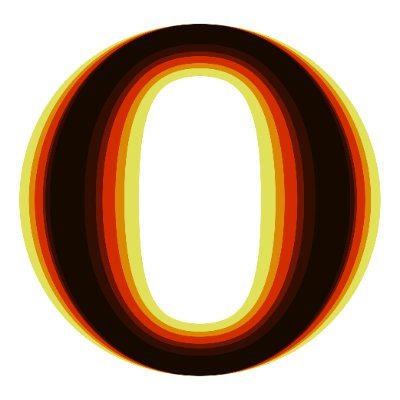
ANGRY YOUNG WOMEN by @emilylawford and @Scarlett__Mag It was a Wednesday night and seven members of the University of Leeds’ feminist society had invited me to join their book swap. I asked how they felt about the young men they knew. “I don’t care for them,” said a girl called Ruby imperiously. “They’re not bad people, but they refuse to call out their friends who make other girls uncomfortable. They’ll laugh at jokes that are sexist, racist, homophobic, they don’t care about political issues… I don’t think they like women a lot.” If a man is attracted to you, she said, he might talk about things like toxic misogyny. If he doesn’t fancy you, he won’t bother. “I feel like a lot of it is quite sexually motivated with men.” I asked if they’d consider dating a man with different political views. They all immediately said no. “I don’t think I’d even be friends with one,” said one girl. “They don’t see you as human.” Only one woman, Evelyn, admitted to having male friends (though she was worried this made her a “pick me”, trying too hard for male attention). Evelyn was concerned about what the men she knew were watching online. “The stuff that’s being said about women is crazy,” she said. “They’re getting all these reels, talking about, like, bad stuff about women. And I get reels of women saying bad stuff about men. I try to think, not all men are like this, but…” On the internet, women and men have never been more alienated from each other. While the toxic, often hard-right politics of the manosphere have been exhaustively documented, the new generation of female influencers are nearly as extreme – just on the other side of the political spectrum. The “femosphere” spans a range of tones: there are misandrist dating coaches who urge women to reject men altogether, and more explicitly progressive content creators who cover global and domestic politics. Exclusive polling by Merlin Strategy for the New Statesman reveals that young women, aged between 18 and 30, are by far the most progressive demographic in the UK. Young women are 26 percentage points less likely to feel positively about capitalism than young men, and much less likely to feel the economy works in their favour. Gen Z women are more likely to support causes such as feminism, environmentalism and anti-racism than young men. They also feel much more negatively towards young men than young men feel about them. I spent the last few months in search of the new left-wing young women. It wasn’t difficult – they were everywhere. But it all felt impossibly bleak. They weren’t excited about their futures. They didn’t like the men they knew, or the idea of those they didn’t. Men were just a threat who had the potential to harm or trap them. This will almost certainly make relationships harder: fewer than half of young women feel men understand them. Young women are much less likely than men to date people who disagree with their politics. People will get lonelier, and angrier. Young women are twice as likely to not want children as young men. And it’s getting worse. Women under 25 are most likely to believe things are “stacked against me, no matter how hard I try”. A significant majority of young women feel isolated from the rest of the country. The two main political parties aren’t reaching out to them specifically. Many women told me they feared a Reform government pressuring them to have babies. Many say they will vote for the Greens in the upcoming local elections, but few seem to believe that will make a difference. They don’t feel represented by mainstream politics, and they don’t think anyone cares. Cover art by Carl Godfrey
ANGRY YOUNG WOMEN by @emilylawford and @Scarlett__Mag It was a Wednesday night and seven members of the University of Leeds’ feminist society had invited me to join their book swap. I asked how they felt about the young men they knew. “I don’t care for them,” said a girl called Ruby imperiously. “They’re not bad people, but they refuse to call out their friends who make other girls uncomfortable. They’ll laugh at jokes that are sexist, racist, homophobic, they don’t care about political issues… I don’t think they like women a lot.” If a man is attracted to you, she said, he might talk about things like toxic misogyny. If he doesn’t fancy you, he won’t bother. “I feel like a lot of it is quite sexually motivated with men.” I asked if they’d consider dating a man with different political views. They all immediately said no. “I don’t think I’d even be friends with one,” said one girl. “They don’t see you as human.” Only one woman, Evelyn, admitted to having male friends (though she was worried this made her a “pick me”, trying too hard for male attention). Evelyn was concerned about what the men she knew were watching online. “The stuff that’s being said about women is crazy,” she said. “They’re getting all these reels, talking about, like, bad stuff about women. And I get reels of women saying bad stuff about men. I try to think, not all men are like this, but…” On the internet, women and men have never been more alienated from each other. While the toxic, often hard-right politics of the manosphere have been exhaustively documented, the new generation of female influencers are nearly as extreme – just on the other side of the political spectrum. The “femosphere” spans a range of tones: there are misandrist dating coaches who urge women to reject men altogether, and more explicitly progressive content creators who cover global and domestic politics. Exclusive polling by Merlin Strategy for the New Statesman reveals that young women, aged between 18 and 30, are by far the most progressive demographic in the UK. Young women are 26 percentage points less likely to feel positively about capitalism than young men, and much less likely to feel the economy works in their favour. Gen Z women are more likely to support causes such as feminism, environmentalism and anti-racism than young men. They also feel much more negatively towards young men than young men feel about them. I spent the last few months in search of the new left-wing young women. It wasn’t difficult – they were everywhere. But it all felt impossibly bleak. They weren’t excited about their futures. They didn’t like the men they knew, or the idea of those they didn’t. Men were just a threat who had the potential to harm or trap them. This will almost certainly make relationships harder: fewer than half of young women feel men understand them. Young women are much less likely than men to date people who disagree with their politics. People will get lonelier, and angrier. Young women are twice as likely to not want children as young men. And it’s getting worse. Women under 25 are most likely to believe things are “stacked against me, no matter how hard I try”. A significant majority of young women feel isolated from the rest of the country. The two main political parties aren’t reaching out to them specifically. Many women told me they feared a Reform government pressuring them to have babies. Many say they will vote for the Greens in the upcoming local elections, but few seem to believe that will make a difference. They don’t feel represented by mainstream politics, and they don’t think anyone cares. Cover art by Carl Godfrey

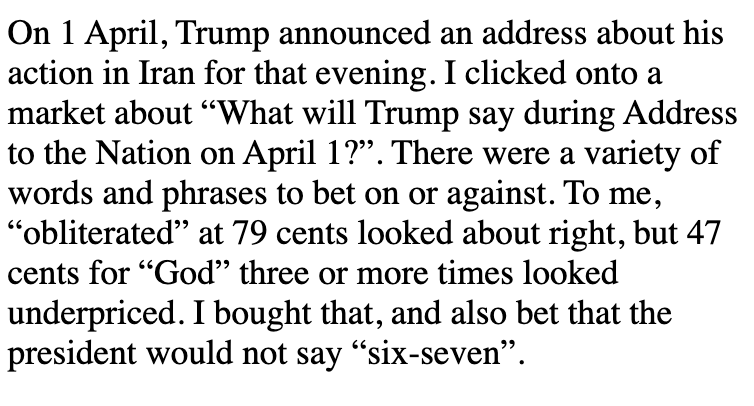
Donald Trump gambled on Iran – so did I My Polymarket shame, by @GMonaghan1998 #Echobox=1775898498" target="_blank" rel="nofollow noopener">newstatesman.com/international-…