Health Economics

182 posts

Health Economics banner
Health Economics

Health Economics

@HECJournal

The official X account of Health Economics. Featuring theoretical contributions, empirical studies and analyses of health policy from the economic perspective.

가입일 Mayıs 2023
29 팔로잉1.1K 팔로워
Health Economics
Health Economics@HECJournal·
Like father, like son? 🍺 New research shows alcohol habits are passed down—but primarily through same-sex lines. 📈 Mother-daughter & Father-son links are strongest. 🕒 Influence peaks at ages 15-17 & re-emerges at 28–37. tinyurl.com/ycxsuh3u
Health Economics tweet media
English
0
2
5
315
Health Economics
Health Economics@HECJournal·
Is aging really what drives rising hospital spending? 🏥 New evidence shows a more nuanced story: the “steepening” effect explains ~60% of growth, while the time-to-death effect offsets ~19%. Demographics matter, but not in the way many assumed. tinyurl.com/5n85886e
English
0
3
6
275
Health Economics
Health Economics@HECJournal·
A simple behavioral nudge can significantly improve opioid safety. In a randomized trial, reminder cards increased the return of unused opioids by 52% and reduced program cost per pill returned by ~25%. tinyurl.com/vvahcb9e
Health Economics tweet media
English
0
2
6
230
Health Economics
Health Economics@HECJournal·
Legalizing online sports betting may carry hidden public health costs. New evidence shows a ~10% rise in binge drinking among young men after legalization—driven by more frequent episodes among existing binge drinkers, not new drinkers. tinyurl.com/5ykmw8fu
Health Economics tweet media
English
1
1
3
179
Health Economics
Health Economics@HECJournal·
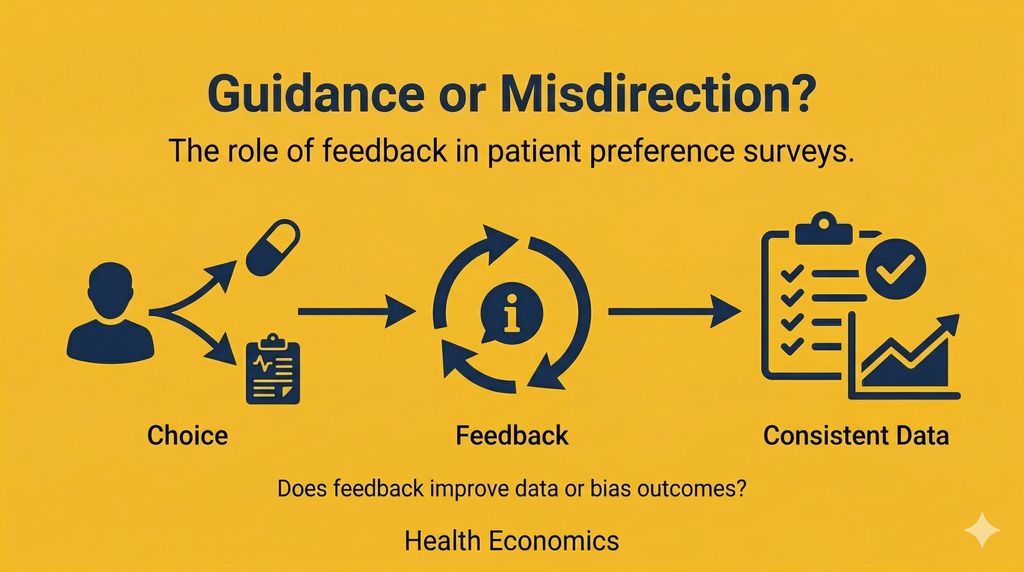
Does feedback improve health preference surveys? 🧪 A new study finds mixed effects: some respondents become more consistent, yet 71% stick with their original choices after feedback. Are surveys guiding respondents — or nudging them? tinyurl.com/ydr2htsb
Health Economics tweet media
English
0
3
6
252
Health Economics
Health Economics@HECJournal·
How does the law change how your doctor treats you? 🏥⚖️ New research shows that when malpractice "duty of care" is judged by national standards, MDs are slower to adopt new medical innovations—until they become the national norm. tinyurl.com/3ehx259c
Health Economics tweet media
English
0
2
3
277
Health Economics
Health Economics@HECJournal·
📘 Now out: Health Economics, Volume 35, Issue 4 (April 2026). This issue explores labor markets and health, insurance design, physician incentives, and the fiscal trade-offs shaping health systems worldwide. Browse the latest research: tinyurl.com/4kvxpekb
Health Economics tweet media
English
0
1
4
195
Health Economics
Health Economics@HECJournal·
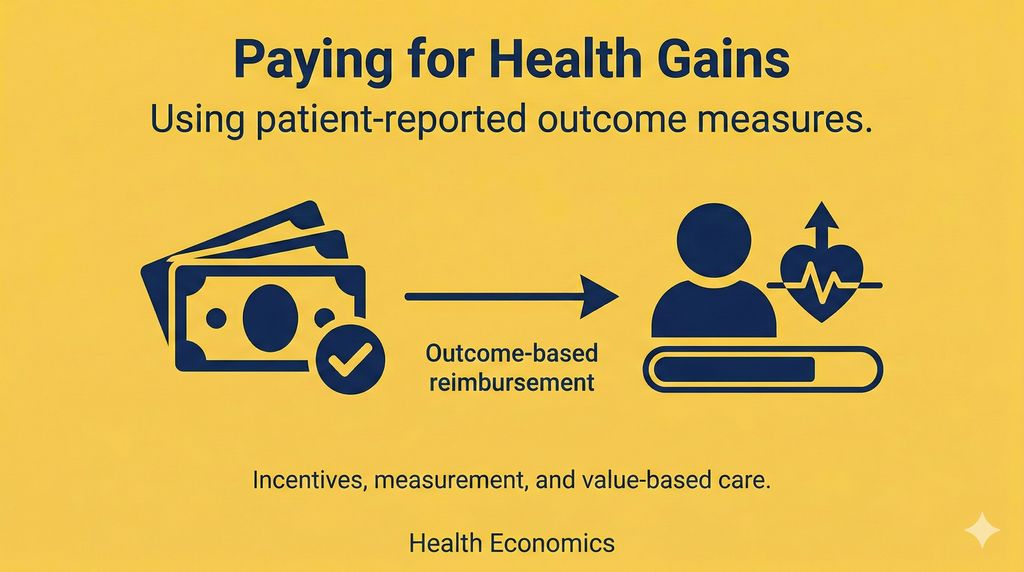
Why pay for more treatments when we should pay for better health? 🏥 New research proposes a model for rewarding actual health gains using Patient Reported Outcome Measures (PROMs). 📉➡️📈 Let's shift the focus to value, not just volume. tinyurl.com/kry3yvty
Health Economics tweet media
English
0
2
6
231
Health Economics
Health Economics@HECJournal·
Stricter abortion clinic regulations were associated with a 6.6% decline in OB/GYN supply — about 2 fewer doctors per 100,000 women of reproductive age. New research in Health Economics. tinyurl.com/4v5xajtj
Health Economics tweet media
English
0
1
2
238
Health Economics
Health Economics@HECJournal·
Do free prescription drugs change behavior? Evidence from Poland shows that removing out-of-pocket costs increased prescription use and reduced financial burden, with limited signs of offsetting overuse. tinyurl.com/yc4fdprc
Health Economics tweet media
English
0
2
6
148
Health Economics
Health Economics@HECJournal·
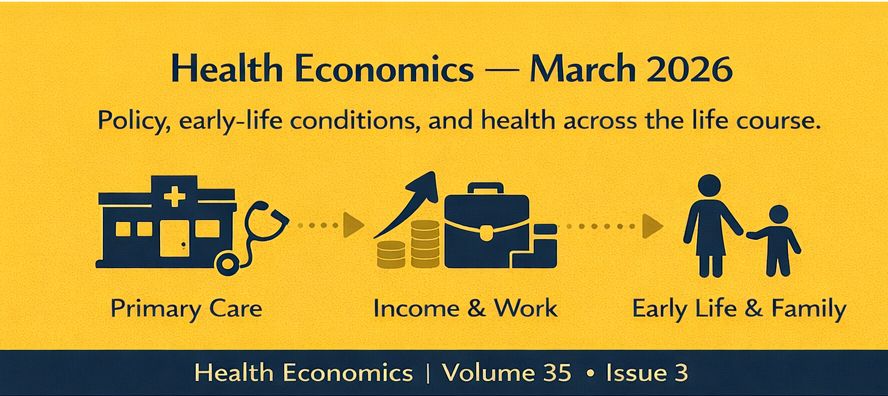
The March 2026 issue of Health Economics explores how policy, institutions, and early-life conditions shape health over the life course—from primary care access and income gradients to pandemics, tax credits, and intergenerational effects. tinyurl.com/4kvxpekb
Health Economics tweet media
English
0
1
5
312
Health Economics
Health Economics@HECJournal·
New research from Kenya: Giving a mother just 1 extra year of education reduces her child’s risk of stunting by 3.8% and underweight by 2.6%. 📚🇰🇪 It’s not just a correlation — it’s a causal "intergenerational lift." 📈 tinyurl.com/3bu4f825
Health Economics tweet media
English
0
1
4
187
Health Economics
Health Economics@HECJournal·
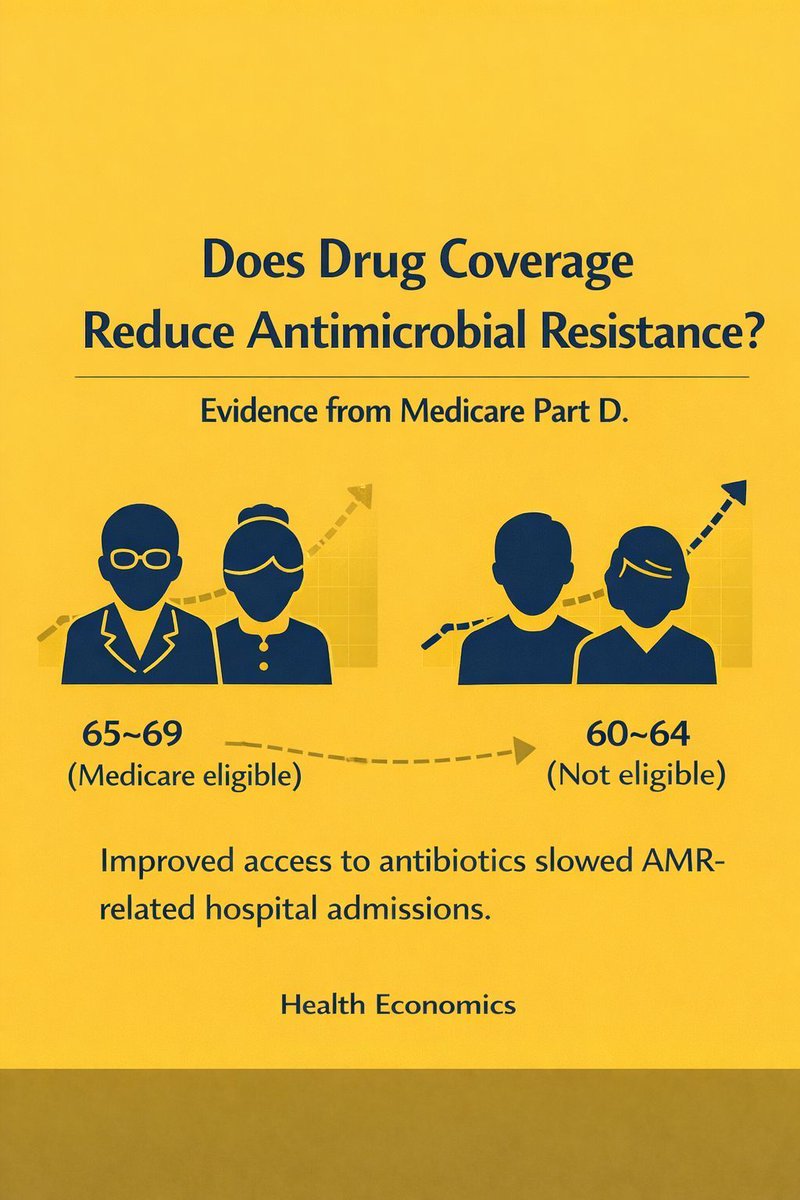
Expanding prescription drug coverage can reduce severe antimicrobial resistance. New research shows Medicare Part D led to 42.4 fewer AMR-related hospitalizations per 100k people. 📉 Improved access = timely treatment = fewer severe infections. tinyurl.com/mrx9tmv8
Health Economics tweet media
English
0
3
4
863
Health Economics
Health Economics@HECJournal·
Public investment in global health research can pay off — locally. New evidence shows that returning African scientists trained through @NIH programs boost HIV research, grants, trials, and policy impact at home. tinyurl.com/259rxc3t
Health Economics tweet media
English
0
1
2
209
Health Economics
Health Economics@HECJournal·
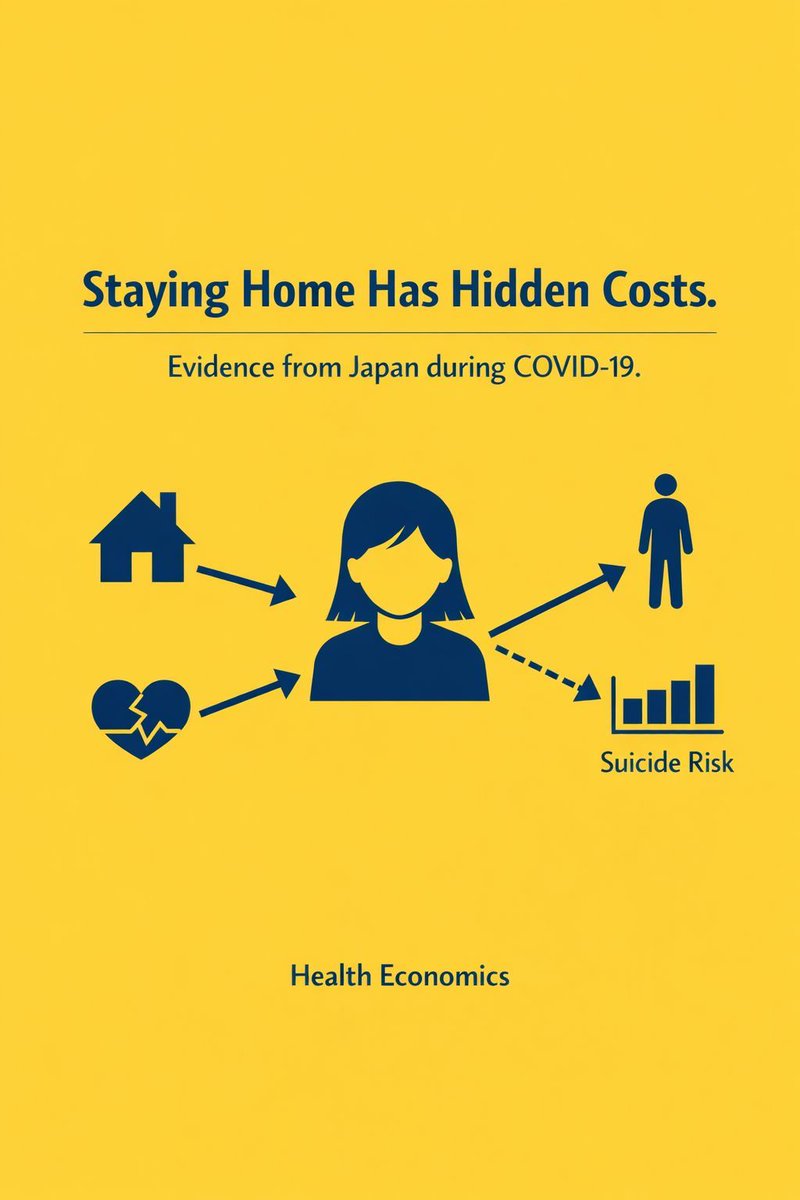
New evidence from Japan shows that voluntary staying at home during COVID-19 was linked to increased suicide among young women. The effects appear driven by home confinement rather than infection risk. tinyurl.com/3d2d3hm4
Health Economics tweet media
English
0
1
4
943
Health Economics
Health Economics@HECJournal·
How do insurers respond when patients face multiple health risks? Evidence from Chile’s private health system shows strong asymmetric information across risks, shaping premiums, plan design, and who gets covered. tinyurl.com/26s93chm
Health Economics tweet media
English
0
2
4
202
Health Economics
Health Economics@HECJournal·
Is European health progress truly "fair"? 🌍 New data shows income-based health looks progressive, but when you factor in parental background and job status, the trend reverses. 📉 🏥 Italy leads in favorable dynamics. 🚻 Women lead in IT/DE; men in FI. tinyurl.com/yj8wh4vw
Health Economics tweet media
English
0
1
2
160
Health Economics
Health Economics@HECJournal·
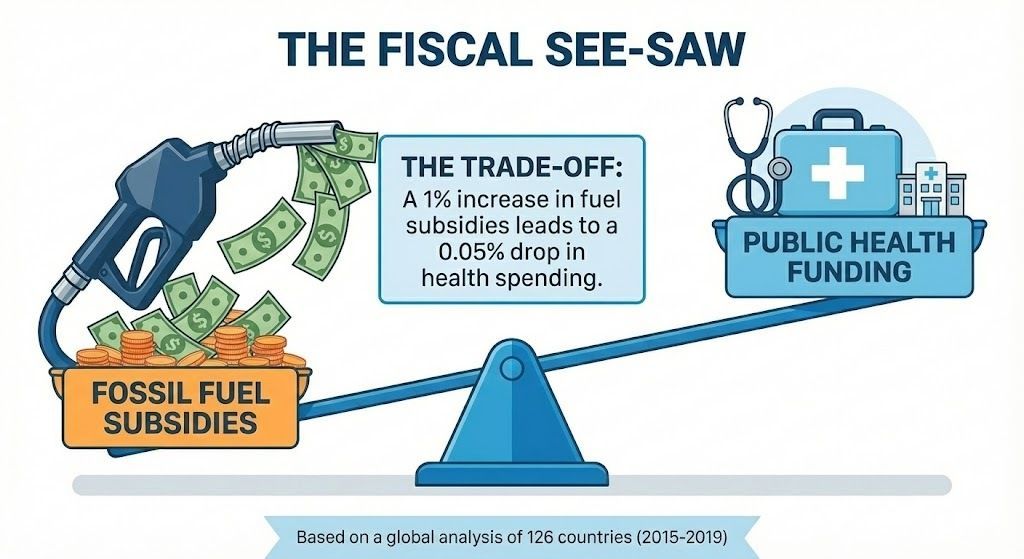
Countries spend billions subsidizing fossil fuels, often at health’s expense. New cross-country evidence shows higher fossil fuel subsidies are linked to lower health spending. Climate policy is health policy. tinyurl.com/36ec52z5
Health Economics tweet media
English
0
4
2
256
Health Economics
Health Economics@HECJournal·
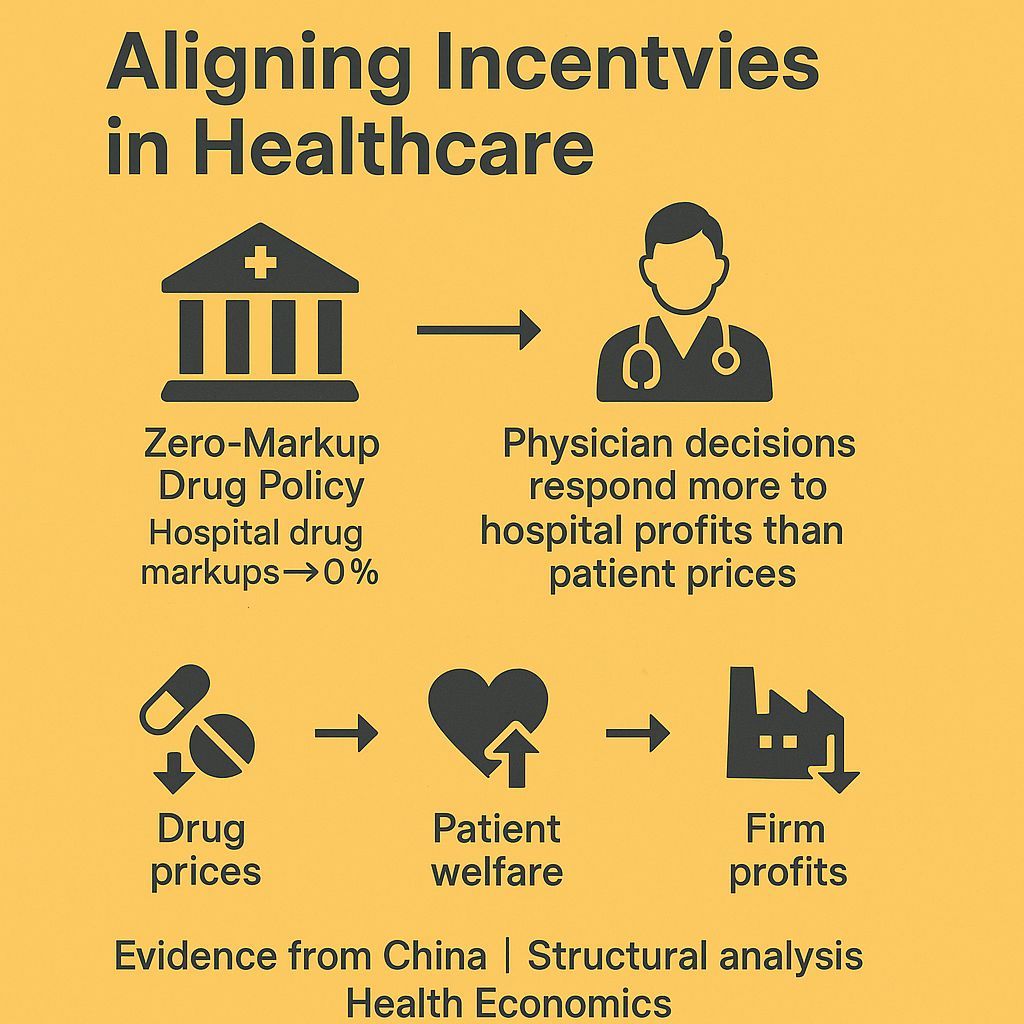
China’s Zero-Markup Drug Policy reshaped prescribing incentives. New evidence shows doctors’ choices respond far more to hospital profit margins than patient prices—cutting costs and improving patient welfare. tinyurl.com/5yxymscm
Health Economics tweet media
English
0
1
4
253
Health Economics
Health Economics@HECJournal·
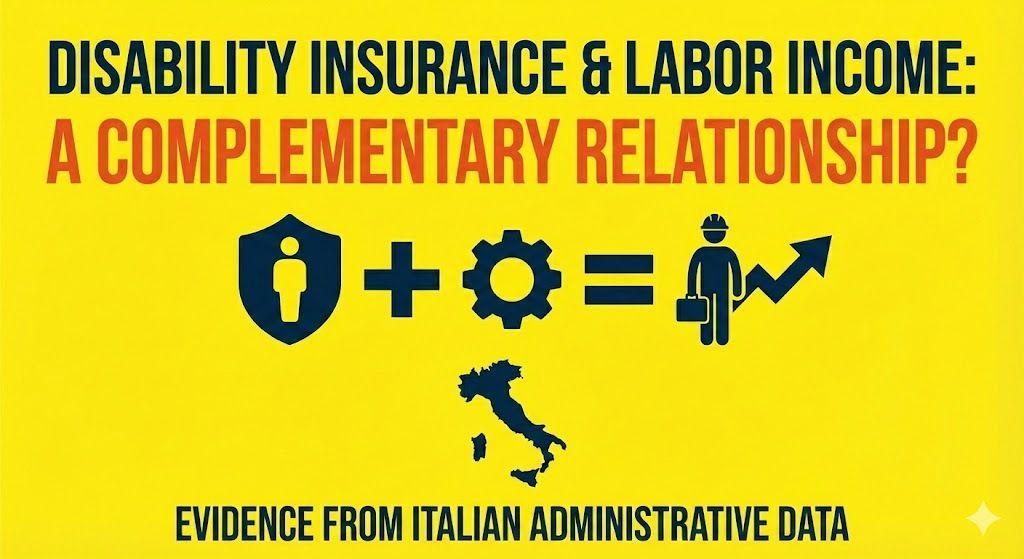
Disability insurance doesn’t always replace work. Evidence from Italy shows that when benefits can be combined with earnings, higher DI generosity raises take-up but has only minor effects on employment. DI can function as a complement to labor income. tinyurl.com/2ewarya5
Health Economics tweet media
English
0
1
4
216