Sé:gbɛ:gnön🍀

6K posts

Sé:gbɛ:gnön🍀 banner
Sé:gbɛ:gnön🍀

Sé:gbɛ:gnön🍀

@KZankeli

¬https://t.co/Orfri5qiYR ¬https://t.co/XtwS80FlXQ ¬https://t.co/cZw3oXaTZ9
가입일 Temmuz 2019
1.2K 팔로잉2.1K 팔로워
고정된 트윗
Sé:gbɛ:gnön🍀
Sé:gbɛ:gnön🍀@KZankeli·
you who fashion our rugged lives to suit you. your grace is in style. always in vogue. ¬kantamanto nyame.
English
1
4
23
10.6K
Sé:gbɛ:gnön🍀
Sé:gbɛ:gnön🍀@KZankeli·
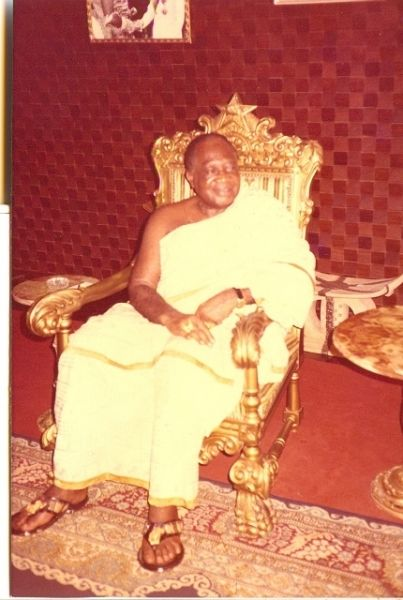
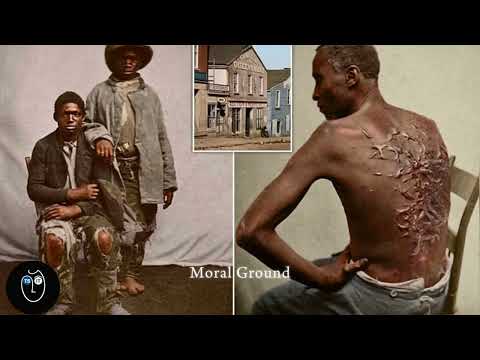
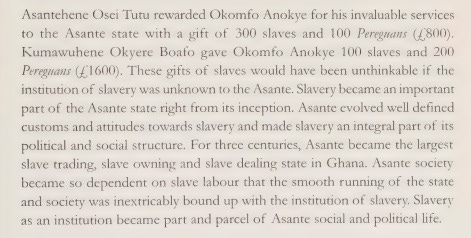
Osei Tutu I & Okomfo Anokye: A Record of Slave Ownership 1. Contrary to what ethnic apologists claim, slavery in Asante was more foundational than incidental. 2. From its earliest formation as a nation built largely through war, the Asante state integrated war-fed slavery into its political and social order. 3. This position is asserted and well documented by the Asante historian Emerita Prof. Akosua Adoma Perbi, who, through the goodwill of her father, the revered ethnomusicologist Emeritus Prof. J. H. Kwabena Nketia, gained rare access to Nana Opoku Ware II and his royal historians at Manhyia. 4. The story is told that when Asantehene Osei Tutu rewarded Okomfo Anokye, it was not in gold alone, but in people: 300 slaves and 100 pereguans (~£800 at the time). 5. And when Kumawuhene Okyere Bofuo gave Okomfo Anokye 100 slaves and 200 pereguans (~£1600 at the time). These were not symbolic gestures. 6. They reveal a system in which human beings were currency, reward, and wealth. 7. Such gifts would have been unthinkable without a deeply embedded slave economy. 8. Over time, slavery became institutional, structuring governance, hierarchy, and accumulation. 9. For three centuries, Asante emerged as the largest slave-trading, slave-owning, and slave-dealing state in the region. 10. The state did not merely practice slavery; it depended on it. 11. So much so that the smooth running of Asante society was inextricably bound to slave labour and trade. Narratives of slaveholding & trading across other Ghanaian polities & ethnicities will follow in due time.
Sé:gbɛ:gnön🍀 tweet mediaSé:gbɛ:gnön🍀 tweet mediaSé:gbɛ:gnön🍀 tweet mediaSé:gbɛ:gnön🍀 tweet media
English
1
0
0
21
Sé:gbɛ:gnön🍀
Sé:gbɛ:gnön🍀@KZankeli·
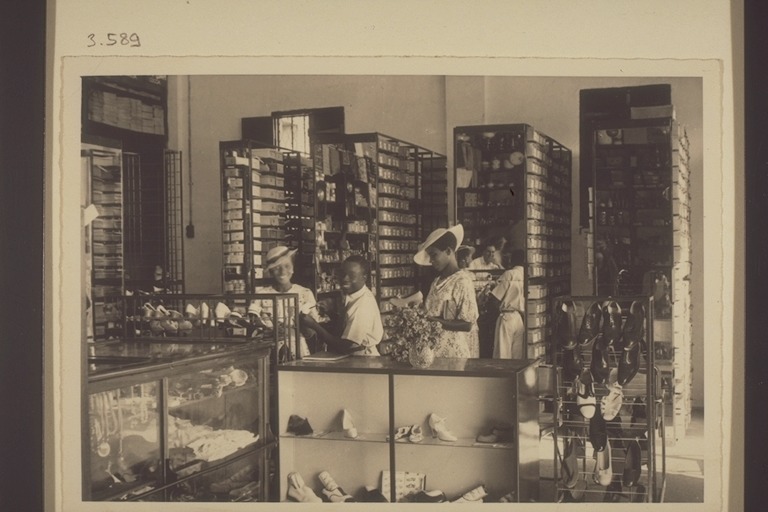
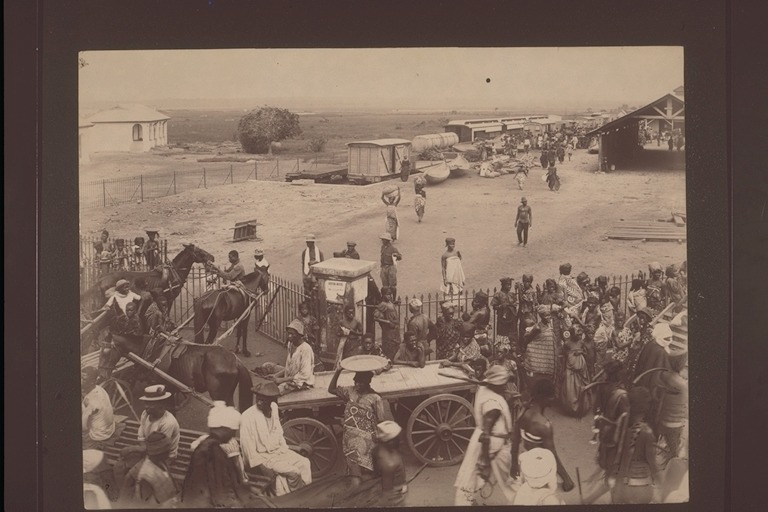
On the politics of shoes in colonial Ghana 1. When Francis Kofi Selormey pointed out in his AWS Classic, The Narrow Path, a memoir about his childhood, that he was the first child in his village to wear shoes, anyone born after the baby boomer generation would be quick to ask, “Why the fuss about something as petty as a pair of shoes?” 2. But a quick inquiry into the socio-politics around the donning of shoes in colonial Ghana would reveal one thing: 3. Footwear was a fashion luxury. 4. And only the administrative class of Europeans, their mulatto offspring, and the small class of wealthy and educated African elites could afford it. 5. Even when they could, only a privileged few had access to the merchants and shops that had shoes in stock: the UACs, F. & A. Swanzys, A. G. Leventis, G. B. Ollivants, and the Miller Brothers of this world. 6. Outside of these commercial shops, the Basel and Wesleyan Mission stores, run by Christian missionaries, sold basic imported goods, including footwear, especially to African converts and mission-educated Africans. 7. Subsequently, from the early 20th century onward, Syrian, Indian, and Lebanese merchants offered shoes for sale to the layman, but mainly in urban retail stores in Accra, Cape Coast, Takoradi, and Kumasi. 8. Later, African merchant houses emerged from the coastal elite families to trade in mass-imported shoes: the Bannermans, Brews, and others. 9. With that, the unfortunate fate of many a barefooted colonial and early Ghanaian began to change.
Sé:gbɛ:gnön🍀 tweet mediaSé:gbɛ:gnön🍀 tweet mediaSé:gbɛ:gnön🍀 tweet media
English
0
1
3
78
Sé:gbɛ:gnön🍀 리트윗함
Goshawk Trades
Goshawk Trades@GoshawkTrades·
Nassim Nicholas Taleb: "you should study risk taking, not risk management"
English
23
641
4.7K
165.7K
Mawunanunyam
Mawunanunyam@i_am_nunya·
You can sniff a foolish case from a mile away
Mawunanunyam tweet media
English
99
53
427
65.2K
Sé:gbɛ:gnön🍀
Sé:gbɛ:gnön🍀@KZankeli·
🎶ohye atar gyan, ebo taylor. good heavens! the horns! the horns!
English
0
0
0
195
Sé:gbɛ:gnön🍀
Sé:gbɛ:gnön🍀@KZankeli·
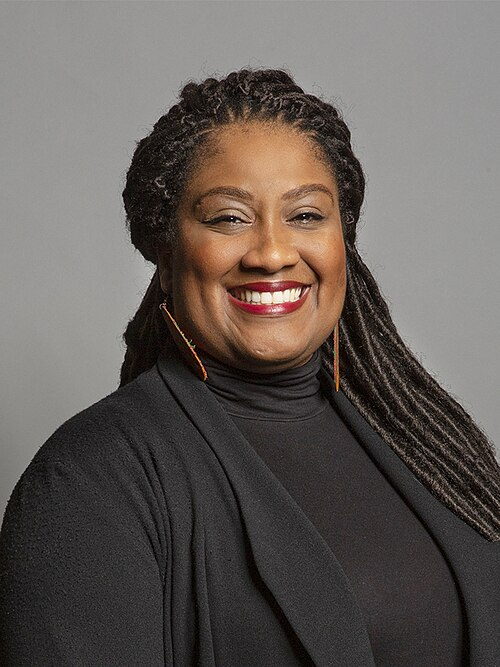
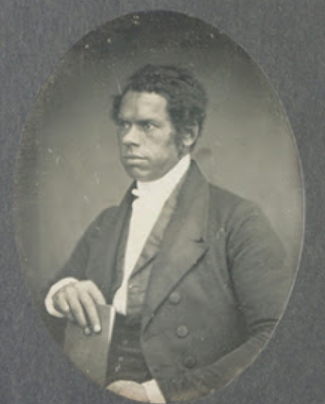
Continuity of Anti-Slavery Across Generations 1. While Britain abstained from supporting the motion to label the transatlantic slave trade as a crime against humanity, 2. @BellRibeiroAddy, British MP for Clapham and Brixton Hill, has firmly supported a position aligned with her ancestral homeland, Ghana. 3. This stance echoes that of her ancestor, Thomas Birch Freeman, a Euro-African missionary whose family background included links to enslavement. 4. Freeman was a vocal critic of slavery in the Gold Coast in the 1840s. 5. While, many of his contemporaries at time, mainly prominent African and Euro-African elites, such as J.C. Grant (forefather of Paa Grant of UGCC fame), Joseph de Graft, Owuo Nemim, Kofi Blay, Mantses Ankrah & Dowuona, Togbi Amegashie, and Kwesi Akuffo, were involved in slave trading & resisted abolition, 6. Only to stop when officially banned the trade in 1874. Same year Ghana became a formal British colony. #Ayekoo!
Sé:gbɛ:gnön🍀 tweet mediaSé:gbɛ:gnön🍀 tweet media
Bell Ribeiro-Addy MP@BellRibeiroAddy

UN Delegates just voted to recognise the Transatlantic slave trade as a crime against humanity. Britain abstained. This refusal to support this motion only places our government more at odds with the global majority. The call for reparatory justice is only getting louder.

English
3
30
43
5.4K
Sé:gbɛ:gnön🍀
Sé:gbɛ:gnön🍀@KZankeli·
@yrnrgee fort prinzenstein was in salaga, i guess. and nyaho tamakloe was a slave at anomabo, i suppose.
English
1
0
1
80
freddie fortunat£
freddie fortunat£@yrnrgee·
Please we Ewes were not involved in selling slaves to the white people please. You can clearly see we have no fort or castle in our region 👍
English
2
1
4
573
Gyimah
Gyimah@Mihrxx·
@KZankeli Wait, they were still selling slaves even after the Brits banned it?
English
1
0
0
234
Sé:gbɛ:gnön🍀
Sé:gbɛ:gnön🍀@KZankeli·
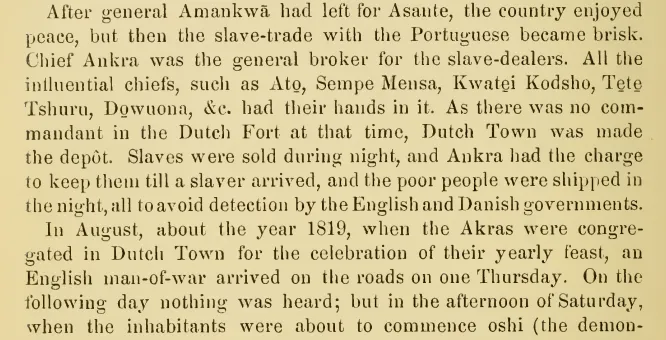
gã chiefs involved in slave broking and trading: ankrah(kinka), dowuona(osu), teteh tsuru(gã mashie), attoh, sempe mensah...
Sé:gbɛ:gnön🍀 tweet media
Dansk
6
18
52
3.5K
Sé:gbɛ:gnön🍀
Sé:gbɛ:gnön🍀@KZankeli·
Dr, Do Better! 1. Ghana’s first police station at Prampram was not established by the British. Neither was it built in 1833, nor did it follow the British abolition. 2. In fact, the Danes built it in 1814—nearly two decades earlier, and about a decade after they initiated abolition in 1803. Yes! Before the British initiation in 1807. 3. And well before the eventual British Slavery Abolition Act of 1833. 4. It is literally carved in stone: the pavement mosaic at the Prampram Police Station site makes this clear. It explicitly references “Police Station… 1814… by the Danes.” 5. Interestingly, all this happened long before the Gold Coast became a British colony. 6. That did not occur until after 1850, when the Danes sold all their forts and castles (Christiansborg, Kongenstein, and Prinzenstein) to the British and left the shores of Ghana. #Asomdwee
Sé:gbɛ:gnön🍀 tweet media
E.A Tetteh, Ph.D.@MantseBi_Ago

After slavery was abolished in 1833, slave ships returning from the Atlantic offloaded their captives at present‑day Prampram. This event led the British colonial authorities to establish the first police station in the Gold Coast there.
English
8
31
109
19.5K