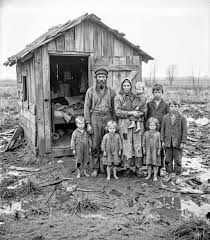
A lot of people in the USA not long ago looked like this.
I do not know where people get this idea that everybody were seriously bourgeois "when things were better".
English
Lyss P. Hacker
9.8K posts
@LyssPHacker
End of the Cycle Evangelist: https://t.co/nswLQuPqjO https://t.co/BJt6y99bN6
> Julius Evola > born 19 May 1898, Rome > aristocratic Sicilian family > raised Catholic (rejected it early) > enrolled in engineering, dropped out before finishing > refused to be associated with bourgeois academic titles > teenage years spent reading Nietzsche, Oscar Wilde, and Gabriele D'Annunzio > served as an artillery officer in WWI (Asiago Plateau, 1917) > came back from the war and became a painter in the Italian Dadaist movement > one of the founders of Italian Dadaism > had a spiritual crisis after the war, came close to suicide > read a Buddhist text on shedding all identity > stepped back from the edge > quit painting entirely at 24 > spent the 1920s deep in occultism, alchemy, Eastern mysticism and Tantric yoga > led a magical-initiatory group called the Group of Ur from 1927 to 1929 > taught himself German and French fluently > published Pagan Imperialism 1928 > published Revolt Against the Modern World 1934 (his most famous book) > travelled Europe meeting conservative revolutionaries, monarchists and traditionalists > grew frustrated with Mussolini (said Italian Fascism had become mere state worship) > Mussolini's own party secretary banned Evola's magazine > Evola's last meeting with Mussolini was 1941 > moved to Vienna > his habit during Allied bombing raids was to walk the streets and contemplate his destiny > 1945 a shell fragment hit him during a bombing raid in Vienna > paralysed from the waist down for the rest of his life > returned to Italy 1948 > arrested 1951 on charges of promoting Fascism > argued in court his ideas were philosophical, not political > acquitted > wrote Men Among the Ruins 1953 > wrote Ride the Tiger 1961 > wrote his autobiography The Path of Cinnabar 1963 > spent his final years in his apartment in Rome > died 11 June 1974 > per his will, his ashes were placed in a glacier on Monte Rosa in the Pennine Alps > wrote over 36 books and more than 1,100 articles Asked to be buried on a mountain... alone.. above all of it
> Julius Evola > born 19 May 1898, Rome > aristocratic Sicilian family > raised Catholic (rejected it early) > enrolled in engineering, dropped out before finishing > refused to be associated with bourgeois academic titles > teenage years spent reading Nietzsche, Oscar Wilde, and Gabriele D'Annunzio > served as an artillery officer in WWI (Asiago Plateau, 1917) > came back from the war and became a painter in the Italian Dadaist movement > one of the founders of Italian Dadaism > had a spiritual crisis after the war, came close to suicide > read a Buddhist text on shedding all identity > stepped back from the edge > quit painting entirely at 24 > spent the 1920s deep in occultism, alchemy, Eastern mysticism and Tantric yoga > led a magical-initiatory group called the Group of Ur from 1927 to 1929 > taught himself German and French fluently > published Pagan Imperialism 1928 > published Revolt Against the Modern World 1934 (his most famous book) > travelled Europe meeting conservative revolutionaries, monarchists and traditionalists > grew frustrated with Mussolini (said Italian Fascism had become mere state worship) > Mussolini's own party secretary banned Evola's magazine > Evola's last meeting with Mussolini was 1941 > moved to Vienna > his habit during Allied bombing raids was to walk the streets and contemplate his destiny > 1945 a shell fragment hit him during a bombing raid in Vienna > paralysed from the waist down for the rest of his life > returned to Italy 1948 > arrested 1951 on charges of promoting Fascism > argued in court his ideas were philosophical, not political > acquitted > wrote Men Among the Ruins 1953 > wrote Ride the Tiger 1961 > wrote his autobiography The Path of Cinnabar 1963 > spent his final years in his apartment in Rome > died 11 June 1974 > per his will, his ashes were placed in a glacier on Monte Rosa in the Pennine Alps > wrote over 36 books and more than 1,100 articles Asked to be buried on a mountain... alone.. above all of it
> Julius Evola > born 19 May 1898, Rome > aristocratic Sicilian family > raised Catholic (rejected it early) > enrolled in engineering, dropped out before finishing > refused to be associated with bourgeois academic titles > teenage years spent reading Nietzsche, Oscar Wilde, and Gabriele D'Annunzio > served as an artillery officer in WWI (Asiago Plateau, 1917) > came back from the war and became a painter in the Italian Dadaist movement > one of the founders of Italian Dadaism > had a spiritual crisis after the war, came close to suicide > read a Buddhist text on shedding all identity > stepped back from the edge > quit painting entirely at 24 > spent the 1920s deep in occultism, alchemy, Eastern mysticism and Tantric yoga > led a magical-initiatory group called the Group of Ur from 1927 to 1929 > taught himself German and French fluently > published Pagan Imperialism 1928 > published Revolt Against the Modern World 1934 (his most famous book) > travelled Europe meeting conservative revolutionaries, monarchists and traditionalists > grew frustrated with Mussolini (said Italian Fascism had become mere state worship) > Mussolini's own party secretary banned Evola's magazine > Evola's last meeting with Mussolini was 1941 > moved to Vienna > his habit during Allied bombing raids was to walk the streets and contemplate his destiny > 1945 a shell fragment hit him during a bombing raid in Vienna > paralysed from the waist down for the rest of his life > returned to Italy 1948 > arrested 1951 on charges of promoting Fascism > argued in court his ideas were philosophical, not political > acquitted > wrote Men Among the Ruins 1953 > wrote Ride the Tiger 1961 > wrote his autobiography The Path of Cinnabar 1963 > spent his final years in his apartment in Rome > died 11 June 1974 > per his will, his ashes were placed in a glacier on Monte Rosa in the Pennine Alps > wrote over 36 books and more than 1,100 articles Asked to be buried on a mountain... alone.. above all of it
> Julius Evola > born 19 May 1898, Rome > aristocratic Sicilian family > raised Catholic (rejected it early) > enrolled in engineering, dropped out before finishing > refused to be associated with bourgeois academic titles > teenage years spent reading Nietzsche, Oscar Wilde, and Gabriele D'Annunzio > served as an artillery officer in WWI (Asiago Plateau, 1917) > came back from the war and became a painter in the Italian Dadaist movement > one of the founders of Italian Dadaism > had a spiritual crisis after the war, came close to suicide > read a Buddhist text on shedding all identity > stepped back from the edge > quit painting entirely at 24 > spent the 1920s deep in occultism, alchemy, Eastern mysticism and Tantric yoga > led a magical-initiatory group called the Group of Ur from 1927 to 1929 > taught himself German and French fluently > published Pagan Imperialism 1928 > published Revolt Against the Modern World 1934 (his most famous book) > travelled Europe meeting conservative revolutionaries, monarchists and traditionalists > grew frustrated with Mussolini (said Italian Fascism had become mere state worship) > Mussolini's own party secretary banned Evola's magazine > Evola's last meeting with Mussolini was 1941 > moved to Vienna > his habit during Allied bombing raids was to walk the streets and contemplate his destiny > 1945 a shell fragment hit him during a bombing raid in Vienna > paralysed from the waist down for the rest of his life > returned to Italy 1948 > arrested 1951 on charges of promoting Fascism > argued in court his ideas were philosophical, not political > acquitted > wrote Men Among the Ruins 1953 > wrote Ride the Tiger 1961 > wrote his autobiography The Path of Cinnabar 1963 > spent his final years in his apartment in Rome > died 11 June 1974 > per his will, his ashes were placed in a glacier on Monte Rosa in the Pennine Alps > wrote over 36 books and more than 1,100 articles Asked to be buried on a mountain... alone.. above all of it