Máster Ejercicio Terapéutico 리트윗함

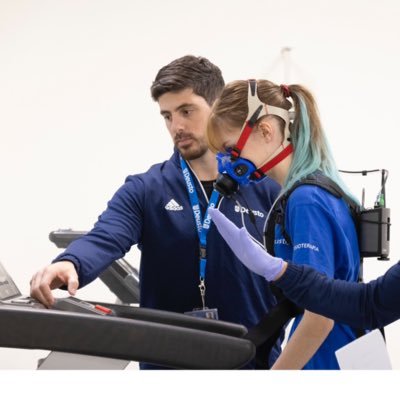
Si quieres aprender de verdad el manejo de pacientes desde la rehabilitación cardiopulmonar este es tu curso!!! deusto.es/es/inicio/estu…
Español
Máster Ejercicio Terapéutico
1.6K posts
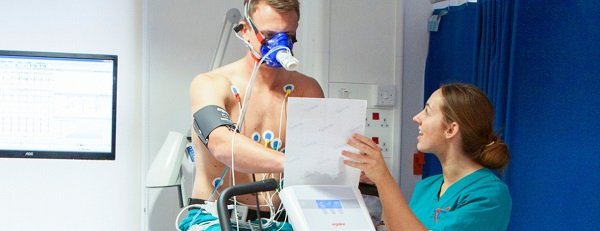


Els Hospitals de Catalunya molt interessats en promoure projectes sobre prescripció d’exercici fisic en malalts crònics. Gràcies per la vostra participació al Clinic Summer School @clinic; @hospitalclinic , @SJDbarcelona_ca , @HospitalSantPau ,@NeurologiaHUB ,@VHIO , @vallhebron


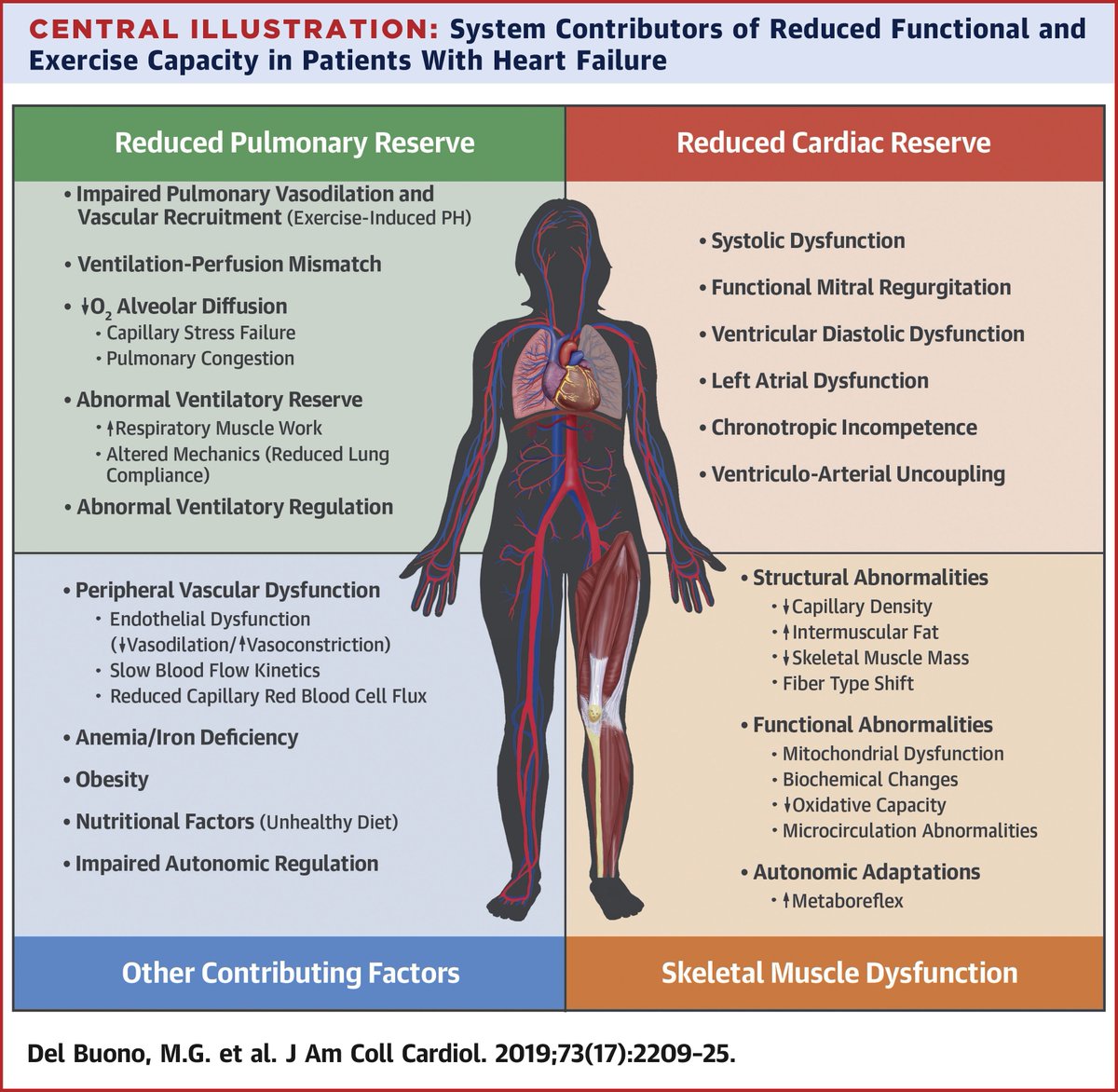



Exercise Mode in Heart Failure: A Systematic Review and Meta-Analysis sportsmedicine-open.springeropen.com/articles/10.11…








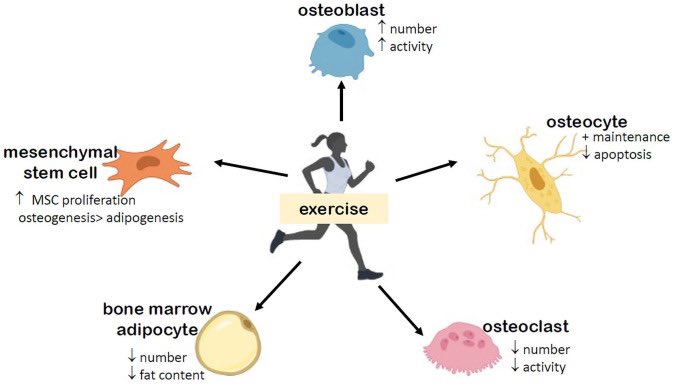





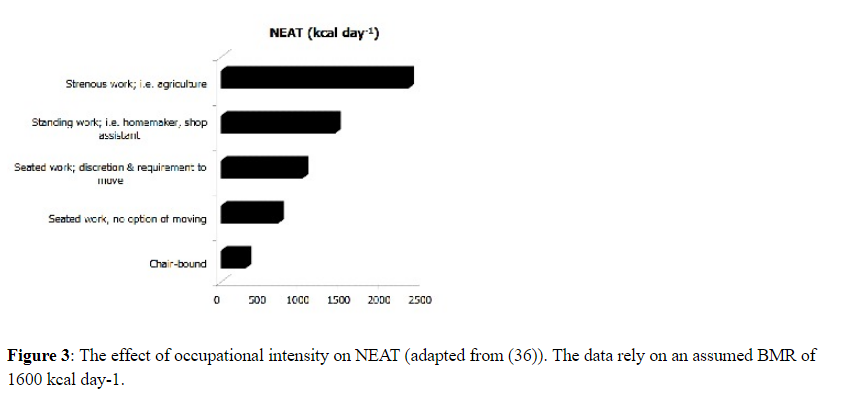
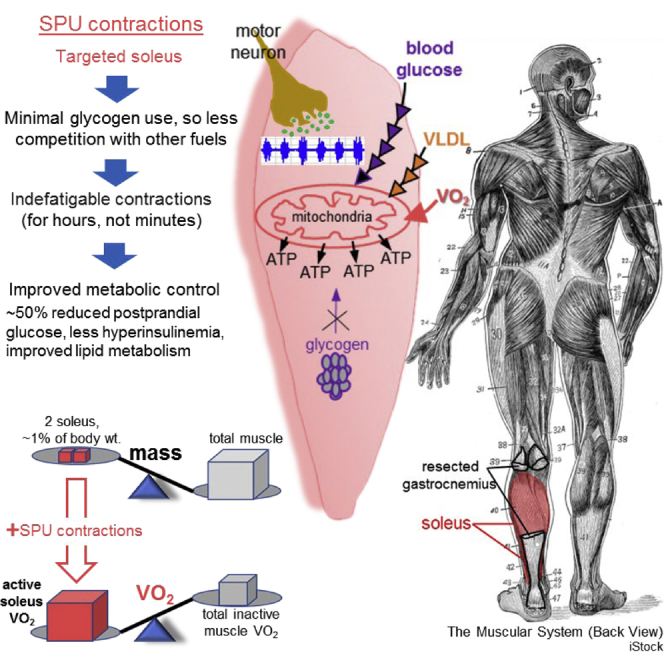

Busting 3 common “muscle myths” with exercise training: portlandpress.com/biochemist/art… 1/ Go big or go home Many believe lifting heavy weights are mandatory for building muscle. But - muscle growth is possible with a variety of loads and repetition ranges: pubmed.ncbi.nlm.nih.gov/33874848/ So - a fear of heavy weights needn’t limit any ‘gains’. 2/ Stopping exercise means starting again from scratch It’s true that if we stop resistance training, we lose muscle. But if we resume training, muscle growth may occur faster than if we were previously untrained. This “muscle memory” may be explained by various factors (e.g., satellite cells, epigenetic changes) linked to the initial training period: #Sec12" target="_blank" rel="nofollow noopener">nature.com/articles/s4159…
This means training may prepare us to respond better in future. 3/ Muscle fibre types can’t shift with training Muscle fibre types differ in terms of their speed of contraction and metabolism (type I - slow/oxidative and type II - fast/glycolytic). Human quadriceps muscles may be comprised of ~40% ‘slow’, ~40% ‘fast’, and ~20% ‘mixed fast/slow’ fibres. It was traditionally believed muscle fibre types are genetically pre-determined and can’t shift with training. But this may not be the case. As an example, identical twins with 30 years of divergent exercise habits showed vastly different muscle fibre type profiles, with the endurance-trained twin having 55% more type I (slow) fibres: pubmed.ncbi.nlm.nih.gov/30006671/ The potential ability to shift fibre proportions with training may have important implications for health and performance. Great article from @DrJimmyBagley @DrAndyGalpin & @KevinMurachPhD portlandpress.com/biochemist/art…