
MaeveWriter
9.7K posts


MaeveWriter
@MaeveWriter
Writer, reader, walker. History matters.
homeward bound 가입일 Nisan 2010
1.7K 팔로잉1.1K 팔로워


Onfim’s drawings make me wonder if cave paintings were made by children too.


English
MaeveWriter 리트윗함


MaeveWriter 리트윗함

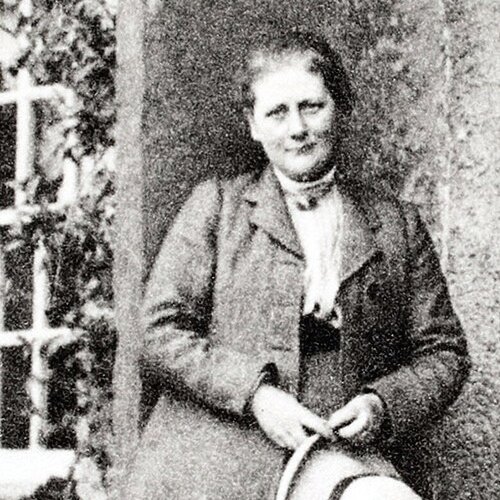
Damn. These words from Beatrix Potter really do hit home 🥹
"The place is changed now, and many familiar faces are gone, but the greatest change is myself. I was a child then, I had no idea what the world would be like. I wished to trust myself on the waters and the sea. Everything was romantic in my imagination. The woods were peopled by the mysterious good folk. The Lords and Ladies of the last century walked with me along the overgrown paths, and picked the old fashioned flowers among the box and rose hedges of the garden."

English
Roman site discovered on Norfolk coast—with occupation spanning from the Iron Age to the Roman period. - smithsonianmag.com/smart-news/arc… @smithsonianmag
English
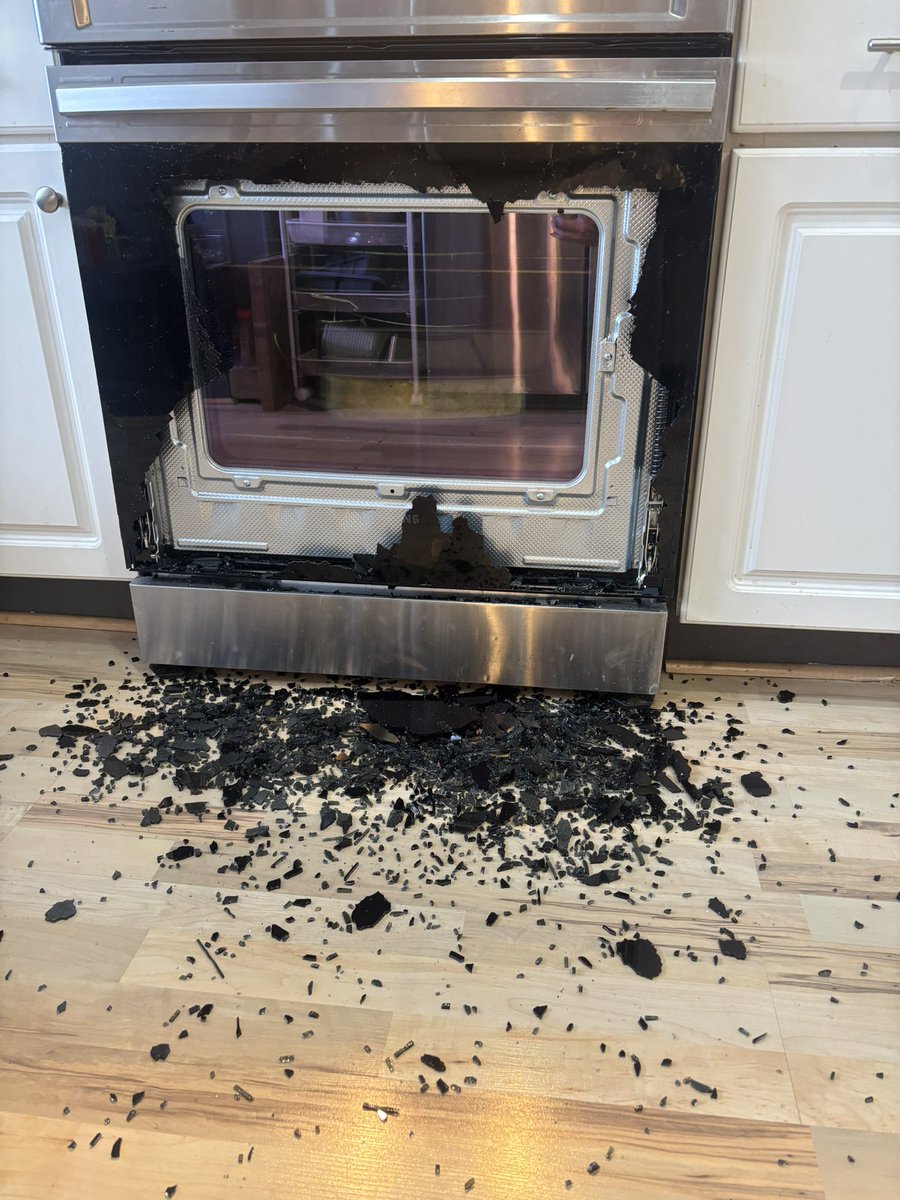
@the_dadchef This same thing happened to a Mabe in a place I rented, and I hadn't used the oven in 2 days. It exploded at 5 a.m.
English

@milbel_ @bjorn_brother Bear ceremonialism existed in Minnesota in the Dakota culture—a circle of bear skulls was found by archeaologists on the Mille Lacs Indian Reservation, though the site dates to the earlier Dakota culture.
English
Along the Siberian coast, many old sacrificial sites have been found where bear bones are heaped in profusion.
The Samoyede peoples mounted bear skulls on pieces of bark as late as the 18th century.

English
Eavan Boland and the emergence of a poetic self stancarey.wordpress.com/2026/03/29/eav… via @StanCarey
English
MaeveWriter 리트윗함

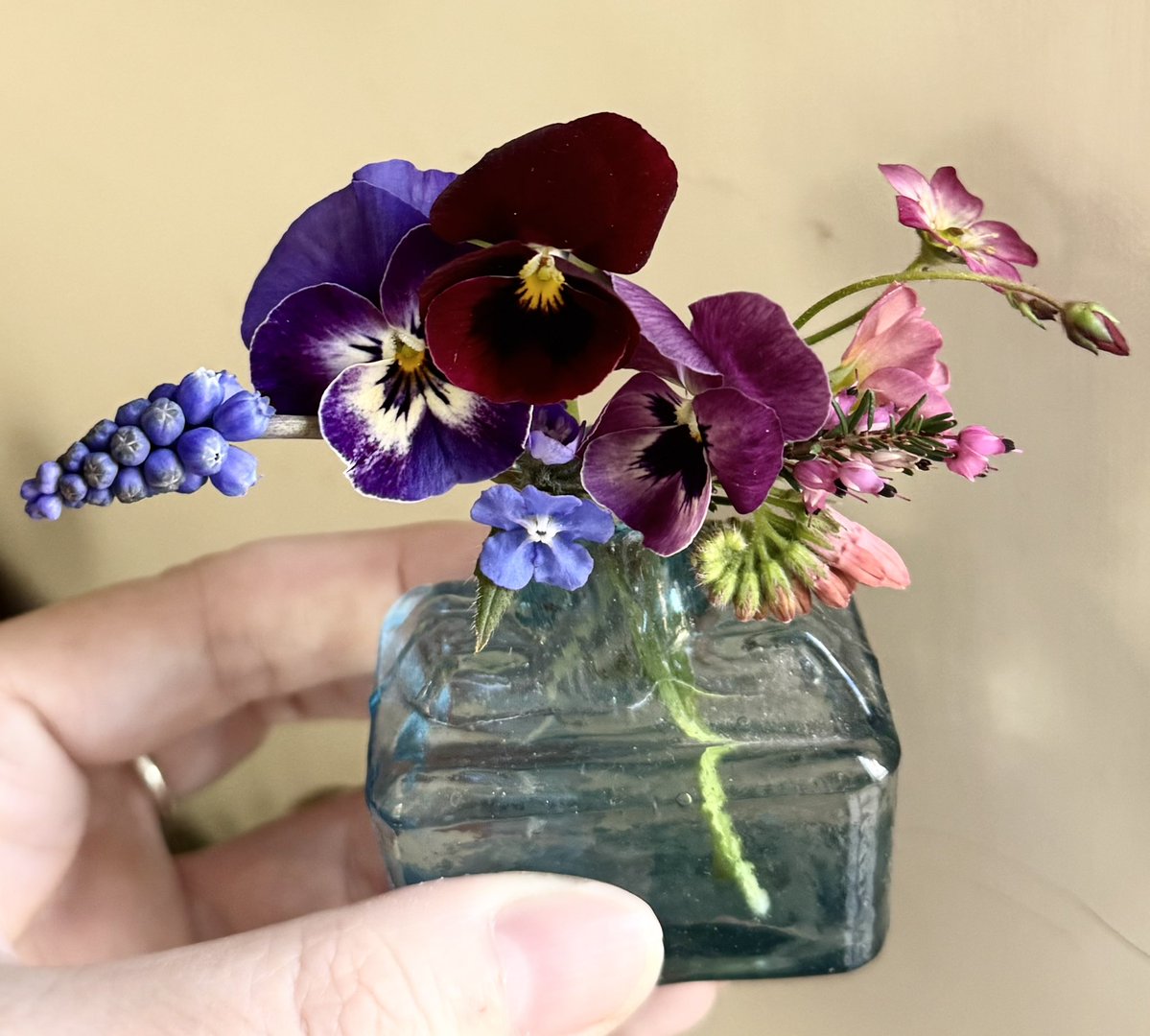
There’s neuroscientific evidence that looking at beautiful things, esp. plants & pausing to take in the details can alleviate stress & lift mood. Found these in the garden just now-they’re in a pale blue Victorian ink bottle. Pause to give your brain a small rest 🧠🌿
English

@MaeveWriter @SamaHoole People cleave to this myth because it caters to their predjudices. eg Statists love to believe that before Welfare or NHS, peoples' lives were nasty brutish & short. It bugs them to discover this isn't really the case.
English

Except that's not what life expectancy at birth means.
Life expectancy at birth in 1911 was dragged down by one thing above all others: children dying. Infant mortality in Edwardian Britain was catastrophic. Roughly 1 in 8 children didn't make it to their first birthday. Diphtheria. Scarlet fever. Tuberculosis. Contaminated water. No antibiotics.
If you died at six months, you brought the average down enormously.
But here's what the statistic doesn't tell you: if you made it past childhood, you had a reasonable shot at a long life. A 45-year-old man in 1911 could expect to live to his mid-sixties or beyond. A 60-year-old woman could reasonably expect another twenty years.
The 80-year-olds absolutely existed. They walked to church. They complained about the weather. They outlived their children and several prime ministers.
The argument "heart disease was rare because people died young" is using infant mortality data to make a claim about adult longevity.
The 1911 census records people in their eighties and nineties. They are there. You can look them up.
They just weren't eating seed oils.
Sandy Petersen 🪔@SandyofCthulhu
@SamaHoole We also had a life expectancy in 1911 of about 53 years, so heart disease was a lot rarer to show up. We kept dying of other things before heart disease.
English

I hear Colbert will be writing all the big movies going forward.
Stephen Colbert to cowrite next 'Lord of the Rings' movie after leaving late night | KSL.com ksl.com/article/514727…
English

🚨NASA crashed a spacecraft into the moon and it rang like a bell for an hour.
On November 20, 1969, Apollo 12 deliberately crashed its lunar module into the moon's surface and seismometers recorded vibrations lasting almost an hour.
When they repeated the experiment with Apollo 13's rocket stage, it rang for nearly four hours. NASA geophysicist Gordon MacDonald published a paper stating the data suggested "the Moon is more like a hollow than a homogeneous sphere."
The moon is tidally locked, has only 60 percent of Earth's density, and no model fully explains how it got here.
English

MaeveWriter 리트윗함

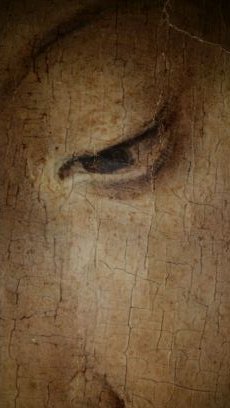
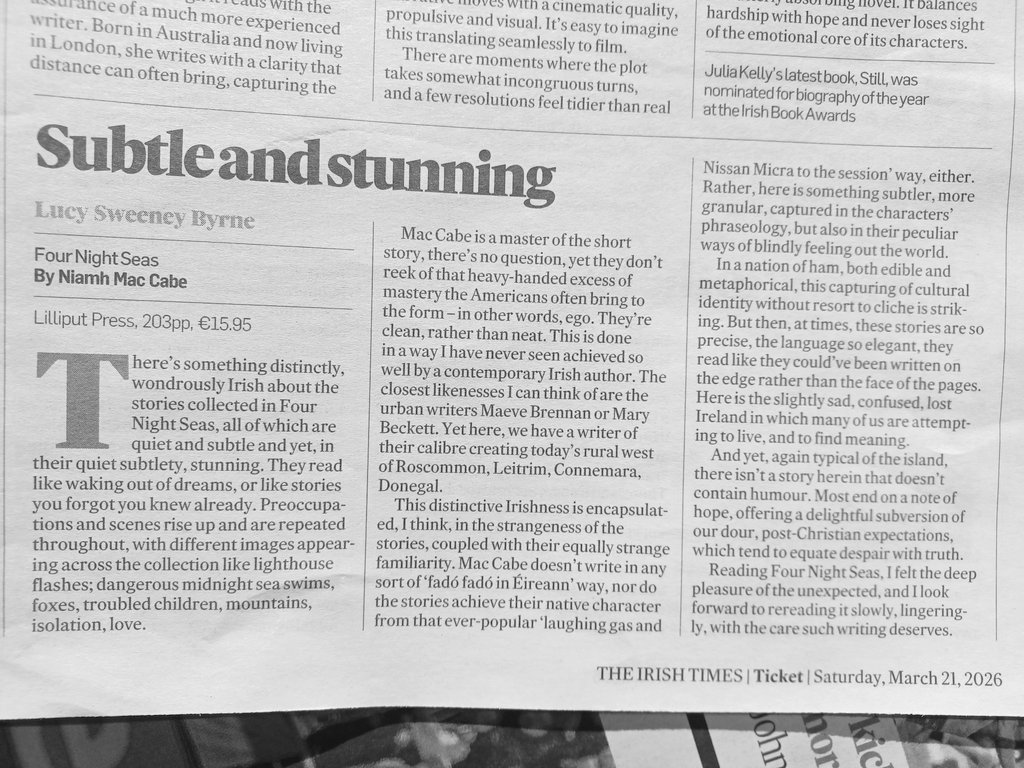
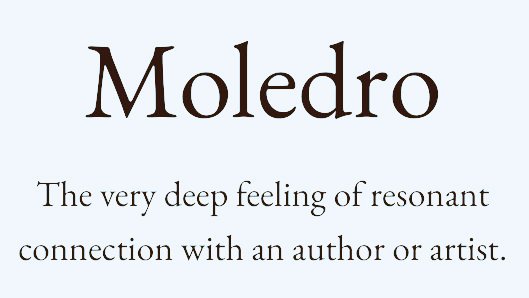
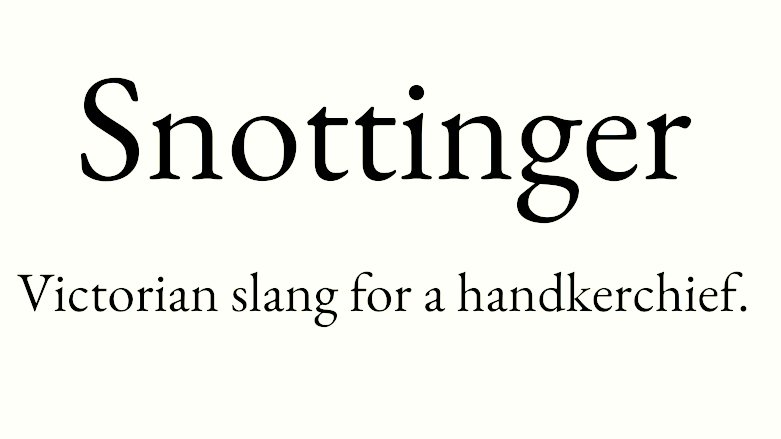
@tillwehvfaces Thank you, thank you for this. I've been trying to write about this--an entire manuscript just completed--and here it is so beautifully and longingly put....
English


@Paul_Heron_ yes, I seem to need them around me more than ever before
English

I think some of us keep a lot of books around because they feel like sanity and beauty in physical form. It’s a sort of prepper mentality for a world turning ugly and insane.
English