고정된 트윗
Akshay
18.9K posts

Akshay
@ProgrammerMonk
Programming || Richard Feynman || Marcus Aurelius || Books || Minimalist || Tweets on Tech/Books/Work/Philosophy
Bangalore, India 가입일 Haziran 2011
555 팔로잉559 팔로워
Akshay 리트윗함

Dostoevsky wrote this after nearly being executed:
“When I look back at my life, I feel pain not because of suffering, but because of wasted time. I see how carelessly I lived, how often I ignored the quiet voice of my soul, how rarely I understood the value of a single moment. Only when death stood before me did I realize that life is not merely existence—it is a miracle. Every minute is a treasure, and in every breath, there is the possibility of happiness.”
English
Looking forward to it.
One2N@One2NC
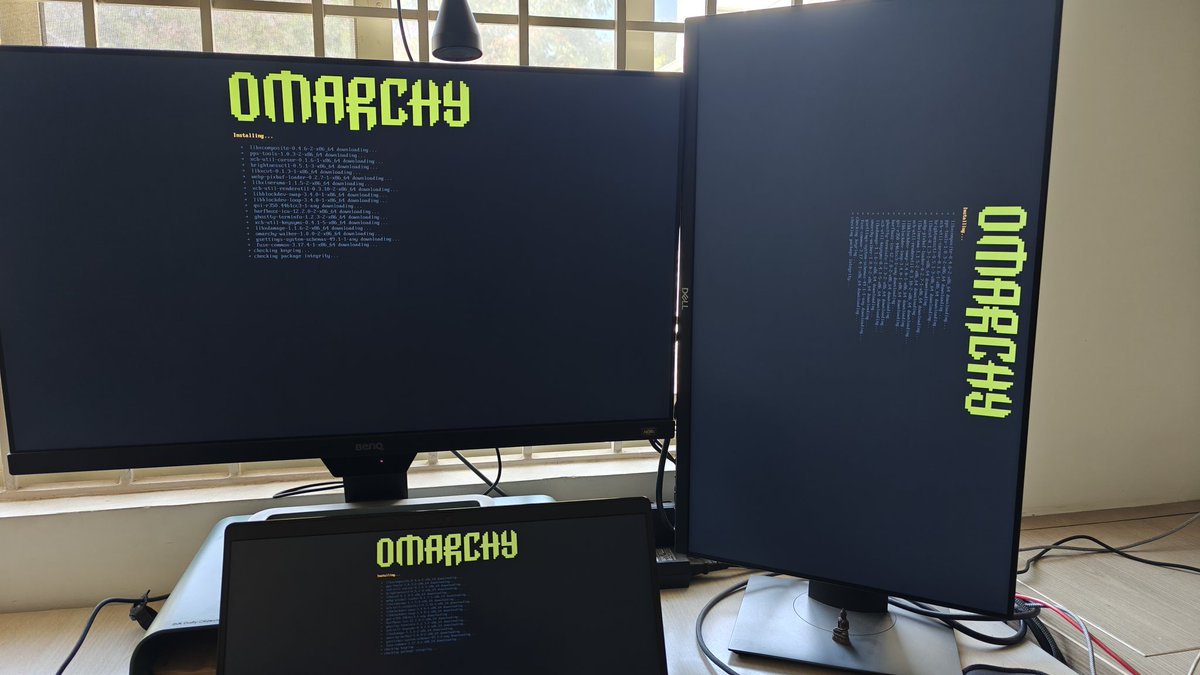
Most Neovim setups look great in a screenshot but fall apart under real-world load: large codebases, flaky LSPs, and terminals full of competing tools. In this session, @ProgrammerMonk will explain his Neovim plugins choices to ensure the editor remains fast and predictable.
English

Let's start a thread of random advice.
No specific topic. Just advice for 2026.
English
Akshay 리트윗함

Had a friend tell me once: "When you're feeling overwhelmed, there are only two things you should do––get organized and get to work. The rest is just noise. Peace is found in progress."
Some of the best advice I've ever received.
English
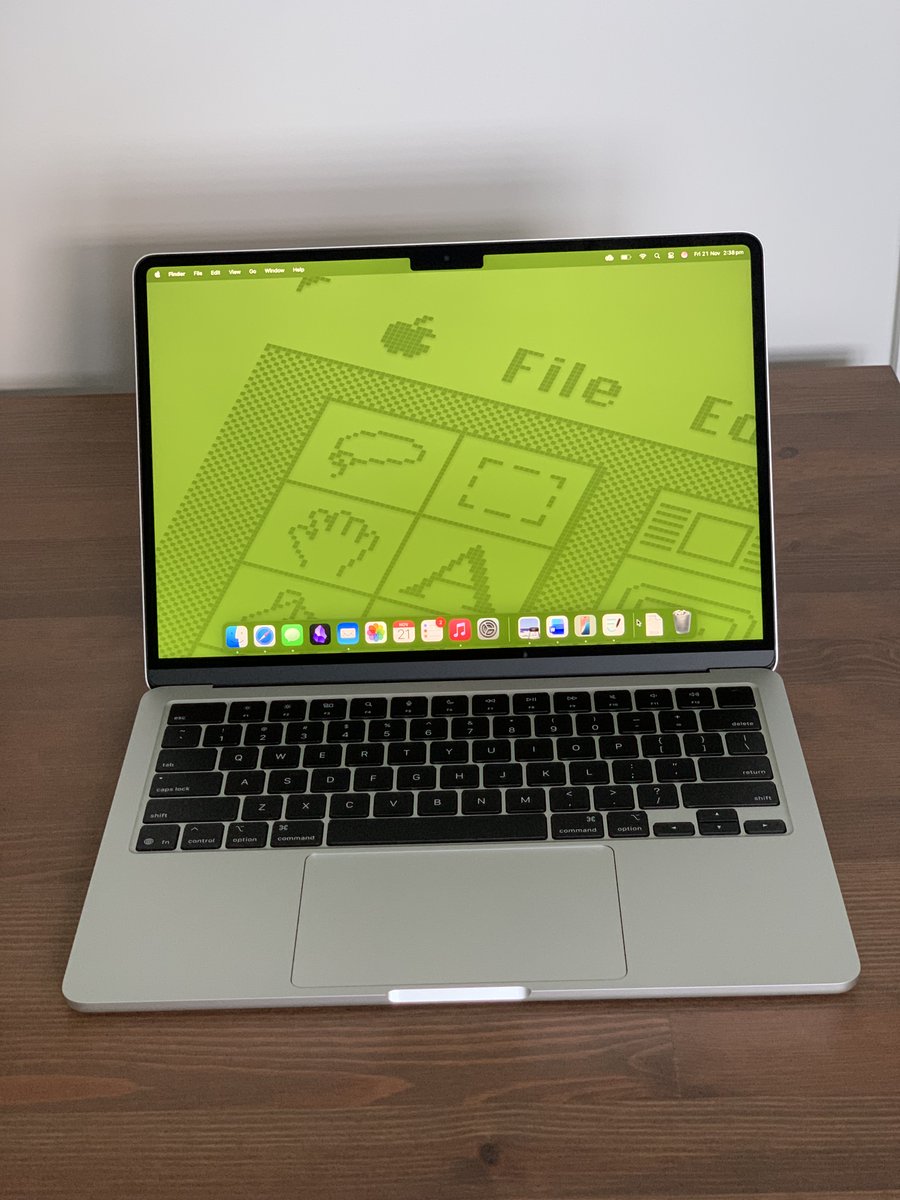
@LeakerApple Install everything via a Brewfile.
Maintenance and updates are such ease.
English

@theRevOpsGuy Shoffr has been my goto for airports.
Can't deal with @Uber_India having cylinders in the bootspace and zero luggage space.
English

Booked Uber Premier in the hope that I will get a quick booking at BLR airport. Not the case. Finally got a ride and driver gave a very interesting nugget.
He said the drivers wait it out till 7PM coz demand at the airport rises between 7-10PM and they get a higher pay.
English
Akshay 리트윗함

When you trade your ambition for comfort, you actually end up living your whole life with the very uncomfortable idea that you betrayed yourself.
English
"If then I find myself writing, not mathematics, but ‘about’ mathematics, it is a confession of weakness, for which I may rightly be scorned or pitied by younger and more vigorous mathematicians"
such intellectual honesty.
archive.org/details/AMathe…
English
A clear pattern that I see is, some of the best intellectual works come in collaboration with someone is equally obsessive about the same topic.
GHH - Littlewood,
GHH - Ramanujan
mathshistory.st-andrews.ac.uk/Biographies/Ha…
English
This weekend, I am going down the rabbit hole of getting to know G H Hardy, from the math world.
"The function of a mathematician is to do something, to prove new theorems, to add to mathematics, and not to talk about what he or other mathematicians have done."
- G H H
English
@mipsytipsy ,
came across one of your recent decks. Looks very interesting. Would love to follow the link if the recording ot the talk is available somewhere ? Thanks much.
speakerdeck.com/charity/the-tw…
English
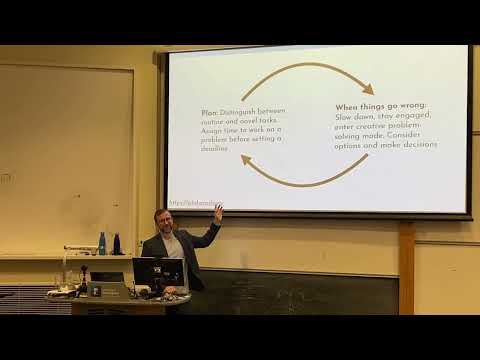
This is some most practical ways for management of time.
Relevant for anyone who is NOT a manager. Managers firefight, and there is no right way for them.
Very relevant for Staff Engineers.
youtube.com/watch?v=uhI78A…
YouTube
English
@brankopetric00 In terms of cost efficiency, any scaling done without a system resource component could lead to waste of money.
Let's say we solely scaled in customMetric, and that metric didn't care about resource usage on pod, then we could be scaling underused pods. Composite works the best
English

We set up Kubernetes HPA (Horizontal Pod Autoscaler) based on CPU at 80%.
A traffic spike came. Pods didn't scale. Users got 503s.
We checked the pods. CPU was at 30%.
Investigation: Our app (Node.js) is I/O bound. It was choking on database connections and async requests. The CPU was idle, but the event loop was blocked.
Fix: We switched HPA to a custom metric: `requests_per_second` (from our ingress controller).
Result: Pods now scale before they get overwhelmed. Don't just autoscale on CPU.
English


These two are the most imp metrics.
All the 101-alerts to my systems are based on these.
System Resource exhaustion, Bad code deployment, Broken infra, Network failure or anything.. They can all be caught in the above two models.
THE CODE SCIENTIST@mysticwillz
1. Error rate: Check 4xx/5xx spikes to see if the system is breaking under load. 2. Latency (p95/p99): Identify if response times are degrading.
English
The best of the best Engineers that I have seen have a sense of urgency.
Anything slow irritates them.
And they would never work for a "process based" large companies.
Pace builds momentum.
Robert Greene@RobertGreene
You must create a sense of urgency and desperation.
English
Agree to most of it.
I read somewhere that "Once is never enough". That's especially true for difficult subjects. The churns produce the juice.
Mustafa@oprydai
how to study and learn really difficult subjects: 1. don’t panic. hard just means dense. it’s not impossible, it’s just packed. unwrap it slowly. 2. get a map before diving in. watch an overview video, read the table of contents, or skim the wikipedia page. you need context first. 3. use multiple sources. one book will confuse you, two will clarify, three will enlighten. 4. build intuition, not memory. visualize it. simulate it. code it. teach it to a friend or a wall. 5. tolerate confusion. you’ll feel dumb 90% of the time; that’s the price of learning something that rewires your brain. 6. connect it to reality. every abstract thing has a real-world analog. find it. relate it. ground it. 7. revisit the same topic after a week. mastery is not about reading once; it’s about returning after your brain has “chewed” on it. 8. don’t romanticize genius. smart people aren’t born knowing it. they just survived longer in the confusion phase. the truth is; learning hard stuff isn’t about intelligence. it’s about endurance, humility, and curiosity. you stay long enough in the fog until it clears.
English
Akshay 리트윗함

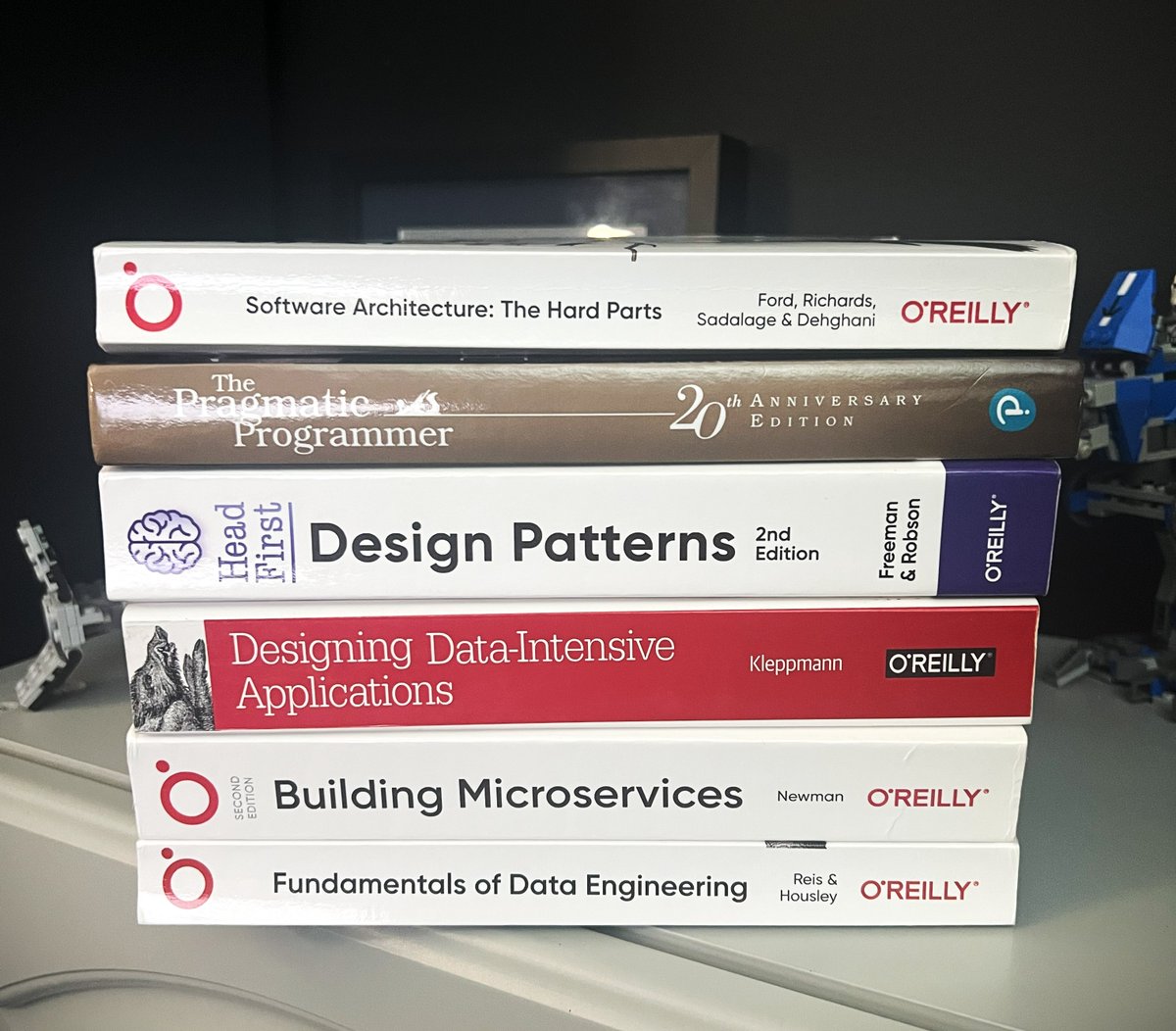
@systemdesignone @RaulJuncoV It's the only tech book that read super slow, made my own notes and then anki cards out of it in the third go.
And it was all worth it. My idea-pool is so much better now.
English

@RaulJuncoV DDIA - one of my favorite books. I have to read it again ^
English