Rayner Teo

27.1K posts

Rayner Teo banner
Rayner Teo

Rayner Teo

@Rayner_Teo

I teach people how to earn an extra 15% a year in 15 minutes a day, using rule-based trading strategies (backed by data).

Get started at 가입일 Ağustos 2013
0 팔로잉211.2K 팔로워
Rayner Teo
Rayner Teo@Rayner_Teo·
When you stick to one strategy long enough: You understand its rhythm. Its drawdowns. Its personality. That’s when confidence kicks in.
Rayner Teo tweet media
English
11
9
87
2.6K
Rayner Teo
Rayner Teo@Rayner_Teo·
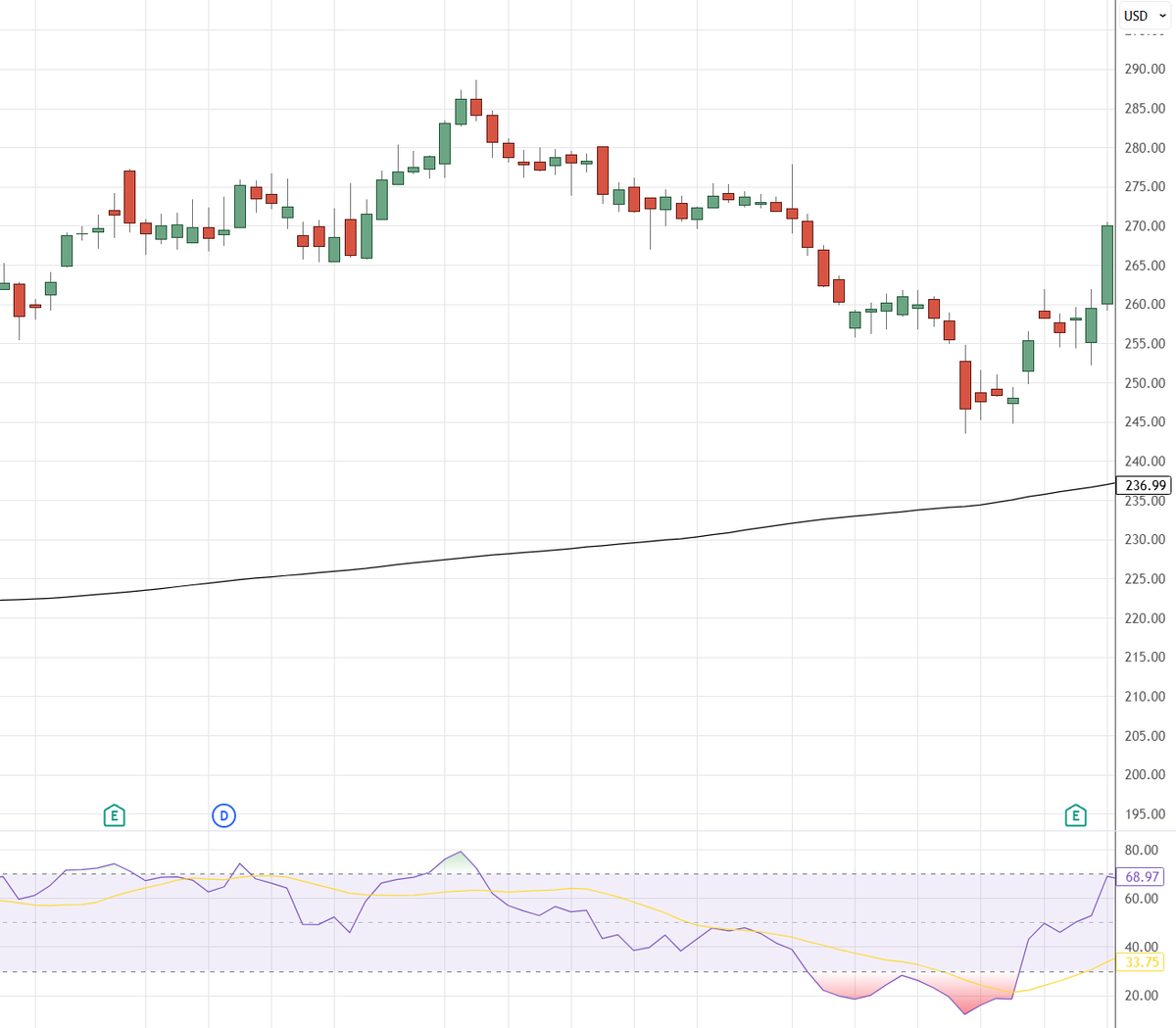
One of the biggest lies in trading is this: “Trading indicators don’t work.” But here’s the thing… Indicators don’t work only if you don’t know what problem they’re solving. When used correctly, indicators can help you: • Identify strong stocks • Define the trend • Spot stocks that are oversold and about to make a bounce higher Let me share a few indicators that help you do just that… 𝐑𝐚𝐭𝐞 𝐨𝐟 𝐜𝐡𝐚𝐧𝐠𝐞 (𝐭𝐨 𝐢𝐝𝐞𝐧𝐭𝐢𝐟𝐲 𝐬𝐭𝐫𝐞𝐧𝐠𝐭𝐡) The rate of change (ROC) indicator measures the % change in price. For example, if Tesla went from $100 to $200, then the ROC value is 100 because it went up 100% during the period. So, how do you use the ROC indicator? This is useful when you have many trading opportunities and don’t know which to trade. For me, I’d pick the stock with the highest ROC value (over the last 100 days). The higher the better because it tells me the stock has a strong momentum and is likely to continue higher. Kind of like how one kid crying in a daycare causes all the kids to cry. 𝐌𝐨𝐯𝐢𝐧𝐠 𝐚𝐯𝐞𝐫𝐚𝐠𝐞 (𝐭𝐨 𝐢𝐝𝐞𝐧𝐭𝐢𝐟𝐲 𝐭𝐫𝐞𝐧𝐝) The moving average indicator calculates the average price over a given period. For example, the 50-day moving average calculates the average price over the last 50 days. So, what can you use the moving average indicator for? One way is to define the trend. Yes, I know a trend is a series of higher highs and higher lows. But what if you get a lower high and a higher low? Now, is the trend still intact or invalidated? Your brain starts hurting more than mine does when my kids ask me to help with their math homework. That’s where a moving average can help you to define the trend without subjectivity. For example: • If the stock price is above the 200-day moving average, then it’s in a long-term uptrend. • If the stock price is above the 50-day moving average, then it’s in a medium-term uptrend. And finally… 𝐑𝐞𝐥𝐚𝐭𝐢𝐯𝐞 𝐬𝐭𝐫𝐞𝐧𝐠𝐭𝐡 𝐢𝐧𝐝𝐞𝐱 (𝐭𝐨 𝐢𝐝𝐞𝐧𝐭𝐢𝐟𝐲 “𝐨𝐯𝐞𝐫-𝐬𝐭𝐫𝐞𝐭𝐜𝐡𝐞𝐝” 𝐥𝐞𝐯𝐞𝐥𝐬) The relative strength index (RSI) measures the momentum of a price movement. It’s calculated by comparing the average gains to the average losses (over a fixed period). For example: • If the 10-day RSI is below 30, it means the average losses are much larger than the average gains over the last 10 days. • If the 5-day RSI is above 70, it means the average gains are much larger than the average losses over the last 5 days. If you think about it… The RSI indicator tells you how “stretched” the price is relative to recent history. The wider the “stretch”, the more extreme the RSI values will be (below 30 or above 70). This is useful for a mean reversion trading system because it tells you when a stock is “over-stretched” and could make a bounce higher. Now, you don’t just blindly buy when a stock is oversold because what’s cheap can become cheaper. 𝐒𝐨 𝐚 𝐟𝐞𝐰 𝐭𝐡𝐢𝐧𝐠𝐬 𝐈 𝐥𝐨𝐨𝐤 𝐟𝐨𝐫 𝐚𝐫𝐞… • The stock is in a long-term uptrend (above 200-day moving average). • The rate of change is positive over the last 100 days (the higher the better). • The 10-day RSI is below 25 (signalling the stock is about to snap back higher). So next time someone tells you "indicators don’t work". Remember this: indicators are simply tools. And like any tool, they only work if you know how to use them properly.
Rayner Teo tweet media
English
5
8
54
4.7K
Rayner Teo
Rayner Teo@Rayner_Teo·
Trading is patience. Patience for your setup. Patience to get out of a drawdown. Patience to compound your returns. Patience > Intelligence
English
17
13
113
4.8K
Rayner Teo
Rayner Teo@Rayner_Teo·
Many traders think they need to predict the market. They look for: The perfect entry. The perfect indicator. The perfect signal. But think about how many decisions that creates. Every day you must decide: Is this breakout real? Is this support strong? Is this trend ending? Is this the top? Is this the bottom? Now imagine doing that: Every day. Every week. Every month. For years. No wonder most traders burn out. Professional traders solve this differently. They remove decision-making from trading. And replace it with rules.
English
7
5
45
4.2K
Rayner Teo
Rayner Teo@Rayner_Teo·
Most traders think they need to predict the market to make money. Predict the next crash. Predict the next bull run. Predict which stock will explode. But after years of trading, I’ve learned something surprising… The most profitable traders I know don’t predict the market at all. Think about it. If predicting the market was the key to making money, then economists, analysts, and TV experts should be the best traders in the world. They spend all day forecasting interest rates, GDP, inflation, and where stocks are headed next. But how many of them are running profitable trading accounts? Here’s the uncomfortable truth: You don’t need to predict the market to profit. In fact, trying to predict the market is one of the fastest ways to lose money because predictions create: • Bias (you see what you want to see) • Overconfidence • Emotional decisions. Once you form an opinion about the market, you become attached to it. You think the market should go up, so you hold losing trades longer than you should… or worse, you add more. Professional traders approach the market differently. Instead of asking, “Where do I think the market will go?” they ask, “What does my system tell me to do?” Their decisions are based on rules, not opinions, because opinions are like belly buttons: everyone has one, but most of them are useless. For example, a systems trader might have a rule like this: if a stock drops three days in a row, buy. Then sell when it closes above the 5-day moving average. They don’t need to know why it dropped, what the news says, or what analysts think. They simply follow the rule. Sometimes the trade wins. Sometimes it loses. But over hundreds of trades, the edge plays out. You don’t need to be right about the next trade. You just need a system with a positive edge. So if you’ve been struggling with trading, the problem isn’t your discipline. The problem is that you’re trying to predict the unpredictable (which is like trying to predict what my wife wants for lunch). And that’s a game no trader can win. Because the traders who survive long-term don’t predict the market… They build trading systems for it.
English
6
9
71
6.3K
Rayner Teo
Rayner Teo@Rayner_Teo·
Nobody brags about position sizing. Nobody flexes risk control. And that’s exactly why most traders struggle. The boring stuff pays. The exciting stuff blows up.
English
19
7
80
5.9K
Rayner Teo
Rayner Teo@Rayner_Teo·
I produced a video that teaches you 3 rule-based trading strategies that work (backed by 25 years of data). You’ll get the exact trading rules, full backtest results, and printable cheat sheets. Interested? Reply “yes” and I’ll send you this 54-minute training. (You must follow me so I can DM you.)
English
769
33
313
54.5K
Rayner Teo
Rayner Teo@Rayner_Teo·
AI won’t make you a profitable trader. Why? AI learns from the internet. And most trading advice online is garbage. So AI just gives you better-written garbage.
English
8
3
52
4K
Rayner Teo
Rayner Teo@Rayner_Teo·
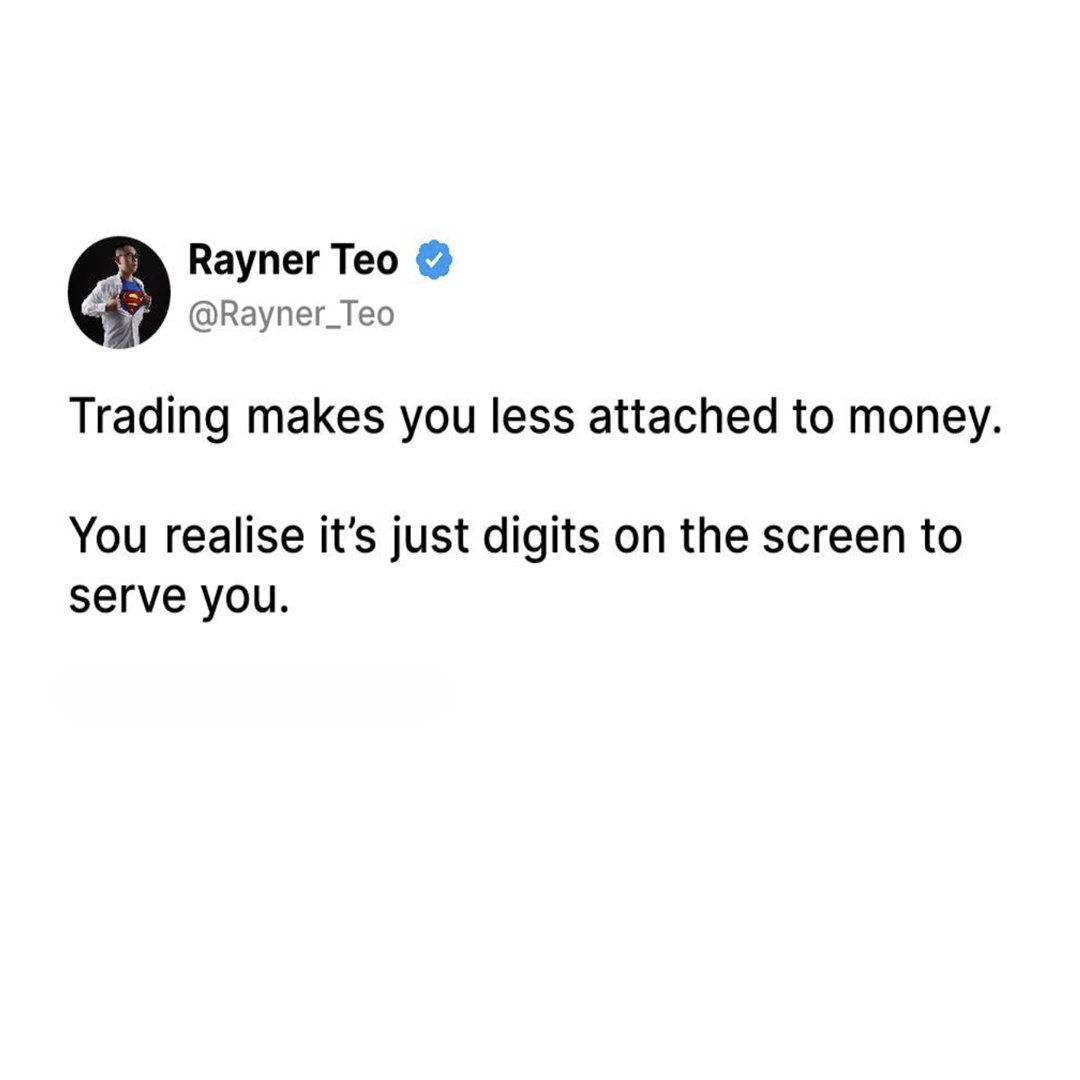
When you’re too attached to money: You cut winners early. You move stops. You panic. When you’re detached: You execute. Big difference.
Rayner Teo tweet media
English
4
4
46
3K
Rayner Teo
Rayner Teo@Rayner_Teo·
I’ll be hosting a webinar where you’ll learn how to profit in bull and bear markets, even during a recession. Details here... tradingwithrayner.com/sts/
English
0
0
5
2.1K
Rayner Teo
Rayner Teo@Rayner_Teo·
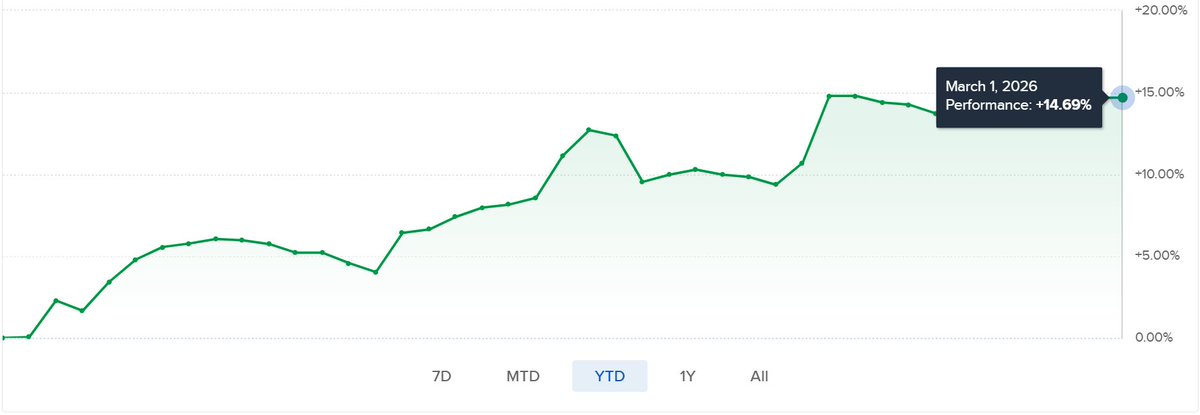
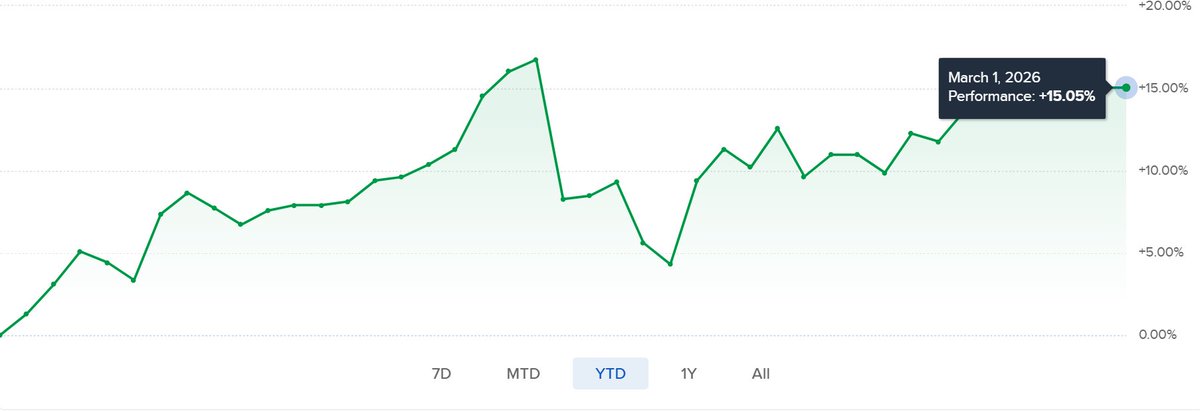
Here are the YTD results of my live trading accounts. Account 1: 14.69% Account 2: 15.05% This is achieved using a combination of mean reversion and momentum trading systems, and recently, both have been performing better than my dad jokes. 𝐌𝐞𝐚𝐧 𝐫𝐞𝐯𝐞𝐫𝐬𝐢𝐨𝐧 𝐭𝐫𝐚𝐝𝐢𝐧𝐠 This trading system buys stocks which are “oversold” and quickly sells them when it makes a bounce higher. With the geopolitical tensions going on (Ukraine, Venezuela, my kids fighting over the remote), many stocks are whipsawing up and down, which is the kind of environment a mean reversion system thrives on. 𝐌𝐨𝐦𝐞𝐧𝐭𝐮𝐦 𝐭𝐫𝐚𝐝𝐢𝐧𝐠 This trading system buys stocks that exhibit strong momentum and sells them when momentum stalls. This is the system that got me long Gold at $2150, even though it felt uncomfortable. That’s why, as a systems trader, I only follow my rules—not my emotions. Anyway… If you want to learn more about my trading systems and methodology, then join me for a live webinar this Saturday (10 AM Singapore time). You’ll discover: • How to profit in bull & bear markets—even during a recession. • How to generate a second income even if you have tried everything else and failed. • How to tune out the noise and beat the markets (without looking at the news, charts, or reports). Details in the comment section below...
Rayner Teo tweet mediaRayner Teo tweet media
English
2
3
24
3.4K
Rayner Teo
Rayner Teo@Rayner_Teo·
You don’t need more indicators. You need fewer bad decisions.
Rayner Teo tweet media
English
3
5
37
3.1K
Rayner Teo
Rayner Teo@Rayner_Teo·
Market Wizards was a game-changer. It made me realized very successful trader had ONE thing in common: An edge. Edge first. Everything else second.
English
5
4
128
6.2K
Rayner Teo
Rayner Teo@Rayner_Teo·
Pain doesn’t disappear. You adapt to it. Same in trading. Losses don’t stop coming. You adapt to it.
English
3
9
66
3.5K
Rayner Teo
Rayner Teo@Rayner_Teo·
Staring at charts doesn't make you richer in trading. $5,000 account. 50% yearly return. 5 hours a day. That's $2,500 a year and 1,200 hours of your life gone. A $10/hour job would've made you $12,000. When your capital is small, your time is worth more than your returns.
English
5
2
42
4.1K