
Sah

37 posts

Sah banner
Sah

Sah

@SahMattos_dev

Programmer | UEFN Developer | She/Her 🇧🇷 24y Working at @surpriseugc
Brazil 가입일 Haziran 2025
45 팔로잉51 팔로워
Sah
Sah@SahMattos_dev·
@Arplay18 ☺️ thank you
English
1
0
0
79
Sah
Sah@SahMattos_dev·
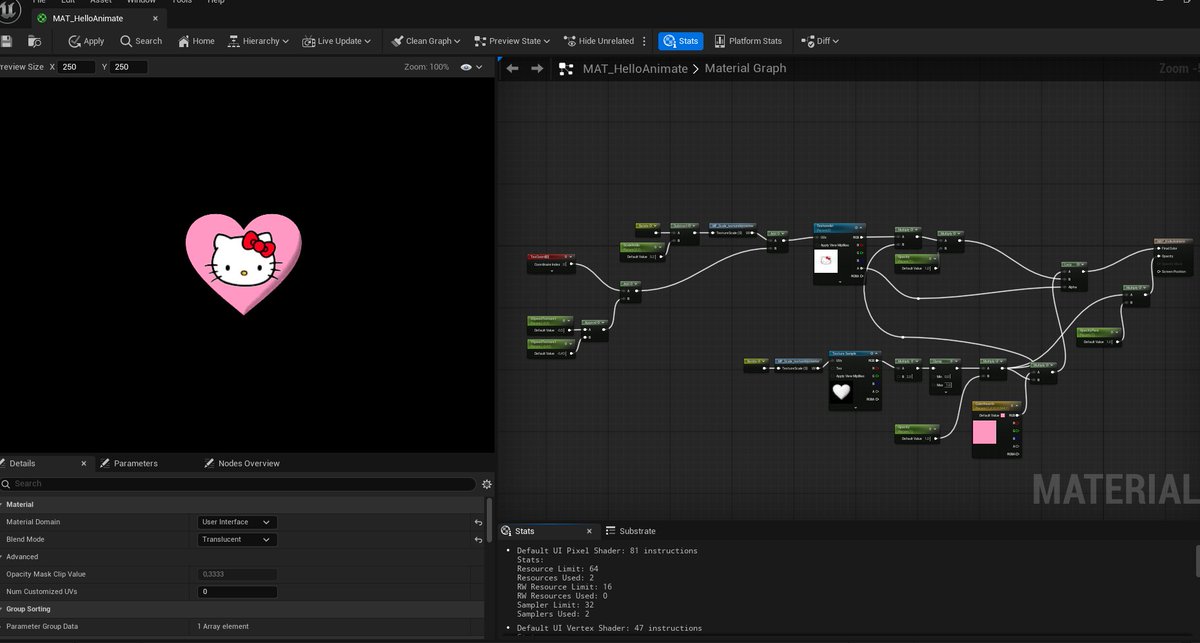
Studying VFX and materials lately 🎮✨Built a study material, and with help from @Arplay18 , we animated it and tested it in a timer HUD ⏱️ Really happy with the result, so I wanted to share! 🚀 #UEFN #VFX #GameDev
Sah tweet media
English
4
2
22
1.1K
Sah 리트윗함
digolei
digolei@digolei03·
HACKER EVENT 💻 I created the Hacker Event for Smash a Lucky Block in just a few days. If you want events like this for your map, @surpriseugc can help, feel free to DM me. #UEFN #FortniteCreative #Fortnite
English
9
4
82
11.2K
Surprise 🔆
Surprise 🔆@surpriseugc·
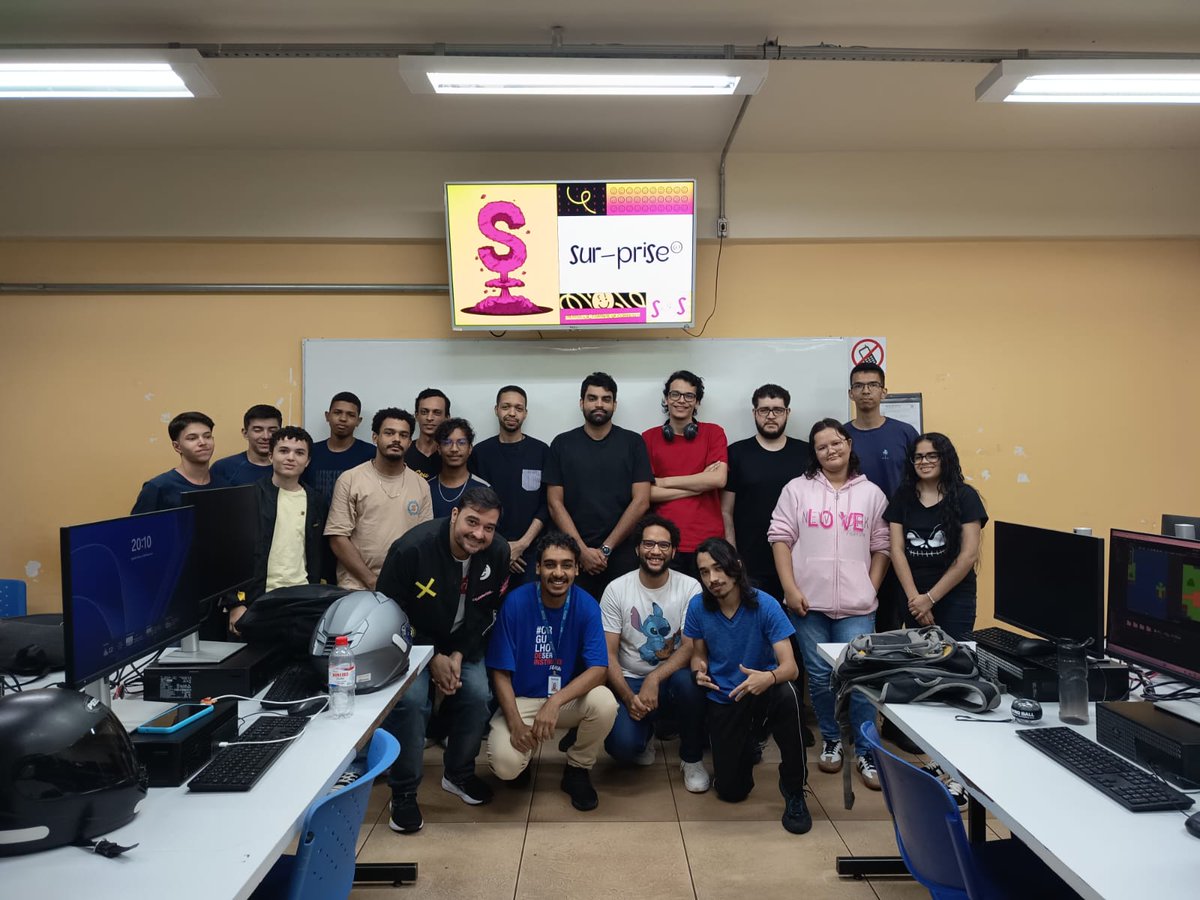
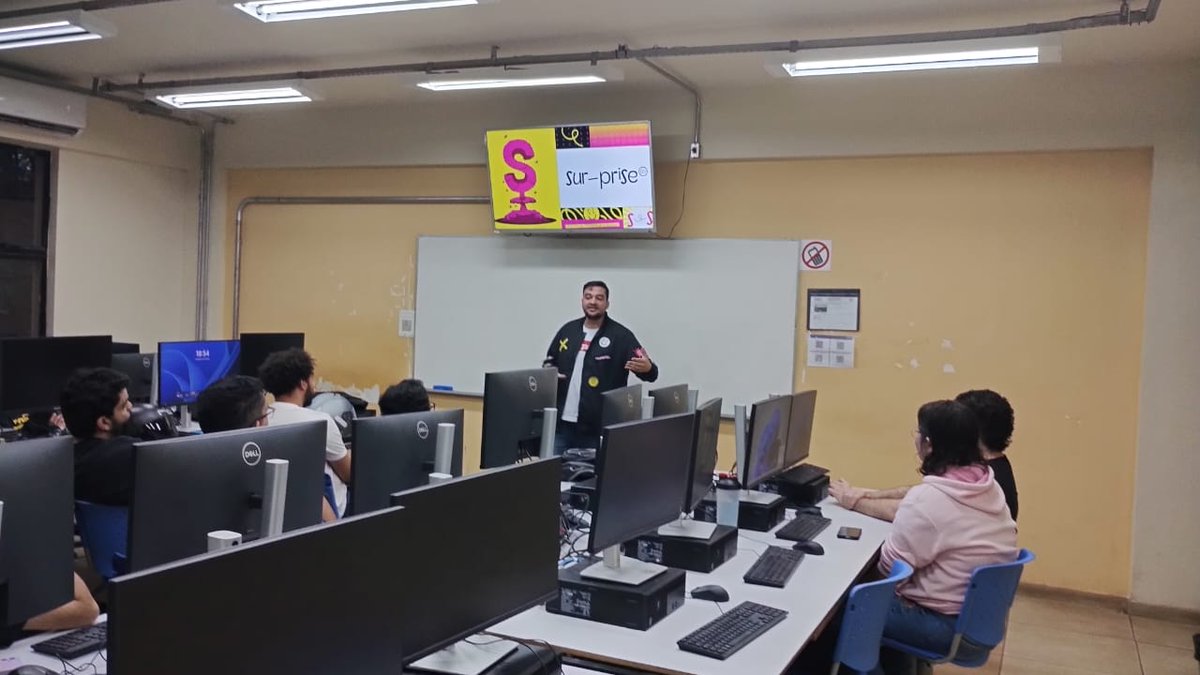
UGC and UEFN don’t grow through tools alone. They grow through people sharing real knowledge. We kicked things off with an in-person session led by @mikaboche, connecting people in training with the reality of UGC as work. Still building, learning, and sharing. #UGC #UEFN
Surprise 🔆 tweet mediaSurprise 🔆 tweet media
English
5
4
26
3.3K
Sah 리트윗함
Surprise 🔆
Surprise 🔆@surpriseugc·
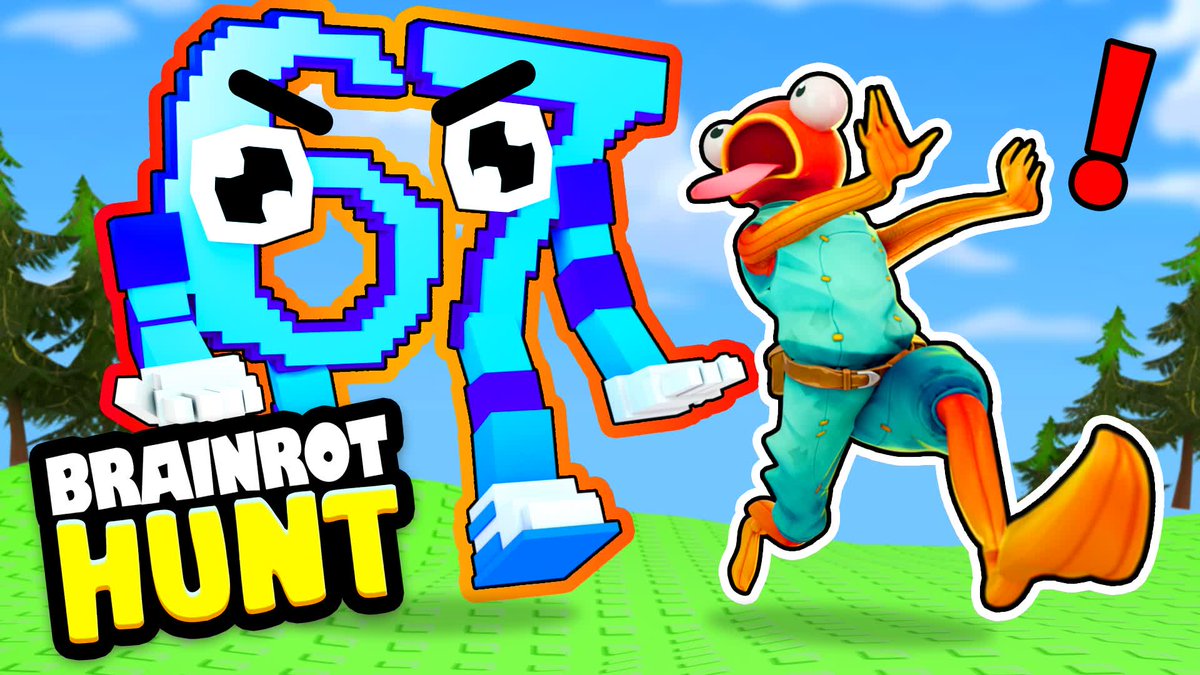
🧠 BRAINROT HUNT is LIVE! One Seeker. Four friends disguised as pure brainrot. 🎮 Code: 7312-4583-2637 Blend in • Build the Meme Bar • Use sound to your advantage across exclusive maps. If the bar drops… you’re exposed. Hide smart or get hunted. 👀🔥 #Fortnite #uefn
Surprise 🔆 tweet media
English
2
2
17
1.5K
Sah
Sah@SahMattos_dev·
@K1K000ZL Awesome 🔥🔥
English
0
0
1
110
Sah 리트윗함
Surprise KiKoZl
Surprise KiKoZl@K1K000ZL·
Audio devices are heavy, broken, and memory-intensive. So I built my own dynamic spatial audio system using SceneGraph. Spatial sound with dynamic volume + distance attenuation per player. Enemy audio: walk/run/attack Player audio: fully dynamic ambient system All lightweight. Fully scalable. #UEFN #fortnitecreative
English
9
5
50
2.9K
Brainrot Friends In Fortnite
Brainrot Friends In Fortnite@BrainrotsFriend·
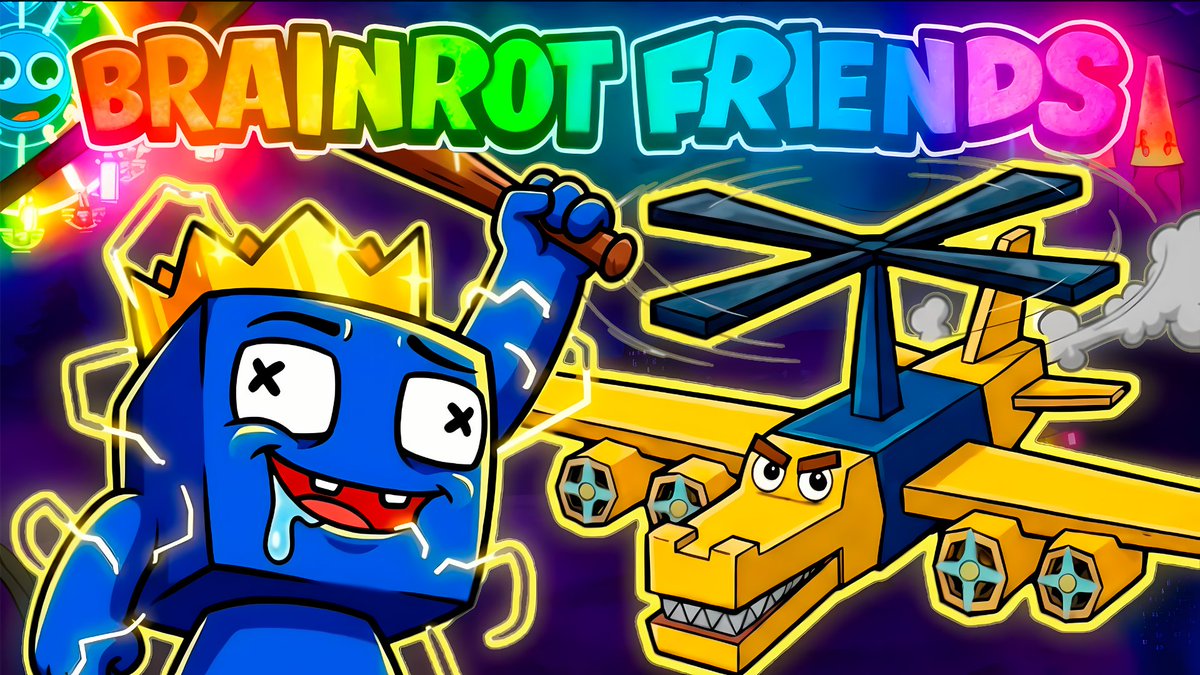
Brainrots Friends is OUT NOW. 🧠 🎮 Play now: 8442-5023-8116 • Run through the area while brainrots hunt you • Hide to stay alive • Get caught and you’re done • Collect itens and survive to move forward How long can you survive? #fortnitecreative #uefn
Brainrot Friends In Fortnite tweet media
English
7
5
12
337
Sah 리트윗함
Surprise KiKoZl
Surprise KiKoZl@K1K000ZL·
When migrating to Scene Graph, I hit a frustrating limitation: devices can’t be spawned dynamically. This breaks the runtime dungeon concept Solution? "I built my own devices" as entities and components. I replicated the essentials: teleporter, mutator zone, trigger, doors, and a universal interaction system. Any entity with this component becomes interactable, removing the need for a specific device for each case. This shifted the dungeon from basic navigation and combat to a system that supports real runtime challenges: traps, gating, puzzles. #UEFN #FortniteCrative
Surprise KiKoZl@K1K000ZL

The major breakthrough in the procedural system came when I eliminated Blueprints and turned each tile into an entity in the Scene Graph, with local hierarchy and components. The generation algorithm now operates solely on abstractions, knowing nothing about art or gameplay. Conversely, the database/providers resolve requests without context about stack, retries, or budget, exposing a lightweight proxy for fast fit and collision validation, and the full asset only for final assembly after commitment. This transformed runtime control. A tile became a root entity with metadata, compatibility rules, and usage state. I could then precisely query everything inside a room: door locations, door count, required enemy numbers and types, and exposed elements—all local and queryable. If a room needed 5 ranged enemies, 2 tanks, and 1 elite, that was known upfront. If it required an interactive dresser or 3–5 chests, those became components with their own data: drop chance, rarity, content type, etc. Providers became the true bridge. During placement attempts, the algorithm manipulates only lightweight entities, materializing the final tile solely after position validation and commitment. The generator’s output is a pure physical graph. #UEFN #FortniteCreative

English
3
5
100
6.6K
Sah 리트윗함
Surprise KiKoZl
Surprise KiKoZl@K1K000ZL·
After testing, the bottleneck was clear: this had to be generated at runtime with no pre-loading. The key question was how to prevent heavy work from exceeding frame time and keep it under 16ms. To solve it, I built a thread management system: capped concurrency, split work into explicit tasks, and processed them via a priority queue to stabilize the game thread. I used a bounded worker pool and added observability, tracking queue pressure, size, peak size, and average task time to identify pipeline stalls. Without concurrency control and metrics, procedural generation in Verse is a lottery. This step unlocked everything else. As shown in the video below, generation times became more dynamic yet far more consistent, allowing us to truly begin. #UEFN #FortniteCreative
Surprise KiKoZl@K1K000ZL

Been away for a while, but resuming regular posts mostly devlogs & systems. Kicking off w/ a dungeon gen system in Verse. Verse isn't perfect: clear limits & needs improvement for some systems. Key Q: "How to make it work well despite what's missing?" This vid is Test 0 MVP to prove the model. Simple idea: rand modular rooms "welded" w/ basic rules. Hit expected perf issue early Verse not opt for heavy loads, initial proto used prebuilt BP for flow validation. From there I started building a modular pipeline to make it viable: generation control, waypoint-based connections, validation, retry/backtracking logic, and then the runtime layer. First vid not impressive, but next posts will improve a lot. Next days: sharing pipeline evolution, real problems and tech decisions #UEFN #FortniteCreative

English
7
4
57
6.5K