Sean Perdue

773 posts

Sean Perdue banner
Sean Perdue

Sean Perdue

@SeanGPerdue

I take pictures of objects in space, exposing the gems in the night sky.

Kelowna, BC 가입일 Haziran 2013
71 팔로잉260 팔로워
Sean Perdue 리트윗함
Damian Peach🔭🪐
Damian Peach🔭🪐@peachastro·
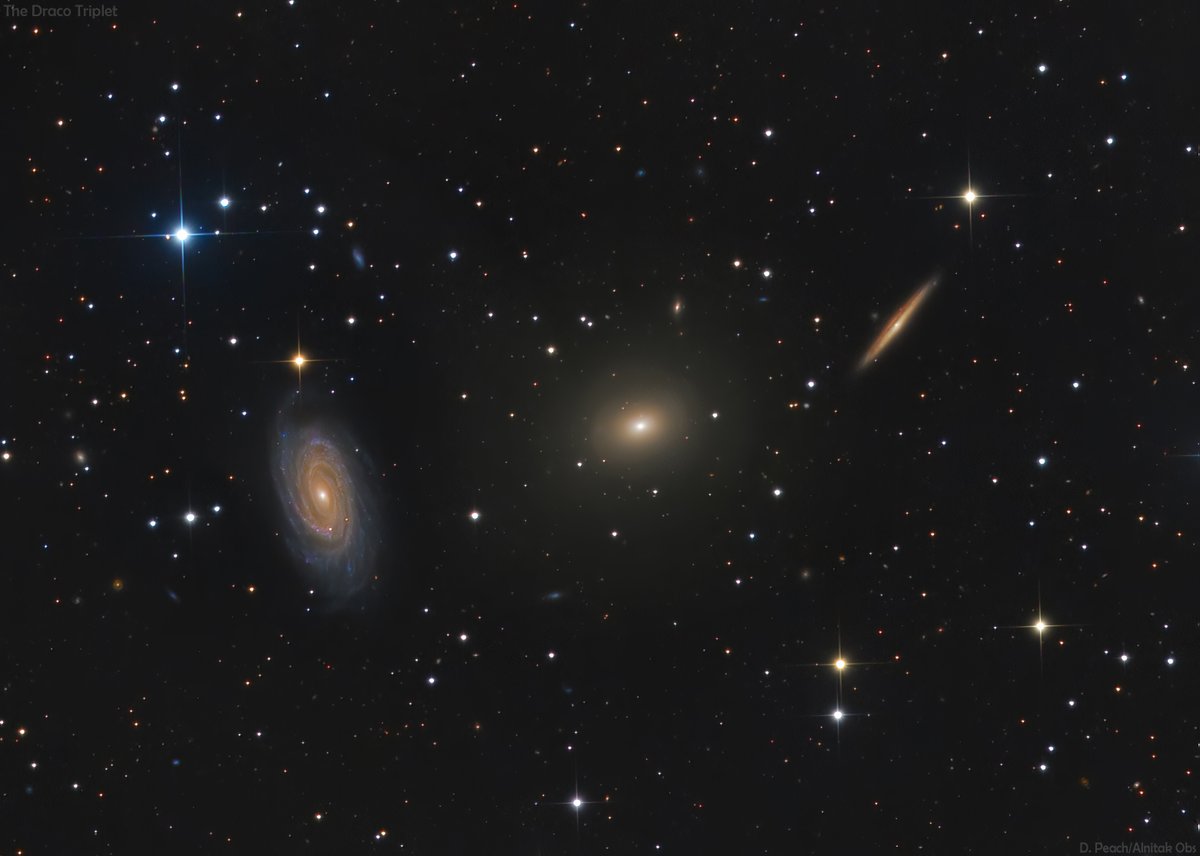
The Draco Triplet damianpeach.com/deepsky23/drac… This small group of galaxies in the constellation Draco is around 140 million l.y. away. It consists of two spiral galaxies (left and right) either side of an elliptical galaxy at centre. 17"CDK with Morovian camera. LRGB. 3hrs total
Damian Peach🔭🪐 tweet media
English
1
26
189
4.2K
Sean Perdue 리트윗함
Astronomy Picture of the Day
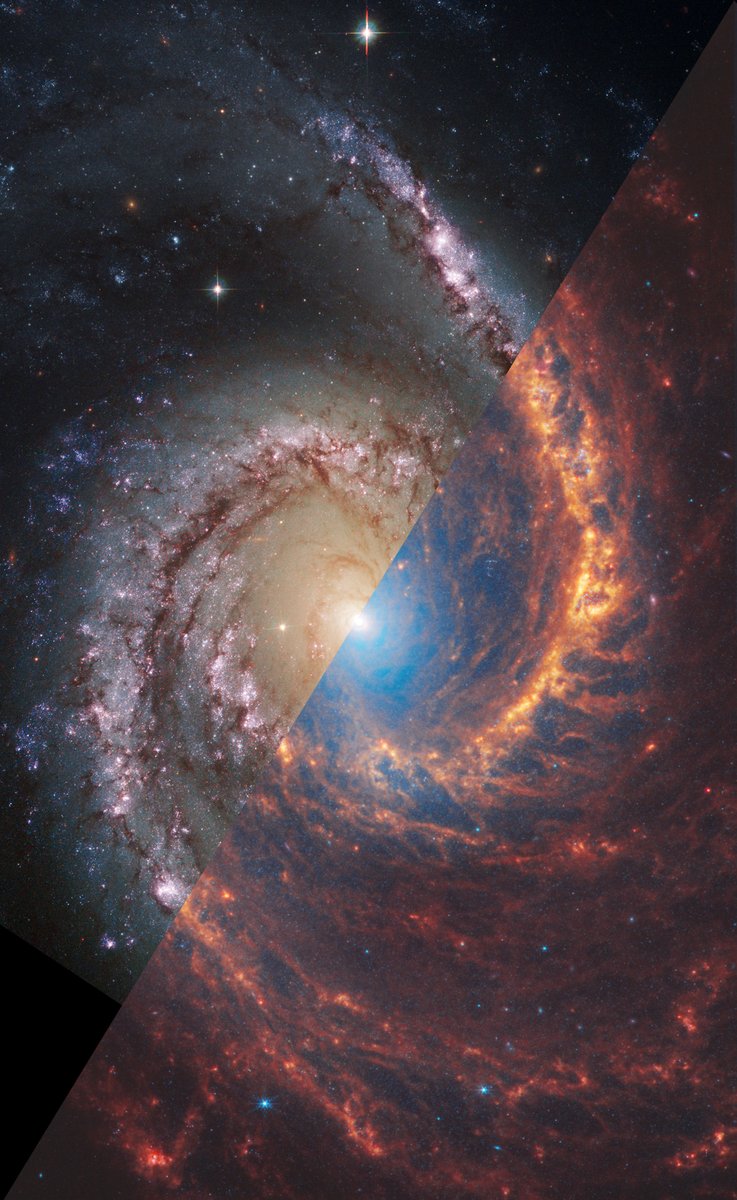
NGC 1566: A Spiral Galaxy from Webb and Hubble Image Credit & Copyright: NASA, ESA, CSA, STScI, J. Lee (STScI), T. Williams (Oxford), R. Chandar (UToledo), D. Calzetti (UMass), PHANGS Team Explanation: What's different about this galaxy? Very little, which makes the Spanish Dancer galaxy, NGC 1566, one of the most typical and photogenic spirals on the sky. There is something different about this galaxy image, though, because it is a diagonal combination of two images: one by the Hubble Space Telescope on the upper left, and the other by the James Webb Space Telescope on the lower right. The Hubble image was taken in ultraviolet light and highlights the locations of bright blue stars and dark dust along the galaxy's impressive spiral arms. In contrast, the Webb image was taken in infrared light and highlights where the same dust emits more light than it absorbed. In the rollover image, the other two sides of these images are revealed. Blinking between the two images shows which stars are particularly hot because they glow brighter in ultraviolet light, and the difference between seemingly empty space and infrared-glowing dust.
Astronomy Picture of the Day tweet media
English
17
178
734
203.2K
Sean Perdue 리트윗함
David Eicher
David Eicher@deicherstar·
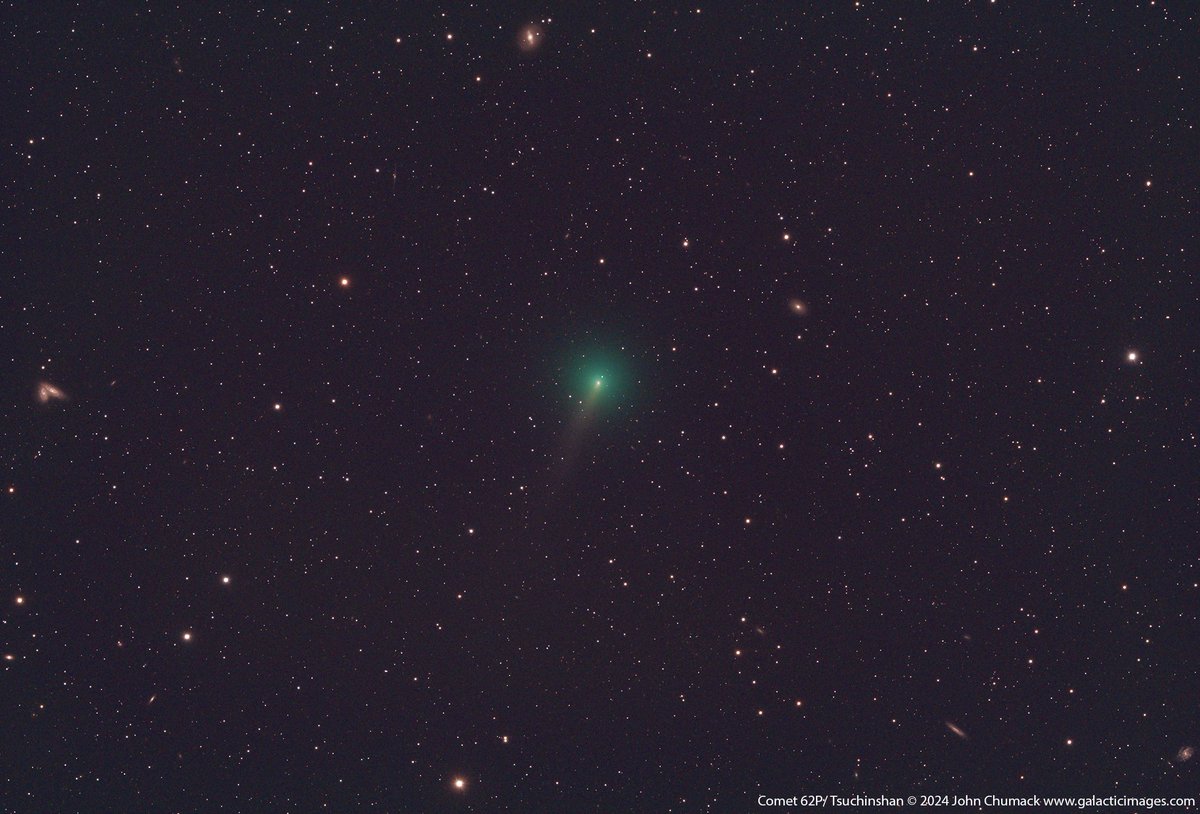
Comet 62P/Tsuchinshan is currently traversing a rich field of galaxies in Virgo, as captured on February 4 by John Chumack. See how many background interlopers you can identify — they include NGC 4567/8, NGC 4596, NGC 4578, and NGC 4519.
David Eicher tweet media
English
0
2
4
223
Sean Perdue
Sean Perdue@SeanGPerdue·
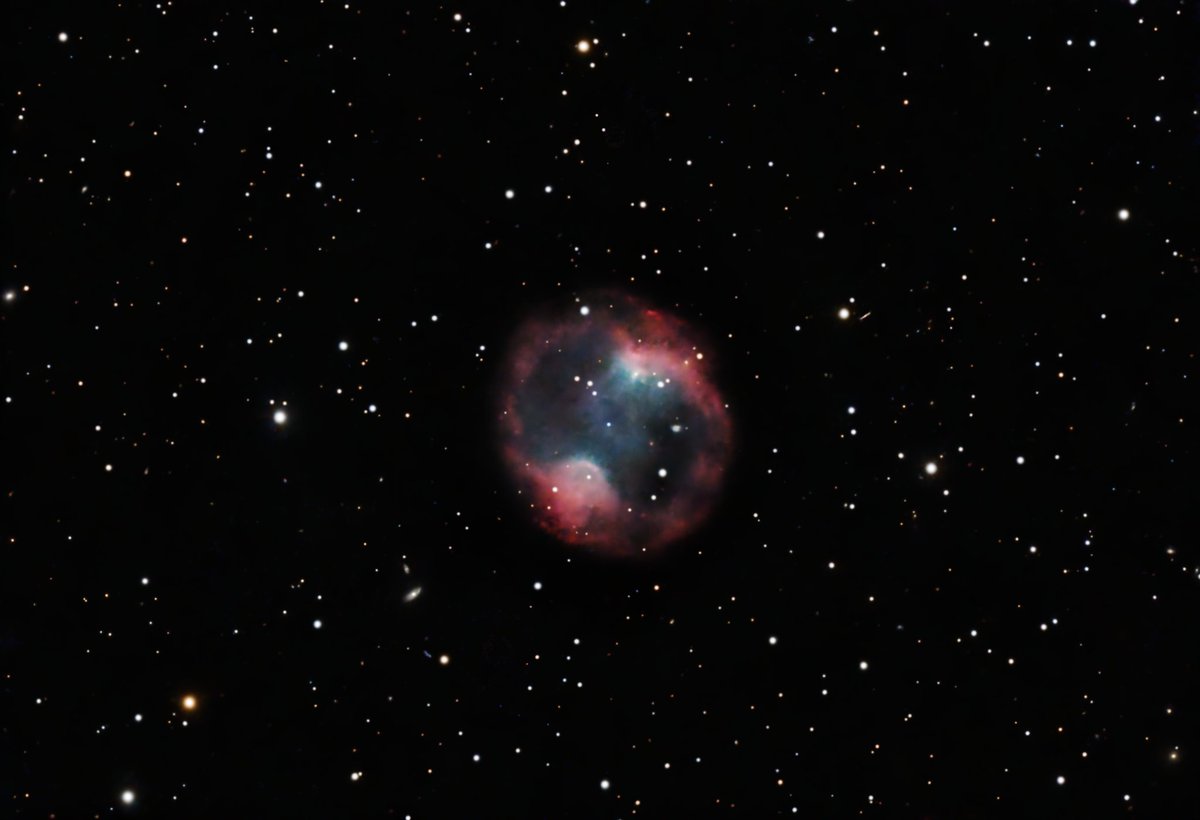
This is what a 'dying' star looks like. Some stars have violent ends with brilliant supernova explosions and some just lose their atmospheres into space, that is what's happening here. The Headphone Nebula! #photography #telescope #Astrophotography
Sean Perdue tweet media
English
0
0
0
39
Sean Perdue
Sean Perdue@SeanGPerdue·
Io, Jupiter's volcanic moon. Taken by Junocam late December when it passed within 1500kms of the moon's surface. Processed by me! #junocam #junospacecraft #moon
Sean Perdue tweet media
English
0
0
0
6
Sean Perdue 리트윗함
Astronomy Picture of the Day
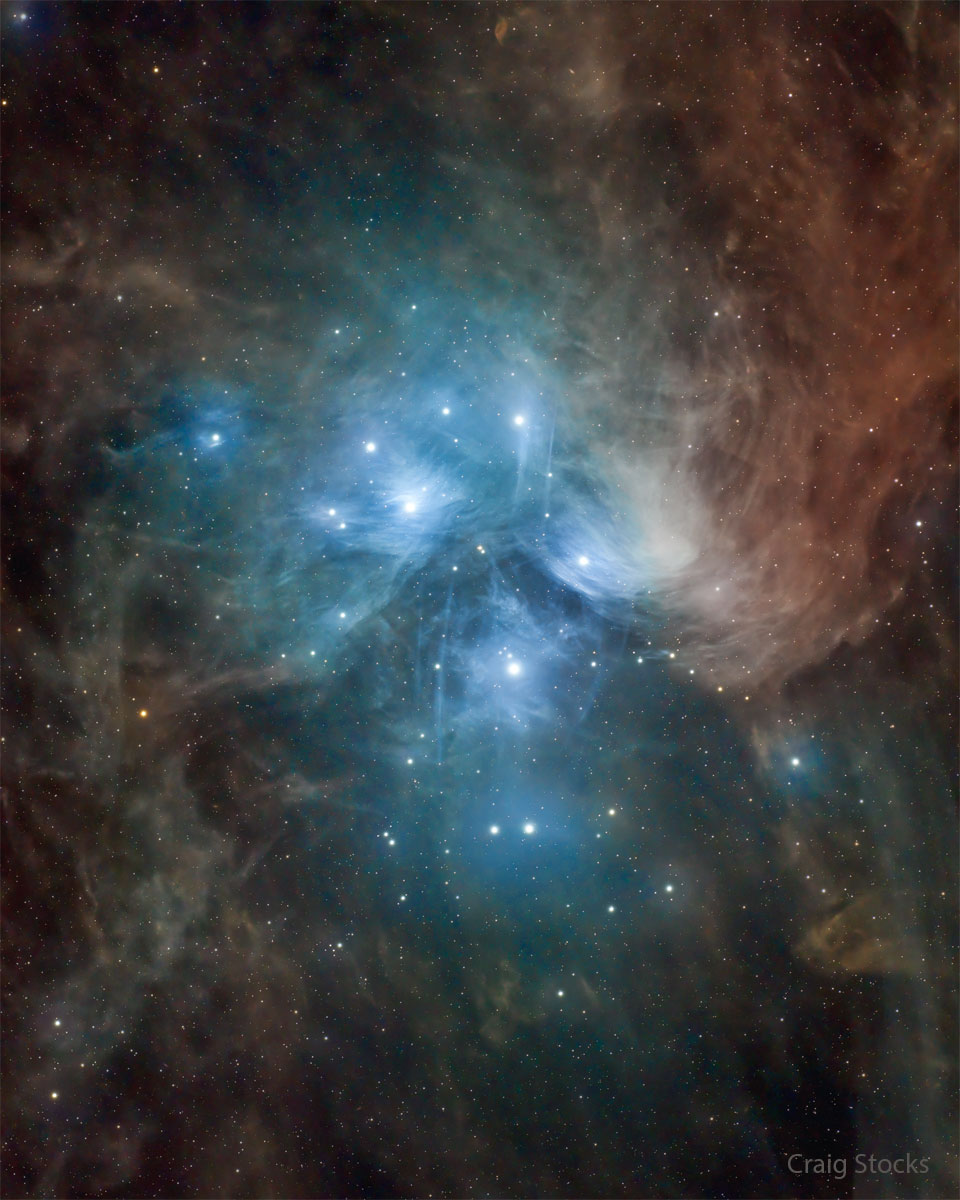
The Pleiades: Seven Dusty Sisters Image Credit & Copyright: Craig Stocks Explanation: The well-known Pleiades star cluster is slowly destroying part of a passing cloud of gas and dust. The Pleiades is the brightest open cluster of stars on Earth's sky and can be seen from almost any northerly location with the unaided eye. Over the past 100,000 years, a field of gas and dust is moving by chance right through the Pleiades star cluster and is causing a strong reaction between the stars and dust. The passing cloud might be part of the Radcliffe wave, a newly discovered structure of gas and dust connecting several regions of star formation in the nearby part of our Milky Way galaxy. Pressure from the stars' light significantly repels the dust in the surrounding blue reflection nebula, with smaller dust particles being repelled more strongly. A short-term result is that parts of the dust cloud have become filamentary and stratified. The featured deep image incorporates nearly 9 hours of exposure and was captured from Utah Desert Remote Observatory in Utah, USA, last year.
Astronomy Picture of the Day tweet media
English
8
185
842
34.8K
Sean Perdue
Sean Perdue@SeanGPerdue·
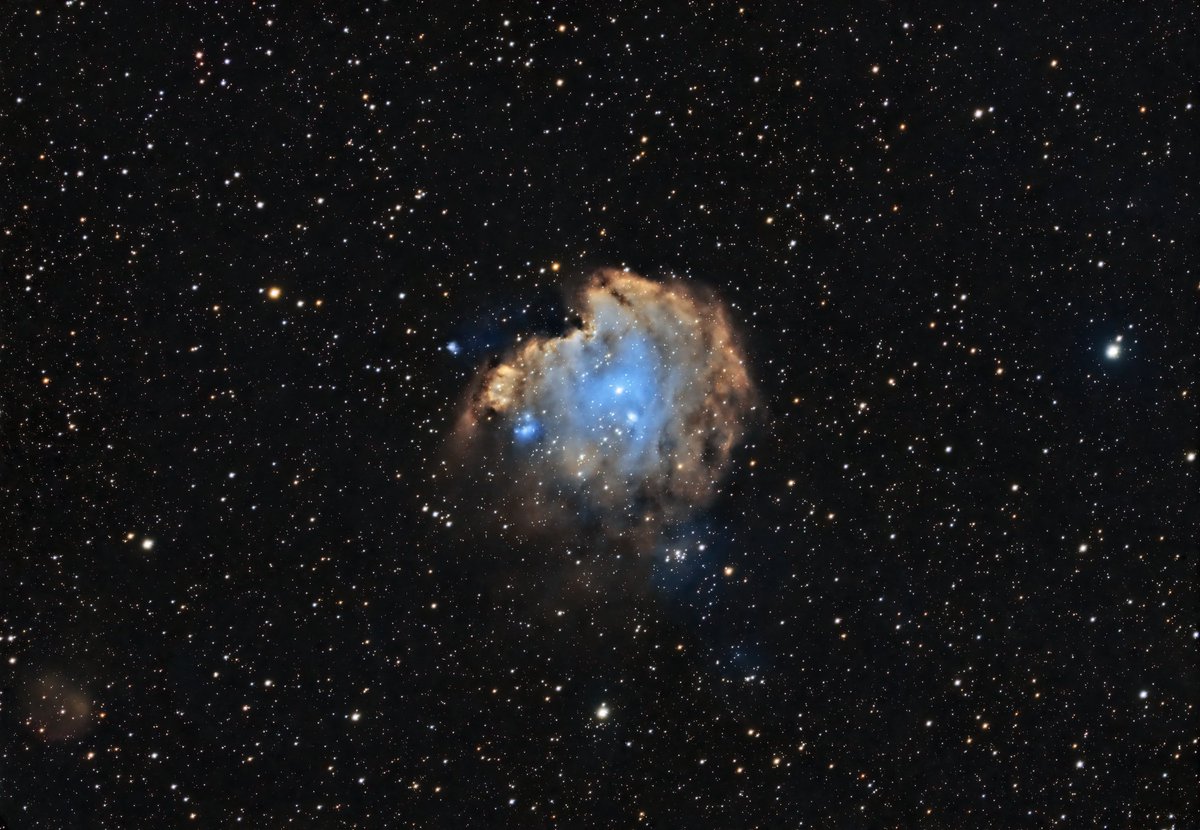
NGC 2174, the Monkey Head Nebula This is a small emission nebula located in the Orion constellation approximately 6400 light years away. Reminds me of the original Planet of the Apes 😛 #space #clouds #astronomy #astrophotography
Sean Perdue tweet media
English
0
1
0
14
Sean Perdue
Sean Perdue@SeanGPerdue·
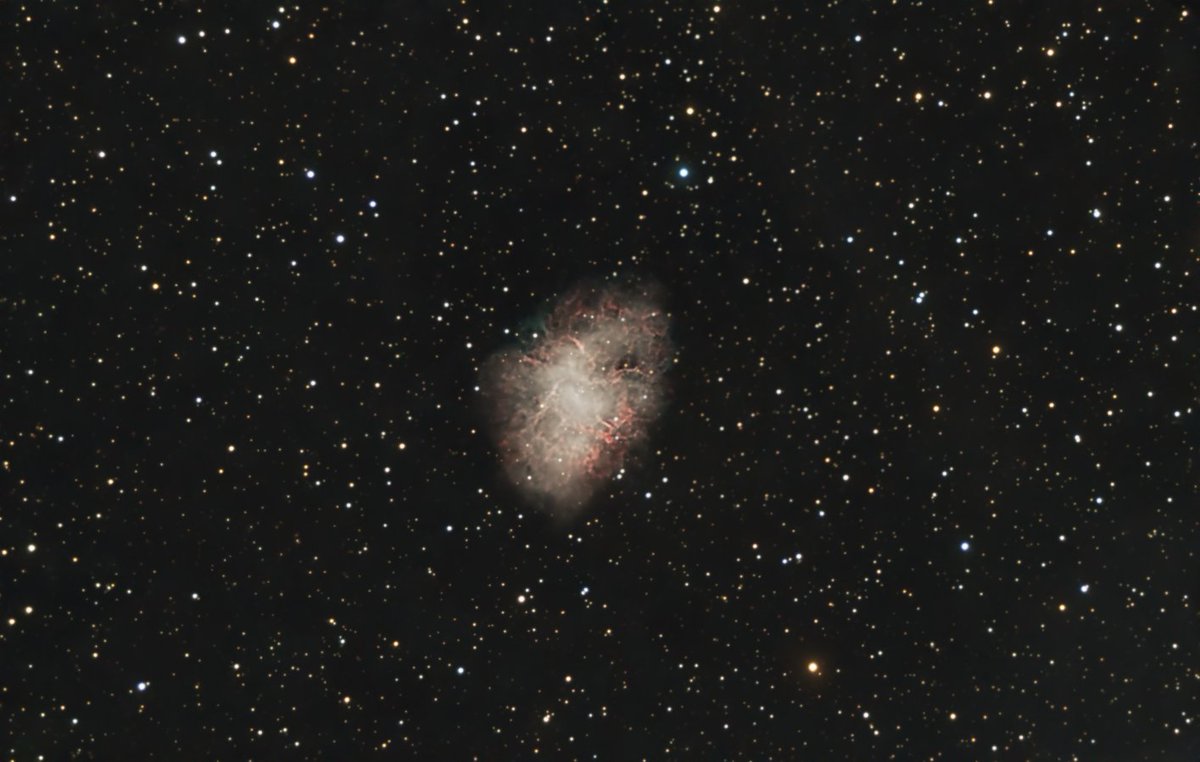
M1, the Crab Nebula. Remnants of a star that exploded over 1000 years ago, many cultures recorded a new star visible during the day that faded after a couple years #universe #Space
Sean Perdue tweet media
English
0
0
0
32
Sean Perdue
Sean Perdue@SeanGPerdue·
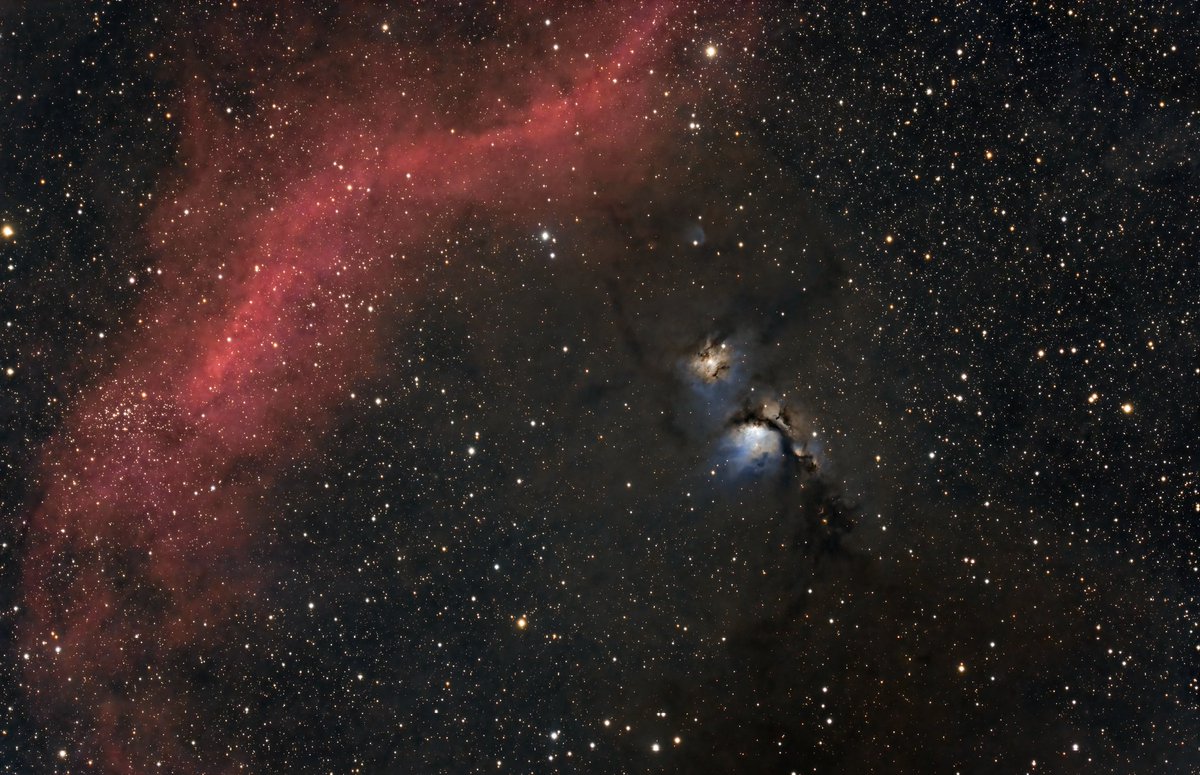
M78 and a portion of Barnard's Loop in Orion #astronomy. M78 can be tracked down in 8x40 binoculars close to Orion's belt
Sean Perdue tweet media
English
0
0
0
10
Sean Perdue
Sean Perdue@SeanGPerdue·
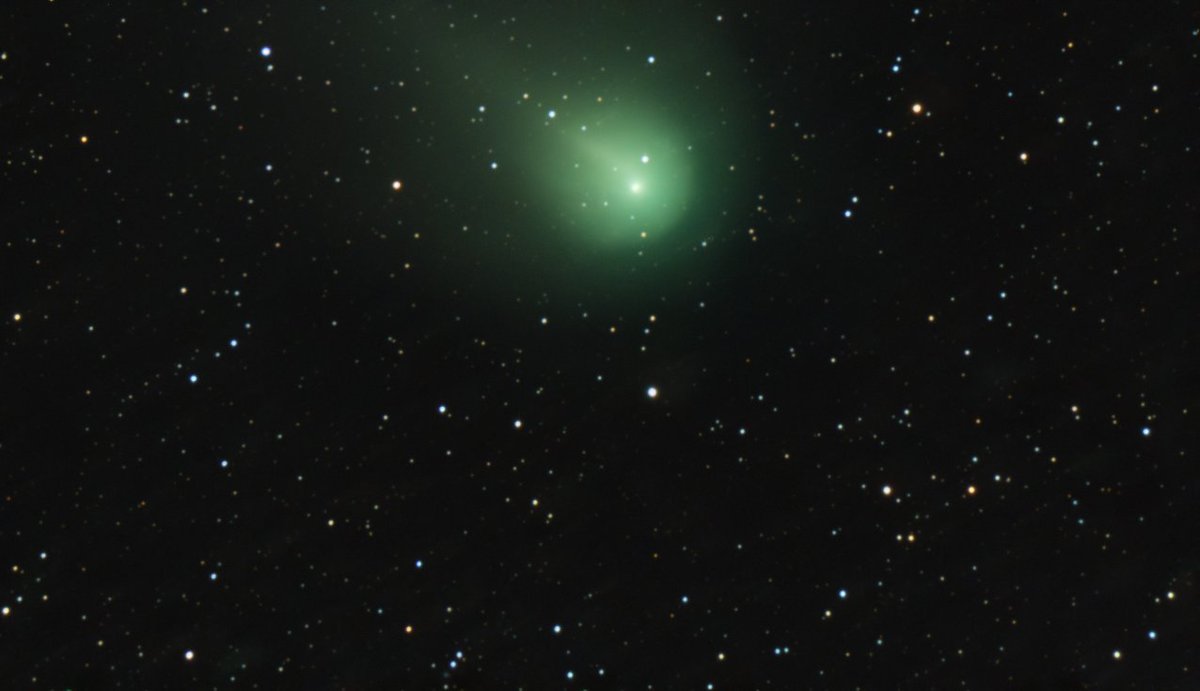
They are calling it the Devil Comet, 12P Pons-Brooks had an outburst last month when it was passing through Lyra and appeared to have horns. Interested to see how this changes as it gets close to the sun. This was taken with a C9.25 XLT and an ASI2600MC Duo #astronomy
Sean Perdue tweet media
English
0
0
1
16
Sean Perdue 리트윗함
David Eicher
David Eicher@deicherstar·
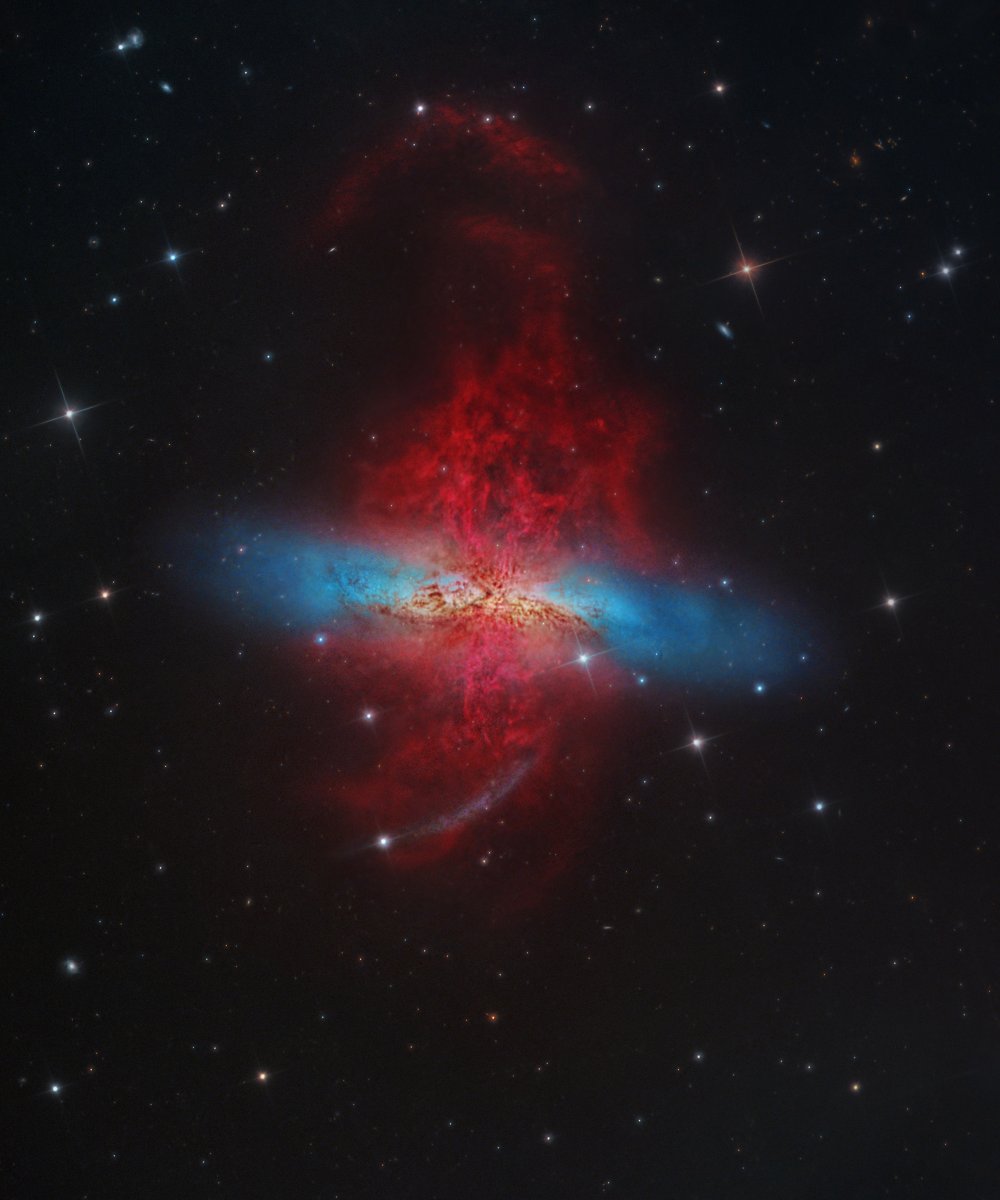
Here’s a new version of the eruptive galaxy M82 in Ursa Major by Tony Hallas. Just incredible. This is as fine an image of an active galaxy shot by an astronomy enthusiast as I’ve ever seen!
David Eicher tweet media
English
4
38
188
3.5K
Sean Perdue
Sean Perdue@SeanGPerdue·
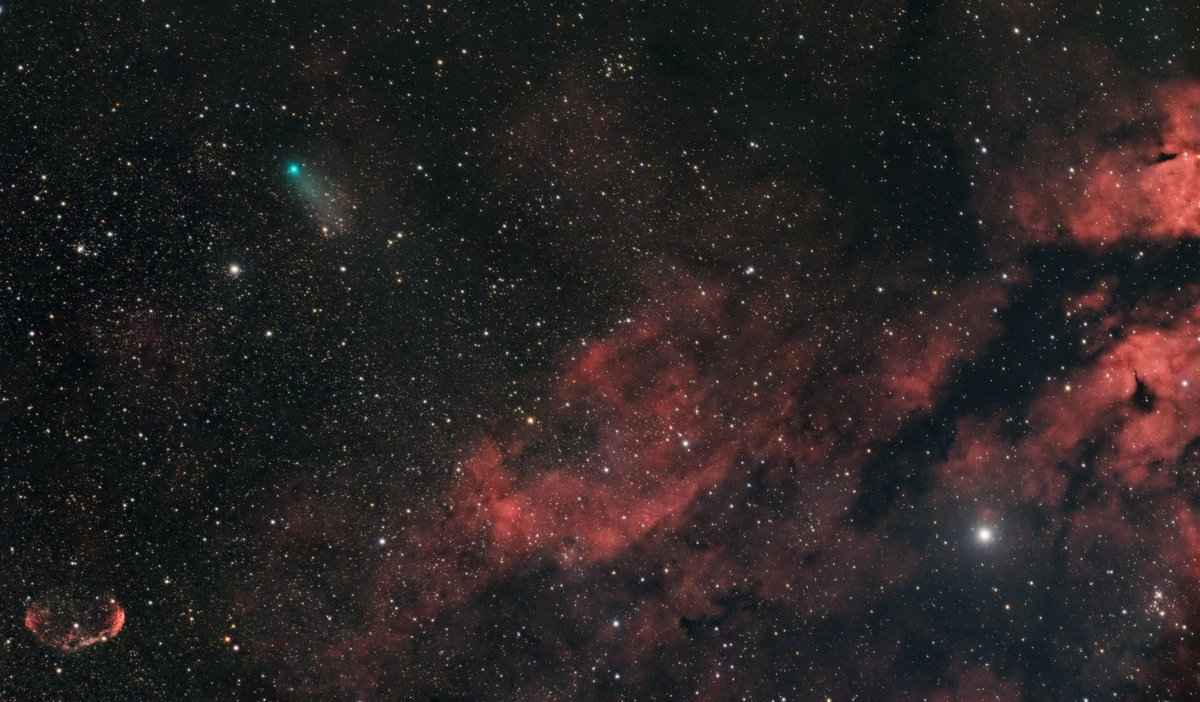
Comet 12P Pons-Brooks passing by the star Sadr in the Cygnus constellation. January 14, 2024
Sean Perdue tweet media
English
0
0
1
31
Sean Perdue
Sean Perdue@SeanGPerdue·
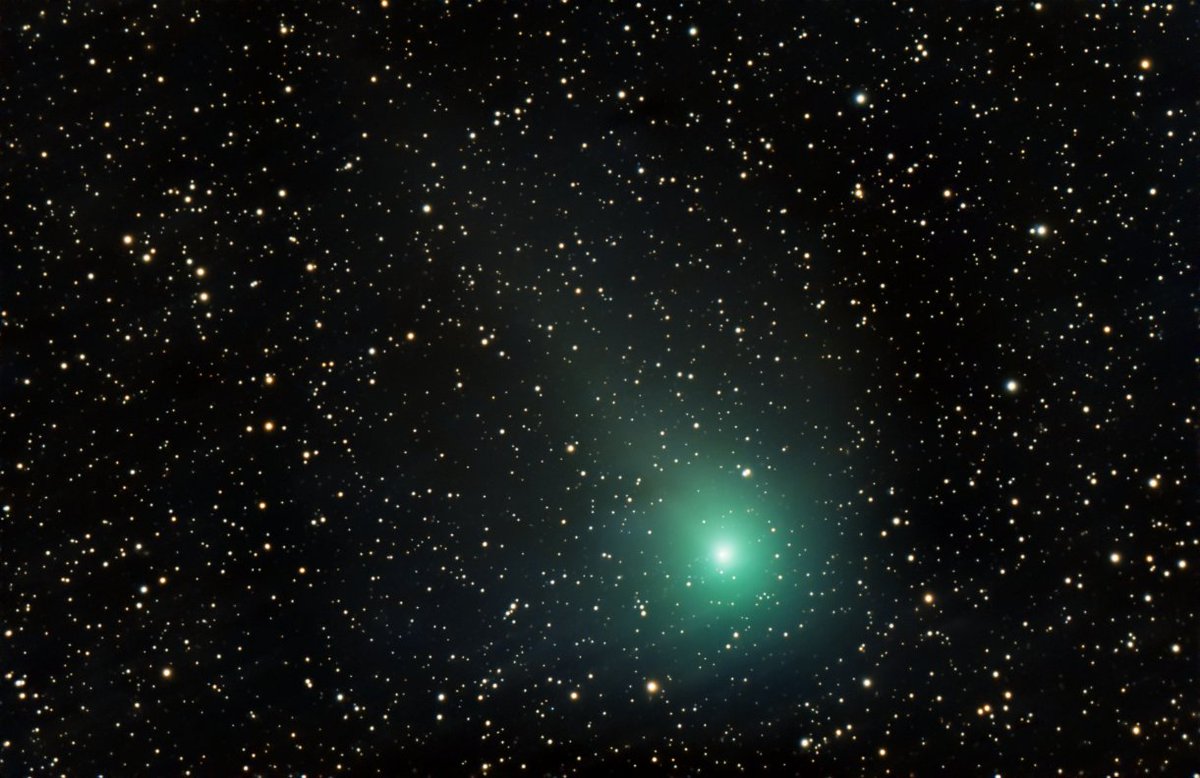
12P Pons-Brooks in the Lyra constellation December 23rd
Sean Perdue tweet media
English
0
0
1
59