
Thanks A Movie
4.1K posts

@ThanksAMovie
We propagate tasteful films, their readings, reviews, lists, & posts that make you a proud film watcher! Mail at: [email protected]


THE WONDERFUL STORY OF HENRY SUGAR, dir: Wes Anderson! Imagine ‘Seeing without eyes’ and it feels like the pitch for a new Marvel Superhero story, but here it’s way deeper than just some flashy stunt. Imdad Khan out here not doing any circus tricks rather he’s literally showing what happens when you train your mind through yoga and insane focus. It’s that inner vision, that next-level clarity, where you stop depending on the outside world and start seeing truth from the inside out. Basically enlightenment unlocked. Now here’s where it gets kinda funny (and also messy): the whole story comes filtered through this British doctor, who treats Khan’s ability like he just discovered a shiny Pokémon or something. He writes about it like a scientific curiosity ‘look at this strange Indian mystic who can see without eyes!’ Also, there is a weird clash of vibes on one hand, a beautiful lesson about focus, spirituality, and inner growth. On the other, the colonial gaze turning it into a sideshow act. And maybe that’s the real irony: what the West saw as ‘mystical trickery’ was, for the East, just another pathway to wisdom.”

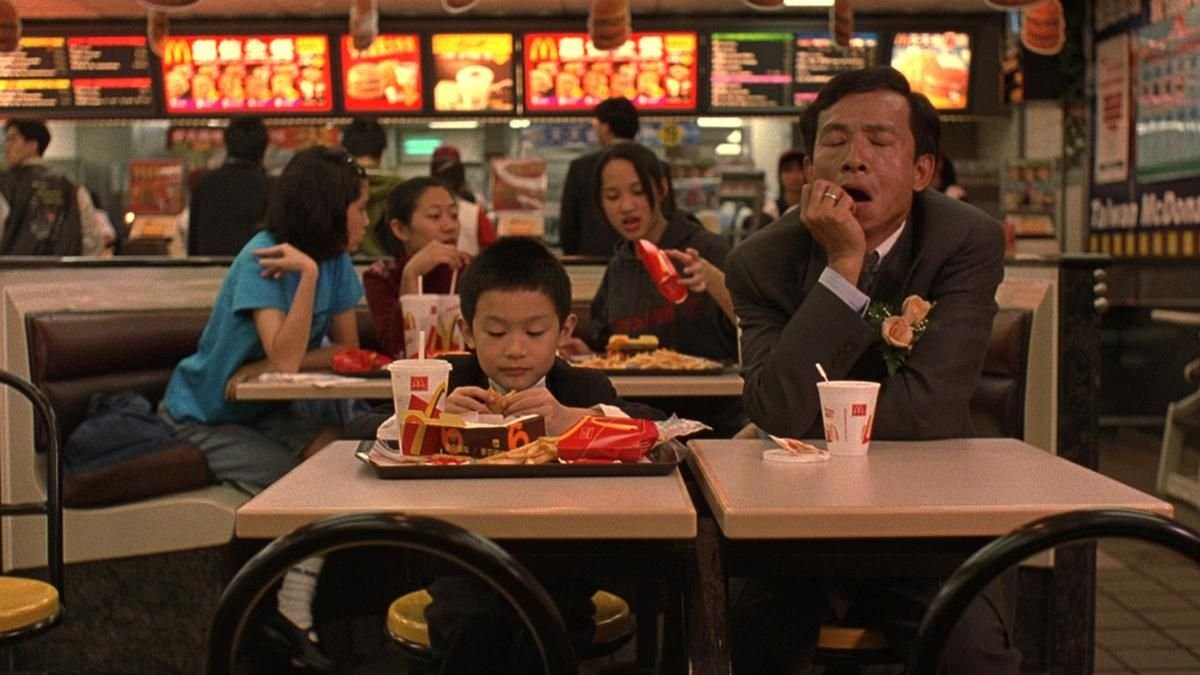
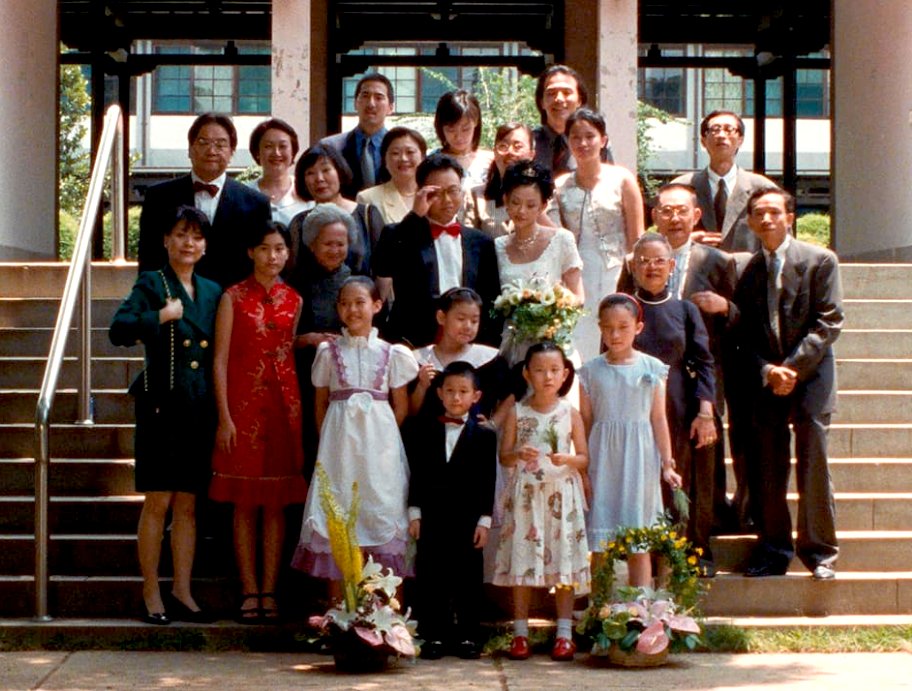
“YI YI” (2000) BY EDWARD YANG IS THE "COMPLETE" CINEMA! Almost all films extend beyond their lead, exploring supporting characters and their arcs. However, Yi Yi, makes a fundamental benchmark: supporting characters are not secondary but essential, forming a complex, interconnected tapestry of modern life where no emotional thread is ignored. Edward Yang removes the idea of a singular protagonist altogether; instead of following one arc, we witness an entire collective, where every character holds weight, pushing character exploration far beyond conventional storytelling. With so many characters, the film constantly shifts our perspective. And this feeling doesn’t come just from the writing or the dialogues by Edward Yang, it comes from how the film lets us observe. Mainly by how the film is shot, framing moments through doorways, windows, and reflections. That’s what makes Yi Yi so rare, it makes you wonder how writing can even reach this level, how a film can hold so much without ever feeling overwhelming. See the replies for readings: 🧵


Favorite first watches of April Samurai Rebellion (1967) Hobson's Choice (1954) Senso (1954) Léon Morin, Priest (1961)


THE WONDERFUL STORY OF HENRY SUGAR, dir: Wes Anderson! Imagine ‘Seeing without eyes’ and it feels like the pitch for a new Marvel Superhero story, but here it’s way deeper than just some flashy stunt. Imdad Khan out here not doing any circus tricks rather he’s literally showing what happens when you train your mind through yoga and insane focus. It’s that inner vision, that next-level clarity, where you stop depending on the outside world and start seeing truth from the inside out. Basically enlightenment unlocked. Now here’s where it gets kinda funny (and also messy): the whole story comes filtered through this British doctor, who treats Khan’s ability like he just discovered a shiny Pokémon or something. He writes about it like a scientific curiosity ‘look at this strange Indian mystic who can see without eyes!’ Also, there is a weird clash of vibes on one hand, a beautiful lesson about focus, spirituality, and inner growth. On the other, the colonial gaze turning it into a sideshow act. And maybe that’s the real irony: what the West saw as ‘mystical trickery’ was, for the East, just another pathway to wisdom.”

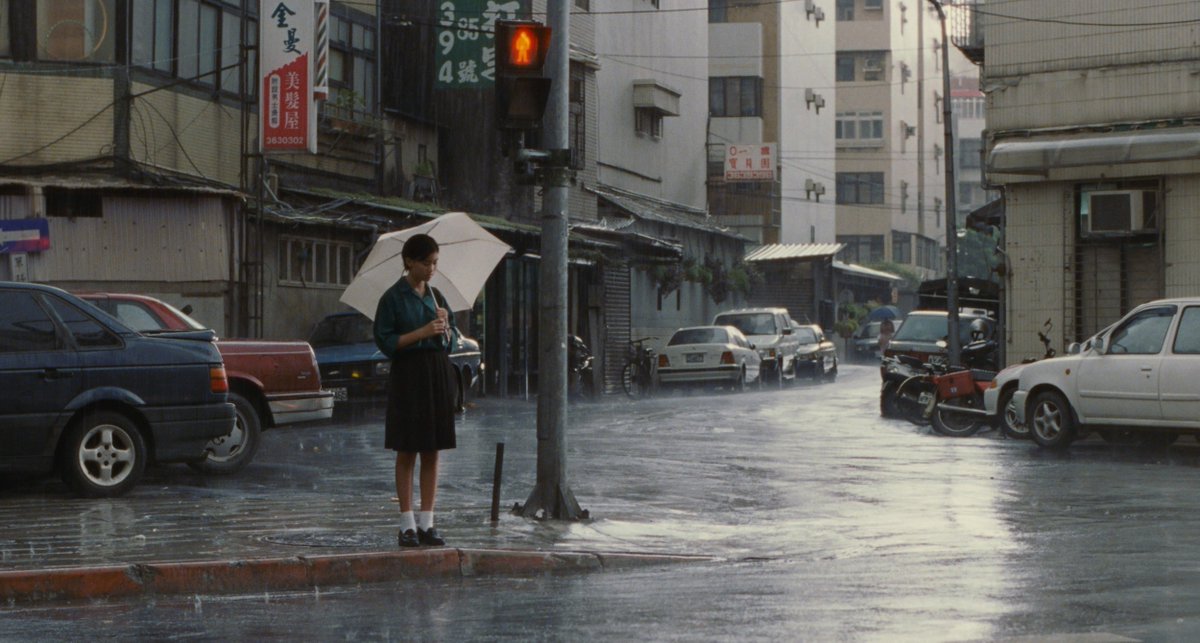
LOVE IN CHUNGKING EXPRESS - WHERE EXPIRY DATES ARE PERSONAL, AND RUNWAYS ARE CLEARED FOR NEXT FLIGHTS !! At this point, after watching three films by Wong Kar-wai, I began to understand that his language of love is far more diverse than conventional. It’s not just affection. It’s waiting disguised as false hope for an impossible dream. It’s a memory oscillating between being ditched and being taken to the grave. It’s far more complex than the idea that love lasts forever. In Chungking Express, love takes two shapes. One is about putting an end to longing, and the other is about making way for something new. But it isn’t sad, it’s funny, weird, and refreshing. The common point in both stories is not how they end, but how long it takes to end, and what it takes to finally let go.

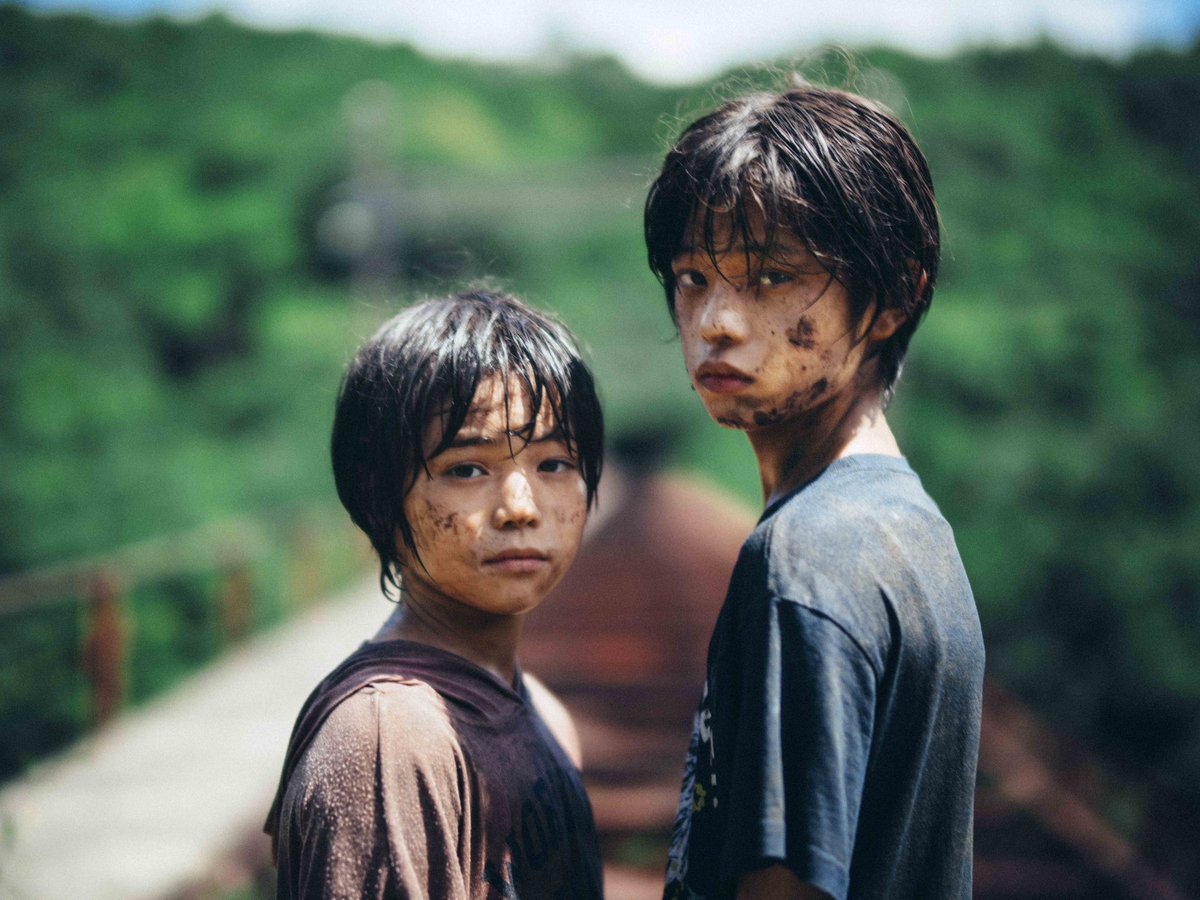
MONSTER, dir: Hirokazu Kore-eda! I'm kinda spoiling the film for you, or maybe not, if you’re opinionated and look at things on a black and white scale, this film tells you, you're colorblind, and sometimes things are grey, you know! So, the film gives us easy answers to it and holds up a lens to the world we’ve built, where misunderstanding grows faster than the compassion, and where the line between victim and villain is never as clear as we want it to be. Details on the film 'Monster', and what it’s really trying to say.. 🧵

DID YOU KNOW “ONE CUT OF THE DEAD” EARNED 1000 TIMES FROM ITS BUDGET AND BECAME THE HIGHEST GROSSING FILM IN 2018. At 1st watch, the film looks like just another low budget zombie flick clumsy acting, awkward silences, shaky camerawork a 37-minute single take that’s more chaotic than impressive. But on the 2nd watch, one can notice that the film itself as one of the most skilled fully layered, and surprisingly heartfelt. Unwrapping the details of those awkward scenes, to the real life story of the struggling director, and the sweet family moment hidden under all the zombie chaos. (1/5)

PRINCESS MONONOKE (1997) HAYAO MIYAZAKI!! Ashitaka, a young warrior gets caught in a conflict between humans and the gods of a forest. As humans destroy nature for resources, Ashitaka meets San, a girl raised by wolves, and tries to find a way for both sides to survive. THREAD:


THE RAT CATCHER, dir: Wes Anderson! Wes Anderson’s ‘The Rat Catcher’, same like other films it is adapted from Roald Dahl, may look like a small tale about a man and his methods of dealing with rats. But much like Kafka’s The ‘Metamorphosis’ or ‘Orwell’s Animal Farm’, the story uses animals to tell us something deeper about people. Kafka turned an insect into a mirror of alienation. Orwell turned a barnyard into a map of power and corruption. Anderson, through Dahl, takes the humble rat and makes it a way of speaking about human cruelty, pride, and obsession. The rats are not just pests they are symbols of the fears and stubborn forces humans try to control. And the rat catcher, with his strange pride and quiet menace, becomes a portrait of how people often mistake cruelty for cleverness. In this way, the film stands alongside those works by Kafka and Orwell: stories that begin with animals, but end by revealing the oddities and flaws of human beings themselves.

THE LONG WALK, dir: Francis Lawrence! What do you get when 50 boys line up on a country road, told to walk without stopping, with the promise that only one of them will live to claim a prize of ‘anything you want’? You get ‘The Long Walk’ a story that feels part game, part nightmare, and part mirror held up to human nature. At first, the boys laugh, tease, and try to act brave. The road feels easy, the rules feel simple. But mile after mile, the cracks begin to show. Feet blister, legs shake, and minds start to break. Jokes turn into silence, and silence turns into fear. Fear of slowing down, fear of the soldiers’ rifles, fear of what happens when your body says no but the road still stretches forever. And yet, fear does more than break them. It pushes them forward. Fear keeps them sharp, keeps them moving, keeps them alive. Under this pressure, the film shows us every side of being human the selfish urge to survive, the quiet act of kindness, the stubborn fight to keep dignity, and the wild hope that maybe you will be the one who makes it. ‘The Long Walk’ is about endurance of the character’s heart, showing how people cling to dreams, grudges, and scraps of friendship even when death marches beside them, a reminder that the hardest journey is not just on the road but inside the soul. 🧵: