
고정된 트윗
Kaban 🍿
11.8K posts


Kaban 🍿
@TrueMinds44
A patriot who's not into nationalism, right-wing voter, libertarian-leaning, socially moderate, I despise media populists | Supporting 🇺🇸🇪🇺🇺🇦🇮🇱🇨🇱🇹🇼
Poland, EU 가입일 Nisan 2025
2K 팔로잉547 팔로워


Kaban 🍿 리트윗함

@ADyplomata Niemiecka mapa z 1969 roku, ziemie wschodnie są podpisane jako „Pod tymczasową administracją polsko-sowiecką”.

Polski
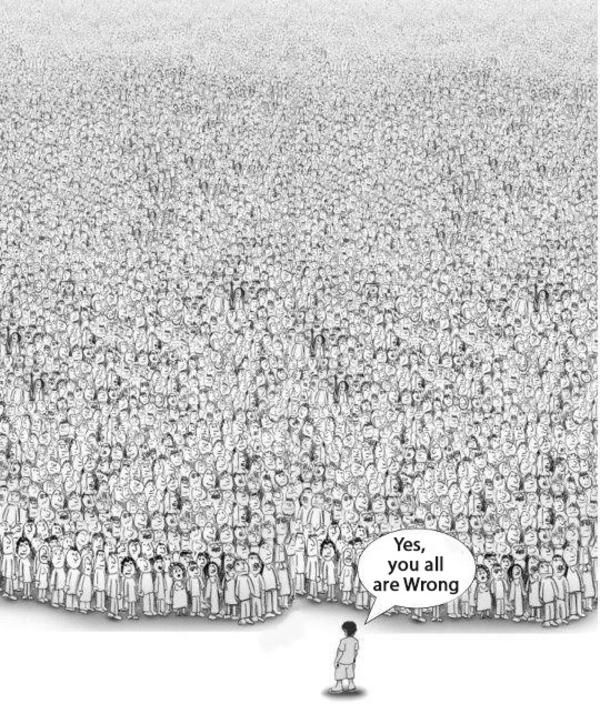
@SebRoss4 @oracz1985 "Let's bring back a white Great Britain!!!"
Yep, cuz Great Britain has always been a kinda regional, niche European state, and the six continents don't even really know Great Britain 🇬🇧
GIF
English

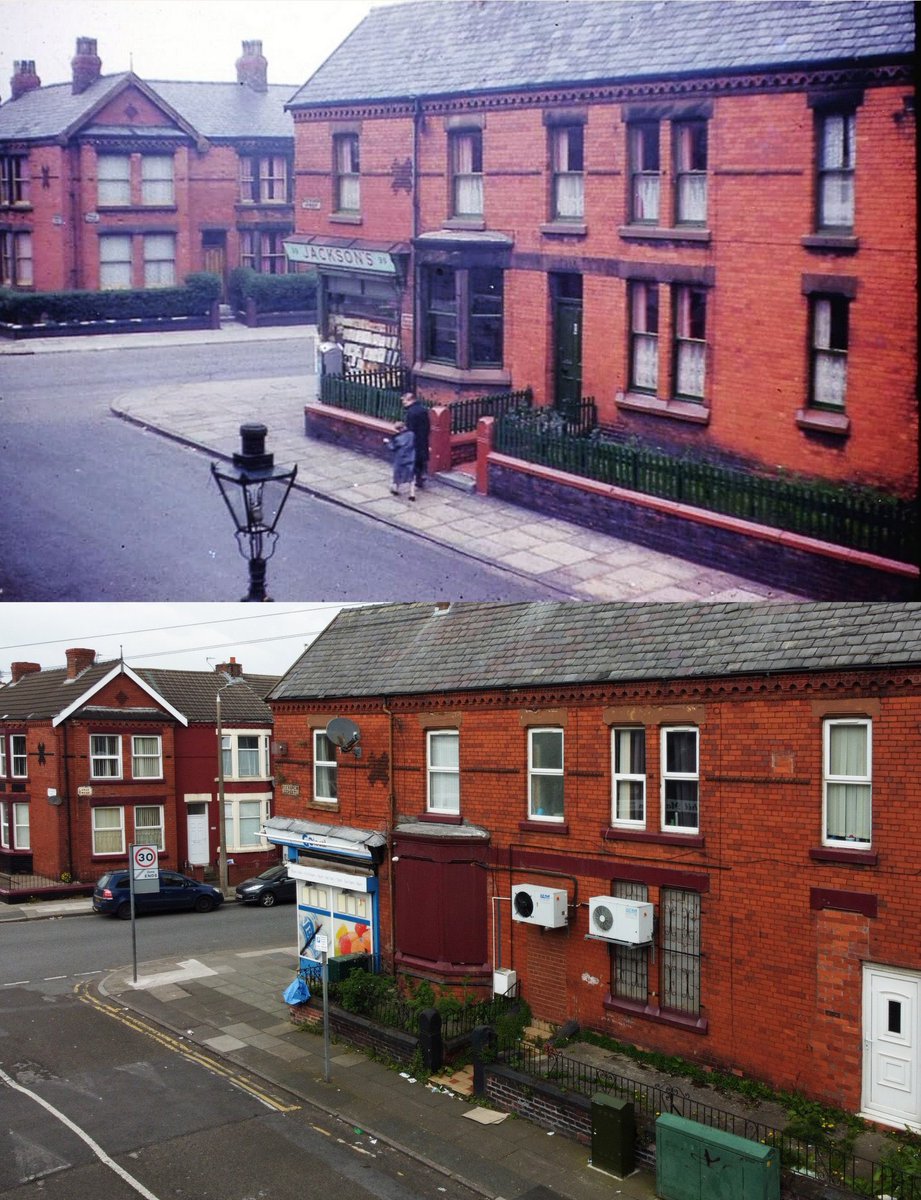
Liverpool 50 lat później.
Scenka jak z Powrót do Przyszłości.
Coś poszło nie tak….
Polski
@TrueMinds44 @oracz1985 Tak, kraty w oknach to przez jakość zdjęcia. Lewactwo to choroba.
Polski
@oracz1985 @SebRoss4 Autor tego wpisu doskonale to rozumie i wie, ale gawiedź ma spojrzeć na obrazek i powiedzieć Panu Szanownemu Narcyzowi: Panie Sebastianie, jest Pan cudowny! 😍 Dokładnie tak jest, jak Pan pokazuje – my, Pana odbiorcy, i Pan tworzymy jedność na tym statku wzajemnej adoracji! 🥰
GIF
Polski

@Karma40114312 @Ohmeous Prawda, ale:
1 Nie jest to konflikt tak agresywny jak między Serbami a Albańczykami.
2 Nasze konflikty są tak głośne, bo nasze narody są liczne.
3 Przynajmniej jesteśmy szczerzy, a nie jak Brytyjczycy i Irlandczycy – myślą jedno, a mówią co innego; to nie jest cywilizowany nawyk.
Polski

@Ohmeous Somehow both sides piss me off
English

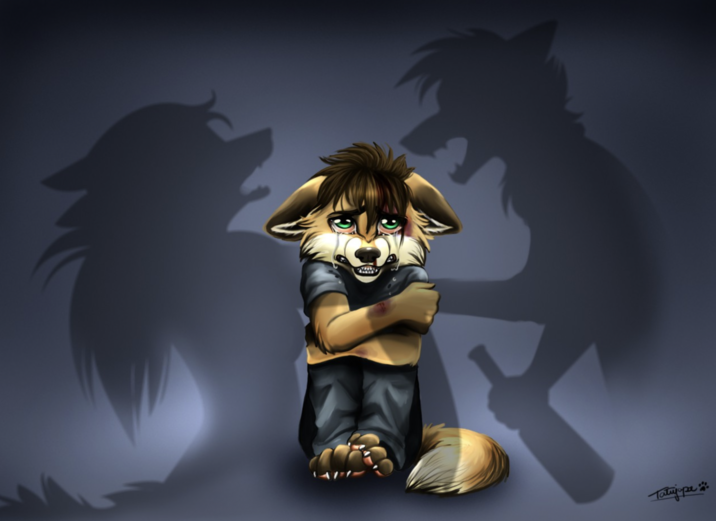
@Kapitalista2 @thepolandnews_ Dobra, wypierdalaj kurwo jebana. Dla ciebie zadźgany Białorusin byłby błahostką i brakiem problemu, a co dopiero pupil domowy. Udaj się do księdza, psychologa, żony, szefa czy kogo tam lubisz poprany skurwielu, by rozwiązać swoje potężne problemy psychiczne lub zrób, co trzeba:
GIF
Polski

@TrueMinds44 @thepolandnews_ To jest bambinizm. Zwierzęta powinno się traktować jak własność. Dla niektórych samochód jest jak członek rodziny 🙃 i też są z nim silnie związani. "Ten sam model auta" kupisz tak samo, jak tą samą rasę kota.
Ps. Nie, wiatrówka to nie broń palna.
Polski

67-letni mężczyzna stanie przed sądem za zastrzelenie kota z wiatrówki. Zwierzę należące do mieszkanki okolic Gostynia padło po trafieniu śrutem, co potwierdziło badanie RTG. Sprawca przyznał się do oddania strzału, tłumacząc, że chciał jedynie nastraszyć kota. Grozi mu do 3 lat więzienia.

Polski
@Aleksander67140 @totahelpa Kompletnie nie rozumiesz ostatnich 600 lat historii Czech i ich ducha narodowego, jak masz odzywać mordę, gdy ci brak wiedzy, to może w ogóle się nie odzywaj; tego kultura wymaga
No, bo przepraszam bardzo, ale dosłownie, jak można nie znać podstaw czeskiej historii: Husytyzm
Polski

@totahelpa Żeby się temu przeciwstawić Czesi muszą przestać być bezbożnikami.
Polski

Ano, jakože co přesně byla odměna za "vítězství demokracie" ve WW2? Bílá genocida, kolonizace třetím světem, degenerace, buzny, transky, potraty a rozvrat. Musí to už konečně pryč, to je zánik. Nemůžem takhle pokračovat, minimálně jako ČR, Slovensko atd. nesmíme jít tam co západ.
S.clips@whitesocksclips
What is your reward for winning WWII? 100 Million brown people in your neighborhood!
Čeština

Germans with names like Roerich (related to Rurik, our founding Saint) are named in the history of the restoration of the arts of Rus, and third worlders would deny the Teutono-Saxon input in our Great, Mighty and Holy Slavic Race.
Невоструев Владимир@nevostruev_vb
30 марта 1915г.Утверждён устав Общества возрождения художественной Руси,объединившего художников,искусствоведов,коллекционеров и меценатов.Его членами стали И.Билибин,Н.Рерих,В.Васнецов,М.Нестеров,Н.Евреинов,А.Щусев,А.Ремизов.
English
@PatrykPatrzy @thepolandnews_ Bug Twittera, każdy to ma, w niektórych komentarzach
Polski

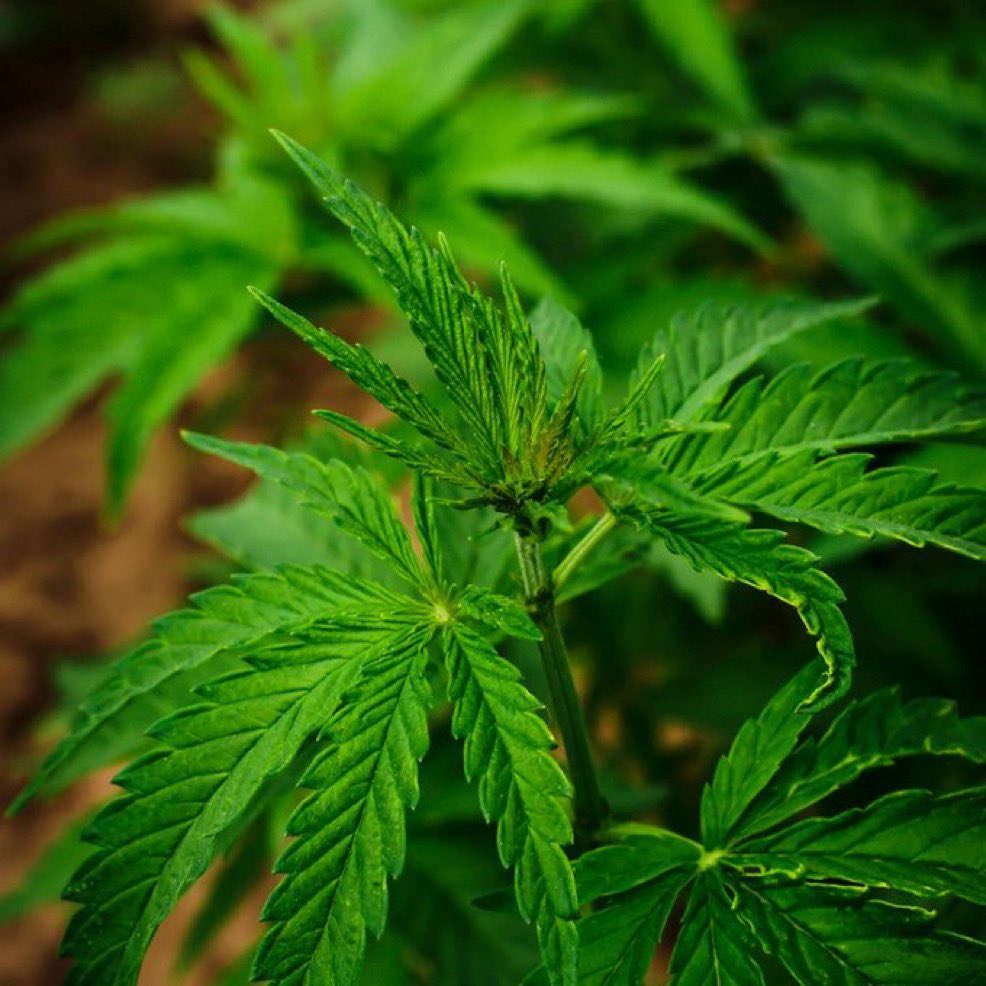
Klub Centrum złożył w Sejmie projekt ustawy zakładający depenalizację posiadania do 15 gramów marihuany oraz uprawy jednej rośliny na własny użytek. Jak podkreślił Ryszard Petru, nie chodzi o legalizację ani promocję, lecz o to, by nie karać za niewielkie ilości.
Politycy wskazują, że obecne przepisy są zbyt surowe i nieproporcjonalne, ponieważ za małe ilości marihuany grozi nawet do trzech lat więzienia. Ich zdaniem nowe regulacje odciążyłyby sądy, zmniejszyły koszty dla państwa i pozwoliły skupić się na poważniejszych przestępstwach. Podobne rozwiązania funkcjonują już w wielu krajach Europy.
Polski
To dobra opcja dla osób zainteresowanych tematyką mangi, więc jest opcja, że ktoś po takiej uczelni zostanie pisarzem i będzie projektował tego typu dzieła, co uznaję za epicką zaletę, dlatego nie skreślam tego pomysłu
NEXTA Polska@nexta_polska
W Collegium Da Vinci (prywatnej uczelni w Poznaniu) od przyszłego roku akademickiego ruszy kierunek „Manga i popkultura”. W zaledwie 1,5 roku nauki (3 semestry) studenci będą mogli zanurzyć się w świecie mangi, anime i kultury japońskiej, nauczyć się tworzyć wyraziste postacie i — co najważniejsze — zdobyć dyplom specjalisty! 😃
Polski
Better to celebrate who you are than be some basement normie chasing attention with low-IQ content & then more of these clowns blow up with millions of views and society turns to trash, so maybe you, Asian living in Italy, should take a step back and figure out who you really are
RadioGenoa@RadioGenoa
London.
English
@PatrykPatrzy @thepolandnews_ Kara śmierci, by się przydała dla naprawdę poważnych przestępców, a nie dla jakiś marnych ziomeczków z bloków, co mają trawkę w kieszonce, i mówię to jako osoba, która w ogóle nie korzysta z marihuany
Polski
@PatrykPatrzy @thepolandnews_ Byku, po marihuanie można jeździć autem, po alko nie, podobna sytuacja z wódką, jeden z najważniejszych PL sukcesów społecznych, bardzo często pomijany, to przejście z wódki na piwo, dzięki skutecznym kampaniom reklamowym, a wódka w dużych ilościach jest niebezpieczna dla zdrowia
Polski
That's why people associate Arabs with the death penalty and dictatorships, and the West with universities and just having fun? Like, come on, this isn't even funny
روسيا نيوز ✪@RussiaArabic0
كيف يقوم الغرب بالدفاع عن المرأة ويطالب بحقوقها في الدول الأخرى، وهو أول من يهينها؟؟
English
Ale ci się wybił ten wpis, 4 mln? Kozacko, lol
SpeedyDawid@Speedy_Dawid
DLA TAKICH MOMENTÓW KOCHAM PODRÓŻOWAĆ HAHAHAHA ❤️❤️❤️❤️
Polski
It depends, it's complicated, my country Poland is one of the most popular, biggest and most important in all of Eastern Europe, so I often feel like I'm on top while still respecting everyone, but I've always envied Finnish education and other cool stuff from other EU countries.
Whatsthevibe@krum_kp
eastern europeans get the Biggest boners from telling u How much their Country Sucks They Love that shit
English
@Lutownica1 @LatvianSocNat @Akordeonicus 🇱🇻 Latvians are based, they're basically brothers to Lithuanians, like our cousin's cousin
GIF
English


Germans vs. Poles conflict on X gives me Pakistanis vs. Pajeets fights lol
Młody człowiek@mlodszyczlowiek
Little Germ says what?
English