Victoria Sabula

487 posts

Victoria Sabula banner
Victoria Sabula

Victoria Sabula

@VictoriaSabula

CEO @AECFAfrica, building a prosperous, enterprising and resilient #Africa.

Nairobi, Kenya 가입일 Mart 2010
412 팔로잉704 팔로워
Victoria Sabula
Victoria Sabula@VictoriaSabula·
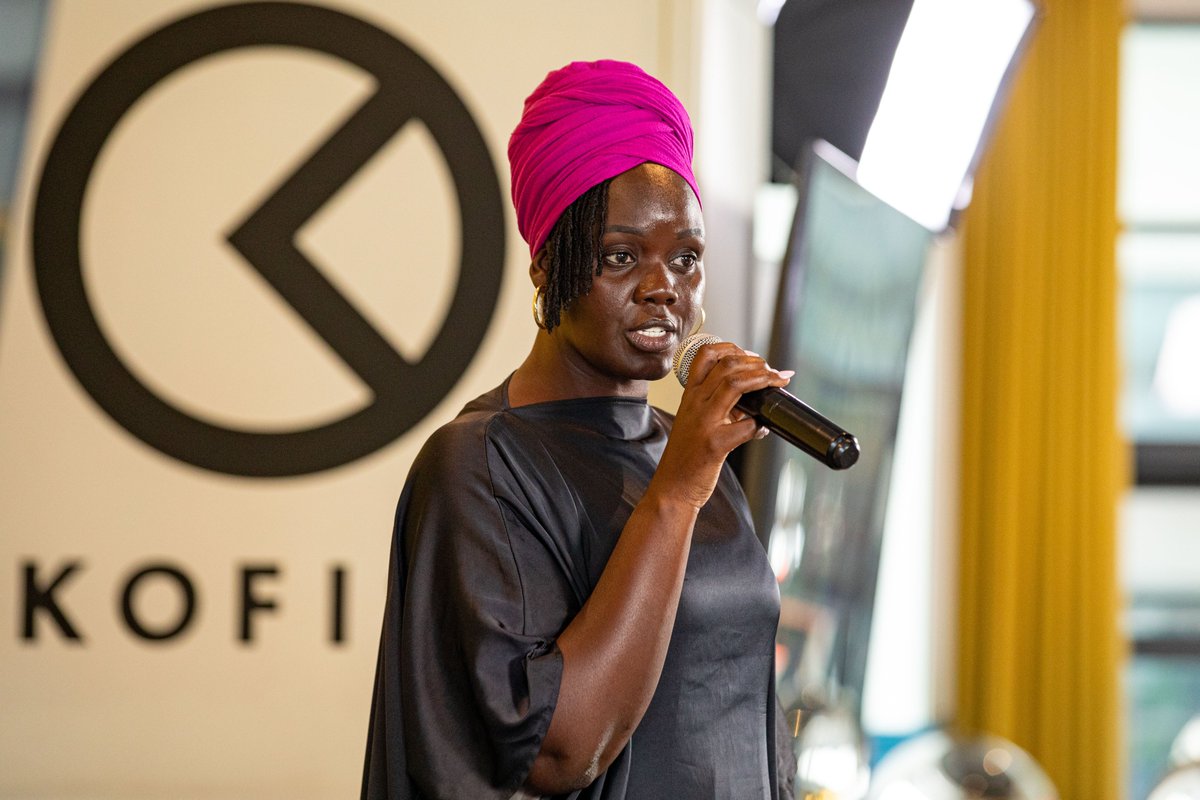
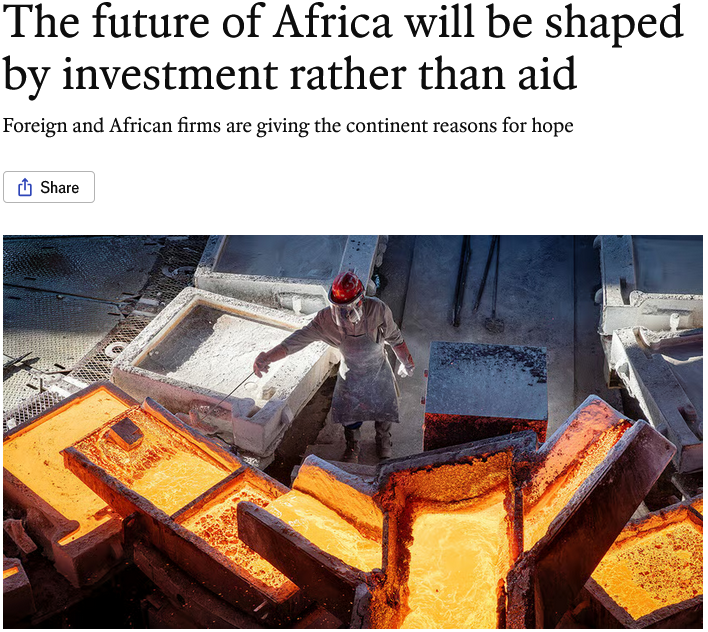
This piece by @TheEconomist picks up on a familiar shift and a topic that keeps showing up in conversation. Capital is available across Africa, including sizeable domestic pools, but moving it is the challenge. Funds are not consistently reaching the enterprises and sectors that need them most. Part of that stems from macro instability, but much of it is structural. Shallow capital markets, inconsistent regulatory environments, and limited risk appetite create a bottleneck resulting in what feels like an hourglass effect where resources are at the top, demand is at the bottom, and very little passes through the middle. The gap is more striking when you look at institutional capital. For example, pension funds are heavily allocated to government securities, while SMEs struggle to access patient, local currency financing. That disconnect leaves a gap between long-term domestic capital and the productive sectors that can absorb it. Surprisingly, the investment activity we are seeing in Africa already signals confidence. As global attention shifts to new markets, the continent is well-positioned to attract more capital. However, the harder work lies closer to home, including deepening local capital markets, building credible investment vehicles, and creating avenues for institutional capital to participate actively. Until that middle layer functions better, the flow will remain constrained, regardless of how much capital sits on either end. Here is the link to the full article: economist.com/international/…
Victoria Sabula tweet media
English
0
1
1
14
Victoria Sabula
Victoria Sabula@VictoriaSabula·
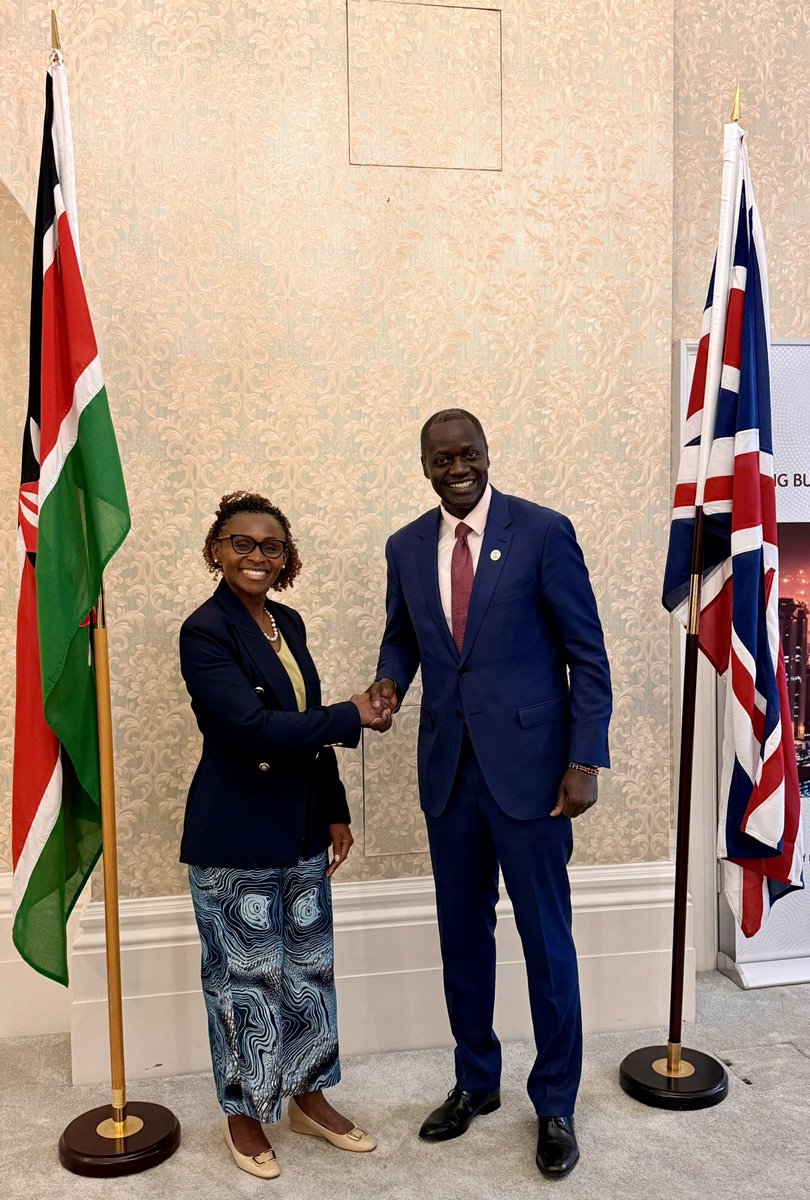
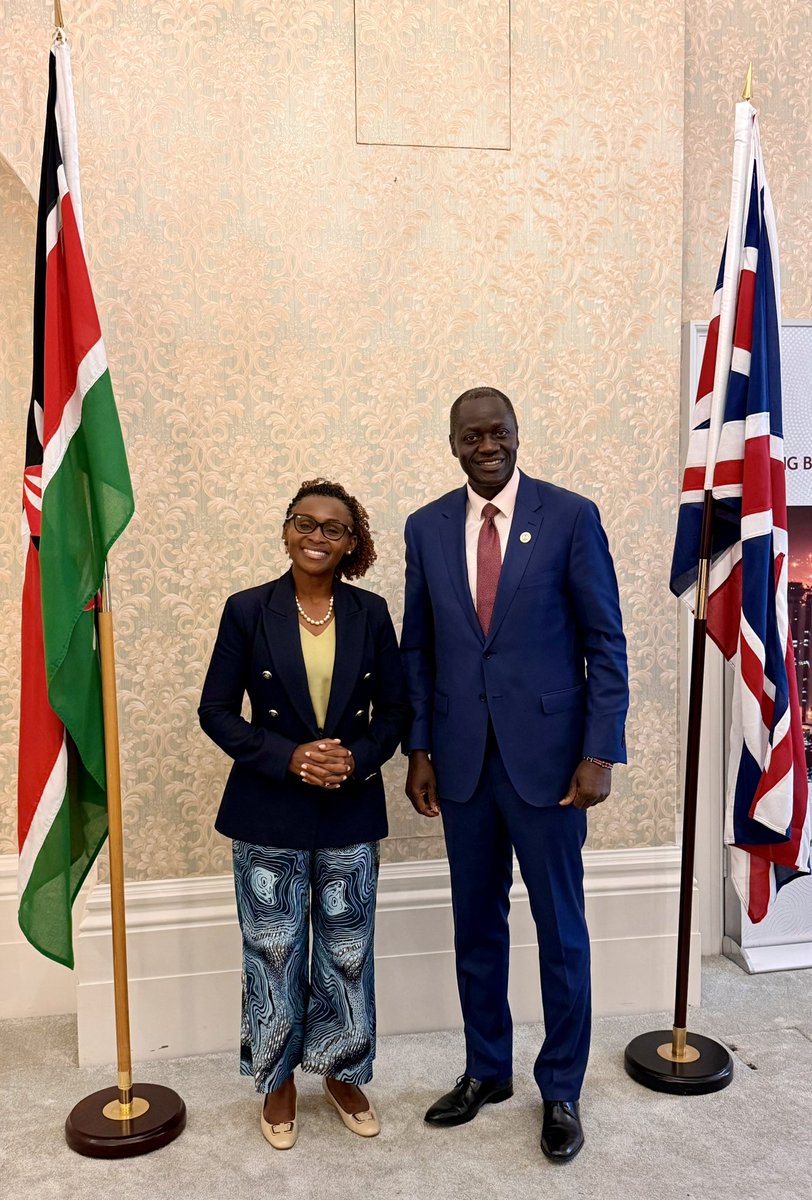
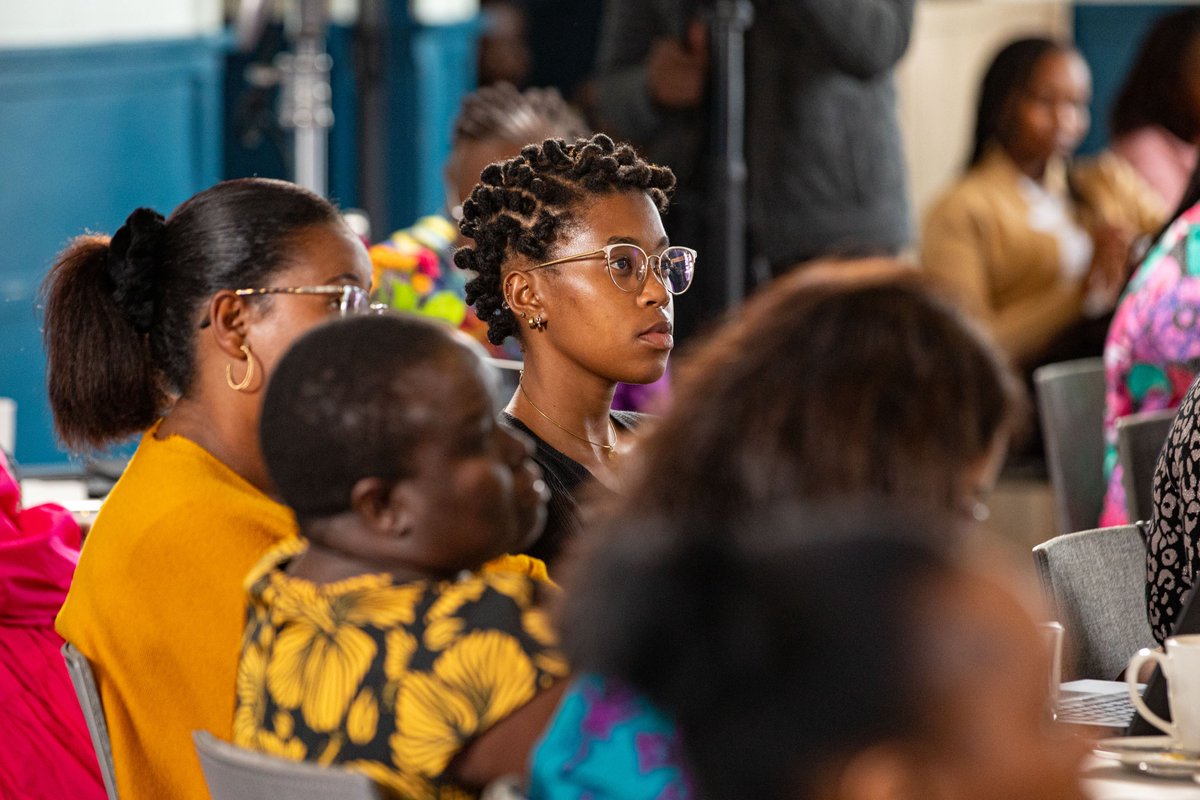
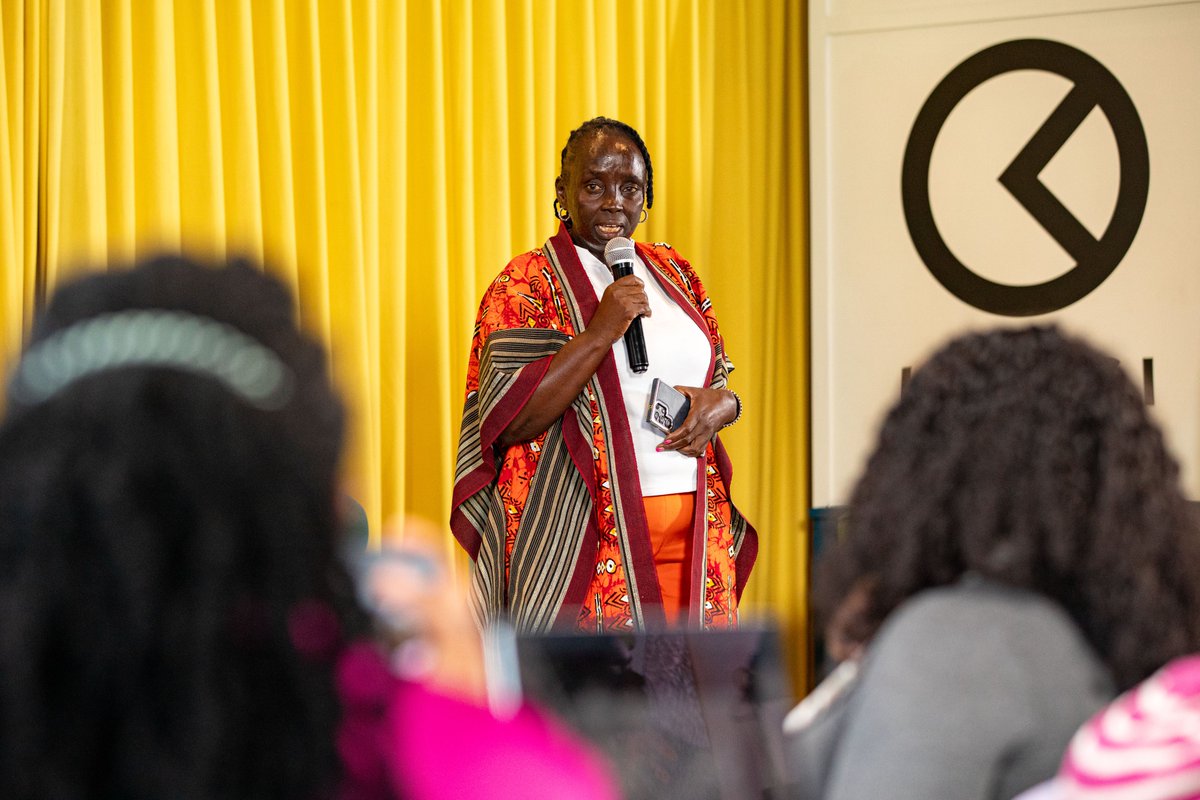
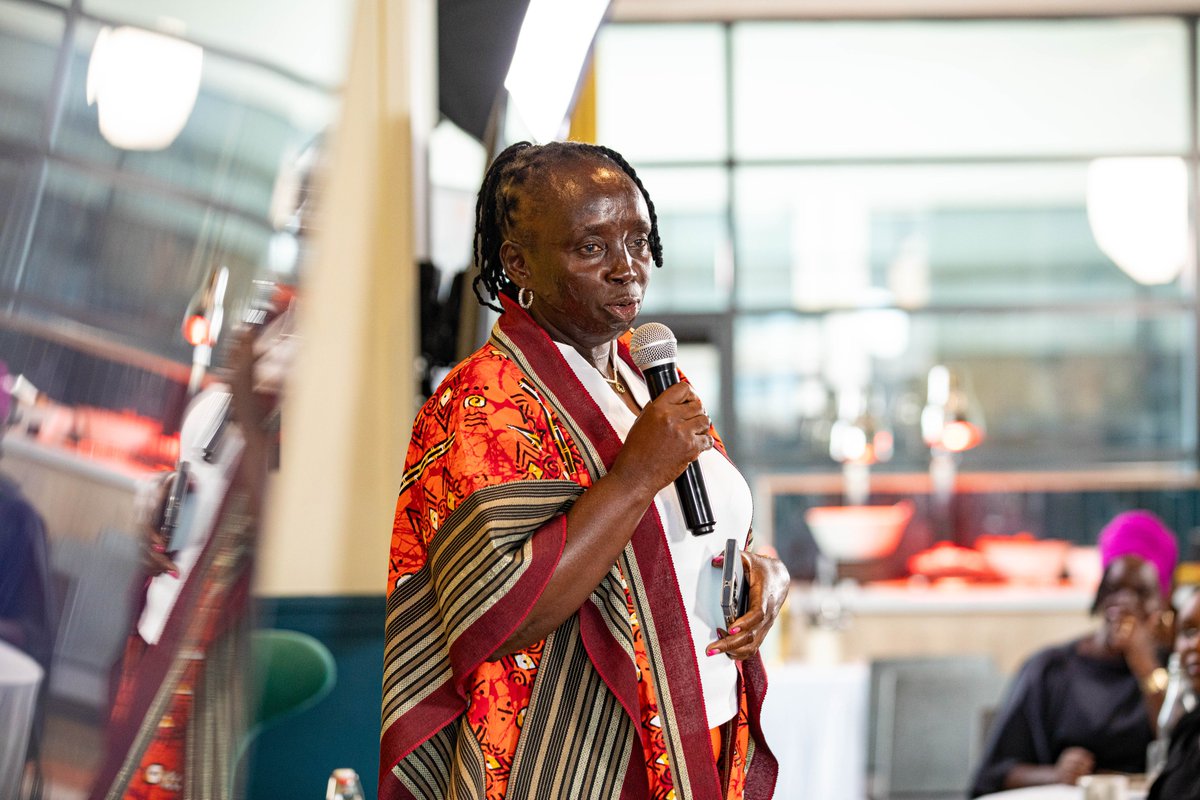
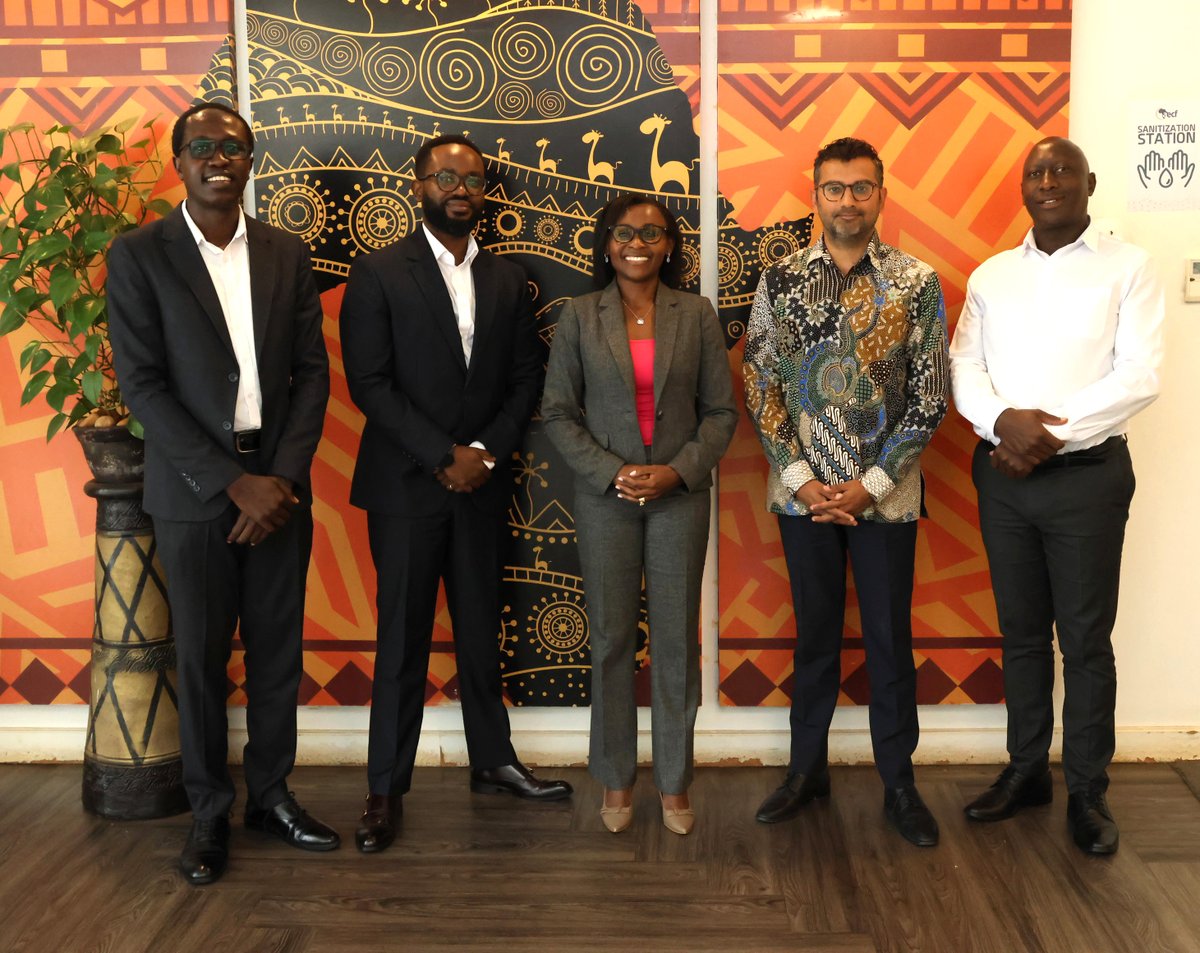
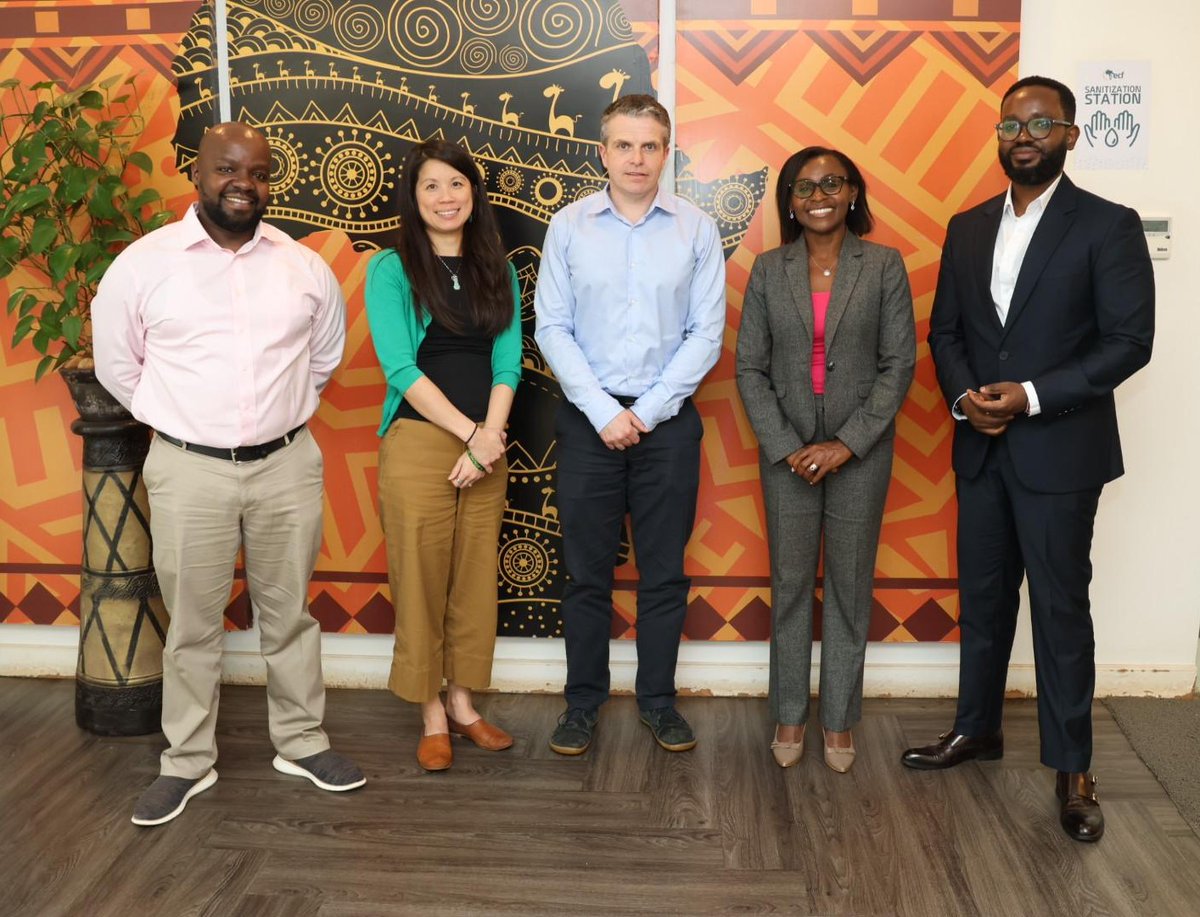
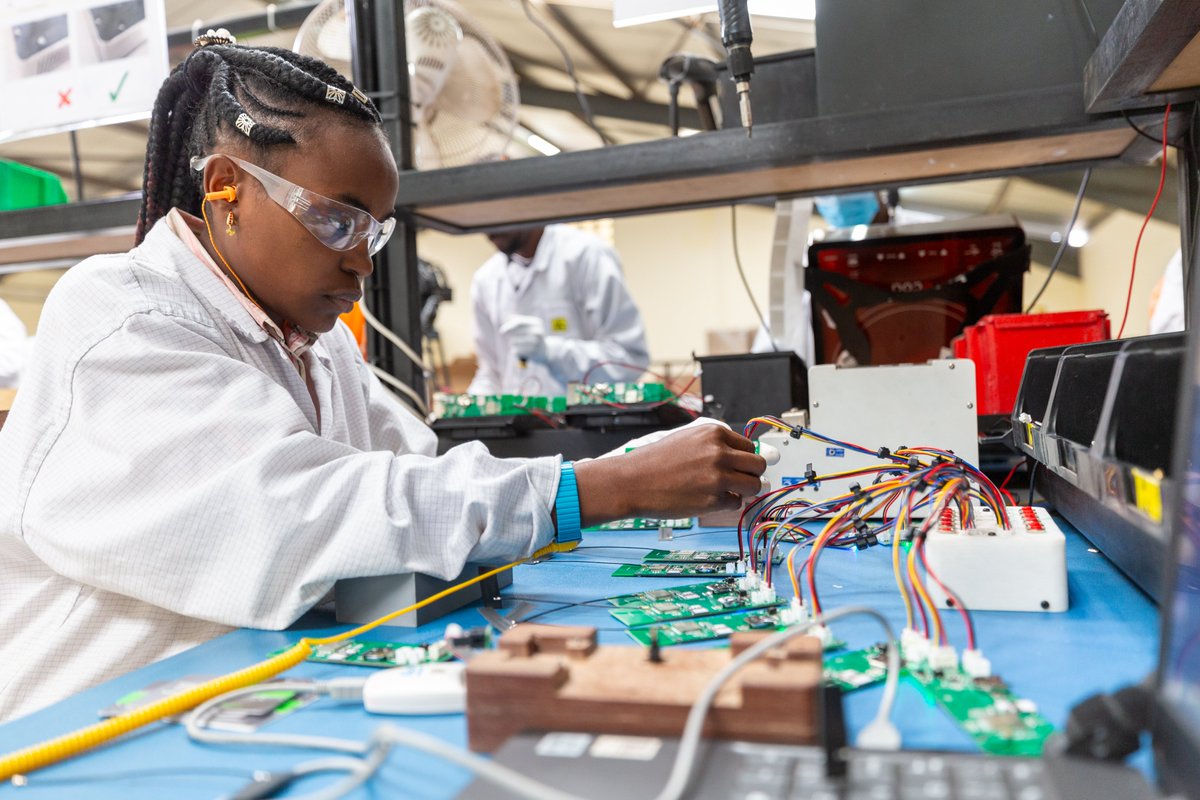
We have been working closely with Kenya’s Ministry of Mining, Blue Economy and Maritime Affairs for some time and yesterday, we formalized this partnership through a Memorandum of Understanding. Over the last few years, we have seen what a more intentional approach to blue economy value chains can unlock. Through the Investing in Women in the Blue Economy in Kenya initiative, women-led enterprises are seeing higher returns, value chains are becoming more efficient, and women's access to productive assets is shifting how households think about earnings, investment, and decision-making. It has been inspiring to see how private‑sector engagement can unlock the full potential of natural resources, transforming them into meaningful economic opportunities that uplift women - particularly in rural communities - through increased jobs, enterprise growth, and greater participation in value chains. I am grateful for the continued engagement and leadership of @PS_Betsy_Njagi, Principal Secretary for Blue Economy and Fisheries @Blue_Economy_F, whose approach has helped shape a more forward-looking direction for the sector. Kenya’s blue economy holds real potential, and there is still much to build together. @HassanAliJoho @ForeignOfficeKE
Victoria Sabula tweet mediaVictoria Sabula tweet mediaVictoria Sabula tweet mediaVictoria Sabula tweet media
English
0
0
2
23
Victoria Sabula 리트윗함
PS Betsy Njagi,CBS - Blue Economy
PS Betsy Njagi,CBS - Blue Economy@PS_Betsy_Njagi·
Had the privilege of hosting a delegation from the Africa Enterprise Challenge Fund (AECF), @AECFAfrica led by CEO Victoria Sabula @VictoriaSabula. During the meeting, and on behalf of the Cabinet Secretary for Mining Blue Economy and Maritime Affairs @MiBeMa_2022 , H.E. @HassanAliJoho we signed a Memorandum of Understanding (MoU) on cooperation in the fields of the Blue Economy, fisheries, and aquaculture between the Ministry of Mining Blue Economy and Maritime Affairs—through the State Department for the Blue Economy and Fisheries @Blue_Economy_F and AECF. The MoU establishes a framework through which both parties will facilitate and promote collaboration in key priority areas, with the aim of identifying joint programmes and projects of mutual interest, particularly those that support small and medium-sized enterprises (SMEs) within the sector.
PS Betsy Njagi,CBS - Blue Economy tweet mediaPS Betsy Njagi,CBS - Blue Economy tweet mediaPS Betsy Njagi,CBS - Blue Economy tweet mediaPS Betsy Njagi,CBS - Blue Economy tweet media
English
2
9
41
1.8K
Victoria Sabula
Victoria Sabula@VictoriaSabula·
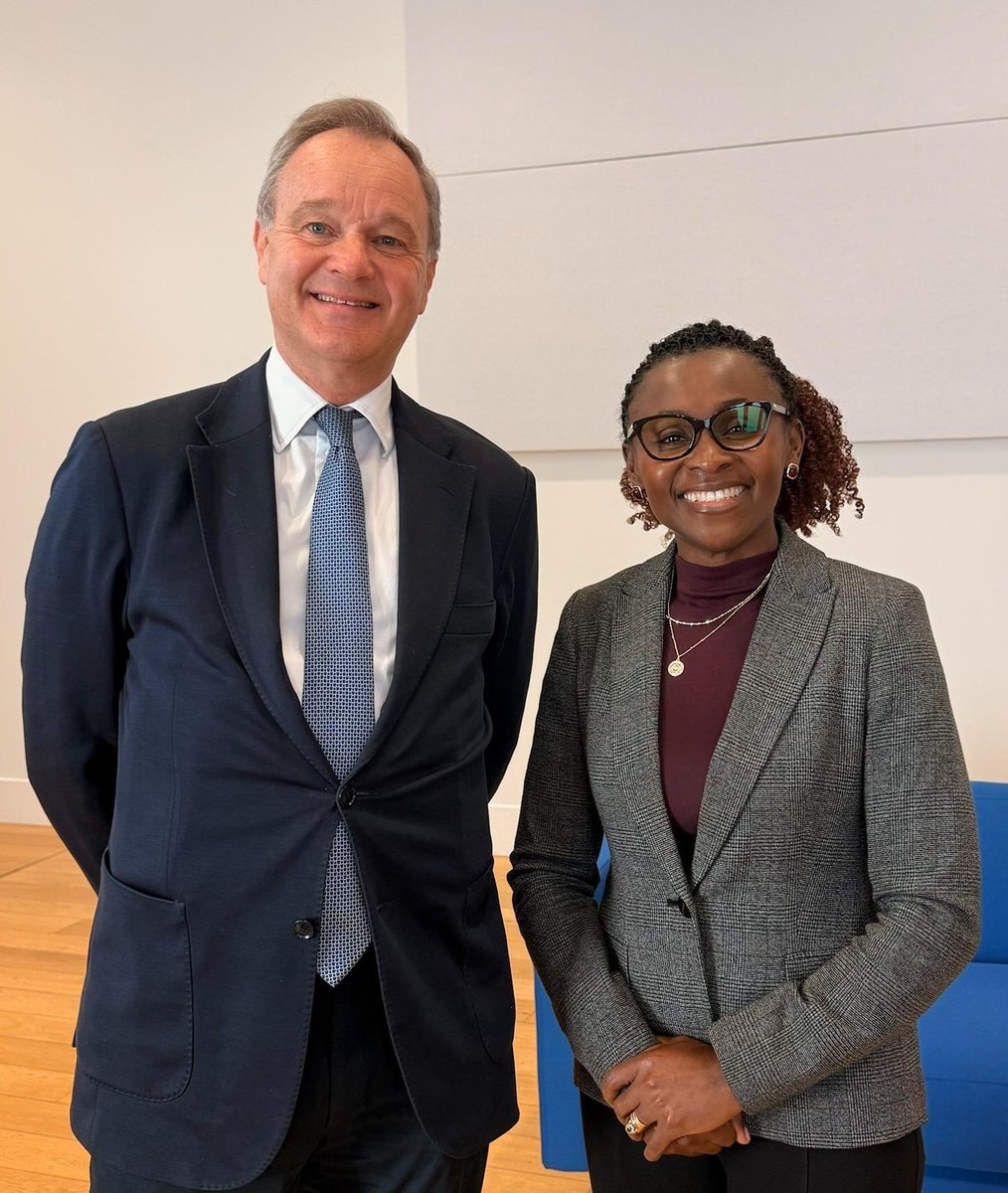
Along the way, I had the pleasure of engaging with leaders shaping the investment space, including Ethiopis Tafara, Regional Vice President Africa, at IFC, and Rt Hon Mark Simmonds, former UK Foreign & Commonwealth Office Minister for Africa and current Chairman of the Advisory Board of Invest Africa. And what a privilege to draw on the energy of the exceptional African MBA students – a special mention to my former colleague Maureen Wambui and our panel moderator Gathoni Mwai What stayed with me is how closely these conversations connect in practice. The partnerships being built, the questions around cost of capital, and the people driving both are all pointing to the same thing: investment will only move at the pace of how well it fits real market conditions. That is where the work sits, and I am grateful to the people pushing it forward.
Victoria Sabula tweet mediaVictoria Sabula tweet media
English
0
0
3
64
Victoria Sabula
Victoria Sabula@VictoriaSabula·
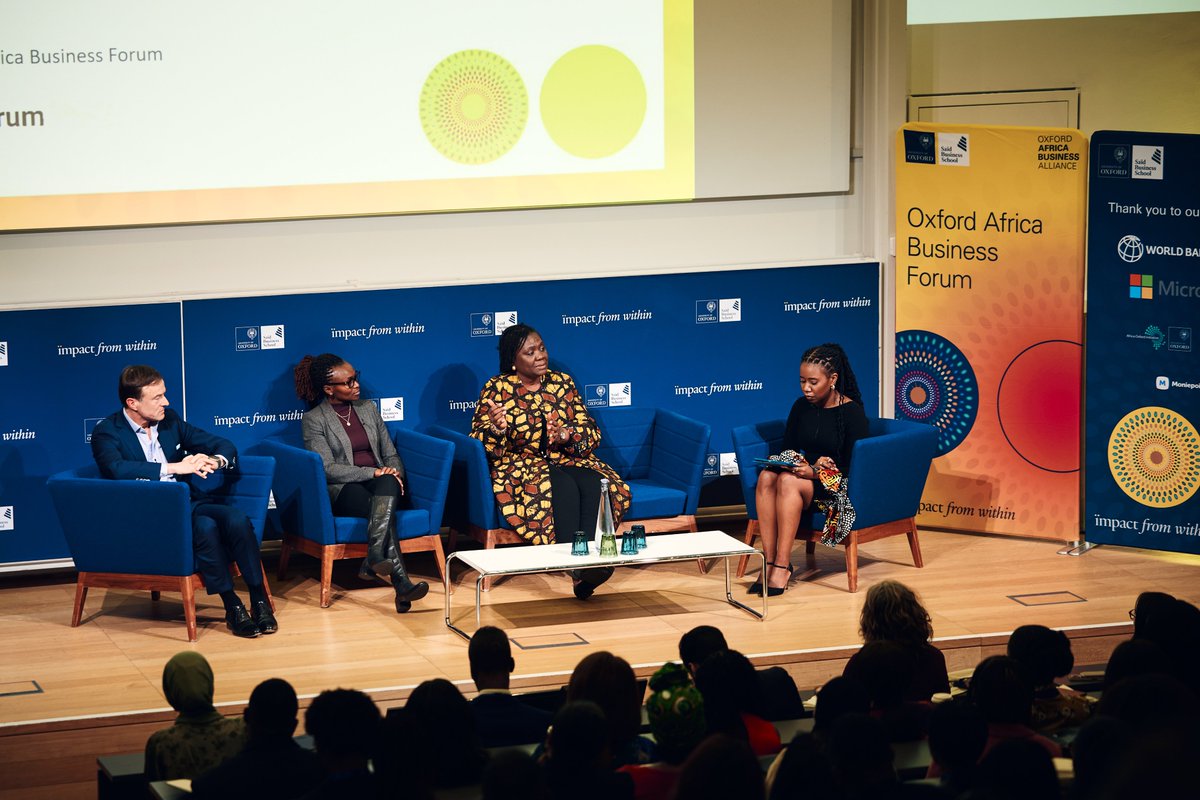
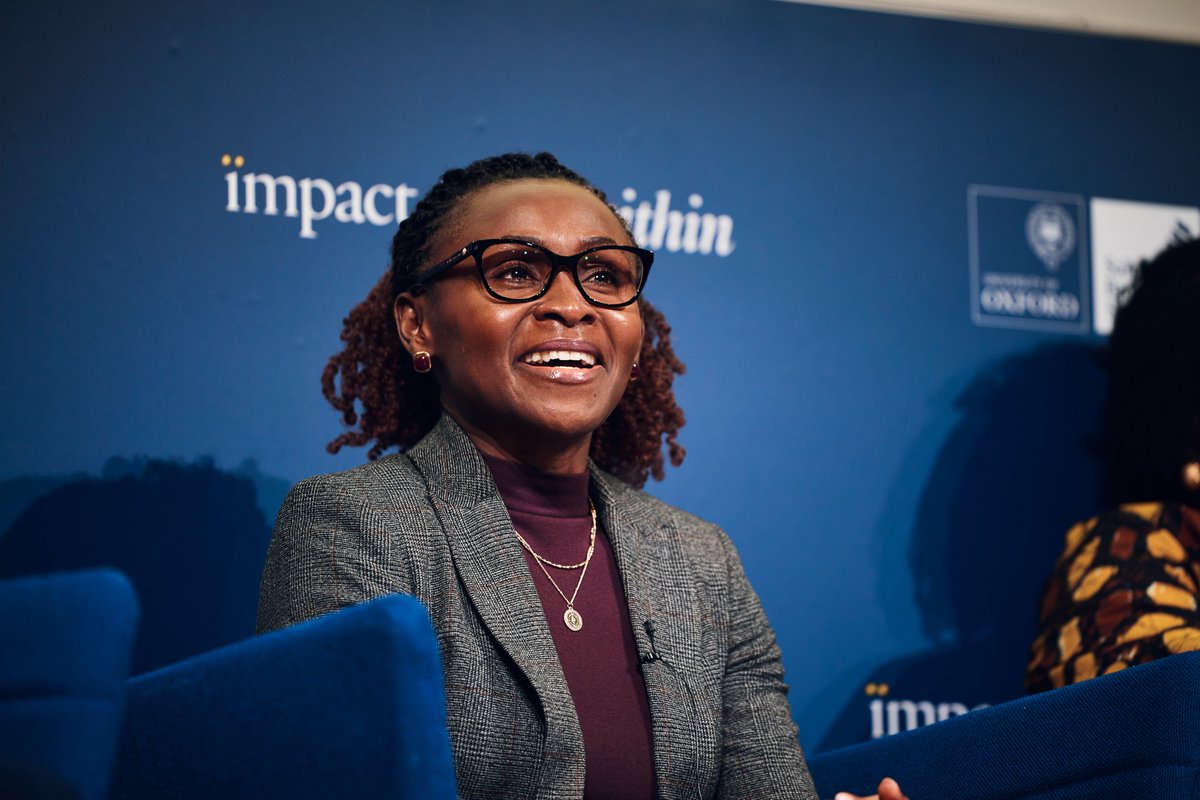
Last week made for so much learning. My first stop was the Action Learning Exchange (ALE) in London, a convening by @FCDOGovUK and @AGRA_Africa that is building partnerships to scale investment in Africa’s food trade corridors. The conversation focused on unlocking high‑potential opportunities within the continent’s food trade corridors, expanding market access across intra‑Africa and global food markets, strengthening AI and data infrastructure for food trade, and innovative financing models to support the future of food markets. Thank you, @S_Mansoor_A and Daniel Njiwa. Later in the week, I attended the Oxford Africa Business Forum and joined the panel titled “The Cost of Capital — Rethinking Investment in an Age of Global Uncertainty,” where the discussion explored why capital remains expensive across African markets and how to unlock affordable, longer-term finance at scale. Different rooms, same thread.
Victoria Sabula tweet mediaVictoria Sabula tweet mediaVictoria Sabula tweet media
English
1
1
4
211
Victoria Sabula 리트윗함
Maurice Makoloo
Maurice Makoloo@MMakoloo·
Was pleased to host @VictoriaSabula the Chief Executive Officer of the Africa Enterprise Challenge Fund (AECF) who passionately updated me on the work of the AECF and in particular the transformation they are creating for rural and marginalized communities through enterprise. While celebrating the numerous innovations in Kenya 🇰🇪 we also discussed the urgency of public - private partnerships to enhance #FinancialInclusion especially to ensure access to cheaper credit for young entrepreneurs and women. @InvestKenya_ @KenyaMissionUK
Maurice Makoloo tweet mediaMaurice Makoloo tweet media
English
0
9
32
2.2K
Victoria Sabula 리트윗함
AECF - Powering Africa's Growth through SMEs
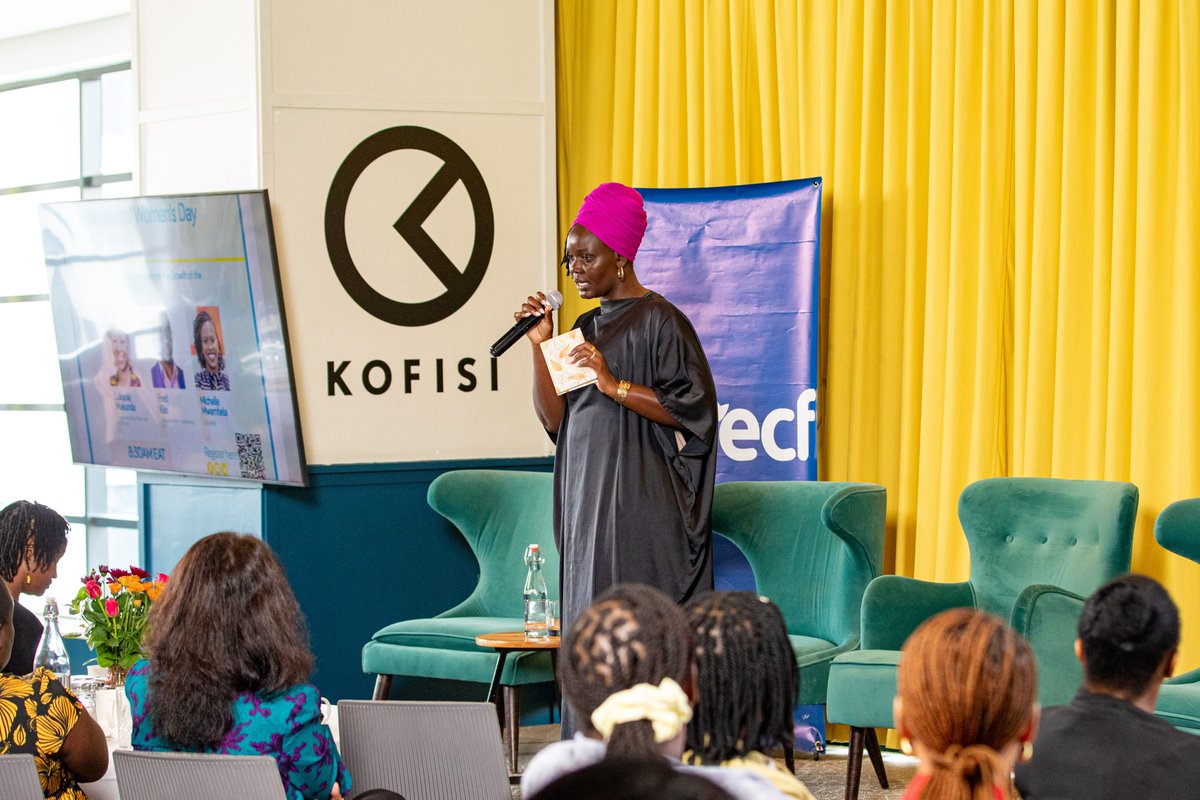
The @kkcfkenya and AECF believed in me when mainstream banks dismissed my work with women and youth in Kakuma refugee camp. I dreamt big and started a training institution that now empowers refugees and host communities in Kakuma and Kalobeyei. Yesterday, 138 students graduated from my institution with technical skills - Nancy Karambu, Nemlon Enterprises #IWD2026 #IWD #InternationalWomensDay
AECF - Powering Africa's Growth through SMEs tweet mediaAECF - Powering Africa's Growth through SMEs tweet mediaAECF - Powering Africa's Growth through SMEs tweet media
English
0
2
1
242
Victoria Sabula
Victoria Sabula@VictoriaSabula·
Today was about great conversations with people who are passionate about changing how markets work for the underserved. With Aakif Merchant and Basil Kandaya from Convergence Blended Finance, we connected on something we both care for, innovative ways to crowd in private capital and make financing more accessible for underserved markets. And with Small Foundation – Conor Brosnan, David MAINA, and Karina Wong – we talked much about our shared commitment to working with enterprises to empower marginalized communities and what this looks like from a systems transformation lens. I like being in the company of people who care about building inclusive financial systems. Feeling very energized from these conversations 😊.
Victoria Sabula tweet mediaVictoria Sabula tweet media
English
0
0
1
42
Victoria Sabula
Victoria Sabula@VictoriaSabula·
The Africa Capital Markets Report 2025 by @OECD is a timely read for investors, policymakers, and fund managers who believe Africa’s growth can be financed from within. There is capital on the continent, from pension funds, insurance pools, and domestic investors. The opportunity is to unlock it through stronger local-currency instruments and blended-finance structures that actually work for African enterprises. If we build market infrastructure that gives local investors confidence and treats SMEs as credible investment opportunities, the shift could be significant and fast. Worth a read: oecd.org/en/publication…
Victoria Sabula tweet media
English
0
0
1
39
Victoria Sabula
Victoria Sabula@VictoriaSabula·
I have seen how enterprises can shift realities in places many consider “too complex.” Over the past few years, the Kakuma Kalobeyei Challenge Fund @kkcfkenya has demonstrated how private-sector-led development can create opportunities in fragile contexts. As the implementing partner for this five‑year initiative, we are proud to support entrepreneurs and companies bringing sustainable services and jobs to Kenya’s Kakuma and Kalobeyei refugee‑hosting areas. KKCF addresses the entrenched barriers that have long limited economic participation for refugees and host communities by blending competitive financing with tailored technical support. Through the business challenge, locally owned micro and small enterprises, social ventures, and larger private-sector firms gain access to funding, business development resources, and capacity‑building that help them scale commercially viable operations that deliver real impact. To date, the programme has supported more than 100 businesses led by refugees and host community members across renewable energy, waste management, healthcare, agriculture, and fisheries.
Victoria Sabula tweet media
English
0
2
2
113
Victoria Sabula
Victoria Sabula@VictoriaSabula·
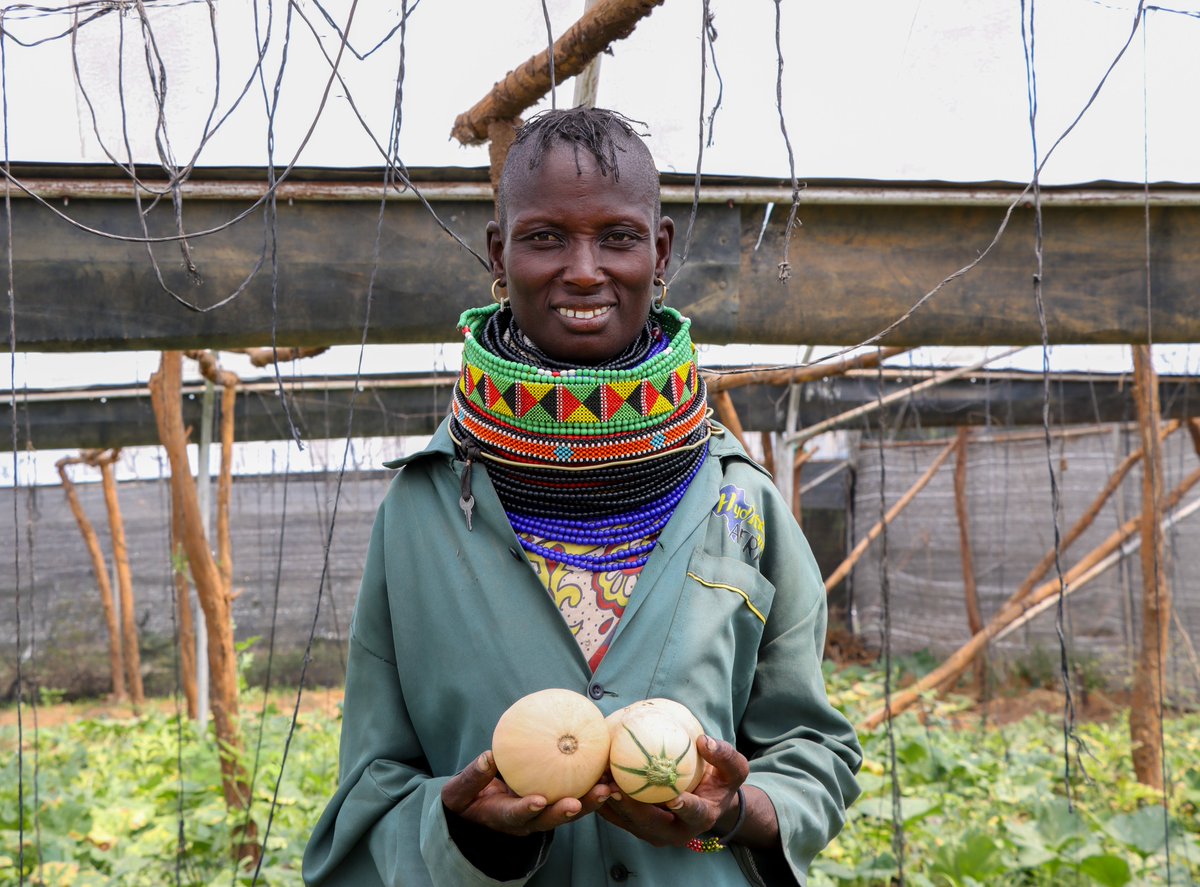
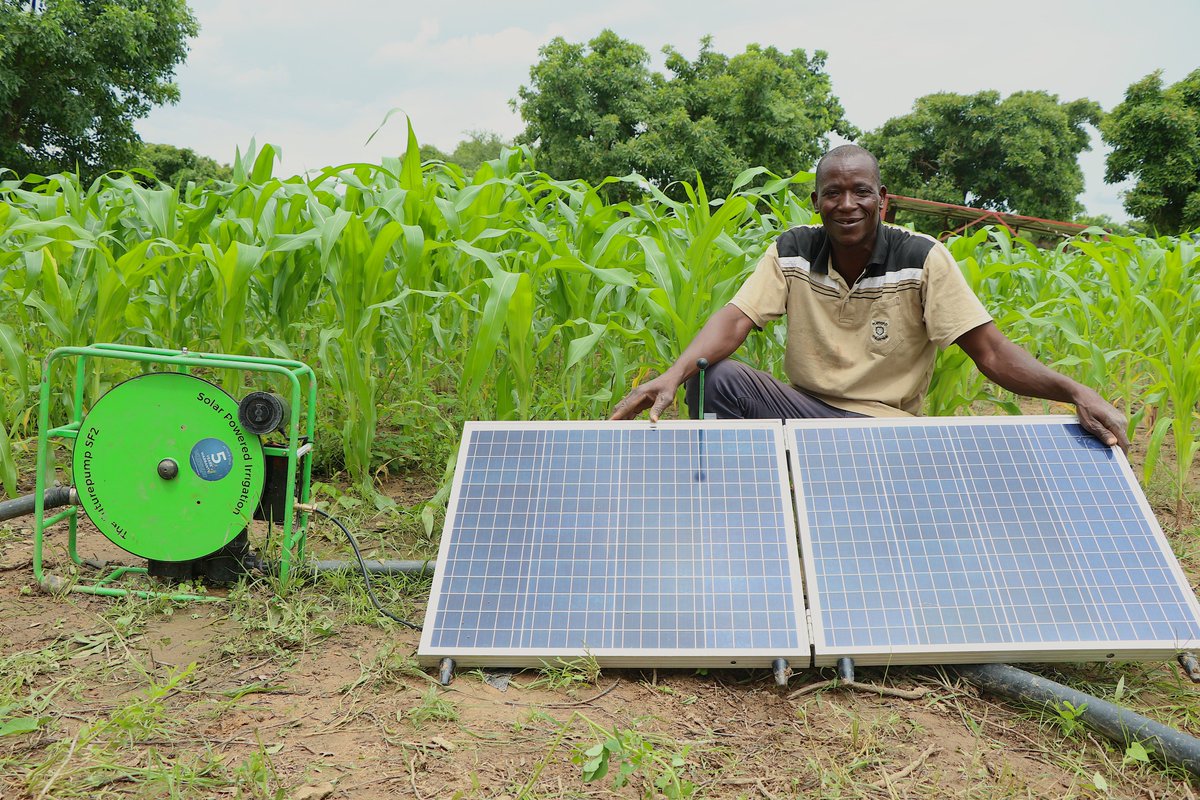
Climate pressure is reshaping markets and livelihoods. In 2025, the planet marked its third‑hottest year on record, with global temperatures continuing dangerously close to the 1.5°C threshold scientists warn against. Across Africa, the effects are harsh: from 2021–2025, droughts alone affected over 178 million people, driving impacts far beyond agriculture into business continuity, supply chains, and workforce stability. For African enterprises, early shifts toward water‑efficient systems, clean energy, and climate‑smart operations are building resilience. Businesses that invest in smarter production and energy choices tend to cut operating costs, reduce downtime, and retain customers even as input costs fluctuate rapidly. Blending tailored finance with hands‑on support enables these shifts without stalling growth, helping SMEs protect cash flow and stay competitive in tough conditions.
Victoria Sabula tweet media
English
0
0
0
37
Victoria Sabula
Victoria Sabula@VictoriaSabula·
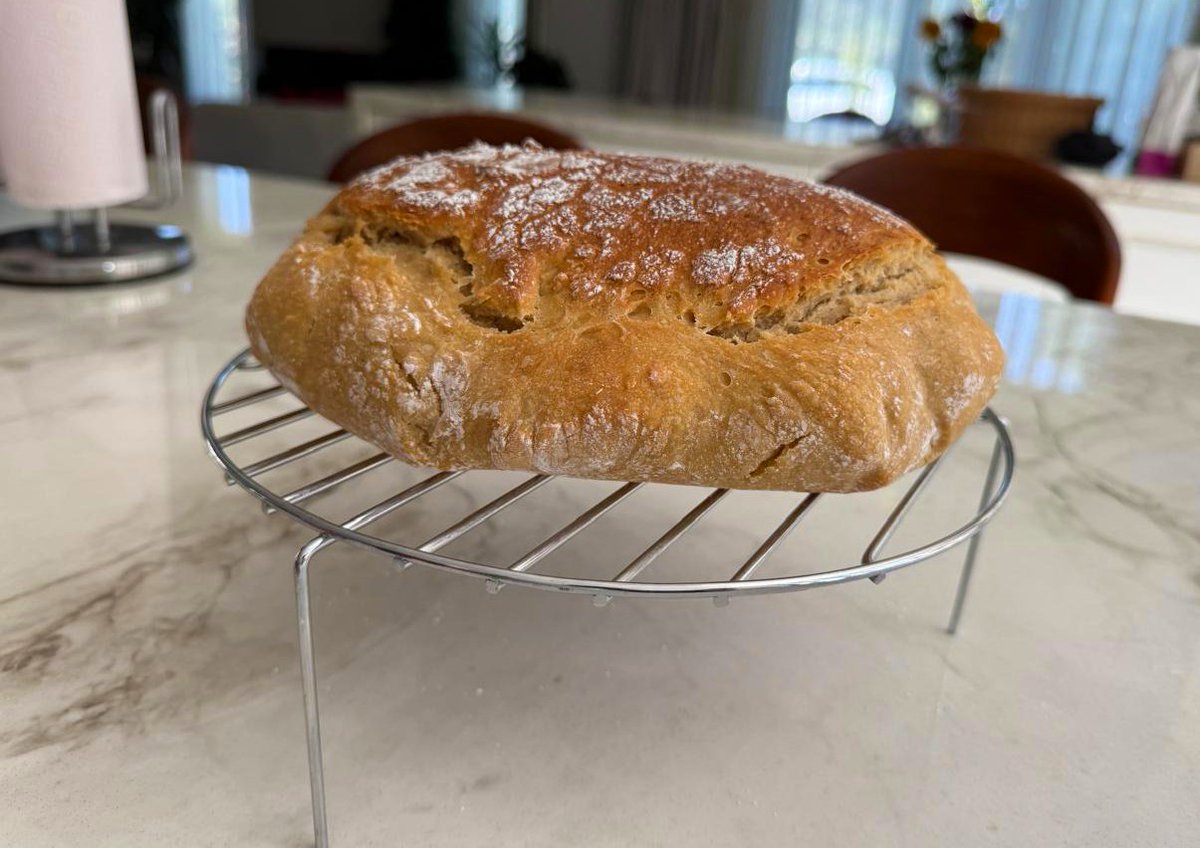
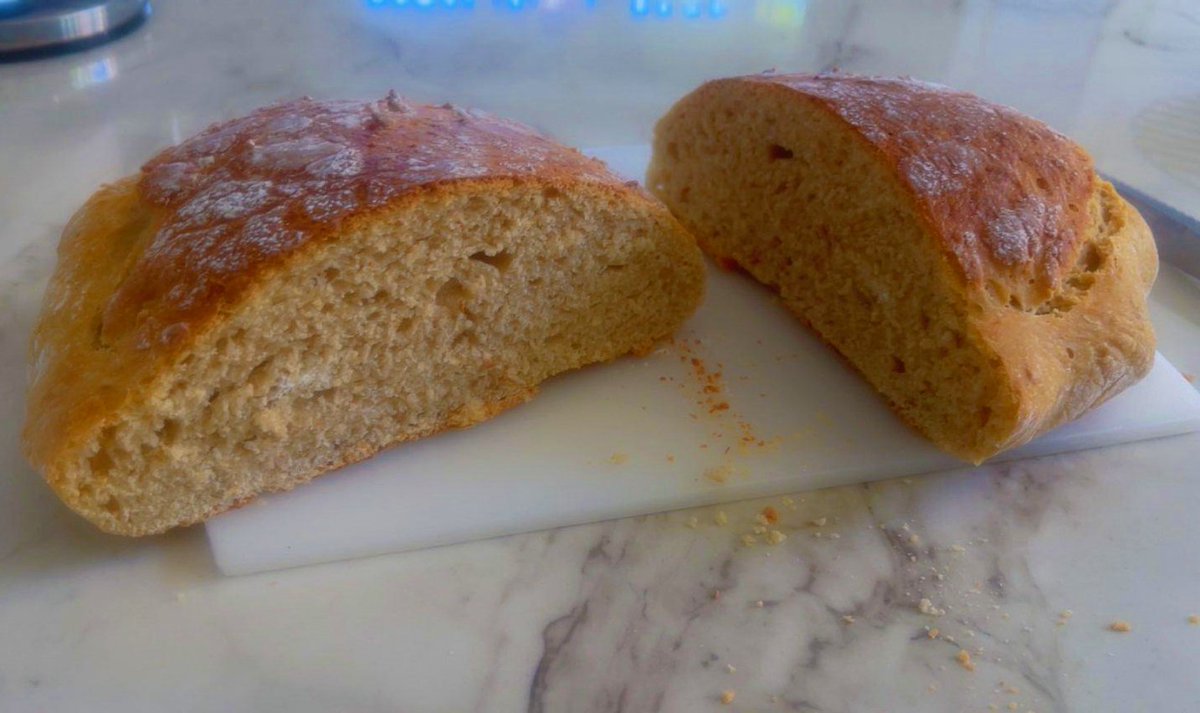
Lately, I have jumped on the fermented foods bandwagon. Must be a mid-forties thing. Last weekend, I made sauerkraut and sourdough bread (my mother says I am becoming white inside, but the joke’s on her, having fed me fermented porridge, kenungu, when young 😇. I am becoming her 😅). For the sourdough bread, I followed the steps, trusted the starter, and waited patiently. The loaf came out beautiful, with a crackly crust and an airy crumb, but the first bite told a different story. Too tangy. That moment has stayed with me because leadership can feel the same. You make decisions with care and good intent, hoping to bring something useful to your team. The outcome may work, yet the experience can feel sharp to others. Not because the decision was wrong, but because the balance was off. I am learning that leadership carries expectations about tone as much as outcomes. You can aim to guide and still be perceived as pushing. You can act decisively and still land as too much, or hesitate and be seen as too little. The gap often sits in awareness. With the bread, a small adjustment would have changed everything. Shorter fermentation, a lighter hand. Leadership asks for the same attention. Knowing what to dial down and what to add so the result is strong, not overpowering. In both, the goal is to get the measure right. Yet, it is never that simple. Or is it?
Victoria Sabula tweet mediaVictoria Sabula tweet media
English
0
0
1
47
Victoria Sabula 리트윗함
AECF - Powering Africa's Growth through SMEs
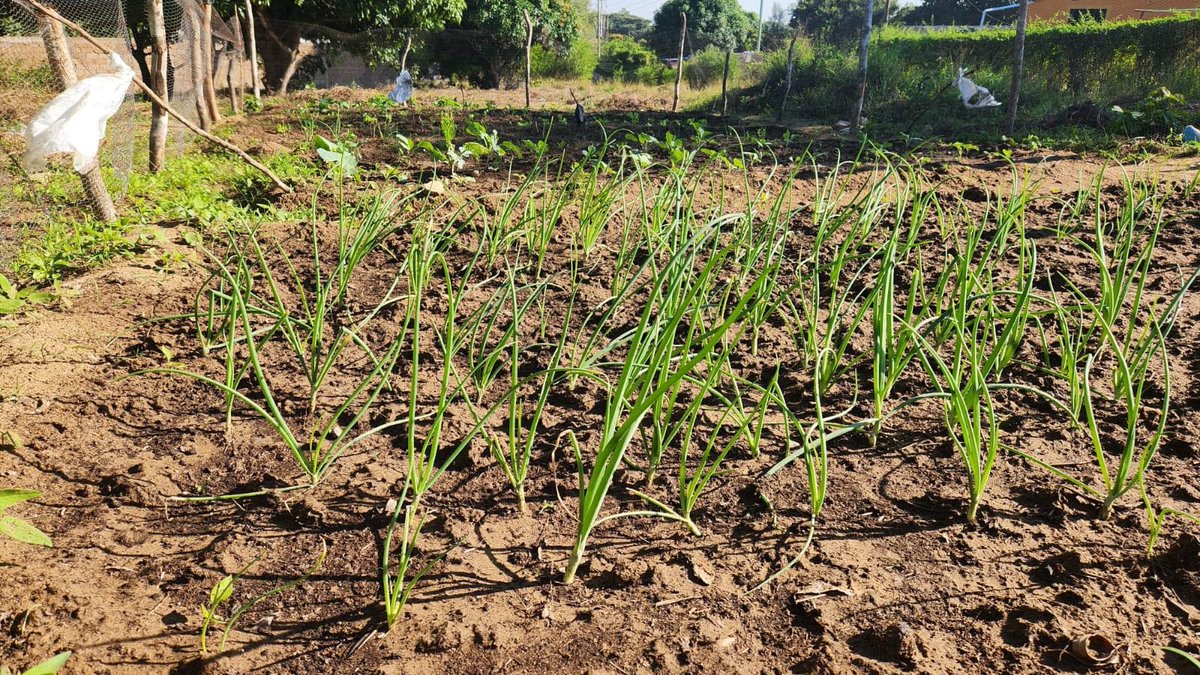
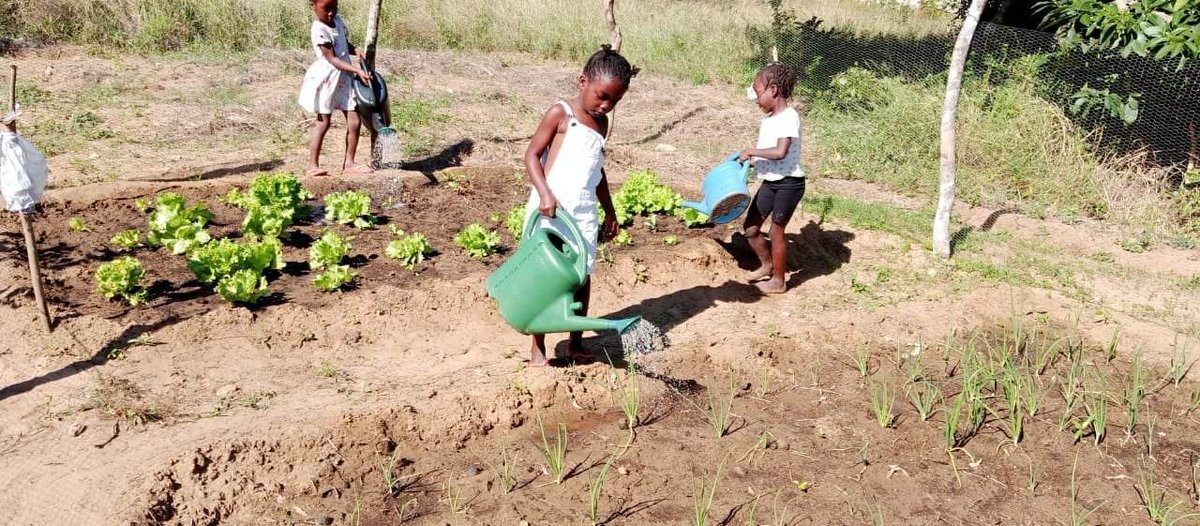
When Francisco Mahanuque opened the New Hope Children Centre in 2012, in Katembe, Mozambique, his goal was simple; help one more child avoid the life he once lived as a street child. Today, over 90 vulnerable children call the centre home, receiving meals, education, protection, and a real chance at a better future. For years, getting water was the hardest part. Supply came only a few days a week. Every cup had to be rationed. Hygiene, cooking, and gardening were a daily struggle. In 2023, that changed. Through a one-off, special intervention, AECF came in with support from the Carona Family and technical partners to install a fully equipped borehole. This was not part of our regular funding portfolio, but a deliberate response to an urgent need. What changed on the ground: • Healthier children and better hygiene • Consistent meals and thriving kitchen gardens • Dignity and safety restored • Clean water shared with nearby households What changed on the ground: child. Sometimes it starts with water.
AECF - Powering Africa's Growth through SMEs tweet mediaAECF - Powering Africa's Growth through SMEs tweet mediaAECF - Powering Africa's Growth through SMEs tweet media
English
0
1
5
183
Victoria Sabula
Victoria Sabula@VictoriaSabula·
I spent some time reviewing the Evaluation of @GAC_Corporate’s Engagements in Complex Environments in Sub‑Saharan Africa (2018–2023), a report that shows how Canada’s international assistance approach is delivering notable outcomes in gender equality and economic inclusion across fragile contexts. The emphasis on advancing gender equality as a core objective stood out, underlining that progress requires long‑term partnerships and catalytic financing to unlock opportunities for women and young entrepreneurs. That mirrors what we are seeing through our Investing in Women (IIW) portfolio. With support from @GAC_Corporate, IIW blends finance with hands-on capacity building, and the results are tangible. 66,250 women now have access to productive assets; 1,259 men have been trained in gender and GBV awareness, helping to shift norms within households and businesses; 142 businesses have adopted gender-responsive policies, changing how decisions are made day-to-day; and 111 new leadership positions are now held by women. This is what locally rooted financing looks like when it is done with intent. Capital that stays close to the market, and capacity that meets entrepreneurs where they are. Read the full report via this link: international.gc.ca/transparency-t…
Victoria Sabula tweet media
English
0
0
0
42
Victoria Sabula
Victoria Sabula@VictoriaSabula·
Africa’s agribusiness story is one of grit. Small producers feed cities, employ youth, and keep local markets alive, yet many lack patient capital and fair market access. I have seen the shift when SMEs get the right finance and support. Businesses expand, supply becomes steadier, and young people stay in work. I have watched enterprises move from surviving month to month to planning their next season with confidence. That change carries weight. Agribusiness SMEs carry entire local economies. Give them access to finance and markets, and they deliver food, jobs, and resilience.
English
0
1
5
105