고정된 트윗

🌐 Introducing xPortal @xPortalApp :Your Gateway to the Multiverse! 🚀
💼 Experience a cutting-edge suite of native digital finance, social, and entertainment modules like never before!
English
florinx ⚡️ #UseEGLD ⚡️#MvX
50.7K posts

@_florinx_
Passionate advocate for blockchain technology and cryptocurrency, particularly the $EGLD ecosystem.

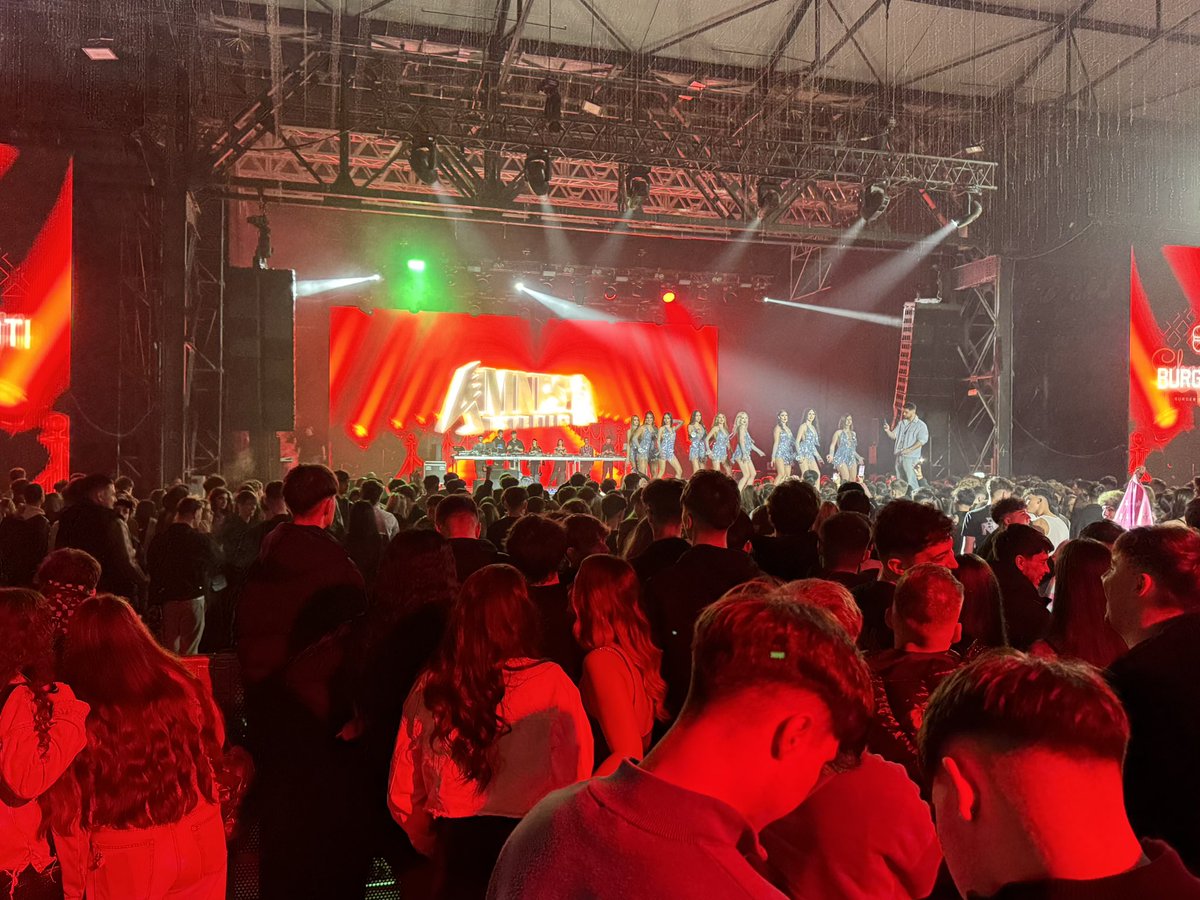
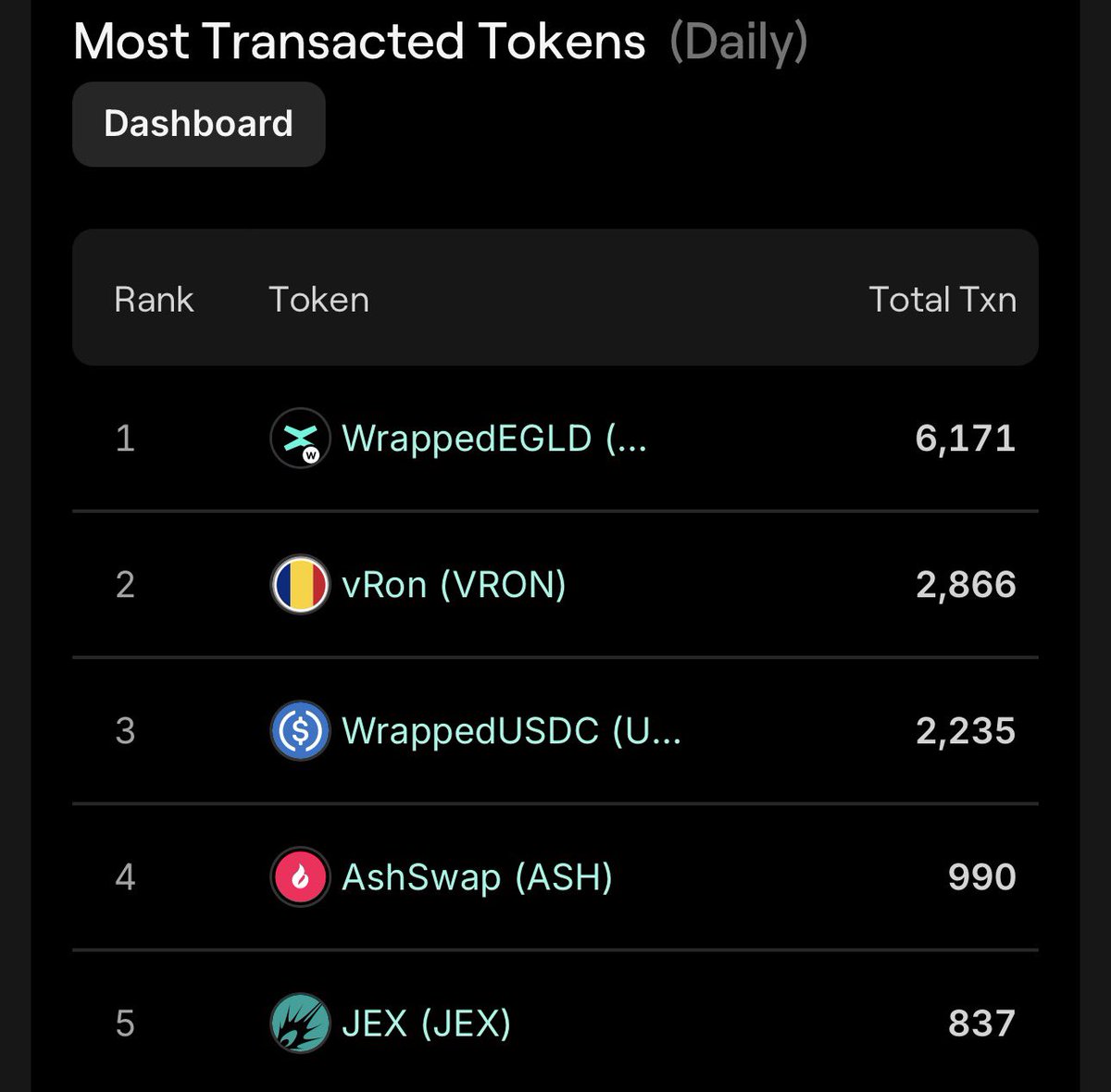
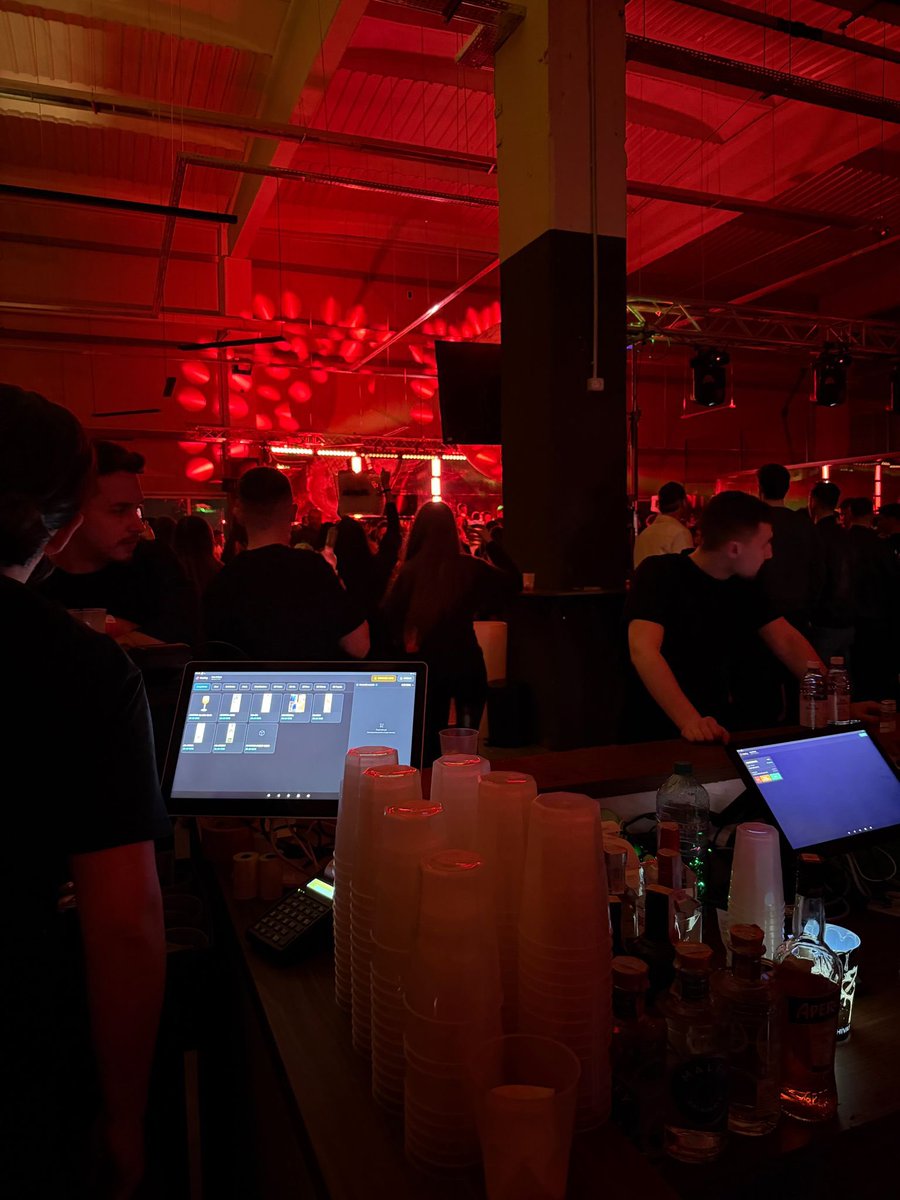
Last weekend: 2 live events powered by our cashless payment system. 6,331 on-chain transactions 33 relayers 3,640+ NFC cards Total fees: 1.40068 EGLD (~$5.3) 🤯 For both organizers and thousands of participants, everything was fully transparent and immutable on @MultiversX. No more: “my balance looks wrong” “I topped up 100 RON and it’s gone” “I only bought one drink, where’s my credit?” “money disappeared from my card” Every transaction = on-chain, traceable, untouchable. That’s what real-world blockchain looks like.


$10,000. Five challenges. Many winners. From the agentic arena to transaction battles that led to a hard fork, Guild Wars delivered a stress test worth remembering. Congratulations to our Guild Wars champions @RosettaStake and all the teams who battled hard! Read our recap 👇

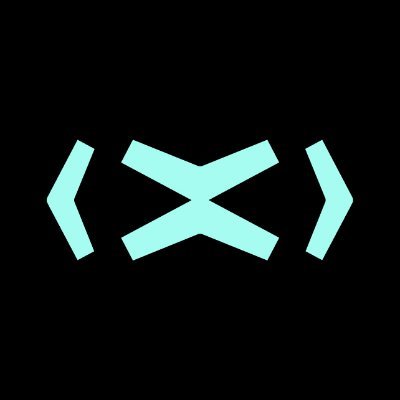
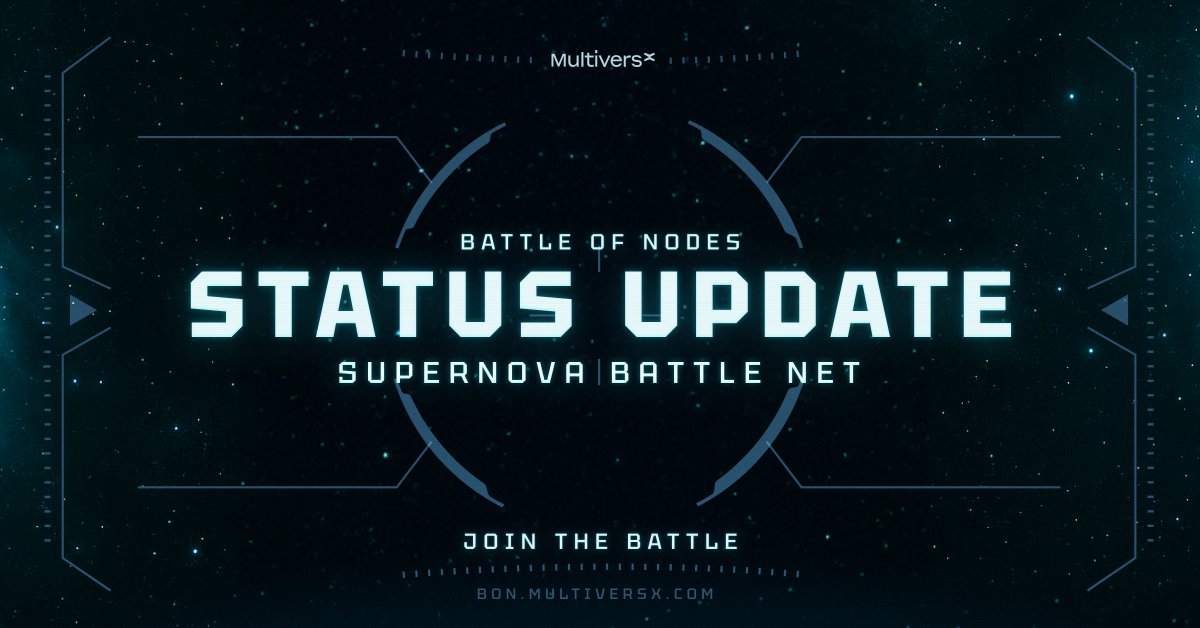
Battle of Nodes Contestants! Please mind the 12:00 UTC deadline for Challenge #8 submissions. To allow for additional network hardening after the battle test, the Security Track submissions will remain open until Friday, April 10th. We expect to wind down the Battle Net this week. Shortly after, Supernova will be available on Testnet. More information to follow!




A Bet We Made in 2018 This is me and Vitalik in 2018. ETH Devcon. We were at a table talking about sharding and how blockchains could actually scale by running execution in parallel. At the time, Ethereum and Elrond had the same thesis. Both believed execution sharding was the path forward. Since then, Ethereum changed direction multiple times. Sharding gave way to rollups. Rollups gave way to "we need to scale L1 again." The roadmap shifted, the promises changed, the technical approach pivoted more than once. And through all of it - the Ethereum community stayed. They gave the team the space to find the right path. They didn't kill the project when the roadmap changed. They believed the builders would figure it out. That patience is what kept Ethereum alive. Not the technology. The community. ─── We made a different bet. We bet on execution sharding from day one and we never left that path. Adaptive state sharding shipped on mainnet in 2020. Three execution shards plus a metachain. State, network, transactions - all sharded from genesis. Supernova shipped this year. Consensus decoupled from execution. 600ms blocks. achieved 88ms finality. 120,000 TPS burst mode on the same validator hardware. 3,200+ validators on consumer-grade machines. 171,000 commits. #6 in the entire industry. Ahead of Solana, Avalanche, Sui, Polygon, Aptos, and TON. Tier-one infrastructure providers on board, distribution partners like Cointelegraph are running validator nodes. Stripe's Machine Payments Protocol is settling on MultiversX. EGLD is named in an Arizona state strategic reserve bill. The agentic commerce stack - x402, MPP, MX-8004, UCP, ACP, MCP - is live on one chain. xMoney is building regulated stablecoin issuance under MiCA. The infrastructure underneath has never been stronger. ─── And yet the market prices EGLD like none of this exists. Every blockchain community is going through the same thing right now. EGLD is down. ETH is down. SOL is down. The market doesn't differentiate between chains that shipped paradigm-shifting infrastructure and chains that shipped a landing page. But here's what's different about right now. Bitcoin survived 2014. Ethereum survived 2018. Solana survived 2022. In each case, the community stayed long enough for the technology to matter. In each case, the community that held wrote the next chapter. And in each case, the ones who fractured, who turned on their own builders, who let the loudest voices - the ones who already sold - define the narrative? Those communities don't exist anymore. You don't remember their names. The perception of value has been distorted. By cycles. By speculation. By narratives that reward noise over engineering. And by us - divided when we should be united. Turning on each other instead of building forward together. Look at what's underneath. Not the chart. The infrastructure. 88ms finality. 120K TPS. #6 in developer activity globally. Tier-one infrastructure partners. Stripe settling on-chain. EGLD in US state legislation. Regulated stablecoins under MiCA. An agentic commerce stack that Visa, Coinbase, and Mastercard are racing to replicate. This is not a project searching for relevance. This is a project that shipped the relevance and is waiting for its community to match it. If this fails, it won't be because the technology wasn't good enough. It will be because we weren't united enough to carry it forward. I've been here since 2018. That table with Vitalik. Every pivot, every cycle, every doubt. Still here. Still building. Now it's your turn. Not to believe. To show up.
Last weekend: 2 live events powered by our cashless payment system. 6,331 on-chain transactions 33 relayers 3,640+ NFC cards Total fees: 1.40068 EGLD (~$5.3) 🤯 For both organizers and thousands of participants, everything was fully transparent and immutable on @MultiversX. No more: “my balance looks wrong” “I topped up 100 RON and it’s gone” “I only bought one drink, where’s my credit?” “money disappeared from my card” Every transaction = on-chain, traceable, untouchable. That’s what real-world blockchain looks like.


When a system works, it WORKS
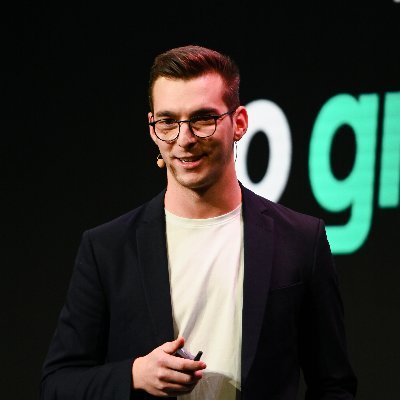
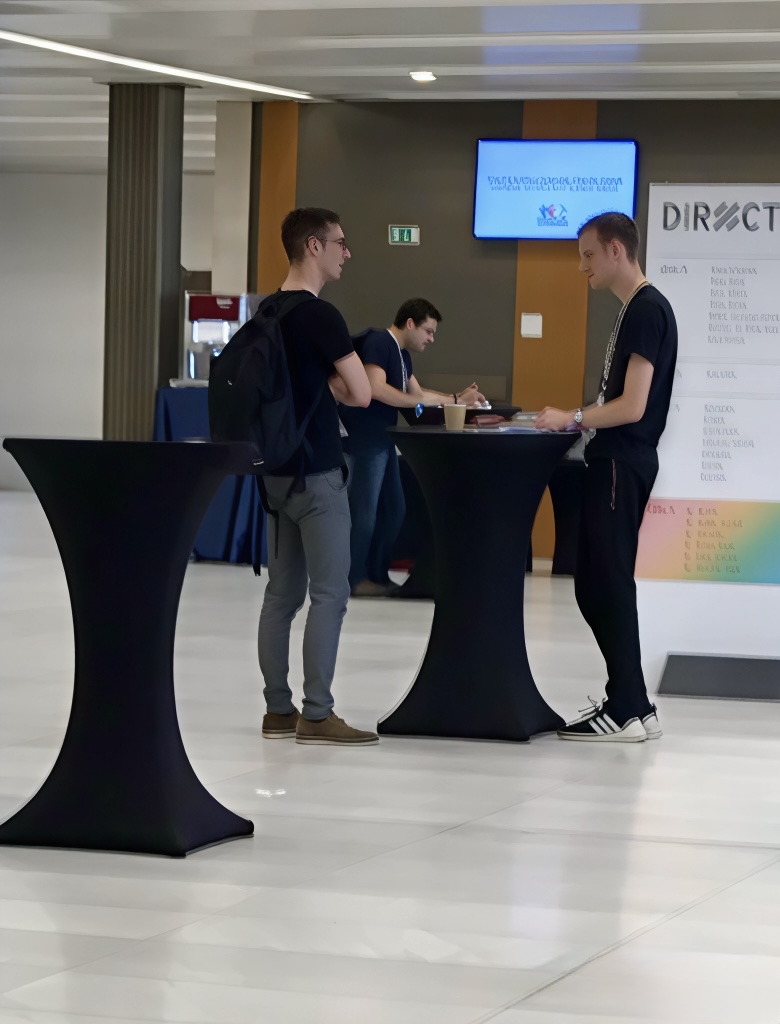

A Bet We Made in 2018 This is me and Vitalik in 2018. ETH Devcon. We were at a table talking about sharding and how blockchains could actually scale by running execution in parallel. At the time, Ethereum and Elrond had the same thesis. Both believed execution sharding was the path forward. Since then, Ethereum changed direction multiple times. Sharding gave way to rollups. Rollups gave way to "we need to scale L1 again." The roadmap shifted, the promises changed, the technical approach pivoted more than once. And through all of it - the Ethereum community stayed. They gave the team the space to find the right path. They didn't kill the project when the roadmap changed. They believed the builders would figure it out. That patience is what kept Ethereum alive. Not the technology. The community. ─── We made a different bet. We bet on execution sharding from day one and we never left that path. Adaptive state sharding shipped on mainnet in 2020. Three execution shards plus a metachain. State, network, transactions - all sharded from genesis. Supernova shipped this year. Consensus decoupled from execution. 600ms blocks. achieved 88ms finality. 120,000 TPS burst mode on the same validator hardware. 3,200+ validators on consumer-grade machines. 171,000 commits. #6 in the entire industry. Ahead of Solana, Avalanche, Sui, Polygon, Aptos, and TON. Tier-one infrastructure providers on board, distribution partners like Cointelegraph are running validator nodes. Stripe's Machine Payments Protocol is settling on MultiversX. EGLD is named in an Arizona state strategic reserve bill. The agentic commerce stack - x402, MPP, MX-8004, UCP, ACP, MCP - is live on one chain. xMoney is building regulated stablecoin issuance under MiCA. The infrastructure underneath has never been stronger. ─── And yet the market prices EGLD like none of this exists. Every blockchain community is going through the same thing right now. EGLD is down. ETH is down. SOL is down. The market doesn't differentiate between chains that shipped paradigm-shifting infrastructure and chains that shipped a landing page. But here's what's different about right now. Bitcoin survived 2014. Ethereum survived 2018. Solana survived 2022. In each case, the community stayed long enough for the technology to matter. In each case, the community that held wrote the next chapter. And in each case, the ones who fractured, who turned on their own builders, who let the loudest voices - the ones who already sold - define the narrative? Those communities don't exist anymore. You don't remember their names. The perception of value has been distorted. By cycles. By speculation. By narratives that reward noise over engineering. And by us - divided when we should be united. Turning on each other instead of building forward together. Look at what's underneath. Not the chart. The infrastructure. 88ms finality. 120K TPS. #6 in developer activity globally. Tier-one infrastructure partners. Stripe settling on-chain. EGLD in US state legislation. Regulated stablecoins under MiCA. An agentic commerce stack that Visa, Coinbase, and Mastercard are racing to replicate. This is not a project searching for relevance. This is a project that shipped the relevance and is waiting for its community to match it. If this fails, it won't be because the technology wasn't good enough. It will be because we weren't united enough to carry it forward. I've been here since 2018. That table with Vitalik. Every pivot, every cycle, every doubt. Still here. Still building. Now it's your turn. Not to believe. To show up.

Who's Actually Building? 171,000 commits. #6 in the entire blockchain industry. Ahead of Bitcoin. Ahead of Solana. Ahead of Avalanche, NEAR, Sui, Polygon, Aptos, and TON. Almost 2x Solana. Nearly 3.5x Aptos. The data is public. I'm not writing this to flex. I'm writing it because the people doing the real work deserve to see it reflected somewhere other than a Git log. ─── Building through a market like this is brutal. The price bleeds. Liquidity gets extracted by professionals who've never deployed a contract. Narratives rotate every two weeks. The projects that survive aren't the loudest, they're the ones that refuse to stop shipping. We shipped Supernova while the market did everything it could to make us irrelevant. 150,000 lines of new protocol code. 20 months. A complete rearchitecture of how consensus and execution interact. 88ms block finality on 600ms slots. The block finalizes before the round ends. 120,000 TPS burst mode on the same validator hardware. 3,200+ nodes. Full sharding intact. We didn't build this because the market asked for it. We built it because it was the right thing to build. ─── The market rewards narratives. It rewards projects that rename themselves to match whatever's trending. It doesn't reward the team that designed inclusion proofs so blocks finalize before execution completes. It doesn't reward 171,000 commits. It barely notices. But here's the thing, infrastructure doesn't need the market's permission to work. Over 500 million transactions processed. 3,200+ validator nodes across four continents. And now, sub-second finality on every transaction type. ─── People ask: "What's left for blockchain when AI takes over everything?" Wrong question. AI agents need to transact autonomously. They need identity. They need programmable money that settles in milliseconds. They need micropayments at scale without a human clicking "approve." Credit cards can't do this. Bank wires can't do this. These rails were built for humans, not machines. This is where the entire stack is converging. Look at what happened in the last 90 days: Visa launched agentic payment tools. Mastercard acquired BVNK for $1.8B. Coinbase is pushing x402 hard. Circle is racing for stablecoin dominance. Stripe built ACP with OpenAI. They're all building pieces of the same stack: identity, payments, settlement, stablecoins. We built the whole thing. On one chain. x402 for autonomous agent payments. MX-8004 for on-chain agent identity. UCP, ACP, AP2, MCP for agent communication and commerce. xMoney for regulated stablecoin issuance and fiat-to-crypto connectivity under MiCA. Relayed v3 for gasless transactions so agents don't need to hold tokens to start. Six protocols. Regulated stablecoins. Fiat rails. One network. The stack that Visa, Stripe, and Coinbase are assembling from separate pieces, we shipped as a unified layer. ─── And the community. Every validator who kept running through the drawdown. Every builder who deployed when nobody was watching. Every staker who stayed. 171,000 commits. Supernova. Battle of Nodes. Cointelegraph joining as a validator. EGLD named in an Arizona state strategic reserve bill. The signals are there. The infrastructure is live. The convergence between AI, payments, and blockchain isn't five years away. It's happening now. The teams that built through the hard part don't need to pivot when the opportunity arrives. They're already there. We're already there.