

@AnnieWHistory Also read Silence will Speak by Errol Trzebinski about her relationship with Denys Finch Hatton. I believe the film credits mention Errol Trzebinski.
English
Cathy Johnson 💙💛
4.7K posts

@dadslibrary
Writing YA and Teen. Debut fiction #northernwritersaward 2019, SL Guppy YA 2022, BSU #MAWFYP #Lupus #hiddendisability Former GP

She married the wrong twin brother and it led to one of the most beautiful books ever written. Karen Dinesen was 27 years old when she fell deeply in love with a Swedish baron named Hans von Blixen-Finecke. He was elegant, athletic, and charismatic—an Olympic equestrian with the kind of confidence that made the world seem larger just by standing in it. Karen adored him. He did not love her back. Desperate to escape a life in Denmark that felt narrow and suffocating, Karen made a decision that would alter the course of her life. She agreed to marry Hans’s identical twin brother, Bror von Blixen-Finecke. Bror did not offer her romance or devotion, but he offered something she wanted just as badly: Africa. Together they made a reckless, romantic plan. They would leave Europe behind and establish a coffee plantation in British East Africa. In December 1913, Karen boarded a ship alone. On January 14, 1914, she arrived in Mombasa and married Bror very same day. She became Baroness Blixen before she had even seen the land that would define her life. Their farm lay at the foot of Ngong Hills in what is now Kenya—thousands of acres of red earth and open sky, 6000ft above sea level. Karen called their home Mbogani, “the house in the woods.” The light was fierce. The air was thin. The hills turned violet at dusk. It should have been paradise. Instead, it became a long education in endurance. Within a year, Karen discovered that Bror’s constant affairs had left her infected with syphilis, an illness that would cause her pain and weakness for the rest of her life. Bror continued disappearing for weeks at a time while Karen struggled to keep the coffee farm alive, learning business, agriculture, and leadership the hard way. By 1921, they separated. By 1925, they were divorced. Karen stayed. Somewhere between droughts and debt, heartbreak and isolation, she fell in love—not with a man, but with Africa itself. She learned Swahili. She walked the fields at dawn with Kikuyu workers, settled disputes, treated illnesses, and taught children to read. They called her Msabu—a respectful title for a foreigner who belonged. The farm was never viable. The altitude was too high for coffee. Locusts came. Prices collapsed. Still, Karen poured everything she had into it, because the land had given her something she had never known before: independence. Then she met Denys Finch Hatton. Denys was everything Bror was not—cultivated, restless, poetic. He flew his own yellow plane, read Homer and Shelley aloud by lamplight, and loved the wild without trying to own it. He would not marry her. He would not stay permanently. He came and went as he pleased. It broke her heart. It also became the great love of her life. They flew over the plains together. They talked about freedom and belonging, about loving without possession. Denys treated Karen as an equal—mind to mind, not role to role. On May 14, 1931, Denys’s plane crashed shortly after takeoff. He was killed instantly. Karen buried him in the Ngong Hills, where they had once imagined resting together. Three weeks later, the coffee market collapsed completely. Her farm was foreclosed. Seventeen years of work vanished. At forty-six, Karen was bankrupt, ill, and alone. She returned to Denmark and moved back into her childhood bedroom. There, surrounded by loss, she began to write. She chose English instead of Danish, as if distance itself might make the memories bearable. She did not explain Africa. She evoked it. The light. The silence. The dignity of the people she had loved. In 1937, Out of Africa was published. “I had a farm in Africa, at the foot of the Ngong Hills.” Past tense. Already mourning. The book made her famous. Ernest Hemingway later said the Nobel Prize should have gone to her. She never returned to Kenya, but she carried it in her sentences forever. Karen Blixen could not keep land she loved. So she did the next best thing. She made it immortal. #archaeohistories



Proud of @FionaGodlee, my predecessor as editor in chief at @bmj_latest, for protesting the UK’s complicity in Israel’s war crimes in Palestine. @Keir_Starmer will be damned by history as the UK Prime Minister who arrested good people for peaceful protest against genocide










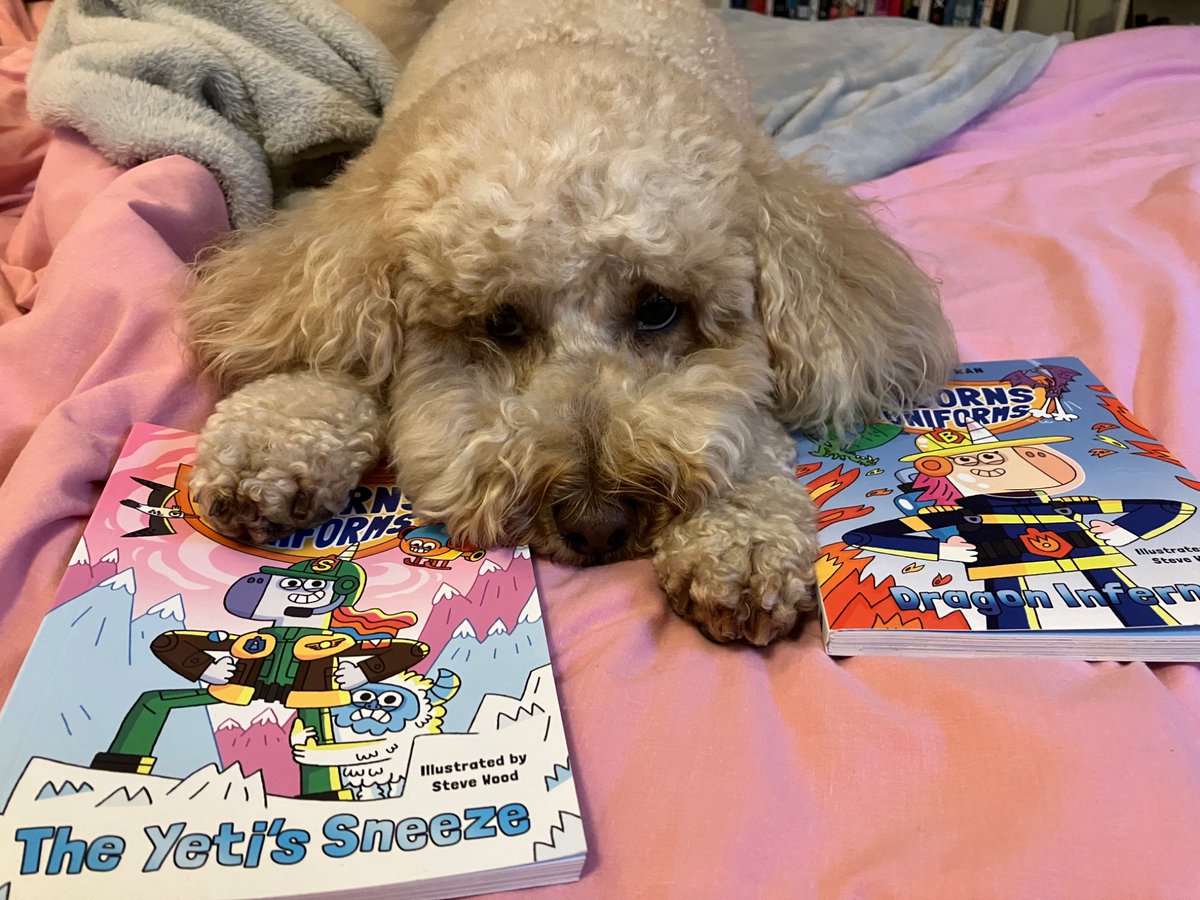
Now all our Reading Rockers have got our January #RR_books box, we can shout about what's inside! In our KS1 box, we have Unicorns in Uniforms, written by Tracy Curran, illustrated by Steve Wood and published by UCLan Publishing. @WriterCornish #stevewood @Publishinguclan

