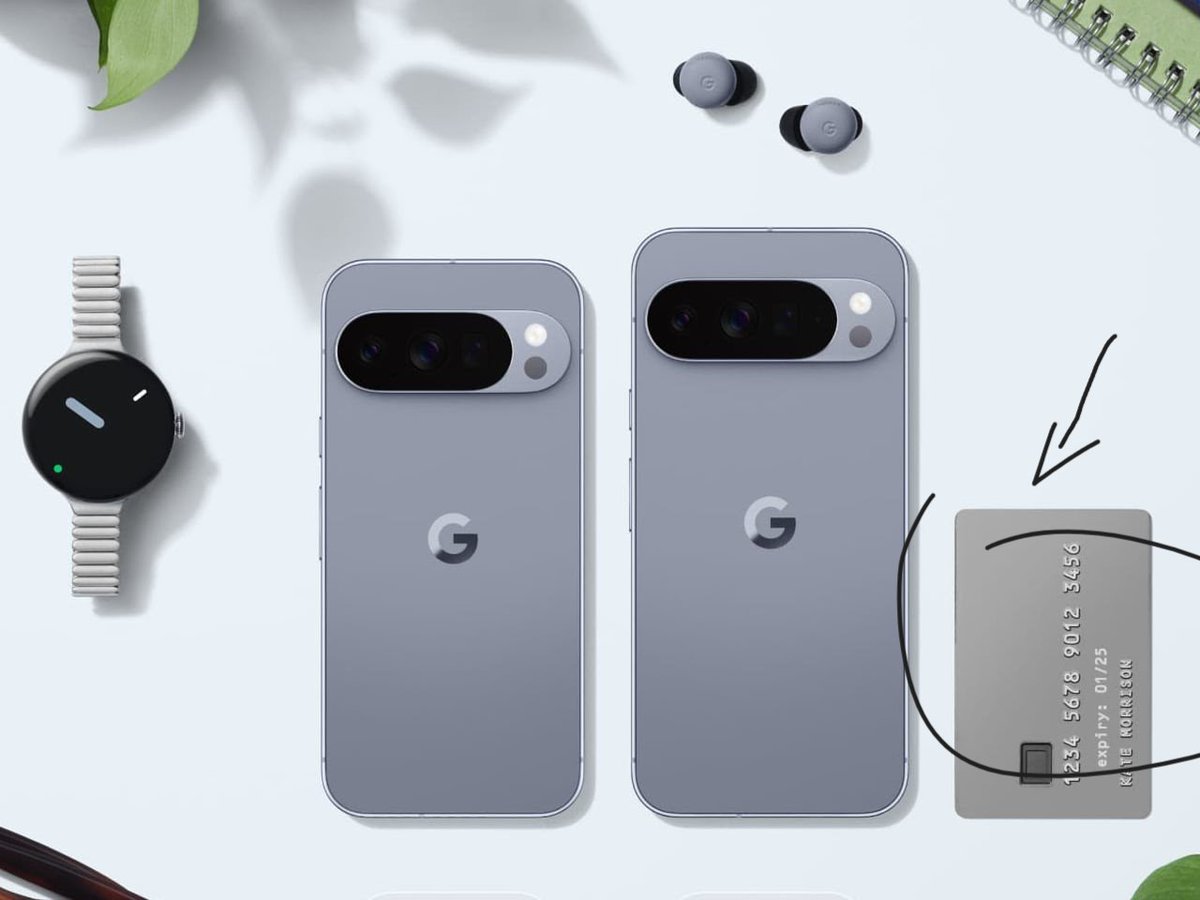
The FTC won a partial summary judgment victory in its case against Amazon this week with US District Judge John Chun ruling the company broke consumer protection law by revealing Prime’s terms only after collecting customers’ payment information.
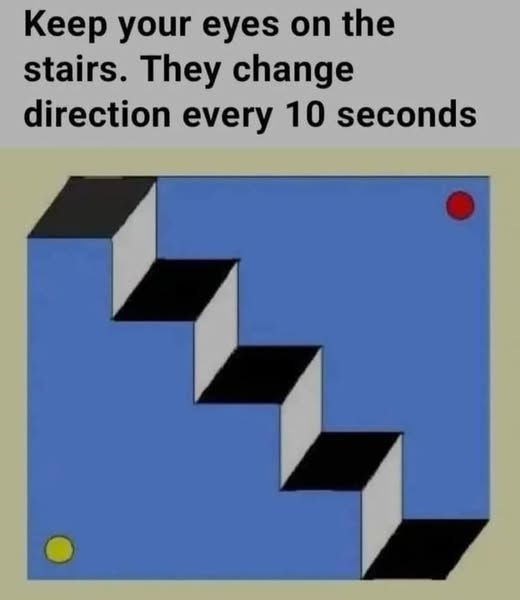
At any given moment, you are only seeing 10% of what you think you are seeing. That means the other 90% of what appears in your visual field is being “generated” by your brain.
The Stepping-Feet Illusion features two rectangles apparently moving like a pair of stepping feet, but they're actually moving at the same constant speed.
The illusion is broken when the striped texture is removed.
The Hungarian competition authority started an investigation against Ryanair for misleading consumers for a variety of reasons, including dark patterns.
Dark patterns are already prohibited... in half a dozen EU regulations... Instead of new legislations, we should enforce the existing ones (and get rid of the superfluous ones).
I was fired by Apple today.
Me and my design team have spent the last 18 months tirelessly testing different levels of gaussian blur on backgrounds when foreground elements are in focus.
If you are looking for experts in the blur, glass liquid, grass or fur UI space, lmk.
It is particularly relevant in enforcement contexts—such as antidiscrimination law or regulatory compliance—where consistent definitional standards are crucial for fair application and meaningful comparisons over time. 3/3
For example, as discriminatory practices in a workplace decrease, individuals may begin labeling increasingly subtle or ambiguous behaviors as discriminatory. /2
The Prevalence-Induced Concept Change Bias: This bias occurs when reductions in the frequency of a problem lead people to expand their definition of that problem, thereby perceiving it as still prevalent. 🧵/1
This asymmetry undermines mutual understanding and fairness in judgment. Recognizing it is crucial in mediation, performance evaluation, and adjudication, where objective interpretation of both self and others' intentions is essential. 3/3
For instance, in legal or workplace settings, someone might claim superior insight into their own motivations and justifications while dismissing others’ self-assessments, attributing their behavior to external or stereotypical causes. /2
The Self-Other Knowledge Asymmetry Bias: This bias occurs when people believe they know themselves better than others know them, while assuming they understand others better than others understand themselves.
Explanation: 🧵/1