
Ditrick

1.4K posts

Ditrick banner
Ditrick

Ditrick

@ditrick96

#Time

USA 가입일 Aralık 2015
765 팔로잉109 팔로워
Ditrick 리트윗함
Katie Randolph Giometti
Katie Randolph Giometti@katie_giometti·
As someone who spent years of my life negotiating @Plaid’s first data access agreements with banks and lobbying the CFPB, I’m particularly excited by this week's 1033 news. To save you a scintillating 299 page read - here are the implications for fintech founders:
English

6
8
52
10.4K
Ditrick 리트윗함
Sebastian Sigl
Sebastian Sigl@sesigl·
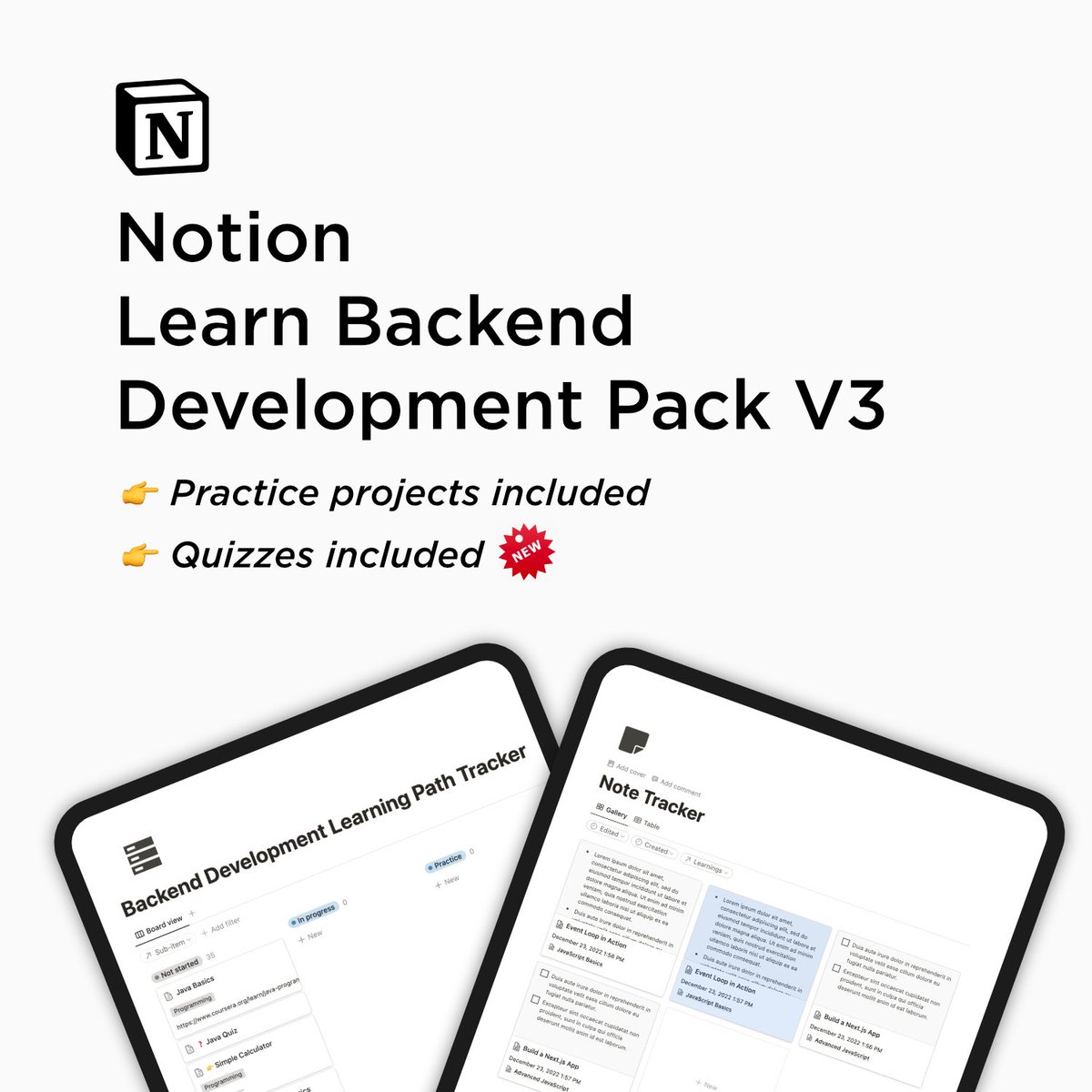
I interviewed over 70 backend engineers in the last 2 years. I created a Notion based "Learn Backend Development Pack V3" that contains a learning path to become a backend dev based on ONLY FREE resources. Retweet and reply with "free" and I'll DM it to you. (need to follow)
Sebastian Sigl tweet media
English
1.8K
1.3K
1.7K
390.4K
Ditrick 리트윗함
Ben Weiss
Ben Weiss@keyboardsurfer·
Using Continuous Integration is best practice in software engineering. We just published a guide to help you with the basics. developer.android.com/training/testi…
English
4
100
419
36.9K
Ditrick 리트윗함
Adam Lyttle
Adam Lyttle@adamlyttleapps·
Refactoring code is a super power 💪 Why do so many developers hate it? I *love* to get stuck right into the code (The messier the better) My priority is to get a working version of the code first… Later I’ll revisit the code: — Remove the bloat — Make it work nicer with the rest of the code — Apply the lessons I learned while initially building The result: A quicker development cycle that prioritises results over doing it the “right” way
English
6
2
24
7.8K
Ditrick 리트윗함
Guillaume Moubeche
Guillaume Moubeche@GuillaumeMbh·
A $1000 investment gave me a 10,000x return and I became a multi-millionaire at the age of 29. A playbook for every college kid to become a millionaire in their 20s🧵
Guillaume Moubeche tweet media
English
123
245
2.5K
1M
Ditrick 리트윗함
Jan Mraz
Jan Mraz@janm_uiux·
How to set up Figma for iOS app design 🍎📲
English
18
153
928
85K
Ditrick 리트윗함
Justin Welsh
Justin Welsh@thejustinwelsh·
Most people suck at building relationships online. It's always: - Help me! - Can I pick your brain? - Will you like my Tweet? A terrible approach. Here's how the top accounts on Twitter build real relationships:
English
84
113
1.4K
674.7K
Ditrick 리트윗함
Jarosław Michalik
Jarosław Michalik@JarekOnTech·
Hey Android devs! If you would have to migrate 100% Java app to Kotlin… how would you start?
English
44
12
108
25.1K
Ditrick 리트윗함
Brian Nichols
Brian Nichols@b_nicks11·
I hate when pre-seed and seed-stage founders trick themselves into thinking that they’re doing real work. Lots of the “progress” I see in investor updates are what I’ll call “fake work.”
English
103
103
1.1K
495.7K
Ditrick 리트윗함
Matteo Spada
Matteo Spada@matteo_spada·
How avoid to lose your time with the wrong iOS app idea 🧵👇🏻
English
11
29
215
54.9K
Ditrick 리트윗함
Sam Hogan 🇺🇸
Sam Hogan 🇺🇸@samhogan·
6 months ago it looked like AI / LLMs were going to bring a much needed revival to the venture startup ecosystem after a few tough years. With companies like Jasper starting to slow down, it’s looking like this may not be the case. Right now there are 2 clear winners, a handful of losers, and a small group of moonshots that seem promising. Let’s start with the losers. Companies like Jasper and the VCs that back them are the biggest losers right now. Jasper raised >$100M at a 10-figure valuation for what is essentially a generic, thin wrapper around OpenAI. Their UX and brand are good, but not great, and competition from companies building differentiated products specifically for high-value niches are making it very hard to grow with such a generic product. I’m not sure how this pans out but VC’s will likely lose their money. The other category of losers are the VC-backed teams building at the application layer that raised $250K-25M in Dec - March on the back of the chatbot craze with the expectation that they would be able to sell to later-stage and enterprise companies. These startups typically have products that are more focused than something very generic like Jasper, but still don't have a real technology moat; the products are easy to copy. Executives at enterprise companies are excited about AI, and have been vocal about this from the beginning. This led a lot of founders and VC's to believe these companies would make good first customers. What the startups building for these companies failed to realize is just how aligned and savvy executives and the engineers they manage would be at quickly getting AI into production using open-source tools. An engineering leader would rather spin up their own @langchain and @trychroma infrastructure for free and build tech themselves than buy something from a new, unproven startup (and maybe pick up a promotion along the way). In short, large companies are opting to write their own AI success stories rather than being a part of the growth metrics a new AI startup needs to raise their next round. (This is part of an ongoing shift in the way technology is adopted; I'll discuss this in a post next week.) This brings us to our first group of winners — established companies and market incumbents. Most of them had little trouble adding AI into their products or hacking together some sort of "chat-your-docs" application internally for employee use. This came as a surprise to me. Most of these companies seemed to be asleep at the wheel for years. They somehow woke up and have been able to successfully navigate the LLM craze with ample dexterity. There are two causes for this: 1. Getting AI right is a life or death proposition for many of these companies and their executives; failure here would mean a slow death over the next several years. They can't risk putting their future in the hands of a new startup that could fail and would rather lead projects internally to make absolutely sure things go as intended. 2. There is a certain amount of kick-ass wafting through halls of the C-Suite right now. Ambitious projects are being green-lit and supported in ways they weren't a few years ago. I think we owe this in part to @elonmusk reminding us of what is possible when a small group of smart people are highly motivated to get things done. Reduce red-tape, increase personal responsibility, and watch the magic happen. Our second group of winners live on the opposite side of this spectrum; indie devs and solopreneurs. These small, often one-man outfits do not raise outside capital or build big teams. They're advantage is their small size and ability to move very quickly with low overhead. They build niche products for niche markets, which they often dominate. The goal is build a saas product (or multiple) that generates ~$10k/mo in relatively passive income. This is sometimes called "mirco-saas." These are the @levelsio's and @dannypostma's of the world. They are part software devs, part content marketers, and full-time modern internet businessmen. They answer to no one except the markets and their own intuition. This is the biggest group of winners right now. Unconstrained by the need for a $1B+ exit or the goal of $100MM ARR, they build and launch products in rapid-fire fashion, iterating until PMF and cashflow, and moving on to the next. They ruthlessly shutdown products that are not performing. LLMs and text-to-image models a la Stable Diffusion have been a boon for these entrepreneurs, and I personally know of dozens of successful (keeping in mind their definition of successful) apps that were started less than 6 months ago. The lifestyle and freedom these endeavors afford to those that perform well is also quite enticing. I think we will continue to see the number of successful micro-saas AI apps grow in the next 12 months. This could possibly become one of the biggest cohorts creating real value with this technology. The last group I want to talk about are the AI Moonshots — companies that are fundamentally re-imagining an entire industry from the ground up. Generally, these companies are VC-backed and building products that have the potential to redefine how a small group of highly-skilled humans interact with and are assisted by technology. It's too early to tell if they'll be successful or not; early prototypes have been compelling. This is certainly the most exciting segment to watch. A few companies I would put in this group are: 1. cursor.so - an AI-first code editor that could very well change how software is written. 2. harvey.ai - AI for legal practices 3. runwayml.com - an AI-powered video editor This is an incomplete list, but overall I think the Moonshot category needs to grow massively if we're going to see the AI-powered future we've all been hoping for. If you're a founder in the $250K-25M raised category and are having a hard time finding PMF for your chatbot or LLMOps company, it may be time to consider pivoting to something more ambitious. Lets recap: 1. VC-backed companies are having a hard time. The more money a company raised, the more pain they're feeling. 2. Incumbents and market leaders are quickly become adept at deploying cutting-edge AI using internal teams and open-source, off-the-shelf technology, cutting out what seemed to be good opportunities for VC-backed startups. 3. Indie devs are building small, cash-flowing businesses by quickly shipping niche AI-powered products in niche markets. 4. A small number of promising Moonshot companies with unproven technology hold the most potential for VC-sized returns. It's still early. This landscape will continue to change as new foundational models are released and toolchains improve. I'm sure you can find counter examples to everything I've written about here. Put them in the comments for others to see. And just to be upfront about this, I fall squarely into the "raised $250K-25M without PMF" category. If you're a founder in the same boat, I'd love to talk. My DMs are open. If you enjoyed this post, don't forget to follow me, Sam Hogan. I share one long-form post per week covering AI, startups, open-source, and more. That's all folks! Thanks for reading. See you next week.
English
130
410
2.4K
1.5M
Ditrick 리트윗함
Mike Strives
Mike Strives@mikestrives·
I've exited a $1m SaaS. I've scaled another one to over $40k/month. You can do it too! Here are 5 ways to learn SaaS in 2023:
Mike Strives tweet media
English
7
9
111
29.5K
Ditrick 리트윗함
Dr Milan Milanović
Dr Milan Milanović@milan_milanovic·
𝗦𝗼𝗺𝗲 𝗶𝗺𝗽𝗼𝗿𝘁𝗮𝗻𝘁 𝗹𝗲𝗮𝗿𝗻𝗶𝗻𝗴𝘀 𝗳𝗿𝗼𝗺 𝗺𝘆 𝟮𝟬 𝘆𝗲𝗮𝗿𝘀 𝗼𝗳 𝗲𝗻𝗴𝗶𝗻𝗲𝗲𝗿𝗶𝗻𝗴 𝗹𝗶𝗳𝗲 𝟭. 𝗗𝗼𝗻'𝘁 𝗱𝗼 𝗽𝗿𝗲𝗺𝗮𝘁𝘂𝗿𝗲 𝗼𝗽𝘁𝗶𝗺𝗶𝘇𝗮𝘁𝗶𝗼𝗻 You will not replace that component with another one in the future, so that you won't need an abstraction now. 𝟮. 𝗧𝗵𝗶𝗻𝗸 𝘁𝘄𝗶𝗰𝗲 𝗯𝗲𝗳𝗼𝗿𝗲 𝘄𝗿𝗶𝘁𝗶𝗻𝗴 𝗰𝗼𝗱𝗲 Only write if you're sure you need that code line. The best code is no code. 𝟯. 𝗟𝗲𝗮𝗿𝗻 𝗴𝗼𝗼𝗱 𝗽𝗿𝗮𝗰𝘁𝗶𝗰𝗲𝘀 - Clean Code. - Design patterns. - SOLID Principles. - Different software architectures. - Algorithms. 𝟰. 𝗠𝗮𝗸𝗲 𝘁𝗵𝗶𝗻𝗴𝘀 𝘀𝗶𝗺𝗽𝗹𝗲, 𝗮𝗻𝗱 𝗲𝘃𝗲𝗻 𝘀𝗶𝗺𝗽𝗹𝗲𝗿 𝘁𝗵𝗮𝗻 𝘁𝗵𝗮𝘁 Make sure to complete everything correctly. Go with simple and easy-to-understand solutions. We are anyway in a very complex space here. 𝟱. 𝗡𝗮𝗺𝗲 𝘁𝗵𝗶𝗻𝗴𝘀 𝗽𝗿𝗼𝗽𝗲𝗿𝗹𝘆 One of the hardest things. Try to look at it from the reader's perspective. 𝟲. 𝗧𝗲𝘀𝘁 𝘆𝗼𝘂𝗿 𝗰𝗼𝗱𝗲 Unit, integration, e2e, and all others which are needed. You cannot afford a non-tested code. Try to design things by writing tests, TDD, for example. 𝟳. 𝗞𝗲𝗲𝗽 𝘆𝗼𝘂𝗿 𝘁𝗶𝗺𝗲 𝘄𝗶𝘀𝗲𝗹𝘆. 𝗜𝘁 𝗶𝘀 𝘁𝗵𝗲 𝗺𝗼𝘀𝘁 𝗲𝘅𝗽𝗲𝗻𝘀𝗶𝘃𝗲 𝘁𝗵𝗶𝗻𝗴 𝘆𝗼𝘂 𝗵𝗮𝘃𝗲. Try to avoid being interrupted for deep focus. Hide your notifications. Made one day in a week a non-meeting day. Prioritize tasks (learn Eisenhower matrix) 𝟴. 𝗖𝗼𝗺𝗺𝘂𝗻𝗶𝗰𝗮𝘁𝗲, 𝗰𝗼𝗺𝗺𝘂𝗻𝗶𝗰𝗮𝘁𝗲, 𝗰𝗼𝗺𝗺𝘂𝗻𝗶𝗰𝗮𝘁𝗲 Try pair and mob programming. Then you don't need code reviews; you're collaboratively writing code with the same goal. 𝟵. 𝗗𝗼𝗻'𝘁 𝗷𝘂𝘀𝘁 𝗹𝗲𝗮𝗿𝗻, 𝗱𝗼 When you learn something, try to understand it when you need it or a bit before (be intentional). You will forget most of it if you don't do it. And, of course, remember to enjoy coding! _______ If you like my posts, please follow me, @milan_milanovic, and hit the 🔔 on my profile to get a notification for all my new posts. Grow with me 🚀! #technology #softwareengineering #programming #techworldwithmilan #careers
Dr Milan Milanović tweet media
English
16
247
1.2K
271K
Ditrick 리트윗함
Mohd Danish
Mohd Danish@mddanishyusuf·
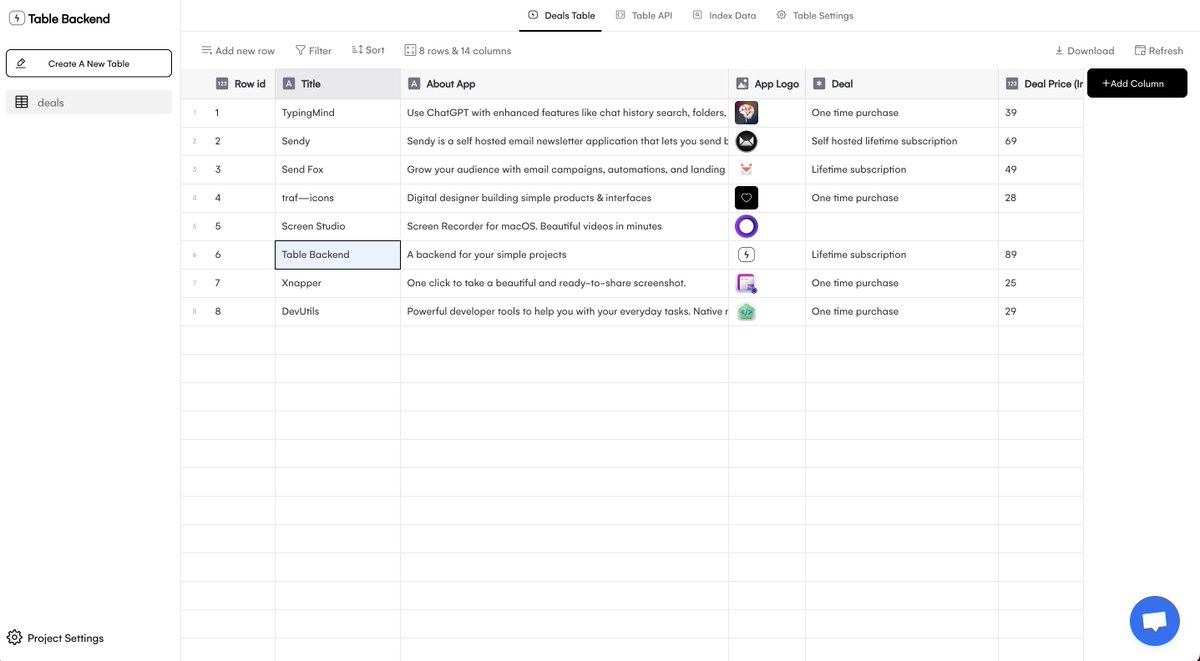
Building a simple marketplace for Lifetime & One time Pay Apps. Alternative to AppSumo with 0% commission. Added 8 projects I know and using. Please mention the app you bought lifetime subscription. I'll add them into this list.
Mohd Danish tweet media
English
15
3
27
8.3K
Ditrick 리트윗함
Modest Mitkus
Modest Mitkus@ModestMitkus·
I asked, "What's the biggest obstacle in making money online?" I received - more than 1000 replies Here are 7 most common problems (with solutions):
Modest Mitkus tweet media
English
32
121
795
182.6K
Ditrick 리트윗함
Figma
Figma@figma·
The official @Apple iOS 17 and iPadOS 17 Kit, now on Figma Community. bit.ly/45PJ7hG
Figma tweet media
English
52
618
3.5K
595K
Ditrick 리트윗함
Codie Sanchez
Codie Sanchez@Codie_Sanchez·
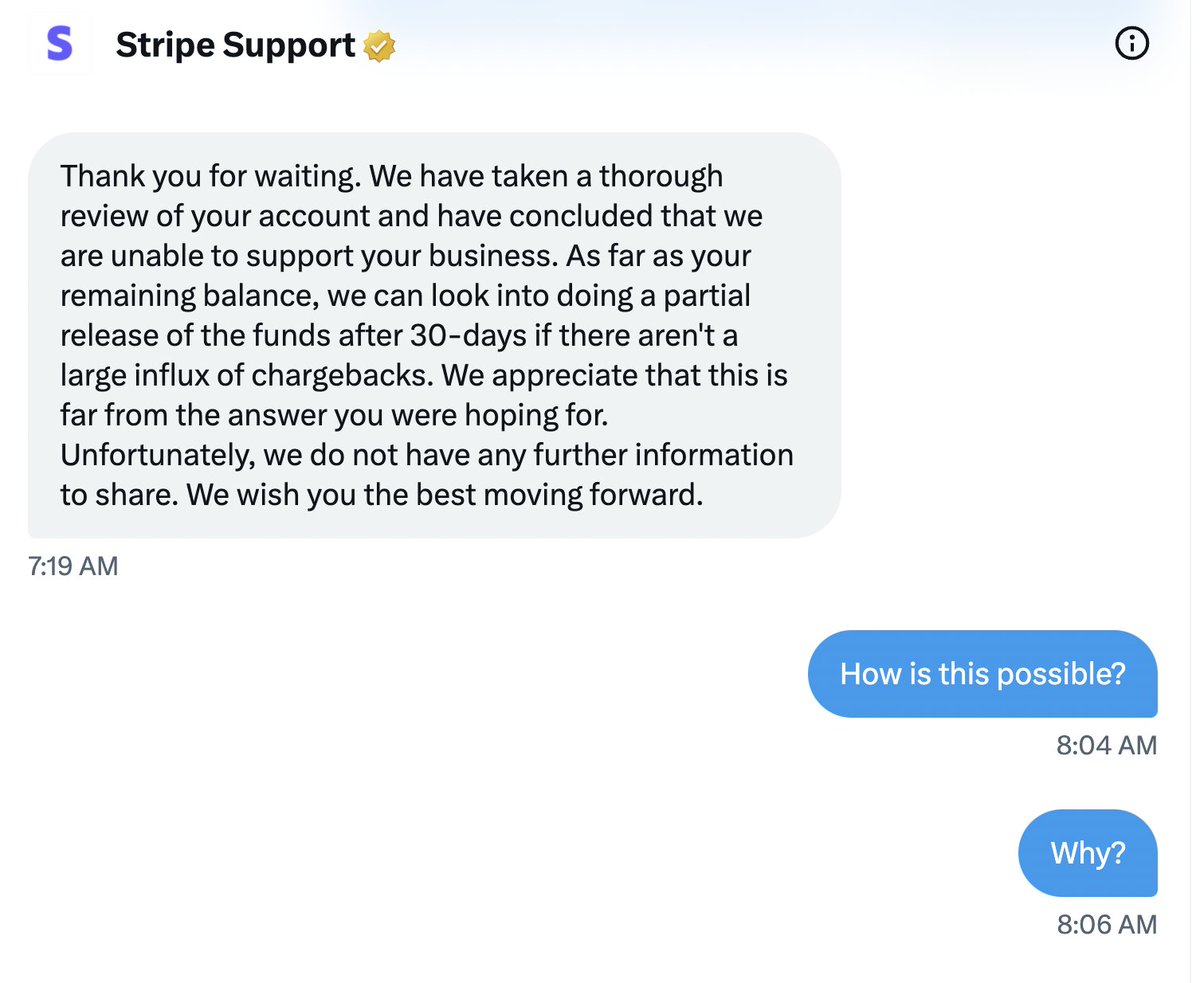
Stripe just shut down a small biz we own and said they "may give our money back in 30 days." Criminal. People for years have said Stripe was awful for small guys and bankrupted people. I didn't believe it. Now I do.
Codie Sanchez tweet media
English
655
432
3.5K
3.8M
Ditrick 리트윗함
Mayank Gupta🧑🏻‍💻
Mayank Gupta🧑🏻‍💻@waghnakh_21·
iOS development is a book of 10 chapters: 💼 UIKit/ SwiftUI 🕊️ Swift ⛏️ Xcode 📡 API Calls ♻️ JSON parsing 📝 Memory management 🧶 Threads & Concurrency 📦 Core Data ⚙️ GitHub 🗂️ Database
English
9
35
287
39.6K
Ditrick 리트윗함
Mario Nawfal
Mario Nawfal@MarioNawfal·
The NEW CEO Of Twitter? Linda Yaccarino, a potential new CEO for Twitter, is an executive at NBC Universal and holds a position at the World Economic Forum. Last month, during an interview with Elon, Yaccarino encouraged him to allow advertisers to have influence on the platform. Musk disagreed, stating that it was wrong for advertisers to try to shape Twitter's content. Yaccarino persisted, requesting the reinstatement of an "influence council" for advertisers to regularly interact with Twitter's leadership. Musk expressed concern that this could lead to public backlash. Before her potential role as Twitter's CEO, Yaccarino had various positions at NBC Universal, including Chairman of Global Advertising and Partnerships. While I understand everyone’s concerns after reading the above, I want to point a few important points: - Working at WEF doesn’t immediately make you part of the ‘establishment’. Is every politician evil? Every banker greedy? - If done right, and without influencing free speech, communication between Twitter and advertisers is a positive. - Elon can fire a CEO if they don’t live up to his expectations Having said all this, do you think she’s the right person for the job?
English
4K
1.6K
6.9K
5.2M
Ditrick 리트윗함
Brett
Brett@BrettFromDJ·
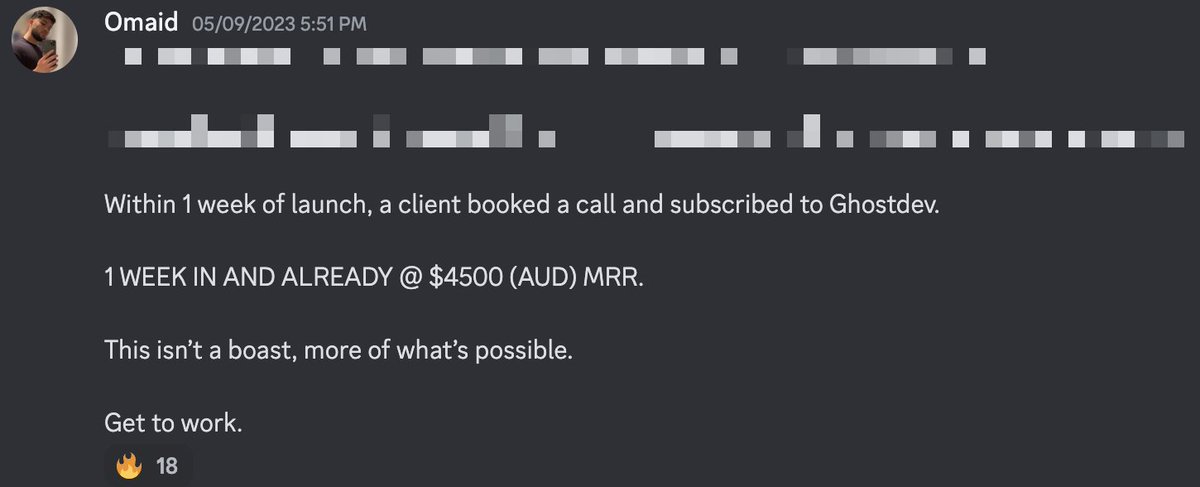
Designers everywhere are now making thousands of dollars every month by selling subscriptions. This is the future of work.
Brett tweet media
English
20
6
274
356K