Josh McGregor

591 posts

Josh McGregor banner
Josh McGregor

Josh McGregor

@joshMGAS

MD @ McGregor Gourlay

Moree, New South Wales 가입일 Ağustos 2016
329 팔로잉717 팔로워
Josh McGregor 리트윗함
Shanaka Anslem Perera ⚡
Shanaka Anslem Perera ⚡@shanaka86·
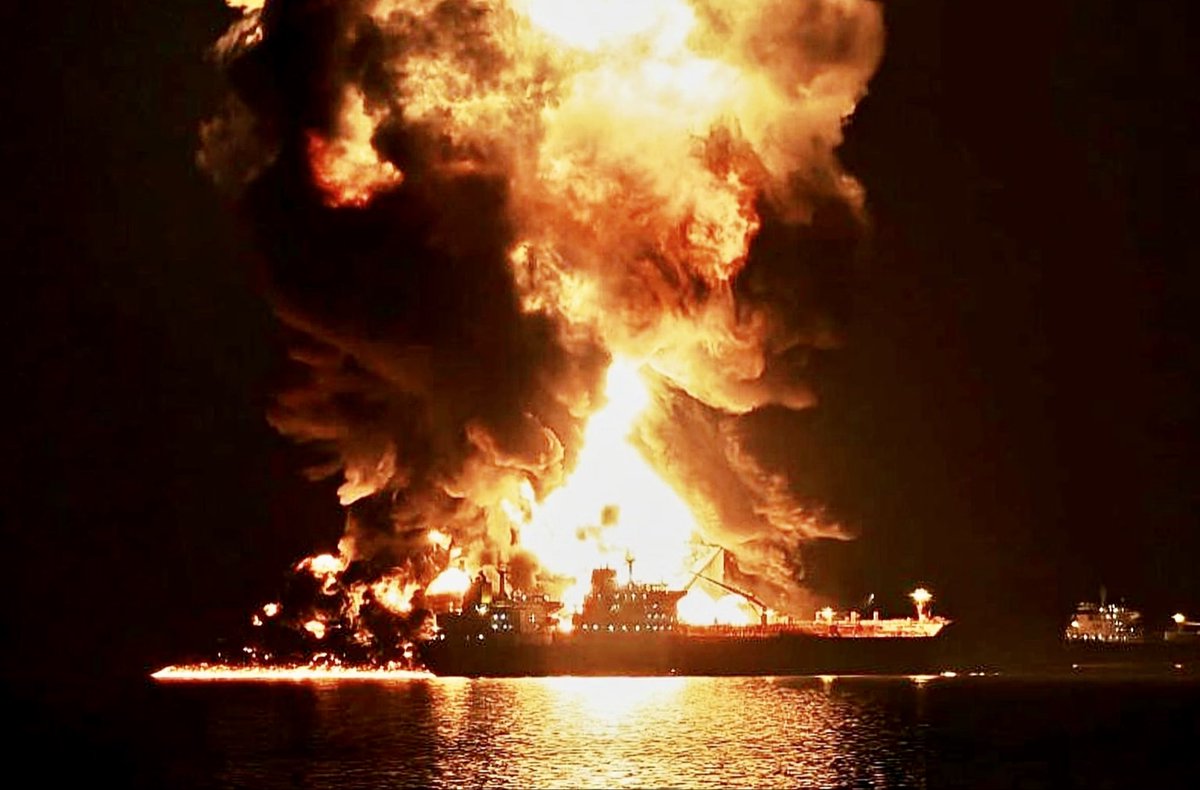
There are two clocks running in the Hormuz crisis. One belongs to the insurance industry. The other belongs to biology. They cannot be reconciled. And that irreconcilability is the single most important fact in the global food system right now. The insurance clock: P&I clubs cancelled Gulf war-risk cover on March 5. Premiums surged from 0.25 percent to 5 percent of hull value. For commercial shipping to resume at scale, insurers require a sustained period of incident-free stability before reinstating cover. Industry precedent from the Red Sea Houthi crisis shows what that timeline looks like. Houthi attacks began in November 2023. It is now March 2026. Twenty-six months later, Red Sea war-risk premiums remain elevated. Lloyd’s and the International Group of P&I Clubs do not respond to military press releases. They respond to actuarial loss ratios measured over quarters, not days. Even in the most optimistic scenario, if a full ceasefire were announced tomorrow morning and every Iranian provincial command stood down simultaneously, maritime insurers would require a minimum of 30 to 60 days of zero incidents before beginning to normalise premiums. Underwriters would then need to reassess hull values, renegotiate reinsurance treaties, and reprocess hundreds of individual vessel policies. The fastest realistic timeline for commercial shipping to resume normal Hormuz transit after a verified ceasefire is 60 to 90 days. More realistically, based on the Red Sea precedent, partial normalisation takes six months or longer. The planting clock: Corn Belt nitrogen application must occur by mid-April. India’s Kharif preparation runs through May. Bangladesh’s Boro season is underway now. Australia’s winter crop urea window opens in June. These are not political deadlines that can be extended by negotiation. They are biochemical windows defined by soil temperature, moisture content, and crop physiology. Nitrogen applied outside these windows either volatilises into the atmosphere or fails to metabolise in time to support yield formation. The two clocks do not overlap. The insurance clock says: even under perfect conditions, commercial shipping cannot resume normal fertiliser transit through Hormuz before late May at the earliest. The planting clock says: nitrogen must reach American soil by mid-April, Indian soil by May, and Bangladeshi soil now. The insurance recovery timeline structurally exceeds the biological deadline by weeks to months. This means that even a ceasefire tomorrow does not save the 2026 spring planting season. The military victory has been achieved. The enrichment programme is destroyed. The anti-ship missile sites are penetrated. But the insurance architecture that governs whether a commercial vessel can legally carry urea through the strait operates on a timeline that no military operation can compress. NOLA urea at $683 per ton reflects this. The market is not pricing a shortage that might happen. It is pricing a shortage that is already locked in by the structural mismatch between two clocks that no ceasefire, no escort convoy, and no deep-penetrator strike can synchronise. A bomb can destroy a bunker in seconds. An insurer takes months to forget it happened. And a corn plant needs nitrogen in four weeks regardless of what either of them decides. The planting clock does not wait for the insurance clock. The insurance clock does not accelerate for the planting clock. And somewhere between the two, the yield losses that will feed into food prices, import bills, and hunger statistics for the rest of 2026 are being determined right now by a mismatch that has no solution inside the current architecture. Full deep dive analysis here - open.substack.com/pub/shanakaans…
Shanaka Anslem Perera ⚡ tweet media
English
61
598
1.4K
212.5K
Josh McGregor 리트윗함
Shanaka Anslem Perera ⚡
Shanaka Anslem Perera ⚡@shanaka86·
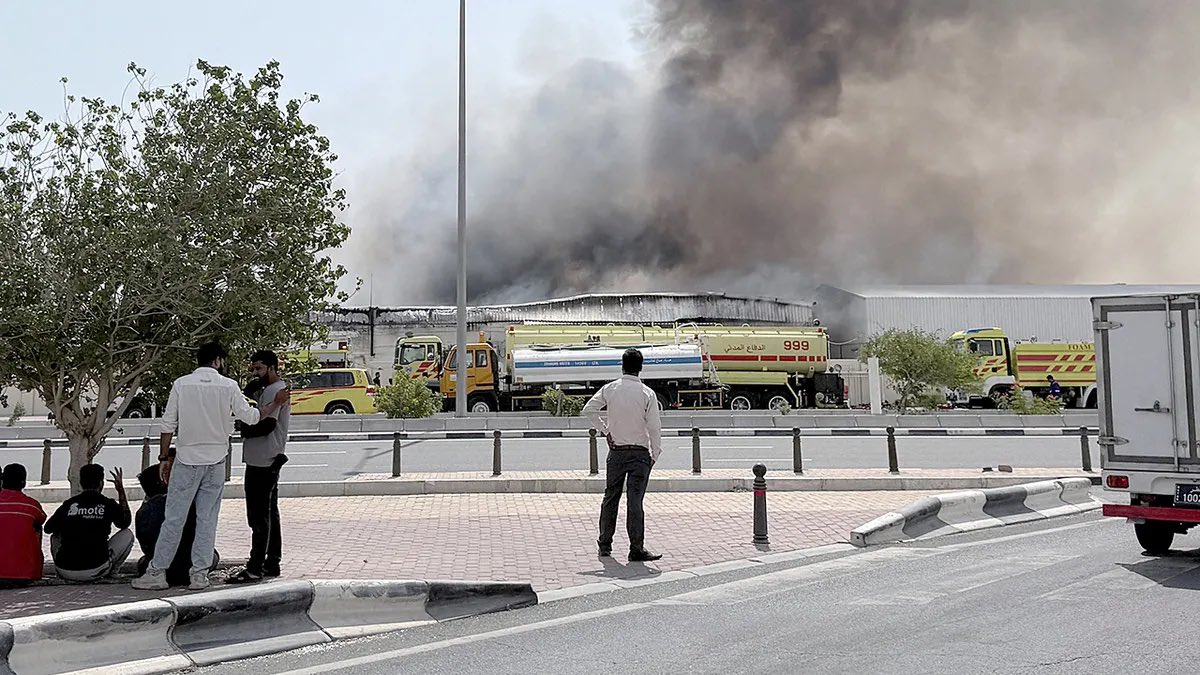
BREAKING: Everyone is watching the Strait of Hormuz for oil and fertilizer. Almost nobody has noticed that it is also shutting down MRI machines, semiconductor fabs, and the global aerospace supply chain. Helium. The second lightest element in the universe. No substitute exists for it. You cannot synthesize it. You cannot replace it. And roughly one-third of the world’s supply just went offline. Qatar produces 30 to 33 percent of global helium as a byproduct of LNG processing at Ras Laffan, home to the largest helium production facilities on Earth. When the Hormuz blockade triggered LNG force majeure declarations and attacks hit Qatari infrastructure, the helium stopped flowing with it. Prices have doubled in spot markets. And helium has a property that makes this crisis structurally different from oil, fertilizer, or any other commodity caught behind the strait. It evaporates. Continuously. Even in sealed containers, helium boils off. The global supply chain operates on roughly 45 days of buffer before existing inventory simply ceases to exist. You cannot stockpile helium the way you stockpile crude oil in salt caverns or grain in silos. If the supply stops for six weeks, the buffer is gone. Not depleted. Gone. Returned to the atmosphere where it is too diffuse to economically recapture. This is why the industries that depend on helium are facing a crisis that no financial instrument can solve. Semiconductor manufacturing requires ultra-pure helium for wafer cooling in lithography and for leak detection in sub-5-nanometre chip fabrication. TSMC, Samsung, and Intel cannot produce advanced processors without it. Every AI chip, every smartphone processor, every data centre GPU in the current generation traces its manufacturing lineage through a helium-cooled process. If fabs run dry, the production lines stop. Not slow. Stop. MRI machines require liquid helium to cool superconducting magnets to near absolute zero. Hospitals cannot substitute another gas. When helium supply tightens, MRI availability falls. During previous shortages, hospitals rationed scans. A sustained one-third supply cut puts diagnostic imaging capacity at risk across every healthcare system that depends on magnetic resonance. Aerospace depends on helium for purging rocket fuel systems, pressurising tanks, and testing for leaks in systems where failure means explosion. NASA, SpaceX, ULA, and every launch provider in the Western world runs on helium. Fibre optic cable manufacturing requires helium atmospheres. Quantum computing research requires helium-3 isotopes for cryogenic cooling. The US is the world’s largest helium producer and has some buffer capacity. Algeria and Russia produce meaningful volumes. Overland rerouting from Qatar through Oman and Saudi Arabia is theoretically possible but logistically slow and capacity-limited. None of these alternatives can replace one-third of global supply within the 45-day evaporation window that defines the crisis timeline. The same 21-mile strait that is starving the food system is now threatening the technological infrastructure of modern civilization. The fertilizer trapped behind Hormuz determines whether four billion people eat. The helium trapped behind Hormuz determines whether the chips powering the AI revolution get manufactured, whether cancer patients receive diagnostic scans, and whether rockets carrying communications satellites reach orbit. One chokepoint. Two invisible supply chains. Both irreplaceable. Both operating on biological or physical deadlines that no ceasefire retroactively extends. The world built petroleum reserves. It never built fertilizer reserves. It never built helium reserves either. The pattern keeps repeating. The lesson keeps being ignored. Full analysis: open.substack.com/pub/shanakaans…
Shanaka Anslem Perera ⚡ tweet media
English
183
3K
6.3K
482.5K
Josh McGregor 리트윗함
Shanaka Anslem Perera ⚡
Shanaka Anslem Perera ⚡@shanaka86·
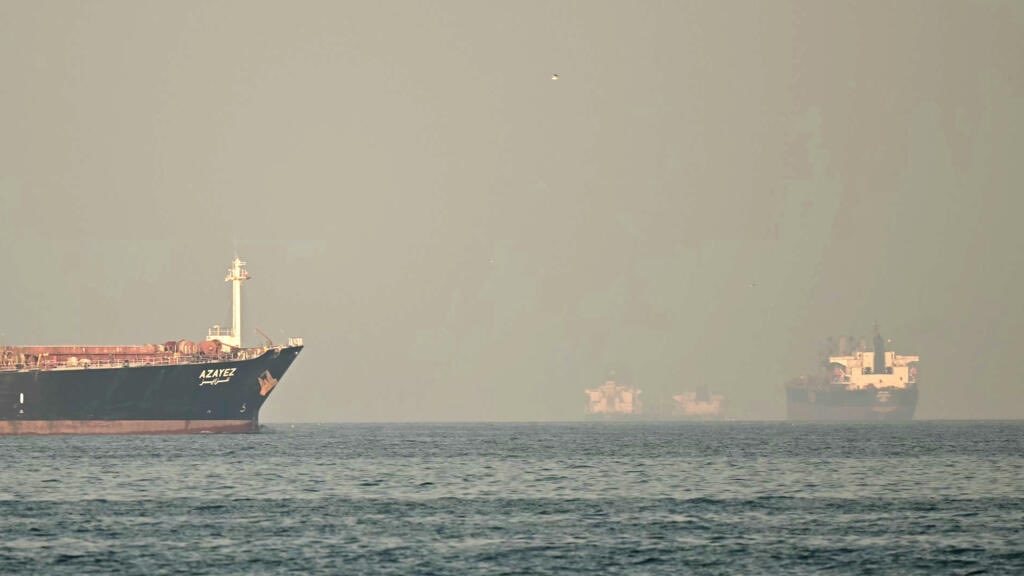
One third of the world’s fertilizer trade transits the Strait of Hormuz. The Strait is closed. Nobody is talking about what happens next to food. Urea, the nitrogen compound that feeds half the planet’s crops, hit $584.50 per ton on 9 March. Up 29% in eleven days. Up 52% year over year. Pre-war baseline: $470. The NOLA barge price surged to $520-550. DAP, the phosphate fertilizer, jumped to $655 per ton, up $30 in a single week. The mechanism is identical to oil. Iran exports 10 to 12% of global urea. That supply is offline. Qatar’s Ras Laffan plant, one of the largest nitrogen facilities on Earth, declared force majeure on 2 March after halting production. The Gulf and Middle East account for 34 to 50% of all globally traded urea and 25 to 35% of total nitrogen fertilizer trade by volume. Hormuz shipping has collapsed 70 to 75%. The same seven P&I clubs that cancelled maritime war-risk coverage for oil tankers cancelled it for fertilizer carriers. The same Solvency II calculation. The same 31 autonomous IRGC commands that no insurer can model. The same 12-to-24-month reinstatement timeline. The fertilizer does not move because the ships cannot be insured. The ships cannot be insured because the actuaries cannot price 31 independent threat actors. The fertilizer that does not move does not reach the soil. The soil that does not receive nitrogen does not produce grain. The grain that is not produced raises the price of bread in Cairo, Lagos, Dhaka, and Jakarta. India imports over 40% of its urea from the Middle East. That supply has been cut. The Fertiliser Ministry invoked emergency powers on 5 March and ordered all domestic refiners to maximise output by diverting propane and butane. Petronet LNG declared force majeure on Qatari imports, slashing the gas feedstock that Indian fertilizer plants need to produce domestically. India is losing both imported fertilizer and the gas required to make its own. Spring planting season peaks in March and April. The window does not wait. The World Bank’s calibrated model estimates that every 1% rise in fertilizer prices transmits a 0.45% rise in food commodity prices. Urea is up 29% in eleven days. The FAO Food Price Index reached 125.3 in February, up 0.9% from January, the highest in four months, and that was before the full Hormuz shutdown registered in the data. The March and April readings will capture the transmission. By the time the numbers are published, the planting window will have closed. The oil crisis is priced. Brent swung from $119.50 to $91.88 and every trading desk on Earth recalculated. The fertilizer crisis is invisible. It moves slower. It hits harder. And it arrives not as a price on a Bloomberg terminal but as a yield collapse in fields across South Asia and Sub-Saharan Africa where subsistence farmers have never heard of Solvency II but will pay its price in hunger. The Strait carries oil. The oil makes headlines. The Strait also carries nitrogen. The nitrogen makes food. And the food is not coming. Full analysis on Substack! open.substack.com/pub/shanakaans…
Shanaka Anslem Perera ⚡ tweet mediaShanaka Anslem Perera ⚡ tweet media
English
54
464
1K
104.2K
Josh McGregor 리트윗함
Fertilizer Week
Fertilizer Week@FertilizerWeek1·
Around 47% of global #sulphur, 43% of #urea, 27% of #ammonia and 24% of #phosphate fertilizer global traded supply is at risk. The industry is in paralysis, and the full implications are not yet known
Fertilizer Week tweet media
English
9
190
425
138.3K
Josh McGregor 리트윗함
Simon Maechling
Simon Maechling@simonmaechling·
I worked for 20 years in "Big Ag" so you don’t have to. This is what they don’t want you to know:-
English
41
195
747
163.8K
Josh McGregor 리트윗함
Cynoptec
Cynoptec@Cynoptec·
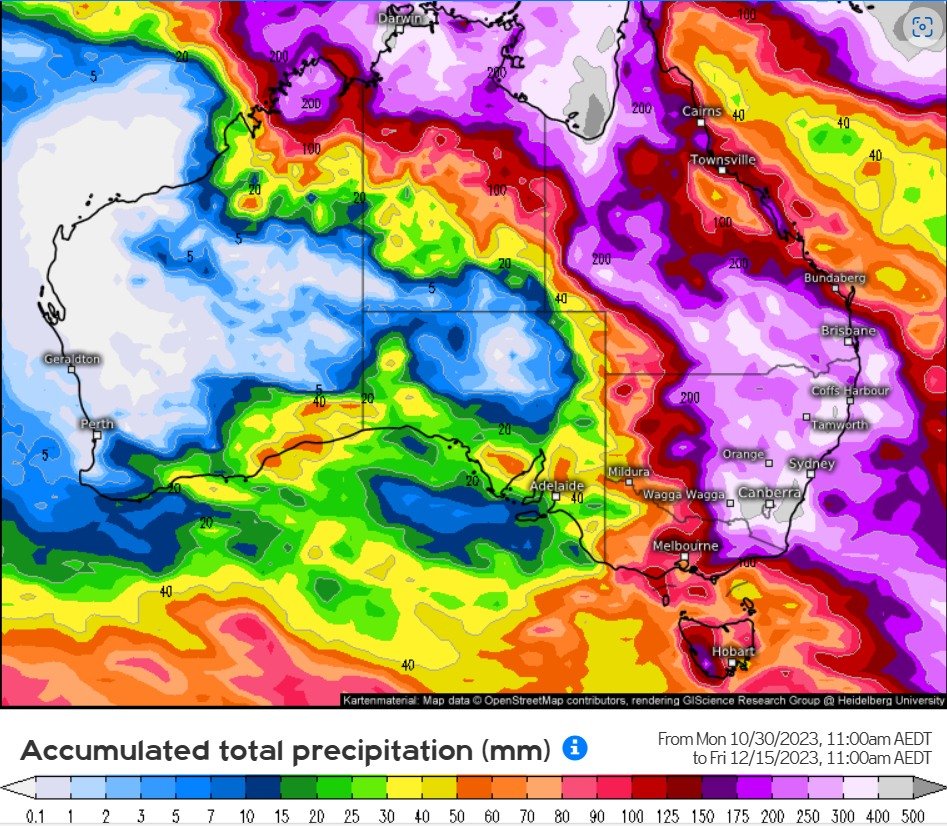
The lastest long range ECMWF to the 20th of November and the 15th of December. Use them for a guide only. What is important is that moisture signals continue to trend, don't get too focused on totals. Specifics from models beyond a few days aren't overly reliable. We are expecting the November period to be the tipping point though and those who have been following along will be well aware of this. We do continue to see wetter signals trending into the end of week 3 of November 2023. Wet signals persist into December also. Rain forecasts for December increase the most from week 4 of December. If the rain signals shown so far play out, week 4 should be quite active. Subscribers have been well informed of the upcoming pattern change since early in 2023. Very interesting developments are appearing. Its still a little bit too early to call it but the signs are definitely piling up in our favour. Those on the land, stay strong and remain ready to fight any fires that may form over the next 3 weeks. With the increasing heat risk and major cycle that is due from week 2 to week 3 we still aren't out of the woods just yet regarding current fires and fire risks. Once we see the official confirmation of any pattern flip I will update the next 3 months on a week-by-week basis to lead us into the wet period that is due from Quarter 2 of 2024. Subscribers, reminder I am on leave for a couple of weeks and updates will resume from week 3 of November. Refer to long range forecasts and the recent forecast released on Monday in the time being. ozindustriesforecasting.com know the future of the weather
Cynoptec tweet mediaCynoptec tweet media
English
1
2
7
2.8K
Josh McGregor 리트윗함
Ben Domensino
Ben Domensino@Ben_Domensino·
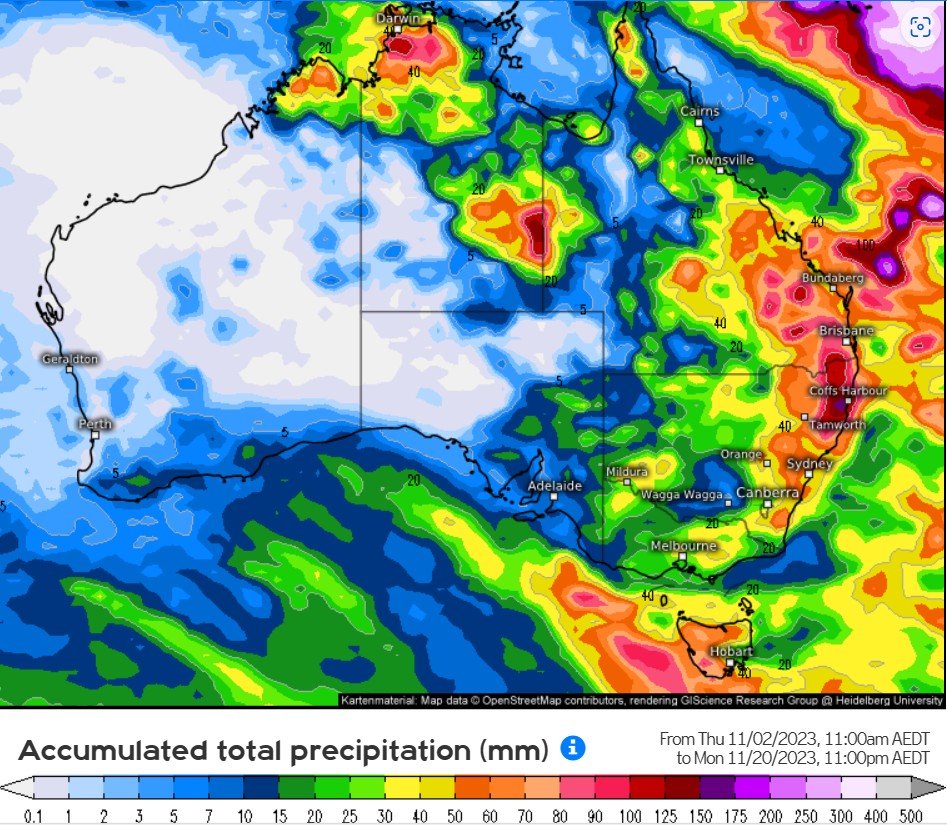
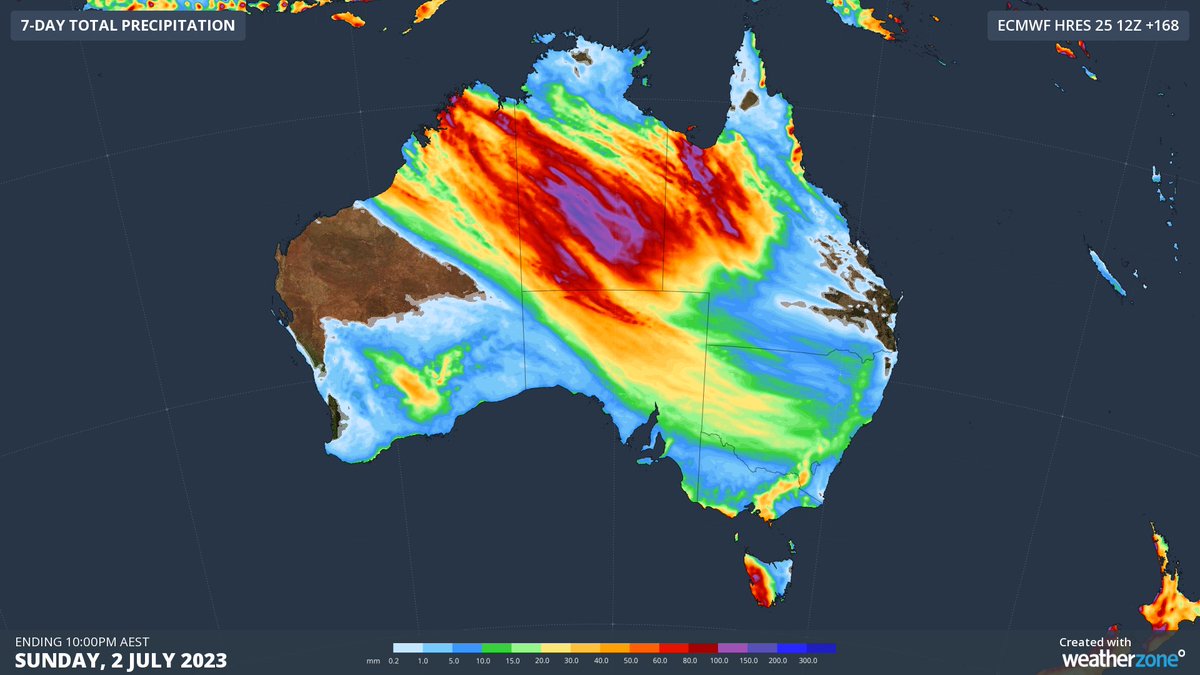
It's going to be a wet week for large areas of Australia. This is how much rain the ECMWF-HRES model is predicting over the next 7 days. If this comes off, we can expect to see widespread outback flooding and road closures.
Ben Domensino tweet media
English
1
16
33
4.9K
Josh McGregor 리트윗함
Simon Cotter
Simon Cotter@SimonCotter62·
@DavidSandow1 I think its worse than that. What ive found in being in the auction industry since 1987 is we are the coal face of the economy in terms of buyer behavior and demands. Inthink the reserve bank has over stepped and the economy will/is falling off a cliff.
English
6
3
33
3K
Josh McGregor
Josh McGregor@joshMGAS·
Day 4 of the flood here just west of Moree. Usually by the morning of Day 3 the water would be dropping quite quickly and we’d expect to be mobile again in the afternoon, but we’re still at a higher level here than peaks of last 3 floods. This will be a long haul.
English
1
5
23
0
Josh McGregor 리트윗함
News Breakfast
News Breakfast@BreakfastNews·
"The damage is horrific and extensive." Moree Mayor Mark Johnson says the flooding has hit the farmers in his region particularly hard, especially after they've already endured a tough couple of years.
English
2
9
14
0
Josh McGregor 리트윗함
Dibs.Cush
Dibs.Cush@DibsCush·
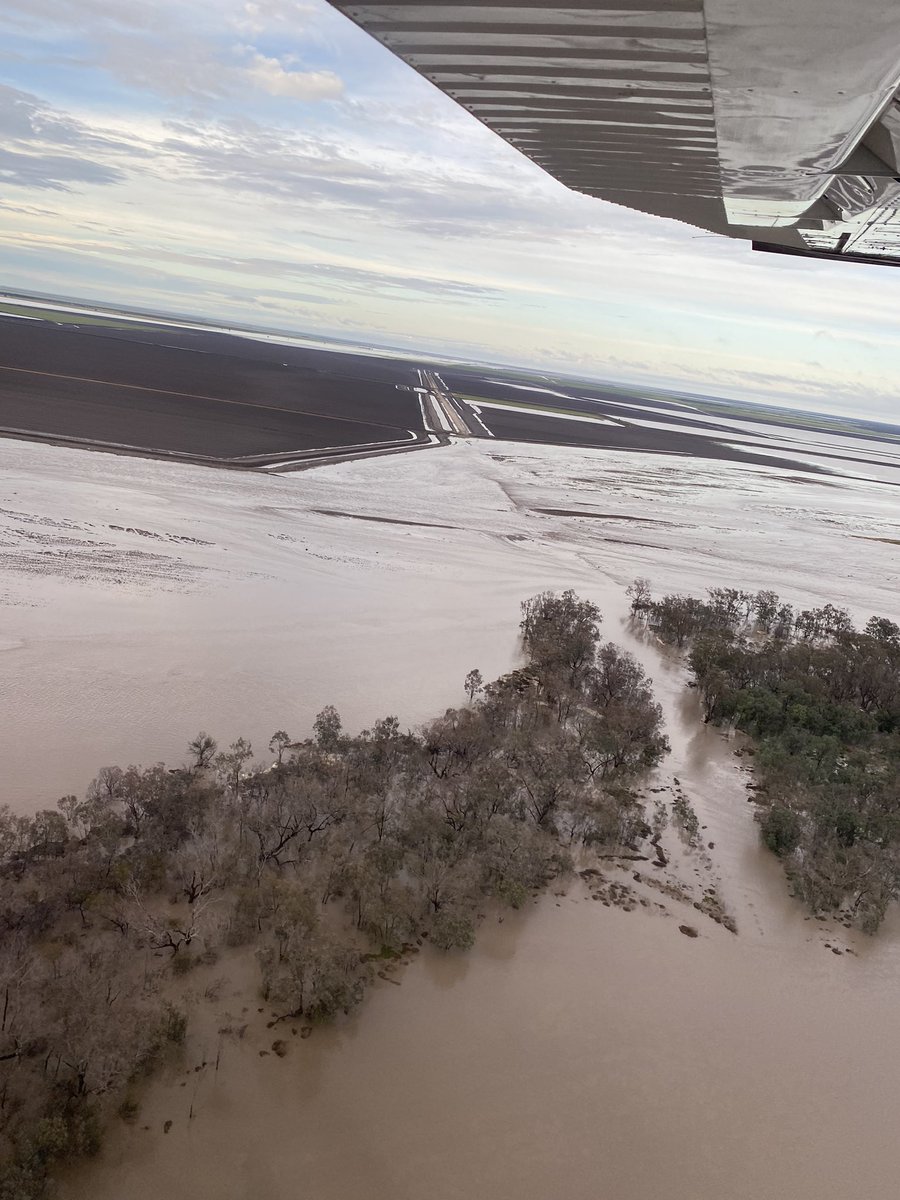
The Gurley Creek this morning 22/10, as big as it was in 2001. That’s my road to town running top to bottom through the gap in the trees. Meets the Moomin Ck just to right of pic and fills all dryland fields outside levee. Luckily no wheat in here this year
Dibs.Cush tweet media
English
7
32
161
0
Josh McGregor 리트윗함
McGregor Gourlay
McGregor Gourlay@mcgregorgourlay·
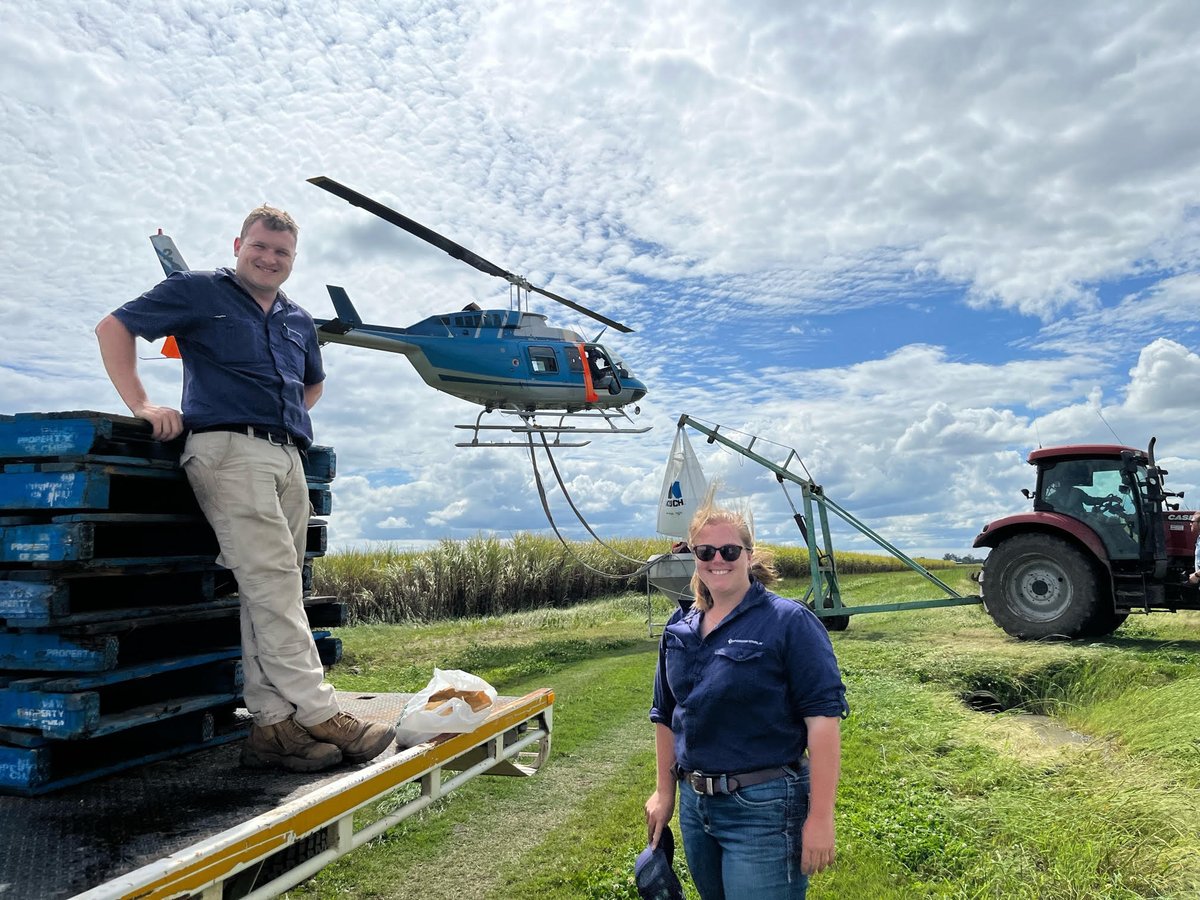
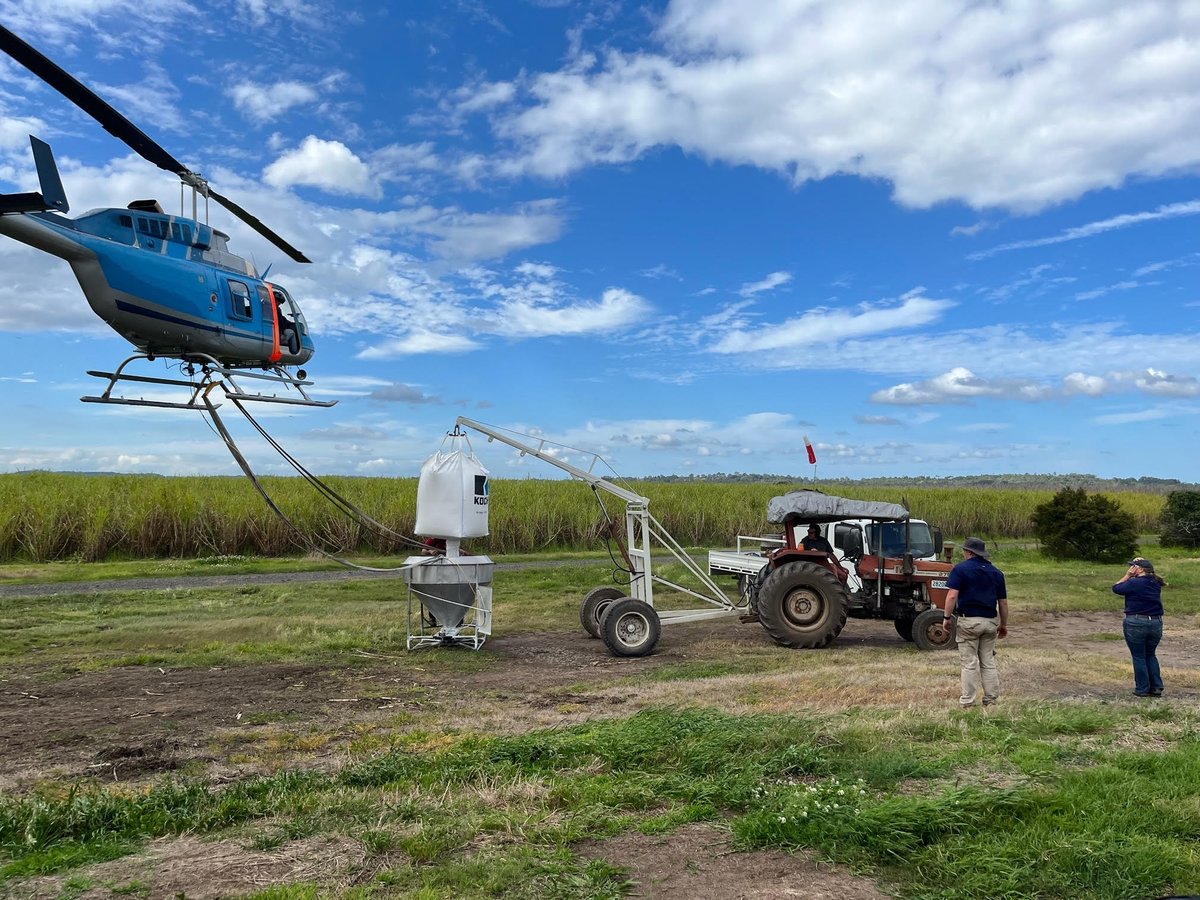
All smiles here! Helicopter ground crew, Coalby Day, and Jenevieve McLennan from Alstonville and Grafton working over the weekend @Coraki to ensure the urea gets out on the sugarcane before the expected rain this week. #coastalag #nextgenAG #sugarcane #mcgregorgourlay
McGregor Gourlay tweet mediaMcGregor Gourlay tweet media
English
0
2
7
0
Josh McGregor 리트윗함
McGregor Gourlay
McGregor Gourlay@mcgregorgourlay·
Are you at the Cotton Conference? Want to win a limited edition trucker and photo shoot of your farm? Call in and see the team at stand 42-43 !
English
2
1
9
0
Josh McGregor 리트윗함
Marty Conroy
Marty Conroy@MartyConroy_9·
Great to see some #Wheat looking good in #Ukraine 🌾 hope they run control traffic
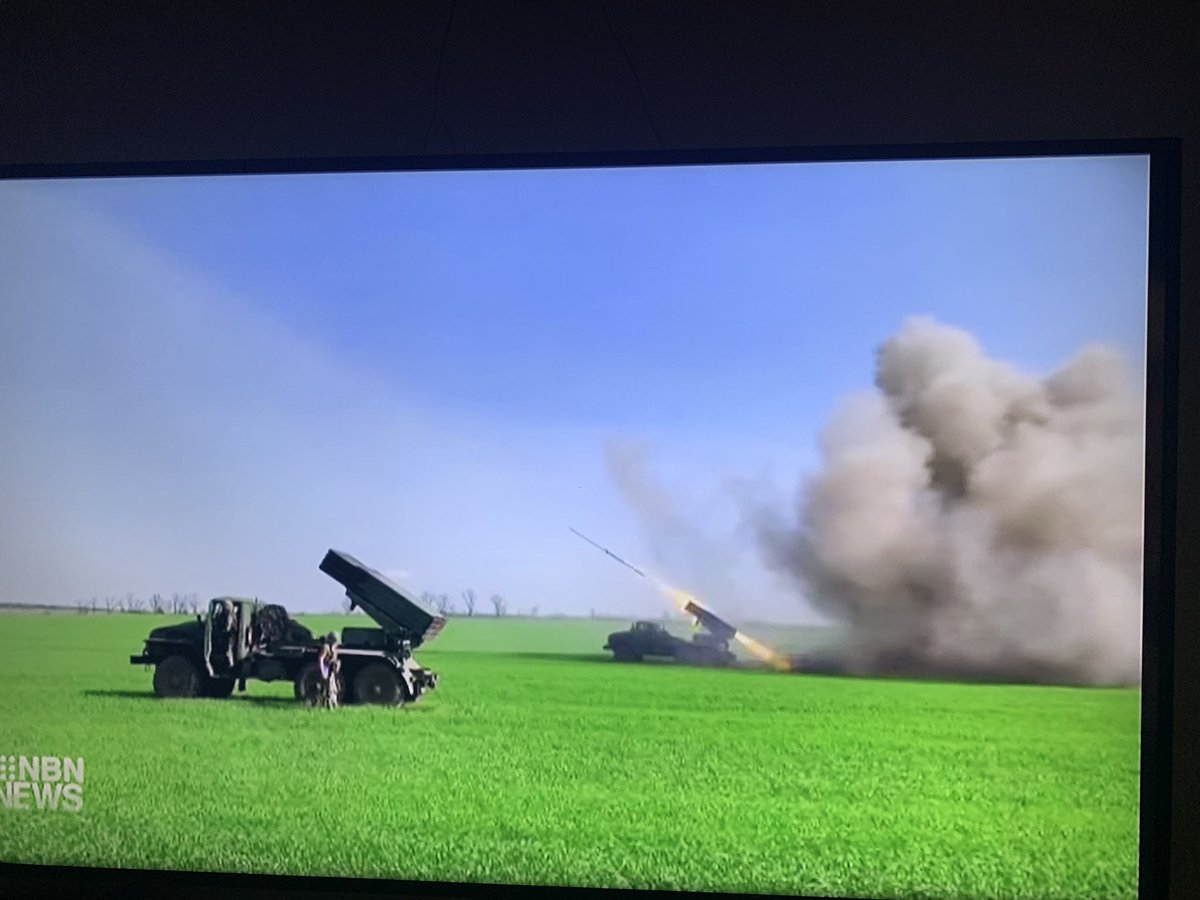
Marty Conroy tweet media
English
2
3
24
0
Josh McGregor
Josh McGregor@joshMGAS·
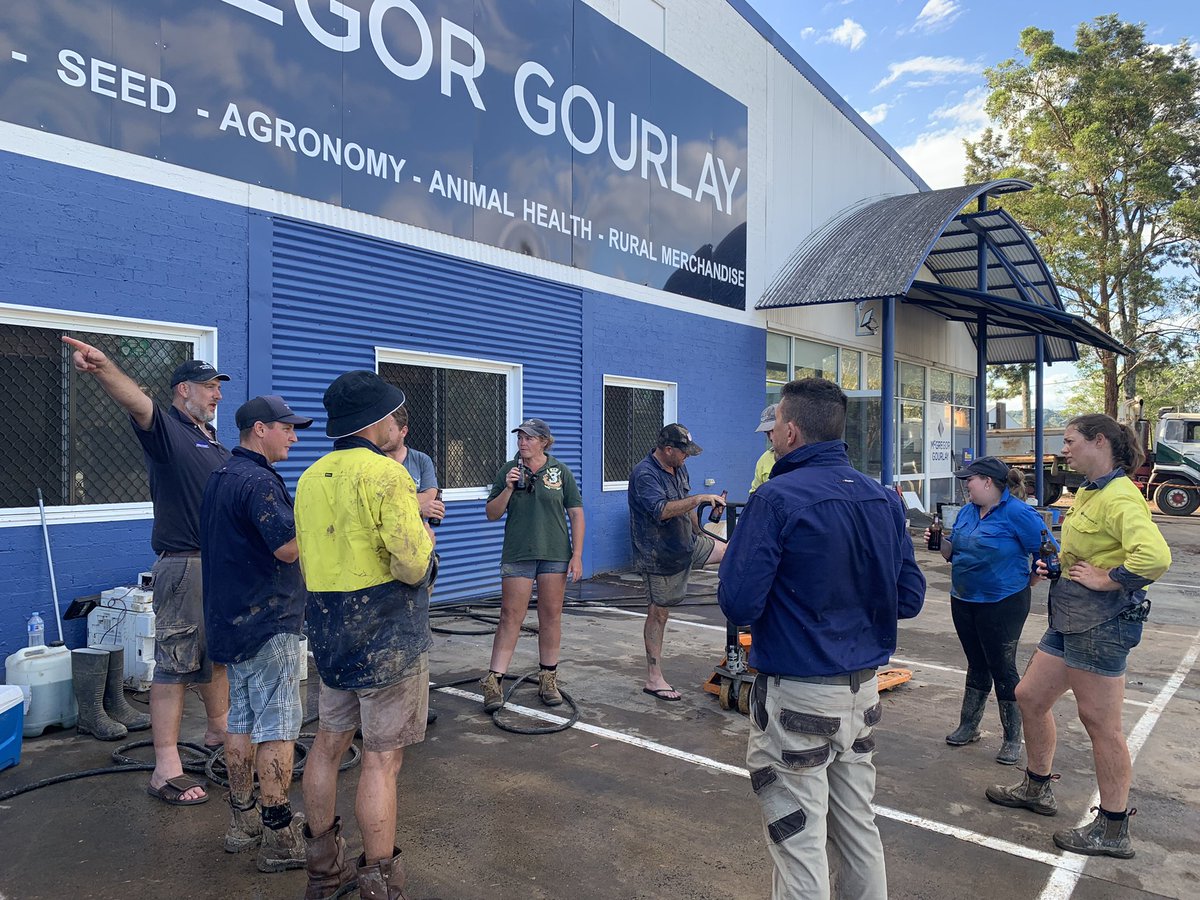
The RFS team who came in today and hosed & swept our shed for hours. The team at Hayman’s Electrical next door who invited us to their BBQ. Family of our staff who’ve brought us food and drink and helped scrub the place clean. And our crew. Amazing people all.
Josh McGregor tweet media
English
0
1
7
0
Josh McGregor
Josh McGregor@joshMGAS·
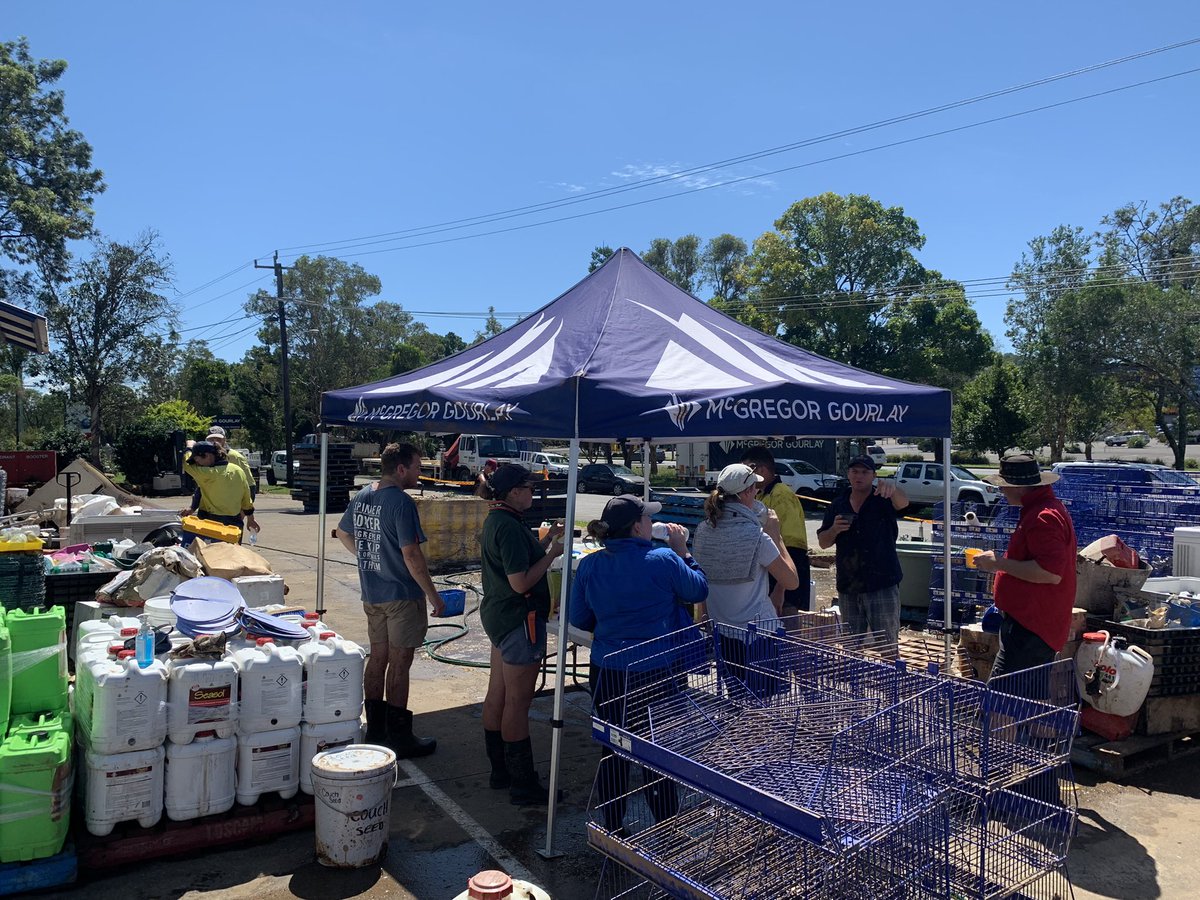
But you get to see the best of people. The two blokes who pulled up to our site yesterday with a water truck and high pressure hoses and did 2 days work in a couple of hours. The old ladies pulling trolleys along the street with sandwiches they’ve made for strangers.
Josh McGregor tweet media
English
1
1
16
0
Josh McGregor
Josh McGregor@joshMGAS·
It’s hard to convey what has happened to Lismore unless you see it first hand. The town has been absolutely wrecked, most buildings gutted.
English
3
3
37
0