

offer s.z.
10.3K posts
offer s.z.
@offersz1
בחורף זריעת בלוטים. בקיץ חתירה בקיאק. כל השנה משפחתי, חיות אחרות, מורים, תלמידים ומזרח תיכון.
가입일 Mart 2022
317 팔로잉100 팔로워

נסענו השבת לבני ברק. אזעקה אחת בלילה, שתיים במהלך היום ואחת במוצש, אבל המארחים אמרו שזה נחשב "רגוע"
לא מבינה איך אפשר לתחזק שגרה כזאת למעלה מחודש בלי צפי לסיום, במיוחד אם אין ממד. אין לי מילים
עברית
@Dotanra די, הגיע הזמן לוותר, לעבור להגמ"ר ולפתח תחביבים של פנסיונרים 🙃
עברית
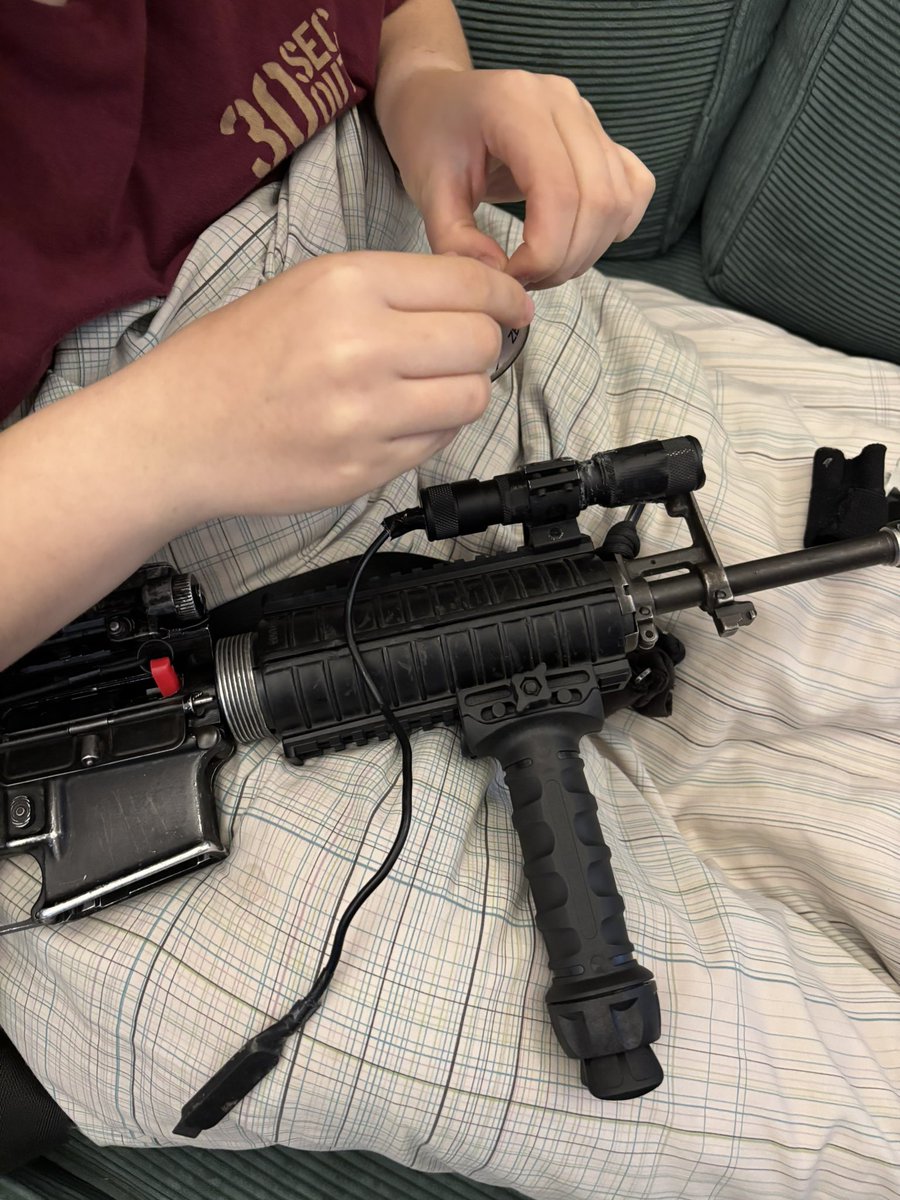
זמנים מופלאים אב משפצר ל3ג (נ׳ רזילי) את הנשק שלא מרוצה מהתוצאה ואומרת- ״זה נראה מצוקמק בוא אראה לך איך עושים את זה״
עברית

בשל העובדה שהציונות היא פרויקט של פולנים בני דת משה, ובשל הכשלון המסתמן של הפרויקט, אין זה אלא אך טבעי לדרוש מממשלת פולין ליישב בחזרה את היהודים בתחום מושבנו ההיסטורי
עברית
ארה״ב 2026
על תקן המזרח התיכון 1926.
בוננזה אנרגיה בלתי נגמרת.
והכל בזכות קריאה נכוחה של המציאות ואסטרטגיה ממשלתית רציפה לארך 15 שנה.
Tamir H@Tamir19H
על פי רויטרס, חברות האנרגיה TotalEnergies ו-Shell הן בין החברות שבוחנות רכישת אחזקת בשננדואה, על רקע עלייה בהתעניינות בנכסי אנרגיה בצפון אמריקה בעקבות המלחמה עם איראן גם BP מגלה עניין, וכך גם Repsol הספרדית reuters.com/business/energ…
עברית
@Eran_Efrat מתחילת המלחמה גופים שונים מציינים כי כעת אין מחסור בנפט.
אתה עצמך כותב כי יש מספיק ואצל הרבה מפיקים.
אז למה מחיר הנפט עולה עד כדי כך שארהב מורידה סנקציות מעל הנפט האיראני כדי למנוע עוד עליית מחירים ?
מה אני מפספס כאן ?
עברית

אגיד את דעתי כי תוייגתי כמה פעמים:
למי שאין כח לקרוא, מדובר על ״אתגור הסדר העולמי״ מצידו של טראמפ:
אין לי לחץ לפתוח את המיצר. אני יכול לפתוח אותו, אבל לא רוצה- אתם (אירופה/אסיה) צריכים אותו פתוח יותר ממני ולכן זאת בעיה שלכם. ארה״ב סיימה לעבוד אצלכם בחינם באבטחת נתיבי מסחר קריטיים.
אתם צריכים את ארה״ב? יופי, ״בעיה שלכם, לא שלי״- תשלמו.
ועכשיו כמה נקודות:
1) בגדול זה נכון. אם הממשל האמריקני רוצה להתבדל ולעשות Reshuffle לבריתות שלו, הוא בהחלט יכול לעשות זאת.
2) כפי שאמרתי פעמים רבות- נפט זה שוק גלובלי. הרטוריקה שטראמפ משתמש בה שהוא לא צריך הורמוז פתוח יותר מאירופה זה קשקוש לחסרי מושג והסברתי פעמים רבות למה.
3) ארה״ב עושה כסף ממכירה אבל גם תלויה בייבוא. חשוב לה מאד שוק נפט נמוך ורגוע.
אם היא ״תתעמר״ בלקוחות שלה, למשל האירופאים או האסייתים, הם יפנו למקורות אחרים. יש מספיק- צפון אפריקה, ניגריה ואנגולה, קידוחי הים הצפוני, אזרבייג׳ן וקזחסטן, ברזיל וגינאה וכמובן קנדה ומקסיקו.
ארה״ב היא לא איזה פתית שלג נדיר. היא פשוט תחרותית- כרגע.
אבל אם היא תקבל מוניטין של ספק ״מתוסבך״ היא תפסיד לקוחות בקצב מסחרר וחברות הנפט לא יאפשרו לזה לקרות- יהא המחיר הגאופוליטי אשר יהא.
4) טראמפ, לעניות דעתי, לא יכול לפתוח את הורמוז בלי הרבה צבא.
לו יכל, היה עושה את זה.
James E. Thorne@DrJStrategy
Food for thought. Trump, Hormuz and the End of the Free Ride For half a century, Western strategists have known that the Strait of Hormuz is the acute point where energy, sea power and political will intersect. That knowledge is not in dispute. What is new in this war with Iran is that the United States, under Donald Trump, has chosen not to rush to “solve” the problem. In Hegelian terms, he is refusing an easy synthesis in order to force the underlying contradiction to the surface. The old thesis was simple: the US guarantees open sea lanes in the Gulf, and everyone else structures their economies and politics around that free insurance. Europe and the UK embraced ambitious green policies, ran down hard‑power capabilities and lectured Washington on multilateral virtue, secure in the assumption that American carriers would always appear off Hormuz. The political class behaved as if the American security guarantee were a law of nature, not a contingent choice. Their conduct today is closer to Chamberlain than Churchill: temporising, issuing statements, hoping the storm will pass without a fundamental reordering of their responsibilities. Trump’s antithesis is to withhold the automatic guarantee at the moment of maximum stress. Militarily, the US can break Iran’s residual ability to contest the Strait; that is not the binding constraint. The point is to delay that act. By allowing a closure or semi‑closure to bite, Trump ensures that the immediate pain is concentrated in exactly the jurisdictions that have most conspicuously free‑ridden on US power: the EU and the UK. Their industries, consumers and energy‑transition assumptions are exposed. In that context, his reported blunt message to European and British leaders, you need the oil out of the Strait more than we do; why don’t you go and take it? Is not a throwaway line. It is the verbalisation of the antithesis. It openly reverses the traditional presumption that America will carry the burden while its allies emote from the sidelines. In this dialectic, the prize is not simply the reopening of a chokepoint. The prize is a reordered system in which the United States effectively arbitrages and controls the global flow of oil. A world in which US‑aligned production in the Americas plus a discretionary capability to secure,or not secure, Hormuz places Washington at the centre of the hydrocarbon chessboard. For that strategic end, a rapid restoration of the old status quo would be counterproductive. A quick, surgical “fix” of Hormuz would short‑circuit the dialectic. If Trump rapidly crushed Iran’s remaining coastal capabilities, swept the mines and escorted tankers back through the Strait, Europe and the UK would heave a sigh of relief and return to business as usual: underfunded militaries, maximalist green posturing and performative disdain for US power, all underwritten by that same power. The contradiction between their dependence and their posture would remain latent. By declining to supply the synthesis on demand, and by explicitly telling London and Brussels to “go and take it” themselves, Trump forces a reckoning. European and British leaders must confront the fact that their energy systems, their industrial bases and their geopolitical sermons all rest on an American hard‑power foundation they neither finance nor politically respect. The longer the contradiction is allowed to unfold, the stronger the eventual synthesis can be: a new order in which access to secure flows, Hormuz, Venezuela and beyond, is explicitly conditional on real contributions, not assumed as a right. In that sense, the delay in “taking” the Strait, and the challenge issued to US allies to do it themselves, is not indecision. It is the negative moment Hegel insisted was necessary for history to move. Only by withholding the old guarantee, and by saying so out loud to those who depended on it, can Trump hope to end the free ride.
עברית
@orshprintsin אנשים שוכחים,
אבל רוסיה היא האימפריה האירופאית האחרונה ששרדה.
במשחק הגדול, ניצחה רוסיה, לא בריטניה.
עברית
חיקוי של הודעה מהצאר:
בחסד האל המסייע, אני ניקולאי השני,
קיסר ושליט-יחיד של כל רוסיה, של מוסקבה, קייב, ולודימיר.
צאר קאזאן, צאר אסטרחן, צאר פולין, צאר סיביר, צאר חרסונסוס הטאורית.
ריבון פסקוב ודוכס גדול של סמולנסק, ליטא, ווהלין, פודוליה ופינלנד.
נסיך אסטלנד, ליפלנד, קורלנד וסמיגליה, סמוגיטיה, ביאליסטוק, קרליה, טבר, יוגרה, פרם, ויאטקה, בולגריה ואחרות. ריבון ודוכס גדול של נובגורוד וארצות ניז'ני נובגורוד, צ'רניגוב, ריאזאן, פולוצק, רוסטוב, ירוסלבל, בלוזרסק, אודוריה, אובדוריה, קונדיה, ויטבסק, מסטיסלבל וכל ארצות הצפון.
שליט וריבון של ארצות איבריה, כרתליניה, גאורגיה וקברדיה, והמחוז הארמני, ריבון תורשתי ומושל של הנסיכים הצ'רקסים וההרריים, ואחרים, יורש העצר של נורווגיה, דוכס שלזוויג-הולשטיין, סטורמארן, דיתמארשן ואולדנבורג.
הממ, שכחתי על מה רציתי לדבר
עברית
@doron_shabti מזכיר לי את הפעם הראשונה שהתעקשתי לישון בחוץ כנגד רצון אבי והפשרה היתה לישון בשק שינה על השטיח בסלון.
זה מתחיל כך ומסתיים בטרק לנרוויק...
עברית
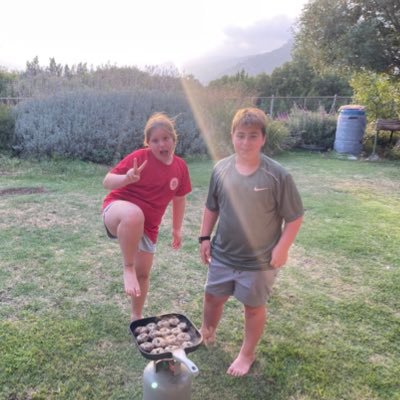
נגב וניסן פתחו במרד כי הבטחנו שנלך בפסח לישון באוהל ואי אפשר כי המלחמה רק ממשיכה וממשיכה. להלן תוצאות המו"מ

Israel 🇮🇱 עברית

בעוד כמה ימים, לראשונה מזה 53 שנה, האסטרונאוטים של ארטמיס II יצפו במו עיניהם במחזה המרהיב של זריחת כדוה"א - Earthrise.
לפני מיליארדי שנה, הפיזיקה הפרידה בין הצד הרחוק של הירח ובין כדוה"א...
ורק בני האדם יכולים לחבר אותם.
נהנתם? למדתם? אנא שתפו בבקשה🧵⬇️
x.com/ElbazYonatan/s…
Yonatan Elbaz@ElbazYonatan
חג המולד 1968. לאחר כ-30 דקות של דממת קשר מורטת עצבים הם הגיחו. אחד מהם לחש: "אלוהים אדירים, תראו את התמונה! וואו, זה יפה". אפולו 8 יצאה מאחורי הירח וכדור הארץ זרח לראשונה בעיניהם של בני אדם... מהצד ההוא של הירח שלא רואים מכאן לעולם. ושלא באמת הבנו. שרשור מאיר - על הצד ה"אפל"🧵⬇️
עברית
חג המולד 1968.
לאחר כ-30 דקות של דממת קשר מורטת עצבים הם הגיחו.
אחד מהם לחש: "אלוהים אדירים, תראו את התמונה!
וואו, זה יפה".
אפולו 8 יצאה מאחורי הירח וכדור הארץ זרח לראשונה בעיניהם של בני אדם...
מהצד ההוא של הירח שלא רואים מכאן לעולם.
ושלא באמת הבנו.
שרשור מאיר - על הצד ה"אפל"🧵⬇️

עברית

אני מת על המקרים שבהם תאוריה מתמטית באה לידי ביטוי בצורה ככ ישירה
MatLab crashes@memecrashes
gauss🤝🏽gymbros
עברית
@Eran_Efrat אבל איראן פותחת,
בתנאים שלה,
את מיצרי הורמוז.
היא מייצאת לסין, להודו, לפקיסטן, היא הניחה למטעני גז (ככהנ מהאמירויות) לעבור להודו, אתמול עברו הצרפתים.
כרגע זה גם משרת את ארהב לכן הורידה את הסנקציות ואירופה טוענת שתוכל להסתדר לבד.
אז באמת, בשביל מה על ארהב להסיר את המצור ?
עברית
רמה גבוהה של עיתונאות.
מקווה שלא נשרף המקור שמסר לכם את זה…
כאן חדשות@kann_news
דיווח: דוחות מודיעיניים אמריקניים מזהירים כי לא סביר שאיראן תפתח מחדש את מצר הורמוז, משום שטהראן רואה בו כיתרון האמיתי היחידי על ארה"ב @itamargalit
עברית
@amirs74 כך היה אצל ההורים שלי רק הפוך, אמא יוצאת קיבוץ ואבא ממשפחה שומרת מסורת כמו שהיתה פעם, בלי ההחמרות המשוגעות של הדור הנוכחי.
כל ילד בחר את הדרך שהתאימה לו ולפעמים גם שינה את התמהיל במהלך חייו
עברית

אישתי שומרת כשרות בפסח ואני לא.
מקודם היא טיגנה לילדה שניצל עם קמח מצה, והבת שלי הכניסה אותו לתוך פיתה😅
עברית
@david_lisovtsev צרפת דואגת לצרפת.
זה לא באמת שפוטין מאיים עליה, גם איראן רואה בה "פחות" אויב ביחס לבריטניה וארהב, לאיום הפנימי הם מתכחשים כי כבר מאוחר מידי, עם גרמניה הם הצליחו ליצור סימביוזה, חשמל יש להם מגרעין והם תמיד נהנו ליצור מדיניות שונה ביחס לארהב ובריטניה, אז למה להם מלחמות ?
עברית

כמה מפרציות ובראשן בחריין העלו הצעה לאום לקבל החלטה לקבל מנדט בינלאומי לפתיחת מיצרי הורמוז בכל דרך = צבאית.
רוסיה וסין התנגדו
אבל גם צרפת
במקביל לפחות מיכלית נפט אחת בבעלות צרפתית תועדה מנווטת דרך מיצרי הורמוס בהצלחה, בנתיב קרוב מאוד לאיראן
צרפת היא לא רק בעלת ברית רעה, היא אויבת
עברית
@easy_finance2 גם אם הם היו עשירים בארצות מוצאם, החרימו או בזזו את רכושם, כך היה בכל אירופה עם הנאצים, הקומוניסטים במרכז ומזרח אירופה,, בעיראק ובמ. ערב המקיפות את ישראל.
בארהב לפני קום המדינה מי שעלה הם הדור הראשון שני להגירה (כמו גולדה) וגם הם לא היו עשירים.
העשירים באמת עברו ממדינה למ מפותחת
עברית

נכון בהגירה מישראל תמיד מסמנים את השכבה העשירה והאיכותית של רופאים, הייטקיסטים וכו?
למה בעצם? לא נראה לי שכל המהגרים מאפריקה או מארצות ערב לאירופה הם דווקא העשירים במדינות המוצא שלהם. אלו הרבה עניים שמכרו את המעט שנותר להם כדי לשלם על כרטיס לסירת גומי שיביא אותם לעתיד טוב יותר..
עברית
@OriKatz3 בשנות ה 30
-40 החיים באירופה עבור היהודים היו טובים יותר ?
מוזר...
רב סבא שלי הושלך לדכאו בליל הבדולח, ילדיו (13 ו 9) שהצליחו להמלט מגרמניה בלי הוריהם לא היו מסכימים איתך.
גם רוב מי שנשאר ממשפחתי מאחור כנראה לא היה מסכים איתך, אבל הם פשוט לא שרדו.
עברית

@Forest9SG מאחל לך ששיא החיים עוד רחוק ממך.
כי מה יעשה אדם אם יגיע לגיל 75 ויחשוב שכל ה 50 שנה האחרונות היו בסימן ירידה ?
עברית

אני בדיוק בן 25 בשיא של החיים שלי ושל המצב הכלכלי
בדיוק עברתי עוד אבן דרך רצינית בהון שלי
כל זה במדינת ישראל
מי שלא מצליח בארץ כנראה גם יהיה ככה בחול
Shahar Cohen (Lucid Capital)👓@LucidCap
שביל הזהב תרתי משמע - לרדת בגילאי 25 להנות מעשור של התקדמות בקריירה, קשרים ובעיקר שיעורי מס ויוקר מחיה שיאפשרו לכם לבנות כריות כלכליות בשרניות. ואז לחזור כמו תושב חוזר ותיק להנות מכל הטבות המס לעשור כך תוכלו לפרוש בגיל 45 50 בלי צורך לעבוד
עברית
@Idanhcadash לגבי ארץ ישראל אתה בטוח מכיר את הירושלמי ועע מוסתערבים
yeshiva.org.il/wiki/index.php…
והיה נוסח צפ אפריקה שהשתמר בג'רבה.
עברית
@Idanhcadash בהפוך על הפוך,
מי שהיו בפריפריה היו אלו שבבל ובישראל🙃.
מי שהיו במרכז היו אלו בקוסטנטינופול ורומא🏛.
לגבי אסיה הקטנה והבלקן (האימפ' הרומית המז) ע"י רומניוטים hamichlol.org.il/%D7%A0%D7%95%D…%
A0%D7%99%D7%90
לגבי האימ' הרומית המע' עע נוסח איטליאני
nli.org.il/he/discover/mu…
2...
עברית

היהדות של הפריפריה ממש מעניינת אותי, בפרט בתקופת חז"ל: מה נהגו יהודי מצרים בזמן התלמוד? ואיך נהגו בסוריה, באסיה הקטנה או בצפון אפריקה לפני אביי ורבא? המצוות שלהם היו כל כך שונות מאיך שאנו מפרשים את היהדות של אחרי חתימת התלמוד, שזו הייתה סוג של יהדות אחרת.
עברית