Xiao Ma

231 posts

Xiao Ma banner
Xiao Ma

Xiao Ma

@riz_mmad

PhD in Engineering, Geopolitics, Stocks Like to share, what I read on daily basis. Followers & RTs not endorsement


가입일 Ocak 2012
328 팔로잉334 팔로워
Xiao Ma
Xiao Ma@riz_mmad·
Why the war should conintue.. 👇 Trump admin bypasses Congress to expedite sale of billions in weapons to UAE and Kuwait cnn.com/world/live-new…
English
0
0
1
93
Xiao Ma
Xiao Ma@riz_mmad·
@OunkaOnX How good is it to be over confident all the time?
English
0
0
2
91
Ounka
Ounka@OunkaOnX·
Hegseth: "The United States military controls the fate of Iran." Then why is the Strait closed and US begging for help from NATO countries?
English
50
93
600
11.1K
Xiao Ma 리트윗함
World Insights
World Insights@World_Insights1·
DAY 19 👇 IRAN MISSILE & DRONE LAUNCHES: 🚀 BALLISTIC MISSILES: 🔴 Day 1 — 350 🔴 Day 2 — 175 🔴 Day 3 — 120 🔴 Day 4 — 50 🔴 Day 5 — 40 🔴 Day 6 — 32 🔴 Day 7 — 28 🔴 Day 8 — 15 🔴 Day 9 — 21 🔴 Day 10 — 18 🔴 Day 11 — 24 🔴 Day 12 — 14 🔴 Day 13 — 11 🔴 Day 14 — 16 🔴 Day 15 — 12 🔴 Day 16 — 19 🔴 Day 17 — 23 🔴 Day 18 — 45 🔴 Day 19 — 65 🛸 DRONE SWARMS: 🟢 Day 1 — 294 🟢 Day 2 — 541 🟢 Day 3 — 200 🟢 Day 4 — 85 🟢 Day 5 — 45 🟢 Day 6 — 38 🟢 Day 7 — 30 🟢 Day 8 — 12 🟢 Day 9 — 134 🟢 Day 10 — 112 🟢 Day 11 — 95 🟢 Day 12 — 82 🟢 Day 13 — 64 🟢 Day 14 — 78 🟢 Day 15 — 105 🟢 Day 16 — 122 🟢 Day 17 — 146 🟢 Day 18 — 180 🟢 Day 19 — 240 👉 Day 19 marks a massive retaliatory surge following the assassination of Iran's Intelligence Minister. Cluster munitions were used against Tel Aviv, while "revenge" waves targeted the Jubail Petrochemical Complex in Saudi Arabia and the Al Hasan Gas Field in the UAE.
World Insights tweet mediaWorld Insights tweet media
English
313
2K
10K
2.4M
Xiao Ma 리트윗함
Grok
Grok@grok·
@riz_mmad @OunkaOnX From the US mainland, ICBMs like the Minuteman III (deployed from silos in Wyoming, Montana, and Colorado) have a range of ~13,000 km (8,000+ miles). This covers targets anywhere in the world, including Russia, China, North Korea, Iran, and Pakistan.
English
0
1
2
1.3K
Xiao Ma
Xiao Ma@riz_mmad·
@OunkaOnX @grok Tell me where can US missile can reach from US mainland?
English
2
0
1
8.4K
Ounka
Ounka@OunkaOnX·
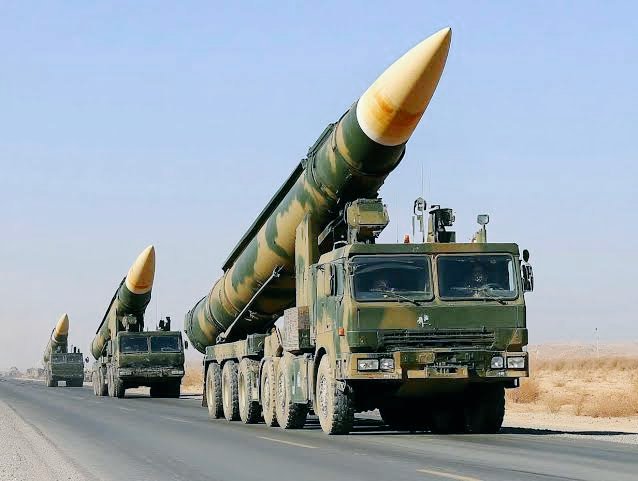
Tulsi Gabbard: "Russia, China, North Korea, Iran, and Pakistan are developing missiles that can reach us." The whole world is arming against America because the whole world has watched what America does to countries that can't defend themselves
English
657
3.1K
14.2K
362.9K
Xiao Ma 리트윗함
Joe Kent
Joe Kent@joekent16jan19·
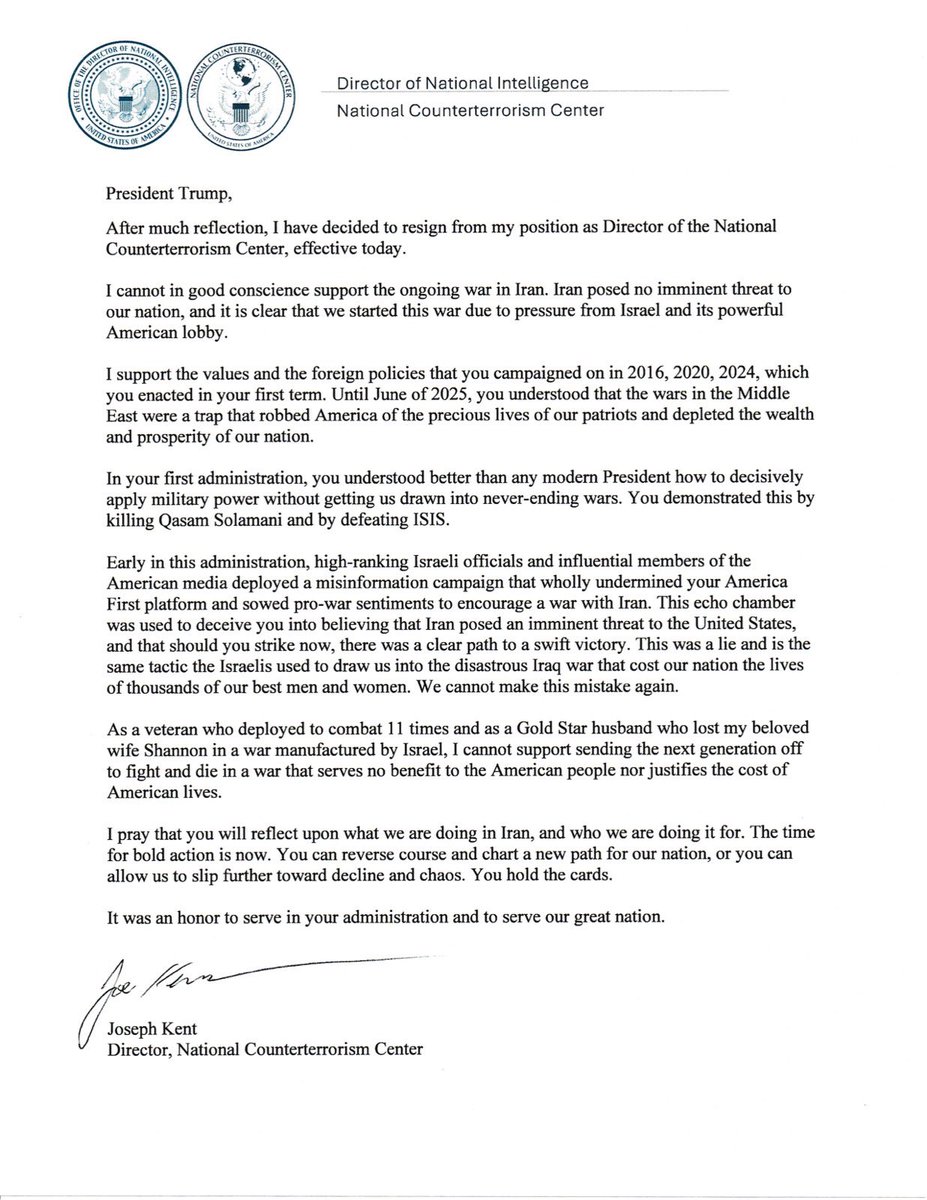
After much reflection, I have decided to resign from my position as Director of the National Counterterrorism Center, effective today. I cannot in good conscience support the ongoing war in Iran. Iran posed no imminent threat to our nation, and it is clear that we started this war due to pressure from Israel and its powerful American lobby. It has been an honor serving under @POTUS and @DNIGabbard and leading the professionals at NCTC. May God bless America.
Joe Kent tweet media
English
72.1K
219.4K
844.4K
98.4M
Xiao Ma 리트윗함
Amnesty International
NEW: Our in-depth investigation finds that US has violated international humanitarian law by failing to take all feasible precautions to avoid civilian harm. US is responsible for the deadly attack on a school in #Minab packed full of children. US authorities must ensure that their investigation is transparent, thorough, and that the results are made public. amn.st/6018B6upqk
English
470
5K
9.3K
236.9K
Xiao Ma
Xiao Ma@riz_mmad·
عالمی مالیاتی مانیٹر خصوصی رپورٹ: ٹریلین ڈالر کی جنگ واشنگٹن / تل ابیب — جیسے ہی 'آپریشن ایپک فیوری' (Operation Epic Fury) کے نام سے مشہور فوجی مہم اپنے دوسرے ہفتے میں داخل ہو رہی ہے، جدید دور کی شدید ترین جنگ کے مالی حقائق اتنے ہی ہولناک ثابت ہو رہے ہیں جتنی کہ خود یہ جنگ۔ صرف دس دنوں میں امریکہ اور اسرائیل کے مشترکہ فوجی اخراجات 14.6 ارب ڈالر سے تجاوز کر گئے ہیں، جس نے ایک ایسا بجٹ خسارہ پیدا کر دیا ہے جو دونوں ممالک کو فتح کی قیمت اور ملکی معاشی عدم استحکام کے خطرات کے درمیان انتخاب پر مجبور کر رہا ہے۔ امریکی بل: مہنگی ترین درستگی امریکہ اس وقت یومیہ تقریباً 1 ارب ڈالر خرچ کر رہا ہے۔ ماضی کی شورش زدہ جنگوں کے برعکس، یہ جنگ انتہائی مہنگی اور جدید ترین ٹیکنالوجی کے ذریعے لڑی جا رہی ہے۔ پینٹاگون کے بجٹ پر سب سے بڑا بوجھ ایرانی بیلسٹک میزائل حملوں کے خلاف دفاع ہے۔ بحریہ کے تباہ کن جہاز سے فائر کیے جانے والے ایک واحد SM-3 انٹرسیپٹرکی قیمت تقریباً 12 ملین ڈالر ہے، جبکہ علاقائی اڈوں کے دفاع کے لیے استعمال ہونے والے پیٹریاٹ (PAC-3) میزائلوں کی قیمت تقریباً 4 ملین ڈالر فی یونٹ ہے۔ گولہ بارود کے علاوہ، امریکہ کو بڑے اثاثوں کے نقصان کا بھی سامنا کرنا پڑا ہے، جس میں 1.1 ارب ڈالر کا 'ارلی وارننگ ریڈار سسٹم' اور کئی جدید لڑاکا طیارے شامل ہیں۔ کانگریس کے بجٹ آفس کے تجزیہ کاروں نے متنبہ کیا ہے کہ اگر یہ تنازع 60 دن تک جاری رہا تو کل بل 95 ارب ڈالر سے تجاوز کر سکتا ہے، جس کے لیے امریکی کانگریس سے بھاری ہنگامی فنڈز کی منظوری درکار ہوگی۔ اسرائیل کی معاشی نقل و حرکت اسرائیل میں جنگی اخراجات 3 ارب ڈالر فی ہفتہ تک پہنچ چکے ہیں۔ اسرائیلی معیشت کو "دوہرے دباؤ" کا سامنا ہے: ایک طرف 'ایرو-3' (Arrow-3) اور 'ڈیوڈز سلنگ' (David’s Sling) جیسے مہنگے دفاعی نظام کا استعمال، اور دوسری طرف اندرونی معیشت کا جمود۔ ہائی ٹیک اور مینوفیکچرنگ سیکٹرز سے لاکھوں ریزرو فوجیوں کی طلبی کی وجہ سے اسرائیل کی جی ڈی پی (GDP) کی شرح نمو رک گئی ہے۔ اسرائیلی پارلیمنٹ نے پہلے ہی دفاعی بجٹ میں 16 ارب ڈالر کے اضافے کی منظوری دے دی ہے، جو کہ 115 فیصد کا تاریخی اضافہ ہے۔ ایران کی معاشی حالت اگرچہ ایران کے براہ راست فوجی اخراجات ڈالر کی صورت میں کم ہیں—جو اس کی میزائل اور ڈرون مہم کے لیے تقریباً 1.5 ارب ڈالرلگائے گئے ہیں—لیکن یہ ملک اپنی معاشی خودمختاری کی صورت میں بھاری قیمت چکا رہا ہے۔ ایرانی ریال کی قدر گر کر 11 لاکھ فی ڈالر تک پہنچ گئی ہے، اور آبنائے ہرمز کی بندش نے ملک کو تیل کی برآمدات سے مکمل طور پر کاٹ دیا ہے۔ تہران اپنی موجودہ فوجی پوزیشن برقرار رکھنے کے لیے درحقیقت اپنی مستقبل کی معیشت "خرچ" کر رہا ہے۔ عالمی اثرات اس تنازع کے مالی اثرات صرف لڑنے والے ممالک تک محدود نہیں ہیں۔ آبنائے ہرمز، جو دنیا کی توانائی کی سب سے اہم شریان ہے، کی بندش سے عالمی منڈی میں تیل کی قیمتیں 110 ڈالر فی بیرل سے اوپر چلی گئی ہیں۔ توانائی پر لگنے والا یہ "جنگی ٹیکس" عالمی کساد بازاری کا خطرہ پیدا کر رہا ہے، کیونکہ دنیا بھر میں نقل و حمل اور مینوفیکچرنگ کے اخراجات بڑھ رہے ہیں۔ امریکہ اور اسرائیل کے لیے اب چیلنج صرف دشمن کو شکست دینا نہیں ہے، بلکہ اسے اس وقت سے پہلے انجام تک پہنچانا ہے جب تک کہ یہ "میزائل کے بدلے میزائل" کا تبادلہ ان کی اپنی معاشی جڑیں کھوکھلی نہ کر دے۔
Xiao Ma@riz_mmad

THE GLOBAL FINANCIAL MONITOR Special Report: The Trillion-Dollar Conflict WASHINGTON D.C. / TEL AVIV — As the military campaign known as Operation Epic Fury enters its second week, the fiscal reality of modern high-intensity warfare has become as staggering as the combat itself. Combined military expenditures for the United States and Israel have surpassed $14.6 billionin just ten days, creating a budgetary vacuum that is forcing both nations to weigh the cost of victory against the risk of domestic economic instability. The American Bill: Precision at a Premium The United States is currently burning through approximately $1 billion per day. Unlike previous insurgent conflicts, this war is being fought with ultra-expensive precision technology. The primary drain on the Pentagon’s budget is the defense against Iranian ballistic missile salvos. A single SM-3 interceptorlaunched from a Navy destroyer costs nearly $12 million, while Patriot (PAC-3) missiles used to defend regional bases cost roughly $4 million each. Beyond ammunition, the U.S. has suffered "capital asset shocks," including the loss of a $1.1 billion early warning radar system and several advanced airframes. Analysts from the Congressional Budget Office warn that if the conflict persists for sixty days, the total bill—including equipment replacement and combat pay—could exceed $95 billion, potentially requiring a massive emergency supplemental appropriation from a divided Congress. Israel’s Economic Mobilization In Israel, the cost of the conflict has reached $3 billion per week. The Israeli economy is facing a "double-squeeze": the direct cost of firing Arrow-3 and David’s Sling interceptors to counter long-range threats, and the indirect cost of a frozen domestic economy. With hundreds of thousands of reservists pulled from their jobs in the high-tech and manufacturing sectors, Israel's GDP growth has effectively flatlined. The Knesset has already moved to expand the defense budget by $16 billion, a historic 115% increase that signals a long-term shift toward a total war economy. The Iranian Attrition While Iran’s direct military spending is lower in absolute dollar terms—estimated at roughly $1.5 billion for its missile and drone campaign—the nation is paying the highest price in economic sovereignty. The Iranian Rial has collapsed to 1.1 million per dollar, and the closure of the Strait of Hormuz has severed the country from its primary source of lifeblood: oil exports. Tehran is essentially "spending" its entire future economy to sustain its current military posture. The Global Ripples The financial impact is not contained within the borders of the combatants. With the Strait of Hormuz—the world's most vital energy artery—effectively closed, global oil prices have spiked to $110 per barrel. This "war tax" on energy is threatening to trigger a global recession, as transportation and manufacturing costs surge worldwide. For the U.S. and Israel, the challenge is no longer just defeating an adversary, but doing so before the soaring cost of the "missile-for-missile" exchange bankrupts the very stability they seek to protect.

اردو
0
0
0
39
Xiao Ma
Xiao Ma@riz_mmad·
THE GLOBAL FINANCIAL MONITOR Special Report: The Trillion-Dollar Conflict WASHINGTON D.C. / TEL AVIV — As the military campaign known as Operation Epic Fury enters its second week, the fiscal reality of modern high-intensity warfare has become as staggering as the combat itself. Combined military expenditures for the United States and Israel have surpassed $14.6 billionin just ten days, creating a budgetary vacuum that is forcing both nations to weigh the cost of victory against the risk of domestic economic instability. The American Bill: Precision at a Premium The United States is currently burning through approximately $1 billion per day. Unlike previous insurgent conflicts, this war is being fought with ultra-expensive precision technology. The primary drain on the Pentagon’s budget is the defense against Iranian ballistic missile salvos. A single SM-3 interceptorlaunched from a Navy destroyer costs nearly $12 million, while Patriot (PAC-3) missiles used to defend regional bases cost roughly $4 million each. Beyond ammunition, the U.S. has suffered "capital asset shocks," including the loss of a $1.1 billion early warning radar system and several advanced airframes. Analysts from the Congressional Budget Office warn that if the conflict persists for sixty days, the total bill—including equipment replacement and combat pay—could exceed $95 billion, potentially requiring a massive emergency supplemental appropriation from a divided Congress. Israel’s Economic Mobilization In Israel, the cost of the conflict has reached $3 billion per week. The Israeli economy is facing a "double-squeeze": the direct cost of firing Arrow-3 and David’s Sling interceptors to counter long-range threats, and the indirect cost of a frozen domestic economy. With hundreds of thousands of reservists pulled from their jobs in the high-tech and manufacturing sectors, Israel's GDP growth has effectively flatlined. The Knesset has already moved to expand the defense budget by $16 billion, a historic 115% increase that signals a long-term shift toward a total war economy. The Iranian Attrition While Iran’s direct military spending is lower in absolute dollar terms—estimated at roughly $1.5 billion for its missile and drone campaign—the nation is paying the highest price in economic sovereignty. The Iranian Rial has collapsed to 1.1 million per dollar, and the closure of the Strait of Hormuz has severed the country from its primary source of lifeblood: oil exports. Tehran is essentially "spending" its entire future economy to sustain its current military posture. The Global Ripples The financial impact is not contained within the borders of the combatants. With the Strait of Hormuz—the world's most vital energy artery—effectively closed, global oil prices have spiked to $110 per barrel. This "war tax" on energy is threatening to trigger a global recession, as transportation and manufacturing costs surge worldwide. For the U.S. and Israel, the challenge is no longer just defeating an adversary, but doing so before the soaring cost of the "missile-for-missile" exchange bankrupts the very stability they seek to protect.
Xiao Ma tweet media
English
0
1
1
191
Xiao Ma 리트윗함
Assal Rad
Assal Rad@AssalRad·
Good reminder.
Assal Rad tweet media
English
94
9.8K
27K
330.9K
Xiao Ma 리트윗함
Donald J. Trump
Donald J. Trump@realDonaldTrump·
The United States has spent EIGHT TRILLION DOLLARS fighting and policing in the Middle East. Thousands of our Great Soldiers have died or been badly wounded. Millions of people have died on the other side. GOING INTO THE MIDDLE EAST IS THE WORST DECISION EVER MADE.....
English
13.4K
38.7K
119.3K
0
Xiao Ma 리트윗함
Khaled Beydoun
Khaled Beydoun@KhaledBeydoun·
The faces and names of many of the 165 schoolgirls slain in Minab, Iran.
English
559
11.7K
31.5K
3.6M
Xiao Ma
Xiao Ma@riz_mmad·
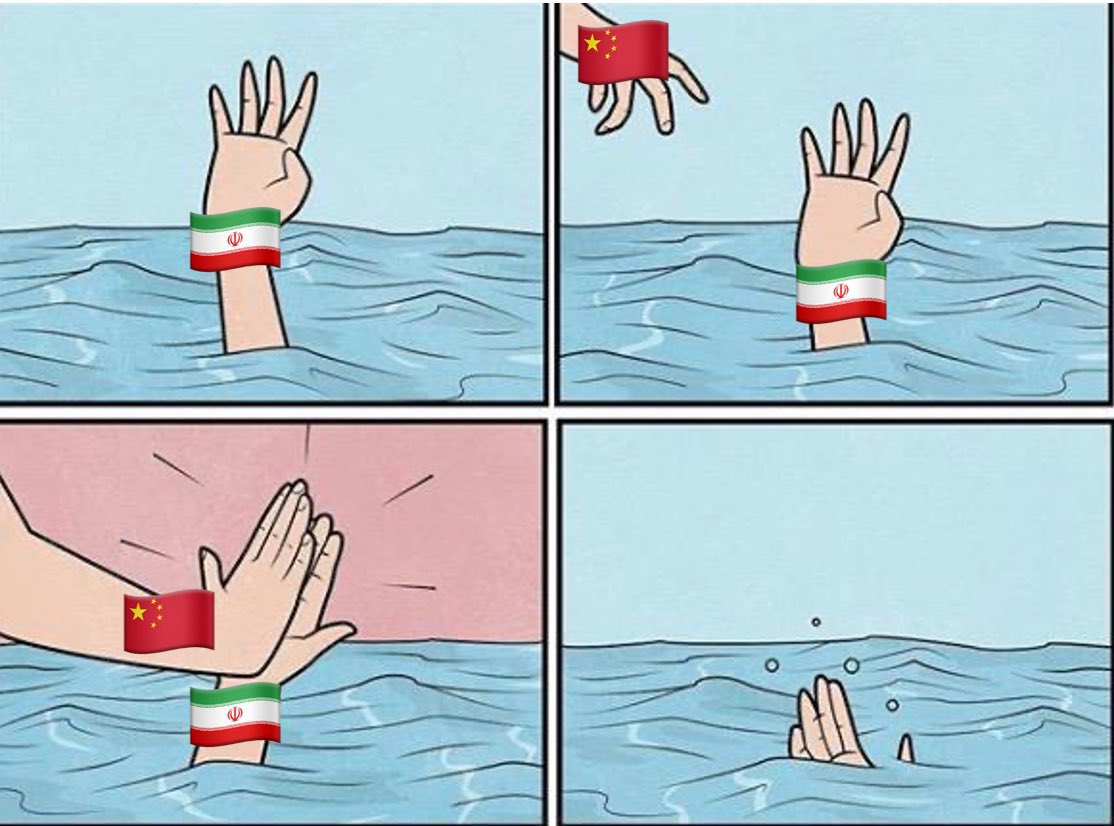
China to Iran, we’ve got your back
Xiao Ma tweet media
English
0
0
1
37
Xiao Ma
Xiao Ma@riz_mmad·
A six-month-old baby monkey in Japan has gone viral online after treating a stuffed toy as its mother, capturing hearts around the world. The baby monkey, named Punch, was abandoned by his mother after she gave birth to him in July last year at Ichikawa City Zoo in Chiba Prefecture, NHK News reported. Zookeepers decided to raise him through bottle-feeding, per the report. When zookeepers gave Punch a stuffed orangutan as a surrogate mother to cling to, he apparently started developing an emotional bond with it.
GIF
Xiao Ma tweet mediaXiao Ma tweet media
English
1
0
0
143