고정된 트윗

4/4/2026 all temperatures in fahrenheit.
City Temperature Data.
High: 59° Low: 27°
Last year
High: 52° Low: 31°
Personal Station CO2
Calibrated 3/31/2026, 396 ppm
Amundsen-Scott South Pole Station
-80°, wind chill -113° 🥶🥶🥶
The fourth of April holds a somber place in meteorological history, often serving as the final, deadly act of multi day severe weather outbreaks across the United States.
While April 3 is frequently cited for the initiation of these events, the early morning hours of April 4 have historically seen some of the most violent atmospheric conditions ever recorded.
The Conclusion of the 1974 Super OutbreakThe most significant weather event for this date occurred in 1974. Following a day of unprecedented devastation across the Midwest, the "Super Outbreak" continued its march into the early hours of April 4.
By the time the activity finally subsided in North Carolina around 7:00 a.m., 148 tornadoes had been confirmed across 13 states. This remains the most violent outbreak on record, producing 30 tornadoes rated F4 or F5.
The total death toll reached approximately 319 people, with thousands more injured. The sheer scale of this event led to a massive overhaul of the National Weather Service, including the accelerated development of Doppler radar and the expansion of the NOAA Weather Radio network.
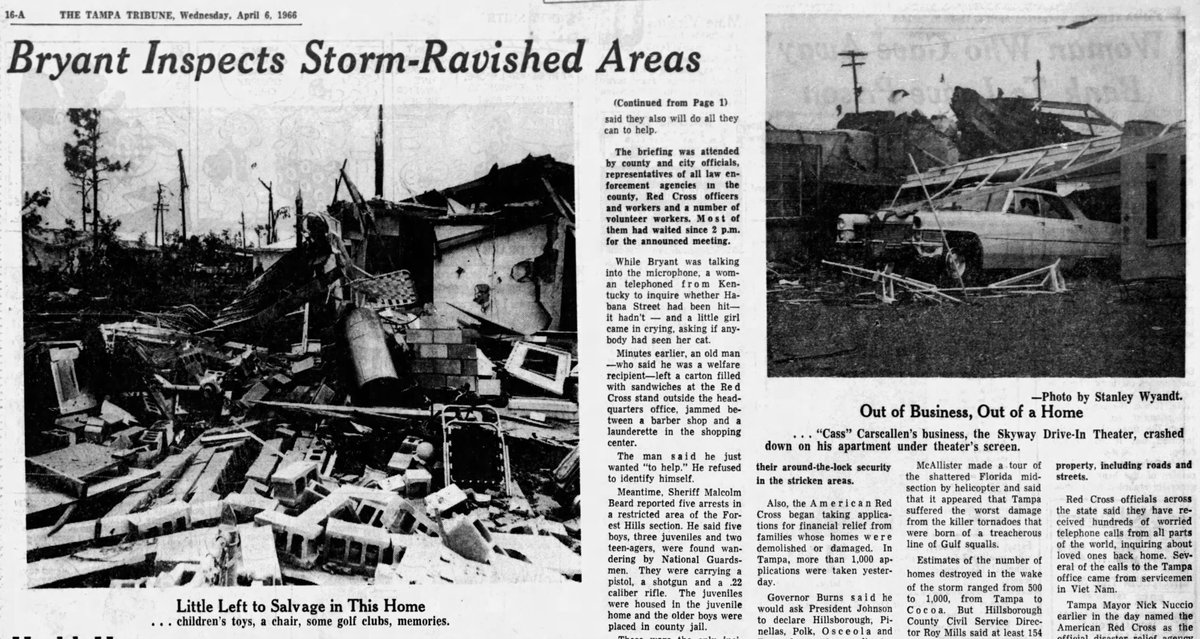
The 1966 Florida Tornado FamilyExactly eight years prior, in 1966, a rare and powerful tornado family tore across the Florida peninsula. This event is notable for producing one of only two F4 tornadoes to ever strike the state.
Originating as waterspouts over the Gulf of Mexico, the storms moved inland at speeds of up to 60 mph, carving a path from the Tampa Bay area to the Atlantic coast. The F4 tornado leveled nearly 160 homes in the Carrollwood and Temple Terrace areas before devastating rural communities in Polk County. In total, 11 people were killed and over 500 were injured.
The storm was so powerful it even struck the spring training site of the Houston Astros in Cocoa, destroying batting cages and throwing heavy equipment hundreds of feet into nearby woods.
Late Season Extremes and Rapid ShiftsBeyond tornadoes, April 4 has also been a date of dramatic temperature swings and late-season snow.
1923: A powerful cold front moved through the Midwest, causing temperatures to plummet. In Fayette, Iowa, the mercury hit a high of 79° before crashing to 23° by the end of the day.
1970: Chicago was hit by a massive late-season snowstorm that dropped 11 inches at O'Hare Airport, effectively shutting down the hub.2004: A historic 24-hour snowfall record was set in Boston, Massachusetts, where 25.4 inches of snow blanketed the city, marking its snowiest April ever.
Whether through the violence of a decaying supercell or the sudden return of winter, this date continues to be a focal point for those studying the volatile nature of spring weather patterns.
#WeatherHistory #ExtremeWeather


English