SIMbL Toronto

725 posts

SIMbL Toronto banner
SIMbL Toronto

SIMbL Toronto

@simbl_to

Twitter account for the Safe Independent Mobility Lab at KITE-Toronto Rehabilitation Institute, University Health Network.

Toronto, ON 가입일 Ocak 2014
312 팔로잉649 팔로워
SIMbL Toronto 리트윗함
UHN Foundation
UHN Foundation@uhnfoundation·
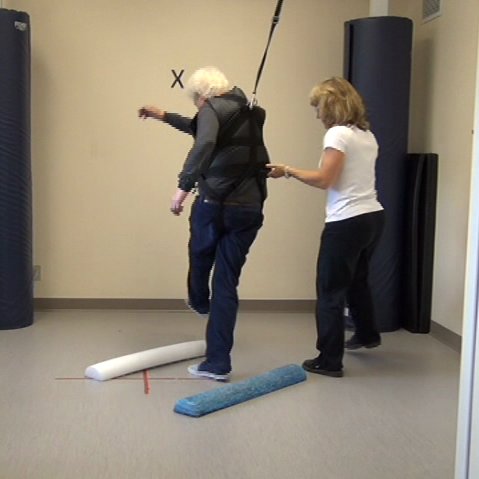
Today, Her Royal Highness, The Duchess of Edinburgh visited @UHN’s Toronto Rehab & KITE Research Institute where Here Royal Highness participated in The Movement Evaluation Lab, that aims to improve the control of movement and mobility. @TorontoRehab @KITE_UHN @RoyalFamily
English
5
59
427
24.8K
SIMbL Toronto 리트윗함
HELLO! Canada
HELLO! Canada@HelloCanada·
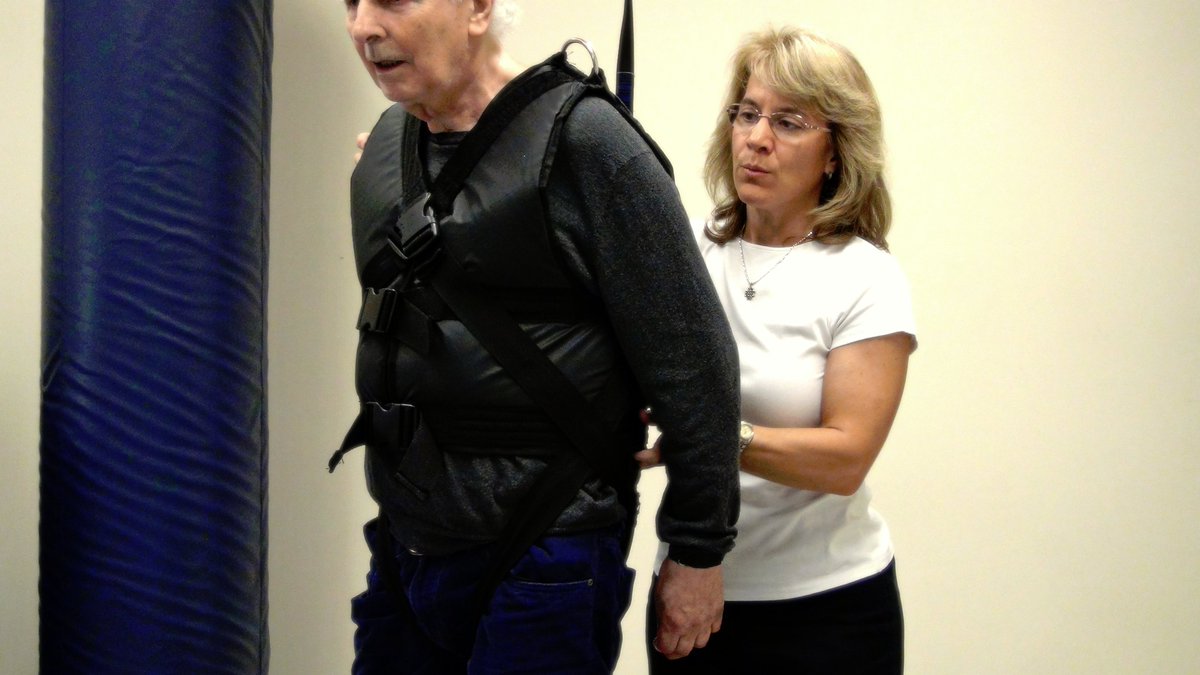
The Duchess of Edinburgh tests out a reactive balance training frame and harnass for stroke and brain injury patients in the movement evaluation lab at @UHN during her trip to Ontario @uhnfoundation @KITE_UHN
English
5
49
510
13.3K
SIMbL Toronto 리트윗함
Toronto Star
Toronto Star@TorontoStar·
Rather than focus on avoiding tumbles, researchers at the Toronto Rehabilitation Institute are using high-tech, hands-on trials to teach how to fall. #Opinion by @CathrinBradbury trib.al/DFIFyT7
English
2
5
13
12.9K
SIMbL Toronto
SIMbL Toronto@simbl_to·
If you're interested in trying reactive balance training in your practice, our clinical toolkit has everything you need! kite-uhn.com/tools/rebal
English
0
2
6
0
SIMbL Toronto
SIMbL Toronto@simbl_to·
Specifically, lower extremity pain, injuries, and fear/anxiety seemed to be more frequent for reactive balance training than controls. Emphasizes the need to do training in a safe way & build trust between the therapist and client
English
0
0
3
0
SIMbL Toronto
SIMbL Toronto@simbl_to·
From 14 studies, fall risk was reduced by ~25% and fall rates reduced by ~60% for reactive balance training compared to control participants. Adverse events were higher for reactive balance training compared to controls
English
1
0
1
0
SIMbL Toronto
SIMbL Toronto@simbl_to·
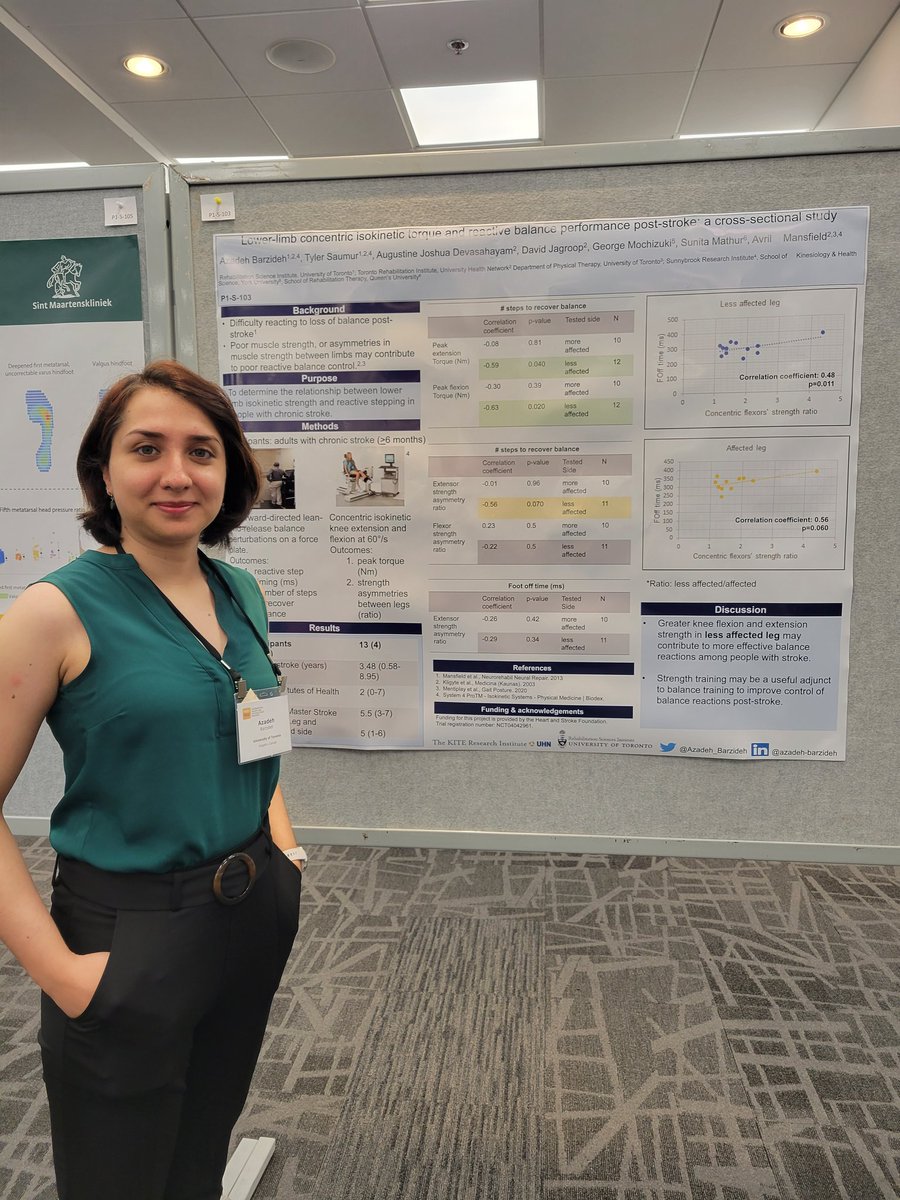
We've been discussing ways to better promote our work/selves in our team recently. Does anyone have thoughts to share, particularly for those who are introverts or culturally disinclined to be seen as 'tall poppies'
Azadeh Barzideh@Azadeh_Barzideh

@AcademicChatter what are some of the tips and tricks for better self-promotion in academia?

English
1
0
2
0
SIMbL Toronto
SIMbL Toronto@simbl_to·
Surprisingly, participants often did not use standardized tools to assess reactive balance control before training, highlighting the need to increase awareness of tools like the Balance Evaluation Systems Test (@kmsibley!)
English
1
0
1
0
SIMbL Toronto
SIMbL Toronto@simbl_to·
We also found that participants were creative in terms of providing perturbations for reactive balance training in practice, without needing any specialized equipment
English
1
0
0
0
SIMbL Toronto
SIMbL Toronto@simbl_to·
Our toolkit focuses on 'manual' perturbations, that don't need any equipment. Some researchers and clinics use devices like special treadmills or walkways that cause slips or trips. You might also find these devices helpful for reactive balance training
English
0
0
1
0
SIMbL Toronto
SIMbL Toronto@simbl_to·
External perturbations are when there is some external force, from a therapist or device, that causes the loss of balance. In this case, the therapist removes force (i.e., support), so the client starts to fall
English
1
0
3
0
SIMbL Toronto
SIMbL Toronto@simbl_to·
How do you provide balance perturbations in reactive balance training? Our new toolkit has lots of information about this, including video demonstrations! kite-uhn.com/tools/rebal We generally classify perturbations as either internal or external
English
1
3
3
0