Wildfire Adapted Solutions

31 posts

Wildfire Adapted Solutions banner
Wildfire Adapted Solutions

Wildfire Adapted Solutions

@wildfireadapted

가입일 Ağustos 2025
40 팔로잉6 팔로워
Wildfire Adapted Solutions
Wildfire Adapted Solutions@wildfireadapted·
🔥 Your Deck Could Be the Weakest Link in Your Wildfire Defense 🏠🛠️🔥When we think about wildfire risk to a home, we often focus on the roof, siding, and vents. But there’s another critical vulnerability that often gets overlooked: 🛠️Combustible attachments to the structure. 🏠🛠️🔥Decks, fences, stairs, and other attached features can ignite from embers, radiant heat, or direct flame contact. Once burning, these attachments can produce sustained flames directly against the home, overwhelming exterior components that might otherwise survive a wildfire. 🛠️A wildfire-adapted home needs to be designed to withstand exposure not only from the surrounding landscape, but also from the things connected to it. This is where the work from Insurance Institute for Insurance Institute for @IBHS_org Business & Home Safety - IBHS becomes extremely valuable. ✅Their Wildfire Prepared Home Technical Standard lnkd.in/gG6KiFnH provides practical guidance for both: 🔎Designing wildfire-resistant new construction 🔎Retrofitting existing homes to reduce structural vulnerability @IBHS_org Insurance Institute for Business & Home Safety - IBHS also has an excellent deep dive on deck construction and wildfire performance that is a must-read for anyone building or retrofitting in wildfire-prone areas. lnkd.in/gqm9Kxj9 🔥If we want homes to survive wildfire exposure, we need to think beyond the structure itself and evaluate everything attached to it. 🔥Wildfire resilience is built one detail at a time. #WildfirePrepared #WildfireMitigation #WildfireAdapted #HomeHardening #DefensibleSpace #IBHS
English
0
1
1
140
Wildfire Adapted Solutions
Wildfire Adapted Solutions@wildfireadapted·
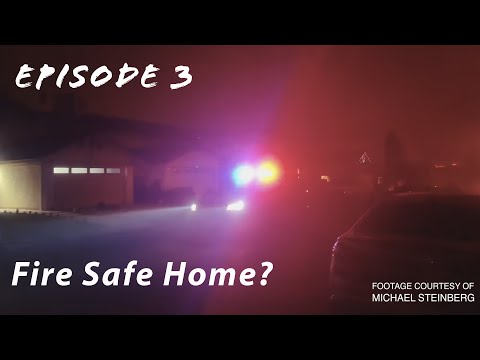
🔥 “Wildfire Doesn’t Need a Front Door — It Finds the Weak Spots.” 🎥 In this clip, you can see multiple combustible materials adjacent to a home on fire during a wildland conflagration. It’s a powerful reminder that wildfire vulnerability often comes from the small details around a structure, not just the approaching flame front. Wildfire exposure typically arrives in three forms: 🔥 Embers – igniting receptive fuels around the structure 🔥 Direct flame contact – when nearby fuels or attachments ignite 🔥 Radiant heat – enough heat to ignite materials without direct contact Hazards around homes come in many forms: 🌿 Landscape fuels - Planted vegetation around structures 🌳 Wildland Fuels - Natural vegetation that drives baseline fire behavior 🏚️ Building Fuels - The structures themselves and their combustible components 🚗 Accessory Fuels - Objects and small structures that carry fire to buildings In this case, once the adjacent combustibles ignite, they may become the pathway for fire to reach the structure itself. Effective wildfire mitigation isn’t just about clearing vegetation — it’s about understanding how hazards, exposures, and vulnerabilities interact at the parcel level. 👀 What vulnerabilities do you see developing in this scenario? #WildfireMitigation #WildfireRisk #WildfireAdaptedSolutions #DefensibleSpace #WildlandUrbanInterface #CommunityWildfireMitigation
English
0
0
0
31
Wildfire Adapted Solutions
Wildfire Adapted Solutions@wildfireadapted·
👉 “All vegetation can burn. 🌿🔥 Maintenance and placement determine the risk.” Defensible Space Tips: California Department of Forestry and Fire Protection (CAL FIRE) Defensible Space lnkd.in/g82KaPme & Insurance Institute for Business & Home Safety - IBHS Wildfire Prepared Home lnkd.in/gG6KiFnH
English
0
0
1
46
Wildfire Adapted Solutions
Wildfire Adapted Solutions@wildfireadapted·
🔥 Structural vulnerabilities are exposed — and exploited — during wildland fires. If your structure wasn’t designed for wildfire exposure, you must reduce the fire’s intensity before it reaches the building. That starts with defensible space. When I was riding a fire engine in Southern California, I taught new firefighters my 15 / 30 / 60 rule: 🌾 15-foot flame lengths – Grass 🌿 30-foot flame lengths – Coastal scrub 🌳 60-foot flame lengths – Brush This gave them a mental model for predicting fire behavior and planning safety zones. That same frame of reference applies to structural survivability. If you have: 🏠 Grass adjacent to your home → 30 feet of defensible space can reduce direct flame contact. 🏠 Coastal sage scrub or brush nearby → 100 feet or more is often necessary. Wildland fire intensity increases with fuel type. Flame length determines radiant heat and direct flame exposure. And exposure determines structural survival. 🔥 You can’t always stop a wildfire, but you can reduce what it becomes before it reaches your structure. Defensible space isn’t cosmetic, it’s physics.
English
0
0
0
53
Wildfire Adapted Solutions
Wildfire Adapted Solutions@wildfireadapted·
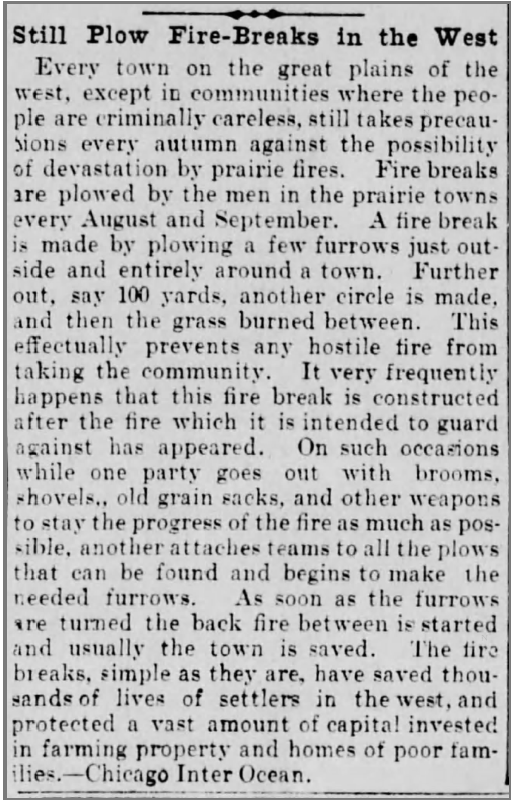
🔥 𝗬𝗼𝘂 𝗰𝗮𝗻 𝗮𝗱𝗮𝗽𝘁 𝘁𝗼 𝘄𝗶𝗹𝗱𝗳𝗶𝗿𝗲 𝗼𝗻 𝘆𝗼𝘂𝗿 𝘁𝗲𝗿𝗺𝘀 — 𝗼𝗿 𝗼𝗻 𝘄𝗶𝗹𝗱𝗳𝗶𝗿𝗲’𝘀 𝘁𝗲𝗿𝗺𝘀. 📰 I recently revisited an 1898 newspaper article titled “Still Plow Fire‑Breaks in the West.” It described a simple, practical strategy used by prairie towns: “A fire break is made by plowing a few furrows… another circle is made then the grass burned between.” Communities on the Great Plains understood something through hard experience: 𝗪𝗶𝗹𝗱𝗳𝗶𝗿𝗲 𝗶𝘀 𝗶𝗻𝗲𝘃𝗶𝘁𝗮𝗯𝗹𝗲. 𝗖𝗮𝘁𝗮𝘀𝘁𝗿𝗼𝗽𝗵𝗶𝗰 𝗹𝗼𝘀𝘀 𝗶𝘀 𝗻𝗼𝘁. They reduced hazard. They reduced exposure. They adapted. 𝗧𝗼𝗱𝗮𝘆, 𝘄𝗲 𝗸𝗻𝗼𝘄 𝗲𝘃𝗲𝗻 𝗺𝗼𝗿𝗲. Wildfire exposure doesn’t just come from flames. It comes from: • 🌬️ 𝗪𝗶𝗻𝗱‑𝗱𝗿𝗶𝘃𝗲𝗻 𝗲𝗺𝗯𝗲𝗿𝘀 • ☀️ 𝗥𝗮𝗱𝗶𝗮𝗻𝘁 𝗵𝗲𝗮𝘁 We have modern building codes. We have defensible space standards. We understand structure vulnerability. 𝗪𝗵𝗮𝘁 𝘄𝗲 𝘀𝗼𝗺𝗲𝘁𝗶𝗺𝗲𝘀 𝗹𝗮𝗰𝗸 𝗶𝘀 𝘂𝗿𝗴𝗲𝗻𝗰𝘆. 𝗪𝗶𝗹𝗱𝗳𝗶𝗿𝗲 𝗿𝗲𝘀𝗶𝗹𝗶𝗲𝗻𝗰𝗲 𝗶𝘀𝗻’𝘁 𝗻𝗲𝘄 — 𝗶𝘁’𝘀 𝗮 𝗿𝗲𝘁𝘂𝗿𝗻 𝘁𝗼 𝗰𝗼𝗺𝗺𝗼𝗻 𝘀𝗲𝗻𝘀𝗲. 𝗞𝗻𝗼𝘄 𝘄𝗵𝗲𝗿𝗲 𝘆𝗼𝘂 𝗹𝗶𝘃𝗲. 𝗨𝗻𝗱𝗲𝗿𝘀𝘁𝗮𝗻𝗱 𝘁𝗵𝗲 𝗿𝗶𝘀𝗸. 𝗠𝗶𝘁𝗶𝗴𝗮𝘁𝗲 𝗮𝗰𝗰𝗼𝗿𝗱𝗶𝗻𝗴𝗹𝘆. 𝗕𝗲𝗰𝗮𝘂𝘀𝗲 𝘄𝗶𝗹𝗱𝗳𝗶𝗿𝗲 𝘄𝗶𝗹𝗹 𝗲𝘃𝗲𝗻𝘁𝘂𝗮𝗹𝗹𝘆 𝗼𝗽𝗲𝗿𝗮𝘁𝗲 𝗼𝗻 𝗶𝘁𝘀 𝘁𝗲𝗿𝗺𝘀. 𝗧𝗵𝗲 𝗾𝘂𝗲𝘀𝘁𝗶𝗼𝗻 𝗶𝘀 𝘄𝗵𝗲𝘁𝗵𝗲𝗿 𝘆𝗼𝘂 𝗽𝗿𝗲𝗽𝗮𝗿𝗲𝗱 𝗼𝗻 𝘆𝗼𝘂𝗿𝘀.
Wildfire Adapted Solutions tweet media
English
0
0
0
26
Wildfire Adapted Solutions
Wildfire Adapted Solutions@wildfireadapted·
🔥I was recently reviewing the International Wildland Urban Interface Code lnkd.in/gDPHgEia Fire Hazard Severity lnkd.in/gPjFxrVE section. In the ICC WUI code, Fire Hazard determines ignition resistant building construction standards lnkd.in/gkTtgseg. For fire hazard severity, only fuel model, critical fire weather and slope are evaluated. Fuel models are based on native natural vegetation. ✅ Should fire hazard severity include more than native fuels. It seems that there should be consideration for: ➡️Wildland Fuels ➡️Landscape Fuels ➡️Accessory Fuels ➡️Building Fuels
Wildfire Adapted Solutions tweet media
English
0
0
0
33
Wildfire Adapted Solutions
Wildfire Adapted Solutions@wildfireadapted·
🔥Homes and businesses that survived the Eaton or Palisades fires should be evaluated and wildfire vulnerabilities should be mitigated to reduce future community wildfire risk! ➡️I recently was viewing the LA County 2025 Parcels with DINS data lnkd.in/g-u3hUin. For the attached map, the parcels highlighted in green represent homes that survived the 2025 Eaton Fire. Those homes could have survived by emergency responder intervention, homeowner intervention, building design, vegetation management, reduced fire behavior or luck. ✅It's important that these homes are not forgotten about. Chapparal will grow back and there will be wildfires in these areas again. The map shows a fair number of homes that survived and will be interspersed between new modern and hopefully wildfire mitigated homes. It's important that all of the homes that survived in the High and Very High Fire Hazard Severity Zones lnkd.in/gvBgwBU2 receive a comprehensive wildfire home hardening assessment and vulnerabilities should be mitigated. ✅Obviously the priority should be to homeowners and business who lost everything, but communities should consider future initiatives to make sure the rebuilt community is able to withstand future wildfire risk. This should include the homes and businesses that survived!
Wildfire Adapted Solutions tweet media
English
0
0
0
30
Wildfire Adapted Solutions
Wildfire Adapted Solutions@wildfireadapted·
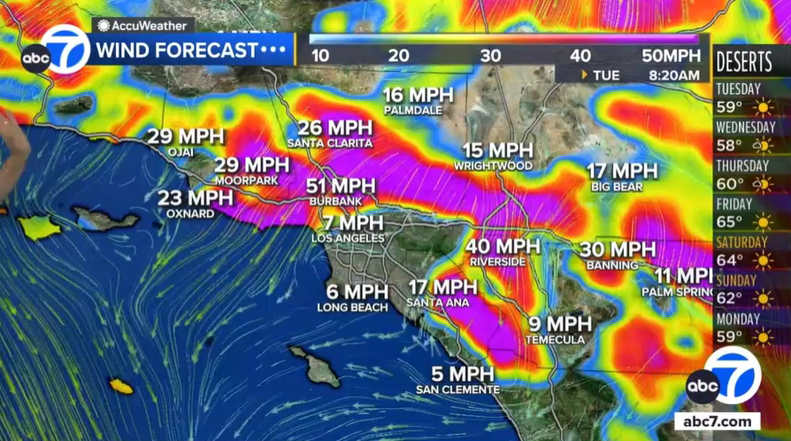
Should some communities be attacking wildfire mitigation like they attack wildland fires and treat wildfire mitigation like the emergency it is! The resent Eaton and Palisades fires destroyed over 16,000 structures and caused over 30 billion dollars in damage. There are so many communities in southern California that look just like Altadena and the Palisades, they are similarly bordered by wildland areas and are impacted by Santa Ana winds events. This seem to meet the definition of a mitigation emergency and fire Season 2026 is only six months away. I have been reflecting on whether this is an appropriate use of the Incident Command System (ICS) The Incident Command System emilms.fema.gov/is_0552/groups…. Having served on Incident Management Teams for many years on wildland fires and other all-risk incidents, I have seen firsthand the value of ICS as a management framework. ICS is designed to integrate diverse interests, establish clear short and long term incident objectives, and provide a disciplined planning cycle with built in feedback loops. These elements are critical to managing complex incidents effectively and they are equally relevant when addressing the challenges of wildfire mitigation. Due to the compressed timelines inherent in emergency incidents, ICS teams often rely on the guiding principle, “Better to do something imperfectly than to do nothing perfectly.” This mindset reflects the need for timely decision-making and action in dynamic; high-risk environments where waiting for complete information can result in greater consequences. If you were to use the ICS for wildfire mitigation, who would the community unified incident commanders be? What would your Planning P training.fema.gov/emiweb/is/icsr… Action Planning Process look like? Would you have short and long term objectives?
Wildfire Adapted Solutions tweet media
English
0
0
0
37
Wildfire Adapted Solutions
Wildfire Adapted Solutions@wildfireadapted·
Another interesting California Board of Forestry & Fire Protection Zone 0 meeting today. Hopefully they can get to the finish line with the Zone 0 Regulations lnkd.in/g2f4YxR5. There are thousands of homes in Southern California that were not built to wildfire urban interface building code standards and have vulnerable exposures including inadequate defensible space or vegetation management. There needs to be some urgency in getting homeowners to adapt to wildfire before wildfire adapts more of them!
English
0
0
0
61
Wildfire Adapted Solutions
Wildfire Adapted Solutions@wildfireadapted·
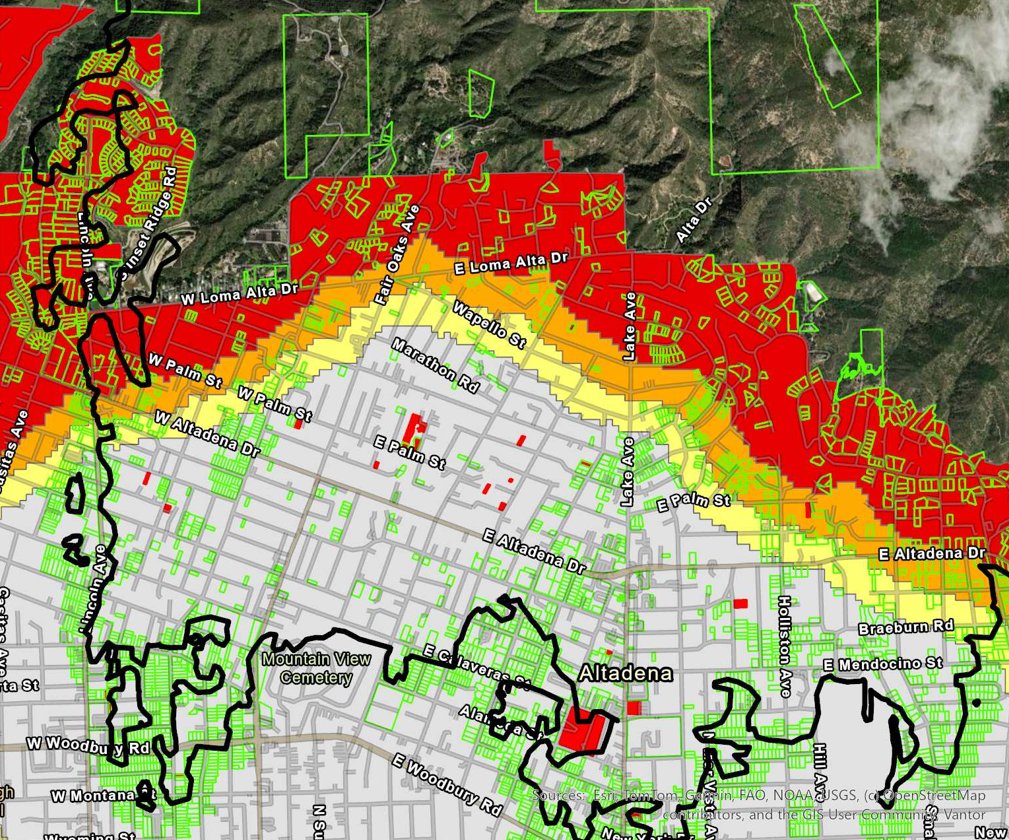
🔥What could have been and hopefully what will be in the future, wildfire adaptation! I was reviewing some LA County's GIS data (See Below) from the Eaton fire and noticed that there may not have been many homes built to the modern wildland urban interface standards for California in Altadena. ➡️I added the old CAL FIRE OSFM, SRA and LRA Very High Fire Hazard Severity Zones which identify areas that buildings built after 2008 would have had to conform to Chapter 7A [SFM] Materials and Construction Methods for Exterior Wildfire Exposure. I also identified homes (Yellow Outlines) that were built after 2011 (2011 was when vent openings were reduced to 1/8 -1/16th of an inch). This data doesn't account for homeowners that remodeled or hardened older non-conforming structures for wildfire resistance. ➡️If I'm looking at the data correctly (let me know if I'm off the mark), the homes immediately adjacent to the wildlands were not designed for a wildland exposure. What if all of the homes in the old SRA Very High Fire Hazard were upgraded or retrofitted to withstand the wildfire exposure and had adequate defensible space? ➡️Looking forward, if all the destroyed homes are built back with the WUI building codes, or even better Wildfire Prepared Home Plus Standard lnkd.in/gXRri3BQ and homeowners implement good defensible space practices, this should provide a barrier to fire spread into the community. Firefighters would then only have to contend with ember exposure into the community. ➡️Every time I drive down to southern California, I see communities that look just like the communities affected by the Eaton and Palisades fire, hopefully these communities understand the urgency and implement wildfire mitigation sooner rather than later. ✅CAL FIRE OSFM Fire Hazard Severity Zones -lnkd.in/g9VtruYd ✅California Wildland Urban Interface Code (Effective 1/1/2026) - lnkd.in/gCtbVyF8 ✅LA County GIS Data - data.lacounty.gov
Wildfire Adapted Solutions tweet media
English
0
0
0
47
Wildfire Adapted Solutions
Wildfire Adapted Solutions@wildfireadapted·
The last quote of the article, “It’s more important that we get this right rather than have a hard timeline" is mindboggling. Southern California just had two major catastrophic fires and there are still thousands of homes that have not been wildfire hardened. It's crazy that people are arguing over the simple requirements of Zone 0. People in southern California need to adapt to wildfire before wildfire adapts more of them!
English
0
0
0
28
Wildfire Adapted Solutions
Wildfire Adapted Solutions@wildfireadapted·
I'm still baffled that people continue to deny that landscape vegetation can contribute to structure ignition. Adapt to your surroundings, before your surroundings adapt you!
English
0
0
0
89
Wildfire Adapted Solutions
Wildfire Adapted Solutions@wildfireadapted·
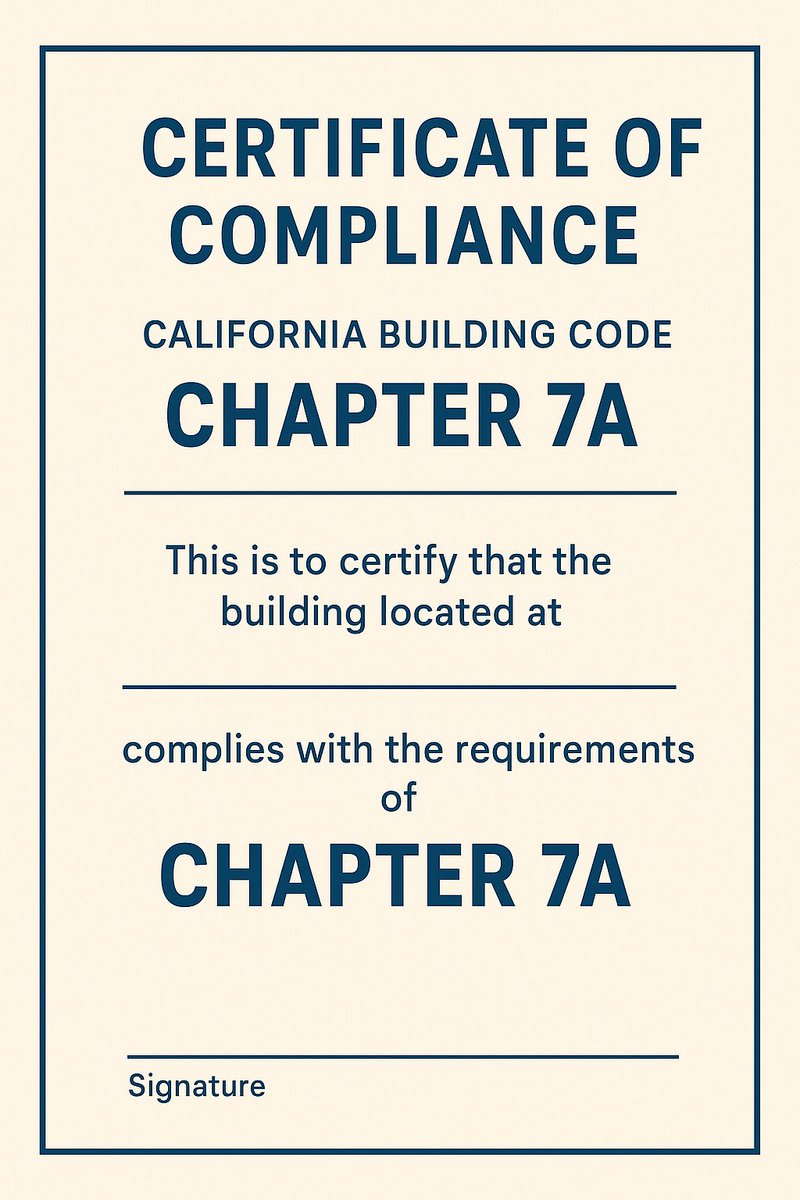
🔥Wouldn't it be great if local building officials, when finalizing permits on new buildings, provided property owners with a simple certificate demonstrating compliance with the California Building Code Chapter 7A. ➡️It would be even better if the certification provided the method of compliance (performance or prescriptive standard) for the main exterior components: ✅Roofing ✅Vents ✅Exterior Covering ✅Exterior Windows, Skylights and Doors ✅Decking ✅Accessory Buildings and Miscellaneous Structures ➡️It would also be great if the information above was captured electronically. We spend a lot of time trying to figure out what some of the exterior component materials are made of and their rating. Decking material is a perfect example. ➡️This certification could also be used to demonstrate compliance for some of the wildfire mitigation programs out there including the @IBHS_org Wildfire Prepared Home.
Wildfire Adapted Solutions tweet media
English
0
0
0
83
Wildfire Adapted Solutions
Wildfire Adapted Solutions@wildfireadapted·
🔥Most people know about the 1991 Tunnel Fire also commonly referred to as the Oakland Hills firestorm or the East Bay Hills fire. ➡️The fire ultimately killed 25 people and injured 150 others, destroyed 2,843 single-family dwellings and 437 apartment and condominium units. The economic loss from the fire was estimated at $1.5 billion ($2.99 billion in 2024 dollars) Wikipidia. 🔥Prior to the 1991 fire was the 1923 Berkely Fire where 500 homes were destroyed and it caused $10,000,000.00 in damage. We as humans seem to forget over time about our past natural disasters and don't seem to implement changes to reduce their future impact. We need to learn to adapt to the environment we live in. If we fail to adapt, we shouldn't expect different future results! 🎥The History Guy does a great job recounting the 1923 Berkeley Fire! youtu.be/jv7ozmRzsyI?si… via @YouTube
YouTube video
YouTube
English
0
0
0
69
Wildfire Adapted Solutions
Wildfire Adapted Solutions@wildfireadapted·
🔥Privacy Hedges! ➡️Hedges are commonly cited as a landscaping feature for creating privacy between homes. The problem is that they can be a connected fuel or fire pathway during wildfires. This is especially true for structures that have a direct exposure to a high wildfire hazard. 🎥The attached video shows a hedge that catches on fire during a wildfire burning under normal summer conditions, not critical fire weather conditions like a Santa Ana wind event. The video also shows the quick response time by two engine companies. During large scale wildfire fire events burning under critical wildfire conditions, emergency response resources are typically depleted, and firefighter intervention will be sporadic. ➡️There are companies that make architectural pleasing noncombustible privacy screens that can be used as an option to hedges.
English
0
0
0
55
Wildfire Adapted Solutions
Wildfire Adapted Solutions@wildfireadapted·
California Board of Forestry - Zone Zero Regulatory Advisory Committee Meeting Tomorrow, September 18, at 10:30 AM PST. @447a4ca0-5405-454d-ad68-c98a520261f8" target="_blank" rel="nofollow noopener">events.gcc.teams.microsoft.com/event/d5a9c1a7…
English
0
0
0
71