The Food Professor@FoodProfessor
Railroaded: How A Railway Labour Dispute Could Shake Global Food Security
“A potential nationwide rail strike threatens to disrupt Canada's agri-food supply chain, jeopardizing both domestic food security and global markets reliant on Canadian exports. The ongoing instability underscores the urgent need for a balanced approach that protects essential services like food transportation while respecting workers' rights.”
A nationwide rail labour dispute looms on the horizon, potentially starting as early as Thursday, and it has already captured the attention of American media. The dispute threatens to disrupt a rail network that stretches across the continent—from the Atlantic to the Pacific, from the Arctic to the Gulf of Mexico. This network is critical to Canada’s agri-food economy, and a disruption involving over 9,300 engineers, conductors, and yard workers could have severe consequences for the entire food supply chain.
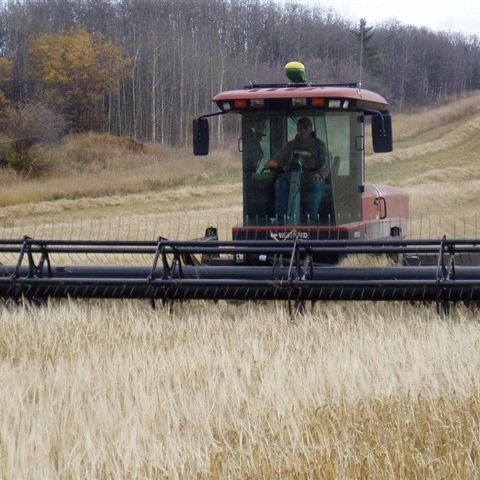
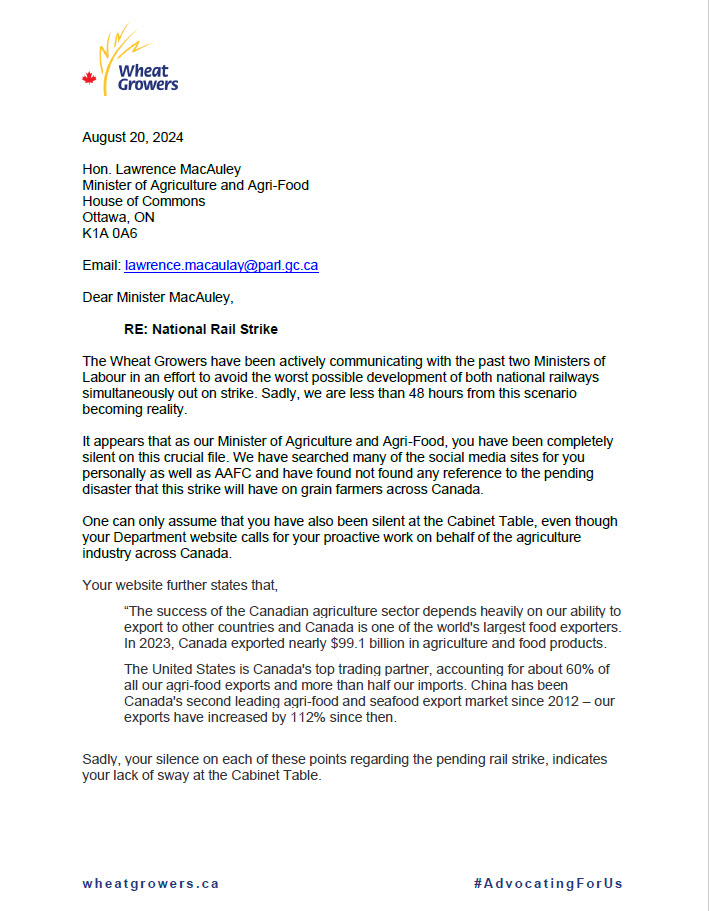
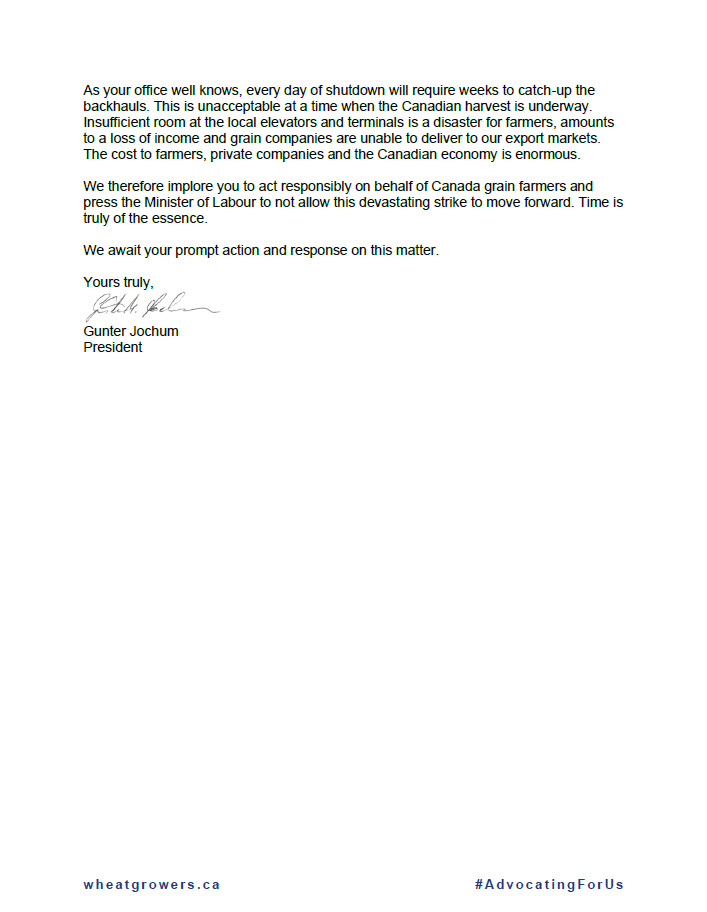
Of particular concern is the federal government's response, or lack thereof. Federal Labour Minister Steven MacKinnon has declined Canadian National Railway's request to impose binding arbitration as negotiations near their deadline. While labour laws and workers' rights are cornerstones of Canadian values, the potential shutdown of a logistical system that underpins our agri-food sector poses a serious threat to food security. This is especially alarming as farmers are in the midst of harvesting and depend on the rail network to move their products to market. Delays could compromise grain quality, leading to substantial financial losses for farmers.
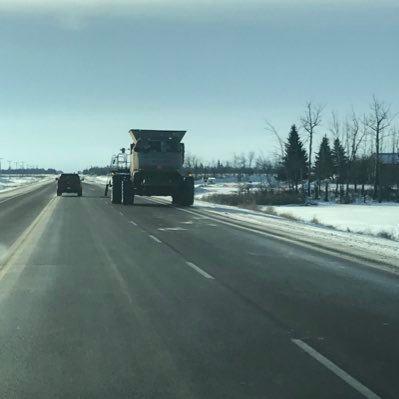
Canadian railways transport more than $360 billion worth of goods annually, representing over half of the country’s total exports, according to the Railway Association of Canada. Agriculture is one of the most affected industries, with about 95% of all grains being transported by rail. While trucks could temporarily cover some of the gaps, the higher costs and limited availability of trucks mean that they cannot fully compensate for the potential disruption. Reports indicate that transportation costs are already rising for those buying or selling agricultural commodities. As of Friday, of last week, the railway no longer accepts any domestic refrigerated containers into its terminals, impacting the cold chain that primarily transports food from Vancouver to Saint John, New Brunswick, and down to Laredo, Texas.
The impact on food costs will be felt throughout the supply chain. While collective bargaining is a fundamental right, gambling with the integrity of our agri-food economy and the livelihoods of countless farming operations and food companies is a risk we cannot afford to take.
The stakes extend well beyond Canada’s borders. As one of the world’s leading breadbaskets, Canada plays a vital role in global food security. A prolonged disruption in our rail system could not only threaten Canada’s food supply but also have severe repercussions on global markets. Many countries depend on Canadian grain, oilseeds, and other agricultural products. A bottleneck in our transportation network could lead to shortages in global markets, driving up food prices and exacerbating hunger in vulnerable regions.
According to the Canadian Manufacturers and Exporters, 77% of Canadian manufacturers believe that labour stoppages negatively impact foreign investors' perceptions of Canada. With at least four major Canadian labour disputes affecting our food supply chain in recent years, our international reputation is suffering.
In the long term, these recurrent labour disputes pose a serious threat to Canada’s food security and economic stability. The frequency and impact of these disruptions are eroding trust in our ability to maintain a stable food supply, both domestically and internationally. At some point, critical decisions must be made to protect the integrity of our food supply chain. If unions or companies must delay the shipment of cars and t-shirts, so be it. But food is different. It’s about survival. Holding the entire food economy—starting with farmers—hostage is unsustainable, frustrating, and must come to an end.
The long-term implications of this ongoing instability are profound. If not addressed, it could lead to permanent changes in how our food supply chain operates, with more companies seeking to bypass rail altogether or invest in costly alternatives like private trucking fleets. This would drive up food prices further, making it increasingly difficult for Canadians and people worldwide to afford essential goods. Additionally, the uncertainty could deter future investments in our agri-food sector, weakening our position in global markets.
Ultimately, a balanced approach is needed—one that respects workers' rights while ensuring that essential services, like food transportation, remain uninterrupted. The stakes are too high, both for Canada and the world, to allow these disputes to continue without a clear, long-term strategy to protect our food security and economic future.