
ATAF

11.6K posts

ATAF banner
ATAF

ATAF

@ATAFtax

The African Tax Administration Forum (ATAF) is a platform to promote and facilitate mutual cooperation among African Tax Administrations.

Pretoria, South Africa Katılım Ağustos 2011
881 Takip Edilen9.5K Takipçiler
ATAF
ATAF@ATAFtax·
During the Exchange of Information Technical Committee meeting today in Pretoria, we showcased progress on the development of the ATAF Automatic Exchange of Information (AEOI) IT System, jointly developed with the Zambia Revenue Authority (ZRA) and the World Bank Group. Built by and for African tax administrations, the system is designed to support the reciprocal exchange of Common Reporting Standard (CRS), FATCA, Crypto-Asset Reporting Framework (CARF), and Country-by-Country Reporting (CbCR) data in compliance with CTS 3.0 standards. The platform includes capabilities for financial institutions onboarding, automated validation, compliance monitoring, country report preparation, secure OECD CTS transmission, and real-time reporting dashboards — helping administrations strengthen tax transparency, improve compliance oversight, and make effective use of exchanged data. The next phase of the initiative will move into piloting with a tax administration, marking a significant step towards operationalising an Africa-led AEOI solution tailored to the realities and needs of ATAF member countries. We are grateful to Uganda Revenue Authority, Mauritius Revenue Authority, and Nigeria Revenue Service for the technical guidance and support throughout the journey #ATAF #EOI #AfricanTaxAdministrationForum #AEOI
ATAF tweet mediaATAF tweet mediaATAF tweet media
English
0
1
2
214
ATAF
ATAF@ATAFtax·
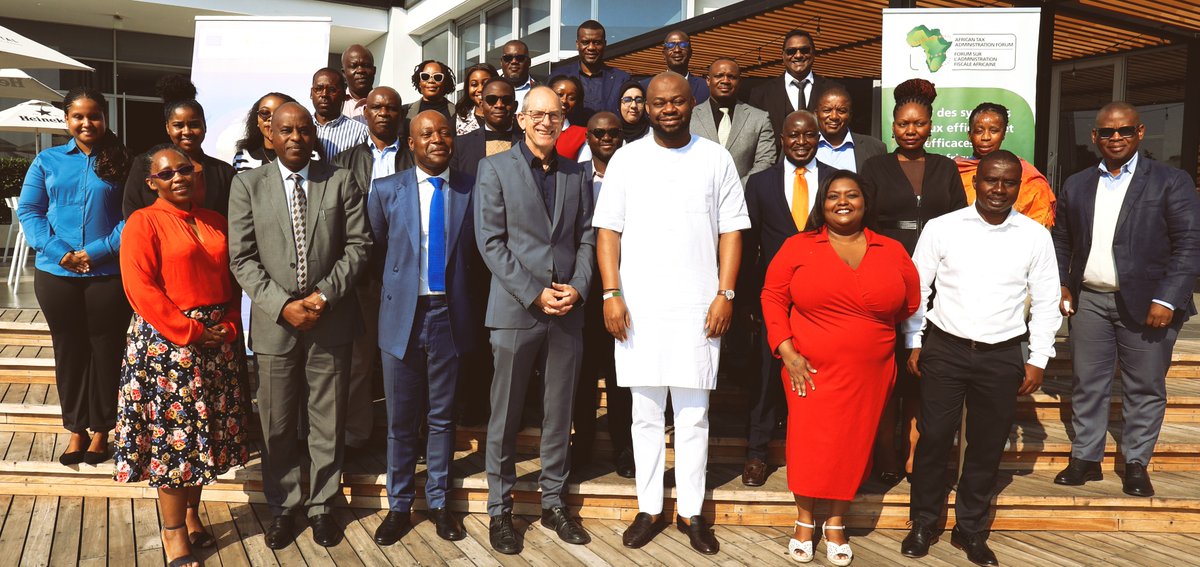
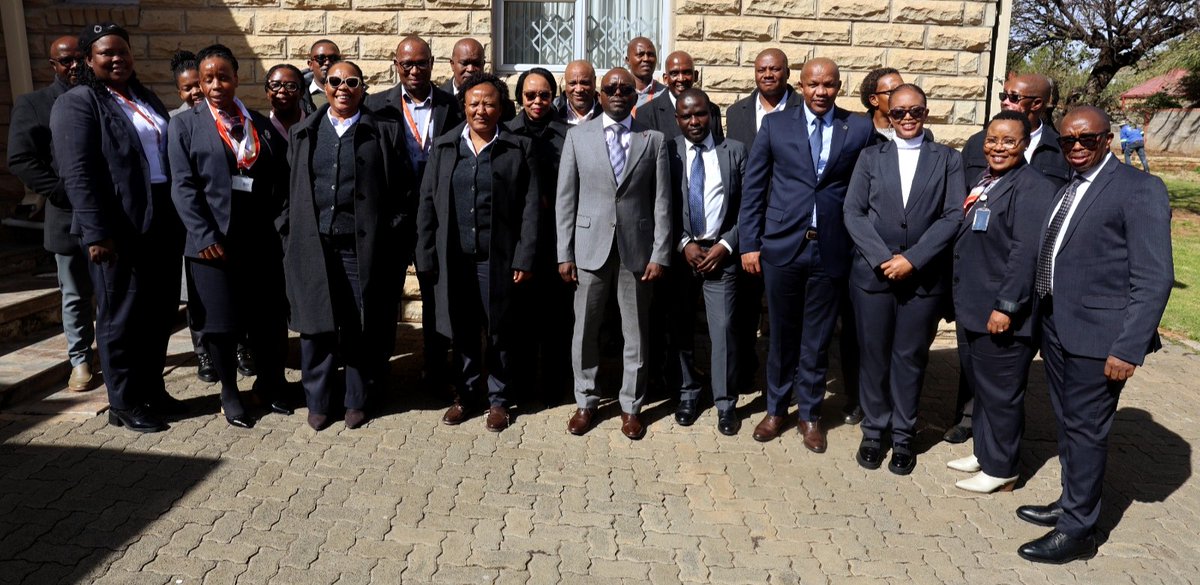
ATAF’s Technical Committee Meetings kick off today in Pretoria, bringing together over 60 experts from 15 countries to help shape practical tax solutions for Africa. The meetings bring together our five technical committees covering direct tax, indirect tax, tax administration, cross-border taxation, and exchange of information — all working to develop practical toolkits, guidelines, and technical solutions that strengthen compliance, improve transparency, and support domestic revenue mobilisation across the continent.
ATAF tweet mediaATAF tweet mediaATAF tweet mediaATAF tweet media
English
0
2
8
474
ATAF
ATAF@ATAFtax·
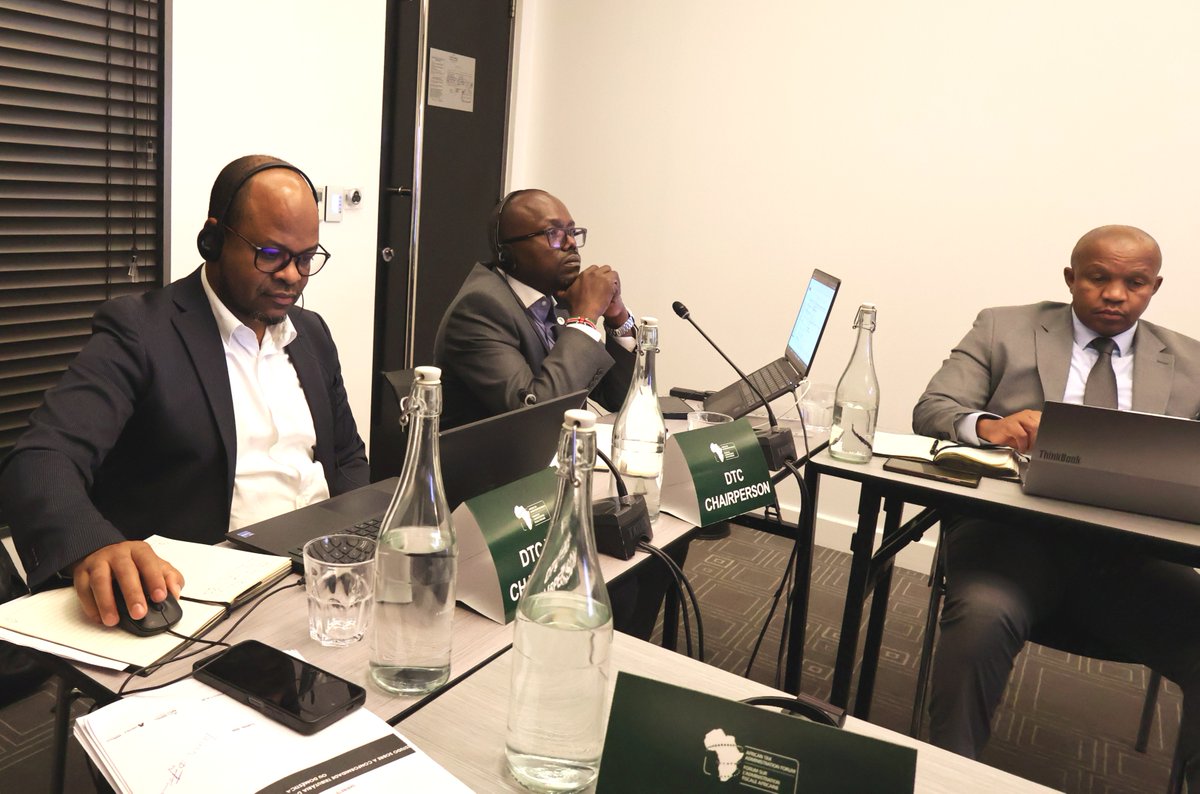
The work of ATAF’s Direct Tax Technical Committee (DTC) is already translating into real impact across member countries. Gathering this week in Pretoria as part of our Technical Committee meetings, the DTC is discussing key issues shaping Africa’s tax landscape — from the digital economy and tax incentives to gaming and betting, taxation of NGOs and rental income taxation. One of its first major products, the ATAF Guide on Effective Taxation of High-Net-Worth Individuals in Africa, is already supporting reforms in ATAF member countries. Lesotho became the first country to begin implementation, with ATAF supporting the development of a draft HNWI compliance framework, implementation roadmap, and strategies to strengthen compliance and domestic revenue mobilisation.
ATAF tweet mediaATAF tweet mediaATAF tweet media
English
0
1
2
151
ATAF
ATAF@ATAFtax·
Illicit financial flows continue to cost Africa billions of dollars annually, undermining domestic resource mobilisation, weakening governance systems, and limiting governments’ ability to finance infrastructure, healthcare, education, and economic development priorities. To strengthen Africa-led responses to this challenge, one of our members Zambia has successfully launched the Anti-IFFs Policy Tracker. The pilot marks an important step in advancing coordinated continental efforts to combat illicit financial flows. Zambia now joins Namibia, Uganda, Ghana, Côte d’Ivoire, and Liberia in implementing the Policy Tracker. Speaking on behalf of ATAF Executive Secretary, Ms Mary Baine, ATAF Senior Advisor on Tax Policy, Emmanuel Eze, said: “The fight against illicit financial flows is not merely about tracking risks, it is about protecting Africa’s future, ensuring that Africa’s wealth works for its people, and building the fiscal space needed for sustainable development through evidence-based reforms and initiatives.” The tracker is expected to help ATAF member states identify policy gaps, strengthen institutional coordination, and improve implementation in addressing illicit financial flows. #ATAF #DomesticResourceMobilisation
ATAF tweet media
English
0
2
4
205
ATAF
ATAF@ATAFtax·
The ATAF Vice Chairperson and Commissioner of NAMRA Mr Sam SHIVUTE called on Southern African parliamentarians to encourage their countries to utilize assistance offered by ATAF. Addressing the Southern Africa Development Community Organisation of Public Accounts Committees (SADCOPAC) in Swakopmund, Namibia on Thursday, Mr SHIVUTE singled out the ATAF Agreement for Mutual Assistance on Tax Matters as a model template for the continent to ensure favourable taxation regimes.
English
0
3
5
204
ATAF
ATAF@ATAFtax·
How can African revenue authorities work more closely to address tax evasion, illicit financial flows, revenue leakages, and the taxation of hard-to-tax sectors? These are some of the issues being discussed this week at the 101st Meeting of the East Africa Revenue Authorities Technical Committee (EARATC), hosted by the Uganda Revenue Authority, where Mr Linstrom Marangu, ATAF’s Health Tax Expert, is participating alongside tax experts from across the East African Community (EAC). During the meeting, we are providing technical support as part of broader support to Regional Economic Communities (RECs) and African countries working to strengthen coordinated responses to shared tax challenges. EARATC’s mandate includes harmonising tax procedures, customs laws, and domestic tax policies to support regional integration, while also developing joint approaches to strengthen compliance, drive technology reforms, and improve domestic revenue mobilisation across the region.
ATAF tweet mediaATAF tweet media
English
0
11
17
1.6K
ATAF
ATAF@ATAFtax·
Fighting illicit financial flows starts with knowing who is behind the money, where it moves, and how tax administrations can work together across borders. From 18–29 May 2026, ATAF and GIZ are bringing together 21 tax officials from 10 African countries in Johannesburg, South Africa, for the pilot delivery of two tax transparency training programmes on Beneficial Ownership (BO) and Exchange of Information (EOI). This pilot forms part of the validation of two newly developed ATAF training manuals, prepared with GIZ support, ahead of their wider rollout through the ATAF Tax Academy. The programme focuses on translating international tax transparency standards into practical administrative action — from identifying and using beneficial ownership information in audits, risk assessments, and investigations, to strengthening exchange of information processes, cross-border cooperation, and the effective handling of confidential taxpayer data. Through simulations, peer learning, case discussions, and practitioner feedback, participants will not only deepen their technical knowledge, but also help test and refine these tools to ensure they are practical, relevant, and responsive to the operational realities of African tax administrations. The training is delivered under the Multi-Donor Action on Combatting Illicit Financial Flows in Africa (MDA), co-financed by the European Union, Finland, and Germany, and implemented by GIZ.
ATAF tweet mediaATAF tweet mediaATAF tweet mediaATAF tweet media
English
0
3
5
425
ATAF
ATAF@ATAFtax·
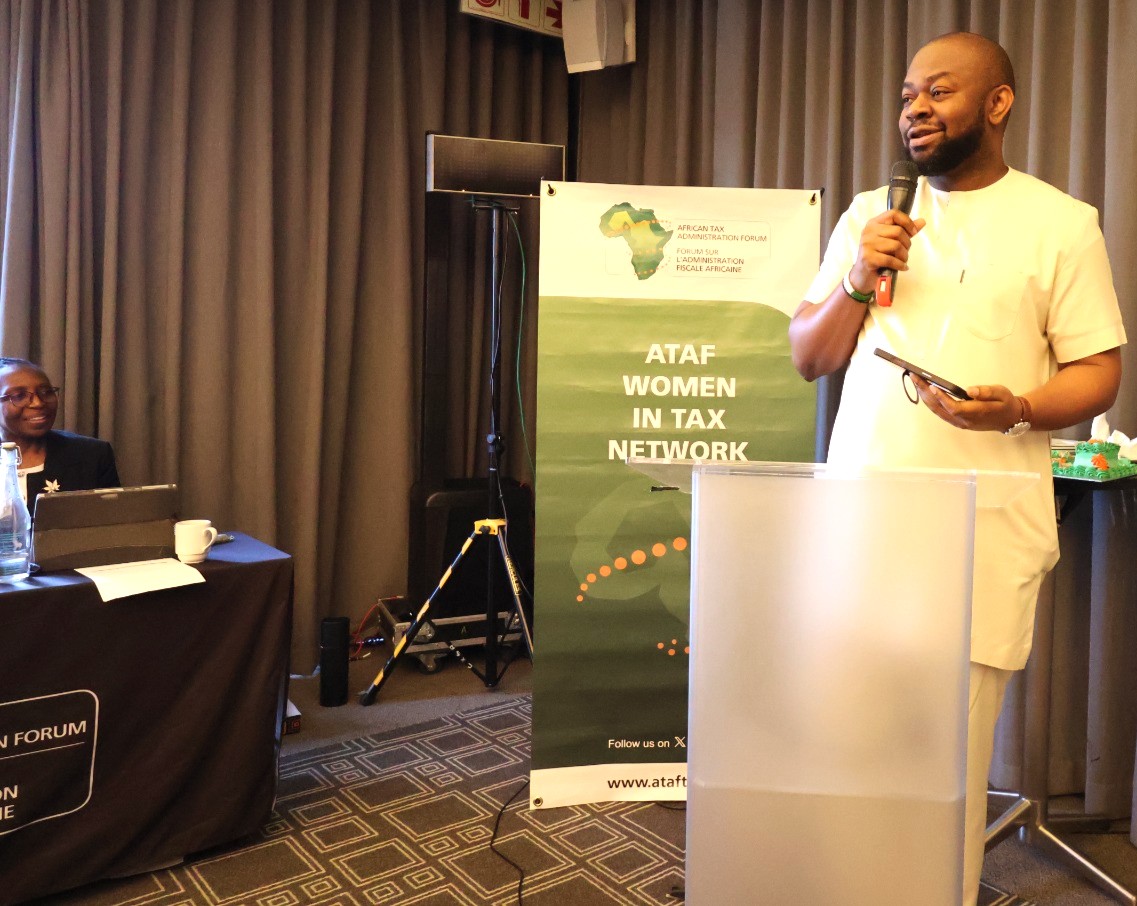
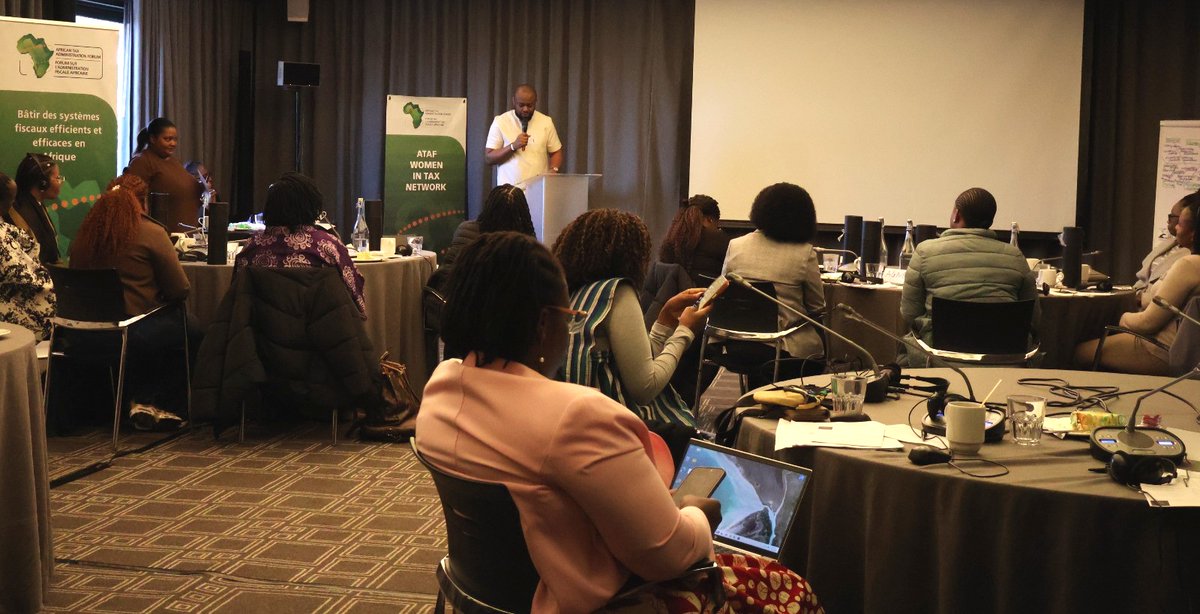
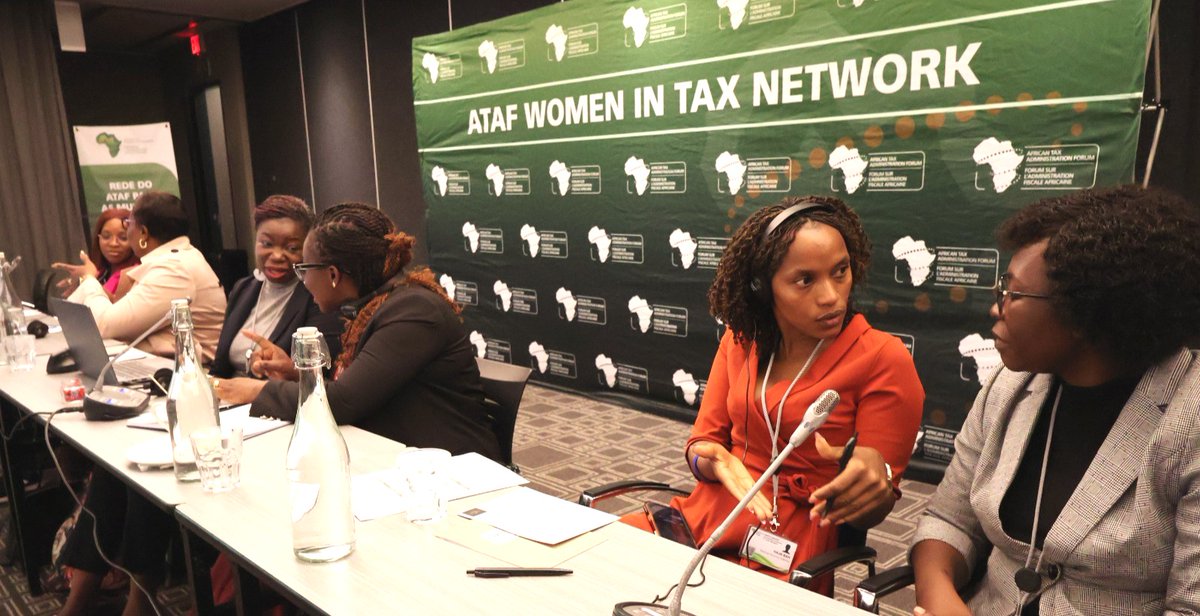
Closing the 3rd Cohort of the ATAF Women in Tax Network’s Transformational Leadership Programme for Women Junior Managers, Mr Emeka Nwankwo, delivering remarks on behalf of Executive Secretary Ms Mary Baine, encouraged participants to view leadership as a continuous journey of growth, collaboration, and impact. Reflecting on the week’s discussions, he reminded participants that taxation is something that should matter to all of us as citizens, tax administrators, practitioners, academia and civil society, as DRM is the foundation for Africa's fiscal sovereignty and development: “No matter where we stand, tax affects all of us. As leaders, the question is how we ensure that tax works for our countries and our people.” He emphasised the importance of sustaining the professional networks formed during the programme, noting that the cohort represents a platform for ongoing collaboration and peer support across administrations. “These are people you can reach out to — a platform to communicate, create, collaborate and walk the journey together. It’s critical that we keep engaging.” Since its launch, the programme has empowered 82 women leaders across junior, middle management, and senior executive levels, strengthening leadership pipelines within African tax administrations. Encouraging participants to carry the impact forward, Mr Nwankwo called on participants to institutionalise the knowledge gained through mentoring, skills transfer, and continued leadership development. #ATAF #WomenInTax
ATAF tweet mediaATAF tweet media
English
0
2
4
194
ATAF
ATAF@ATAFtax·
Understanding who should be paying tax and ensuring effective compliance approaches are in place is becoming an increasingly important priority for tax administrations across Africa. In Lesotho, Mr Paul Khanare (our Income Tax Specialist) and Mr Ronald Waiswa (our Specialist in Applied Research and Statistics), together with Mr Michael Mwaura from the Kenya Revenue Authority, are engaging with Revenue Services Lesotho on the development of a framework and strategy for the taxation of High-Net-Worth Individuals (HNWIs) and VIP taxpayers. The engagement brings together leadership and technical teams to explore practical approaches for identifying potential HNWI taxpayer populations, strengthening compliance management, and developing an implementation roadmap tailored to Lesotho’s national context.
ATAF tweet media
English
0
3
4
257
ATAF
ATAF@ATAFtax·
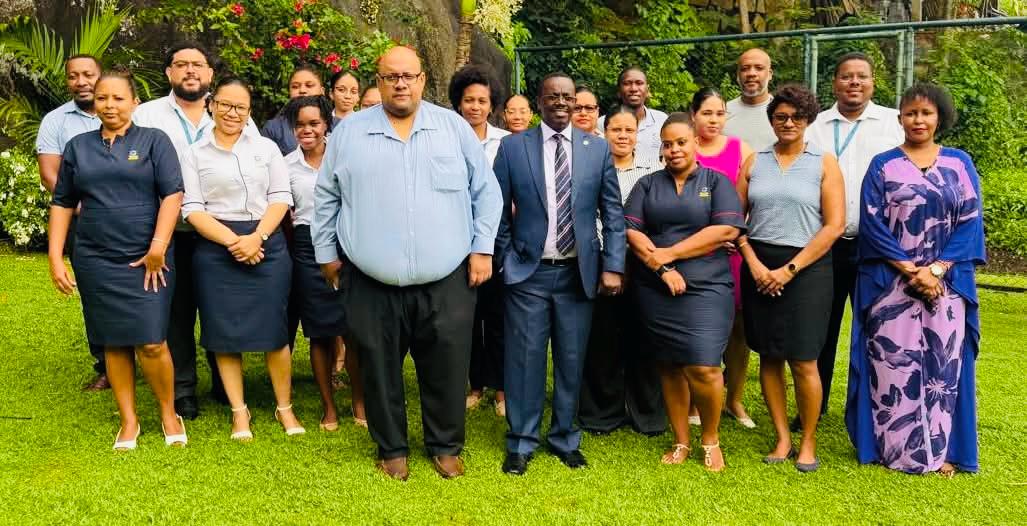
Strengthening international taxation capacity on the continent requires more than policy discussions. It requires practical skills, technical confidence, and institutions that are equipped to respond to an evolving global tax environment. This week in Seychelles, we are working alongside officials from the Seychelles Revenue Commission, Ministry of Finance, Office of the Attorney General, Financial Services Authority, and the Office of the Registrar of Seychelles through a specialised workshop on Transfer Pricing principles and policy considerations on the Global Minimum Tax rules. Led by ATAF’s Head of Domestic Resource Mobilisation, Mr Anthony Munanda, and Transfer Pricing Specialist, Ms Mercy Mbithi, the programme focuses on technical discussions — from transfer pricing methodologies and audit techniques to navigating the evolving Global Minimum Tax rules and the implications for domestic revenue mobilisation. The engagement reflects the growing partnership between ATAF and Seychelles, building on ongoing collaboration to strengthen technical expertise, enhance policy readiness, and support more effective international tax administration in African countries.
ATAF tweet media
English
0
1
3
220
ATAF
ATAF@ATAFtax·
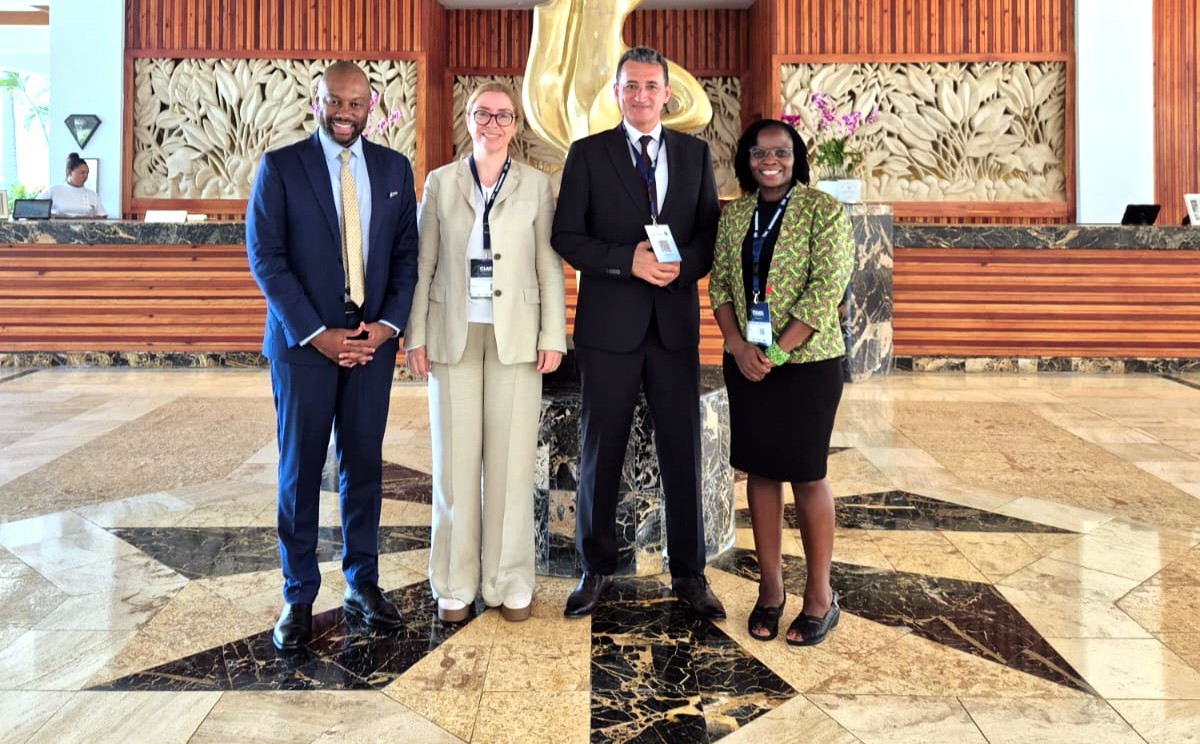
On the sidelines of the 60th CIAT General Assembly in Punta Cana, Dominican Republic, ATAF’s Head of African Multilateral Cooperation, Mr Thulani Shongwe, and Head of Strategy, Partnerships, and International Cooperation (SPIC), Ms Susan Nakato, met with the Moroccan delegation led by the Director General of DGI Morocco to exchange perspectives on international tax cooperation and the digital transformation of tax administrations. The discussions reflected a shared commitment to building modern, connected, and more effective tax systems capable of responding to the evolving global tax environment.
ATAF tweet media
English
0
1
1
179
ATAF
ATAF@ATAFtax·
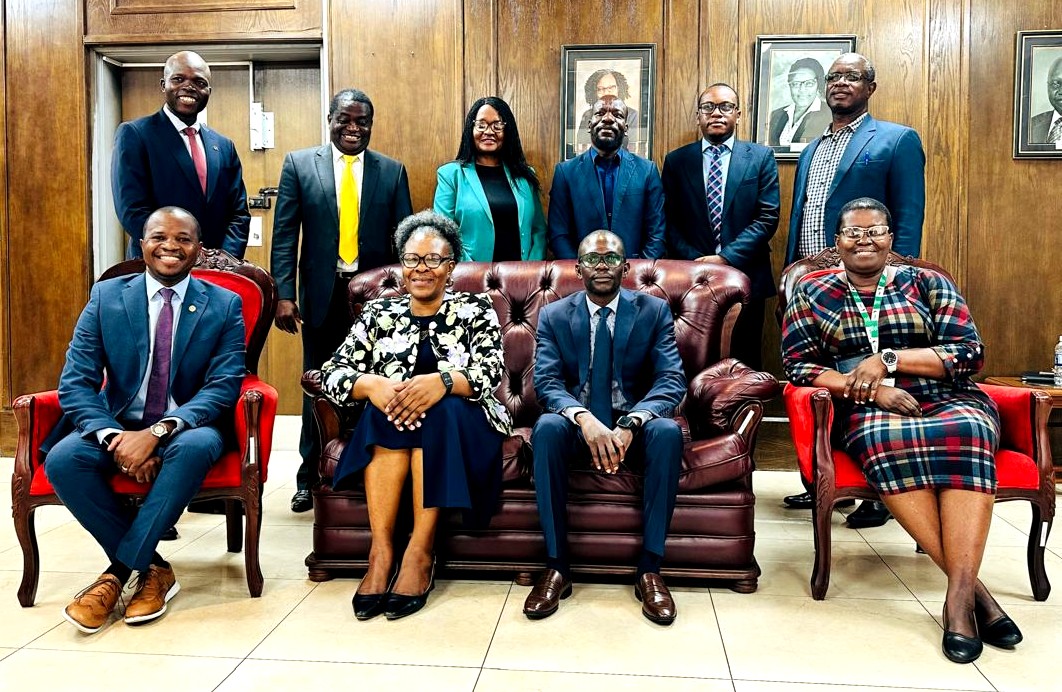
Working with ZIMRA to strengthen health and excise tax systems in Zimbabwe. From 27–30 April 2026, our experts, Mr Linstrom Marangu and Mr Moses Chamisa, conducted a scoping mission to advance effective health tax policies, strengthen excise tax administration, and identify technologies that can support sustainable outcomes. The engagement brought together teams from Policy, Legal, Domestic Taxes, and Customs to exchange practical experiences and explore approaches to improving health tax policies and implementation capacity. The mission also included a courtesy engagement with the Commissioner General of ZIMRA, reflecting the shared commitment to using effective tax measures to support public health outcomes and domestic revenue mobilisation.
ATAF tweet media
English
0
1
4
227
ATAF
ATAF@ATAFtax·
From 4-5 May, ATAF’s Dr Ezera Madzivanyika and Ms Mercy Mbithi worked alongside the Zambia Revenue Authority to assess the potential impact of implementing OECD Pillar One – Amount B in Zambia. The engagement combined technical discussions, stakeholder consultations, and practical data analysis to help evaluate how Amount B could affect corporate income tax revenue, transfer pricing compliance, administrative efficiency, and implementation readiness. As part of the mission, our experts also delivered a dedicated capacity-building session for officials from the Zambia Revenue Authority and the Ministry of Finance, helping deepen understanding of the design and practical implications of Amount B. The discussions brought together officials from government, tax advisory firms, and audit firms, with participants welcoming the initiative and highlighting the importance of continued engagement on emerging international tax issues.
ATAF tweet media
English
0
1
2
224
ATAF
ATAF@ATAFtax·
Strong tax administrations begin with strong leaders. Through the ATAF Women In Tax Network’s Transformational Leadership for Women Junior Managers in Pretoria, South Africa, emerging leaders from African tax administrations are strengthening the skills needed to transition from technical experts to effective supervisors and team leaders. The training - bringing together 25 leaders from 16 countries - focuses on leading self, leading others, and leading teams for operational excellence — equipping participants with practical tools in emotional intelligence, performance management, resilience, and strategic leadership. Delegates have shared that their expectations go beyond technical learning: "to know themselves better" and "to lead without losing themselves."
ATAF tweet mediaATAF tweet mediaATAF tweet mediaATAF tweet media
English
0
1
2
280