
The Curator retweetledi
The Curator
35.4K posts



The Curator retweetledi

The Curator retweetledi

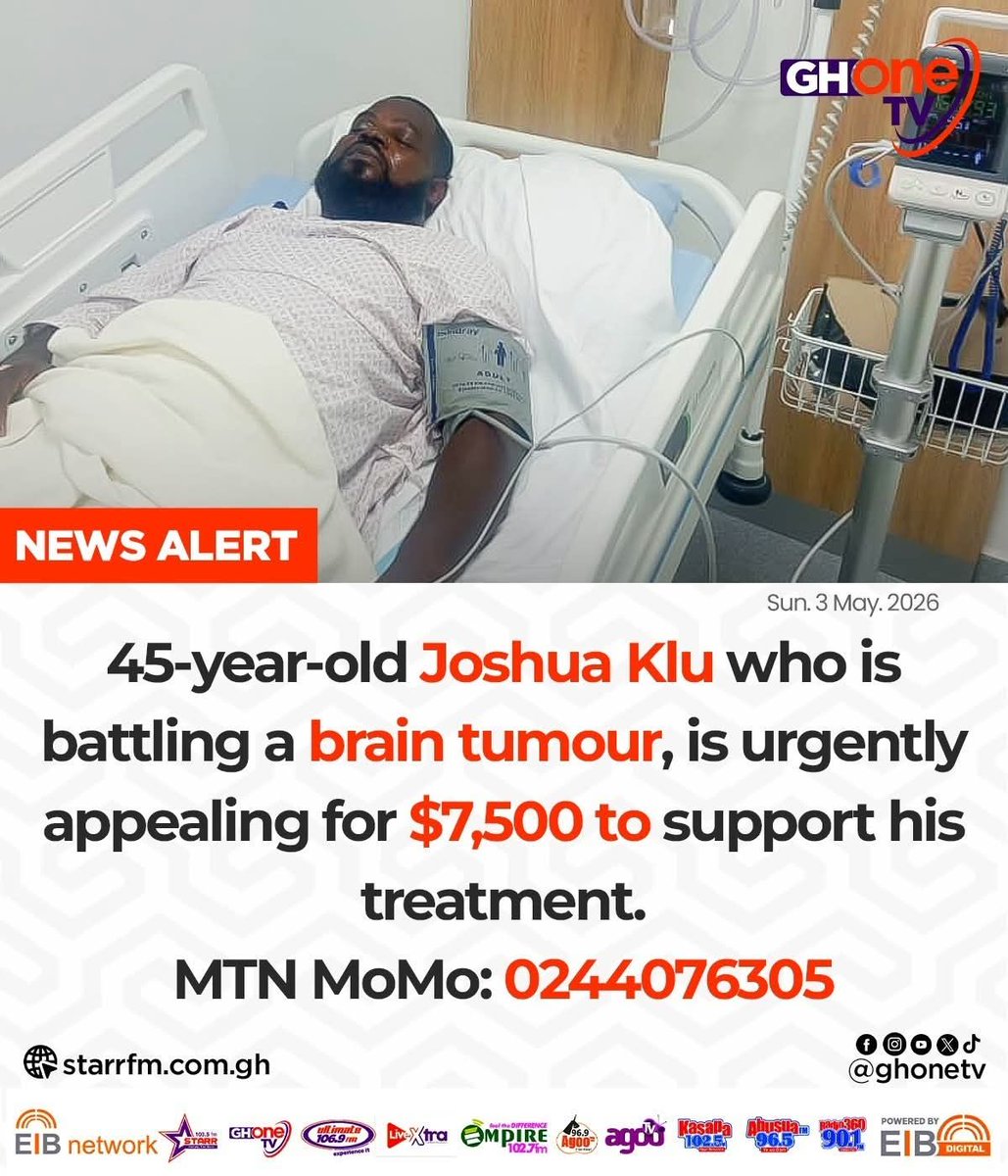
Help save the life of 45-year-old Klu Joshua Bright, who is battling a brain tumour and urgently needs $7,500 for treatment...
Donations can be sent via MTN Mobile Money: 0244076305.
#GHOneNews #EIBNetwork
#GHOneTV #NewsAlert
English
The Curator retweetledi

A drunk policeman shot me at a checkpoint in 2011.
The bullet tore through my car, through my right hand.
I lost my career as an animator. My marriage cracked. My mind still bleeds.
The twist?
I sued the Nigeria Police. Won in 2015.
Judge said: "Pay his medical bills."
10 years later. Zero naira.
I face permanent disability without help.
@PoliceNG_CRU @TunjiDisu1 @UNDP @NhrcNigeria
#NigeriaPoliceNotYourFriend
English
The Curator retweetledi

Many of them didn't. Your great-great-grandmother was probably drinking opium for her nerves, sold at the corner shop as cheap as a pint of beer. It was called laudanum, a mix of opium and alcohol that doctors handed out for anxiety, sleeplessness, and "women's troubles." Mothers fed it to crying babies. The babies often stopped crying because they stopped breathing.
The men drank. By 1830 the average American was putting away almost two bottles of liquor a week. Whiskey cost less than coffee or milk. People started their day with a shot and ended it with another. Toddlers drank from their parents' rum mugs.
ADHD has a long paper trail. A Scottish doctor described kids who couldn't focus in 1798. By 1846 there was a popular German children's book about a boy called Fidgety Philipp who couldn't sit still. In 1902, a London children's doctor named George Still wrote a famous paper on the same kids and called it a "defect of moral control." Same kid, three different centuries.
Depression and anxiety had old names too. Melancholia, hysteria, the vapors. Treatments included bloodletting, ice baths, and chaining people to a wall. By 1937, American mental hospitals held 451,672 patients and took up more than half of every hospital bed in the country. Inside the walls, about 1 in 10 patients died each year.
Then came the lobotomy. Between 1949 and 1952, around 50,000 Americans were strapped to a chair while a doctor hammered an ice pick through the thin bone above their eye and wiggled it around inside their brain. It took about ten minutes. Sixty percent of the patients were women. About 1 in 20 died from the procedure. Many of the ones who lived came out with no personality left. The man who invented the procedure won a Nobel Prize.
Britain's male suicide rate hit 30.3 per 100,000 in 1905. The lowest rates ever recorded in British history are happening right now.
Plenty of our ancestors didn't make it. They drank themselves dead. They overdosed on shop-bought opium. They got locked in asylums and never came out. They had picks driven through their eye sockets. They killed themselves in numbers we don't see today. The conditions were always there. The treatments just used to be worse than the disease.
Jenni@hashjenni
How did our ancestors survive without ADHD medication or depression pills and anxiety meds? Can anyone explain?
English
The Curator retweetledi
Accident leaves teacher, John Afuugu bedridden, needs ₵70,000 to undergo life-changing hip joint replacement surgery...
MoMo: 0240170700
#GHOneNews #EIBNetwork
#GHOneTV #NewsAlert

English
The Curator retweetledi

I hate having to ask for help but I really need it rn
I'm in a huge debt, drowning in bills and on the verge of getting kicked out by my landlord
If you can please support me by commissioning me, buying my arts or buying prints
Please please Twitter come through for me 🙏🏽


English
The Curator retweetledi


The Curator retweetledi

I am Nigerian, and right now my dream is bigger than me.
Only about 4.5% of medical literature globally are represented on Black skin.
That means millions of Black patients are learning from systems that barely look like them. Medical students study diseases on skin tones that are not their own. Doctors are trained with visual references that often fail Black bodies.
That gap has consequences.
So I am deciding to build towards changing it.
I’m starting with a book.
But the larger vision is far beyond that. I want to help build software and medical visualization tools that make Black medical representation impossible to ignore.
This is not just about diversity aesthetics, this is about accuracy, education, visibility and better healthcare outcomes.
One day, I want a Black child studying medicine anywhere on earth to see themselves fully represented in what they learn.
And I believe we can build that future.




Mr. Láyí@layiwasabi
what is the nigerian dream?
English
The Curator retweetledi
I’m seeing this video circulating these day on X. Yes, it never gets old.
This is part of the interview I did in May 2025. I traveled to NYC for a pre-taped interview on MSNBC’s Weekend Primetime to discuss my Pulitzer Prize. I arrived ready to speak about my essays, my life in Gaza, and the mounting losses my wife and I had endured. However, the conversation didn’t start there. That was only the second question I was asked.
The months following that interview brought even deeper grief. In August 2025, my wife lost her father in an Israeli strike. Just a month later, Israel killed my second cousin along with his wife and their four young children, aged ten, six, four, and two.
Between October 2023 and May 2026, my wife and I lost over a hundred relatives.
And we are still asked to humanize our murderers.
And still, academic institutions and other bodies continue to penalize and condemn us simply for speaking out against these heinous crimes.
Shame on you! I will not bend, I will not bow, and I will not break.
English
The Curator retweetledi

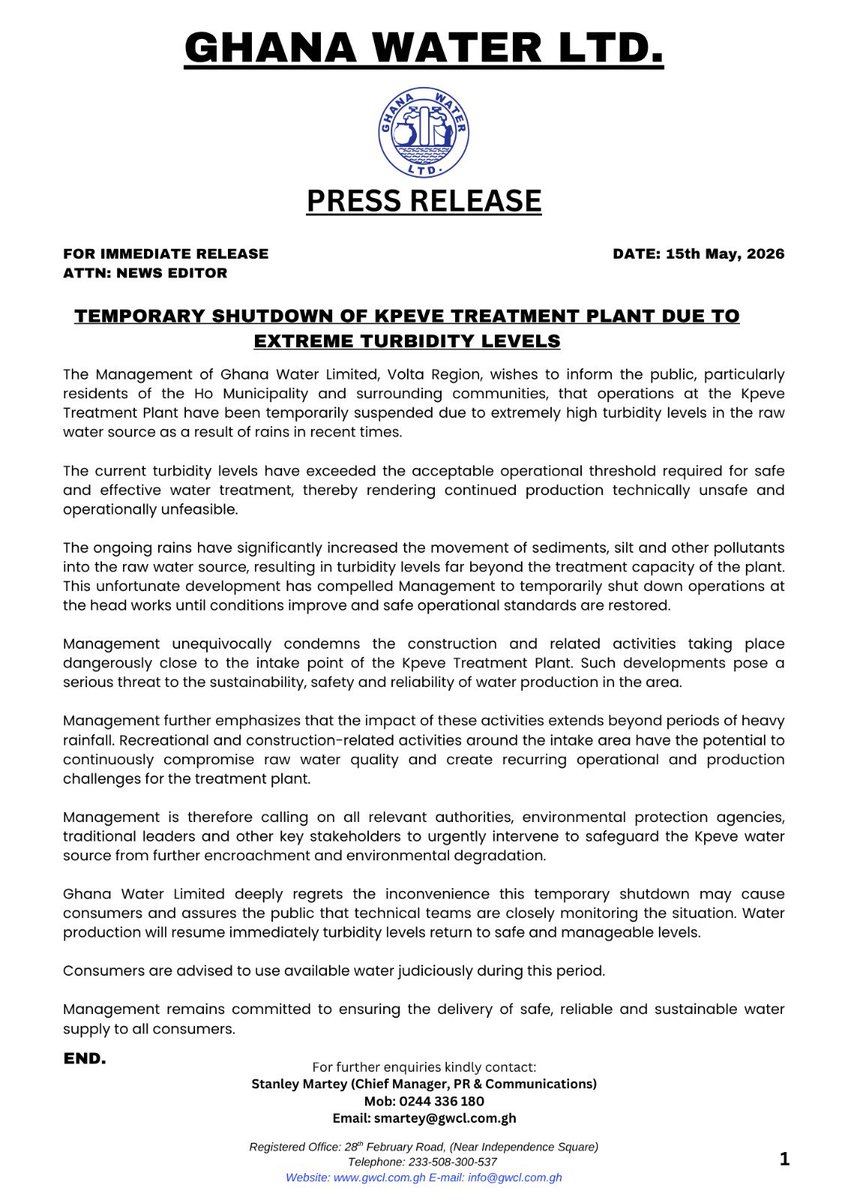
𝐓𝐄𝐌𝐏𝐎𝐑𝐀𝐑𝐘 𝐒𝐇𝐔𝐓𝐃𝐎𝐖𝐍 𝐎𝐅 𝐊𝐏𝐄𝐕𝐄 𝐓𝐑𝐄𝐀𝐓𝐌𝐄𝐍𝐓 𝐏𝐋𝐀𝐍𝐓 𝐃𝐔𝐄 𝐓𝐎 𝐄𝐗𝐓𝐑𝐄𝐌𝐄 𝐓𝐔𝐑𝐁𝐈𝐃𝐈𝐓𝐘 𝐋𝐄𝐕𝐄𝐋𝐒

English
The Curator retweetledi

Eu nunca fui de expor nossas dores aqui.
Mas hoje eu preciso tentar.
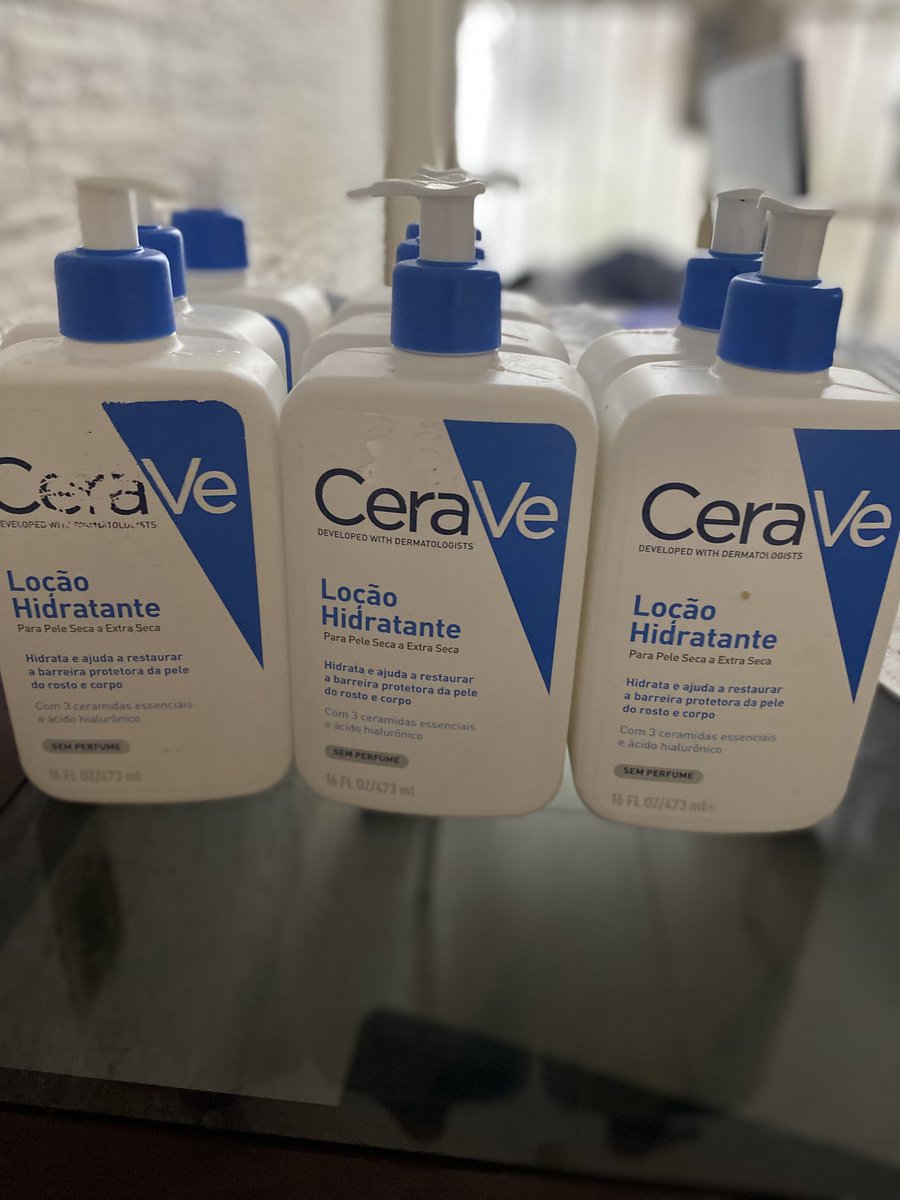
Meu filho convive com dermatite atópica crônica desde que nasceu. Não é “uma alergiazinha”. É dor, feridas, pele machucada, sangramento de tanto coçar, noites sem dormir e um sofrimento diário que acompanha ele há anos.
Tem dias que ele chora de desespero por não conseguir parar de se coçar.
Pra manter a pele minimamente controlada, usamos cerca de 2 potes de CeraVe 473ml POR SEMANA. E mesmo assim, em muitas crises, precisamos recorrer aos hidratantes calmantes e especiais, que custam ainda mais caro.
Além disso, o uso excessivo de corticoides ao longo da vida trouxe consequências pesadas: meu filho desenvolveu catarata. Já passou por cirurgia em um olho e agora vai operar o outro. São remédios, colírios, consultas, tratamentos… e tudo vai acumulando.
Eu não estou fazendo esse post pra pedir dinheiro.
De verdade.
Só queria pedir que vocês me ajudassem marcando a @CeraVeBrasil e @cerave , compartilhando e comentando nesse post. Talvez, com alcance, eles enxerguem a história do meu filho e possam ajudar com os hidratantes que são essenciais pra qualidade de vida dele.
Já tentamos contato antes, mas o processo era tão difícil que acabamos desistindo no meio do caminho.
Então hoje estou apelando pra internet.
Pra empatia.
Pra humanidade.
Porque às vezes o que parece “só um creme” pra algumas pessoas… é o que permite que meu filho consiga dormir sem dor.
Se puder compartilhar, eu vou ser eternamente grata. 🤍

Português
The Curator retweetledi


The Curator retweetledi

Missing child
Name :Belinda Nketiah or Nana Esi
School: Huni valley senior high
Last seen : April
Got missing from school
Contact 024 704 2446 mother Loretta
0559829224 sister
📌Your retweet could help bring Belinda home safely 🙏🏿

English
The Curator retweetledi


The Curator retweetledi

The Curator retweetledi
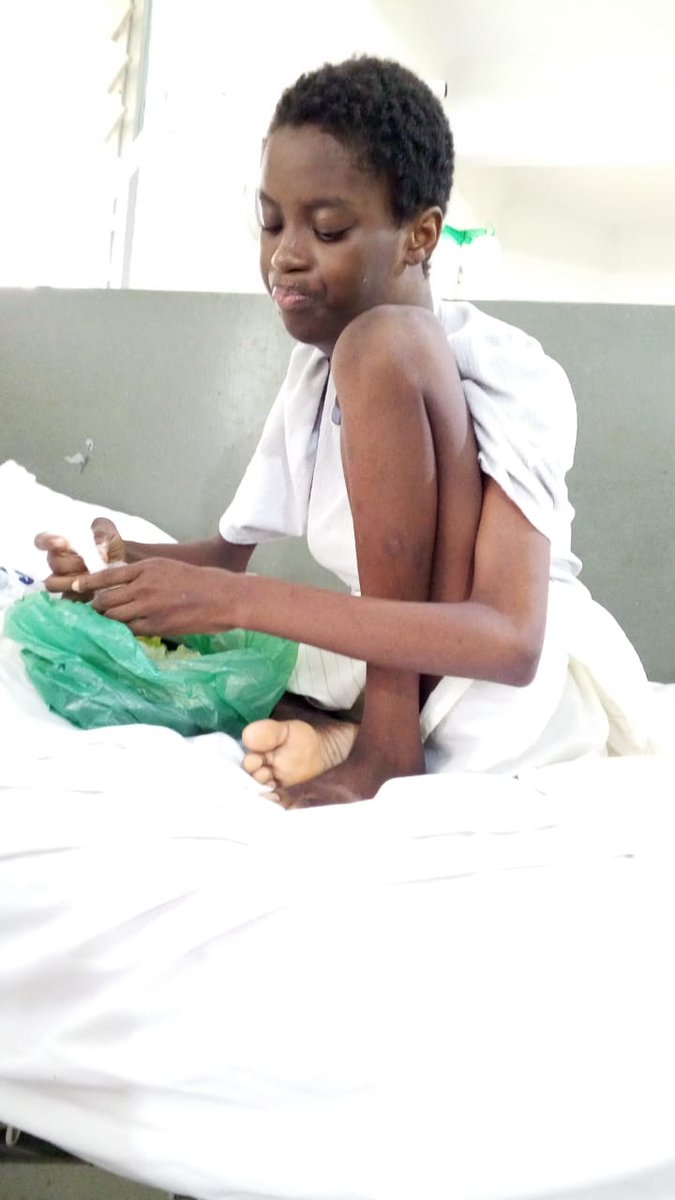
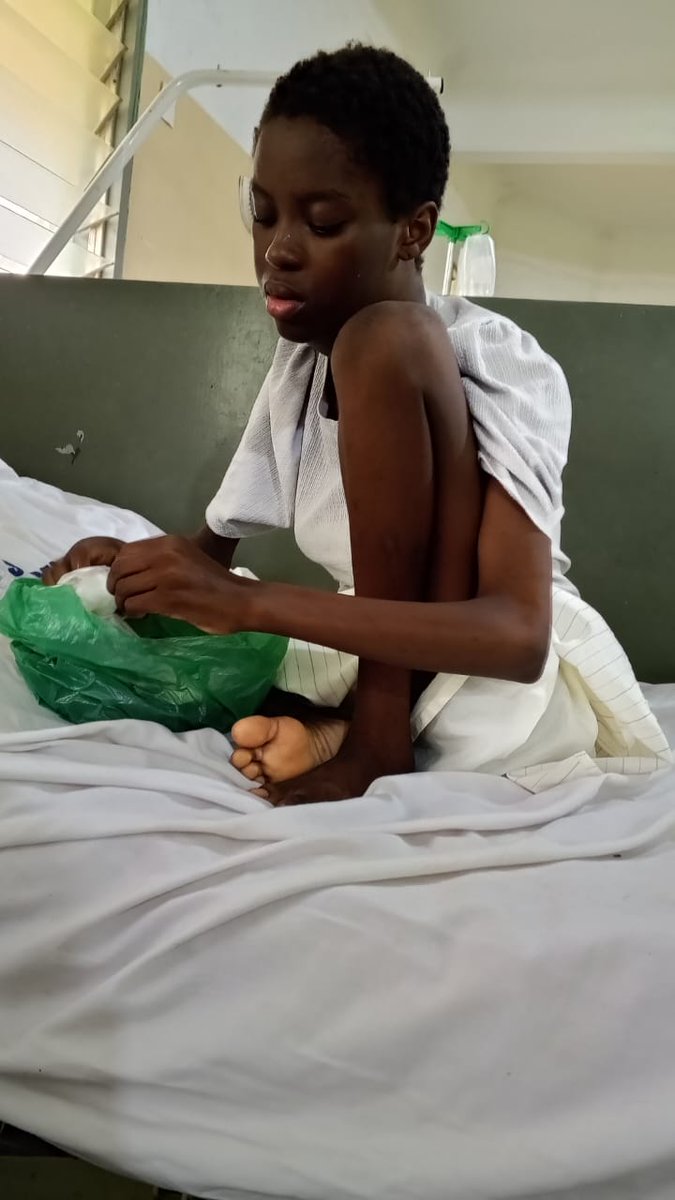
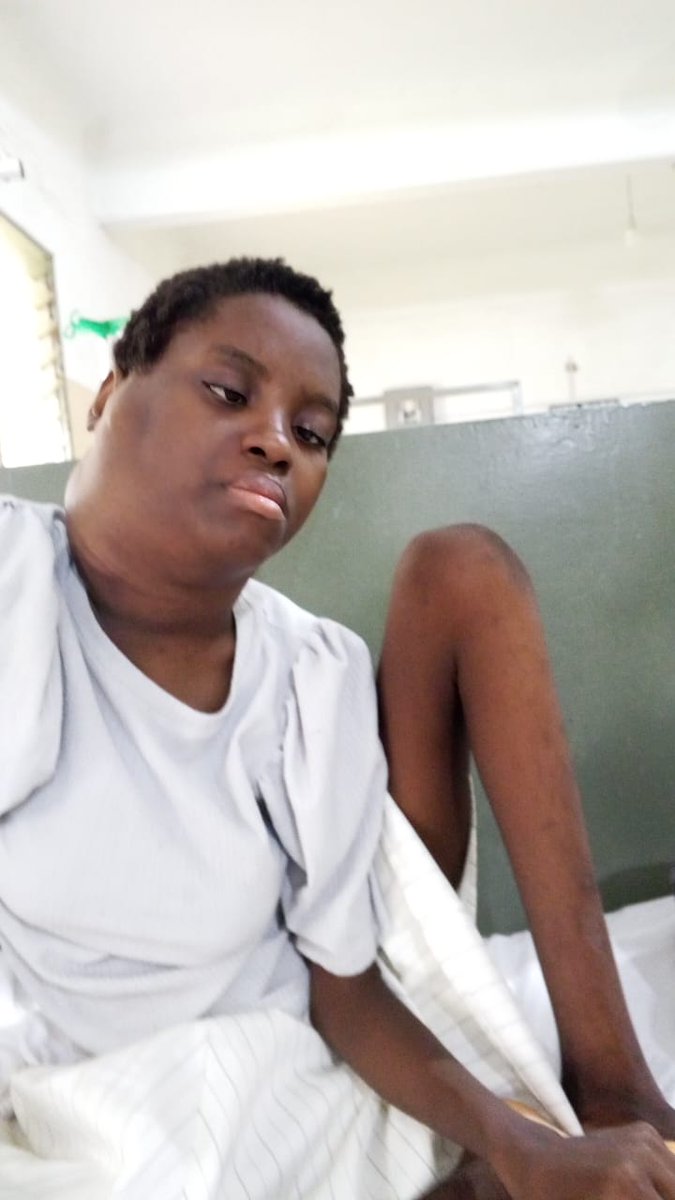
45-year-old Klu Joshua Bright, who is battling a brain tumour, is urgently appealing for $7,500 to support his treatment.
MTN Mobile Money: 0244076305
#GHOneNews #EIBNetwork
#GHOneTV #NewsAlert

English
The Curator retweetledi

🇬🇭 Missing persons: Elisabeth Esi Quayson-Amuah & Dr. Jesse Amuah
Last seen: 23rd March 2026
Car: Silver Nissan Sunny GX 159-X
They have been reported missing for the past few weeks. Anyone with information about their whereabouts is kindly urged to report to the nearest police station or the Parish Priest of St. Theresa Catholic Church, Kaneshie.

English
The Curator retweetledi
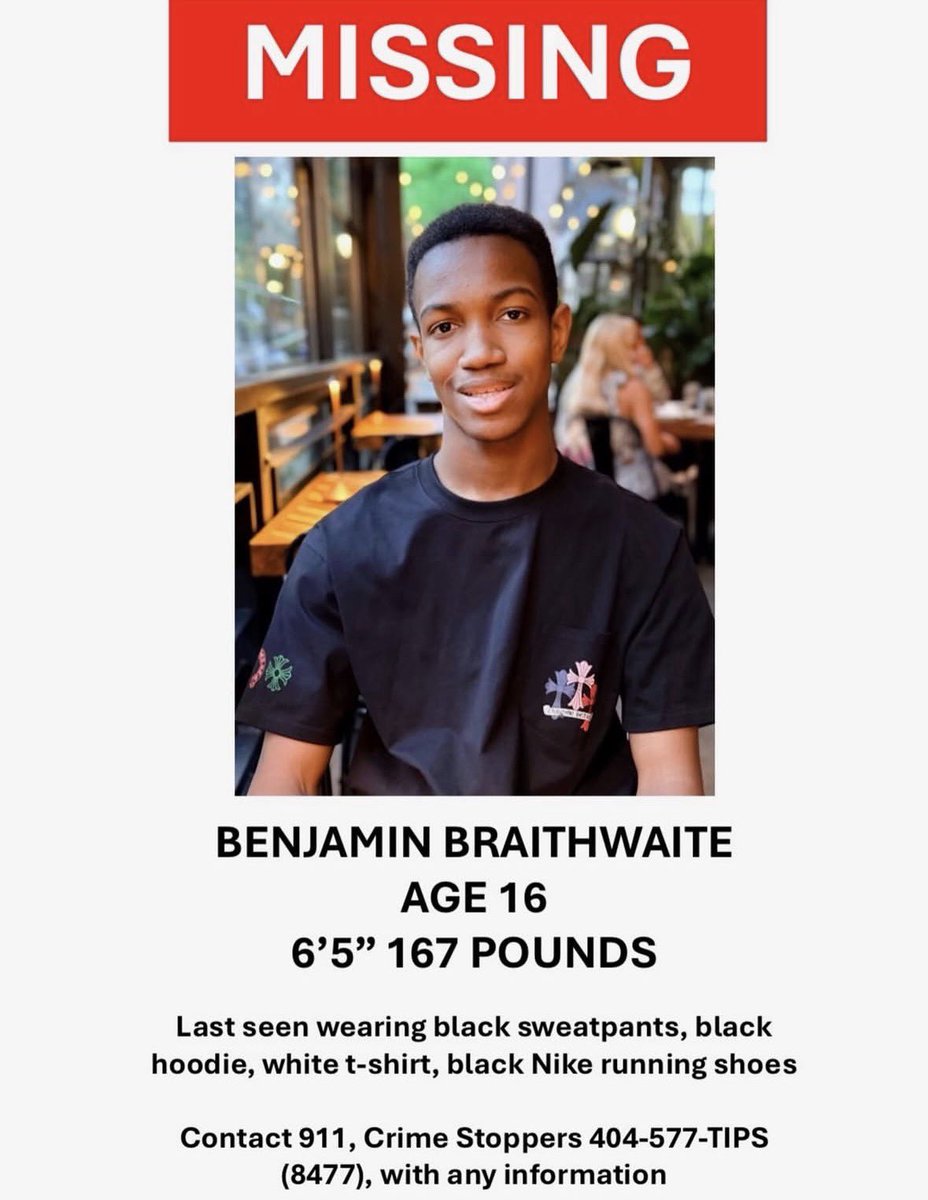
Please be on the look out for my little brother Ben, especially if you’re in the SW ATL/South Fulton area. We haven’t seen him since Monday night and just want him home safely. Any information helps, thank you 🙏🏾

English
The Curator retweetledi

I don’t care about X’s monetization rules for this video. This girl is trying to raise $100,000 CAD so she can buy electric legs.
I put her GoFundMe in the comments.
English