Sabitlenmiş Tweet

@Jack_Frodo It’s actually a really dumb question
Mostly because birds aren’t real
English
chefdavenyc
6.8K posts
@chefdavenyc
24/7 Web 3 - following wherever the liquidity flows @wumbalhouse @nomoreliquidity & some other private alphas


今日レシラムを@GIRAFULL_hsdkさんで購入したところ ひと回り小さくカッティングされてるカードと判明 すぐ問合せた所「うちはインクドもカッティングも買い取るし販売もする。そのための状態確認です」と店長 高校生相手にやる商売じゃないよね ぜひ皆様もどんどんカッティングして持ち込みましょう





Interesting how there's only one Jessie/James full art. Trainers like Cynthia, Misty, Lana, Lillie, etc have several across multiple sets🤔 A sleeper card


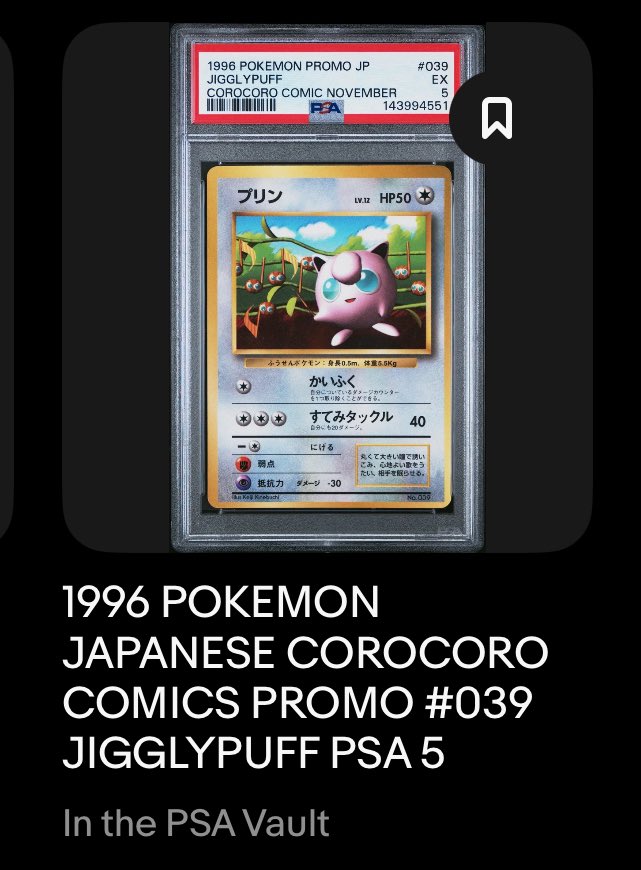
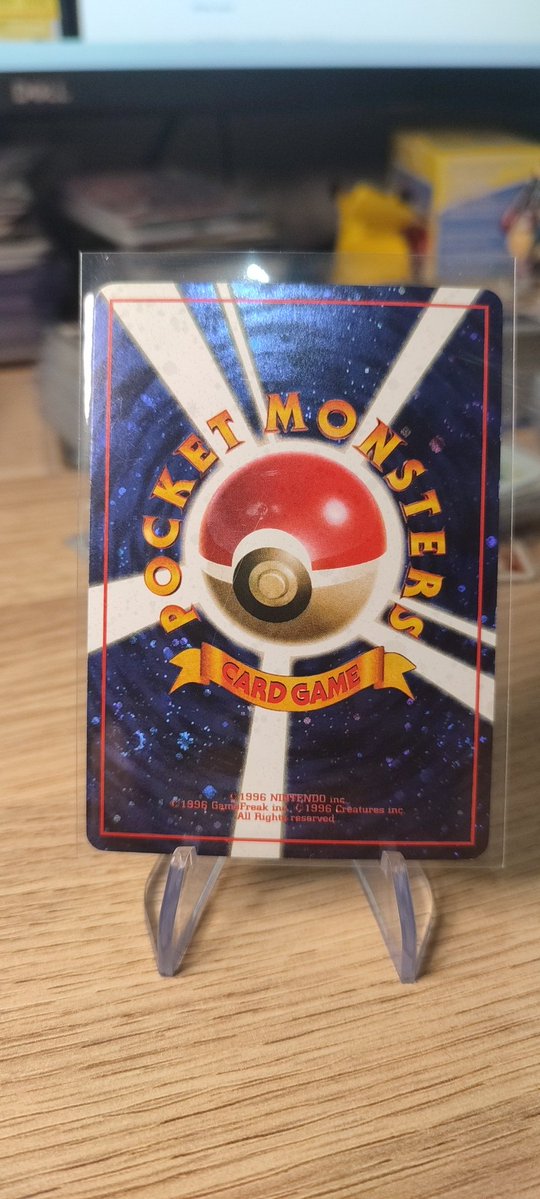
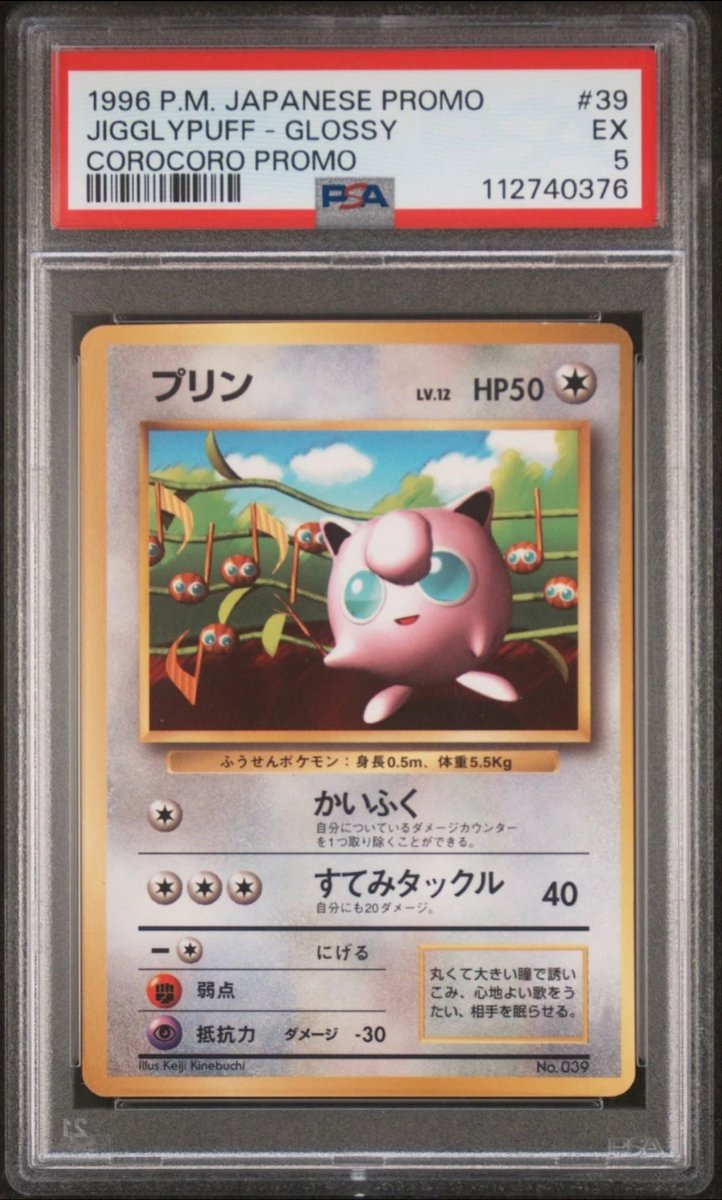
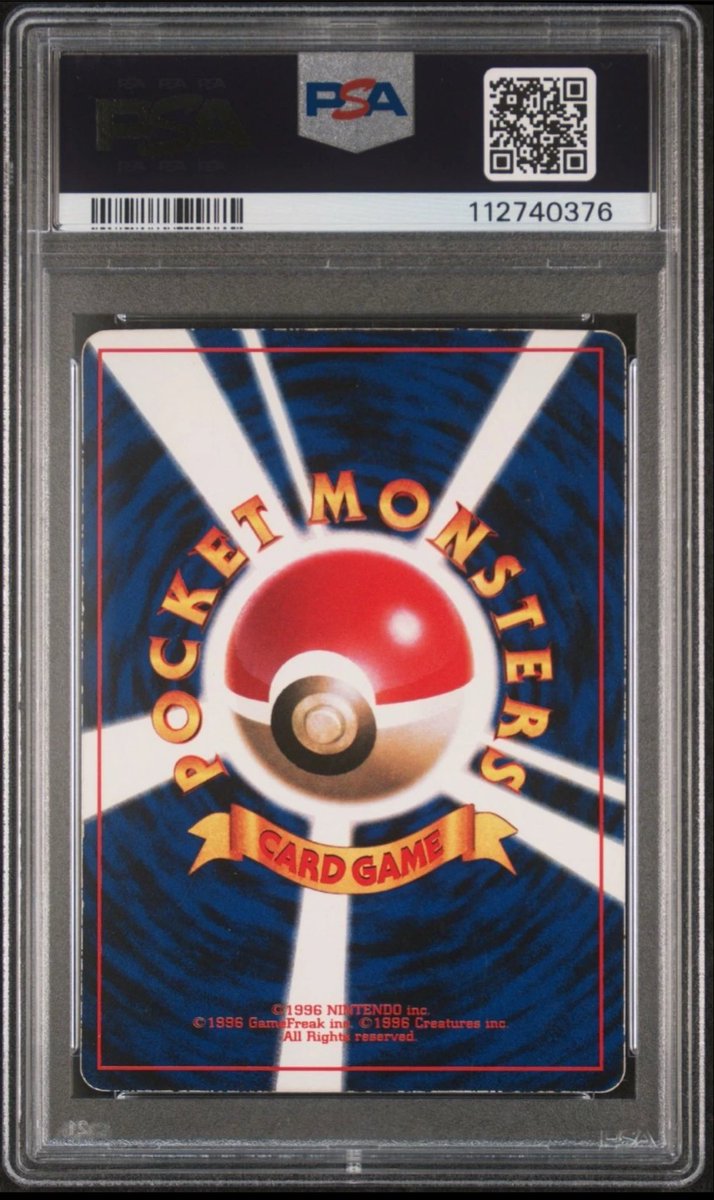
Three dates define the origin story of vintage Pokemon cards. If you understand this, then you will understand where the real alpha is right now. September 1996: 1996 Carddass Part 1 released, the first-ever Pokemon collectible cards (non-TCG). x.com/rarefinds/stat… October 15, 1996: the November issue of CoroCoro Comic drops a two-card glossy insert featuring Pikachu and Jigglypuff, the first-ever Pokemon TCG cards, released simultaneously. October 20, 1996: Japanese Base Set “No Rarity Symbol” released, the first print run of the first full Pokemon TCG set. This may be one of the most important collectibles posts you read all year, because the middle date is where almost no one is looking. The two cards from October 15, 1996 are: (1) the 1996 CoroCoro Glossy Ivy Pikachu, Incorrect Illustrator; and (2) the 1996 CoroCoro Glossy Jigglypuff. They predate Japanese Base Set No Rarity by a full five days, which makes them the first Pokemon TCG cards to ever release. The good news, for now at least, is that there is still time to get them. This year we’ve seen No Rarity Symbol cards skyrocket, with collectors finally respecting those cards for what they are: the true first print run of the original Japanese Base Set. x.com/rarefinds/stat… I have talked about the value of No Rarity Symbol cards for years, and now we have large accounts like @LoganPaul finally talking about them. x.com/thirdmetax/sta… It’s only a matter of time before the attention turns to the two first-ever Pokemon TCG cards. A few critical warnings about the October 15, 1996 cards: 1.You do NOT want the 1996 “non-glossy” versions of these cards. 2.You do NOT want reprinted versions from 1999 or any year other than 1996. 3.For the Pikachu, you specifically want the glossy version with the illustrator error, where Ken Sugimori is mistakenly credited instead of the actual artist, Keiji Kinebuchi. Confirm “Ken Sugimori” is printed on the card before you buy.


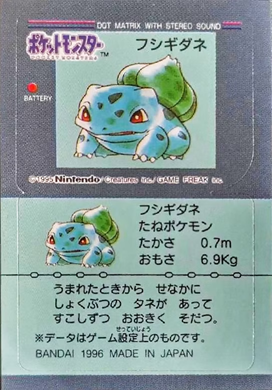
ポケモンシールPSA価格メモ バンダイ製最初期のリザードンシール PSA1が230万円で成立 スクランブルバトルでお会いした方が話していたシールってこれか… ボロボロの状態で230万は凄すぎ