Child Mind Institute

22.8K posts

Child Mind Institute banner
Child Mind Institute

Child Mind Institute

@childmindinst

We're an independent, national nonprofit dedicated to transforming the lives of children affected by mental health disorders.

USA Katılım Ocak 2011
5.3K Takip Edilen38.3K Takipçiler
Child Mind Institute
Child Mind Institute@childmindinst·
Try this: break big tasks into “start tasks.” Open the doc. Write the title. Find one source. Starting changes the whole trajectory.
English
0
0
0
56
Child Mind Institute
Child Mind Institute@childmindinst·
Learn more about dyslexia: #dyslexia" target="_blank" rel="nofollow noopener">childmind.org/topics/learnin…
English
1
0
0
53
Child Mind Institute
Child Mind Institute@childmindinst·
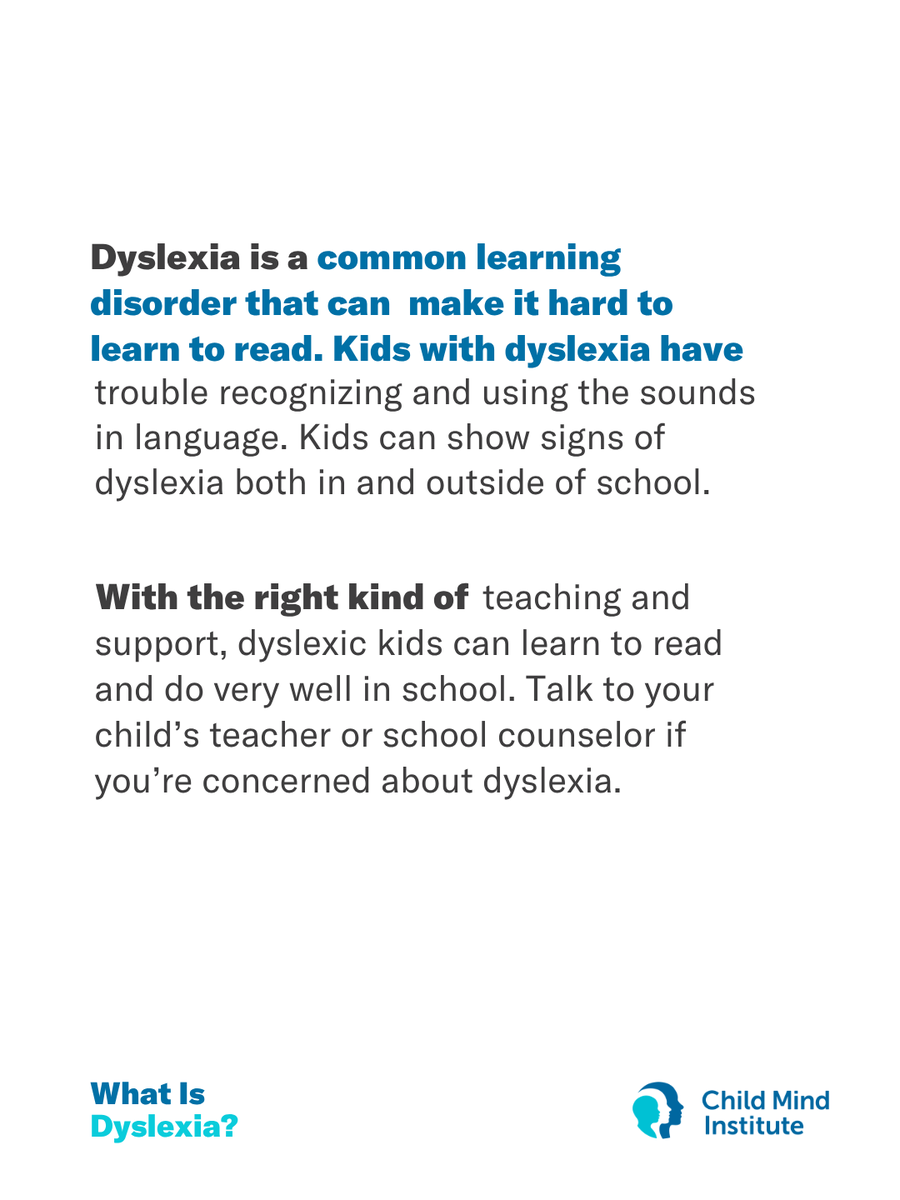
Children each learn and develop at their own pace, and reading is no different from other skill building. It’s common for kids to find reading challenging at one point or another. But if learning to read becomes an ongoing struggle that leaves a child falling behind their peers, it’s possible that they have a learning disorder known as dyslexia. Check the comments for more information.
Child Mind Institute tweet mediaChild Mind Institute tweet media
English
1
0
1
76
Child Mind Institute
Child Mind Institute@childmindinst·
Try this: role-play how to handle teasing: a calm line, then walking away to a safe adult. Practice beats lectures.
English
0
0
0
66
Child Mind Institute
Child Mind Institute@childmindinst·
Try this: make the rule about time and place, not mood. “Screens after homework, not before dinner.” Predictable rules reduce fights.
English
0
0
2
84
Child Mind Institute
Child Mind Institute@childmindinst·
Try this: keep the bedroom for sleep, not arguments. Save tough conversations for daytime.
English
0
0
0
65
Child Mind Institute
Child Mind Institute@childmindinst·
Try this: document what happened—who, what, where, when. Specifics make it easier for school staff to intervene.
English
0
0
0
135
Child Mind Institute
Child Mind Institute@childmindinst·
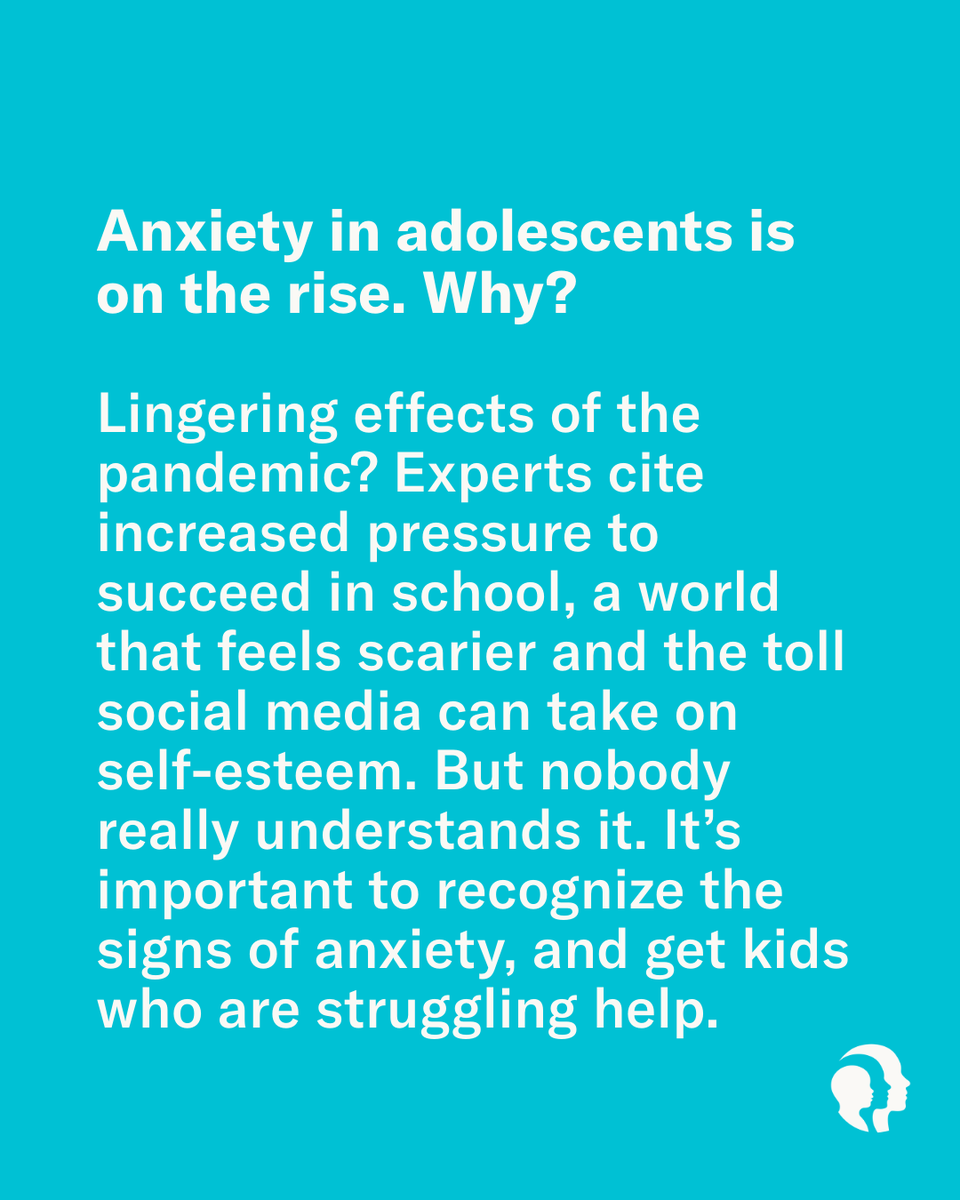
Unlike childhood worries about monsters or the dark, teen anxiety often focuses on themselves: academic performance, social acceptance, and concerns about their bodies. Symptoms of anxiety vary widely, from withdrawal and avoidance to irritability and lashing out. Anxiety is often overlooked because teenagers are good at hiding their thoughts and feelings. Anxious teens tend to overthink every situation and imagine the worst possible outcomes. But anxiety isn't just mental. Watch for persistent sleep problems, frequent headaches with no medical cause, unexplained stomachaches, and cycles of fatigue or restlessness. Take their concerns seriously and avoid dismissing their feelings as typical teenage drama. Encourage healthy coping strategies and create a supportive environment. The good news is that anxiety is highly treatable. With proper support, therapy, and sometimes medication, teenagers can learn effective tools to manage their anxiety and lead fulfilling lives.
Child Mind Institute tweet mediaChild Mind Institute tweet media
English
1
2
8
199
Child Mind Institute
Child Mind Institute@childmindinst·
Try this: check workload and expectations. Some kids shut down when tasks feel endless or unclear.
English
0
1
1
132
Child Mind Institute
Child Mind Institute@childmindinst·
Here’s what Elliana Walmsley wishes she knew before prom! 📷 📷 This prom season, we partnered with Macy's to provide practical tools for navigating common prom stressors, from managing nerves and social pressure to talking through expectations and finances. We’ve created articles and guides to help teens pause, check in, and build real confidence before the big night. Because prom isn’t just about what you wear — it’s about how you feel.
English
1
0
1
150
Child Mind Institute
Child Mind Institute@childmindinst·
Try this: practice “pause words.” “Stop. Breathe. Ask for help.” Short phrases are easier to use under stress.
English
0
0
0
88
Child Mind Institute
Child Mind Institute@childmindinst·
Like the rest of us, teenagers are increasingly using Al chatbots. Teens are going to them for all sorts of things - homework help, relationship advice, emotional support, or wondering if they have ADHD. A few kids are forming deeper relationships - unlike human friends, chatbots are always available and have no needs of their own. Because there's currently no federal regulation, it falls to parents to help teens navigate this uncharted terrain. This week, we explore how to talk to teens about AI chatbots and social media, addressing when kids self-diagnose online, how much to monitor their activity, and how to support anxious, depressed, or socially struggling kids who are most vulnerable to unhealthy technology relationships.
Child Mind Institute tweet media
English
1
0
0
112
Child Mind Institute
Child Mind Institute@childmindinst·
Try this: after a tantrum, teach the replacement skill. “Next time, stomp feet or squeeze a pillow instead of throwing.”
English
0
1
4
167
Child Mind Institute
Child Mind Institute@childmindinst·
Try this: ask for evaluation and targeted instruction when reading is persistently hard. Guessing and waiting often increases frustration.
English
0
0
3
127
Child Mind Institute
Child Mind Institute@childmindinst·
Try this: look for the trigger before the meltdown—noise, hunger, surprises, hard transitions. Patterns help you prevent, not just react.
English
0
2
6
302
Child Mind Institute
Child Mind Institute@childmindinst·
Try this: use a planner or simple daily list together. Don’t assume “they’ll remember.” External tools are part of treatment, not a crutch.
English
0
1
4
205