
Be_the_change retweetledi
Be_the_change
65.2K posts




Be_the_change retweetledi

Falei com a Joana Pereira Bastos sobre o meu livro e mais algumas coisas. No @expresso de hoje.
“A violência colonial ainda é um tabu em Portugal” expresso.pt/semanario/idei…
Português
Be_the_change retweetledi


Be_the_change retweetledi

In this interview, I speak publicly for the first time about some childhood experiences that enduringly shaped my scholarship and politics. We also discuss the war, Rojava/Kurdish politics, “inter-subaltern colonialism”, Eurocentrism and UCD, and much more.
Many thanks to Kadir Can and @pungmedia for hosting this conversation.
#Kurdistan #IranWar #Iran #Rojava #intersubaltern_colonialism #Marixsm #uneven_and_combined_development
pungmedia.com/en/kamran-mati…
English
Be_the_change retweetledi

To my 🇹🇷 colleagues/friends
If you (still) believe the following, pls know you are part of the problem; party to why Erdogan's strength grows & his autocracy becomes entrenched & your lives become more unbearable from one day to the next:
- Believe in narratives that distract from Erdogan's power grab: "Israel is a national security threat to Turkey"
- Or "Greece will take away our maritime rights under Blue Homeland"
- Continue to believe the lie that Erdogan will be ousted at the next election and remain silent about living in a flourishing autocracy.
If you doubt any of these points, consider this: In 2010, a 200 TL banknote was worth $133; today, it's worth $4
Daily Sabah@DailySabah
LATEST — Appeals court rules that both main opposition CHP's 38th Ordinary Congress and 21st Extraordinary Congress were legally invalid, issuing "absolute nullity" decision in lawsuit filed to annul party conventions dailysabah.com/politics/appea…
English
Be_the_change retweetledi

An ironic twist when the CHP is getting purged by the same laws they once helped to enact against the Kurds.
Reuters@Reuters
A Turkish court effectively ousted the main opposition leader, Ozgur Ozel, annulling the 2023 party congress that elected him chairman. The case was seen as a test of Turkey's shaky balance between democracy and autocracy reut.rs/4nIp7qp
English
Be_the_change retweetledi

bir gece, hiçbir hukuki gerekçeye dayanmayan bir kararla bir üniversiteyi kapatıp 25 bin öğrenciyi altyapısı bile olmayan başka bir okula devretmeye “ülke yönetmek” denemez. imamoğlu 'artık hiç kimsenin diplomasının güvencesi yok' dediğinde aslında tam da bu keyfiyeti anlatıyordu
Eksen Haber@eksenhaber_
#SONDAKİKA | Erdoğan'ın kararıyla Bilgi Üniversitesi kapatıldı.
Türkçe
Be_the_change retweetledi

Please share!!:
If you know of any Afghan women/girls who were accepted to a university but couldn’t get a scholarship or find funding, please DM me.
We’re working on a few things to approach this.
English
Be_the_change retweetledi

It's always been clear that @clashreport is Turkish and has a pro-government tilt, but this investigation exposes in detail how it's run as a slick propaganda operation by a pro-Erdoğan company.
substack.com/home/post/p-19…
English
Be_the_change retweetledi

Are we supposed to act like we’re shocked?
The Turkish government does something authoritarian as usual, then it becomes breaking news for a few days, activists pop out of nowhere as if they’re concerned, multiple articles about how bad it is, EU officials make empty statements…give it a few weeks, all back to normal and you’ll never hear of it again.
This is what Turkey does and even worse against the Kurds on a daily basis.
Until the Turks are held accountable, nothing will change.
Anyways next story.
Bloomberg@business
A Turkish court removed the leader of the country’s main opposition party in a landmark ruling that could strengthen President Recep Tayyip Erdogan’s grip on power while risking political unrest and renewed market turmoil bloomberg.com/news/articles/…
English
Be_the_change retweetledi

#SONDAKIKA
Türkiye’de birçok üniversite bugün barikatları yıkarak sokaklara çıkacak.
ODTÜ
Hacettepe Üniversitesi
Boğaziçi Üniversitesi
İTÜ
Ege Üniversitesi
Dokuz Eylül Üniversitesi
ve 49 üniversite eylemde olacak.
Türkçe
Be_the_change retweetledi

Now a government that they did not vote for and that includes zero Kurdish women is telling them there are entire professions in which a sanctioned human trafficker or a foreign jihadist is more welcome than they are.
English
Be_the_change retweetledi
The destruction of women's rights is one of the under-reported stories of integration. Under the DAANES, there were no restrictions on women's roles in public life. I know Kurdish women who had more freedom, agency and respect in their communities than many American women do!
English
Be_the_change retweetledi
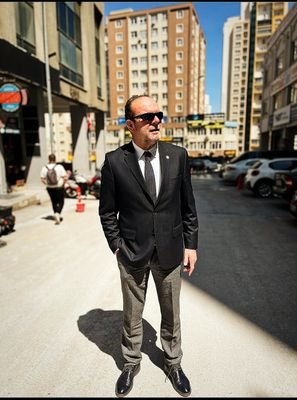
Bir sabah uyanıyorsun, oy verdiğin belediye başkanı gidiyor.
Bir sabah uyanıyorsun, seçtiğin genel başkan gidiyor.
Bir sabah uyanıyorsun, oy verdiğin parti gidiyor.
Bir sabah uyanıyorsun, 30 yıl önce aldığın diploma iptal ediliyor.
Bir sabah uyanıyorsun, gittiğin üniversite kapanıyor.
Bir sabah uyanıyorsun, banka hesaplarına bloke geliyor.
Bir sabah uyanıyorsun, twit attığın için sen gidiyorsun.
Hayırlı sabahlar...
Türkçe
Be_the_change retweetledi
The (growing) cost of preserving Erdogan's autocracy
Since 2023, I have consistently stated that power in 🇹🇷won't change peacefully
The regime is prepared to pay any price
Political & economic conditions for citizens are already unbearable, but it will only get worse
Ted@TedPillows
🇹🇷 Turkey sold $13,980,000,000 in T-bills to defend Turkish Lira. Meanwhile, Turkish Lira:
English
Be_the_change retweetledi

Erasing a whole university overnight is Stalin-level stuff
yung yazo@yunggyazo
vizeye finale çalışıyosun iki dk mola vereyim diye eline telefonu alıyosun bi bakmışsın üniversiteni dünyadan silmişler yaşatın bunu da yaşatın da eksik kalmasın
English
Be_the_change retweetledi

Butlan kararının sadece CHP’yi ilgilendirdiğini sanan ve CHP şöyle yapmalı böyle yapmalı diye yazanlara ve konuşanlara bir çift lafım var. Butlan kararı CHP’ye değil, Türkiye’ye verildi. Artık seçim yoluyla iktidarı değiştirmenin yolu kapatıldı. YSK fiilen kaldırıldı. Hukuk devletinin, demokrasinin, siyasi zeminin, serbest seçimlerin tabutuna bir çivi daha çakıldı. Son çivinin çakılıp çakılamamasını CHP başta olmak üzere tüm siyasi kurumların ve sivil toplumun direnişi belirleyecek. Belarus, Rusya gibi mi olacağız yoksa bize giydirmek istedikleri bu kefeni yırtıp atacak mıyız?
Türkçe
Be_the_change retweetledi
The end of Turkiye's stumbling democracy.
Turkish court suspends leadership of opposition party that defeated Erdogan’s AKP in 2024 elections.
Turkish stock market down 6%.
timesofisrael.com/liveblog_entry…

English
Be_the_change retweetledi

A Turkish court has annulled the 2023 CHP leadership vote, opening the door to overturning the choice of Turkey’s main opposition party. Arrests were not enough. Detentions were not enough. Now Erdoğan’s system wants to decide who may lead the opposition. This is how democracy is weakened: not in one blow, but through institutions bent to political pressure. Europe must call it by its name: a direct attack on pluralism. And it must defend the democratic forces still standing.

English
Be_the_change retweetledi

Türkiye, kendi kendine sürekli sorunlar yaratan sonra da o sorunları çözmeye çalışmak yerine unutturmak için yeni ve daha büyük sorunlar yaratan bir ülkedir.
Ülkeler 4'e ayrılır: Gelişmiş ülkeler, Gelişmekte olan ülkeler, Arjantin ve Türkiye.
Türkçe