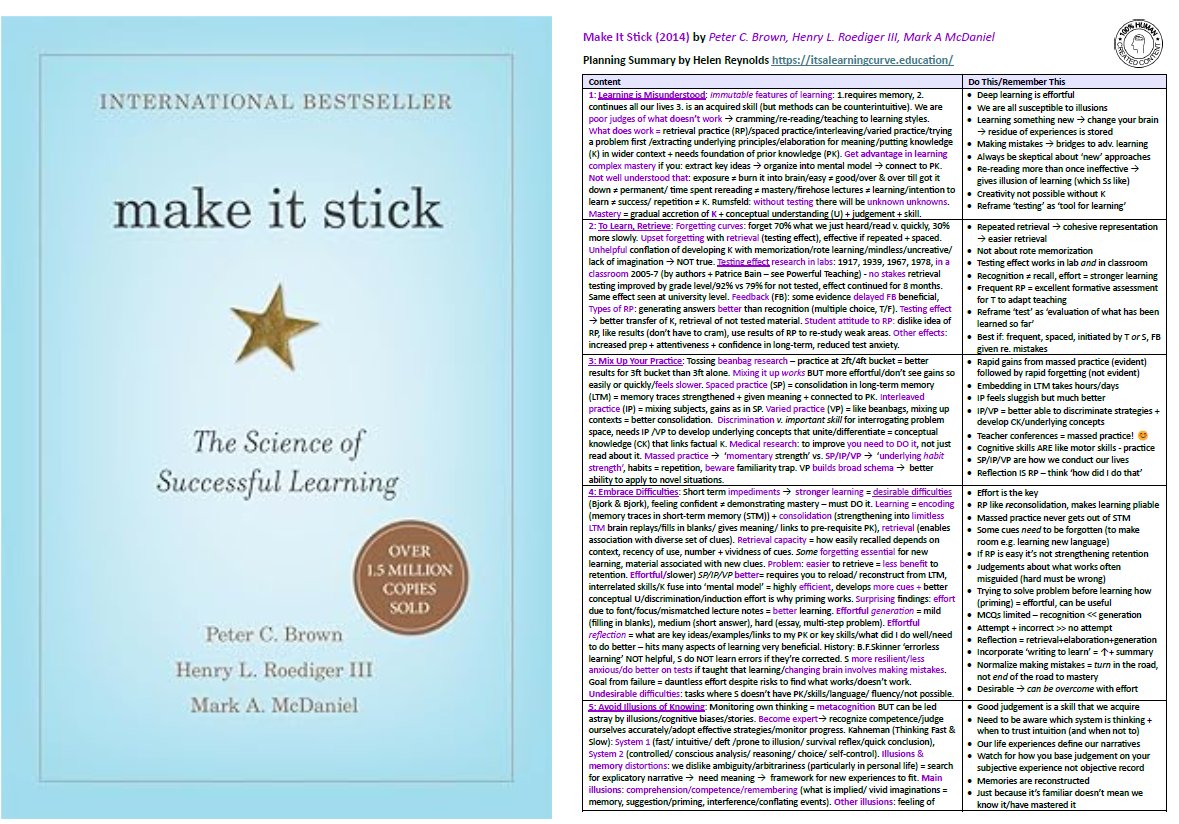
If you're just getting started with cogsci/Science of Learning, read 'Make It Stick'!
If (like me) you read it when it came out, 12 years ago, read it again! It's AMAZING.
Thanks to Peter C Brown, Henry L Roediger III, Mark A McDaniel
Summary here:
itsalearningcurve.education/cogsci-book-su…
If you teach anyone at all, and you don't know about @helenrey's CogSci book summaries, you are missing out. It's a wonderful resource summarizing the most important books on cognitive science: bit.ly/3Q7dEnG
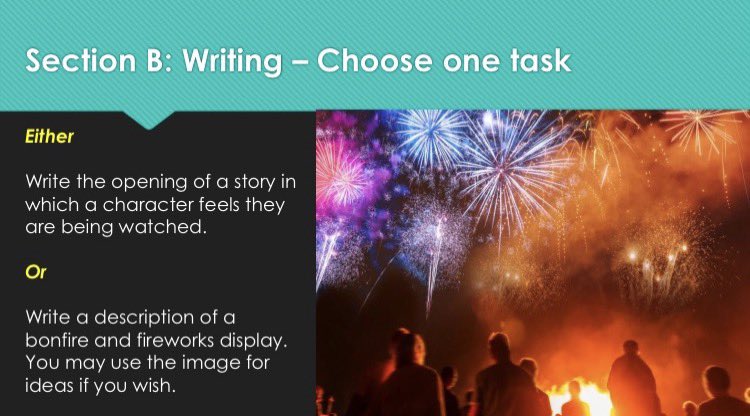
NEW for AQA Lang P1 from June 2026 onwards
✅ Fahrenheit 451
Complete specimen paper and PPT slide deck with scaffolds, indicative content, model answers and resources like so 👇
Help yourself #teamenglishdropbox.com/scl/fo/chj4aoi…
One of the big discussion points from our How Do We Learn? book study was active learning—learning by thinking. Students need to actively think about the learning object, seek meaning, and connect it to their prior knowledge to make learning meaningful.
This has major implications for how we design learning activities:
✅Clearly define learning objectives
✅Ensure students spend more time thinking about the learning object than not
✅Avoid unnecessary details or context
✅Prioritize tasks that require thinking and meaning-making—explaining, summarizing, analyzing, comparing
I also shared how Project Zero’s Visible Thinking Routines have long been one of my favorite ways to promote learning by thinking in this way.
Here’s a reference document I created a few years ago that categorizes the routines based on the type of thinking you want to emphasize 👇
docs.google.com/document/d/1Gz…
Una generación que no lee bien tendrá más dificultades para entender política, contratos o información básica. New York Times: la caída de la lectura es un problema democrático y laboral, no solo educativo. Los propios estudiantes piden soluciones claras: más lectura real en clase, menos vídeos y atajos, estándares académicos más exigentes y límites al uso del móvil y la IA nytimes.com/2025/11/06/lea…
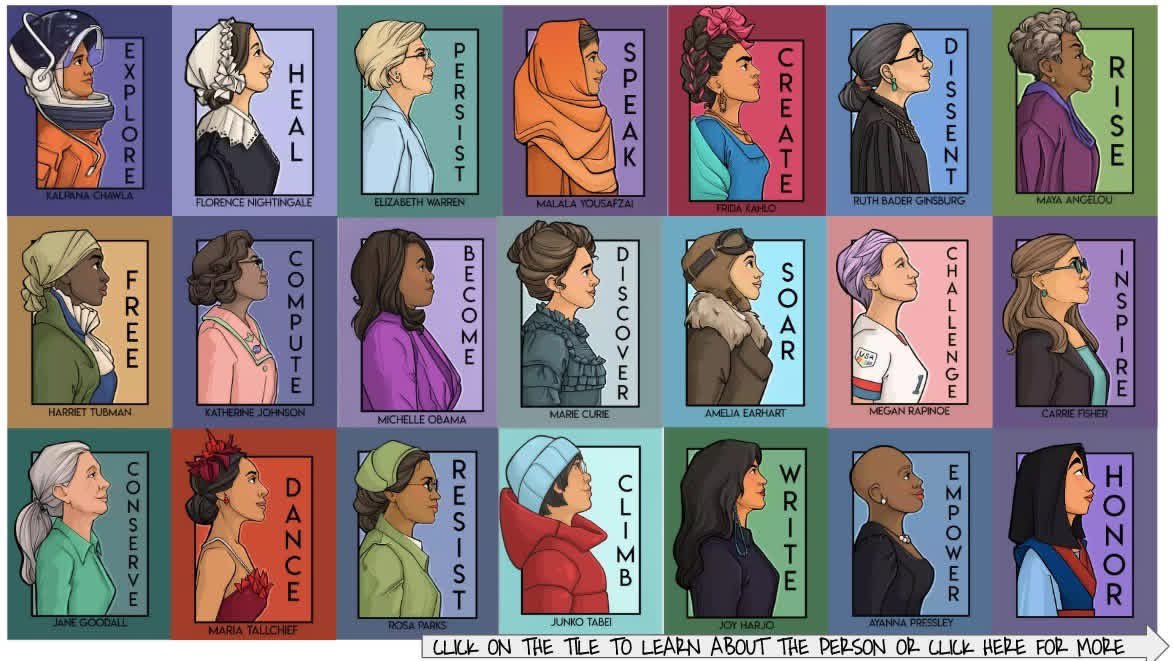
Happy International Women's Day. 💃🏽 Let's celebrate the women today and from the past who have made an impact on our world.
Each slide is editable & has a description, link to a website for research, one or more videos.
*credit to Heather Hsu Lyn for creating & sharing with us.
To view: bit.ly/3ytt6hL
To copy: bit.ly/3ylYD5l#internationalwomensday
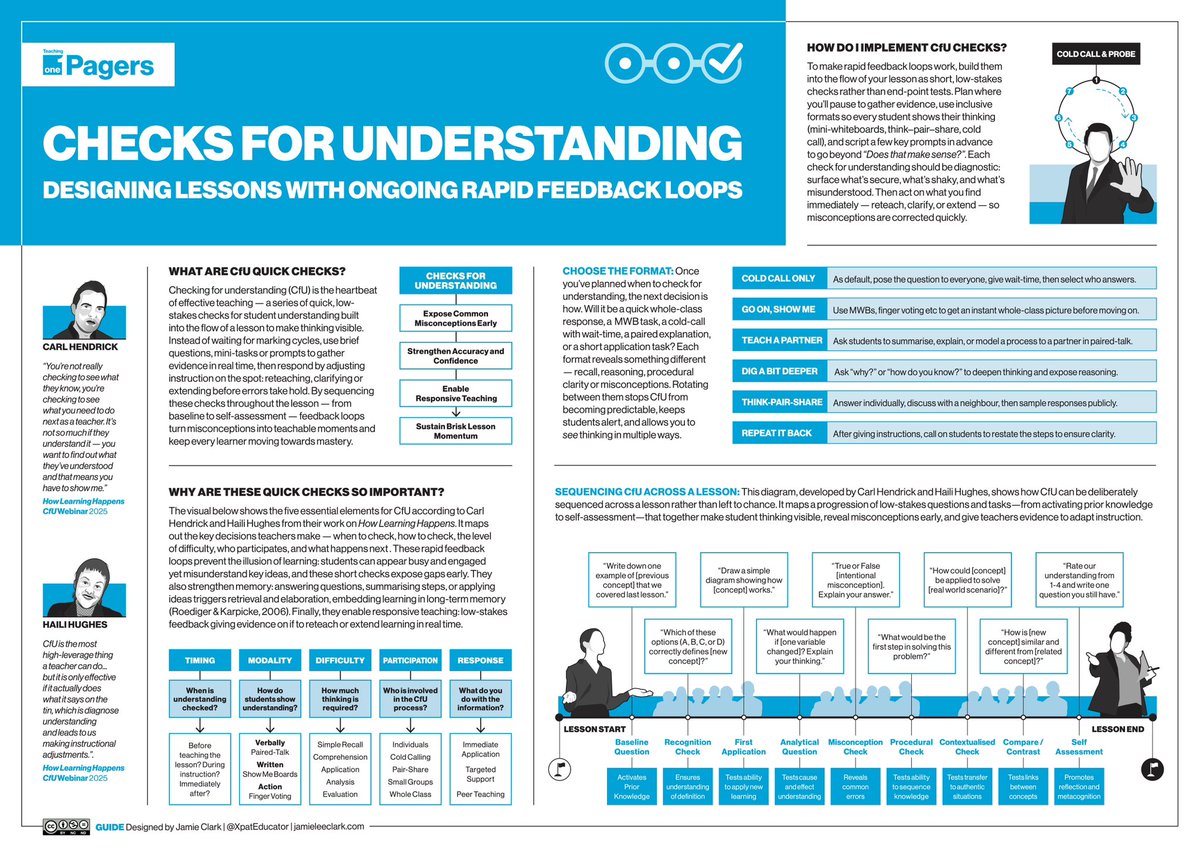
📣 CHECKING FOR UNDERSTANDING! “If there’s one thing to get right in teaching, it’s Checking for Understanding.” This one-page guide breaks down how to thread CfU checks into every lesson — inspired by the ‘How Learning Happens’ work by @C_Hendrick and @HughesHailinewsletter.jamieleeclark.com/p/check-for-st…
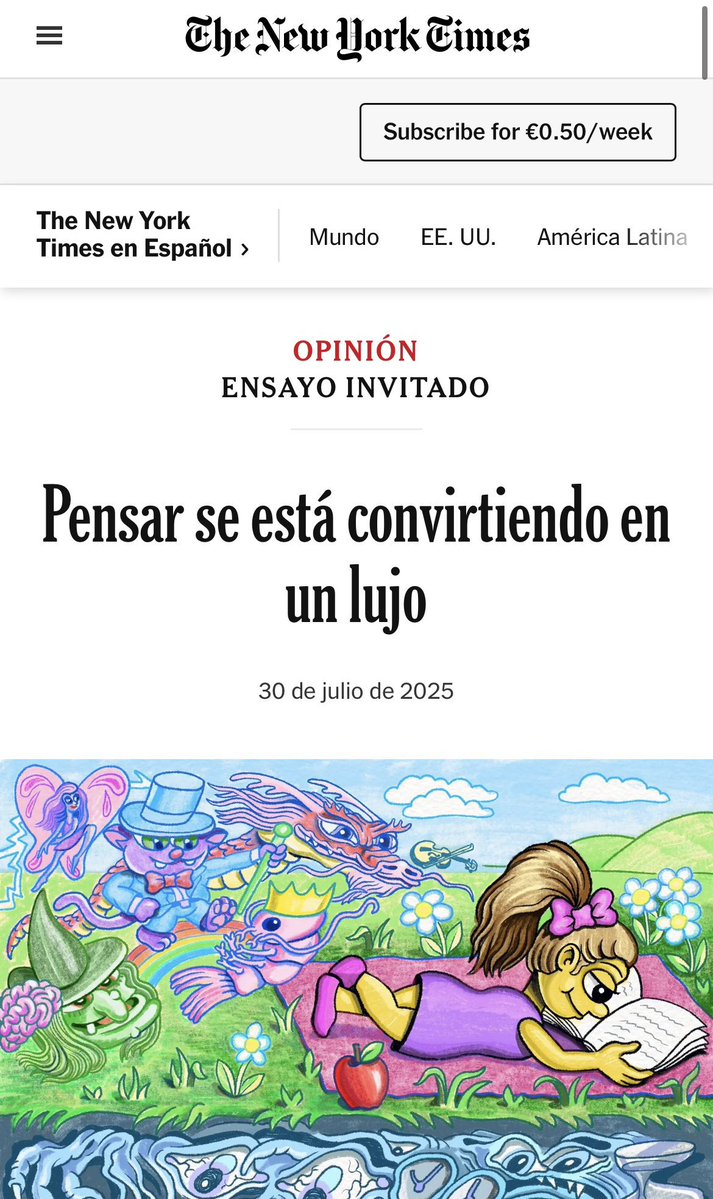
El auge de una cultura postalfabetizada -pantallas, vídeos cortos, textos fragmentados- no solo está erosionando la concentración y la lectura profunda. Está empezando a generar una nueva forma de desigualdad cognitiva. The New York Times
Como con la comida ultraprocesada, leer bien exige recursos, tiempo y entorno. La “lectura experta” reconfigura el cerebro y sostiene ciencia, democracia y pensamiento crítico. Si se convierte en un lujo, las consecuencias serán sociales y políticas nytimes.com/es/2025/07/30/…m.youtube.com/watch?v=wETUrn…
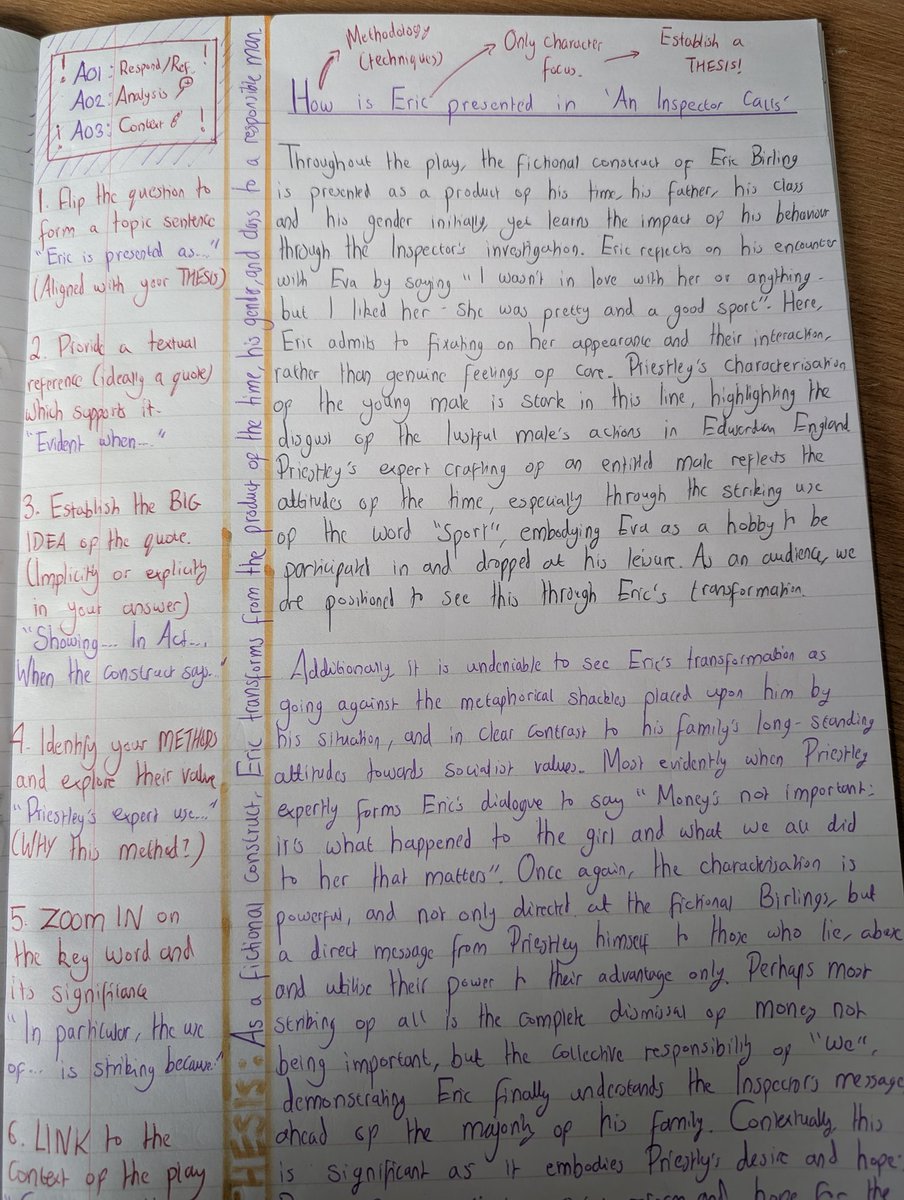
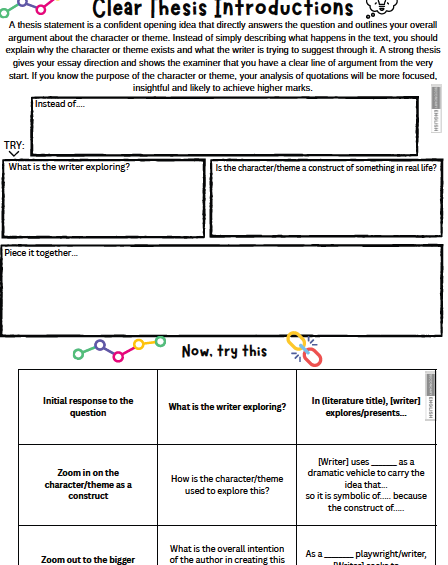
Straight into a co-construction, live modelled response today to bolster our thesis and analysis alignment 🤝 6 simple steps to create our skeleton and then fine tuning to maximise marks 💪
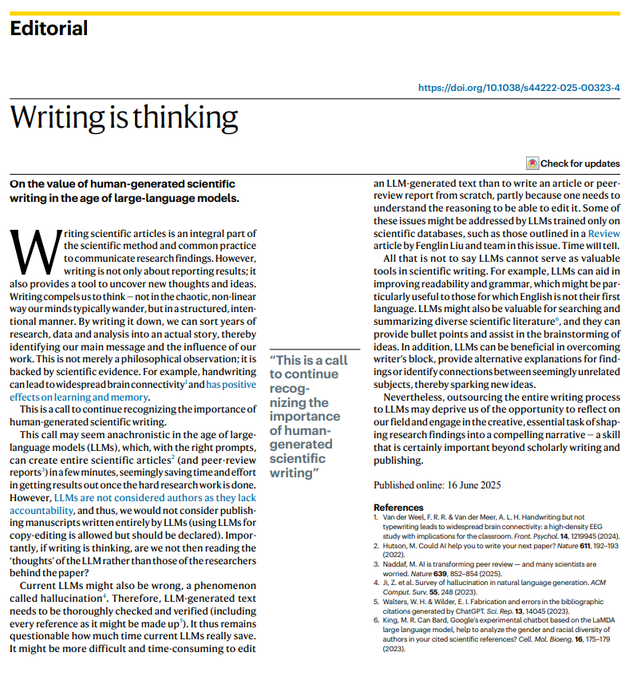
Writing forces your brain to coordinate memory, reasoning, and meaning-making simultaneously.
Every time you write, you rewire toward clearer thinking. Every time you let an LLM do it, you rewire toward consumption.
We’re teaching children to see struggle as signs of mental ill health. In doing so, schools risk becoming places of emotional management rather than intellectual growth, thus becoming traumagenic.
What if suffering is a sane response to adversity, not a condition to be treated?
Link below ⬇️