Kay gendeng

19.1K posts

Kay gendeng

Kay gendeng

@Kaygendeng1993

Katılım Kasım 2024
123 Takip Edilen174 Takipçiler
Kay gendeng retweetledi
🇺🇸 Based Americana 🇺🇸
American Patriot. George Washington refused a paycheck as General of the Continental Army. After winning the war, he was so financially strained that he had to borrow money just to travel to his own inauguration.
🇺🇸 Based Americana 🇺🇸 tweet media
English
1
23
131
3.8K
Kay gendeng retweetledi
History With Jacob
History With Jacob@HistoryWJacob·
Cornelius Vanderbilt died the richest man in America $100 million in 1877, more than the US Treasury His heirs threw $250,000 parties and built lavish mansions on Fifth Avenue Fast forward 100 years. The wealth was gone. The Commodore warned: “Any fool can make a fortune. It takes brains to keep it.” They didn’t listen
History With Jacob tweet mediaHistory With Jacob tweet media
English
38
96
1.6K
74K
Kay gendeng retweetledi
HeritageBulwark
HeritageBulwark@hbulwark1·
Continuing the Series: Unrecognized & Short-Lived States of North America California Republic (1846) – The 25-day Bear Flag Republic. A band of roughly 30 American settlers led by William B. Ide and Ezekiel Merritt seized the lightly defended Mexican garrison at Sonoma in a bloodless dawn raid. They imprisoned General Mariano Vallejo, raised a makeshift flag sewn from cotton with a grizzly bear, lone star, and “California Republic” painted in red, and declared independence from Mexican rule. William Ide served as its president. Amid rising tensions on the eve of the Mexican-American War and with quiet encouragement from John C. Frémont, this pioneer assertion accelerated American control of the West Coast. The republic ended peacefully on July 9 when U.S. forces raised the Stars and Stripes. Its short existence paved the way for settlement and destiny by the founding stock. The Bear Flag remains California’s official state flag today. A classic symbol of American settlers claiming secure frontiers against distant authority.
HeritageBulwark tweet mediaHeritageBulwark tweet mediaHeritageBulwark tweet mediaHeritageBulwark tweet media
HeritageBulwark@hbulwark1

Continuing the Series: Unrecognized & Short-Lived States of North America Republic of West Florida (1810) – The 74-day republic with the Bonnie Blue flag. Anglo-American settlers in Spanish territory (now Florida Parishes of Louisiana) rebelled against weak colonial rule amid Spain’s European distractions. They seized Baton Rouge, adopted a constitution modeled on the U.S. and raised the Bonnie Blue flag which later inspired Southern symbolism. Although quickly annexed by Madison’s administration, it showed American settler’s drive for secure, self-governing frontiers aligned with the young republic rather than European empires.

English
2
27
112
6.1K
Kay gendeng retweetledi
ThinkingWest
ThinkingWest@thinkingwest·
Another Caesar is coming, and Western civilization is at a turning point, says German historian Oswald Spengler. He claimed we live in “the most trying times known to history of a great culture." And there's no offramp. Here's what Spengler predicted:
ThinkingWest tweet media
English
21
86
592
67.2K
Kay gendeng retweetledi
Crypto Tice
Crypto Tice@CryptoTice_·
BREAKING: Trump just signed it. The U.S. Sovereign Wealth Fund. By executive order. America is about to do what Norway. Saudi Arabia. Singapore. UAE have done for decades. Take national wealth. Invest it. Grow it. Forever. Norway's sovereign wealth fund: $1,700,000,000,000. America's: just getting started. - The U.S. government already said it will never sell its Bitcoin. - The U.S. Treasury Secretary calls Bitcoin a payment rail. - The U.S. SEC Chair says all markets will be on-chain within two years. Now a U.S. Sovereign Wealth Fund. What do you think they're going to put in it.
English
627
1.6K
8.6K
1.2M
Kay gendeng retweetledi
🇺🇸 The American Culturist 🇺🇸
Today in American History: 1769 Virginia’s House of Burgesses passed a resolution declaring Britain’s taxes on the American colonies illegal, a key early protest against “taxation without representation.
🇺🇸 The American Culturist 🇺🇸 tweet media
English
12
55
278
4.7K
Kay gendeng retweetledi
Ronit Pereira
Ronit Pereira@Ronitper·
"Have the courage to follow your heart and intuition, things will fall into place.” - Steve Jobs
Ronit Pereira tweet media
English
8
134
811
12.6K
Kay gendeng retweetledi
The Old World Show
The Old World Show@theoldworldshow·
Lincoln: “Why is that you were able to take the City of Mexico in three months with five thousand men, and we have been unable to take Richmond with one hundred thousand men?” Winfield Scott: “I will tell you. The men who took us into the City of Mexico are the same men who are keeping us out of Richmond.” Southern military culture at its finest. Virginia military culture at it’s finest
The Old World Show tweet media
English
56
489
4.6K
147.2K
Kay gendeng retweetledi
Hassan Mafi ‏
Hassan Mafi ‏@thatdayin1992·
I love Chinese.
Hassan Mafi ‏ tweet media
English
534
6.3K
21.7K
220.5K
Kay gendeng retweetledi
HeritageBulwark
HeritageBulwark@hbulwark1·
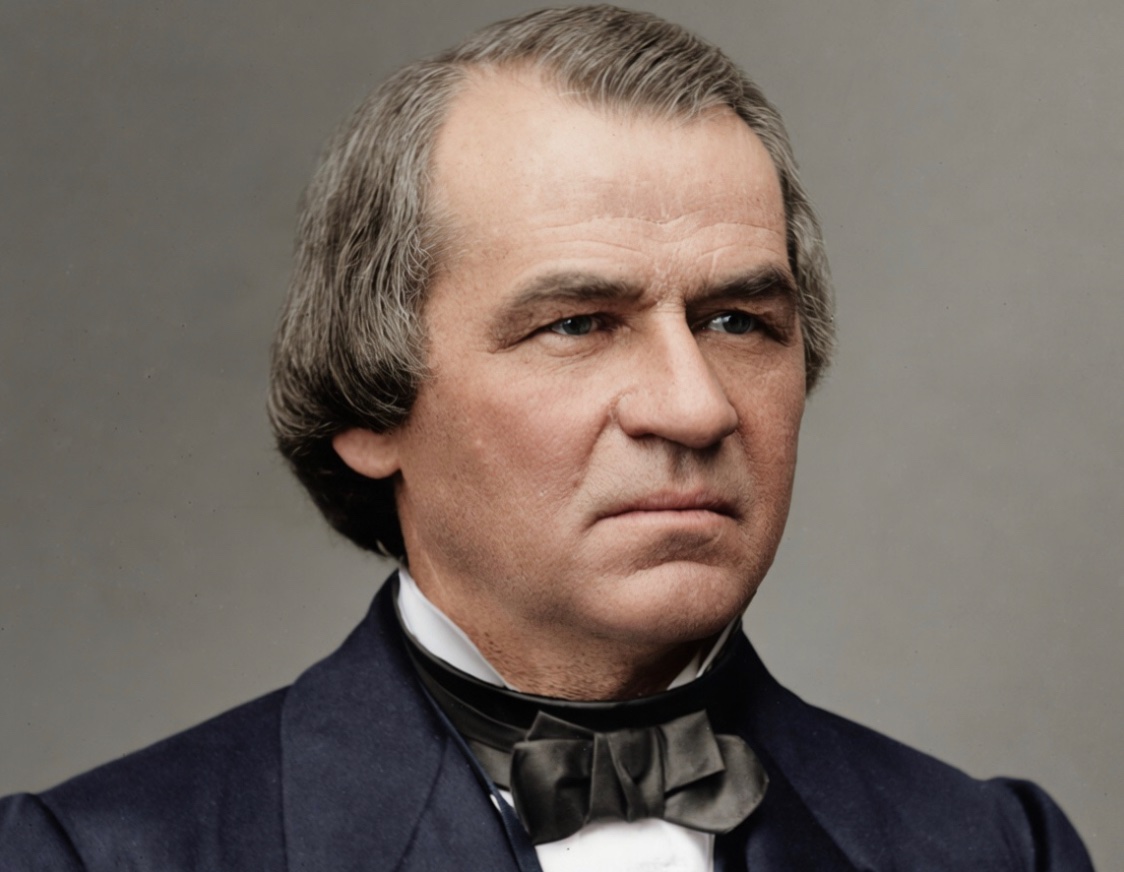
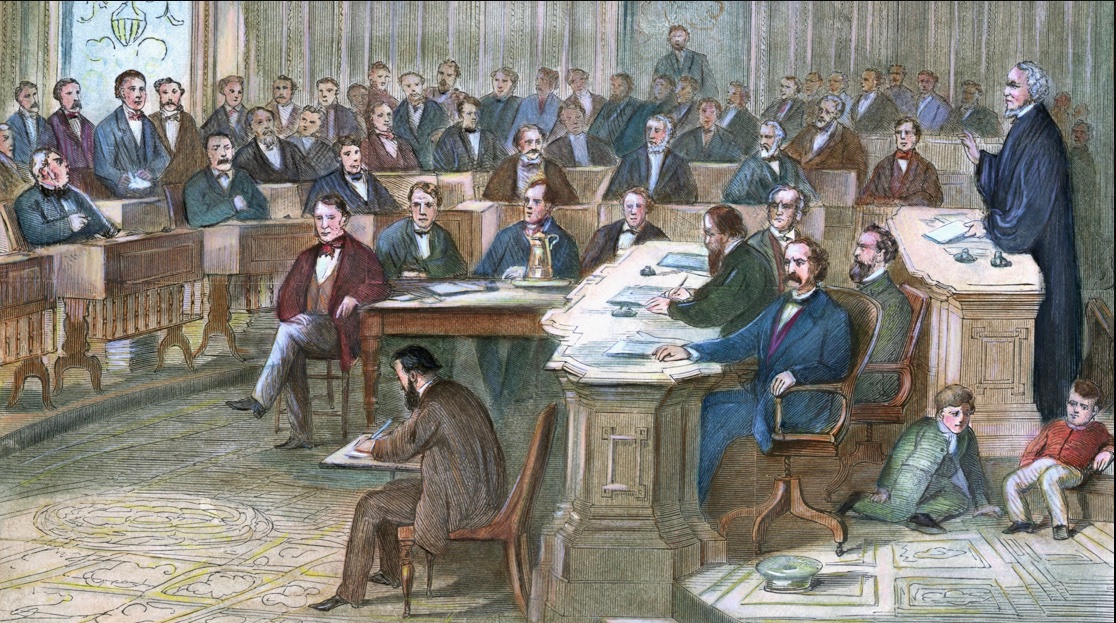
One single vote. That’s what saved Andrew Johnson’s presidency on this day May 16, 1868. Johnson fired Secretary of War Edwin Stanton, a Lincoln holdover and Radical Republican ally who strongly opposed the president’s more lenient Reconstruction policies and controlled federal troops in the South. The Senate fell short at 35-19, missing the two-thirds needed to convict by the narrowest margin in history. This razor thin acquittal preserved the executive branch’s independence during a bitter power struggle showing how constitutional balance can hang by a thread.
HeritageBulwark tweet mediaHeritageBulwark tweet mediaHeritageBulwark tweet media
English
1
10
54
3.2K
Kay gendeng retweetledi
JaPrado.
JaPrado.@Dr_AustinOmondi·
“Make mistakes. Make enemies. Make history. But never make yourself small.” — Che Guevara
English
34
2.9K
11.4K
149.2K
Kay gendeng retweetledi
New Direction AFRICA
New Direction AFRICA@Its_ereko·
China became a superpower because of: 1. The 1949 revolution that ended foreign domination 2. Land reform that broke the old landlord class 3. Industrialization driven by Chinese planning, not foreign aid 4. Massive investment in education and healthcare in the 1950s-70s 5. Strategic opening on China's own terms post-1978 The US never "invested" in China to make it strong. American companies came to China to make themselves richer, not China powerful. Cheap labor. Weak environmental rules. Tax breaks. That was the deal. China took those crumbs and built its own banks, its own supply chains, its own technology. Huawei. BYD. TSMC. High-speed rail. Beidou satellites. None of that came from US charity. Meanwhile, look at countries that actually relied on US "investment" as the main strategy. The Philippines. Mexico. Egypt. Where are their superpower statuses? The revolution created the foundation. Chinese discipline built the rest. The US was just an accidental landlord collecting rent until the tenant bought the building.
Adémọ́lá.@OgbeniDemola

No, China did not become a superpower because of ‘US investment’ China became a superpower because of the Chinese revolution in the 1950s.
English
256
1.3K
4.6K
202.7K
Kay gendeng retweetledi
Zhai Xiang
Zhai Xiang@ZhaiXiang5·
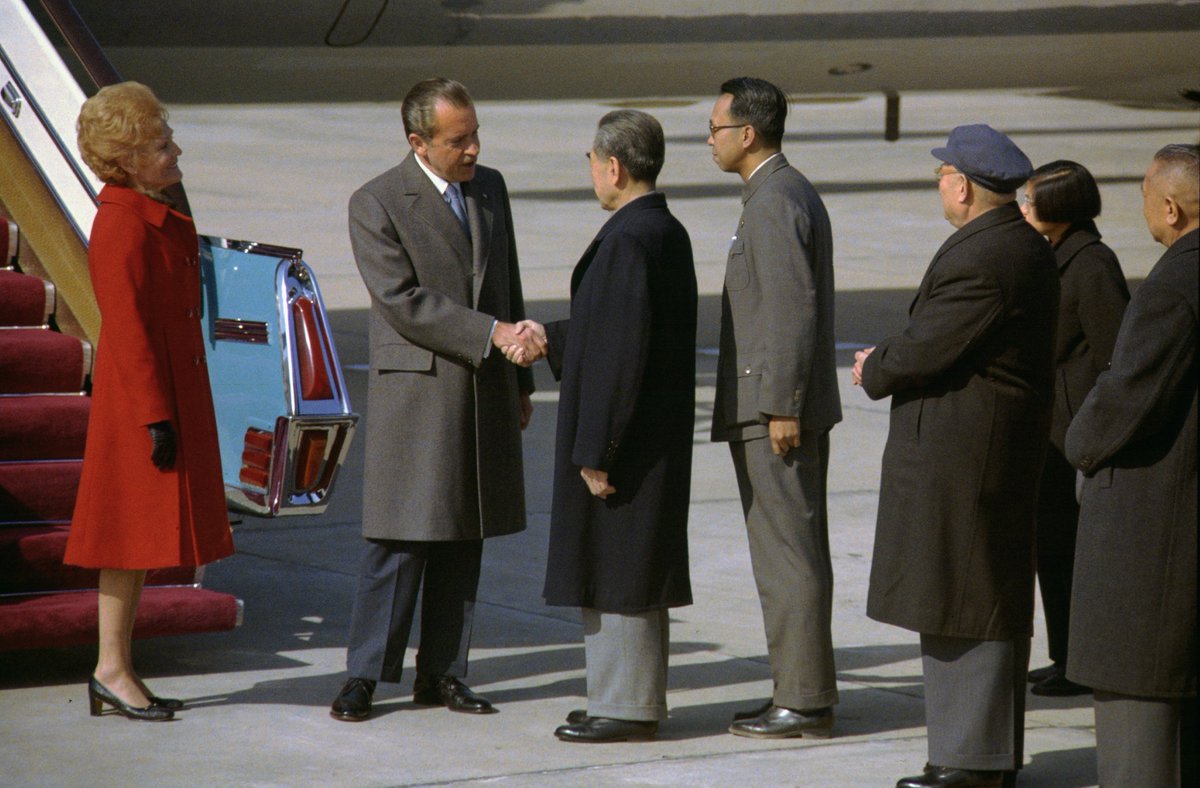
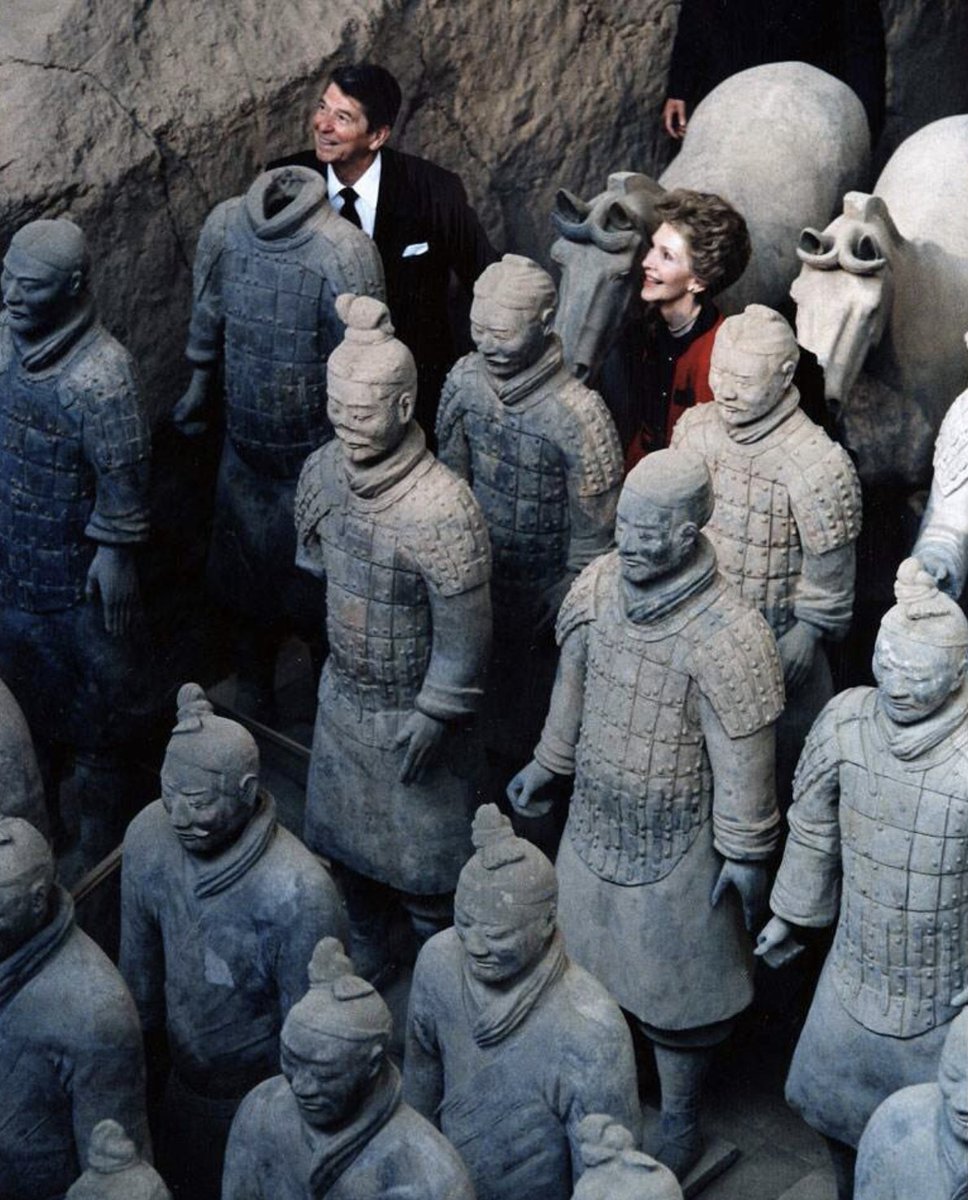
In 1972, Nixon did not fly directly to Beijing. In 1984, neither did Reagan. Before actually arriving in China, both presidents stopped somewhere across the Pacific to rest, read briefing materials, and adjust to the time difference. These seemingly minor travel details are precisely among the most fascinating parts of the history of China-US relations. I once visited the Nixon and Reagan Presidential Libraries, where I reviewed and researched many declassified files related to their China and Japan policies. The archives contain countless moving historical details, which I would be happy to share gradually if people are interested. These are the schedules I photographed at the time for President Nixon's visit to China in February 1972 and President Reagan’s visit to China in April 1984. President Nixon first arrived in Honolulu on February 17, 1972. There, at a Marine Corps camp, he spent two days reading briefing materials with his wife Pat. They were extremely thick, almost like dictionaries, covering all kinds of background information and analysis about China. They even included dozens of mock scenarios for questions from reporters, along with A/B/C-style response options for each one. On February 19, Nixon flew to Guam. After spending one night at a naval residence there, they flew to Shanghai on February 21. Following a brief tea break at the terminal, Nixon took off again for Beijing, arriving shortly after 11 am that day. It was then that he had the handshake with Chinese leaders that crossed the Pacific and changed history. Reagan's itinerary was equally fascinating. On April 18, 1984, he was still busy in DC with meetings, phone calls, and briefings, and even got a haircut at the barber shop. He also called Nancy in LA but was too busy to complete the chat. In his diary that day, he described it as "a busy time tying up loose ends," and ended the entry with: "back to packing." On April 19, he first flew to Seattle, where he met with several business executives, including people whose companies were doing substantial business with China. Even today, Seattle remains one of the cities in the United States most closely connected to China through trade and commerce. That evening, Reagan flew to California, where he reunited with Nancy. The two spent two days resting at the ranch, riding horses and cutting wood, getting recharged. On April 22, they flew to Hawaii and stayed at the Kahala Hilton. Nancy, who wanted to swim in the ocean, borrowed a villa so she could enjoy swimming without being followed by the press. On April 25, they flew to Guam and stayed at the former residence of Admiral Nimitz. The following afternoon, at 1:35 p.m., Reagan arrived in Beijing and immediately went to the Great Hall of the People to attend the welcoming ceremony hosted by the Chinese president. That evening, at the Diaoyutai State Guesthouse where Reagan was staying, the Chinese side served a 12-course dinner. Reagan wrote in his diary: "We heeded Dick Nixon's advice & didn't ask what things were-we just swallowed them...We both did well with our chopsticks." Nancy told the press that, for this trip to Asia, she and Reagan followed a "feast-and-fast" diet recommended by the White House physician to help adjust to jet lag. For example, on one day she ate only clear soup, fruit, and a salad; the next day, she had macaroni and cheese, baby corn, and blackberry pie. To prepare for the China trip, she also spoke by phone with former First Lady Pat Nixon to seek advice, and read a large number of books and articles about China. She said she read everything and there's so much to see because China was so big. She also said she's very excited about the trip, and that the only thing that confused her was the constant time changes while flying across the Pacific. Nancy hoped to do some shopping in China. In fact, as far as I know, after visiting the Terracotta Warriors, she did buy several small ornaments at a Chinese free market and used them to decorate that year's Christmas tree. Judging from the archives, neither Nixon nor Reagan flew directly to China, and neither did Trump. The first two presidents stopped in Hawaii and Guam to rest and adjust. According to posts by @EricTrump and White House reporter @Emilylgoodin, President Trump stopped briefly in Alaska for refuel this time on his way to China. In 1984, Reagan also made a brief stop there on his way back to the United States from Shanghai. The details preserved in these records often speak more powerfully than grand narratives. Beyond presidential aircraft, state banquets, handshakes, and formal meetings, there were also ordinary moments: packing luggage, adjusting to jet lag, learning to use chopsticks, cutting wood at the ranch, and buying Christmas tree ornaments in front of the Terracotta Warriors. History is never made only of statements, communiques, and strategic calculations. It also lives in these small moments of human warmth, hesitation, curiosity, and exploration. We've had ups and downs over the past decades. But when we look back at these archives, we may find that what moves history forward is often not fear or hostility, but those who are willing to cross the Pacific, walk toward one another, and try to understand each other anew. Perhaps today's world still needs that kind of courage.
Zhai Xiang tweet mediaZhai Xiang tweet mediaZhai Xiang tweet mediaZhai Xiang tweet media
English
30
190
1.1K
129K
Kay gendeng retweetledi
Paman Teguh 🐐
Paman Teguh 🐐@investorgabut·
Masih inget gak di bulan Desember 2024, Prabowo bilang rakyat gak main saham, dan setelah itu IHSG jeblok di awal 2025, tapi kemudian naik kencang sampai tembus 9,000 di awal 2026 kemarin Trus hari ini giliran Prabowo bilang orang desa gak pake Dollar. Yg itu artinya??
Indonesia
79
48
1.1K
181.1K
Kay gendeng retweetledi
Faizal
Faizal@zalkad·
Otoriter itu term politik, Saya simpulkan kenapa bisa mengarah kesana: 1. Tersisa hanya PDIP Oposisi di Parlemen (itupun masih gamang); 2. Prabowo bilang oposisi itu budaya barat, Indonesia tidak perlu oposisi; 3. Dalam berbagai pidato, Prabowo punya sentimen sama orang pintar dan kritis. 4. Pelibatan unsur dan budaya militer untuk semua kegiatan sipil, dari Retreat kabinet, Pendamping Haji sampai pembekalan beasiswa LPDP; 5. Pelibatan unsur militer untuk mengelola program pemerintah, MBG dan KDMP; 6. Kekerasan terhadap masyarakat sipil meningkat, penyerangan yang melibatkan unsur militer lebih sering terjadi, tidak hanya di kasus Andrie Yunus yang paling parah, sampe penjaga warung Madura dan kurir makanan kena gebuk; 7. Ancaman dan teror untuk siapapun yang kritis terhadap program pemerintah; 8. Tekanan terhadap Media Massa untuk tidak memberitakan yang buruk2 bahkan intervensi pemberitaan; Silahkan ditambah;
The Economist@TheEconomist

Prabowo Subianto is too spendthrift and too authoritarian economist.com/briefing/2026/…
Indonesia
45
1.8K
4.4K
110K
Kay gendeng retweetledi
Jackson Hinkle 🇺🇸
Jackson Hinkle 🇺🇸@jacksonhinkle·
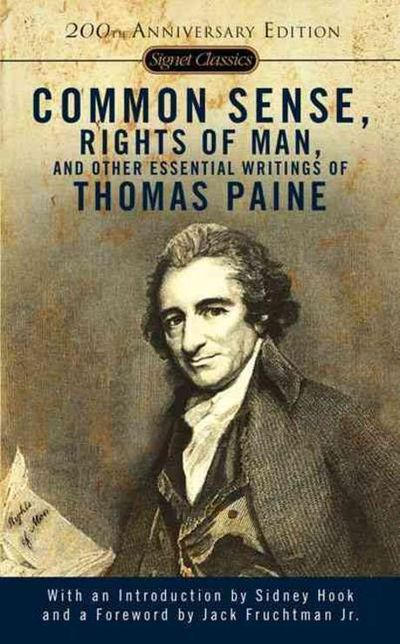
🇨🇳🇺🇸 Xi Jinping said he was an avid reader of American literature. "In my younger years, I read the Federalist Papers and Thomas Paine's Common Sense. I was interested in the life story of George Washington, Abraham Lincoln, Franklin Roosevelt, and other American statesmen."
Jackson Hinkle 🇺🇸 tweet mediaJackson Hinkle 🇺🇸 tweet media
English
75
269
2K
114.8K
Kay gendeng retweetledi
Learn Latin
Learn Latin@latinedisce·
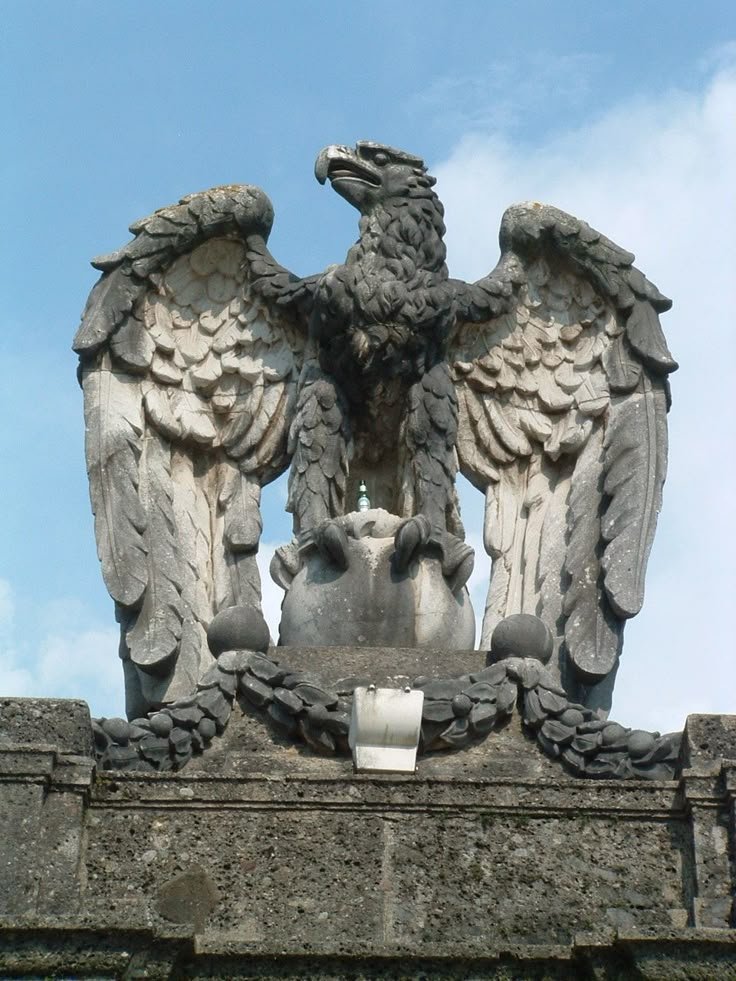
Fortia facere et pati Romanum est — “To act bravely and to endure hardship is the Roman way.”
Learn Latin tweet media
English
9
176
1K
14.8K