
kokoss retweetledi
kokoss
890 posts


kokoss retweetledi
kokoss retweetledi


kokoss retweetledi


kokoss retweetledi
kokoss retweetledi

Si esto te ofende, entonces eres parte del problema.
Hazte inteligent

Español
kokoss retweetledi

kokoss retweetledi

ティーガーII。ティーガーIから大幅に強化された8.8 cm KwK 43 L/71砲を装備し、1000mの距離で170mmの装甲板を貫通する威力を誇った。1944年10月頃、パーダーボルンのゼンネラーガー訓練場にて、ドイツ国防軍の第503重戦車大隊が撮影された映像の一部。
日本語
kokoss retweetledi

kokoss retweetledi


kokoss retweetledi

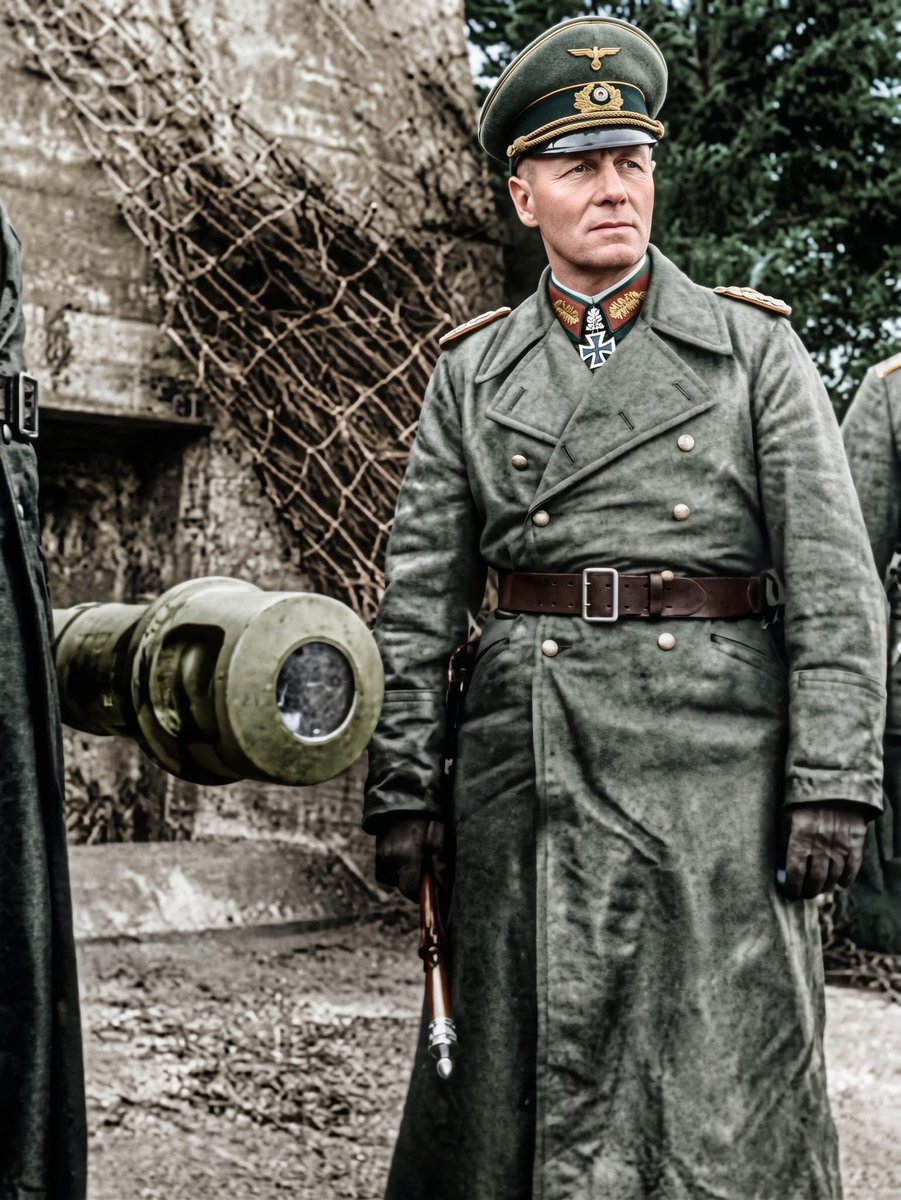
Erwin Rommel was one of the most prominent German commanders of World War II, best known for leading operations in North Africa.
Nicknamed the “Desert Fox,” Rommel commanded the Deutsches Afrika Korps, where he gained a reputation for bold tactics.
English
kokoss retweetledi

kokoss retweetledi

Reserva bancaria 1%
Osea: por cada euro creado por el obrero español, el banco genera 99€ falsos.
¿Quién te obliga a usar ese "dinero"?
EL ESTADO.
Bancos y Estado, sin lo mismo.
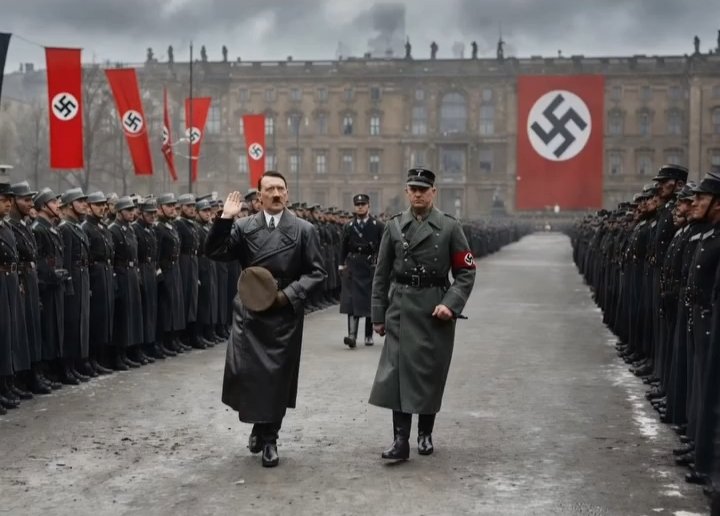
Hitler los señaló, les puso nombres y por eso, el pueblo alemán afrontó la última batalla.
Español
kokoss retweetledi

Oficial de Tropas Panzer de la Div Grobdeutschland
del Heer. Observa movimientos de diversas tropas desde la escotilla de la torreta de su blindado. Batalla del Saliente de Kursk en julio de 1943. Rusia. Frente del Este.

Español
kokoss retweetledi

kokoss retweetledi
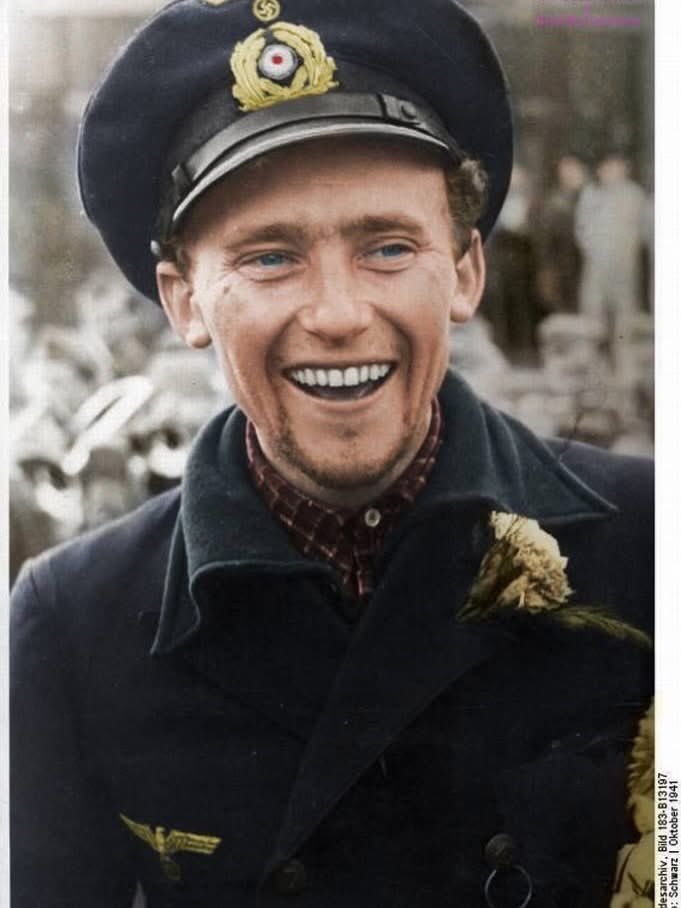
Friedrich Karl Guggenberger (* 6. März 1915in München; † 13. Mai 1988 in Erlenbach am Main) war ein deutscher Marineoffizier in der Reichsmarine, der Kriegsmarine und in der Bundesmarine, zuletzt als Konteradmiral. Er war Kommandant von U 28, U 81, U 847 und U 513.
Deutsch
kokoss retweetledi

kokoss retweetledi
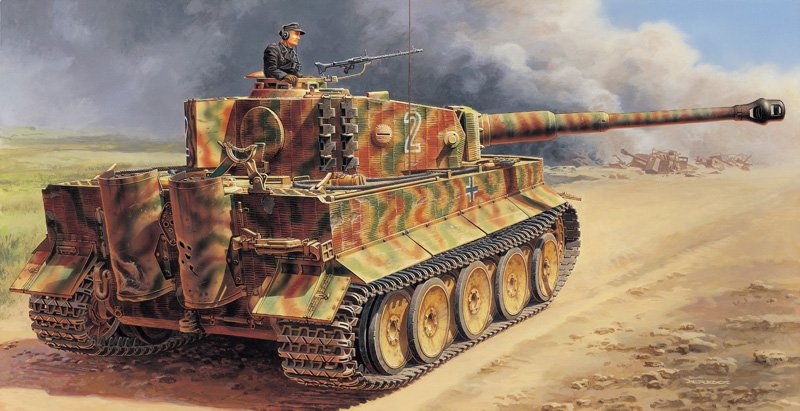
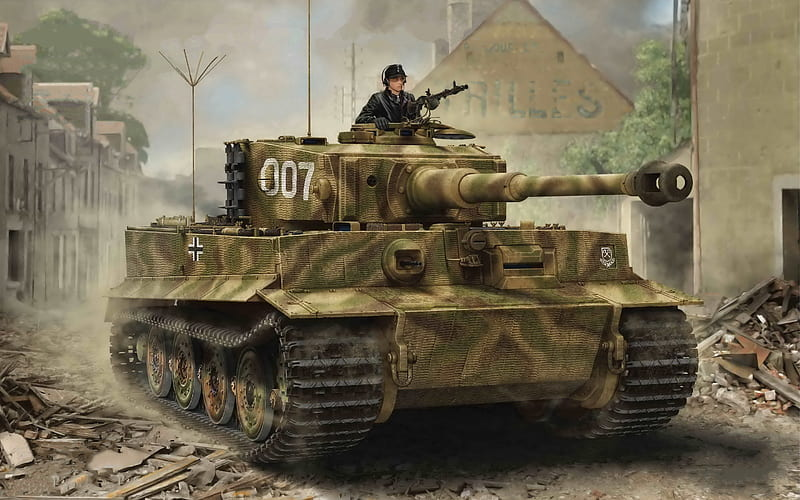
Why did Germany invest in so many designs of heavy tanks, like the Tiger?
Big, clanking, gas guzzling monstrosities that needed lots of maintenance and couldn't cross most bridges?
Part of the reason is, ironically, fuel shortages.
The Germans knew they couldn't supply tank armies on the scale of the Soviets or the Americans. Not enough fuel to power 50,000 Panzer IV's and StuG's.
So, they invested part of their military budget into top-tier heavy tanks that were intended to take out multiple enemy tanks at long range, sniper style.
Quality over quantity.
So these tanks had a very specific purpose. They weren't for massed assaults and they weren't an anti-infantry weapon.
They were designed to set up in a superior position and engage enemy armour directly at long range.
In practice this sort of worked. Most famously, Michael Wittman and his small group of Tigers disrupted the whole 7th Armoured Division at Villers-Bocage in 1944, tearing up columns of Cromwells and Shermans, throwing off a British offensive.
But this couldn't be repeated at scale.
Eventually sheer numbers ground them down.
English
kokoss retweetledi

kokoss retweetledi
Tripulantes de un vehículo blindado semioruga Sd.Kfz.4/1 con dispositivo lanza cohetes Panzerwerfer 42. Observan un mapa de situación. Invierno de 1943. Frente del Este.

Español