
LessonUp
2.3K posts


LessonUp
@lessonup
Create more engaging, joyful and effective lessons with our intuitive teaching tool and lesson library.
Katılım Eylül 2014
1.2K Takip Edilen1.1K Takipçiler
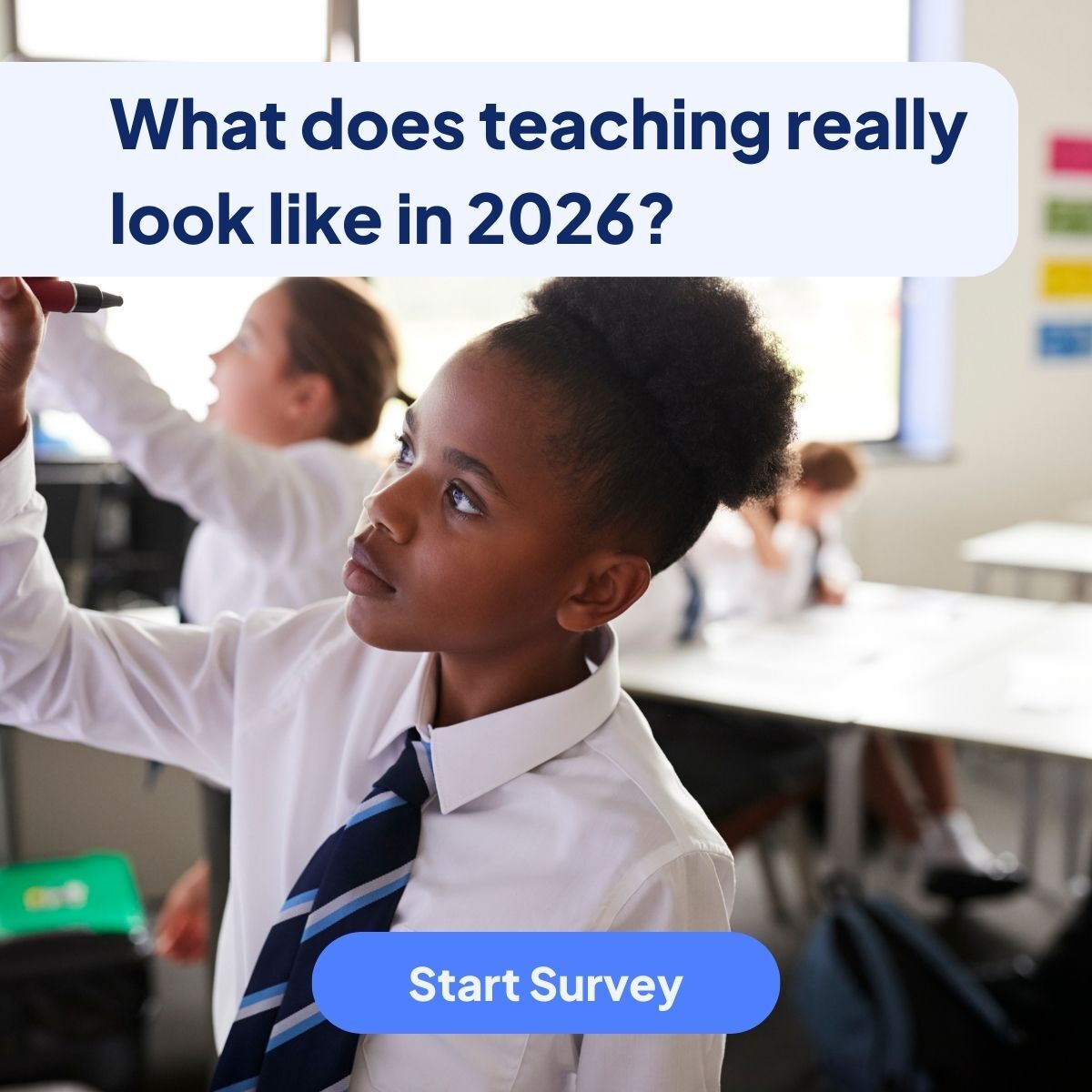
UK teachers — we want to hear from you. Share your experience in our 5–7 min survey on teaching, workload, tech and classroom engagement. 🎁 Win a 6-month LessonUp Pro subscription or a £10 gift card. Take the survey 👇 eu1.hubs.ly/H0sMWZL0
English


“Very easily, LessonUp has such great potential to harness the technology available to students and use it to enhance their learning experience and knowledge retention.
Having the ability to easily adjust my original PowerPoints and make them interactive has sped up how I deliver the information provided by the specification.”
-Kyle Smith, Lecturer in Manufacturing Engineering Belfast Metropolitan College

English
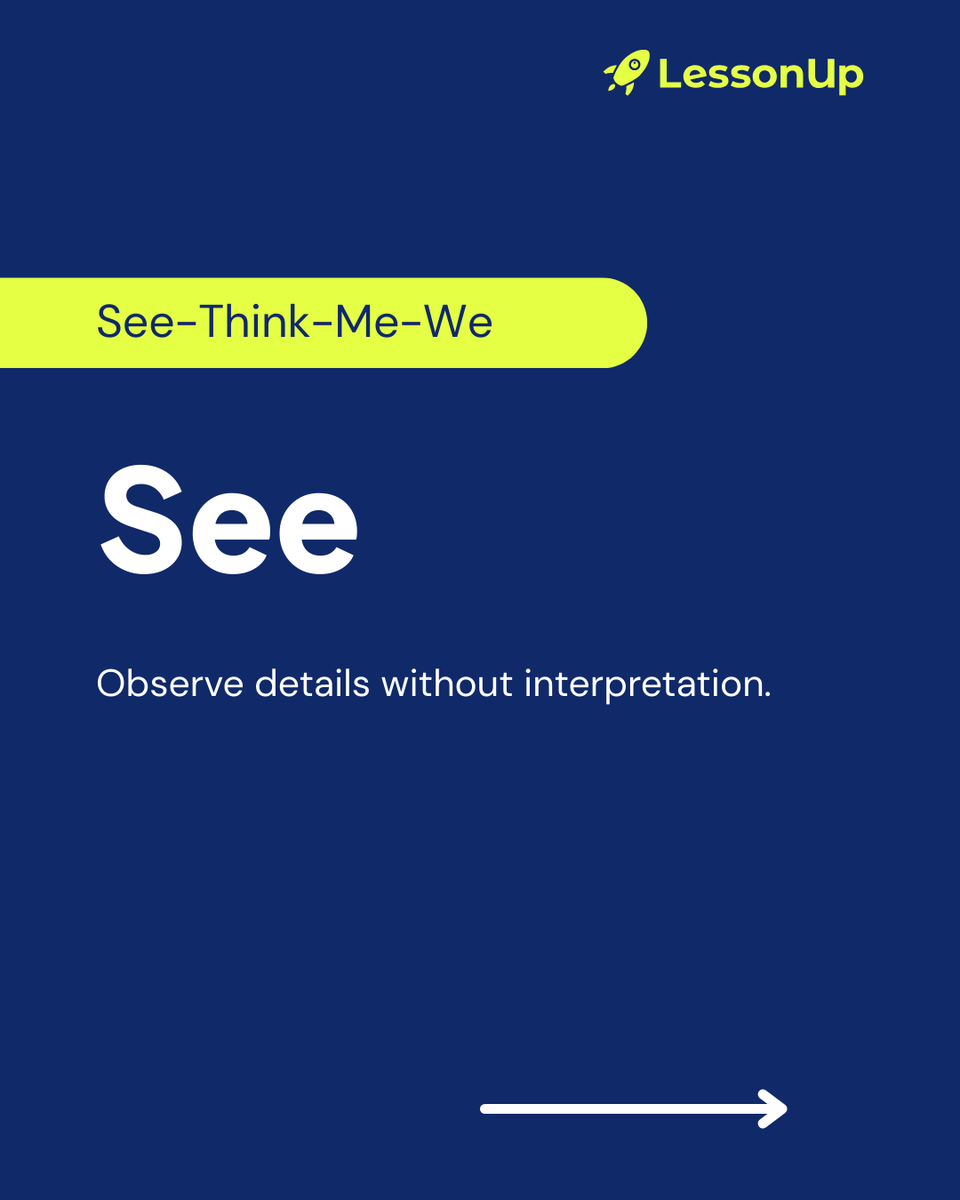
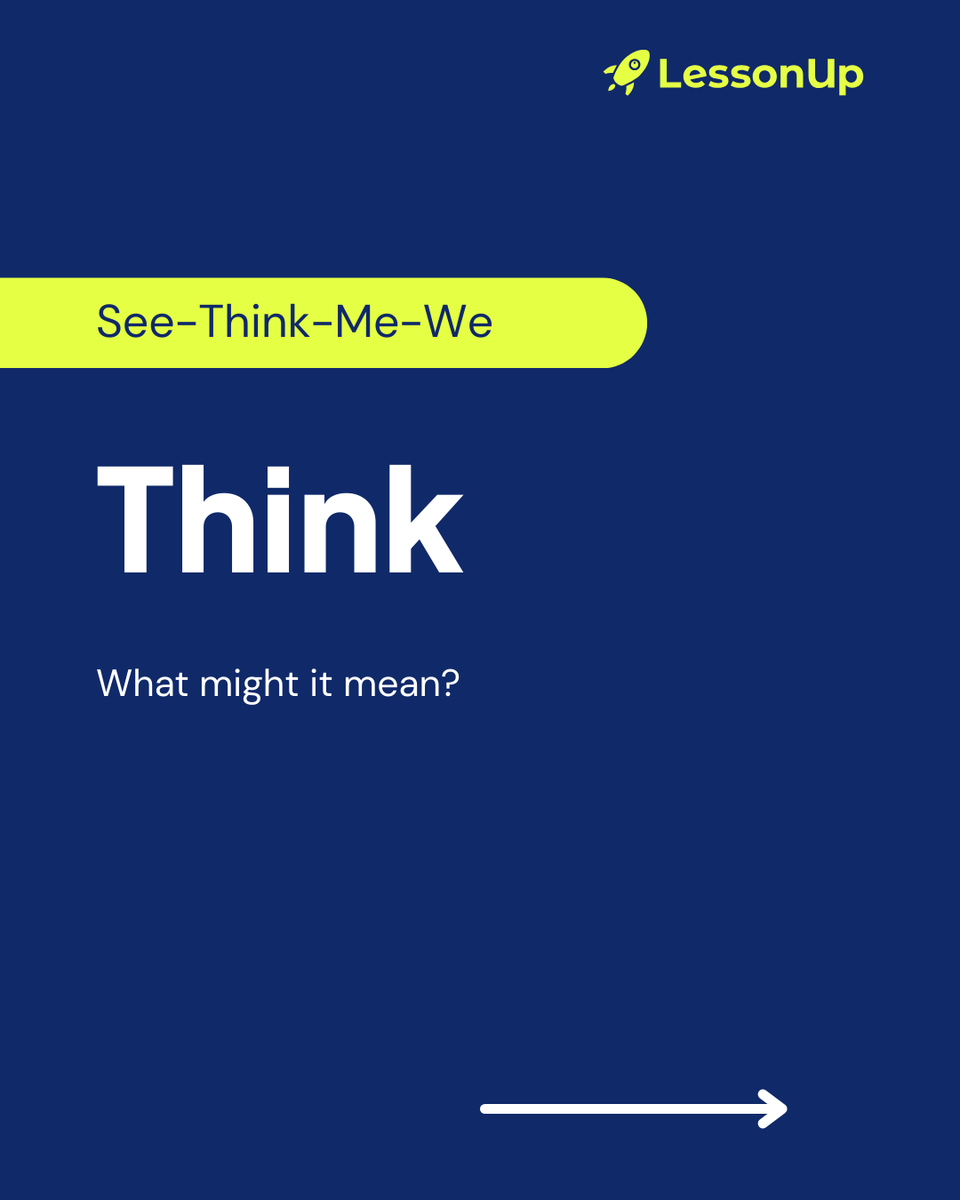
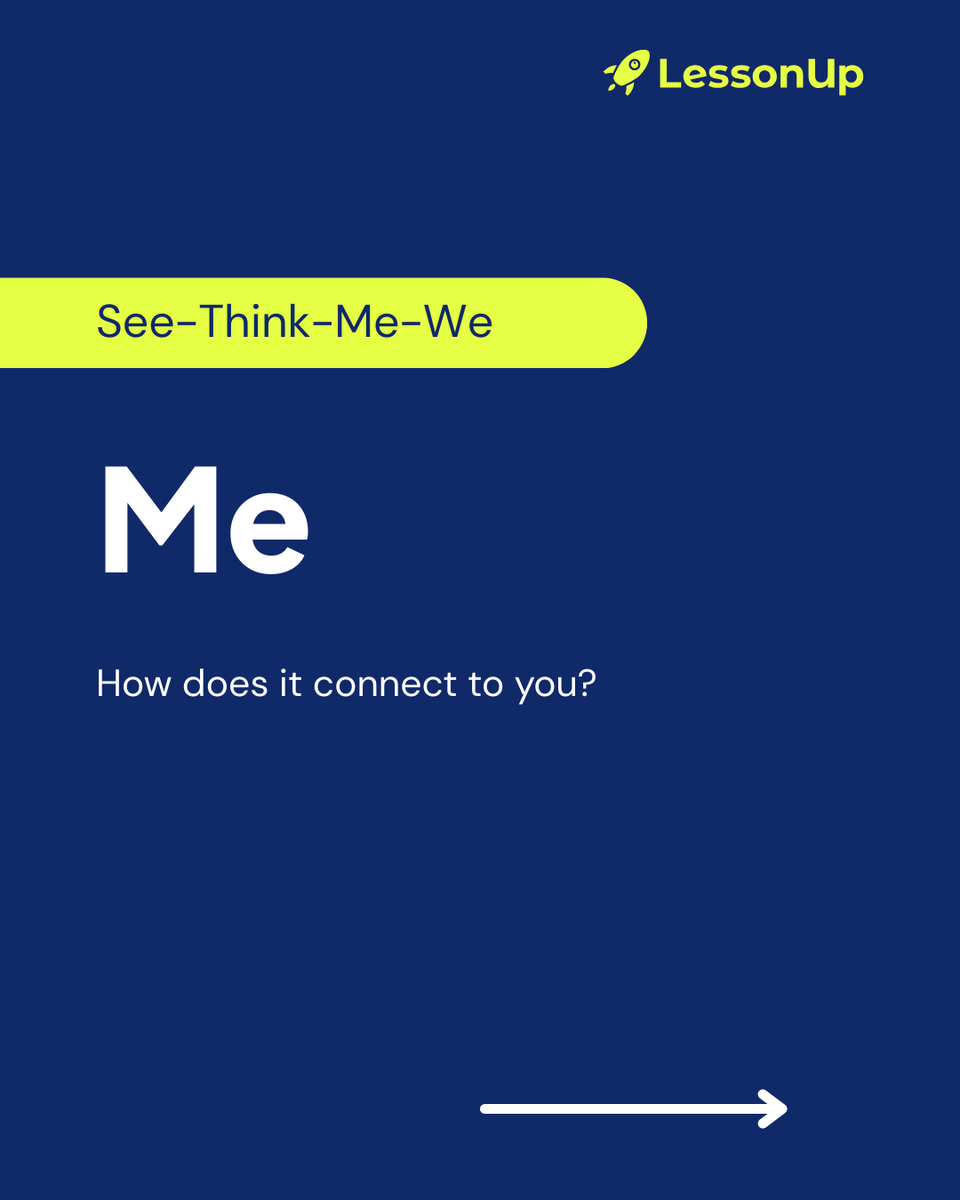
Here’s a simple way to build critical thinking, empathy, and discussion in any subject.
The See–Think–Me–We method is one of the most loved strategies in LessonUp’s library.
Save for later! eu1.hubs.ly/H0qFLLQ0

English
Some say that celebrating women one day a year is not enough: we should celebrate women every day. I have heard it said many times, especially by women. One day cannot hold the weight of laws, traditions, online harassment, pay gaps, and everyday bias.
But symbols matter.
We mark wars with memorial days. We mark independence. We mark religious events. Not because one day changes everything, but because memory needs anchors.
International Women’s Day is such an anchor.
It reminds us that what seems normal today was once controversial. Those rights we consider basic were once demanded, fought for, negotiated. That progress did not happen naturally or automatically. It happened because people insisted. Women and men.
And it reminds us that progress is not evenly distributed. While many women in our part of the world have access to education, work and political participation, this is not the global reality. Even here, equality on paper does not always mean equality in experience.
The conversation is not about blame. It is about awareness. About continuing to question the norms that still linger: in textbooks, in traditions, in jokes, in algorithms, in our own minds.
It is easy to say, “We are past that.”
History shows we rarely are.
Do we allow it to become symbolic only?
Or do we let it open a conversation, again and again?
Not because women need special treatment.
But because fairness requires attention.
And attention, sometimes, needs a date in the calendar.
Or a lesson in your classroom: eu1.hubs.ly/H0skBJM0
Some practical things you can keep doing as a teacher:
🔹 Notice who speaks and who doesn’t – Invite quieter students to answer questions by making them anonymous, so participation doesn’t always come from the same few.
🔹 Use examples that reflect diversity – in lessons, mention women as scientists, leaders and creators, not only as exceptions. This makes achievement feel attainable.
🔹 Rotate roles in group work – don’t let the same students always present or lead. Assign and switch roles (presenter, note-taker, discussion lead) so everyone practises.
You probably do these things already, and more. These are just some examples.
Practical steps are small. They are not revolutionary. But they can make a difference.
#InternationalWomensDay #EducationForEquality #TeachForEquality #WomenInEducation #EverydayEquality
English

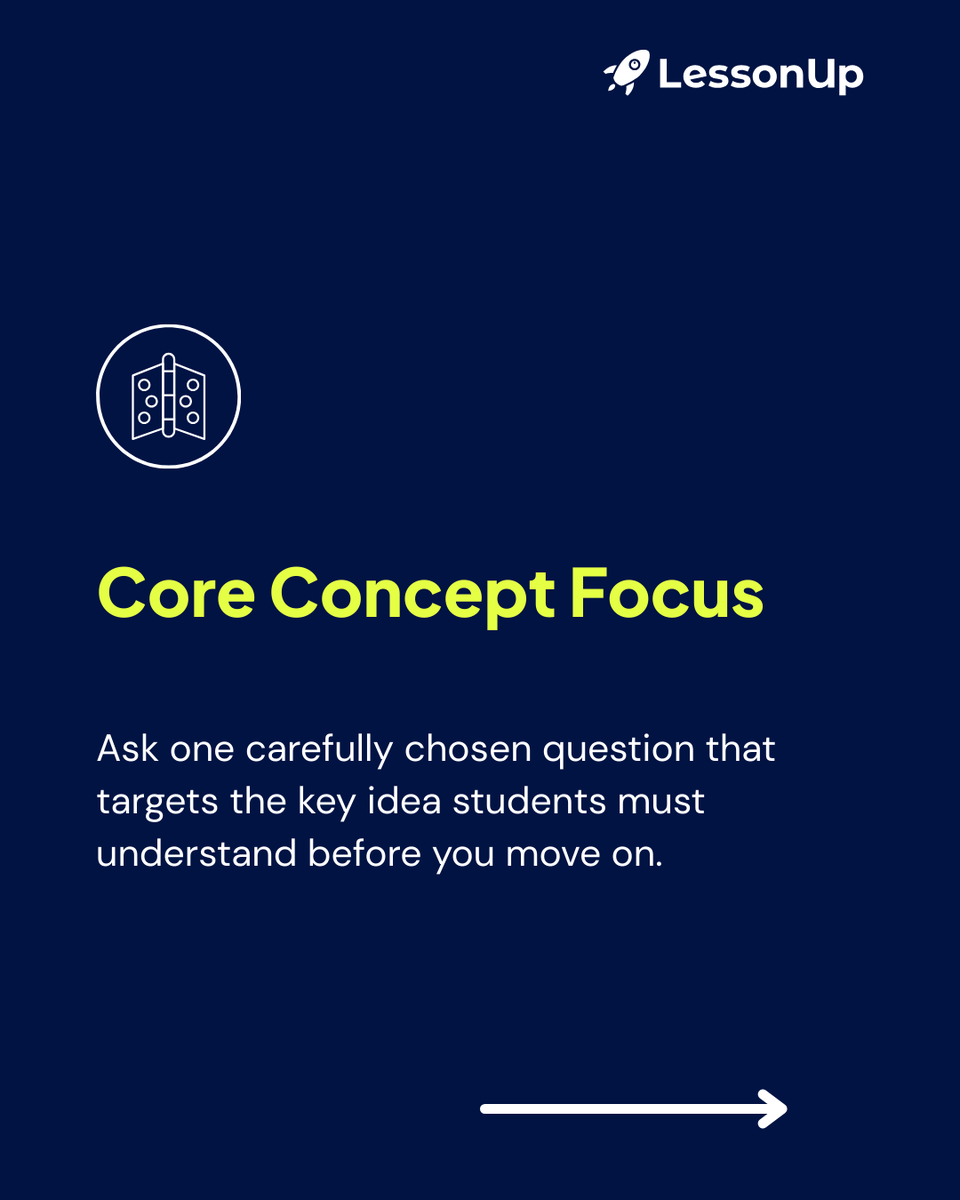
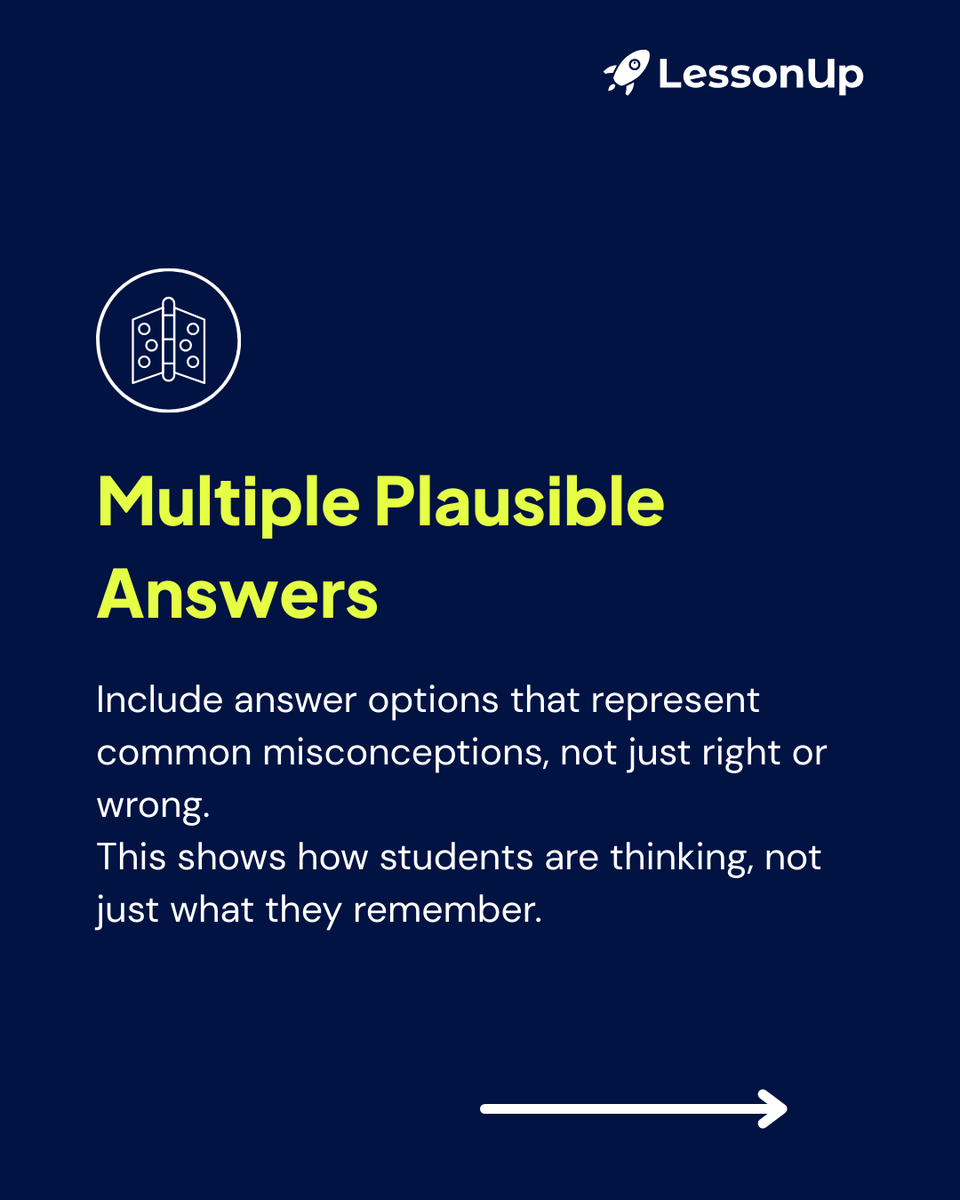
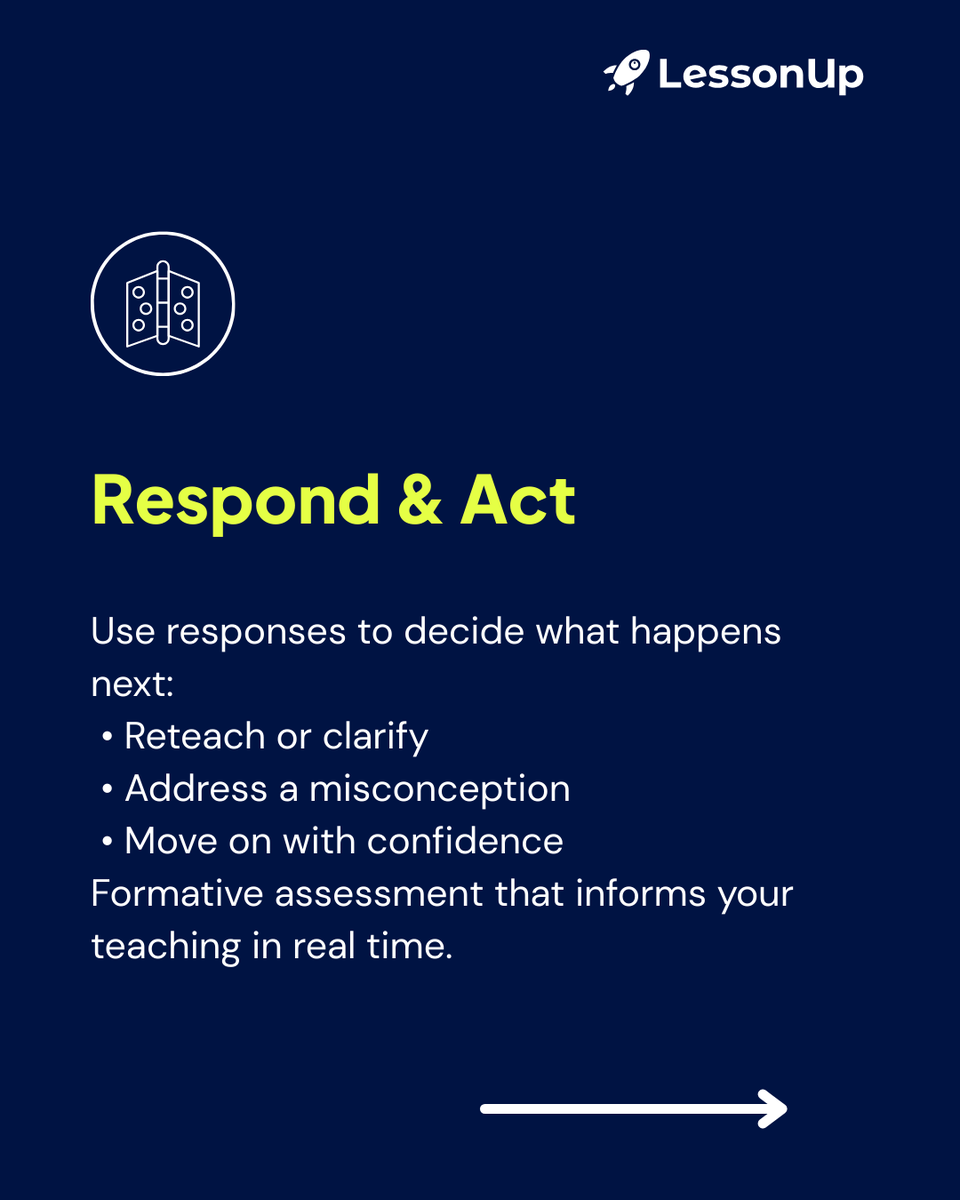

‘LessonUp has been game changing for us in the classroom, especially with regards to assessment for learning and participation. We can immediately check that we have 100% participation and check for understanding simultaneously. This tells us whether the students are engaged and what they know, so we know when to move on to the next task/topic and when to reteach.’
- Chris Thomas, Lead Teacher of Enterprise, Nottingham University of Samworth Academy

English