Dan retweetledi
Dan
44.8K posts

Dan
@LopezDan96
Pinolero por gracia de Dios| Fan del FC Barcelona💙❤️ | UCA | A veces soy tranquilo, pero ciertas veces respondo con sarcasmo | AAMS ❤️
Katılım Aralık 2013
710 Takip Edilen216 Takipçiler
Dan retweetledi
Dan retweetledi
Dan retweetledi
Dan retweetledi
Dan retweetledi

No te gustará Saberlo.
GODINISMO@GODINISMO93
Alguien sabría decirme por qué Cristiano en España ganó más champions que ligas?🤔
Español
Dan retweetledi
Dan retweetledi
Dan retweetledi
Dan retweetledi

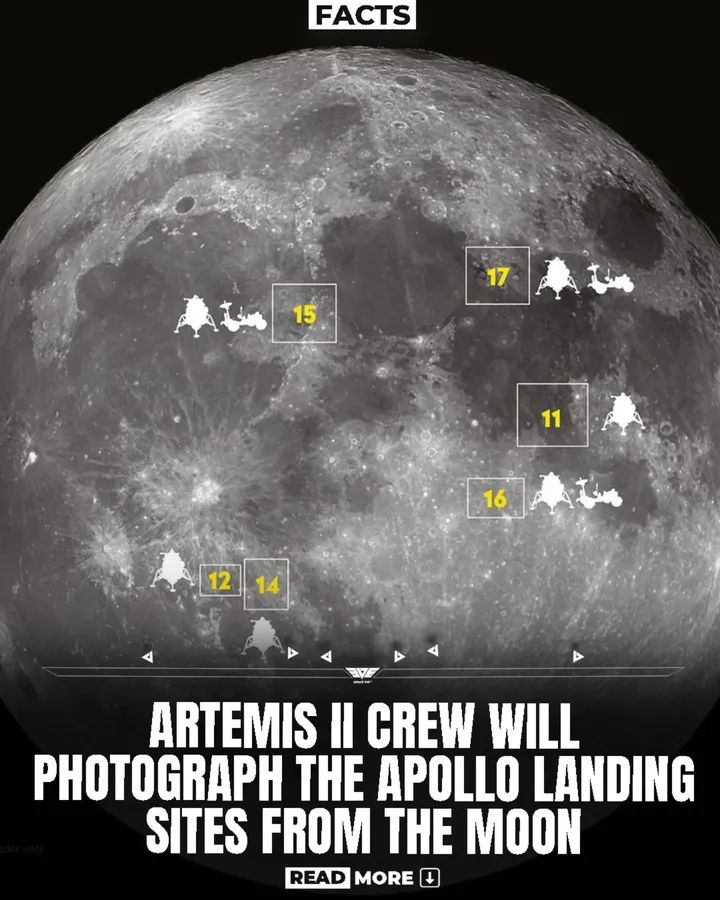
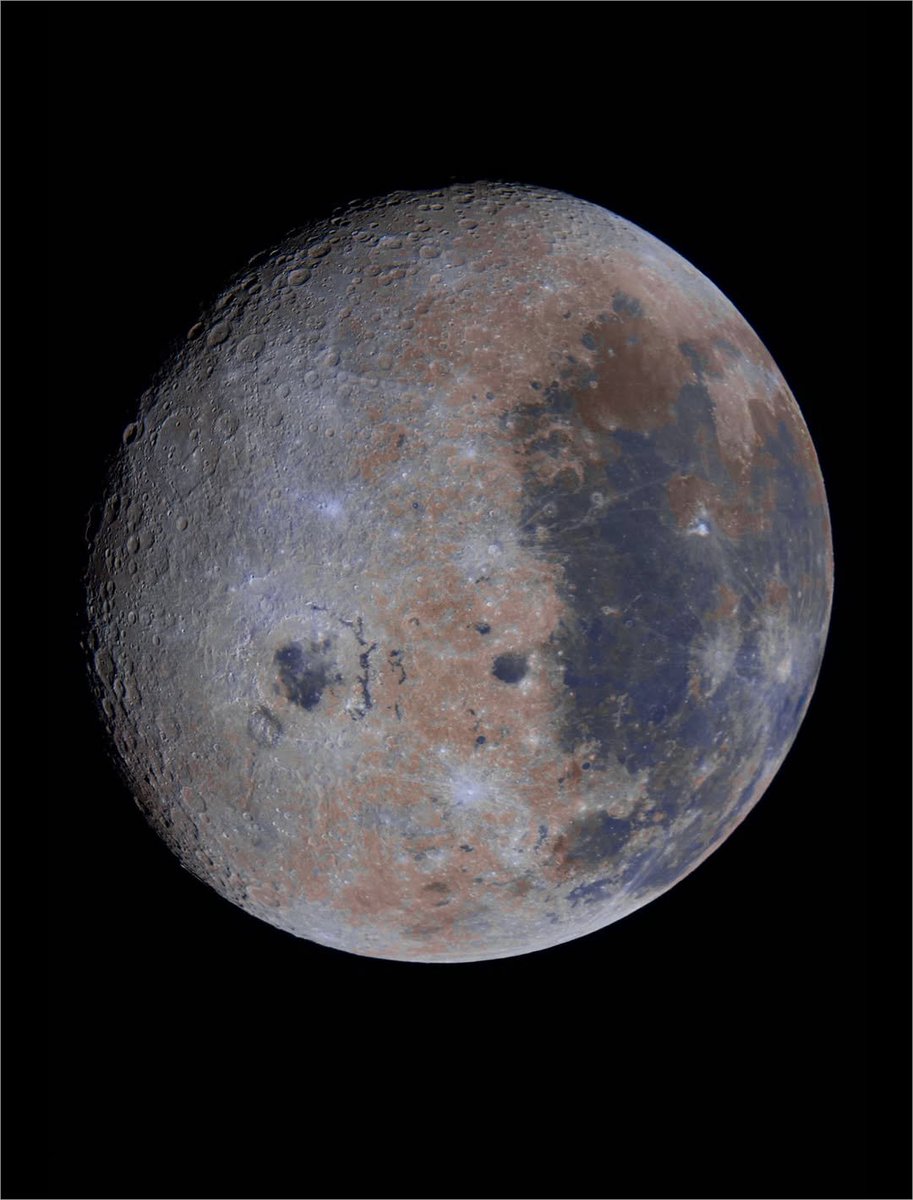
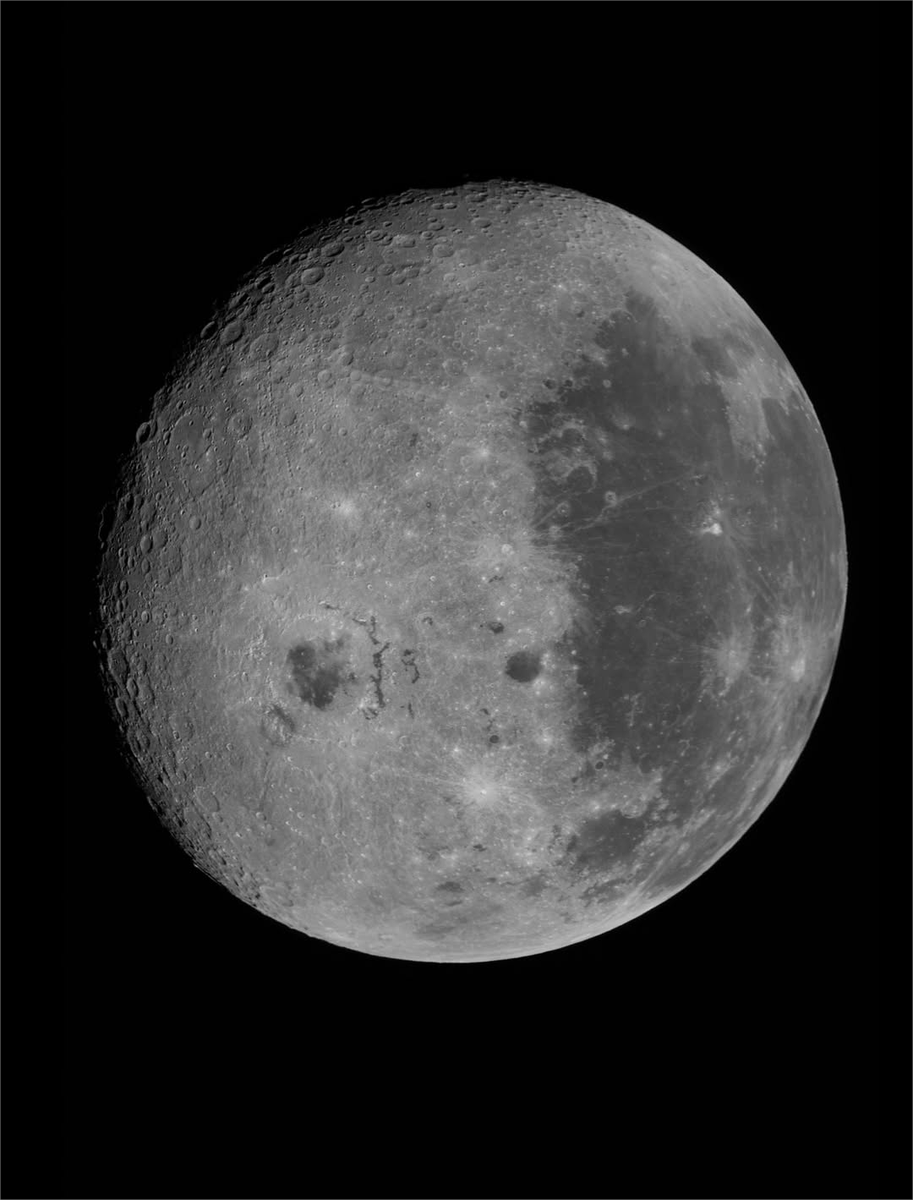
... it's a profound moment of continuity in human space exploration. During today's lunar flyby (April 6, 2026), the Artemis II crew—Commander Reid Wiseman, Pilot Victor Glover, Mission Specialist Christina Koch, and Mission Specialist Jeremy Hansen—is conducting a several-hour observation campaign from the Orion spacecraft. As they swing around the Moon at a closest approach of roughly 4,000–4,700 miles (much higher altitude than the Apollo missions' ~60–70 miles), they will photograph and verbally describe key lunar features, including the Apollo 12 and Apollo 14 landing sites early in the illuminated viewing window...
... represent humanity's first extended stays on the Moon (Apollo 12 in 1969 near the Ocean of Storms, Apollo 14 in 1971 in the Fra Mauro formation). The crew won't get the ultra-close-up views that orbital missions like the Lunar Reconnaissance Orbiter provide, but from their trajectory, they'll capture broader contextual images under specific lighting conditions that connect the Apollo era directly to the Artemis program—the bridge to sustained lunar presence and eventual landings near the south pole.The observation plan includes ~35 geological targets overall, such as:The Orientale Basin (already imaged by the crew en route, marking the first time the full basin has been seen with human eyes)
Potential future landing zones like the Reiner Gamma swirl
Edges of the South Pole-Aitken basin
The astronauts work in rotating pairs, using handheld cameras (including Nikon D5 DSLRs) to take photos and provide real-time descriptions to scientists on the ground. This isn't just nostalgia—it's practical science: refining our understanding of lunar terrain, lighting, and features for Artemis III and beyond, while also attempting to recapture iconic perspectives like a new "Earthrise."
The flyby is happening in real time as we speak, with the crew already breaking the Apollo 13 distance record from Earth earlier today and now providing live observations during the ~6-hour window when Orion's windows are optimally pointed at the Moon. It's a poetic loop: the same humans who first left low Earth orbit in the 1960s/70s are now being revisited by a diverse new crew testing the next-generation spacecraft.

English
Dan retweetledi
Dan retweetledi

We're going farther than ever before 🚀
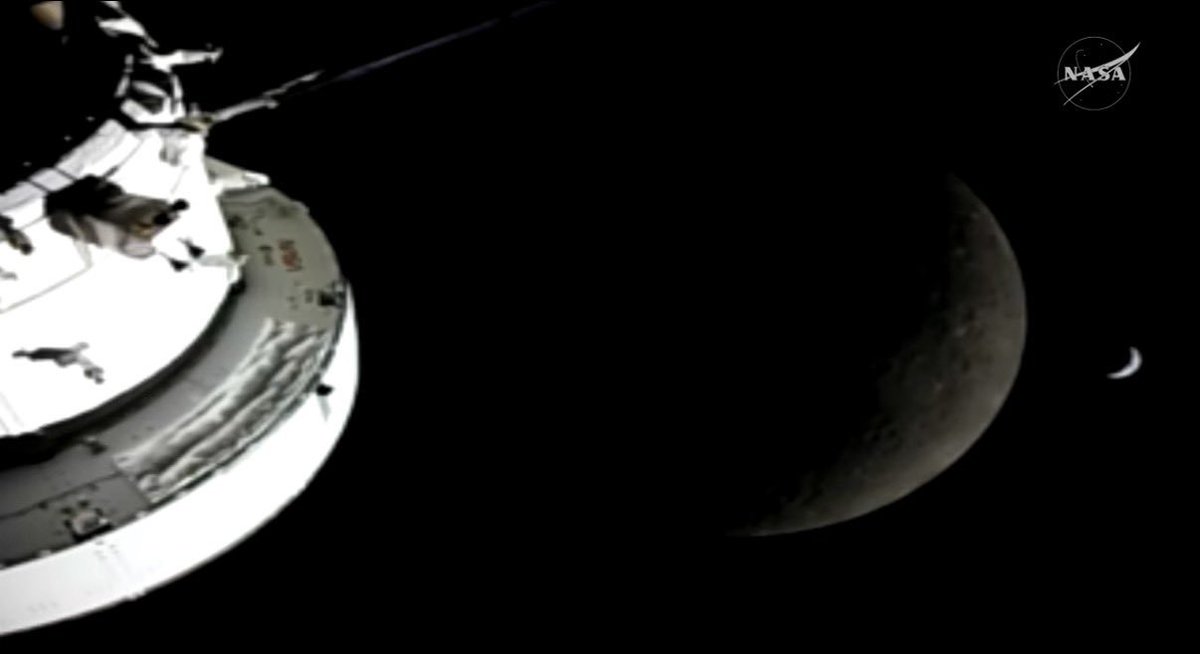
Today, the Artemis II crew will break the record for how far humans have traveled from Earth as they fly around the far side of the Moon.
Coverage begins at 1 p.m. EDT (1700 UTC). Watch Artemis II make history: nasa.gov/ways-to-watch/
English
Dan retweetledi
Dan retweetledi
Dan retweetledi
Dan retweetledi
Dan retweetledi

Dan retweetledi
Dan retweetledi
Dan retweetledi

LO ÚLTIMO: La NASA perdió comunicación con la tripulación de Artemis II debido al bloqueo temporal al pasar por la cara oculta de la Luna.
El centro de control estima que la señal se restablecerá en aproximadamente 40 minutos. Durante este periodo no habrá comunicación de voz ni datos con la nave Orion.
Antes de perder contacto, el astronauta Victor Glover envió un mensaje: "Seguiremos sintiendo vuestro amor desde la Tierra… los amamos desde la Luna".
Es la primera vez en más de 50 años que seres humanos quedan completamente incomunicados desde el espacio profundo.

Español