
Veronica retweetledi
Veronica
1.1K posts

Veronica retweetledi

Veronica retweetledi

The Mother Armenia Monument, located in Victory Park in Yerevan, Armenia.
English
Veronica retweetledi
Mynah Birds, Sparrows, and Nandina in Show, formerly attributed to Kumashiro Yuhi, mid 19th century

English
Veronica retweetledi

Veronica retweetledi
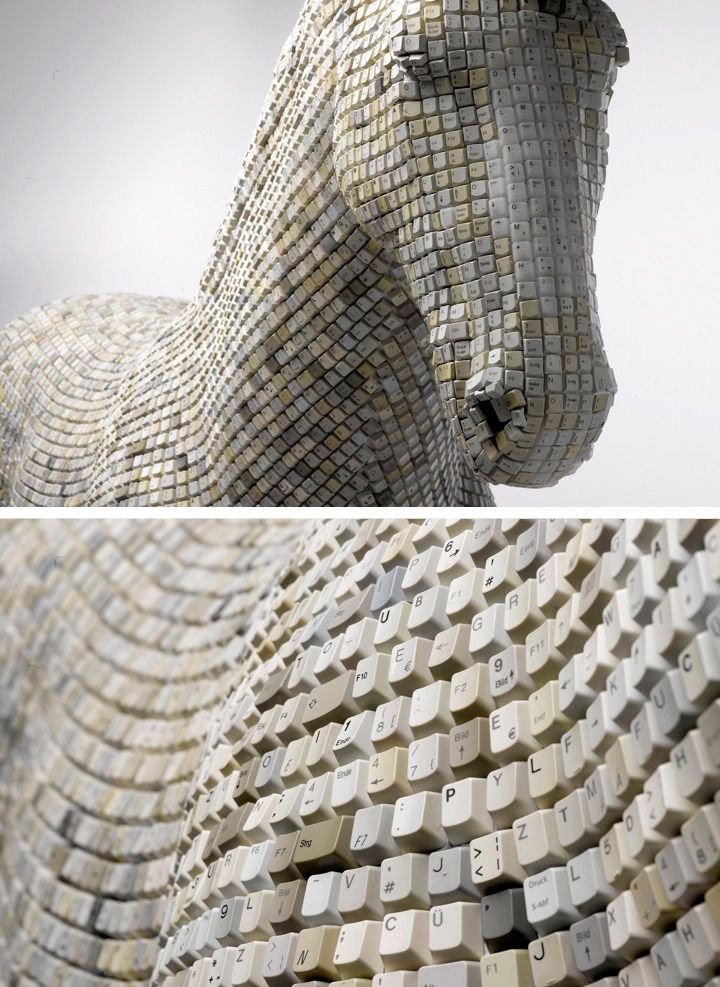
This artwork is titled Hedonism(y) Trojaner, a life-sized sculpture of a rocking horse created by Greek artist Babis Panagiotidis.
English
Veronica retweetledi

Golden Tumi (900-1100 CE); belonged to Lambayeque (Sicán), is the most cherished object that immediately constituted itself in a paradigm of the metalurgy of ancient Peru, was identified as "Tumi de dellimo" or "Tumi de Lambayeque"....
Tumi is a type of ceremonial knives with semicircular blades. Known on the Peruvian coast since 3rd Century BC, they often appear in Moche iconography (100-700 CE), where they are used to cut the throat of sacrificial victims. Tumi frequently used by the Sicán Cultures (750-1375 CE), considered as the culture from where the most elaborate tumis were found so far. Tumis were also recently found in situ in the tombs of high-status Moche and Sicán individuals. Sicán tumis such as this one were exquisitely crafted by skilled metallurgists mastering techniques of repoussé, soldering, and filigree. Later, Chimú (900-1465 CE) and Inca (1438-1572 CE), used Tumi in their ceremonial and sacrificial rituals.
It is made up of a single piece. Mango is rectangular or trapezoidal shape and cutting blade is semi-circular. The center part would represent the mythical god Naylamp. It sometimes had turquoise-like semi-precious stones encrusted. These sacred ornaments were used in ceremonies even in the field of medicine, in cutting and extraction of damaged parts of the skull. Handle is inlaid with turquoise and takes the shape of Sicán Lord with characteristic crescent headdress, comma-shaped eyes and pointed ears. Sicán Lord is often interpreted as ñaymlap, mythical founder of the Sicán dynasties, described in a 16th Century CE, Spanish Chronicle.
(36.2 × 15.9 × 4.1cm)
Gold Museum of Peru
#archaeohistories

English
Veronica retweetledi

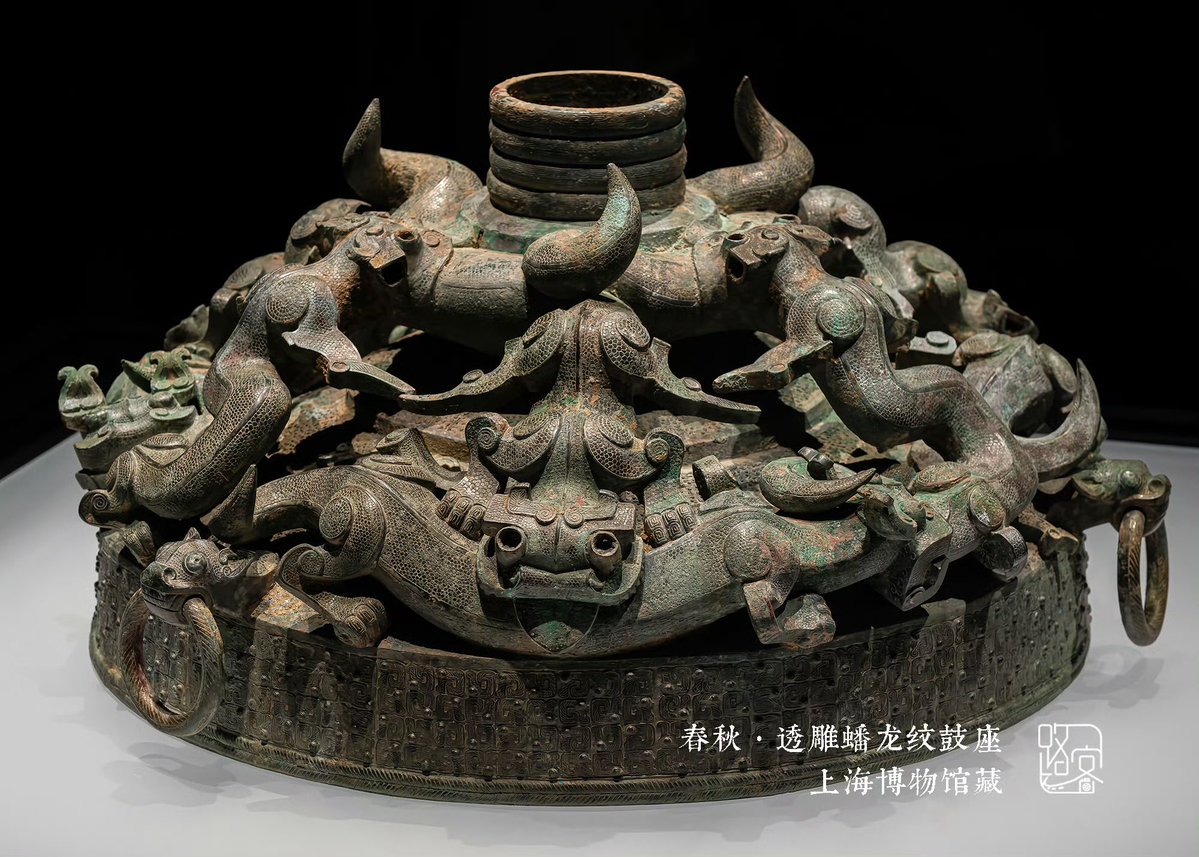
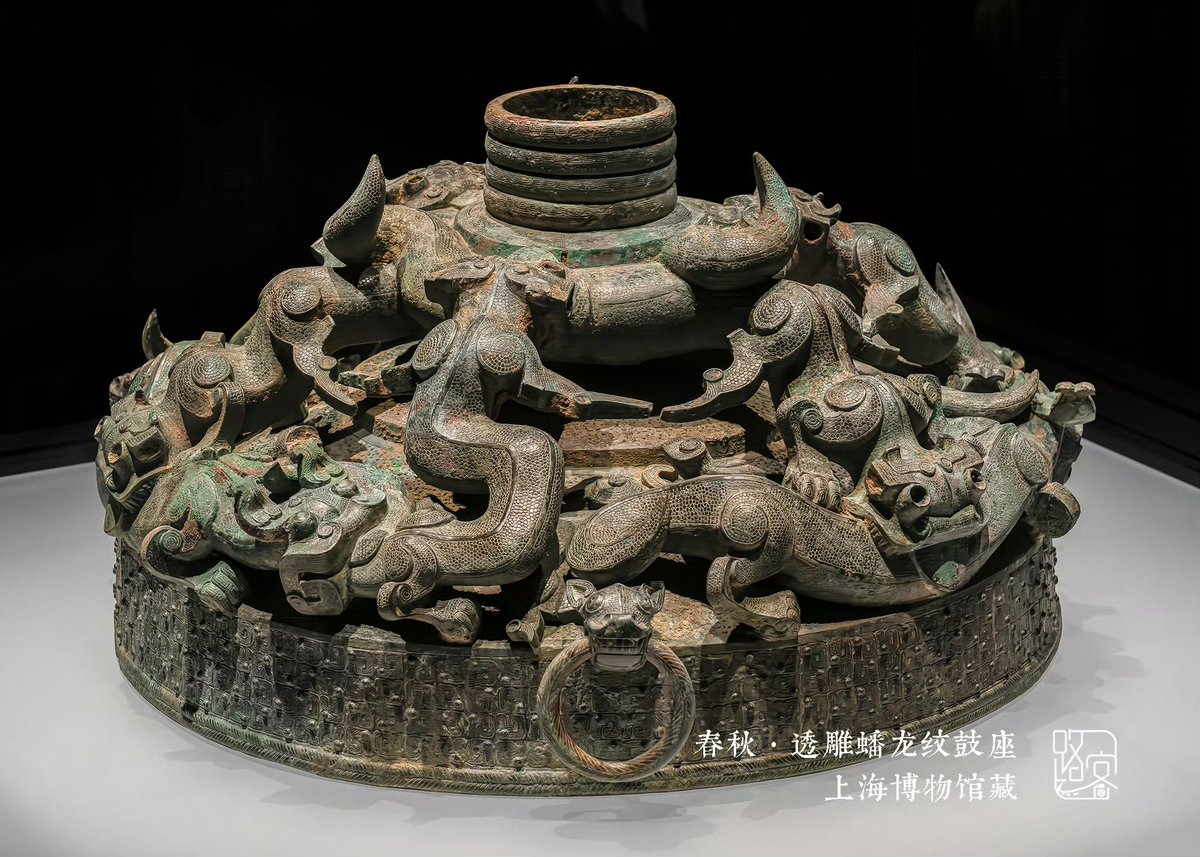
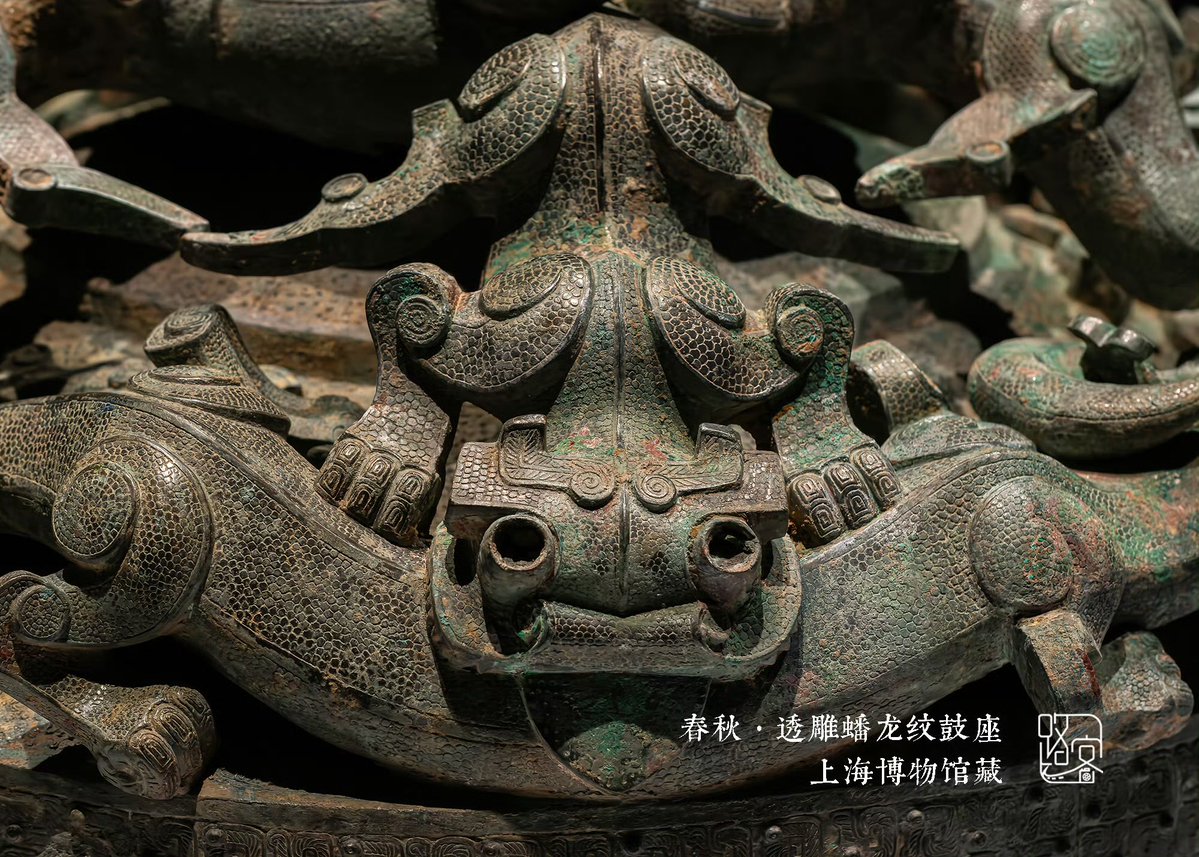
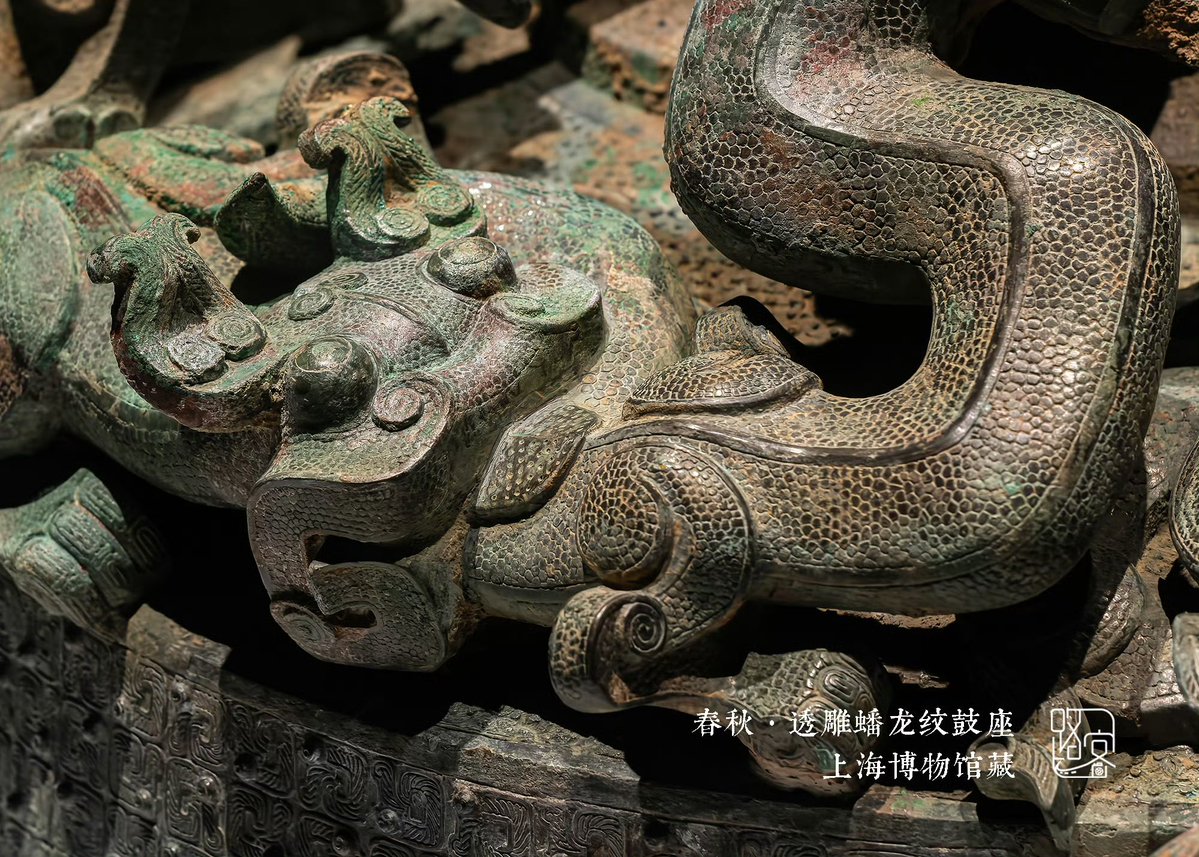
Drum Stand with Openwork Coiled Dragon Design, Late Spring and Autumn Period
春秋晚期透雕蟠龙纹鼓座
📷路客看见
中文
Veronica retweetledi
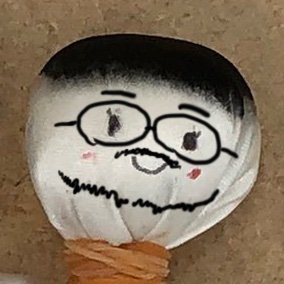
#ナラメモリ のデータを追加しました。
naramemory.jp
やたら慌ただしい日々で久々の更新です。
長谷寺 木造十一面観音立像(本堂安置)暴悪大笑面になります。
私の顔の1.5倍くらいの大きさです。
正面からのお顔は当時の制作者くらいしか見てないのかもしれませんね。


日本語
Veronica retweetledi

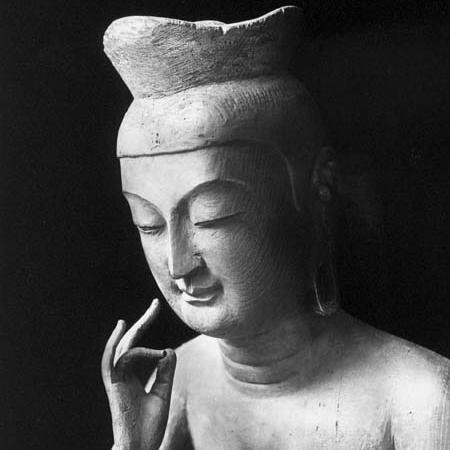
일본 나라국립박물관 불상관에는 멋진 사자상이 있다. 용맹하고 근엄해보이면서도 약간 맹해보이는 순둥이 얼굴도 있근 사자. 등에는 문수보살상이 올라가있었다한다. 일본 가마쿠라 시대 13세기.


한국어
Veronica retweetledi


Veronica retweetledi

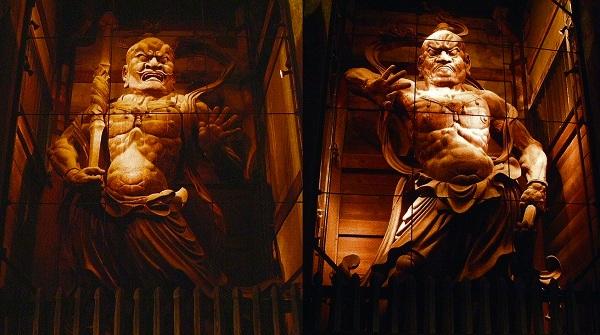
Veronica retweetledi

Chinese mythology is actually quite well-known in Korea😺
These are Four Symbols (四象) in Chinese myth:
青龍/qinglong, guardian of the East, associated with spring and the element of wood. symbolizes growth, vitality, and renewal.
#ChineseArt
#ChineseCulture

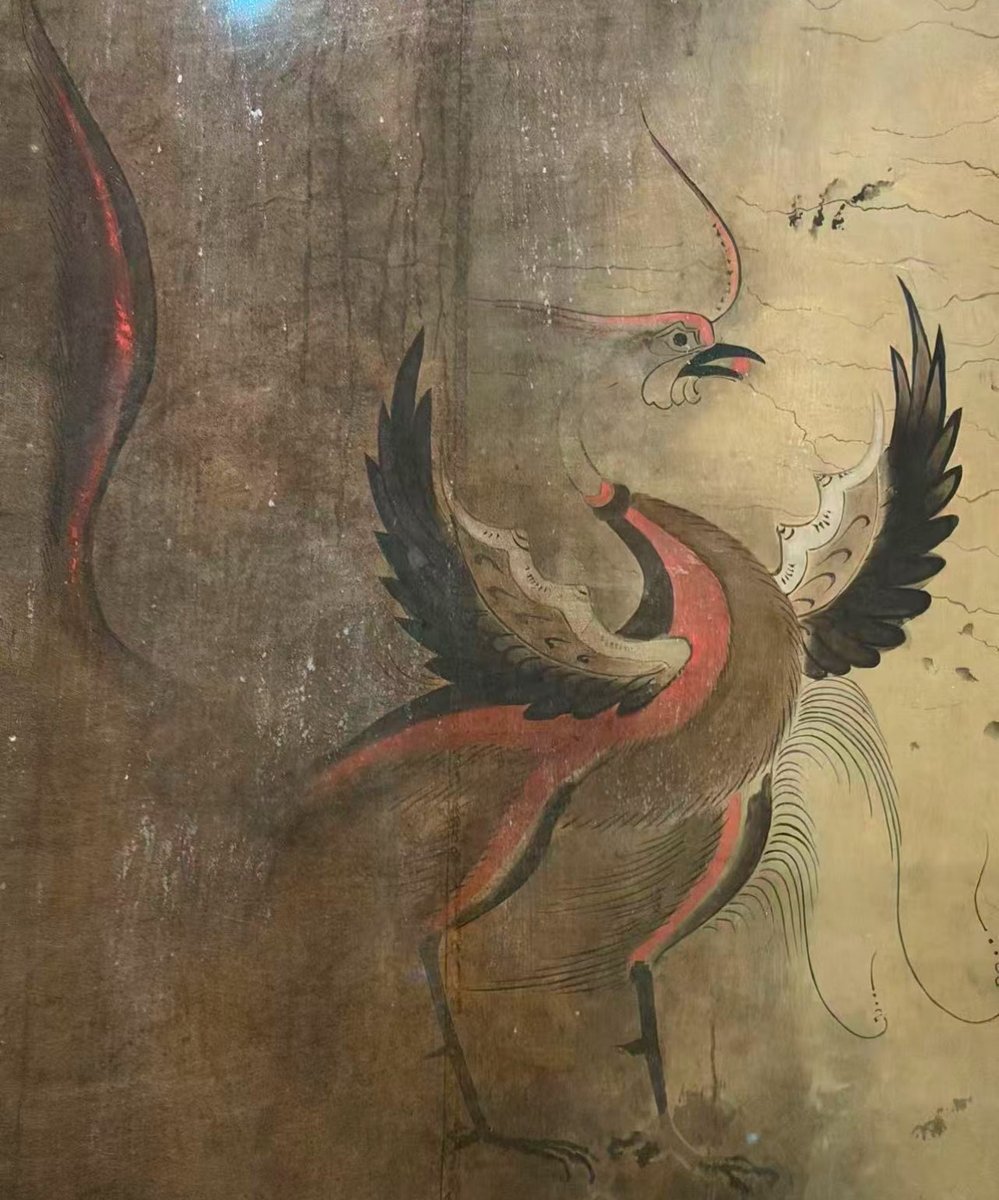
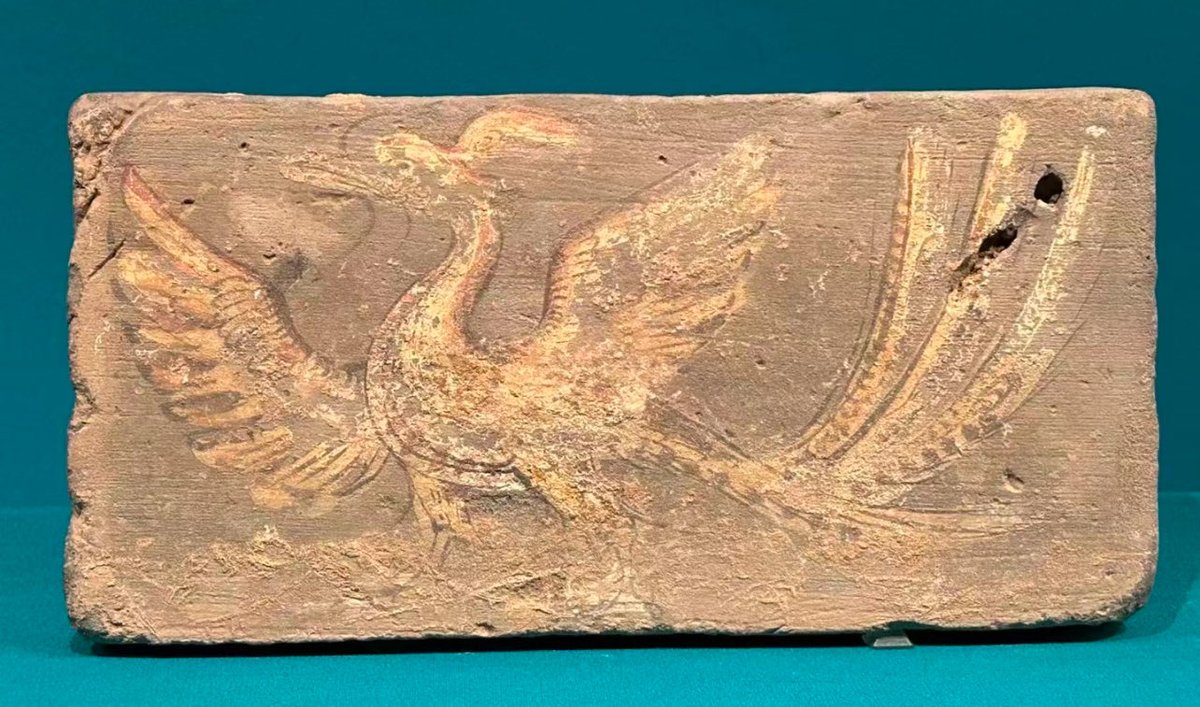
바포메트@goatia666
한국 요괴는 아니고, 한국에서도 유명한 동양의 신수들을 그리기도 했습니다. 다른 한국 요괴들보다도 이쪽에 더 손이 갔던 기억이 나네요.
English
Veronica retweetledi

"A base é a Vacuidade
O Caminho não tem características,
e o resultado está além da Aspiração."

Português
Veronica retweetledi

Veronica retweetledi


Veronica retweetledi
A decorative silver container, likely a Burmese silver bowl or a similar ornate jar, featuring intricate repoussé work.
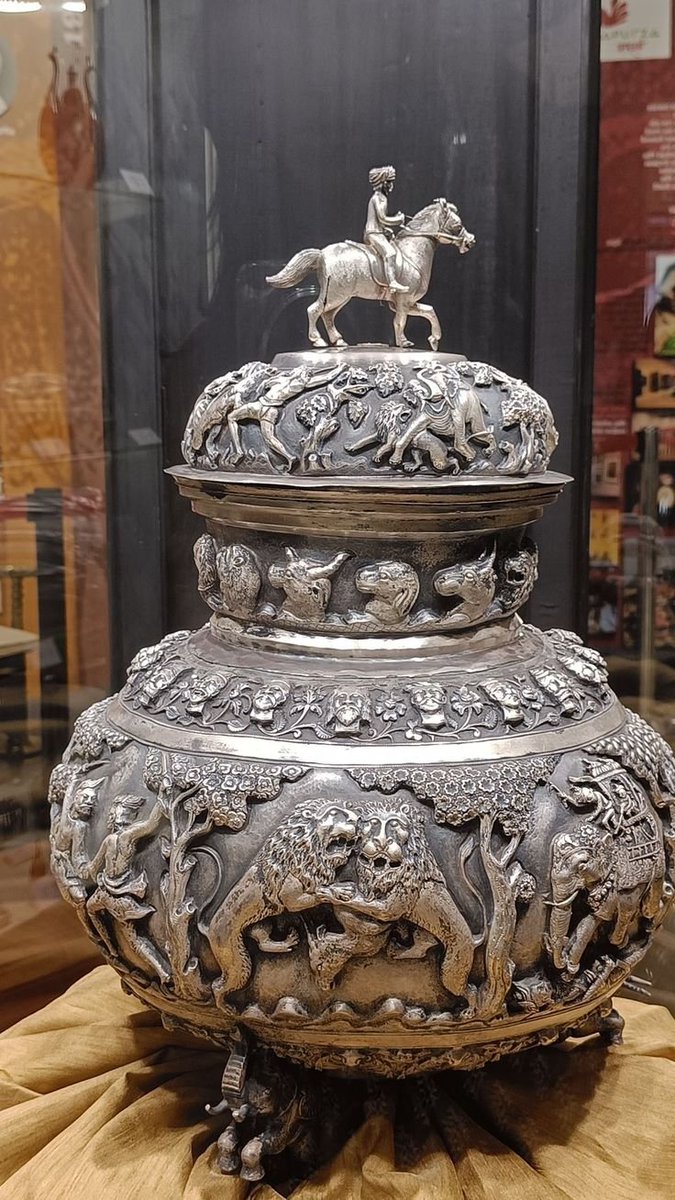
English
Veronica retweetledi

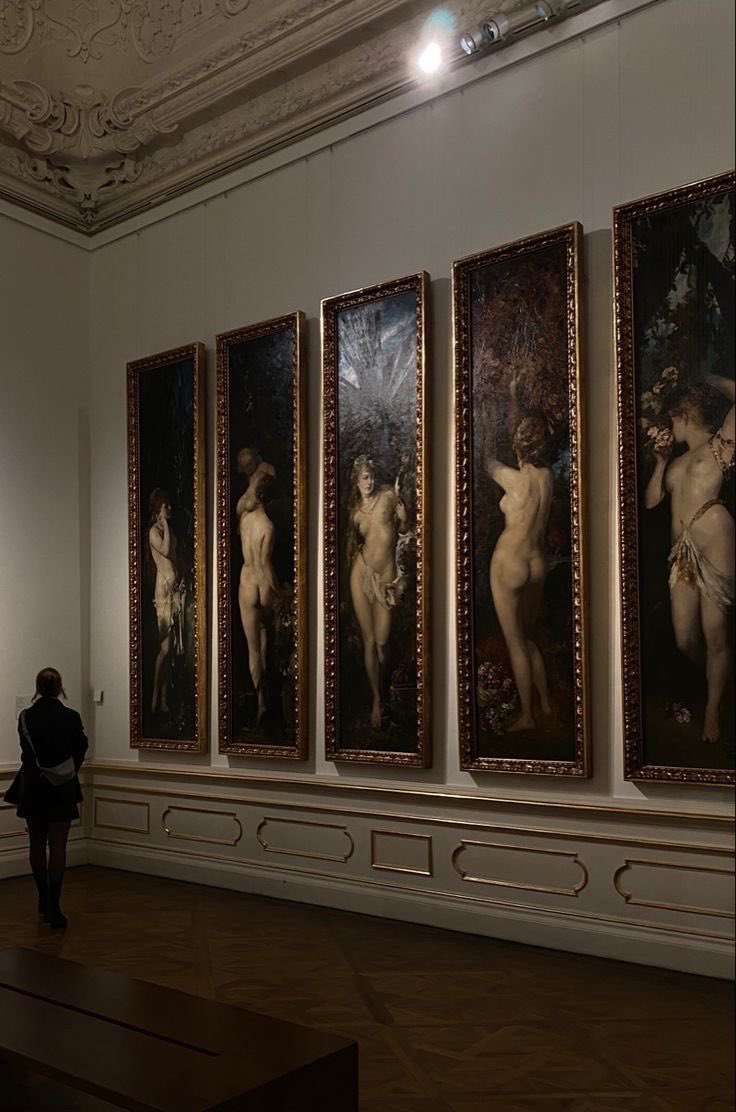
Veronica retweetledi

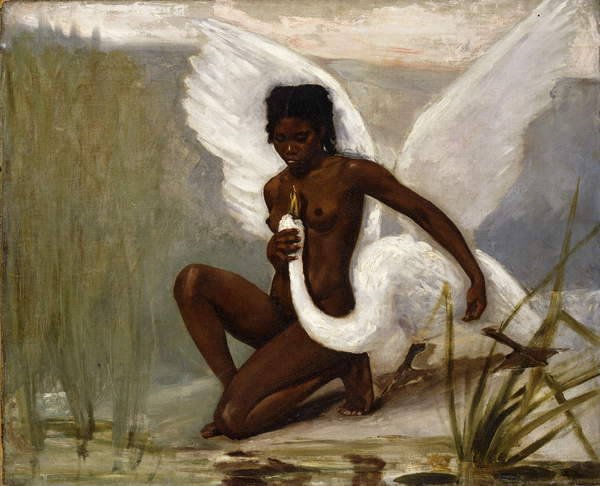
Leda et le cygne, painting by Henri-Paul Motte, 1900
Eesti
Veronica retweetledi

Died on this day, April 11/28, 1925:
Jan Styka (Polish)
Temptations, 1906

English