Mrs Mace’s Class retweetledi
Mrs Mace’s Class
2.4K posts

Mrs Mace’s Class
@MaceClassLDSB
We are a junior (Gr 4-6) @LimestoneDSB Learning Disabilities Program class, based @OdessaPS_LDSB and we will use this account to share our learning.
Kingston, Ontario Katılım Ağustos 2019
1.1K Takip Edilen507 Takipçiler
Mrs Mace’s Class retweetledi

Mrs Mace’s Class retweetledi
Mrs Mace’s Class retweetledi

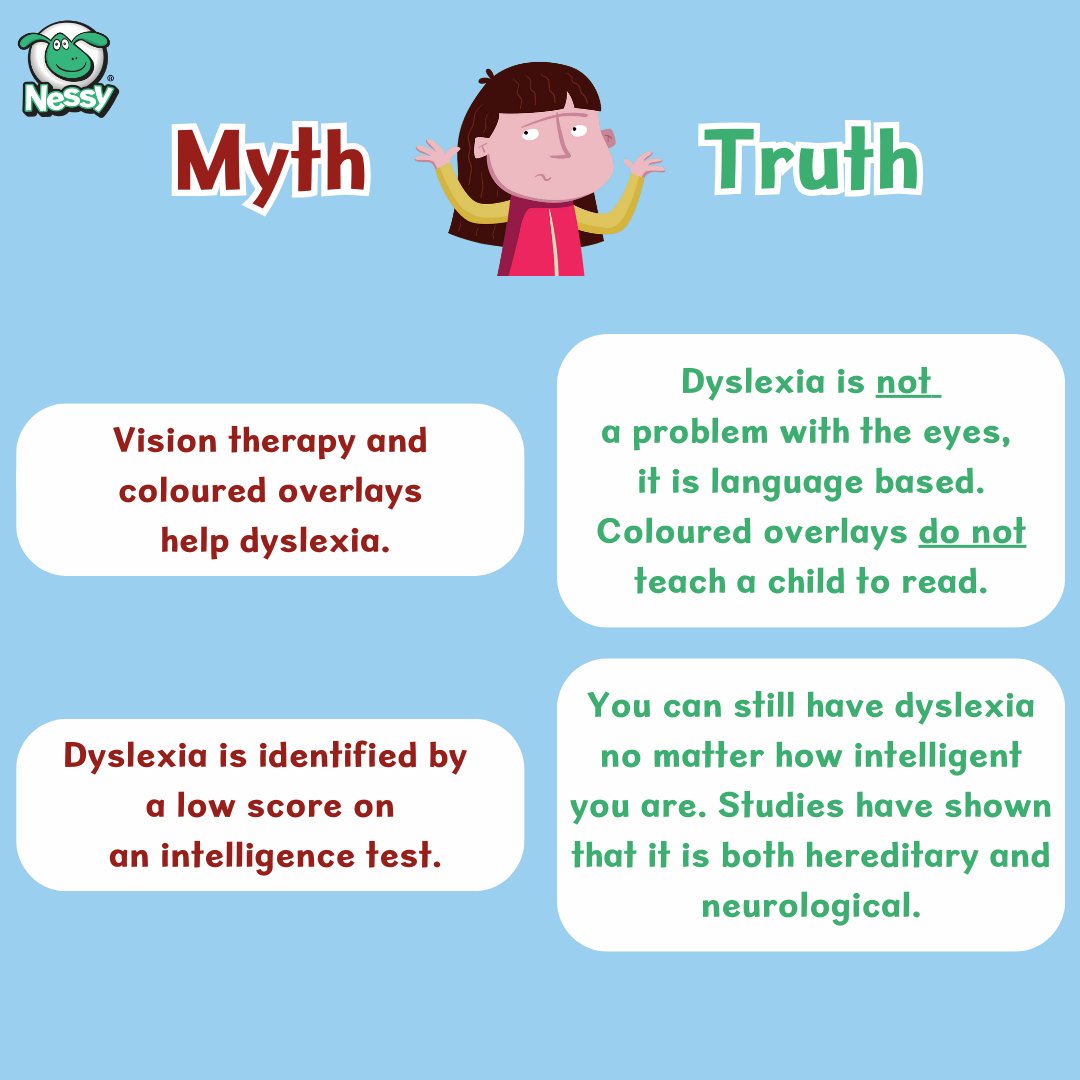
There are lots of misconceptions about dyslexia. Here are 4 of the most common dyslexia myths!
Want to learn more? Visit nessy.com for free resources and articles to help your understanding of dyslexia.
#Dyslexia #Neurodiversity #DyslexiaResources



English
Mrs Mace’s Class retweetledi

Let's continue to #TalkAboutMentalHealth. Class Conversation Starters can help support discussions with students about caring for their mental health and seeking support. Check out our new version about stress, with simplified text & visuals.
smho-smso.ca/online-resourc…
English
Mrs Mace’s Class retweetledi

Why should reading levels be reconsidered?
Learn the who, what, when, and how of different purposes for assessment: screening, diagnostic, progress monitoring, and outcome evaluation.
Get the resource onlit.org/resource/recon…

English
Mrs Mace’s Class retweetledi
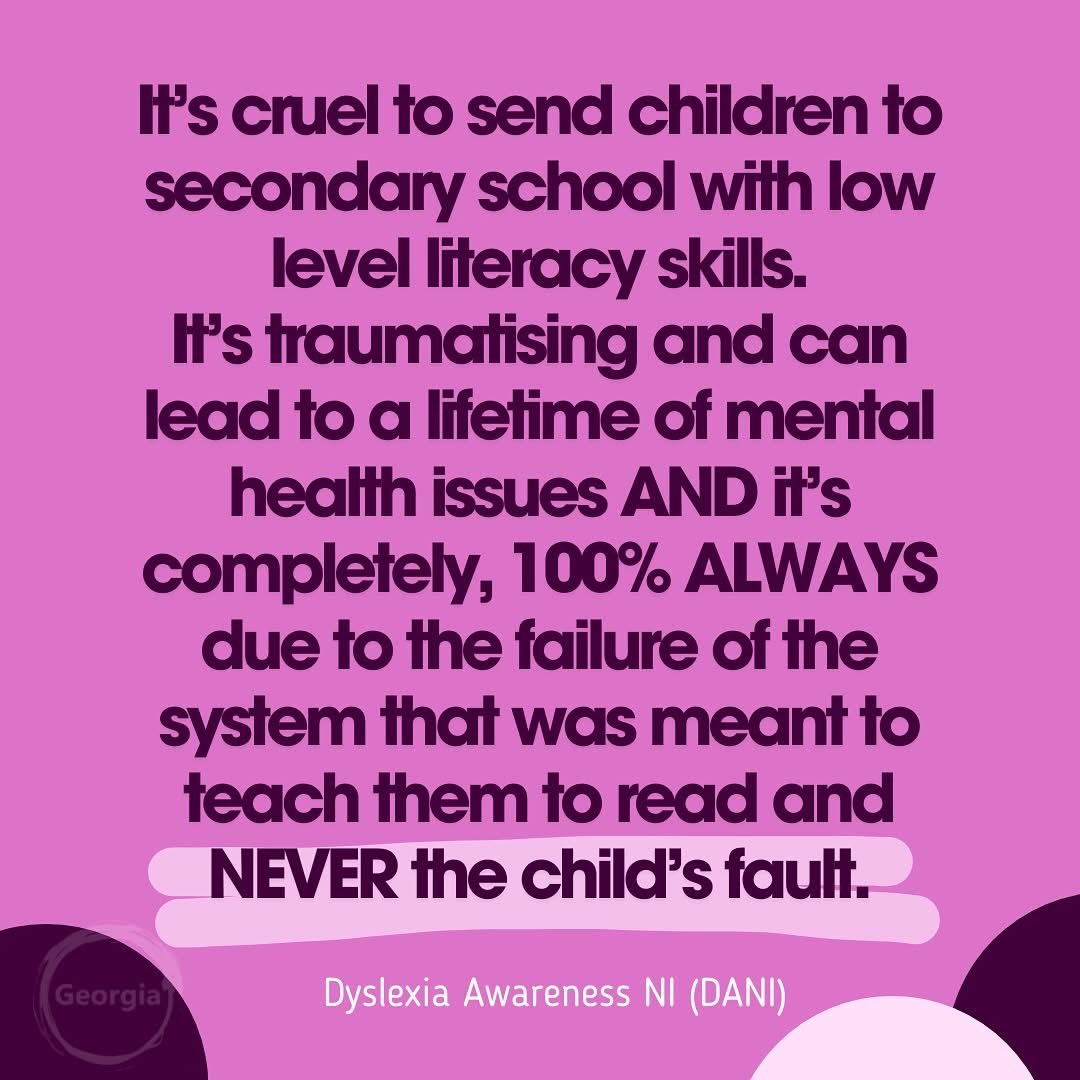
By the end of kindergarten, a child who struggles with reading has experienced failure for about 180 days.
By the end of the first grade, a child who struggles with reading has experienced failure for about 360 days.
By the end of the 2nd grade, a child who struggles with reading has experienced failure for about 540 days.
By the end of the 3rd grade, a child who struggles with reading has experienced failure for about 720 days.
By the end of the 4th grade, a child who struggles with reading has experienced failure for about 900 days.
By the end of the 5th grade, a child who struggles with reading has experienced failure for about 1080 days.
By the end of the 6th grade, a child who struggles with reading has experienced failure for about 1260 days.
By the end of the 7th grade, a child who struggles with reading has experienced failure for about 1440 days.
By the end of the 8th grade, a child who struggles with reading has experienced failure for about 1620 days.
By the end of the 12th grade, a child who struggles with reading has experienced failure for about 2340 days.
Can you imagine the anxiety, depression, the self-esteem issues that come from this repeated, constant, daily agonizing message that they don't measure up? That would be hard for any adult to manage and cope with and here we are talking about kids. Our kids.
Let's never forget that they don't struggle with reading or lose hope because they want to, but because more often than not the system has failed them over and over. It is up to us, to maintain the learning standard and rigor, while we help them rise to it.
English
Mrs Mace’s Class retweetledi
Mrs Mace’s Class retweetledi

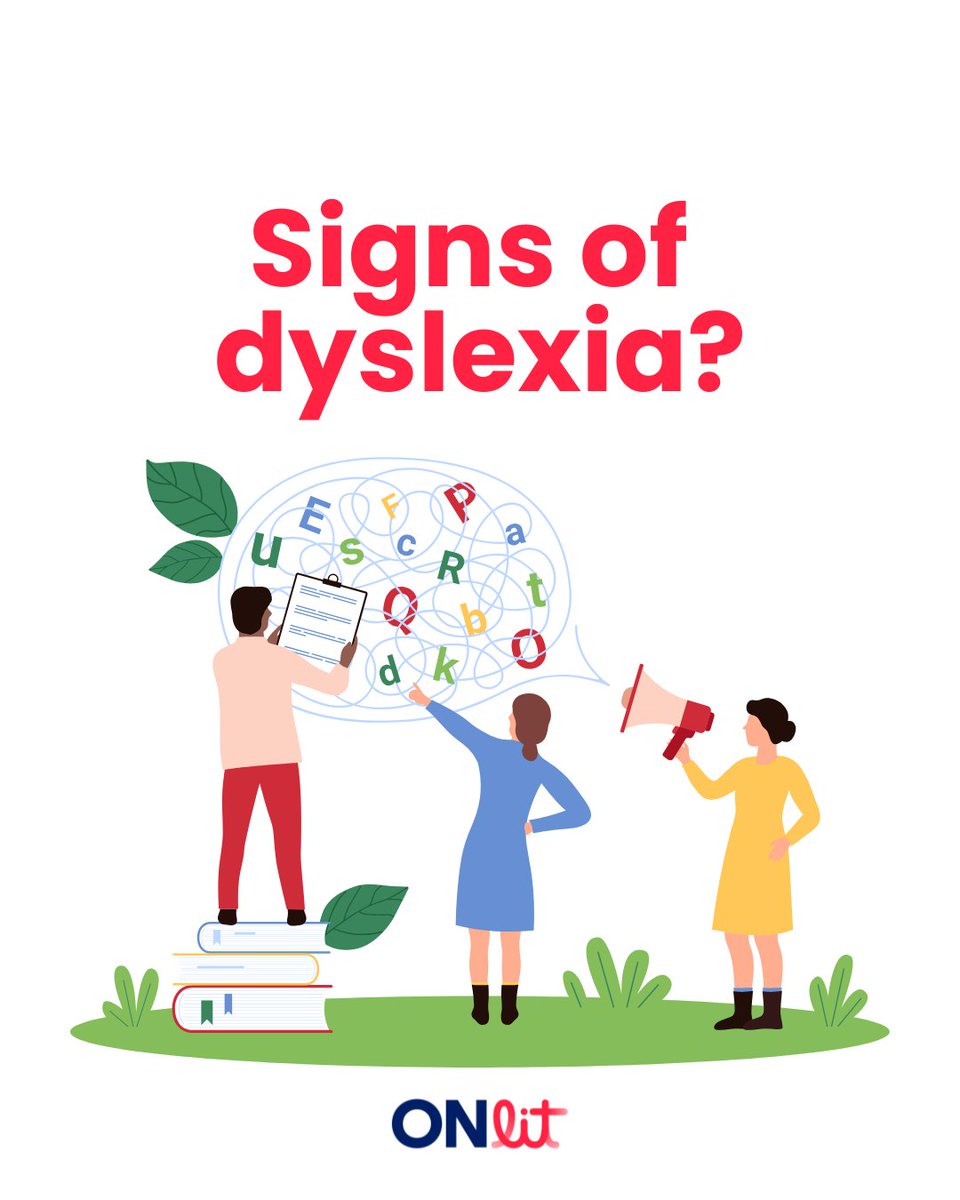
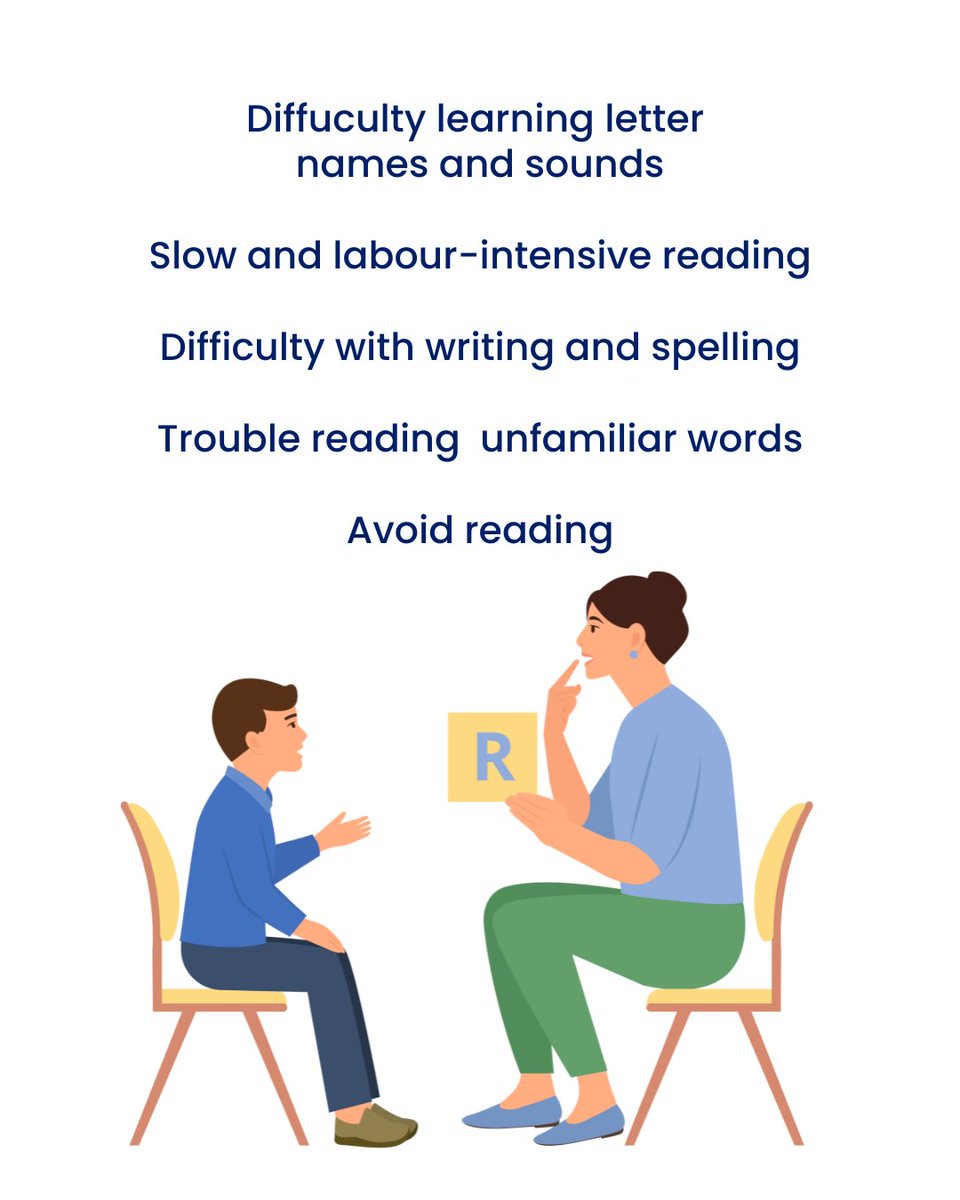
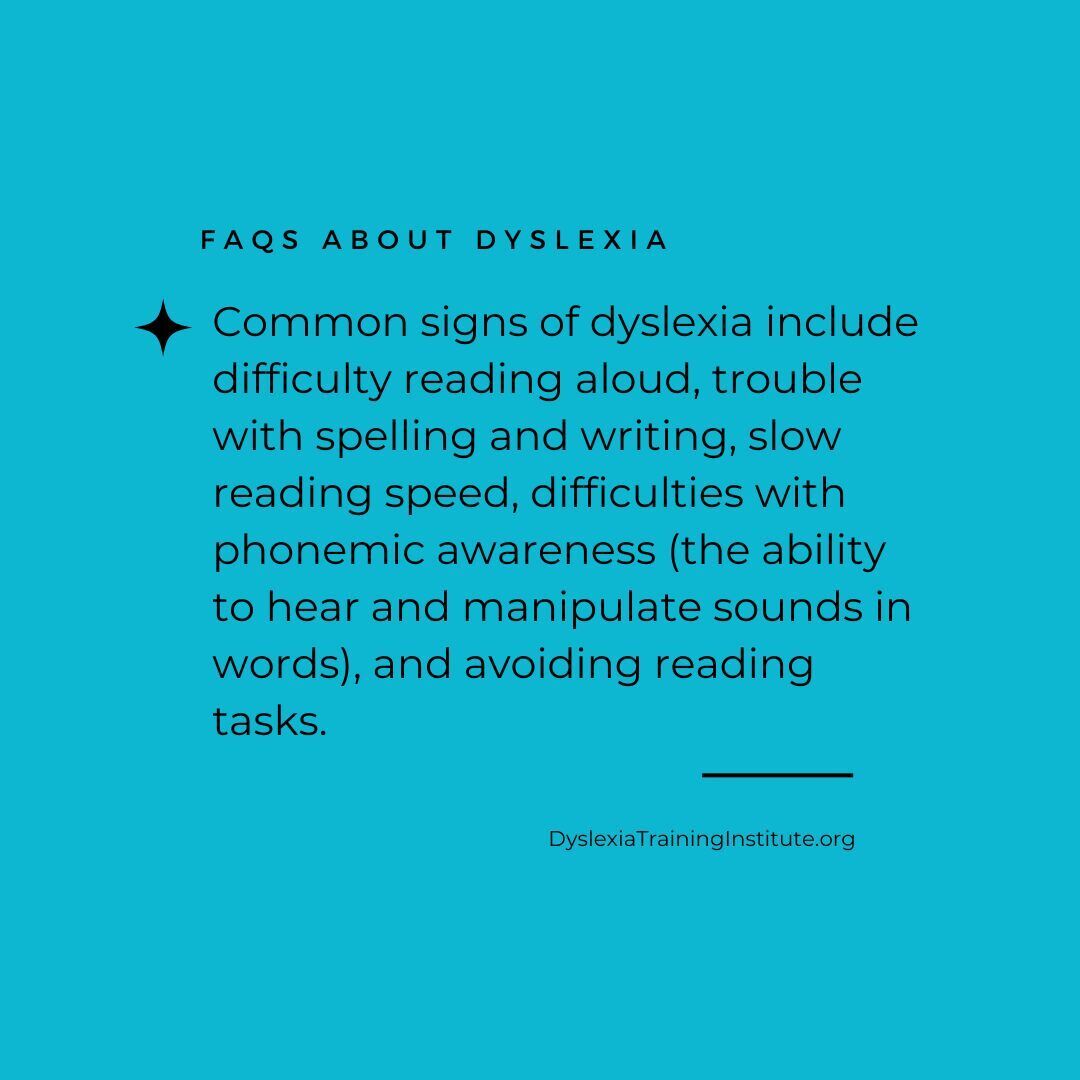
Today's FAQ about Dyslexia... What are the signs of dyslexia? #dyslexia
Common signs of dyslexia include difficulty reading aloud, trouble with spelling & writing, slow reading speed, difficulties with phonemic awareness & avoiding reading tasks.
English
Mrs Mace’s Class retweetledi
This is a travesty.
There is a lack of knowledge and will around this issue that is having devasting consequences for 1000s of kids.

English
Mrs Mace’s Class retweetledi

"Data isn't about adding more to your plate. It's about making sure you have the right things on your plate."
We know Benchmark Assessment Systems (BAS) no longer serve us. They don't give us the information we thought they did.
Stop doing them.
ONlit.org@ONlit_social
We've heard lots of great questions about screening recently! Ever wondered if there is still a place for running records like the DRA or BAS? Do they give us additional information on top of screening data? Catch this quick video from @Marlenemperry to learn more!
English
Mrs Mace’s Class retweetledi

Please do not use Teachers Pay Teachers for ANYTHING to do with #OrangeShirtDay. Not only is TPT NOT audited for equity and cultural appropriation, creators are literally making money off of Indigenous trauma. I will continue to share free vetted resources this month! 🧡🪶

English
Mrs Mace’s Class retweetledi
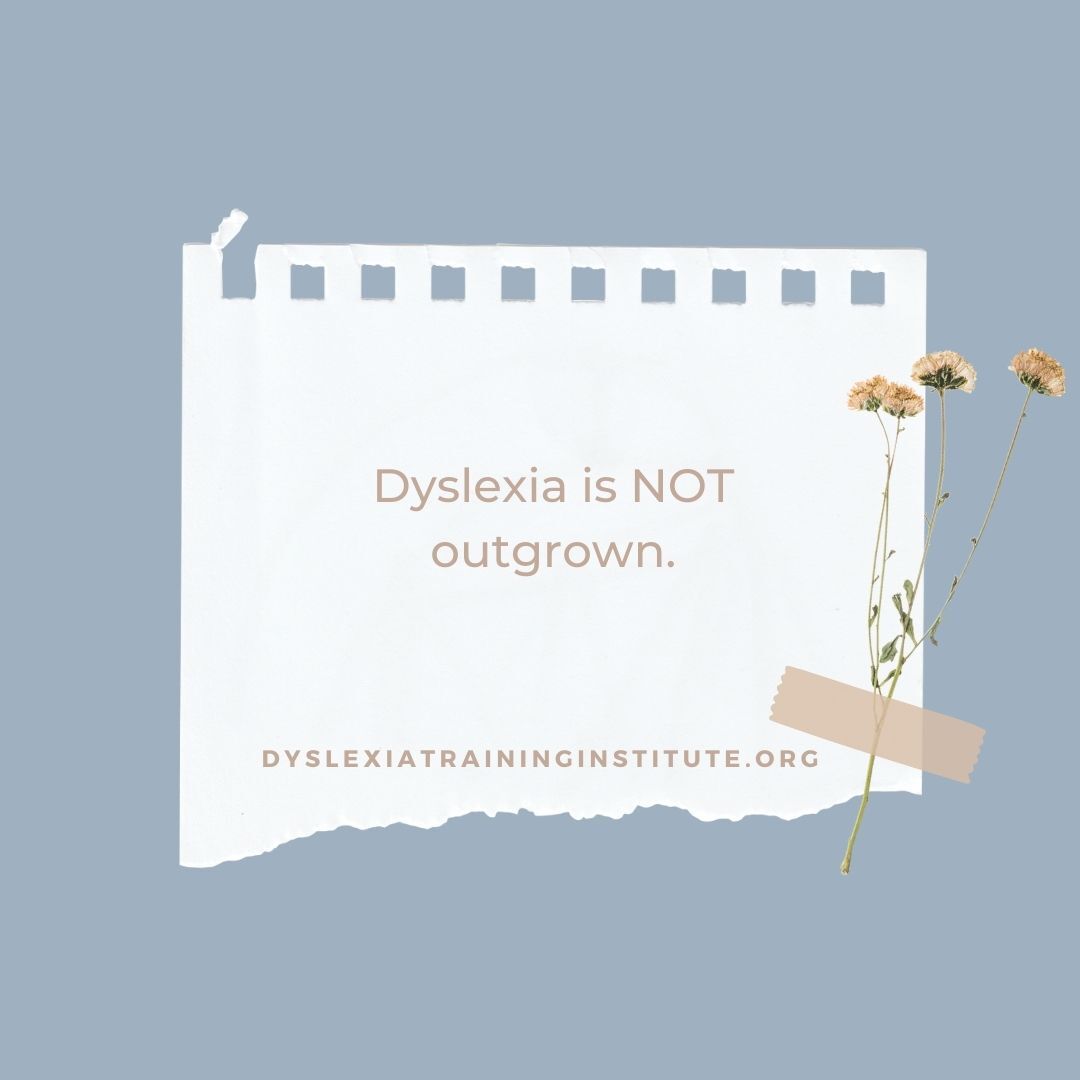
Another myth about #dyslexia is that kids outgrow it. That somehow, when they become adults, their dyslexia disappears. That's not true. Kids with dyslexia become adults with dyslexia. You CAN remediate it so that you can learn to read and cope with it, but it never goes away.
English
Mrs Mace’s Class retweetledi
Mrs Mace’s Class retweetledi

There are more than 476 million Indigenous people globally, and today we honour each people’s sovereignty, cultures, languages, and knowledge systems, while recognizing the ongoing impacts of colonization.

English
Mrs Mace’s Class retweetledi
If you're looking for a great, short video to share with people about dyslexia, this one that Dr. Kelli did with TedEd is perfect! #dyslexia
ed.ted.com/lessons/what-i…
English
Mrs Mace’s Class retweetledi
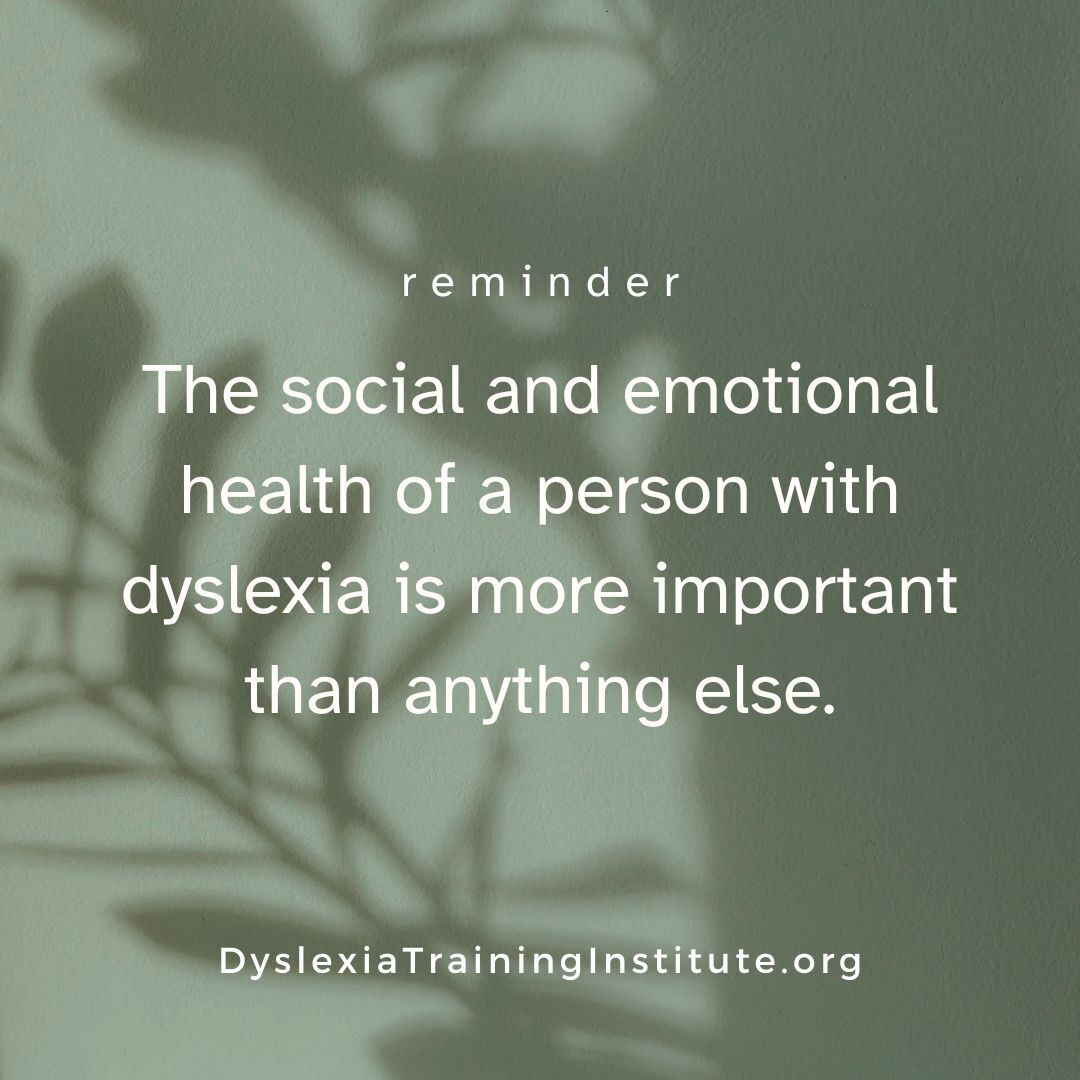
More important than learning to read is the social and emotional health of a person with dyslexia. We can't forget the toll that dyslexia has on a person's mental health and self-esteem. #dyslexia
English
Mrs Mace’s Class retweetledi

Mrs Mace’s Class retweetledi
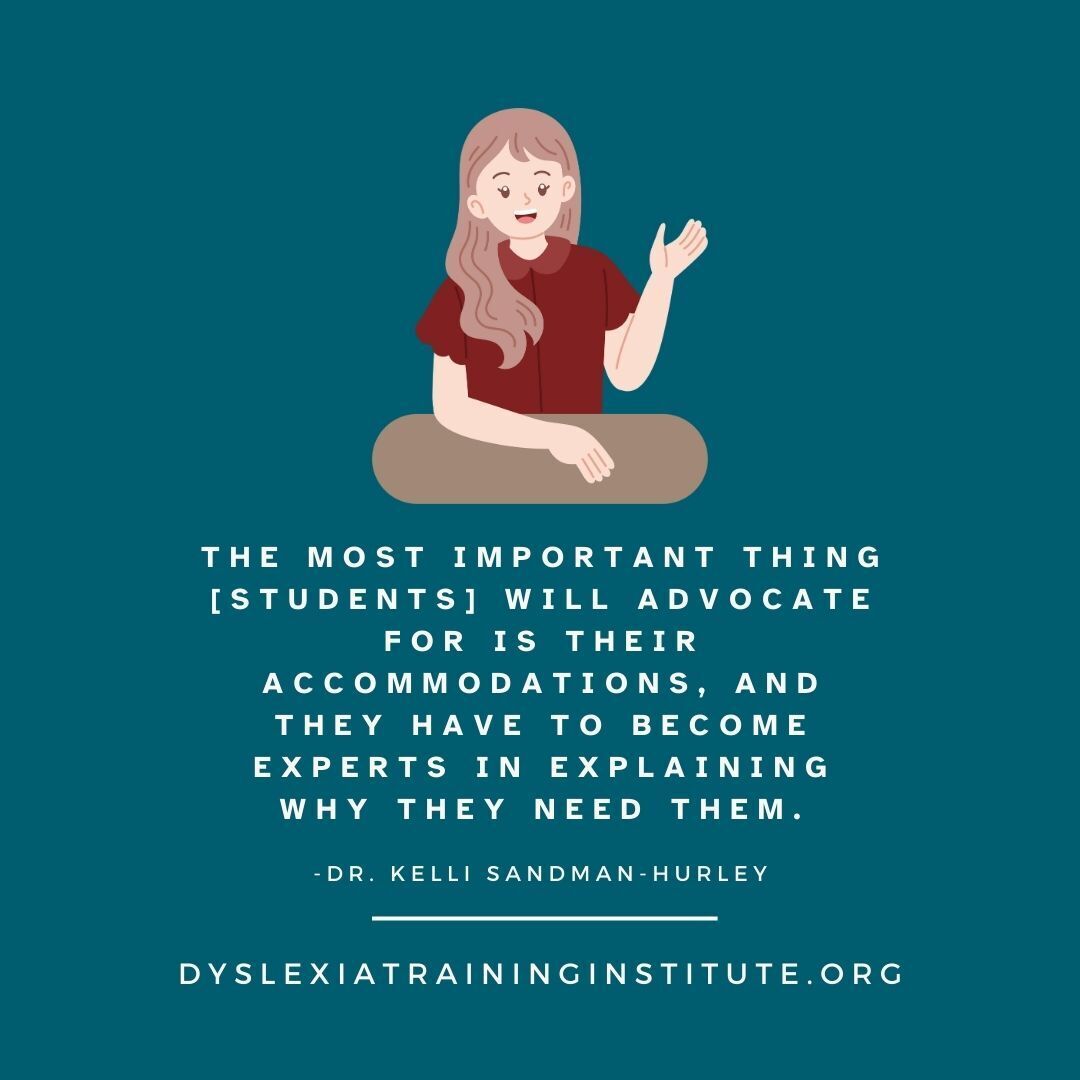
Students have to get really good at explaining why they need their accommodations and advocating for what's in their IEP. It's up to us to teach them how to do that. #dyslexia
English
Mrs Mace’s Class retweetledi