Paris Economic Forum@ParisEcoForum
Innovation is the New Engine: Corporate Leaders Dissect the Imperative to Reconcile Competitiveness and Climate Transition
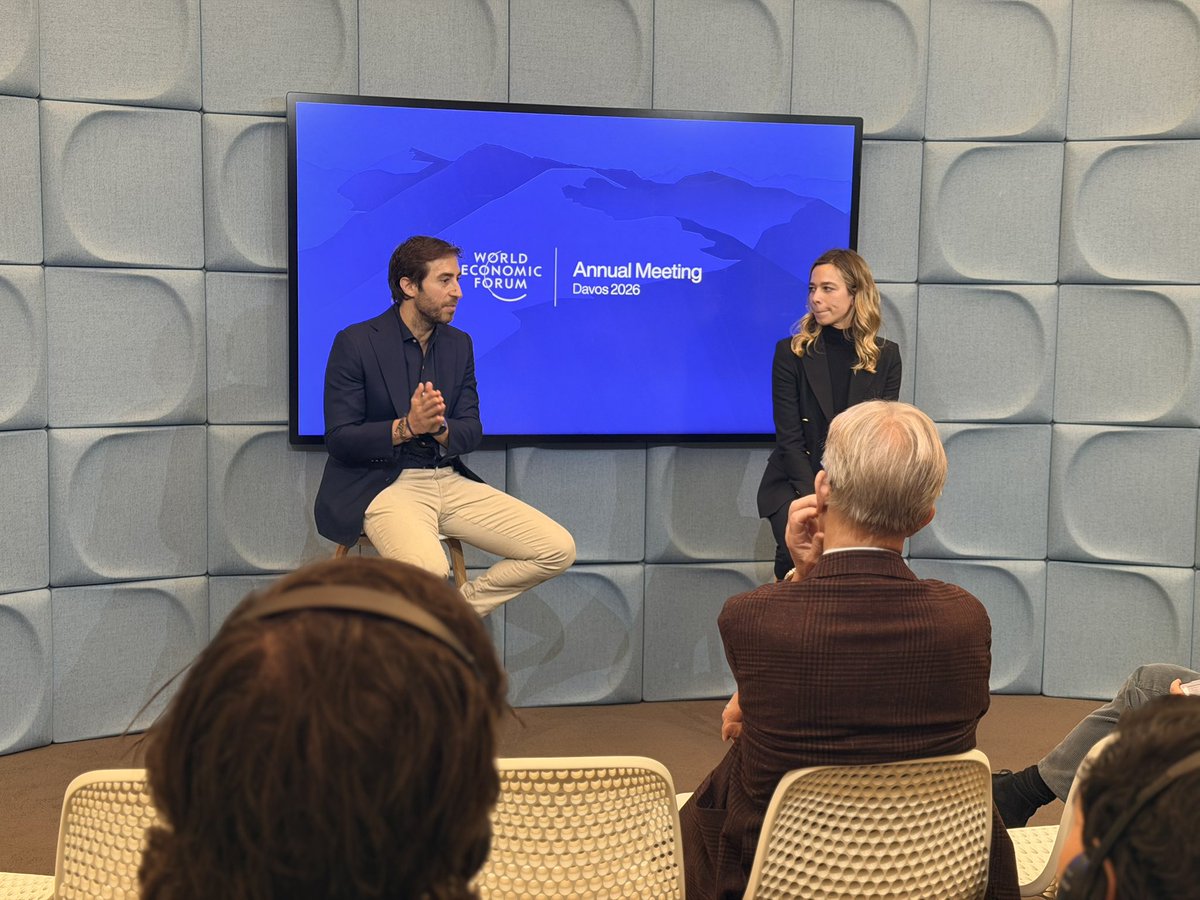
A critical, forward-looking panel at the Paris Economic Forum—titled "Concilier compétitivité et transition climatique grâce à l'innovation"—dissected the new economic mandate: leveraging deep technological and organizational innovation to achieve both competitive advantage and net-zero resilience. The conversation elevated the climate constraint from a compliance cost to the most powerful driver of industrial restructuring.
The distinguished panel featured:
@BrisRocher (President, @GroupeRocher)
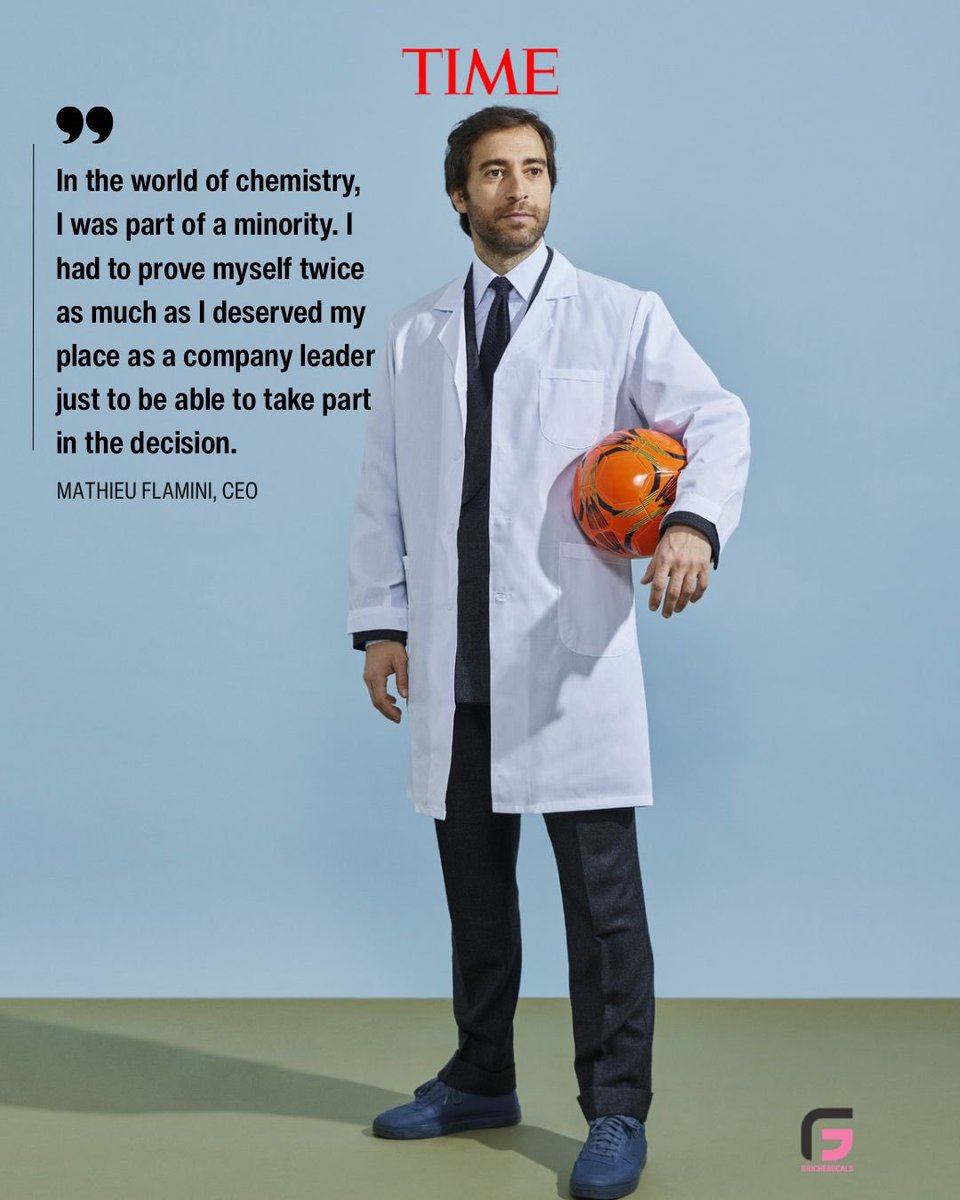
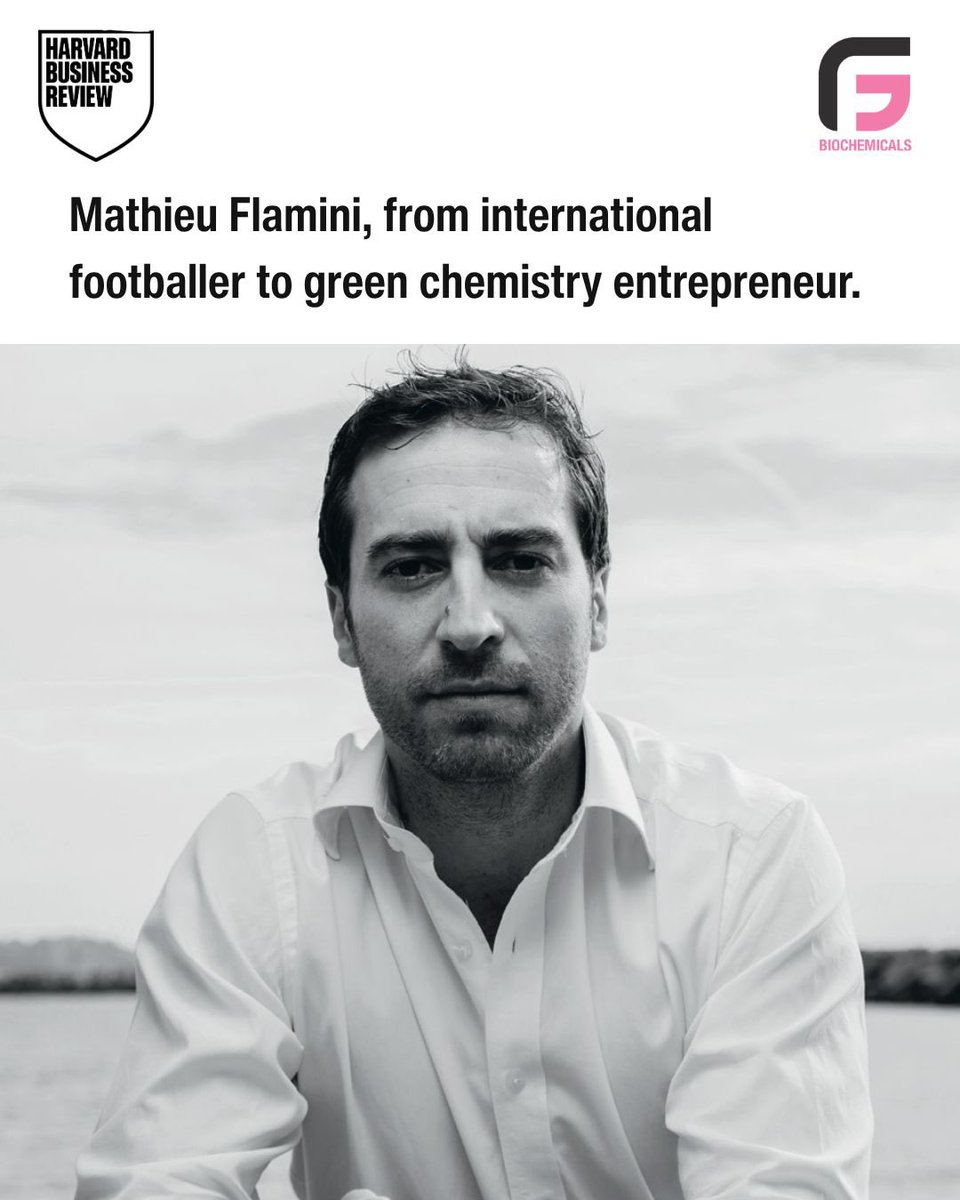
@mathieuflamini (CEO & Co-Founder, @GFBiochemicals)
@ElyetteRoux (Executive Vice President, @Nexans_ )
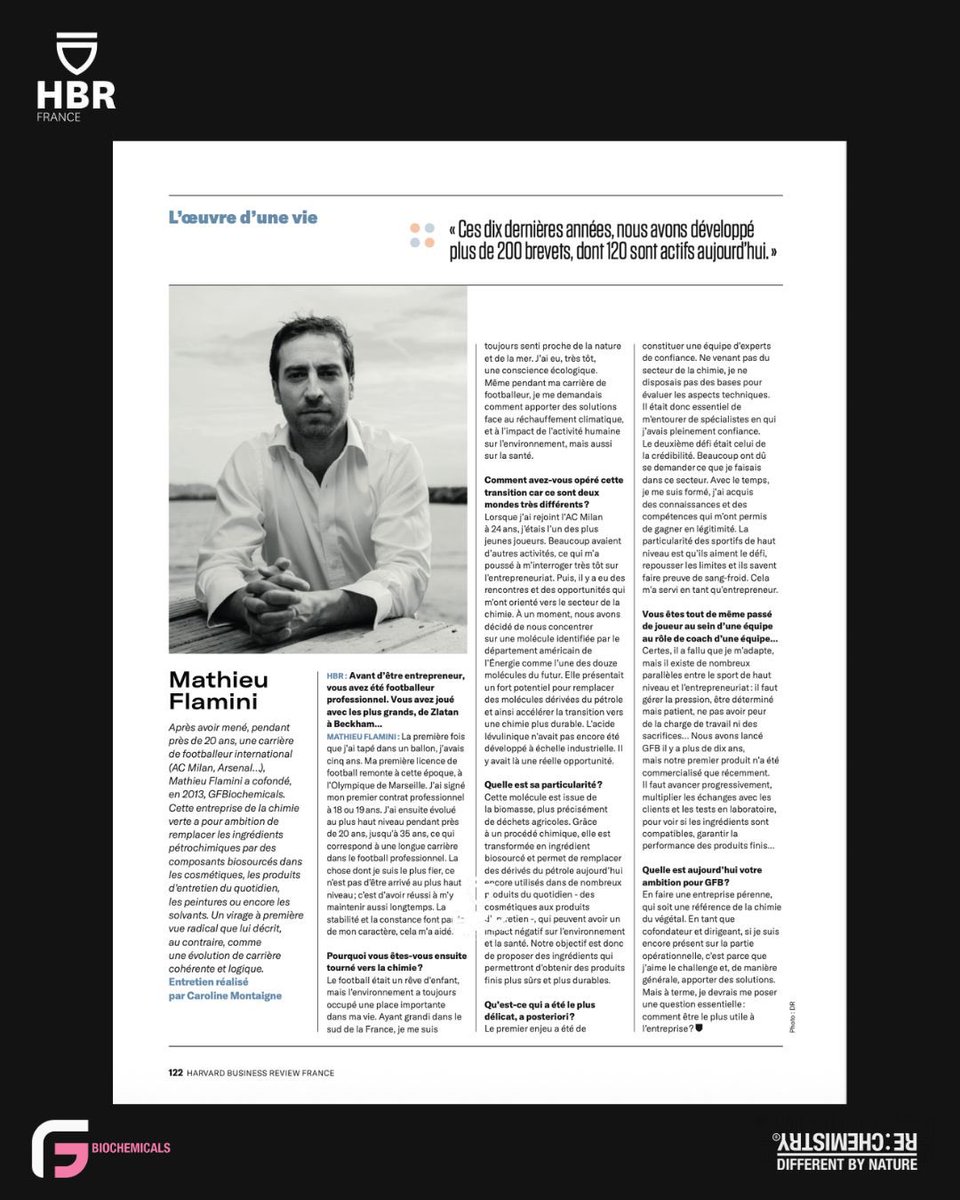
@caromontaigne (Deputy Editor-in-Chief, @HBRFrance )
🔬 Green Chemistry and Product Decoupling
The discussion underscored that the true paradigm shift lies in replacing fossil-based inputs with bio-based materials, necessitating a fundamental rethinking of industrial chemistry and manufacturing processes.
Key Insight 1: The economic viability of the transition hinges on breakthroughs in molecular substitution, where performance parity must meet cost competitiveness.
Mathieu Flamini (GFBiochemicals): "We've proven that sustainable chemistry is not a compromise; it's a superior, de-risked alternative. The market is moving, but policy must accelerate the adoption curve."
Bris Rocher (Groupe Rocher): "For a consumer brand, the climate promise must be embedded in the product's DNA. The consumer's trust is the ultimate premium for biomimicry and circularity."
Key Insight 2: Scaling novel materials requires regulatory clarity and secure sourcing of sustainable biomass, turning the supply chain into a competitive moat.
Mathieu Flamini (GFBiochemicals): "The next industrial revolution won't be defined by data, but by bio-sourcing and the ability to scale non-fossil carbon derivatives globally."
Bris Rocher (Groupe Rocher): "Our commitment to nature cannot be theoretical. It requires decades of sustained investment in land, regenerative practice, and a circularity loop that closes the material pathway."
⚡ Electrification and Industrial Resilience
The panelists unanimously identified mass electrification—of transport, industry, and infrastructure—as the most immediate and profound enabler of decarbonization, with a critical focus on the infrastructure that transmits this new energy.
Key Insight 1: Achieving climate goals is impossible without a massive upgrade to global power grids and the core components of energy transmission and efficiency.
Elyette Roux (Nexans): "The silent revolution is in connectivity. Every kilowatt of renewable energy needs a smarter, more efficient cable to reach the end-user. That is where innovation meets capacity."
Caroline Montaigne (HBR France): "The lesson from successful industrial transformation is that leaders must bet big on core infrastructure changes early, treating energy security as a non-negotiable strategic asset."
Key Insight 2: Electrification must be paired with digital solutions to optimize usage and minimize peak demand, shifting the focus from simple energy generation to total system efficiency.
Elyette Roux (Nexans): "We must move beyond manufacturing to 'smart electrification.' The future of industrial competitiveness is rooted in real-time energy efficiency and grid digitalization."
Caroline Montaigne (HBR France): "The challenge is organizational as much as technical. Companies must fuse their digital and sustainability teams into a single, cohesive unit to unlock system-wide efficiencies."
Full Video > youtube.com/watch?v=qWeRwV…
#ParisEconomicForum #ParisEcoForum #PEF