Modi Archive

552 posts

Modi Archive banner
Modi Archive

Modi Archive

@modiarchive

Modi Archive narrates the life journey of PM Narendra Modi through archival pictures, videos, audio recordings, letters, newspaper clips & such other material.

Katılım Eylül 2022
1 Takip Edilen118.5K Takipçiler
Modi Archive
Modi Archive@modiarchive·
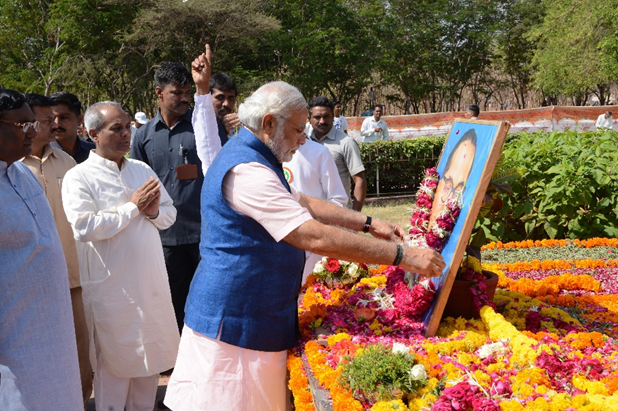
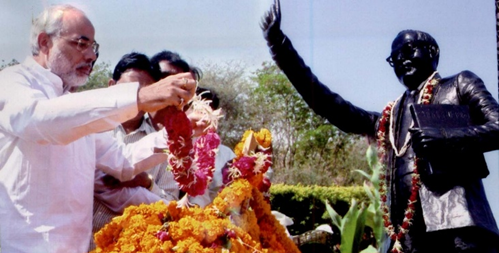
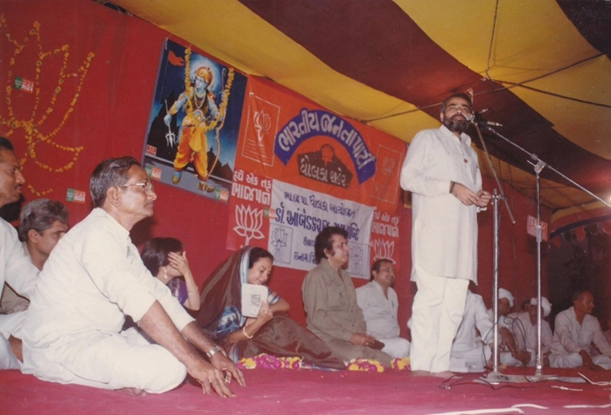
Today marks Ambedkar Jayanti. Let’s take a moment to think about how one man has spent years quietly, consistently, and passionately honouring Babasaheb’s legacy. Here are some moments from over the years when Prime Minister @narendramodi has carried that legacy forward.. The Words He Lives By “If Babasaheb was not there, Narendra Modi would not be here.” PM Modi has repeatedly emphasised that his own journey, beginning from humble beginnings to the Prime Minister's office, is possible because of Babasaheb Ambedkar’s role in creating a democratic India. He frequently highlights his own 'poor and backward' roots as proof of the Constitution's success. He considers Dr Ambedkar’s most significant legacy to be a nation where birth is not a barrier to success, allowing any citizen the opportunity to lead the country. The Places He Built: Panchteerth The ‘Panchteerth’ are five sacred sites connected to Ambedkar’s life, stretching from his birthplace in Mhow to 26 Alipur Road and London. Narendra Modi ensured infrastructural improvement and modernisation. He also made sure each site encourages every generation to learn about the man who gave dignity to crores of Indians. The Day He Reclaimed: Constitution Day In 2015, PM Modi declared 26th November as Constitution Day - a powerful gesture to promote constitutional values and honour Ambedkar's role as the chief architect of the Indian Constitution. A day that reminds every Indian that the book which governs this nation was written by a man who once fought for the right to even drink water from a public well. The Philosophy He Governs By: Antyodaya Narendra Modi's governance has always carried Ambedkar's fingerprints. His policies frequently centre on "Antyodaya" or uplifting the last person in line, which is a direct reflection of Ambedkar's lifelong devotion to human dignity. It is not about welfare as charity, but about empowerment as a right. The Schemes That Changed Lives Initiatives like Stand-Up India and Mudra Yojana put capital in the hands of those the system had long overlooked. The BHIM app, named after Bhimrao, put financial power in everyone’s hands, even in villages. Schemes not just announced but delivered - to Dalits, to tribals, to women, to every last person standing in the last mile. The Vision That Connects Them Over time, India began to see it clearly: “Ambedkar’s Vision, Modi’s Provision.” The flagship schemes of the Modi government are the modern implementation of B.R. Ambedkar's intellectual and economic theories, brought to life seven decades later by a man who is himself proof that those theories worked. The Full Circle The Constitution that Ambedkar wrote did more than safeguard the powerless. It made it possible for someone from their ranks to become Prime Minister. And that Prime Minister has spent every day in office continuing the mission Ambedkar began. #AmbedkarJayanti
Modi Archive tweet mediaModi Archive tweet mediaModi Archive tweet mediaModi Archive tweet media
English
2
18
48
1.4K
Modi Archive
Modi Archive@modiarchive·
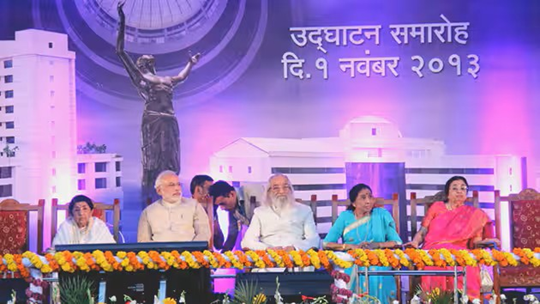
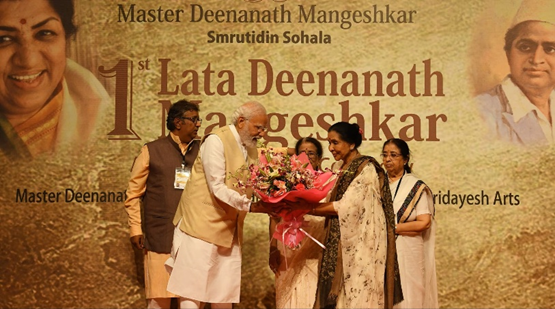
“Namaskar. This is Asha Bhosle. Mara Vhala, Kem chho?” @narendramodi laughed heartily. He was delighted and genuinely caught off guard by the call. She called him first. She didn’t need to. Asha Bhosle’s voice shaped the soundtrack of independent India. She recorded over 12,000 songs in eight decades. Yet she dialled a Chief Minister she had never met, telling him her mother was Gujarati. Gujarat’s progress, she said, was her “farz,” her duty. After she hung up, their mutual friend offered a quiet verdict, “Asha Ben, our Modi Bhai is a very good man.” That first encounter left her impressed. There was more to come. They met face to face in 2013 at the inauguration of the Dinanath Mangeshkar Super Speciality Hospital in Pune. The hospital was built in memory of her father, who had died partly because he couldn’t get proper medical care. Before taking his seat on stage, Narendra Modi turned to her and asked simply, “Didi, kaisi hain aap?” He was a Chief Minister, surrounded by all the formalities of government. Yet the first thing he called her was sister. That day, he told her something she never forgot: the Mangeshkar sisters could have honoured their father with music, and no one would have blamed them. Instead, they chose to honour him by helping others heal. She sang him a Gujarati song, which pleased him immensely. As he left, he folded his hands and said, “Didi, I am leaving. Will see you later.” From that day on, she thought of him as her younger brother. Her ten-year-old grandson was in Pune that day too. Not knowing that you shouldn’t make bold predictions in front of Chief Ministers, he looked at Modi and said confidently, “Landslide victory.” Narendra Modi heard him and smiled. “Bhagwaan bachchon ke munh se bolta hai,” God speaks through the mouths of children. Life went on after that meeting, and ten years passed. At another event, her granddaughter ended up sitting near the Prime Minister. She expected him to be polite but distant. She asked, “Do you remember me?” He answered right away, “Once I meet someone, I never forget them.” Then he asked about her brother. Where was he? How was he? @ashabhosle said her granddaughter was amazed. The Prime Minister, who leads 1.4 billion people, remembered a ten-year-old boy he had met only once, in passing, ten years earlier. It may seem like a small story, but if you think about it, it’s actually a big one. In October 2015, Asha Bhosle lost her son Hemant. He died suddenly from cancer, far away in Scotland. She wrote to the Prime Minister to apologise. She could not attend his event in Delhi. "My sincere apologies," she wrote. He replied with only kindness. “Dear Asha Bhosle Tai, I am pained by the unfortunate demise of your son. My thoughts are with you during this hour of grief.” In 2016, Asha Bhosle travelled to Bomdila in Arunachal Pradesh - the site of one of India's most painful military chapters, the 1962 battlefield. She went as part of a government initiative launched by Prime Minister Modi to bridge the distance between civilians and soldiers stationed in the country's most remote and demanding postings. She tied rakhis to the jawans there, one by one. She came home, she said, deeply touched. Then, in April 2022, Prime Minister Modi received the first Lata Deenanath Mangeshkar Award at Shanmukhanand Hall in Mumbai. He, who almost never accepts felicitation, made an exception. He said so plainly: "I generally keep myself away from such ceremonies. But when an award is named after an elder sister like Lata Mangeshkar, it becomes an obligation, because of the affection and right of the Mangeshkar family over me." He dedicated it to every Indian. During a function on October 5, 2024, Asha Bhosle praised PM Modi for conferring Classical Status on the Marathi language. While addressing the speech in her mother tongue, she got visibly emotional. In 2025, on his 75th birthday, Asha Bhosle recorded a video message. "It is difficult for us to take care of one household. PM Modi ji is taking care of such a large country. He gets up at 4 a.m. and does yoga. I like his discipline. I have never heard anything bad from his mouth about anyone." "I feel he is a very kind-hearted person. Even when others make harsh remarks, he just smiles. He nods. He says, 'Yes, say as much as you want.' That is a very big thing." Asha Bhosle was born in 1933 and saw many leaders come and go from a perspective few Indians ever experience. "I have seen all our Prime Ministers," she says simply. "Today, at 90, I have reached the conclusion: in these last 10 years, India is prosperous," she added. #AshaBhosle passed away on April 12, 2026, at Breach Candy Hospital in Mumbai. She was 92. Her famous voice, which always spoke for itself, finally fell silent.
Modi Archive tweet mediaModi Archive tweet mediaModi Archive tweet mediaModi Archive tweet media
English
4
89
469
11.1K
Modi Archive
Modi Archive@modiarchive·
2014–2019 | The Saffron Map The lotus did not stop blooming. 2014: First-ever BJP majority government in Haryana with 47 seats. In Jharkhand, the BJP provided Jharkhand with its first government that completed its full term. 2015: First-ever BJP government in Jammu & Kashmir. That same year - BJP became the world's largest political party. 2016: First-ever BJP majority in Assam. First BJP Chief Minister of Assam. First-ever BJP government in Arunachal Pradesh. First-ever BJP seat in the Kerala Legislative Assembly. 2017: BJP wins 312 seats in the Uttar Pradesh Assembly elections - the highest in the party's history in the state, with the NDA alliance totalling 325. First-ever BJP government in Manipur[3], ending the Congress’s 15-year rule. 2018: First-ever BJP government in Tripura - ending 25 years of unbroken Left rule. A new phrase entered the political vocabulary of India: The Saffron Map. The moment when the maximum number of BJP Chief Ministers were serving simultaneously across the country. At the Centre, 2019 brought what many had considered impossible - the BJP crossed 300 seats. A triple century, the first in the party's history. First non-Congress government re-elected consecutively with a full majority at the Centre. On the night of that victory, he addressed the nation: "This victory is not for the BJP. This victory belongs to India's democracy." "यह जीत भाजपा की नहीं है। यह जीत भारत के लोकतंत्र की है।" - Narendra Modi, BJP Headquarters, New Delhi, 23 May 2019 2022 | What Had Never Been Done Before In Uttar Pradesh, for the first time in nearly four decades, a party was re-elected with a majority. The BJP’s consecutive victories in 2017 and 2022 marked the first time since the 1950s that a full-term government returned to power for a second consecutive term in the state. It also marked the first time in Uttarakhand’s history that a party secured back-to-back assembly victories with a clear majority. Since the state’s formation in 2000, no party had achieved consecutive majority mandates - until the BJP’s wins in 2017 and 2022. 2024 | When History Ran Out of Precedents Third consecutive term at the Centre. @narendramodi became the first BJP Prime Minister to complete two full terms and take the oath for a third. First NDA Prime Minister to do the same. First-ever clean sweep by the BJP in Madhya Pradesh in the Lok Sabha. First-ever BJP Lok Sabha seat in Kerala. The same year saw a first-ever hat-trick in the Haryana assembly - the BJP formed a government for a third consecutive term. 2025: Narendra Modi became the second-longest-serving Prime Minister of India in consecutive terms, completing 4,078 days in office. The same year, the BJP saw its first-ever municipal corporation win in Kerala – the BJP-led NDA secured 50 seats in Thiruvananthapuram, emerging as the largest front and ending decades of LDF control. 2026: Narendra Modi became the longest-serving head of government in India, with 8,931 days in office across his tenure as Gujarat Chief Minister and Prime Minister. He is the longest-serving Prime Minister outside the Congress, the first non-Congress PM to secure a full Lok Sabha majority, and the first to complete two full terms and return for a third consecutive term. In September 2024, renewing his primary BJP membership alongside crores of karyakartas, as he does every year, as one of them, Narendra Modi wrote: "BJP is a Karyakarta-centric Party which works with the motto of India First." "BJP एक कार्यकर्ता-केंद्रित पार्टी है जो India First के ध्येय के साथ काम करती है।" - Narendra Modi, 3 September 2024 This is the spirit of a BJP karyakarta - one who gave everything not to become something, but to do something. The world's largest political party - built from a municipal ward in Ahmedabad - is still expanding, still rewriting what is possible. #47YearsOfNationFirst
Modi Archive tweet media
English
0
10
24
810
Modi Archive
Modi Archive@modiarchive·
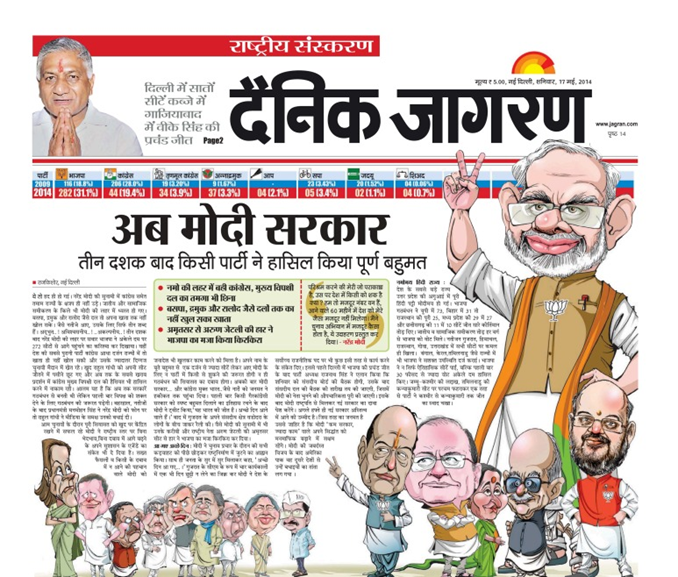
2014 | The Scooter Reaches Delhi 282 seats. First single-party majority at the Centre since 1984. First non-Congress government to win a clear mandate at the Centre. BJP crossed 200 seats in the Lok Sabha for the first time in its history - a double century! Clean sweeps in Gujarat, Rajasthan, Uttarakhand, and Himachal Pradesh. 71 of 80 Lok Sabha seats in Uttar Pradesh alone - the highest number of seats ever won by any party in UP in a single election. First BJP government in Haryana. First BJP Chief Minister of Haryana. First time BJP became the single largest party in Maharashtra. First BJP Chief Minister of Maharashtra. The man who once rode pillion on a colleague's scooter to attend a party meeting was now Prime Minister of India. @narendramodi was the first PM born in independent India. With the roar of the largest democratic mandate in three decades still echoing, he said this: "In politics, there are no enemies. In democracy, there are only competitors. The government does not belong to any party. It belongs to the nation." "राजनीति में कोई दुश्मन नहीं होता। लोकतंत्र में सिर्फ प्रतिस्पर्धी होते हैं। सरकार किसी दल की नहीं होती - सरकार देश की होती है।" - Narendra Modi, victory address, Vadodara, 16 May 2014 #47YearsOfNationFirst
Modi Archive tweet media
English
2
11
30
1.2K
Modi Archive
Modi Archive@modiarchive·
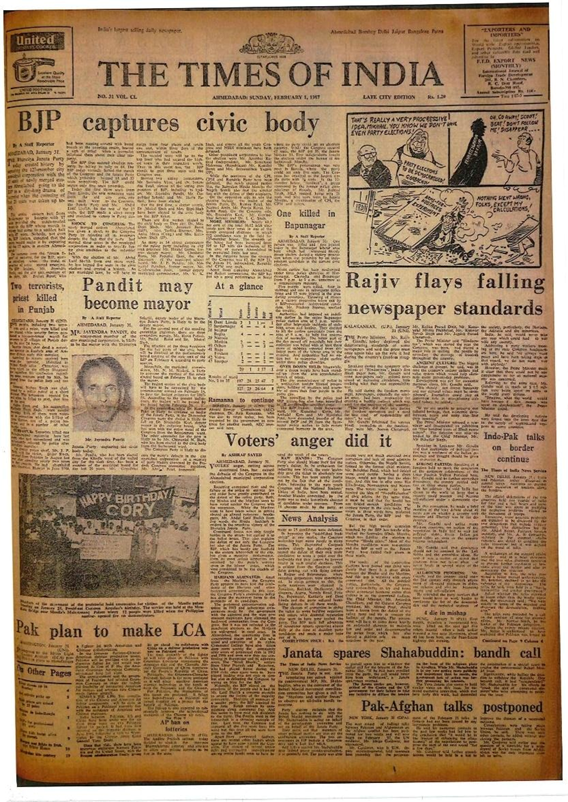
On the BJP's Foundation Day today, we trace the journey of a man who never stopped being what he started as. A karyakarta. "We were not fortunate enough to die for independence. But we are fortunate enough to live for a free India. Today is not the time to die for the nation - today is the time to live for it." "हमें आज़ादी के लिए मरने का सौभाग्य नहीं मिला। लेकिन आज़ाद हिंदुस्तान में जीने का सौभाग्य मिला है। आज देश के लिए मरने का समय नहीं है। आज देश के लिए जीने का समय है।“ - @narendramodi, Vadodara, 16 May 2014. His first words after winning India's Prime Ministership. A karyakarta of the BJP, he had started the journey riding pillion on a colleague's scooter. 1987 | The Scooter There was no announcement. No ceremony. Narendra Modi began his BJP journey in Gujarat as Organisation Secretary - a back-room man, a builder, invisible by design. His entry into active politics, by his own account, happened because a senior colleague, Nathalal Jaghda, was unwell and needed someone young to accompany him to party meetings. "I started sitting on his scooter, and that is how I got pulled into this work." - Narendra Modi, TV Asia interview, 1999 His first assignment? The Ahmedabad Municipal Corporation elections. BJP had 21 seats going in. They came out with 64 - an absolute majority! The first time in the city's history. Narendra Modi was the architect behind this victory. That same year, in a closed-door address to BJP workers, he said something that would define everything that followed: "The path in life for a BJP karyakarta is not 'what to be' - but 'what to do'." "ભારતીય જનતા પાર્ટીના કાર્યકર્તાના જીવનમાં 'કઈ બનવું' નહીં, 'કઈ કરવું' માર્ગ છે." - Narendra Modi, Sangh Shiksha Varg address, 18 May 1988 #47YearsOfNationFirst
English
7
269
714
29.2K
Modi Archive
Modi Archive@modiarchive·
Today, on Maharaja Sayajirao Gaekwad's Jayanti, watch this speech in which @narendramodi explains what good governance actually looks like in practice. During a visit to Dwarka, Narendra Modi was surprised to find that women in their 80s were educated, while younger women were not. He learned these older women came from families in areas once under Gaekwadi rule, where girls' education was compulsory. This stayed with him. Maharaja Sayajirao Gaekwad has had a key influence on Narendra Modi's life. His village, Vadnagar, was a Gaekwadi village, and the primary school where he studied was built during the Gaekwad era. When the 150th Birth Anniversary was observed in 2012, CM Narendra Modi ensured it was marked with the scale and respect it deserved. Over the years, Prime Minister Narendra Modi has spoken of Maharaja Sayajirao Gaekwad as the paragon of good governance. During Maharaja Gaekwad's era, schools, libraries, a postal system, and ponds were built because he believed these basic facilities should be available in every village.
English
1
28
87
2.2K
Modi Archive
Modi Archive@modiarchive·
In 2003, @narendramodi articulated a civilizational perspective, asserting how India has historically regarded womanhood not as subordinate or secondary, but as the embodiment of the supreme. "No tradition in the world has elevated the feminine to the form of God," he stated. The feminine is represented as Amba, Durga, Saraswati, and Lakshmi, each revered as a manifestation of the divine. Centuries before contemporary debates regarding the role of women in society, India had already established the principle that Nari Shakti, or feminine power, is to be revered and venerated. Watch this special Women’s Day throwback from the archives. #InternationalWomensDay #NayeBharatKiNariShakti
English
1
50
131
2.7K
Modi Archive
Modi Archive@modiarchive·
"While some of the world’s oldest democracies took over a century to grant women the right to vote, India gave women universal suffrage in 1947 itself," he said proudly. This was before the legislation, the national mission, the policy frameworks, and the implementation of the Nari Shakti Vandan Adhiniyam, which reserved 33% of Parliament's seats for women. Twenty years ago, a Chief Minister was already asking: Why should women's power remain confined to the family? Why not the Gram Sabha, the district, or every room where decisions are made? The year was 2003. The day was Women’s Day. The leader was @narendramodi. Watch this... #InternationalWomensDay #NayeBharatKiNariShakti
English
2
32
59
2K
Modi Archive
Modi Archive@modiarchive·
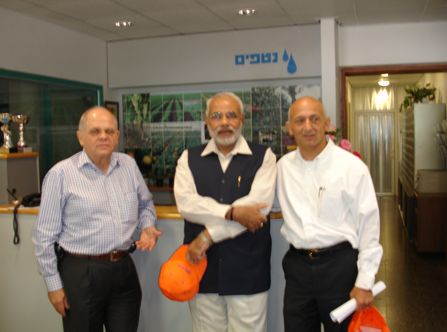
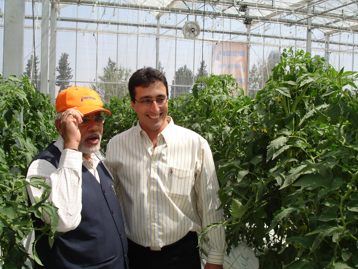
The thread connecting the 2006 and 2017 visits is agriculture and water resource management. Both countries had been working on the same problems from different angles. India had the scale, the farmland, and the need. Israel had turned constraint into technique, developing drip irrigation, wastewater recycling, and desalination into systems that could be exported, replicated, and built upon. CM Modi had recognised in 2006 that these were exactly the techniques Gujarat and India needed, and had come back as Prime Minister to make it a national commitment. When he arrived in 2017, the agricultural cooperation agenda was not assembled by officials preparing for a state visit. It had been in formation since a May afternoon in 2006 when CM Modi presented to over a thousand international delegates at Agritech and walked away with a clear conviction about what India and Israel could build together. In 2026, PM @narendramodi returns to #Israel. The India-Israel agenda continues to carry agriculture, water management, and food security at its core. #PMModiInIsrael
Modi Archive tweet mediaModi Archive tweet media
English
0
19
71
2.3K
Modi Archive
Modi Archive@modiarchive·
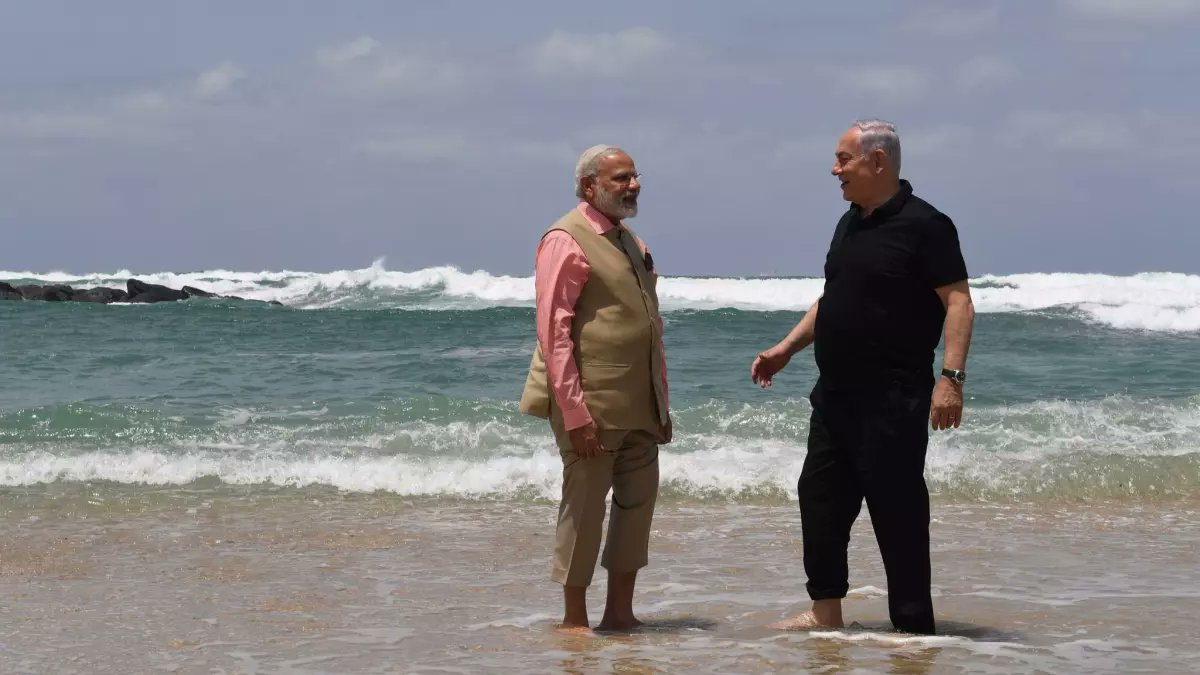
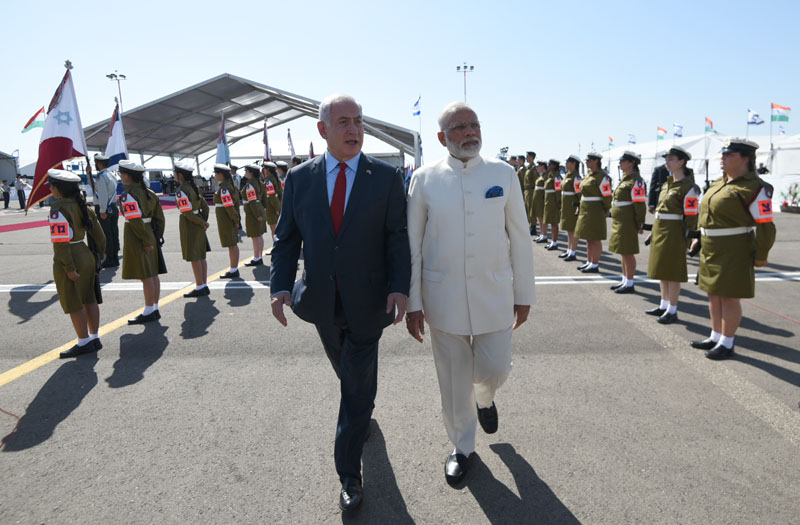
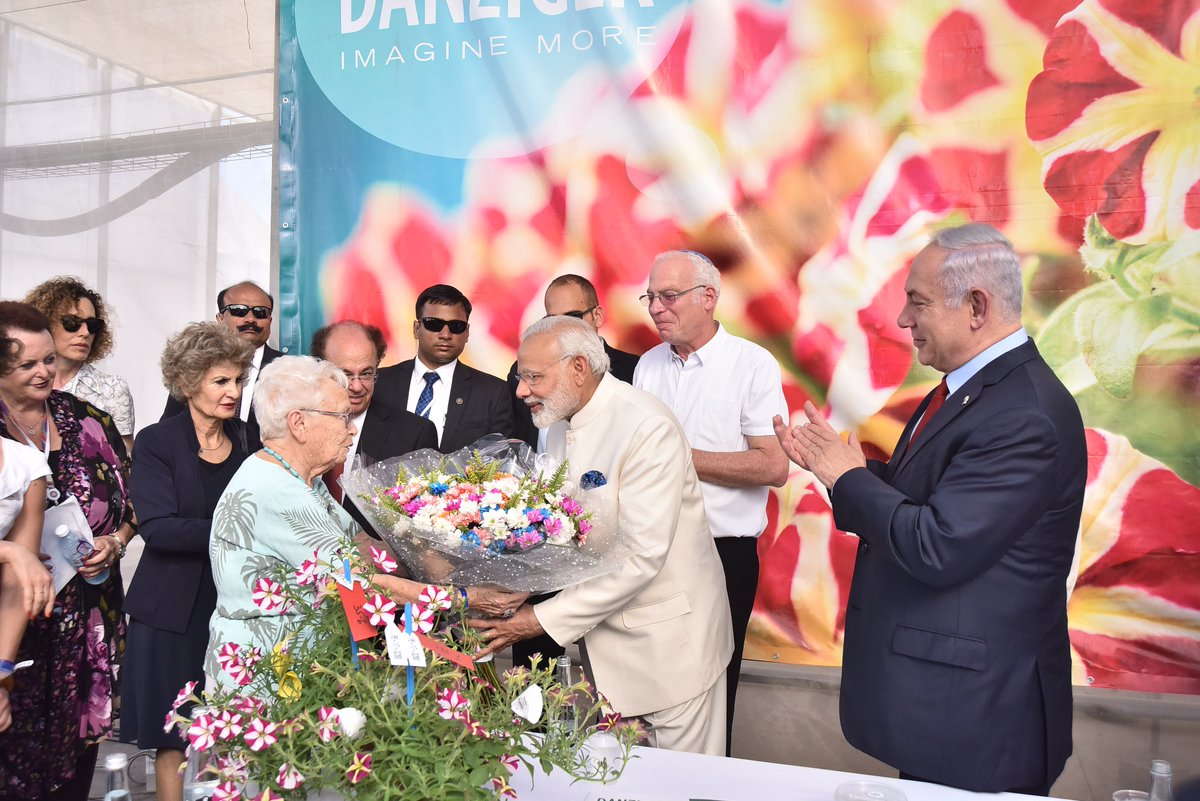
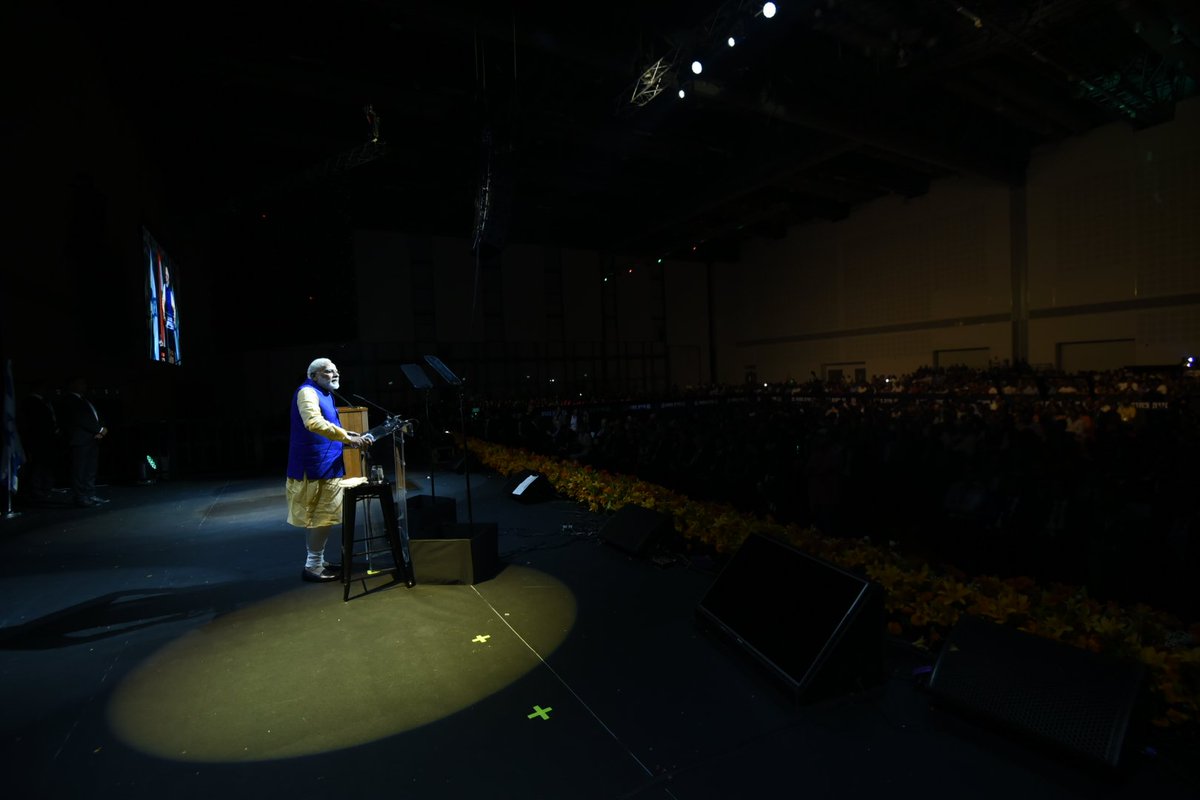
Eleven years later, PM @narendramodi returned to Israel as the first Indian Prime Minister to ever make a bilateral visit. The agricultural theme that had run through 2006 ran through this one too. @netanyahu received him at the airport, and their first stop was a flower farm, where Israel's leading flower genetics company had developed a new white chrysanthemum for the occasion and named it "MODI." Floriculture is one of Israel's most advanced agricultural export sectors, and the visit to the farm was a deliberate signal of where Israeli agricultural innovation had reached. The Times of Israel reported it the same evening. The 3-Year Work Program in Agriculture signed during the visit was the formal institutionalisation of what CM Modi had personally initiated at Agritech-2006. The water conservation cooperation drawn up during the visit built directly on the model he had studied at Israel's water facilities over a decade earlier. The Netafim relationship he had worked on as Chief Minister became a government-to-government framework as Prime Minister. In his address to the Indian diaspora in Tel Aviv during the visit, PM Modi emphasised: "Israel's cooperation in the agriculture sector can help India in the second green revolution." He also spoke about the Indian Jewish community at Moshav Nevatim, who had worked to make David Ben Gurion's dream of greening the desert a success, calling them a source of pride for every Indian. Agriculture was not a diplomatic talking point on this visit. It was personal. The visit also produced one of its defining images: PM Modi and PM Netanyahu at a demonstration of Israel's mobile water desalination technology. Water, again, at the centre of what the two countries had to say to each other. #PMModiInIsrael #Israel
Modi Archive tweet mediaModi Archive tweet mediaModi Archive tweet mediaModi Archive tweet media
English
1
33
141
3.5K
Modi Archive
Modi Archive@modiarchive·
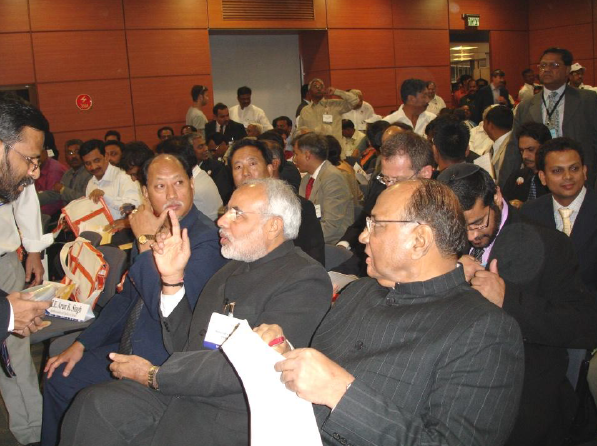
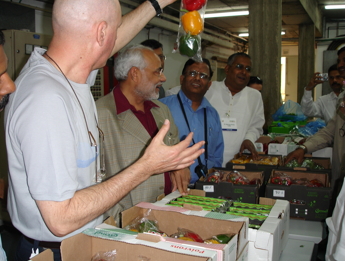
As PM @narendramodi is about to land in Israel, here are some anecdotes from his previous visits. May 2006. Israel. CM Narendra Modi of Gujarat travelled to Agritech-2006, Israel’s premier international agricultural technology exhibition, as part of an Indian delegation that included Chief Ministers and senior officials representing India’s agricultural sector. CM Modi presented Gujarat’s agricultural vision at the Israel-India Business Forum under the slogan “Per Drop More Crop”, perhaps the first time he publicly articulated this phrase, which would go on to become the official motto of the Pradhan Mantri Krishi Sinchai Yojana, India’s national micro-irrigation scheme. The internal Gujarat delegation report records the presentation received “maximum applause and appreciation.” “More Crop Per Drop” was the founding principle of Israel’s own farming system. CM Modi arrived speaking their language. The delegation visited kibbutzim - Israel’s unique communal agricultural settlements, where land, labour, and resources are collectively owned and managed, the Volcani Centre (Israel’s premier agricultural research institute), water management facilities, and operational water treatment plants where recycled wastewater was being used directly in agriculture. CM Modi sat down with Netafim, already partnered with a Gujarat government subsidiary, with specific proposals: drip irrigation for Gujarat’s drought-prone districts and Netafim’s potential role in the Narmada Canal water network. He attended a full technical seminar by the TAHAL Group on desalination, wastewater recycling, and cloud seeding technologies, building a working understanding of water engineering that he would later apply nationally. #Israel #PMModiInIsrael
Modi Archive tweet mediaModi Archive tweet mediaModi Archive tweet mediaModi Archive tweet media
English
5
155
659
23.9K
Modi Archive
Modi Archive@modiarchive·
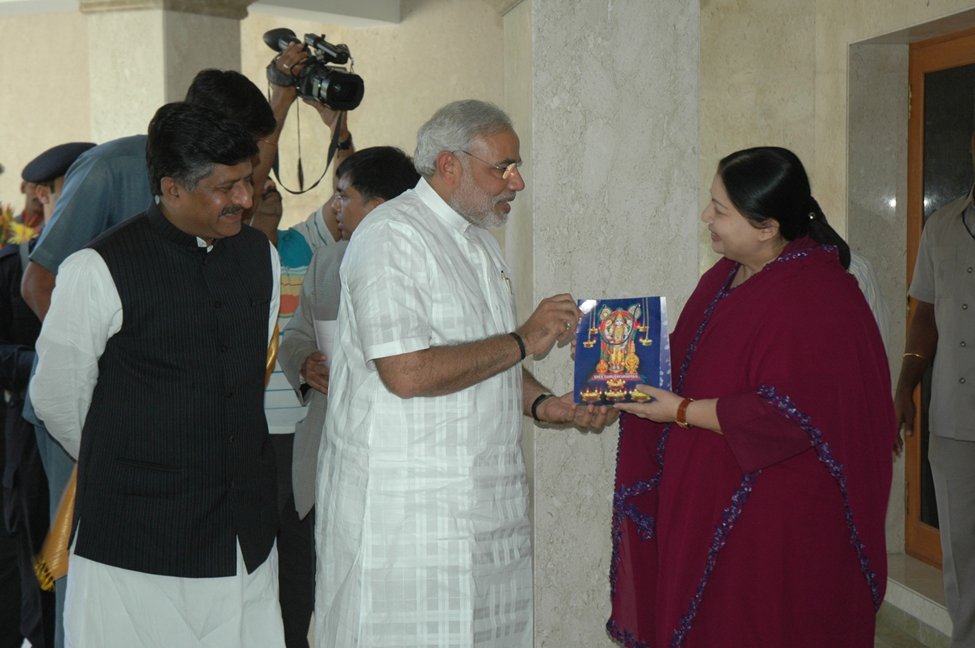
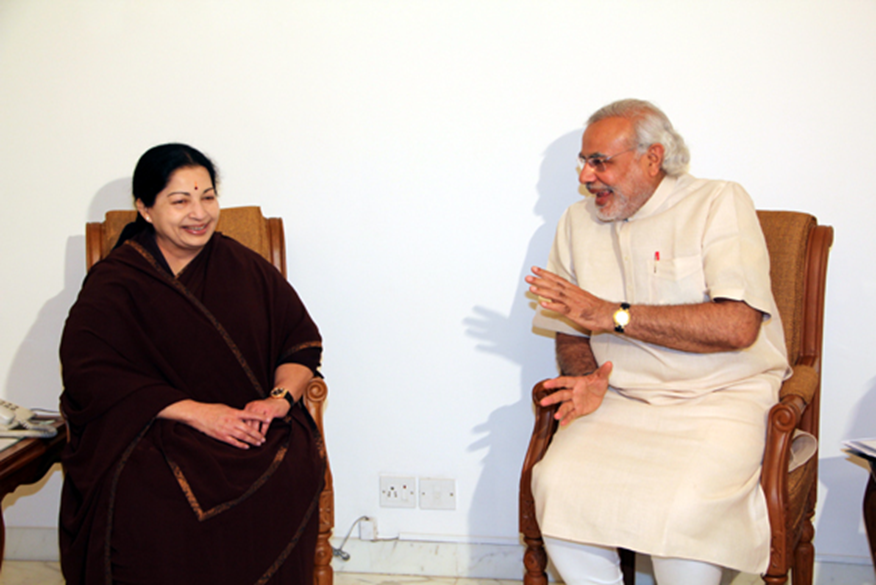
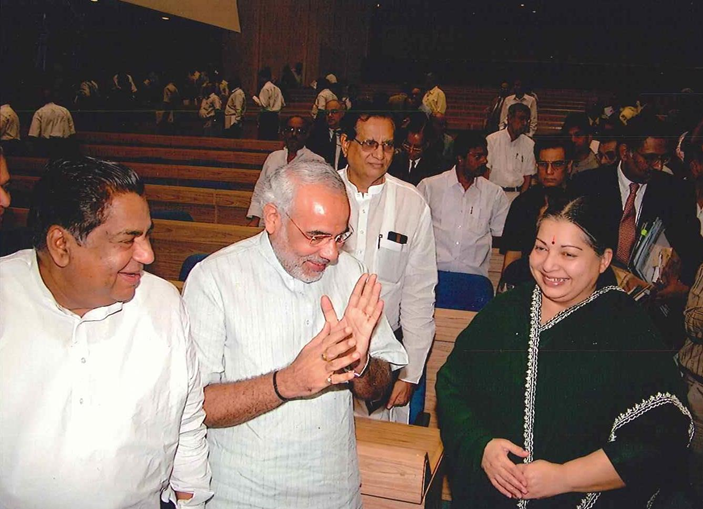
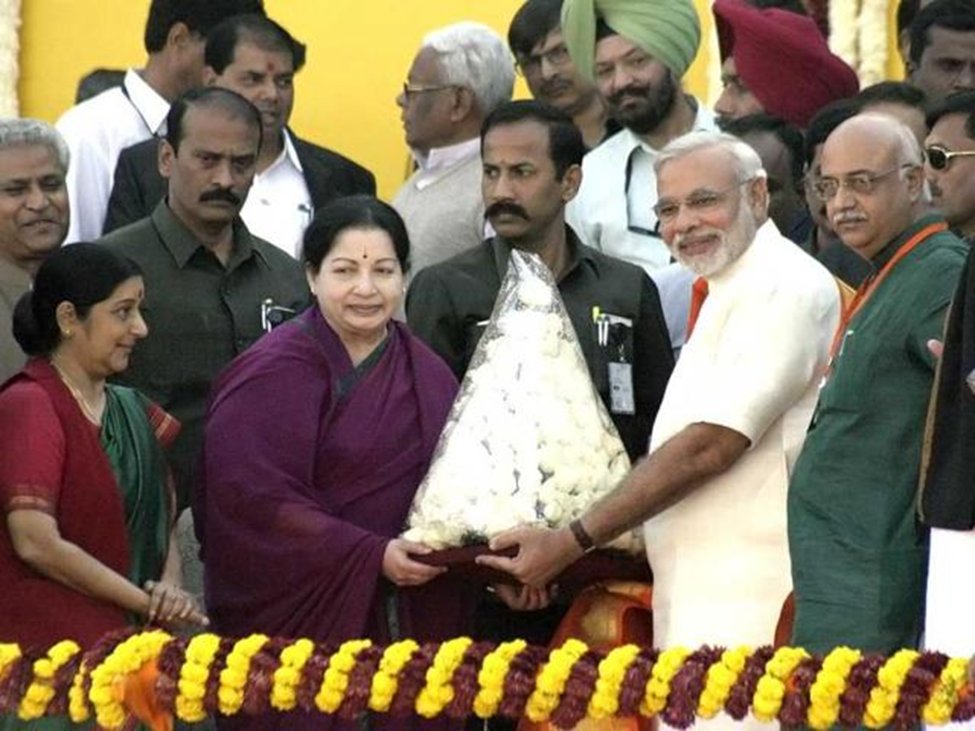
Both @narendramodi and Amma Jayalalithaa were at the forefront of resisting any attempt by the Congress-led UPA to hamper India's progress and weaken India's internal security apparatus. Here are some more photos of their close association over the years.
Modi Archive tweet mediaModi Archive tweet mediaModi Archive tweet mediaModi Archive tweet media
English
1
10
74
1.7K
Modi Archive
Modi Archive@modiarchive·
Today is the birth anniversary of Jayalalithaa Ji. During the #MannKiBaat programme on Sunday, PM @narendramodi recalled his association with her on various occasions, including the special gesture of a Pongal lunch she hosted in his honour. Narendra Modi and Amma Jayalalithaa interacted closely when they both served as the Chief Ministers of their respective states. Her presence at two oath-taking ceremonies of CM Modi (in 2002 and 2012), and his at her oath-taking in 2011, illustrated the respect they had for each other.
Modi Archive tweet mediaModi Archive tweet media
English
3
58
308
6.4K
Modi Archive
Modi Archive@modiarchive·
Today is the birth anniversary of former American President Abraham Lincoln. In 2006, while addressing youngsters during the convocation at Nirma University, CM @narendramodi recalled Lincoln’s life and delivered a powerful message of perseverance, which remains very relevant today, especially for the youth. Watch:
English
2
104
335
8.3K
Modi Archive
Modi Archive@modiarchive·
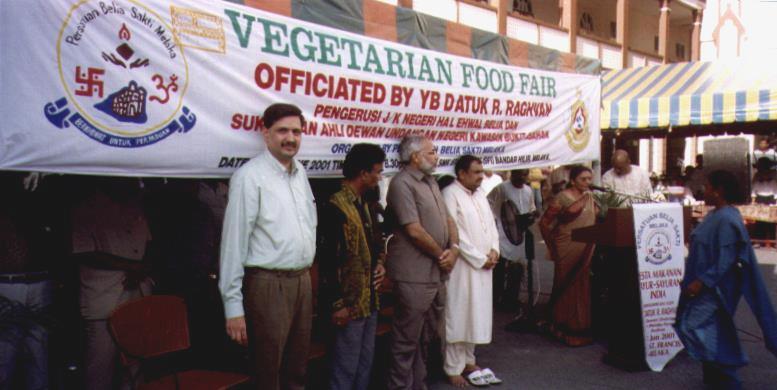
On June 23, 2001, five months after a devastating earthquake struck Gujarat, taking thousands of lives and leaving many homeless, the Malaysian Indian community, especially the Gujarati diaspora, showed remarkable generosity from afar. @narendramodi was visiting Malaysia as the Bharatiya Janata Party's National General Secretary (Organisation). This was months before he became Gujarat's Chief Minister in October 2001. At SMK St. Francis School in Melaka, the Malaysian Indian community organised a vegetarian food fair. They raised 40,000 Malaysian Ringgit, and every cent went to the Prime Minister's Relief Fund in India. Now, twenty-five years later, Prime Minister Narendra Modi is visiting #Malaysia again. As he once said in Kuala Lumpur: "Whether I came here without office or now as PM, I have felt the same friendship and welcome."
Modi Archive tweet mediaModi Archive tweet mediaModi Archive tweet mediaModi Archive tweet media
English
1
56
180
4.3K