Museum of Science
15.3K posts

Museum of Science
@museumofscience
Inspiring a lifelong love of science in everyone - in museums, classrooms and online. We believe in a world where science belongs to everyone.
Boston, MA Katılım Nisan 2009
1.8K Takip Edilen52K Takipçiler

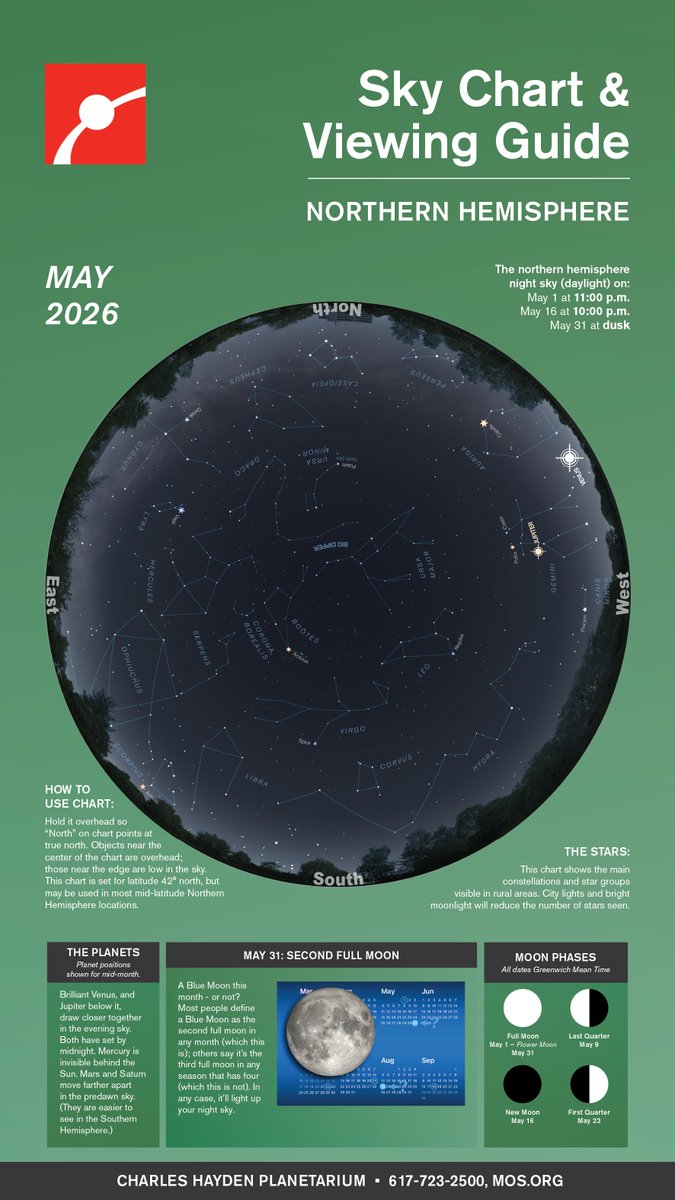
🌌 There is plenty to see in the night sky this month!
📍 Northern Hemisphere
✨ Spring constellations take center stage. Look for Leo and Virgo high in the sky, with Boötes rising and bright Arcturus shining nearby
🪐 Venus and Jupiter glow in the evening sky, drawing closer together. Both set by midnight, while Mercury stays hidden behind the Sun. Mars and Saturn shift into the predawn hours
📍 Southern Hemisphere
✨ Spot Crux (the Southern Cross) and Centaurus, with Alpha Centauri nearby. Scorpius begins to rise, and the Milky Way stretches across darker skies
🪐 Venus and Jupiter shine in the evening, setting before midnight. Mars and Saturn climb higher before sunrise
🌠 Don’t miss the Eta Aquarids meteor shower peaking before dawn in early May. Up to 60 meteors per hour in darker skies
🔭 Use our May sky charts to find constellations, track planet positions, and plan your best nights to look up


English

Join us May 28 for a conversation with Dr. Sophia Shalhout and Ari Daniel exploring how AI is reshaping cancer treatment and drug discovery at the Museum of Science. Register for tickets here: mos.org/events/ai-and-…

English

Join us on Saturday, May 16, for our AAPI Heritage Month Celebration, a day highlighting culture, community, and innovation. Enjoy live performances, meet scientists, and connect with impactful organizations as we celebrate the contributions of Asian American and Pacific Islander communities across science, culture, and society.
Learn more and plan your visit: bit.ly/4vUYfHL

English

The Eta Aquariid meteor shower peaks May 5 to 6, in a couple days! 🌠
Active from April 19 to May 28, this event happens as Earth passes through debris left behind by Halley’s Comet. Those tiny particles burn up in our atmosphere at high speeds, creating bright, glowing trails that can linger for seconds.
English

Could a real planet system be more chaotic than Star Wars? 🌌
@NASA’s TESS mission discovered TOI-201, a giant planet 16 times Jupiter’s mass that swings through an extreme, elongated orbit, tugging nearby planets into constantly shifting paths.These changes happen in just a few years, the fastest ever observed, turning this system into a cosmic tug-of-war that even the Millennium Falcon could not outrun.
English

A new era of discovery is here: Artemis III is set to carry humans beyond low Earth orbit, while the Nancy Grace Roman Space Telescope will survey vast regions of the universe to explore dark energy and uncover distant worlds. Together, these missions are helping scientists piece together how the universe works, and where we fit within it.
What is your favorite thing about space? 🌠
#Space #Astronomy #NASA #Moon #Science

English

GPS powers transportation, logistics, and emergency response, yet few know how it was built or how fragile parts of it have become. Hear from one of the early architects of modern GPS in conversation with Rick Williams of Williams Advisory Partners, presented with the Harvard Business School Association of Boston.
🎟 Register: bit.ly/4vmA3xk

English

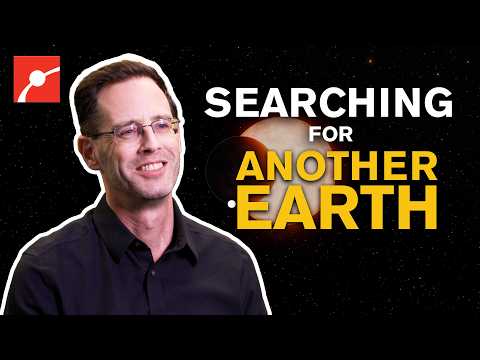
@MITKavli Watch the full interview with MIT Kavli Institute research scientist Avi Shporer here: youtube.com/watch?v=8aug54…

YouTube
English

Finding another Earth isn’t easy, it’s a cosmic challenge. 🌍
Avi Shporer, a research scientist at @MITKavli, studies how astronomers detect planets beyond our solar system. We’ve found thousands of exoplanets, but Earth-sized, rocky worlds remain some of the hardest to spot. Their small size makes them incredibly difficult to detect around distant stars. Their year-long orbits make them even harder to find, which is why so few true Earth-like planets have been confirmed.
English

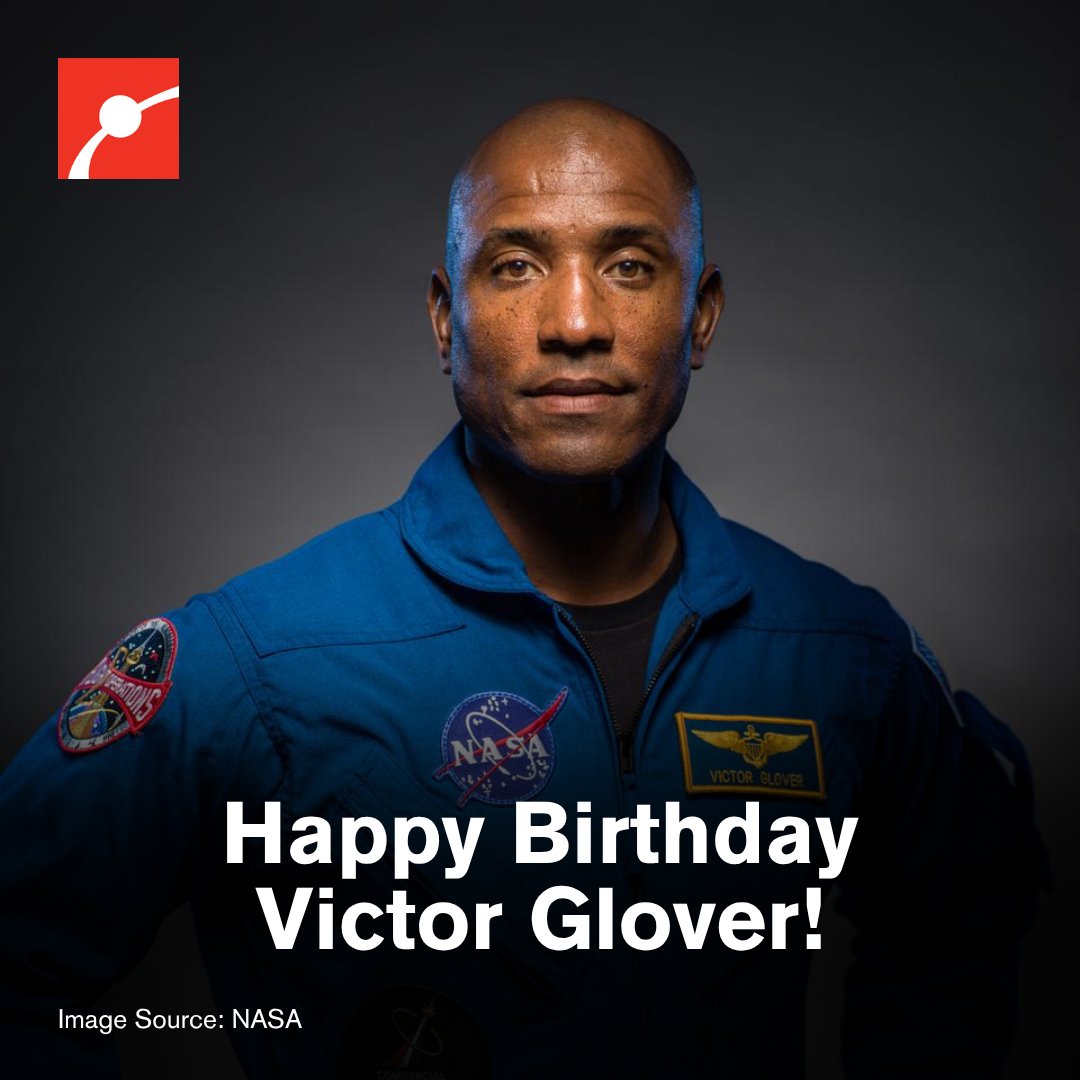
Orbiting Earth at incredible speeds aboard the International Space Station, Victor Glover helped advance microgravity research by studying how fluids, flames, and the human body behave without gravity to improve life on Earth. He also made history as the first African American astronaut to serve on a long-duration ISS mission and contributed to critical spacewalk operations.
#NASA #Artemis #Astronaut #VictorGlover #Science

English

Does freezing your brain before you die actually work? 🧠🧊
Scientists are testing cryonics using vitrification, a rapid freezing method that turns brain tissue into a glass-like solid and prevents harmful ice crystals from damaging cells. In lab studies, thawed mouse hippocampus tissue showed active neurons and preserved signals linked to memory and learning, raising new questions about human brain preservation.
English


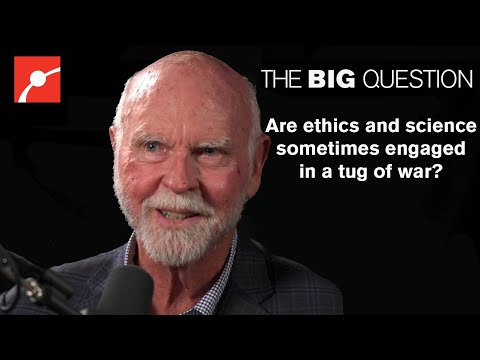
We pay tribute today to Dr. J. Craig Venter, a visionary scientist whose pioneering work transformed the field of genomics and reshaped our understanding of life itself.
At the Museum of Science, we recognize his bold pursuit of discovery, from helping to sequence the human genome to advancing synthetic biology, as milestones that continue to influence science, medicine, and technology around the world.
Dr. Venter’s work accelerated a new era of exploration, unlocking the code of life and opening doors to innovations in health, environmental science, and beyond. His leadership in mapping the human genome helped shift what was once unimaginable into the realm of possibility, inspiring scientists to think bigger, faster, and more collaboratively. He challenged conventions, embraced risk, and reminded us that curiosity, paired with determination, can redefine entire fields of study. His legacy lives on in every breakthrough that builds upon the foundation he helped create.
May his contributions continue to spark curiosity, drive innovation, and deepen our understanding of the living world. 🧬

English

In 1897, J.J. Thomson revealed that through cathode ray experiment he found that atoms are not indivisible. He discovered the electron, a tiny negatively charged particle. This breakthrough reshaped our understanding of matter and launched modern physics.
#Chemistry #Electrons #Atoms #Science

English

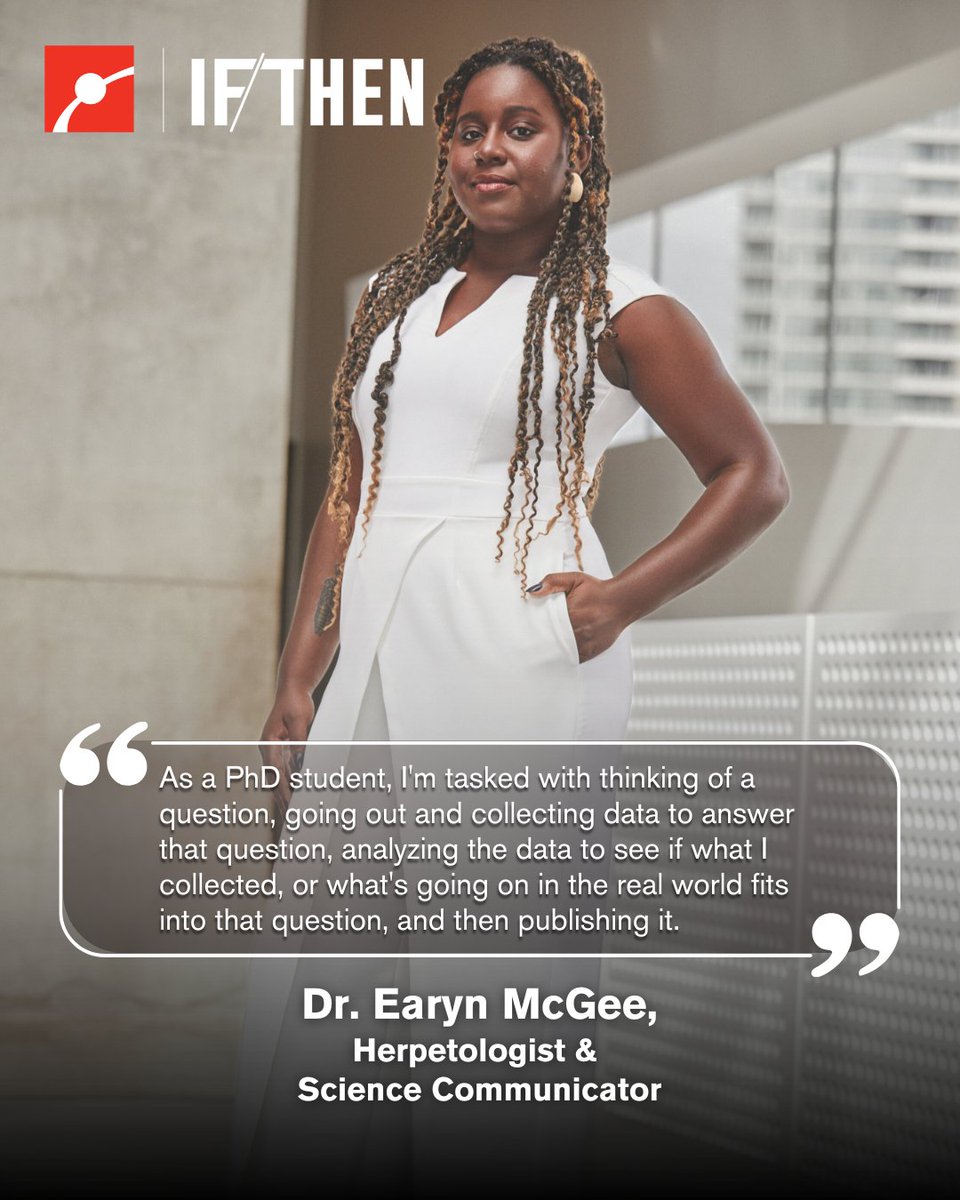
Learn more about Dr. Earyn McGee and more IF/THEN Women here: mos.org/discover/if-th…
English

Science is about asking questions and following the evidence.
Dr. Earyn McGee, herpetologist and science communicator, collects data from the natural world, studies what it shows, and shares those findings to make science more accessible.
This project is part of IF/THEN®, an initiative of Lyda Hill Philanthropies.

English