NASA History Office
25.2K posts

NASA History Office
@NASAhistory
This is the NASA History Office's official X account. We're happy that you share our passion for aerospace history.
Washington, DC Katılım Haziran 2010
164 Takip Edilen1.2M Takipçiler

@NASAhistory The space shuttle was neither wingless nor did it achieve much in the way of lift.
English

As the Apollo 11 vehicle was rolling to the launch pad in Florida OTD in 1969, across the country in the California desert NASA test pilot Bill Dana (right) was flying the wingless HL-10 lifting body (left).
NASA's lifting body program paved the way for the space shuttle by showing that a wingless craft could glide to a landing like an airplane.

English

Good question! The lift for these vehicles was created by the shape of their bodies rather than wings. The modified half-cone shape with a rounded bottom and flat top, along with the rounded nose and twin tail-fins allowed the lifting bodies to be maneuvered both in a lateral and a longitudinal direction. nasa.gov/aeronautics/na…
English

The shape is unexpected. I thought wings were flat on the bottom and curved on the top, to force faster airflow across the top. The lifting body here looks like the opposite. Anyone know how this works?
NASA History Office@NASAhistory
As the Apollo 11 vehicle was rolling to the launch pad in Florida OTD in 1969, across the country in the California desert NASA test pilot Bill Dana (right) was flying the wingless HL-10 lifting body (left). NASA's lifting body program paved the way for the space shuttle by showing that a wingless craft could glide to a landing like an airplane.
English
NASA History Office retweetledi

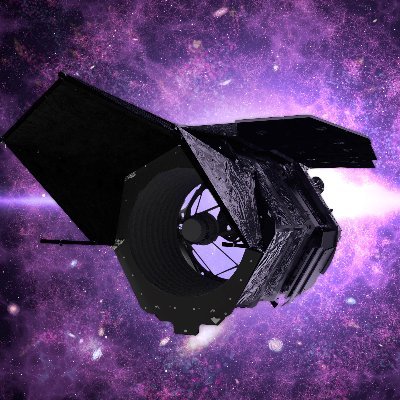
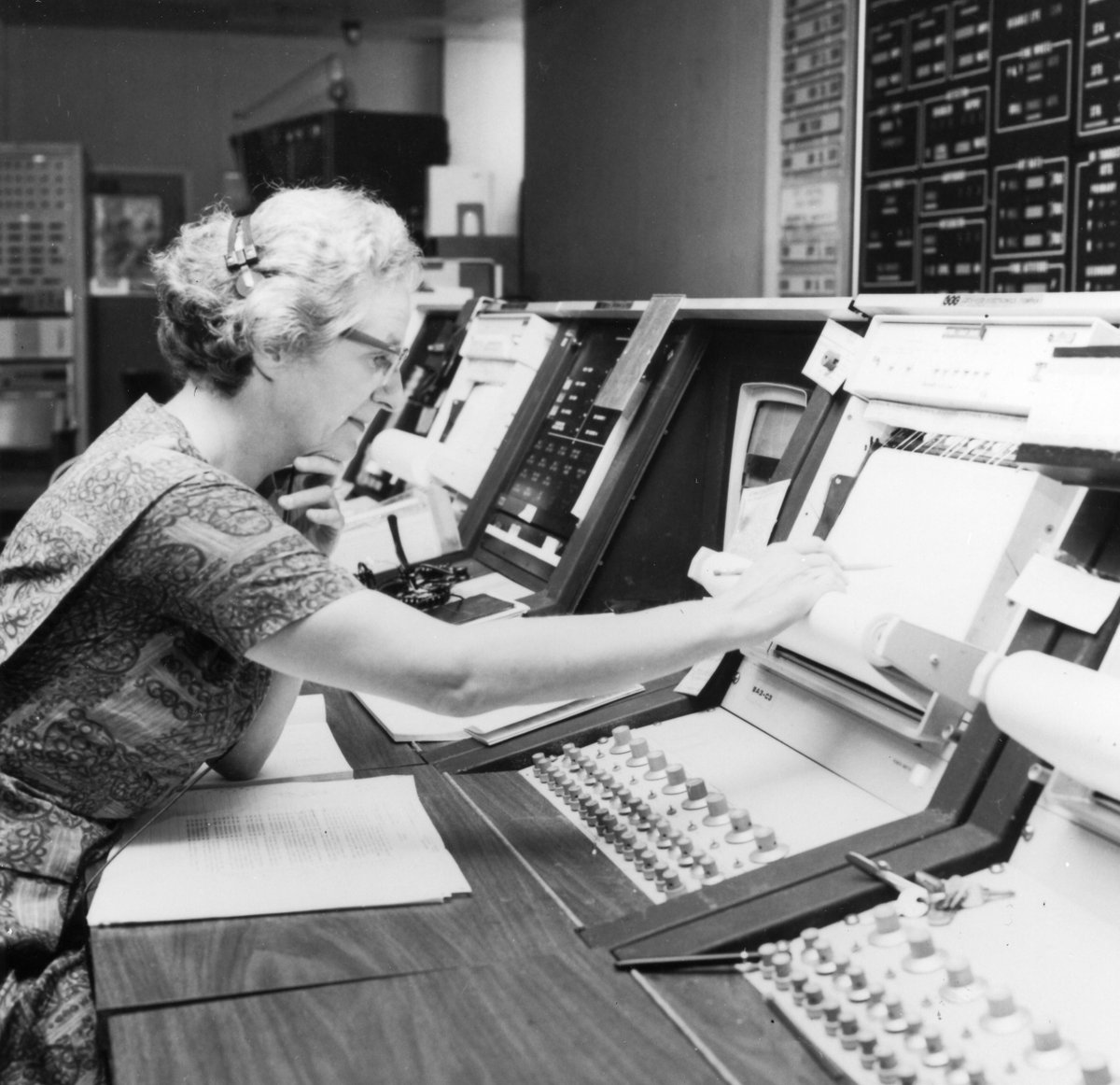
Today would have been Dr. Roman’s 101st birthday! 🎉
We are honored to have @NASA’s next space telescope, launching later this year, named after such an inspiration who understood the importance of leaving Earth's atmosphere to better understand our universe.
Learn more: go.nasa.gov/4fpIHWo

English

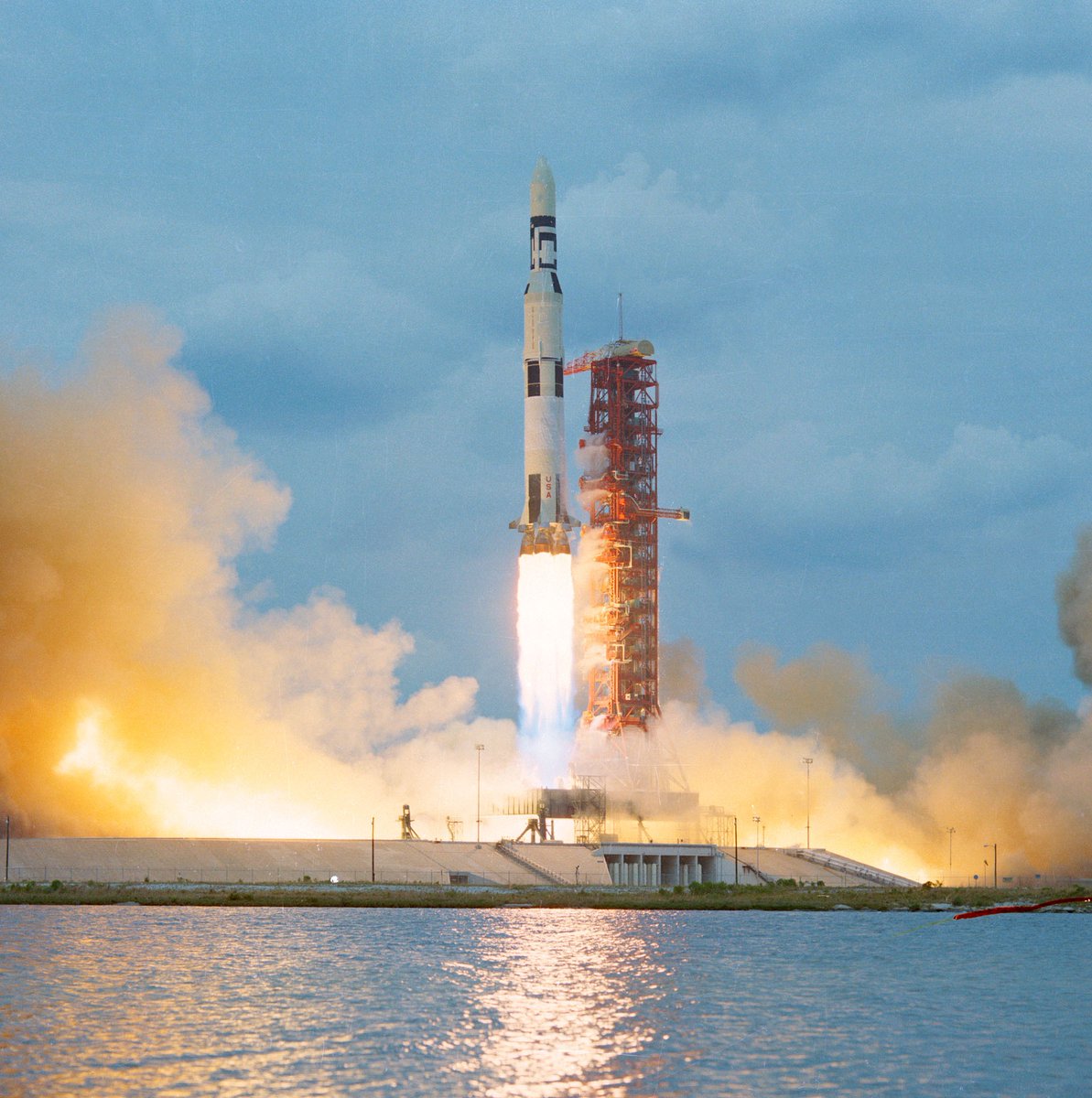
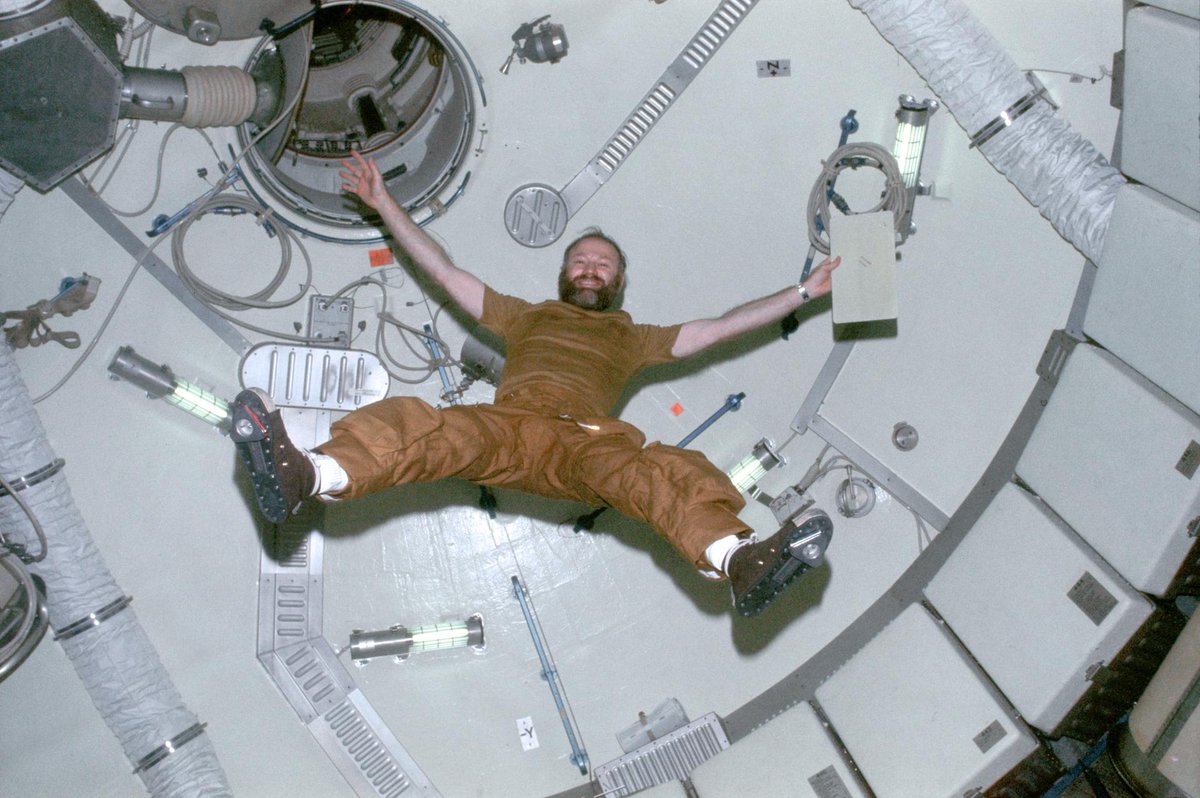
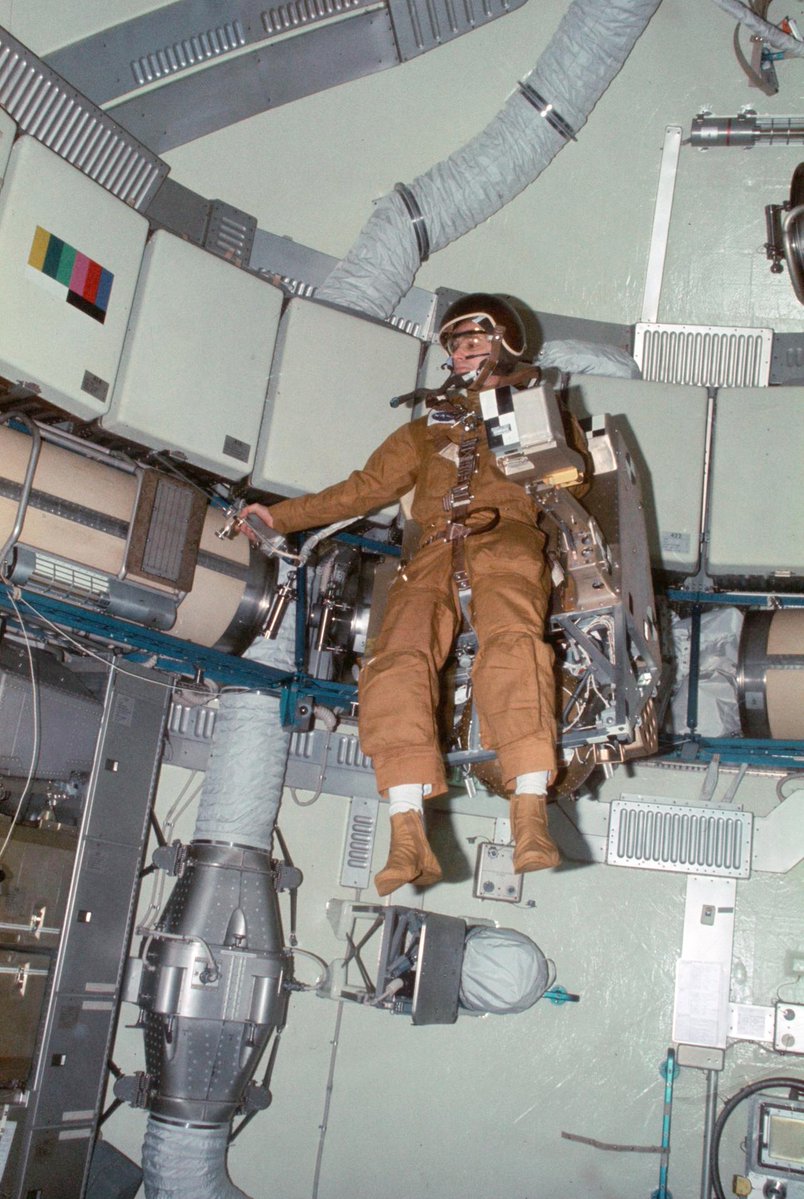
@deaninsavannah So underrated! Not only did Skylab break new ground in long-duration spaceflight, it made huge strides in human physiology, solar science, and Earth-observation.
English

@NASAhistory Skylab feels underrated compared to Apollo, but it was a huge step for long-duration spaceflight.
English

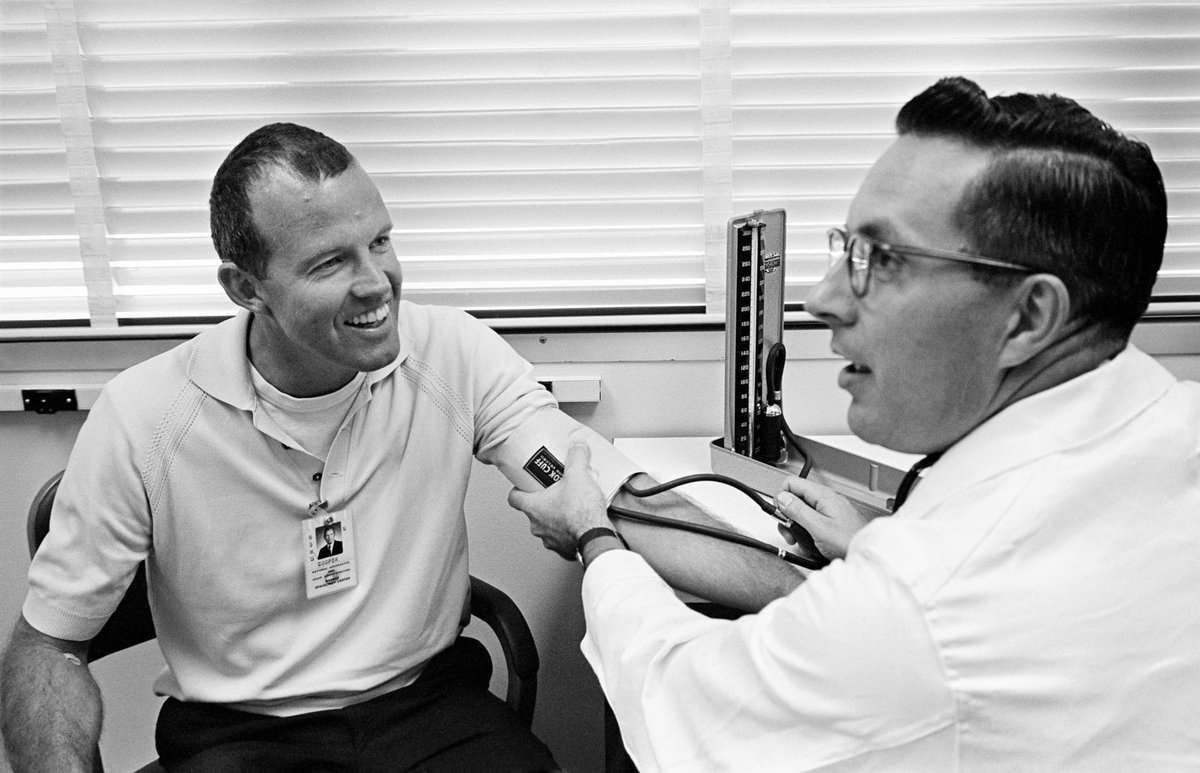
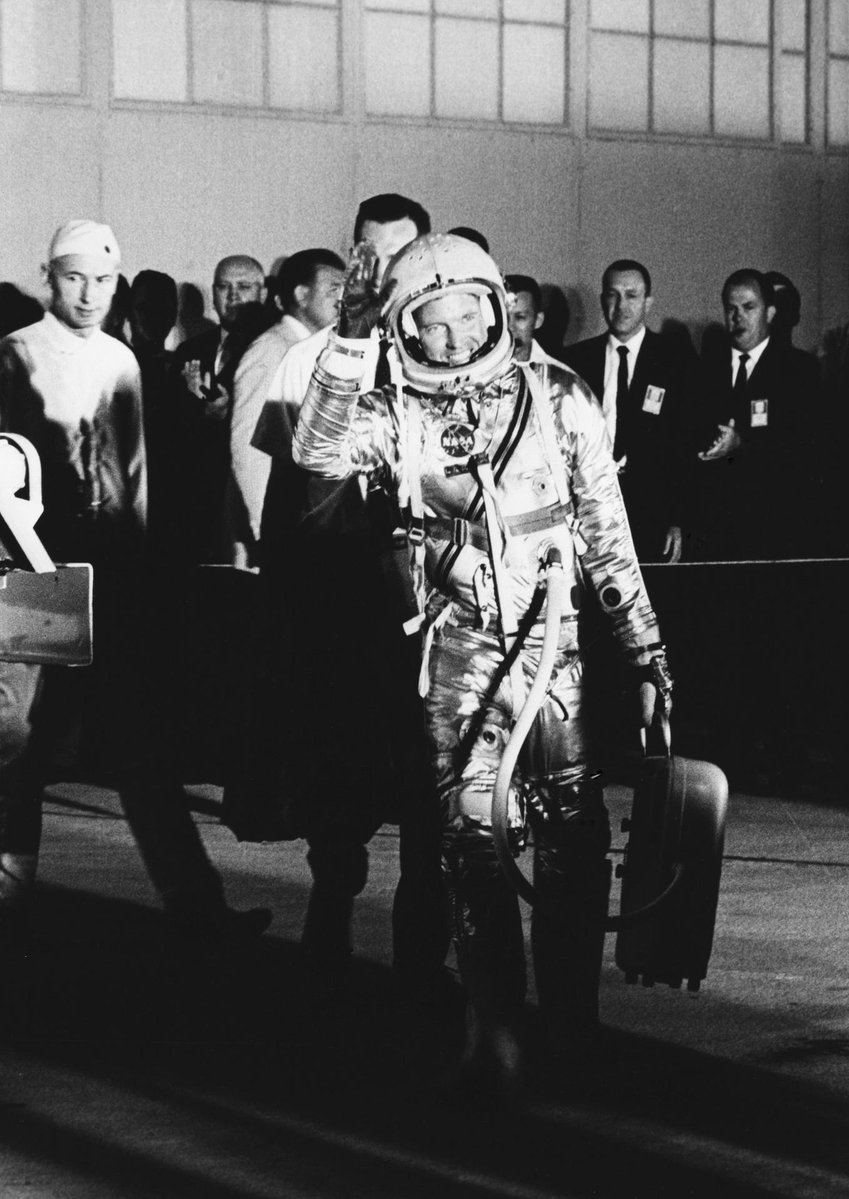
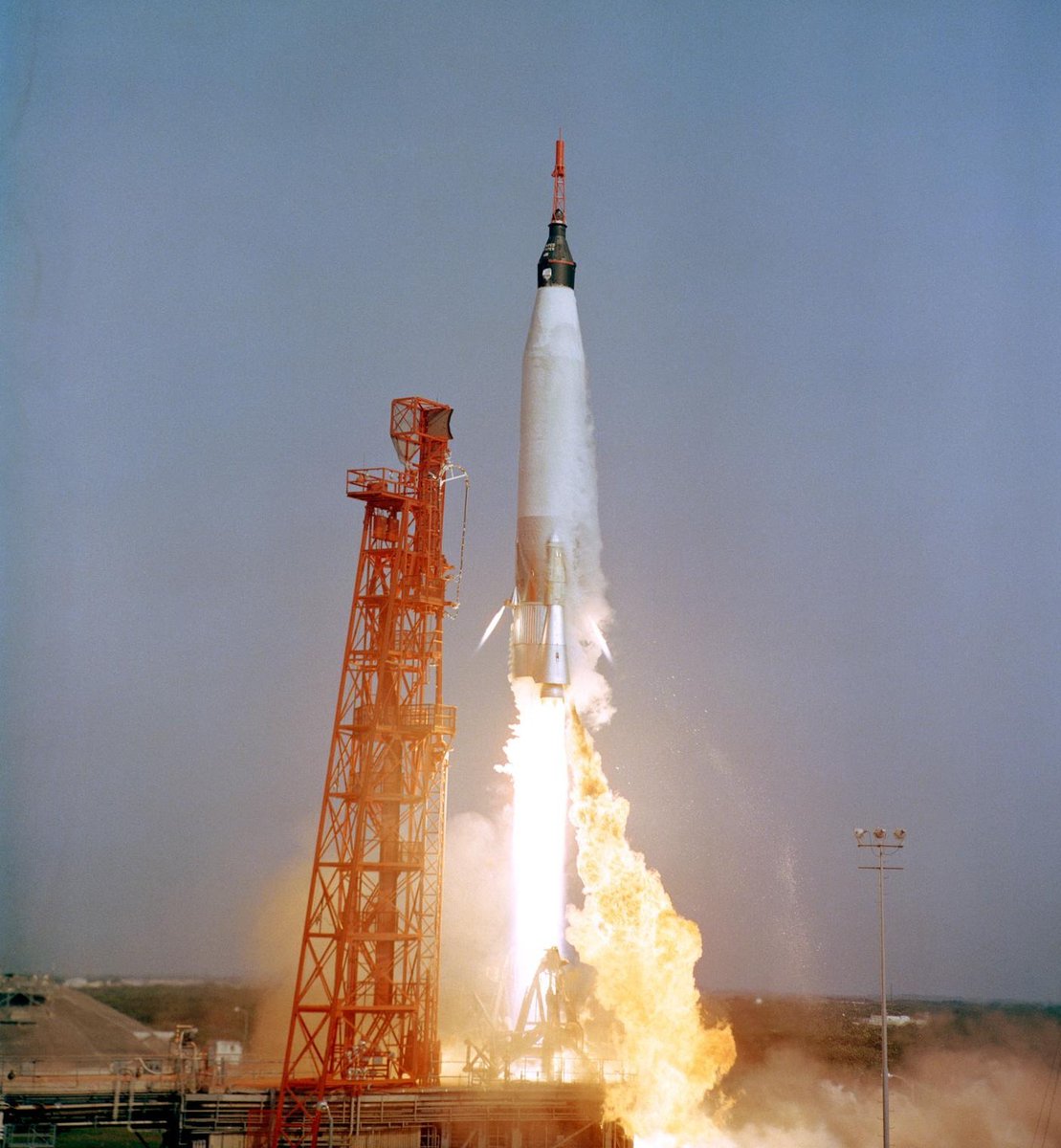
At a time when it was still unclear whether humans could endure more than a few hours in weightlessness, Cooper’s mission was an essential step toward the goal of landing astronauts on the Moon less than 8 years later.
How the chief of NASA's Medical Operations Office tested the limits of human endurance in space in the 1960s: go.nasa.gov/4nzLwGv

English

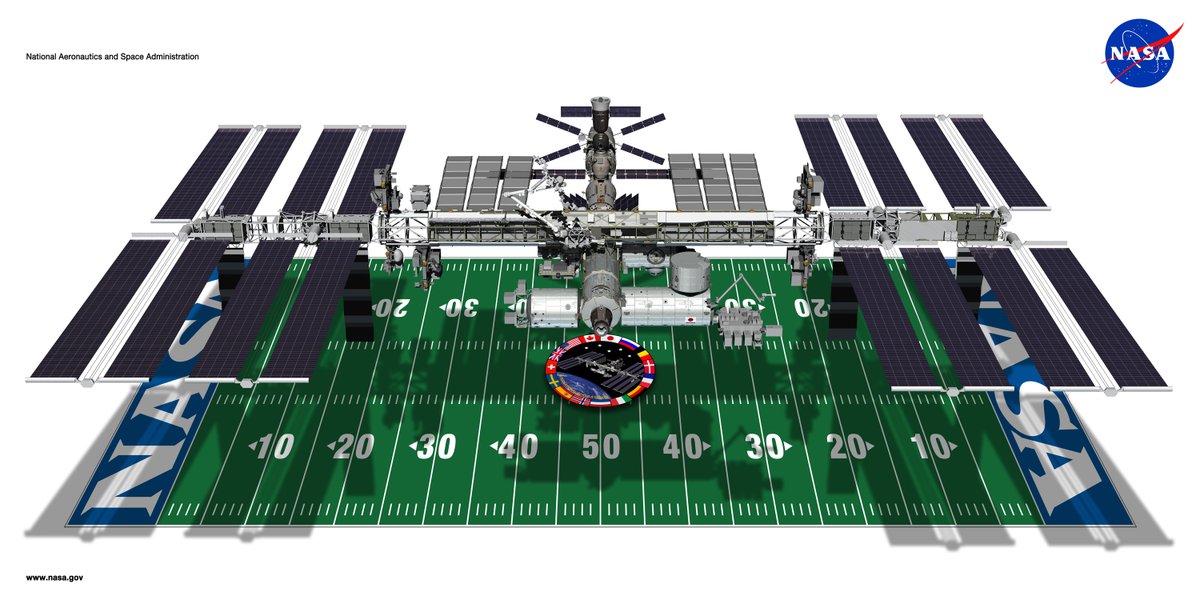
Skylab Orbital Workshop provided about 10,000 cubic ft (283 cubic m) of habitable space for its three 3-person crews.
The International Space Station, by comparison, offers 13,696 cubic ft (~388 cubic m) of habitable volume—within a structure of connected modules. That's roughly the interior space of a 1,700-square-foot home in the U.S.

English

@TexSandlin This is amazing!!! Thank you so much for sharing your photo!
English

@NASAhistory Here's Scooter and the rest of the Eight Tomcat crew who flew on the movie. It's our "wrap photo". Scooter is top right. I'm bottom right 😎

English

"Tower, this is Ghost Rider requesting a flyby."
During his service with the Navy, astronaut Scott "Scooter" Altman doubled for Tom Cruise and other actors in F-14 flight scenes for the original Top Gun movie, released 40 years ago this week!
Altman didn't just buzz the traffic control tower once, he did it nine times to get the right take for the movie!

English
NASA History Office retweetledi

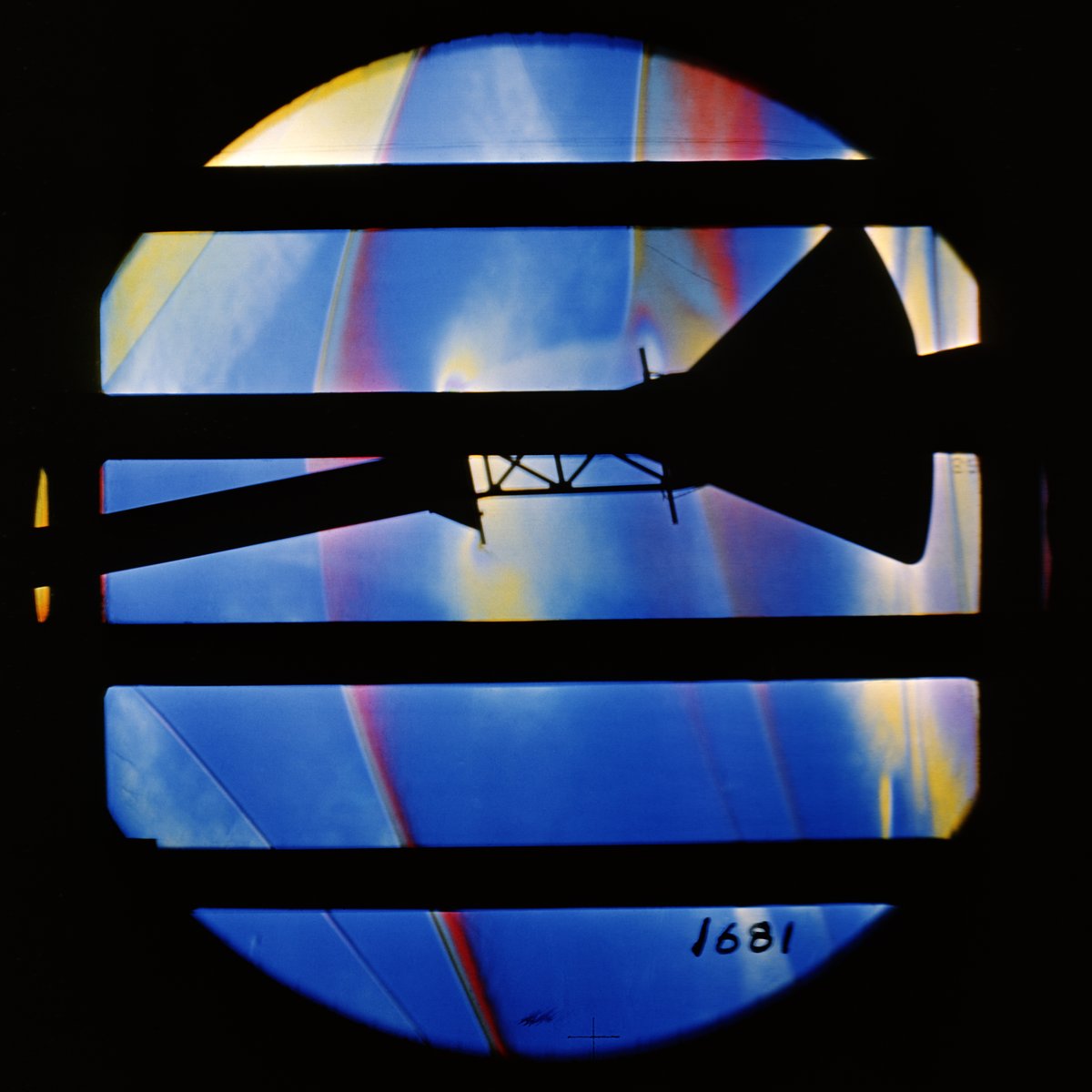
Wind tunnel testing? We’ve been at it for decades. 💁
Seen here in the ‘60s is an Apollo Command Module model being tested in our Unitary Plan Wind Tunnel.
Generations of air and spacecraft have had their critical safety checks here to ensure they’re ready to take to the skies to fly. Explore more: go.nasa.gov/4rPeao1


English

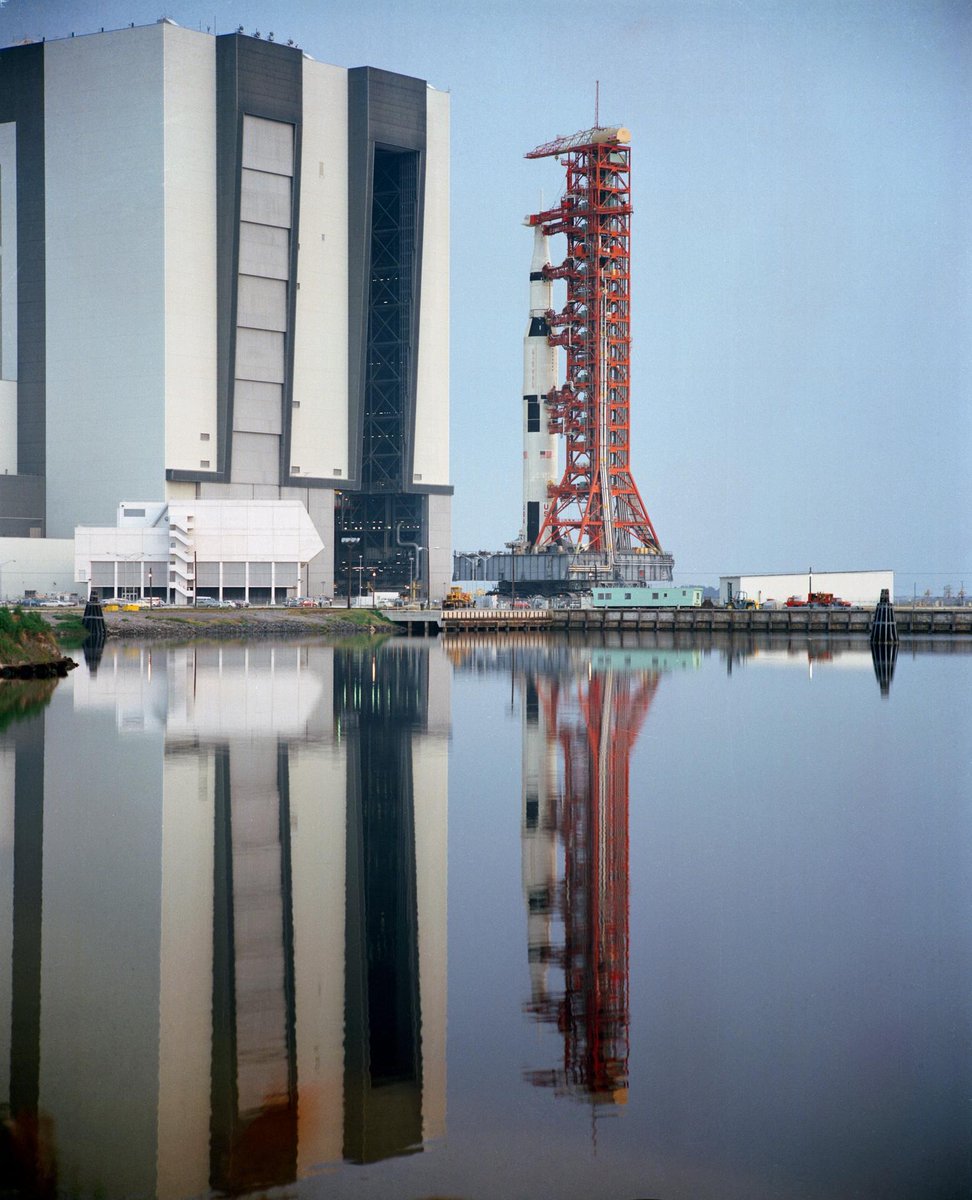
55 years ago, the Apollo 15 spacecraft was on the move.
The 363-foot-tall vehicle left the Vehicle Assembly Building on May 11, 1971, for its slow 8-hour trip to Pad 39A at @NASAKennedy. Apollo 15, the fourth Apollo lunar landing mission, was scheduled to lift off on July 26.

English
NASA History Office retweetledi

A little love for our OG mom, Earth. 💙🌍 Happy Mother’s Day weekend.
At NASA’s Johnson Space Center, teams work every day to better understand and protect our home planet — a fitting reminder to celebrate the world that cares for us, and the mothers, caregivers, and communities who do the same.
English