youtu.be/8RsikKpthDU
Today on tv ismaili
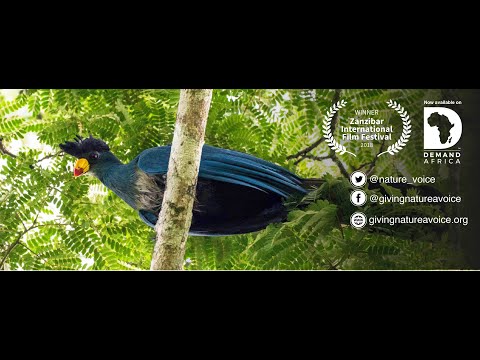
Salonga National Park is Africa’s biggest rainforest. It's larger than Belgium, the Congo’s former colonial ruler. GNV travels to the heart of Salonga, to see how rangers and conservationists are trying to save it
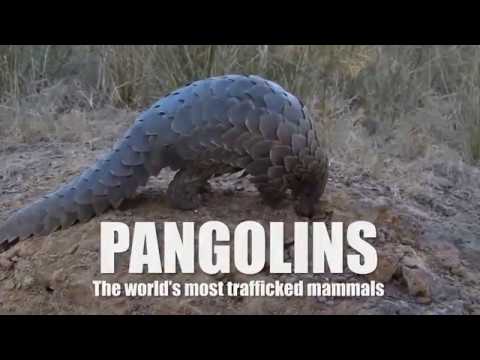
Today on TV Ismaili PANGOLINS: THE WORLD’S MOST TRAFFICKED MAMMAL
youtu.be/Ohpbuqvh8aE
Pangolins are toothless, gentle creatures that feed on insects using their tongue. Unfortunately for pangolins, their protective scales are made of keratin, just like the rhinos’ horns.
FOOD WASTE
youtube.com/watch?v=o9rgES…
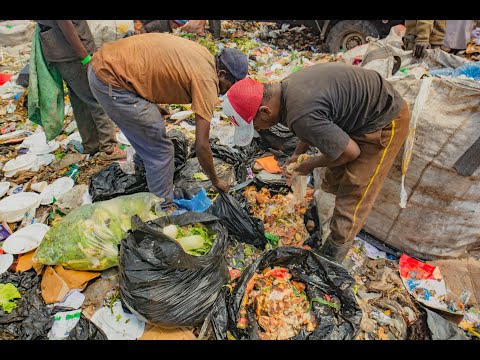
Food waste is a the leading causes of climate change. Farmers in Kenya are wasting up to 50% of their harvest when their crops are rejected for cosmetic reasons or dumped because of last minute order cancellations
tv ismaili
SAVING SNAKES, PROTECTING PEOPLE today on tv.ismailiyoutube.com/watch?v=ghNrQL…
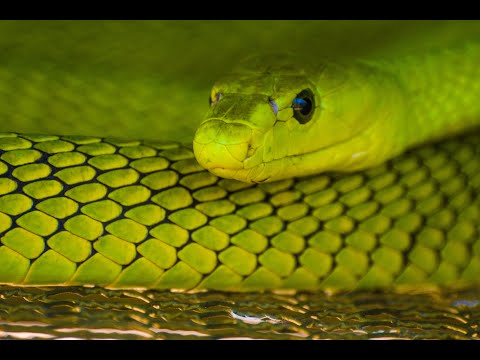
Snakes are some of the most vilified creatures on earth, responsible for 900 deaths a year in Kenya. But snakes control rodent populations and are also the only source of anti-venom.
IVORY BELONGS TO ELEPHANTS today on tv.ismailiyoutube.com/watch?v=14eoGn…
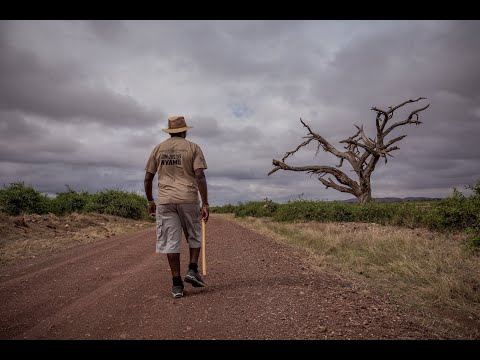
Jim Nyamu walked 4000 km in a personal quest to save elephants. “Ivory Belongs To Elephants,” follows his epic trek from Kenya to Botswana to raise the alarm that elephants face extinction
Today on Ismaili TV Season 4 opens with SAVING SITATUNGA
youtube.com/watch?v=NaphS-…
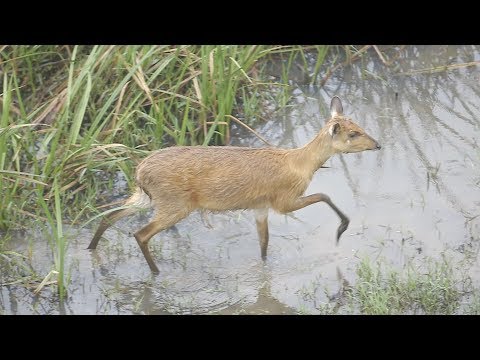
It’s one of the rarest antelopes in Kenya, uniquely adapted to its watery home. Now one community in Nandi County is trying to protect the Sitatunga to safeguard their own economic future.
MURKY TIDES on ismaili tv
youtube.com/watch?v=gQgq9T…
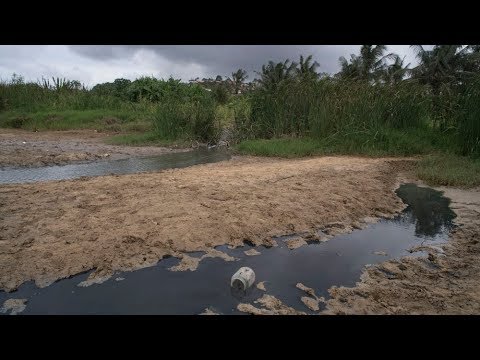
The Indian Ocean is one East Africa’s greatest assets, but sadly, it is under serious threat. This film seeks to address this problem by documenting the effects of untreated sewage on the eco system of the Mombasa city area.
youtube.com/watch?v=elIDGQ…
Today on No Man's Forest
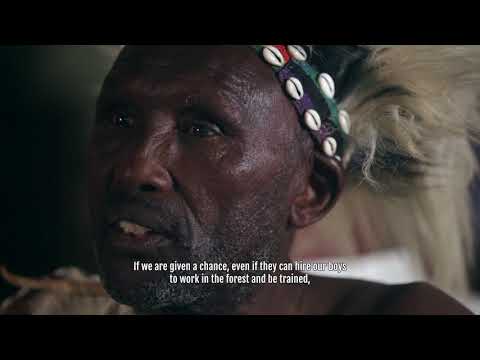
The indigenous Sengwer people have been hunters and gatherers in Kenya’s Embobut Forest since ancient times. But they were never given title to their land. Watch their story on Ismaili Tv
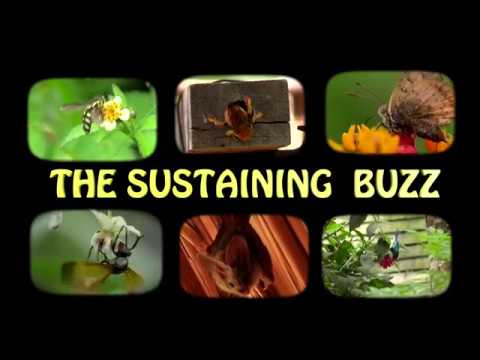
Today on ismaili.tv The Sustaining Buzz
youtube.com/watch?v=EzA8Dz…
Pollinators are critical for the production of food, fruits and the regeneration of wild plants. But the indiscriminate use of pesticides are contributing to their decline.
End of the River part 4. Watch today and later on the VOD channel of tv.Ismaili . In the dramatic conclusion of the series investigative reporter John-Allan Namu shows how climate change and drought led to a fight for scarce resources. youtu.be/FUTa99qgUIw
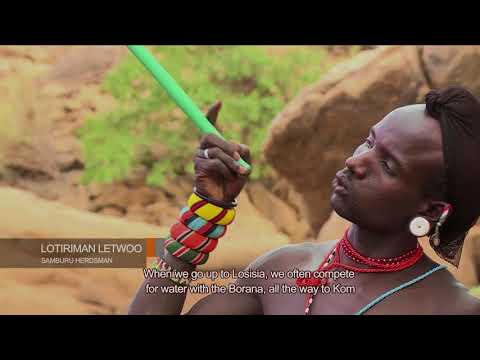
End of the River pt 3 Today on tv.ismailiyoutu.be/lcawDAEzf7M Discover the trigger of the violence accompanying Kenya's 2017 drought in Laikipia County when nomadic cattle herders were pitted against ranchers, conservationists and the police.
Today on tv.ismaili, Greening Bare Ground. youtube.com/watch?v=D8KMry… Helen and Kenya Mutiso want to teach Kenyans how to grow forests in their own backyard and cover 10% of the country with trees while making money to stop droughts and deforestation.
The Price of Power today on tv.ismaili
Geothermal energy, a low carbon resource, provides half of Kenya’s energy needs. Unfortunately local people can be displaced and most geothermal fields are in National Parks and Reserves, with critically endangered species.
Salt Water Survivors today on tv.ismaili
Mangrove forests are among the most threatened habitats on earth, disappearing faster than even rainforests. But mangroves are also the coast’s nursery, providing shelter for 75% of commercially caught fish.
Watch Climate's Children today on ismaili.tv
The worst drought in decades showed how vulnerable East Africa is to climate change and how people and wildlife will share a similar fate. But sometimes they worked together to overcome the crisis.
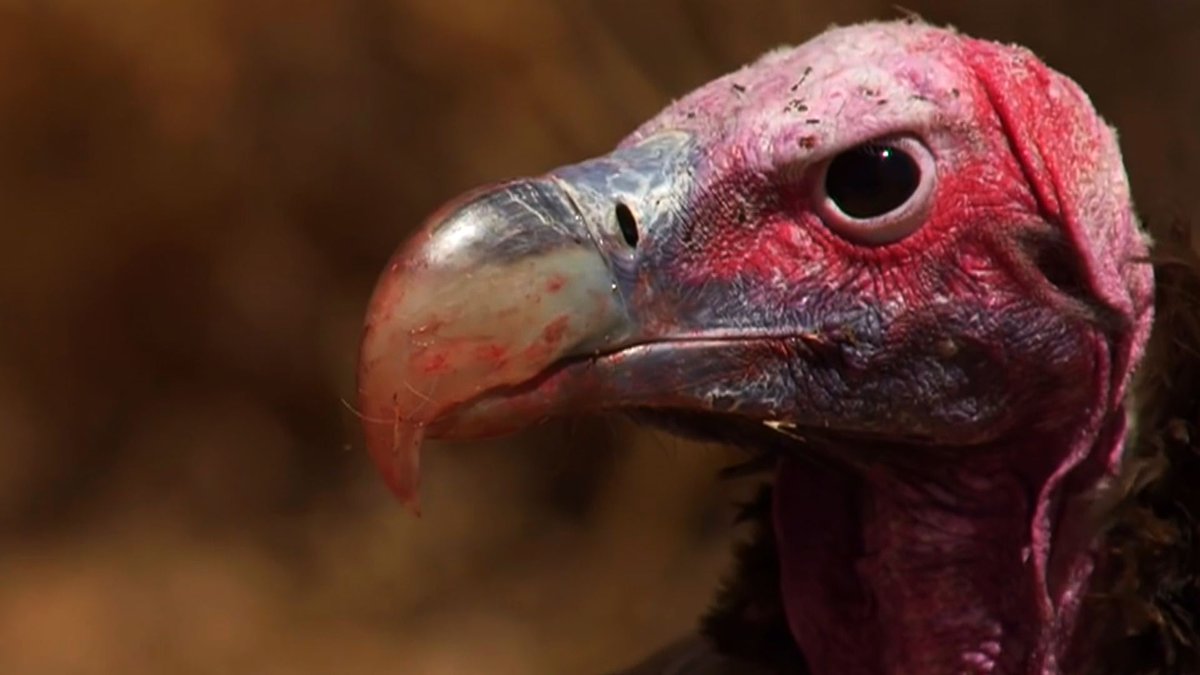
Vultures are associated with death, but they are the unsung cleanup crews of Africa. But in 30 years African vulture species have declined by over 80%. Most are inadvertently poisoned by pastoralists who lace livestock carcasses to attack predators. tv.ismaili
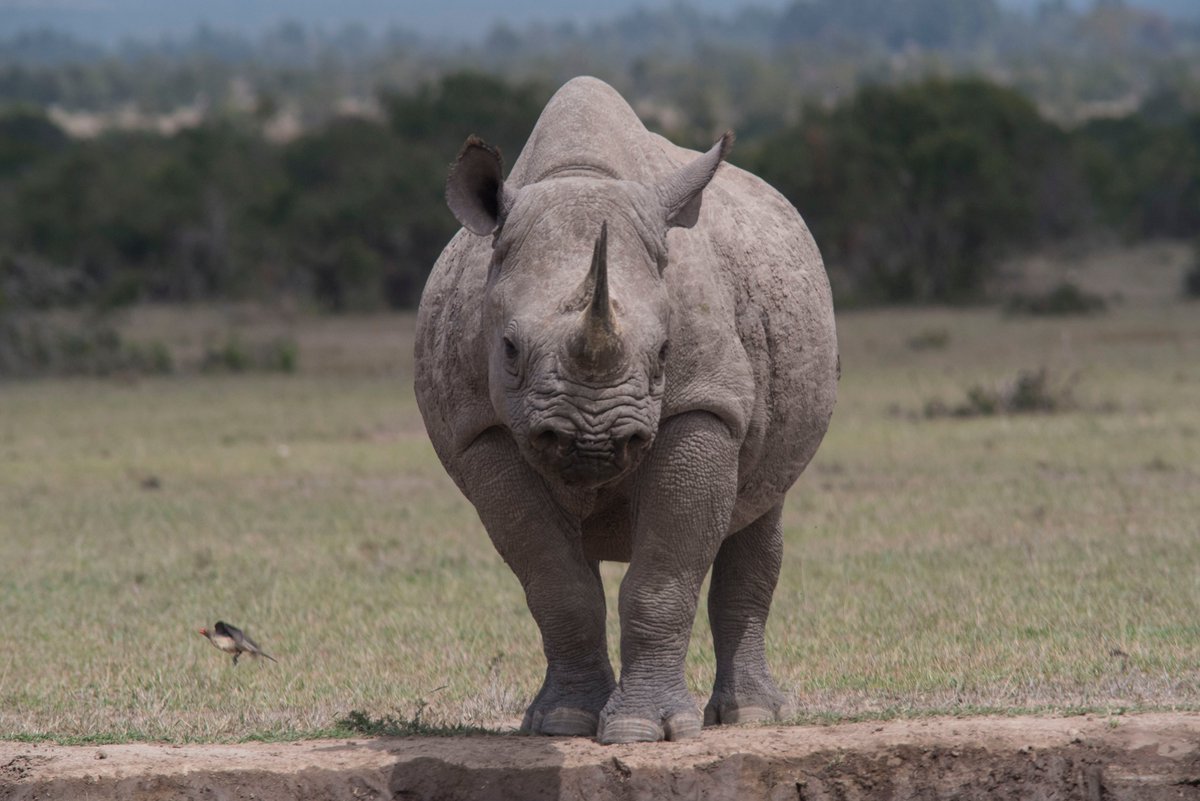
Watch do Rhinos Have a Future on tv.ismaili In 1970 Kenya was home to 20,000 black rhinos. By 1989 only 400 rhinos were left. Ol Pejeta Conservancy, which started with only 4 black rhinos in 1988 now is home to 110, each protected at a cost of $10K annually.
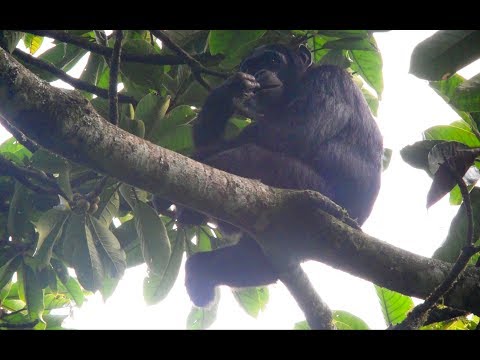
Imagine treating a 200 pound gorilla that’s broken her leg after falling out of a tree. That’s a routine call for Rwanda’s Dr. Gaspard and Gorilla doctors working in Volcanoes National Park. Watch Saving Mountain today on tv.ismaili